A Miami following-too-closely accident injury lawyer helps injured victims organize their claims, preserve essential evidence, and prove liability after a rear-end collision. Law Offices of Anidjar and Levine can gather crash reports, photographs, witness statements, medical records, and vehicle data, and manage insurer communications while challenging efforts to shift blame.
Legal guidance from a Miami Car Accident Attorney also helps document damages, protect deadlines, and pursue fair compensation for medical costs, lost income, and pain-related losses. The sections below explain these issues in greater detail.
Main Takeaways
- A Miami following-too-closely accident injury lawyer investigates the crash, gathers evidence, and identifies liable parties under Florida law.
- Your lawyer handles insurers, avoids harmful recorded statements, and counters efforts to minimize injuries or shift blame.
- Strong claims rely on police reports, photos, witness statements, medical records, and vehicle or electronic crash data.
- Prompt medical care and scene documentation help connect injuries to the rear-end collision and strengthen your case.
- An attorney evaluates damages, negotiates settlements, and prepares for litigation if the insurer refuses to offer fair compensation.


How We Can Help With Your Miami Following Too Closely Accident Injury Claim
Guide through the aftermath of a rear-end collision with informed legal guidance. A dedicated legal team can assist injured clients by organizing the claim process, protecting deadlines, and presenting clear evidence to insurers. Their role is to reduce confusion so clients can focus on recovery and continued service to their families and communities.
Counsel helps by conducting witness interviews, gathering photographs, securing crash reports, and reviewing available records for accuracy. They also coordinate medical documentation to connect injuries, treatment, and future care needs with the collision’s impact. When insurers minimize losses or delay communication, the firm can respond with a structured demand supported by facts and careful valuation.
Attorneys may explain options, answer questions promptly, and prepare each matter as if litigation could become necessary. This approach promotes accountability and fair compensation for medical expenses, lost income, property damage, and pain suffered, while providing clients with dependable support during a difficult period and meaningful direction for the future.
OUR CONSULTATIONSARE FREE
START YOUR FREE CASE REVIEW

Understanding Miami Following Too Closely Accident Injury Cases
In rear-end collision claims, understanding how a following-too-closely accident occurs is essential to evaluating liability and damages. These cases often center on whether a driver maintained sufficient braking distance for traffic, weather, speed, and roadway conditions. Miami injury claims also examine reaction time, visibility, and the sequence of impacts to determine how preventable the collision was.
A careful legal review considers police reports, vehicle damage, witness accounts, and electronic data when available. This evidence helps clarify fault, the force of impact, and the relationship between the crash and the injured person’s medical condition. Courts and insurers may also consider tailgating psychology when evaluating why a driver failed to leave adequate space, though the primary focus remains on objective facts.
For those committed to protecting others and promoting safer roads, understanding these case elements supports informed decisions, fair accountability, and a more effective path to financial recovery after a preventable rear-end accident in Miami.
Common Causes of Miami Following Too Closely Accident
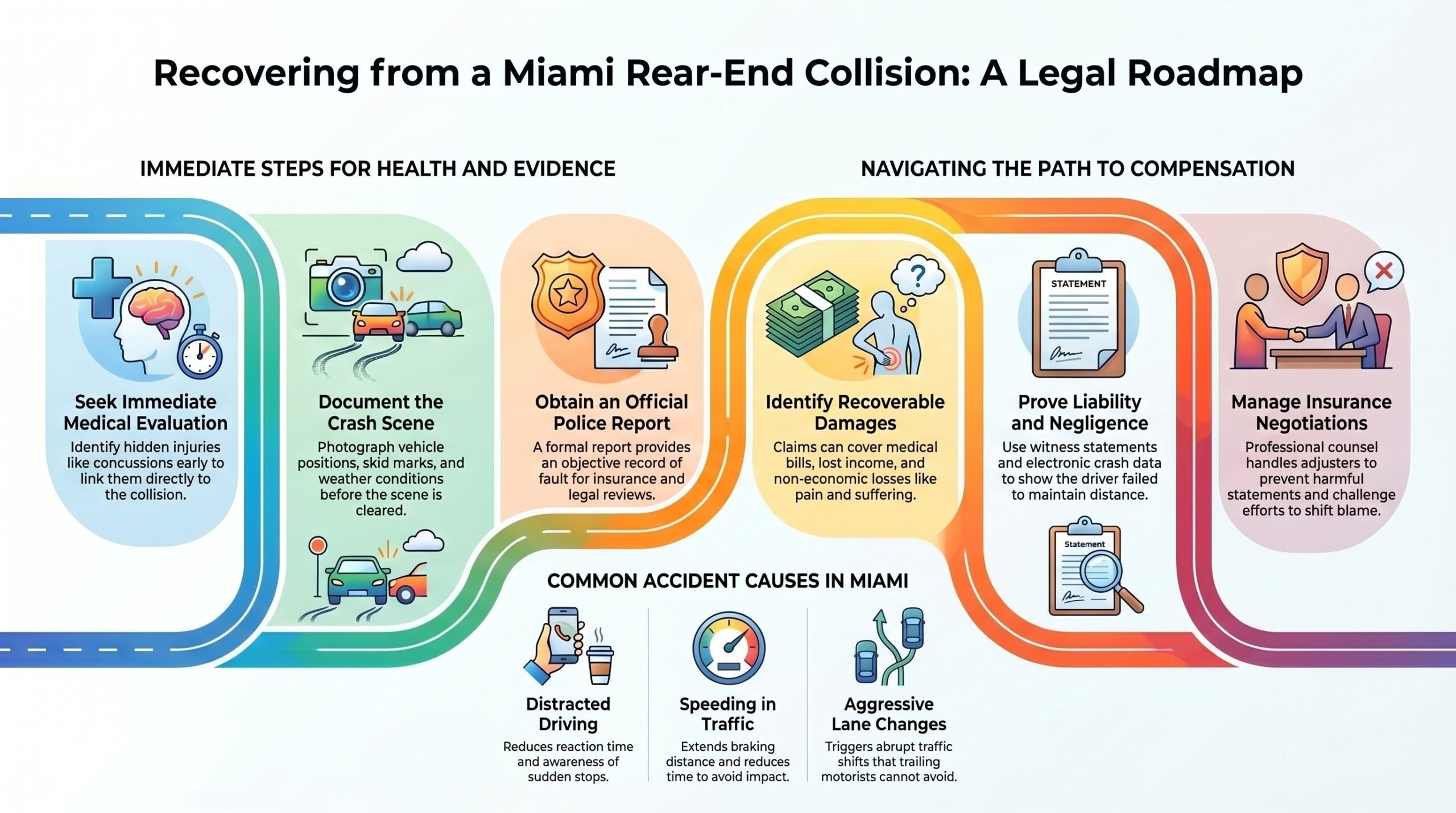
Several recurring factors contribute to following too closely in accidents in Miami, often by reducing reaction time and increasing stopping distance. Distracted driving habits, speeding in heavy traffic, and aggressive lane changes frequently place vehicles in unsafe proximity to one another. Poor weather visibility can further limit a driver’s ability to judge distance accurately, making rear-end collisions more likely.
Distracted Driving Habits
Often, distracted driving habits play a direct role in following-too-closely accidents in Miami, because a driver who is looking away from the road cannot accurately judge speed, traffic flow, or stopping distance. Even a brief lapse may prevent timely braking and place nearby motorists, passengers, cyclists, and pedestrians at unnecessary risk.
Common examples include texting while driving, adjusting navigation, reaching for dropped items, and eating while driving. These actions divide visual, manual, and mental attention, reducing awareness of sudden stops or changing conditions ahead. In communities that value protecting others, attentive driving reflects responsibility and respect for shared road safety.
When distraction causes a rear-end collision, injured people may face medical costs, lost income, and ongoing hardship. Careful documentation of these habits can help establish how preventable negligence contributed to the crash.
Speeding In Heavy Traffic
Frequently, speeding in heavy traffic contributes to following-too-closely accidents in Miami because higher speeds reduce the time available to react when vehicles ahead slow, stop, or change lanes. As congestion increases, even small miscalculations can produce sudden rear-end impacts that injure drivers, passengers, and nearby families.
Speed also extends braking distance, making safe stopping far more difficult when traffic compresses without warning. In many cases, tailgating psychology influences drivers to maintain unsafe gaps, believing momentum will save time or prevent delays.
That assumption often ignores roadway conditions, visibility limits, and the needs of others sharing the road. A service-minded perspective recognizes that prudent speeds protect not only the driver, but also coworkers, neighbors, pedestrians, and emergency responders who may be affected by an entirely preventable collision.
Aggressive Lane Changes
Triggering abrupt shifts in traffic flow, aggressive lane changes are a common cause of following-too-closely accidents in Miami. When a driver cuts into a narrow gap, trailing motorists may have little time or distance to respond safely. This conduct often involves sudden swerving, unsafe merging, and disregard for surrounding vehicles, including those transporting families, workers, and vulnerable passengers.
Such actions increase the likelihood of chain reaction collisions because each driver behind must brake or adjust course immediately. In busy corridors, one reckless lane change can place many people at risk within seconds. Careful drivers who aim to protect others on the road depend on predictable movement and adequate spacing. When that expectation is broken, preventable injuries, property damage, and substantial disruption to daily life can follow for many innocent Miami residents.
Poor Weather Visibility
During periods of heavy rain, dense fog, or sudden roadway glare, poor weather visibility can significantly contribute to following-too-closely accidents in Miami. When drivers encounter reduced visibility, they may misjudge speed, distance, and braking time, leaving too little space to respond safely. Hazardous conditions often require greater patience and a stronger commitment to protecting fellow motorists, passengers, and pedestrians.
Poor weather also creates slippery roads, which can increase stopping distances and limit vehicle control even at moderate speeds. In these circumstances, a safe following distance must expand well beyond ordinary conditions.
Drivers who fail to adjust may place others at unnecessary risk, especially in congested traffic or near intersections. Careful speed reduction, attentive observation, and adequate spacing remain crucial measures for preventing avoidable harm during adverse weather events.


Legal Rights of Miami Following Too-Closely Accident Injury Victims
A victim’s legal rights after a Miami following-too-closely accident may include the right to pursue compensation for medical expenses, lost income, property damage, and pain and suffering when another driver’s negligence caused the crash. Florida law may also require statutory notice in certain claims, and recovery can be affected by comparative fault when insurers argue shared responsibility.
An injured person may seek accountability through insurance benefits or a civil action, depending on the facts and the extent of harm.
- Relief for families facing treatment costs and interrupted work.
- Recognition of physical pain, emotional strain, and daily disruption.
- Protection for those trying to care for others while injured.
- A path toward stability, dignity, and restored security.
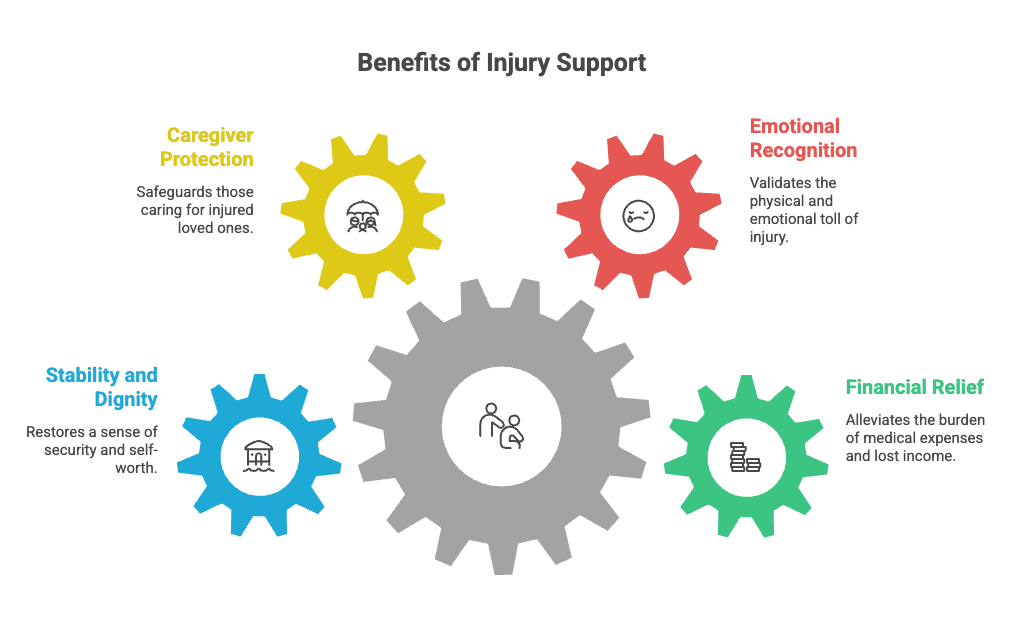
These rights exist to support recovery and to help injured individuals continue serving their households and communities. Legal guidance can clarify available damages, policy limits, deadlines, and the evidence needed to establish negligence and protect a claim.
Steps to Take After a Miami Accident Following Too Closely Injury
After a Miami following too closely accident injury, immediate medical care is vital to protect health and create a timely record of the harm sustained. It is also important to document the collision scene carefully, including vehicle damage, road conditions, and any visible injuries. The accident and all related injuries should then be reported promptly, as accurate reporting can affect both insurance claims and any future legal action.
Seek Immediate Medical Care
Seeking prompt medical attention is one of the most important steps following a Miami following-too-closely accident injury, because some conditions may not produce immediate symptoms despite being serious. An immediate evaluation can identify internal injuries, concussions, soft tissue damage, or spinal trauma before complications worsen. Timely care also supports appropriate pain management, helping injured individuals remain stable and better able to assist loved ones who may depend on them.
Medical professionals can assess visible and hidden harm, recommend diagnostic testing, and create a treatment plan suited to the person’s condition. Following all medical advice, attending follow-up appointments, and reporting new symptoms promptly can help protect long-term health. This response demonstrates responsibility, preserves well-being, and helps safeguard the injured person so they can continue to serve family, work, and community needs with strength.
Document The Collision Scene
Documenting the collision scene as thoroughly as possible can preserve vital evidence in a Miami following-too-closely accident injury claim. If conditions are safe, involved parties should record vehicle positions, skid marks, debris patterns, traffic signals, weather, and visible damage before the scene changes. Careful scene photography can help illustrate impact angles and distances, which may later clarify how the rear-end collision occurred.
They should also gather names and contact information for nearby drivers, passengers, and pedestrians who observed the event. Prompt witness statements may capture details that fade quickly from memory, including speed, braking, and traffic flow.
Notes about time, location, lane placement, and road conditions can further support an accurate account. By preserving objective details early, injured individuals may better protect their ability to pursue accountability and serve their families responsibly.
Report Accidents and Injuries
Preserving photographs, witness information, and roadway details should be followed by a prompt report to law enforcement and medical providers. An official police report helps document how the following-too-closely crash occurred, identifies involved parties, and supports later insurance and legal review. Officers may also gather witness statements that clarify fault and preserve important observations.
Medical evaluation should occur as soon as possible, even when symptoms seem minor. Early treatment protects health, creates a reliable record of injuries, and helps caregivers understand needed support. Those assisting an injured person should encourage compliance with follow-up care, prescriptions, and referrals. Careful records of diagnoses, bills, work absences, and medical mileage can strengthen a claim and demonstrate the full effect of the collision on daily responsibilities, recovery, and service to others.
How a Miami Following Too Closely Accident Injury Lawyer Can Help You
In the aftermath of a rear-end collision caused by following too closely, a Miami following-too-closely accident injury lawyer can provide vital guidance by evaluating the facts of the crash, identifying liable parties, and explaining the injured person’s legal options under Florida law. Counsel often gathers police reports, witness statements, medical records, and vehicle data to build a clear claim.
They also help coordinate post-accident counseling and protect the interests of every affected child passenger.
- Compassionate advocacy can ease fear after a sudden collision.
- Careful case preparation helps families pursue the financial stability they need.
- Respectful communication upholds the dignity of injured people during a difficult process.
- Strong representation supports accountability and safer roads for the community.
A lawyer may handle insurer communications, calculate damages, and challenge attempts to shift blame. When necessary, counsel can negotiate assertively or prepare the case for litigation. This structured assistance allows injured individuals to focus on recovery, family responsibilities, and continued service to others after a disruptive event.
Long-Term Effects of Miami Following Too-Closely Accident Injuries
Following too closely in accidents in Miami can produce lasting injuries that extend well beyond the initial recovery period. Many individuals experience chronic pain, persistent emotional trauma, and ongoing limitations that interfere with work, household responsibilities, and other routine activities. These long-term effects often shape the overall impact of a claim, making careful evaluation of future medical needs and reduced daily function especially important.
Chronic Pain Challenges
Enduring pain can become one of the most disruptive long-term effects of a Miami following too closely accident, especially when injuries to the neck, back, or soft tissues do not fully resolve after the initial recovery period. Ongoing discomfort may limit mobility, interrupt sleep, and reduce the ability to complete daily tasks safely and consistently.
For many injured people, chronic pain also contributes to chronic fatigue, making work, caregiving, and community service more difficult over time. Effective pain management often requires coordinated medical care, physical therapy, and lifestyle adjustments tailored to the person’s limitations.
Some individuals need continuing treatment to control inflammation, improve function, and prevent further strain. When these challenges persist, legal guidance may help families pursue resources that support treatment needs, financial stability, and long-term recovery planning.
Emotional Trauma Effects
Beyond the physical injuries, a Miami following too closely accident may leave lasting emotional trauma that affects daily functioning long after visible wounds begin to mend. Survivors may experience persistent anxiety, sleep disruption, irritability, and intrusive memories that undermine mental health and strain relationships with loved ones. In many cases, family dynamics change as relatives attempt to provide support while coping with their own concern, uncertainty, and stress.
Some individuals develop social withdrawal because ordinary interactions feel overwhelming or unsafe after the collision. Others struggle with recurring flashbacks that revive fear without warning and complicate emotional recovery.
Professional flashbacks therapy and related counseling may help survivors process distress, restore confidence, and reduce isolation. Early recognition of emotional trauma can encourage compassionate support and promote more complete long-term recovery for everyone involved.
Reduced Daily Function
Reduced daily function often becomes one of the most persistent long-term consequences of a Miami following too closely accident, especially when physical pain and emotional distress continue at the same time. Injured individuals may struggle with reduced mobility, making ordinary responsibilities harder to complete. Tasks such as bathing, driving, preparing meals, attending appointments, or caring for loved ones can require significant effort or outside assistance.
These daily limitations may also interfere with employment, household stability, and community involvement. When a person cannot move comfortably or concentrate consistently, independence often declines and frustration increases. Family members frequently step in to provide support, yet the burden can affect the entire household. Careful medical evaluation, consistent rehabilitation, and legal guidance often play important roles in helping injured people pursue recovery and restore meaningful daily functioning over time.
Proving Liability in Miami Following Too-Closely Accident Injury Cases
Establishing liability in a Miami following-too-closely accident injury case requires a careful review of the facts, the applicable traffic laws, and the conduct of each driver involved. Attorneys often begin with crash reports, photographs, witness statements, and electronic data that may show speed, braking, and distance between vehicles at impact.
Florida law generally requires motorists to maintain a safe following distance under existing traffic and road conditions. To serve injured people responsibly, counsel must determine whether the rear driver failed to act prudently or whether another factor contributed to the collision. Vehicle inspections can reveal brake problems, tire defects, or damage patterns that clarify how the crash occurred.
In more disputed cases, expert testimony may help explain reaction time, stopping distance, visibility, and roadway conditions. Liability may also involve comparative fault if the lead driver stopped unexpectedly or acted negligently. A disciplined investigation helps identify accountable parties and supports a well-grounded injury claim.
Dealing With Insurance Companies After a Miami Accident Injury Following Too Closely
In the aftermath of a Miami following-too-closely accident, communications with insurance companies often play a significant role in the outcome of an injury claim. Insurers may request recorded statements, medical authorizations, or brief explanations that may seem routine but can affect how losses are evaluated. Careful, accurate communication helps protect the injured person’s interests and supports fair treatment.
A disciplined approach is often beneficial. Documentation of injuries, vehicle damage, expenses, and missed work can strengthen responses to insurer questions. Adjusters may employ settlement tactics designed to limit payouts, including minimizing symptoms or disputing necessary care. They may also raise claim denials based on policy language, timing, or alleged gaps in evidence.
Professional guidance can help families and caregivers remain focused on recovery while ensuring correspondence stays consistent and respectful. By approaching insurers with preparation and caution, injured individuals are better positioned to preserve their rights and secure support that accurately reflects the collision’s true impact.
What to Expect During a Miami Following Too Closely Accident Injury Claim Process
A Miami following-too-closely accident injury claim typically begins with an initial case evaluation, during which the facts, injuries, and potential damages are reviewed. The process then turns to gathering evidence and evaluating liability, followed by insurance claim negotiations to resolve the matter efficiently and fairly. If a satisfactory agreement cannot be reached, the claim may proceed to settlement discussions or litigation, depending on the strength of the evidence and the parties’ positions.
Initial Case Evaluation
During the initial case evaluation, a Miami following-too-closely accident injury lawyer typically reviews the facts of the collision, the nature of the injuries, and the available evidence to determine how the claim should proceed. This stage often begins with a free consultation, where the attorney listens carefully, asks focused questions, and explains the general legal process in clear terms.
The case intake process usually includes gathering contact information, treatment history, insurance details, and a timeline of events. The lawyer may also identify immediate concerns, such as medical follow-up or communication with insurers, so the injured person can concentrate on recovery and caring for others. By the end of this meeting, the individual should understand whether representation is appropriate, what next steps may follow, and how the firm can provide practical support.
Evidence And Liability
With liability often turning on the surrounding facts, the evidence stage of a Miami following-too-closely accident injury claim focuses on showing that the rear driver failed to maintain a safe distance and that the failure caused the collision and resulting harm. Useful evidence may include police reports, photographs, vehicle damage patterns, skid marks, roadway conditions, medical records, witness statements, and dash-cam footage. In some matters, accident reconstruction experts provide expert testimony to explain speed, stopping distance, and impact angles.
Attorneys may also review traffic laws, evidence of driver distraction, and maintenance records to determine whether other contributing factors exist. This careful process helps identify responsibility with fairness and accuracy, supporting injured people, their families, and the broader community by seeking truthful findings that promote accountability, safety, and respectful service to others in need.
Insurance Claim Negotiations
In the next phase of a Miami following-too-closely accident injury claim, insurance claim negotiations typically begin once the available evidence and medical documentation have been gathered and reviewed. Representatives for the injured party then present a demand package outlining losses, treatment history, and the practical impact of the collision on daily responsibilities and community service.
Insurers commonly examine liability, question the extent of injuries, and compare claimed damages to policy limits. A careful settlement strategy helps organize responses, address low offers, and support reasonable compensation grounded in records and credible assessments. Throughout this stage, legal counsel may communicate with adjusters, clarify disputed facts, and protect the claimant from statements that could weaken the claim. The objective remains a fair, well-supported evaluation that reflects medical needs and related financial burdens.
Settlement Or Litigation
At this stage of a Miami following-too-closely accident injury claim, the matter may resolve through settlement or proceed to litigation, depending on the strength of the evidence, the scope of damages, and the insurer’s willingness to offer fair compensation. Counsel evaluates settlement fairness by comparing medical costs, lost income, future care needs, and pain-related losses against available policy limits and liability proof.
If negotiations remain inadequate, a lawsuit may be filed, followed by discovery, depositions, expert review, and motion practice. Throughout litigation, a trial strategy is developed to present liability clearly and document the full human and financial impact of the crash. Even after filing suit, settlement discussions often continue. This process helps injured people pursue accountability while protecting family stability, community well-being, and the resources needed to continue serving others effectively.
Compensation for Miami Following Too Closely Accident Injury Damages
Compensation serves as the legal mechanism through which a person injured in a Miami accident caused by following too closely may recover the financial and personal losses caused by another driver’s negligence. In serving injured people and their families, the civil justice system seeks accountability, stability, and practical relief after harm disrupts daily life and community responsibilities.
Available compensation depends on the facts, the severity of injury, and the evidence connecting the collision to the claimed harm. Attorneys often gather medical records, witness statements, photographs, and expert opinions to present a clear demand. Florida law may also require consideration of fault allocation, while comparative jurisdictions approach shared responsibility under different standards. In limited cases involving extreme misconduct, courts may consider punitive damages, though such awards remain uncommon and highly specific. A careful claim evaluation helps assure that lawful compensation reflects the true impact of the crash and supports the injured person’s ability to continue caring for others, working, and rebuilding with dignity.
Economic vs Non-Economic Damages in Miami Following Too Closely Accident Cases
In Miami following-too-closely accident cases, damages are generally divided into economic and non-economic categories, each addressing a different type of loss. Economic damages often include medical expenses, lost wages, rehabilitation costs, and other measurable financial losses, while non-economic damages may cover pain and suffering, emotional distress, and reduced quality of life.
Establishing the value of either category typically requires medical records, employment documentation, expert opinions, and other evidence that connects the accident to the claimed harm.
Economic Damage Examples
Under Florida personal injury law, economic damages in a Miami following-too-closely accident case generally refer to the measurable financial losses caused by the collision. These losses often include emergency care, hospital bills, rehabilitation costs, prescription expenses, and reasonably foreseeable future medical treatment. They may also include lost wages when an injured person misses work, as well as reduced earning capacity if lasting limitations affect future employment.
Economic damages can further cover property damage, including vehicle repair or replacement, towing, rental transportation, and the cost of damaged personal items inside the vehicle. In cases involving serious injuries, necessary household services or out-of-pocket caregiving expenses may also qualify. Careful documentation helps safeguard against these losses by accurately identifying them, promoting accountability and supporting fair financial recovery for those harmed.
Non-Economic Losses Explained
Several important losses in a following-too-closely accident in Miami are not measured by bills or receipts, yet they may still represent a significant part of a personal injury claim. These non-economic damages address the human consequences that affect daily functioning, relationships, and overall quality of life. They may include physical pain, emotional distress, anxiety, inconvenience, loss of enjoyment of activities, and diminished ability to participate in family or community roles. In serious cases, non-economic harm can also involve scarring, disfigurement, or lasting trauma that alters independence and personal dignity.
Because these effects are personal and often continuing, they merit careful attention within a claim. A thoughtful review of non-economic losses helps present a fuller picture of how the collision changed the injured person’s experience beyond wages, invoices, and other measurable expenses, including pain-valuation considerations.
Proving Damage Value
Building on the effect that non-economic harm can have on a claim, proving damage value requires reliable evidence that shows both the financial cost of the collision and the personal impact it caused. In Miami, following too-close-accident cases, damage valuation often begins with medical bills, wage records, repair estimates, and documentation of treatment needs.
Non-economic recovery depends on consistent proof of pain, limitations, emotional distress, and disrupted daily life, which supports careful pain valuation. Attorneys may use expert testimony from physicians, vocational professionals, and economists to explain long-term impairment and future losses. Photographs, journals, and statements from family members can further clarify how the injuries affect the injured person’s ability to care for others, work faithfully, and participate in community life. Strong evidence promotes fair compensation and informed settlement discussions.
When a Miami Following Too Closely Accident Injury Case Goes to Trial vs Settlement
In many Miami cases involving following-too-closely accident injury claims, the path toward settlement or trial depends on the strength of the evidence, the extent of the injuries, and the willingness of the parties to resolve the dispute without court intervention.
Settlement is often favored when liability is clear, medical records are complete, and case valuation is supported by credible documentation. It can reduce delays, control costs, and provide injured people with the resources needed to continue recuperating and to support their families. However, a jury trial may become necessary when fault is disputed, damages are minimized, or insurers refuse to offer fair compensation.
In those situations, presenting testimony, accident reconstruction, and treatment evidence may help establish accountability. A careful review of risks, expenses, and likely outcomes guides the decision. Counsel typically weighs whether settlement will adequately serve the injured person’s long-term needs or whether trial offers the stronger path toward a just result under Florida law and community standards.
The Statute of Limitations for Miami Following Too Closely Accident Injury Cases
After a Miami following-too-closely collision, the time allowed to file an injury lawsuit can materially affect whether compensation remains legally available. Florida law sets specific filing deadlines for personal injury actions, and missing them can bar recovery regardless of the strength of the evidence or the extent of the harm suffered by those affected.
Careful attention to timing helps protect the interests of injured people, families, and the wider community that supports their recovery. In some circumstances, tolling exceptions may pause or extend the usual limitations period, such as when a defendant cannot be located or another legally recognized barrier prevents timely filing. However, these exceptions are narrowly applied and should not be assumed.
Accurate documentation, prompt investigation, and early review of applicable dates often determine whether a claim proceeds. Because deadlines may vary based on the facts of the case, a clear understanding of the governing statute of limitations remains vital to preserving the opportunity for civil accountability.
When to Contact a Miami Following Too Closely Accident Injury Lawyer
At the earliest practical stage, contacting a Miami following-too-closely accident injury lawyer can help preserve evidence, clarify legal options, and reduce avoidable mistakes that may weaken a claim. Early communication is often especially important when injuries are significant, liability is disputed, or insurers request statements, releases, or quick settlements before the full extent of harm is known.
An urgent consultation may also be appropriate when medical treatment is ongoing, witnesses are difficult to reach, or traffic camera footage could be lost. Prompt legal guidance can help preserve records, organize repair estimates, and track the claim timeline to support accurate documentation. Families who seek timely guidance are often better positioned to make informed decisions, responsibly serve injured loved ones, and respond to insurer communications with care.
Waiting too long can create unnecessary gaps in evidence, confusion about deadlines, and preventable stress during a period that already demands attention to recovery, stability, and practical community support.
Why You Need an Experienced Miami Following Too Closely Accident Injury Lawyer
Prompt action helps preserve a claim, but experience often determines how effectively that claim is developed, valued, and defended. In following-too-closely cases, an experienced Miami accident injury lawyer understands how to connect crash evidence, medical records, and witness accounts into a clear narrative that supports recovery and accountability.
That experience also matters when insurers attempt to minimize harm or shift blame. A seasoned attorney applies local statutes, court procedures, and principles of damages to protect the injured person’s interests while keeping the process orderly and focused. Careful case preparation can strengthen negotiations and improve readiness if litigation becomes necessary.
For people motivated by care for family and community, reliable legal guidance can reduce uncertainty and allow attention to recuperation and service. Client testimonials often reflect the value of steady communication, practical judgment, and consistent advocacy. In serious rear-end matters, experience can make a meaningful difference in both strategy and outcome.
How to Choose the Right Miami Following Too Closely Accident Injury Lawyer for Your Case
In selecting counsel for a following-too-closely accident claim, attention should focus on qualifications that affect both case management and final recovery. A careful review often begins with the lawyer’s experience handling rear-end collision cases, knowledge of Florida injury law, and a record of resolving claims through settlement or, when necessary, trial.
A prudent choice also involves evaluating client communication, because timely updates and clear explanations help injured people make informed decisions that protect their families and communities. Prospective clients may compare responsiveness, courtroom readiness, investigative resources, and the ability to document medical losses, lost income, and future needs.
Reviewing fee structures is equally important, since transparency about costs, contingency terms, and case expenses can prevent misunderstandings later. Independent reviews, professional standing, and consultation preparation may further reveal whether an attorney approaches representation with diligence, integrity, and a sincere commitment to securing accountability after a preventable collision.
About The Law Offices of Anidjar & Levine
With a focus on client service and thorough case preparation, The Law Offices of Anidjar & Levine represents injured people seeking compensation after preventable rear-end collisions caused by following too closely.
The firm approaches each matter with disciplined investigation, responsive communication, and attention to the practical needs of injured clients and their families.
Its attorneys and staff assist with insurance claims, medical documentation, and case strategy, while working to reduce unnecessary stress during recovery.
The firm’s history reflects a commitment to advocacy, accessibility, and steady support for people facing physical, financial, and emotional hardship after a crash.
This service-centered approach aligns with individuals who value helping others and pursuing accountability through lawful means.
Prospective clients often review client testimonials to better understand how the firm communicates, prepares claims, and guides cases toward resolution.
In Miami, in following-too-closely accident cases, that combination of preparation, professionalism, and consistent service can be an important consideration for injured people seeking trusted legal representation.
Frequently Asked Questions
Can Weather Conditions Affect Liability in a Following Too Closely Accident?
Yes, weather conditions can affect liability in a following-too-closely accident. A driver is expected to adjust speed and stopping distance when reduced visibility, rain, or fog make travel more dangerous. Courts and insurers often examine whether reasonable care was used under the circumstances, including the condition of the road surface. If a driver failed to respond prudently to weather hazards, that failure may increase responsibility for resulting harm to others.
Are Commercial Vehicles Subject to Different Tailgating Accident Regulations?
Yes, commercial vehicles are often subject to stricter tailgating regulations than passenger cars. Their greater size, braking distance, and impact on public safety justify heightened duties under state and federal rules. Courts and insurers may also consider cargo restrictions, driver hours, and maintenance records when assigning fault. Although some industries claim commercial exemptions, those exceptions are narrow. Careful compliance helps protect motorists, passengers, and communities from preventable harm on busy roads.
Can Dashcam Footage Help Prove a Following Too Closely Accident Claim?
Yes, dashcam footage can help prove a following-too-closely accident claim by showing vehicle distance, speed, braking, and road conditions at the time of impact. Its value often depends on dashcam admissibility, authenticity, and whether the recording clearly supports the sequence of events. Courts and insurers may also examine the chain of custody and any signs of video tampering. Proper preservation of footage can consequently materially strengthen a claimant’s position.
How Do Pre-Existing Injuries Impact a Following Too Closely Accident Case?
Pre-existing injuries can affect a following-too-closely accident case by requiring clear proof that the crash caused new harm or worsened an existing condition. In such matters, pre-existing aggravation does not bar recovery, but it makes medical causation especially important. Medical records, expert opinions, and consistent treatment often help distinguish prior symptoms from accident-related changes, allowing those evaluating the claim to better assess responsibility, damages, and the injured person’s needs.
What if Multiple Vehicles Were Involved in the Tailgating Collision?
When multiple vehicles are involved in a tailgating collision, liability often becomes more complicated. A chain-reaction crash may involve several negligent drivers, requiring careful review of the impact sequence, vehicle spacing, speed, and witness testimony. In many cases, multiple liability applies, meaning responsibility is divided among those who contributed to the harm. A thorough investigation helps injured individuals understand their rights and pursue fair recovery while promoting accountability and community safety.
—————————
In Miami, following too closely accident cases, informed legal guidance can directly affect the outcome of an injury claim.
Victims may face medical expenses, lost income, and difficult insurance disputes, making prompt action important.
By understanding their rights, preserving evidence, and working with experienced counsel, injured individuals are better positioned to pursue fair compensation.
A Miami Car Accident Attorney from Law Offices of Anidjar & Levine provides focused representation for those seeking clear direction and strong advocacy after a serious rear-end collision.