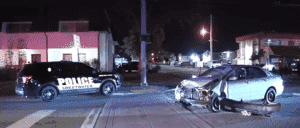
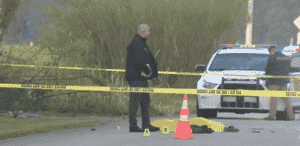
The Law Offices of Anidjar and Levine assists victims by preserving photographs, witness statements, police reports, vehicle data, and medical records needed to prove how the collision occurred.
A Miami Car Accident Lawyer evaluates lane changes, signaling, speed, visibility, and comparative fault under Florida law, then manages insurer communications and pursues compensation for medical costs, lost income, property damage, and pain and suffering.
The sections below explain the process, legal options, and strategic considerations that often shape these claims.
Main Takeaways
- A Miami blind spot car accident lawyer investigates lane changes, vehicle positioning, signals, speed, and roadway markings to determine fault.
- Early evidence preservation is critical, including photos, witness statements, police reports, dashcam footage, and vehicle electronic data.
- Prompt medical evaluation helps identify hidden injuries, document treatment, and connect the crash to concussions, soft tissue, or spinal trauma.
- An attorney can handle insurer communications, protect deadlines, and organize medical bills, repair estimates, wage losses, and other damages.
- In complex blind-spot collisions, lawyers may engage accident reconstruction experts to explain visibility limits, reaction times, and crash mechanics.
How We Can Help With Your Miami Blind Spot Car Accident Injury Claim
Protecting an injured person’s interests after a blind spot collision begins with a careful evaluation of how the crash occurred, who may be legally responsible, and what losses may be recoverable under Florida law. From that point, legal counsel can organize a claim with discipline and purpose, allowing the injured person and family to focus on recuperation and caring for others.


Effective representation often includes collecting reports, photographs, medical records, and vehicle data, then using witness interviewing to clarify disputed facts. Counsel may communicate with insurers, track deadlines, document expenses, and present a clear demand that reflects current and future needs. Guidance on settlement timing is also important because accepting payment too early may leave significant losses unpaid.
When necessary, an attorney can prepare a case for litigation, strengthen negotiating leverage, and protect the claim from avoidable mistakes. This structured support serves both accountability and recovery, while promoting stability during a difficult period for everyone involved.
Understanding Miami Blind Spot Car Accident Injury Cases
OUR CONSULTATIONSARE FREE
START YOUR FREE CASE REVIEW

In the context of Miami traffic conditions, blind-spot car accident injury cases often arise from lane changes, merges, and turning movements made without adequate visibility of adjacent vehicles. These claims typically involve questions about visibility, reasonable awareness, and whether a motorist acted with appropriate caution under surrounding roadway conditions.
A careful review of these cases may include vehicle positioning, traffic flow, witness accounts, roadway design, and available electronic data. Modern safety features, including blind-spot sensors, can be relevant when evaluating how a collision developed and whether warning systems were present and functioning. Medical records, photographs, and professional reconstruction analysis may also help clarify the extent of injury and liability.


For those committed to protecting others, understanding these cases supports safer conduct and more informed responses after a crash. Continued driver education can strengthen public awareness, encourage responsible habits, and promote roadway decisions that better serve passengers, pedestrians, cyclists, and fellow motorists throughout Miami.
Common Causes of Miami Blind Spot Car Accidents
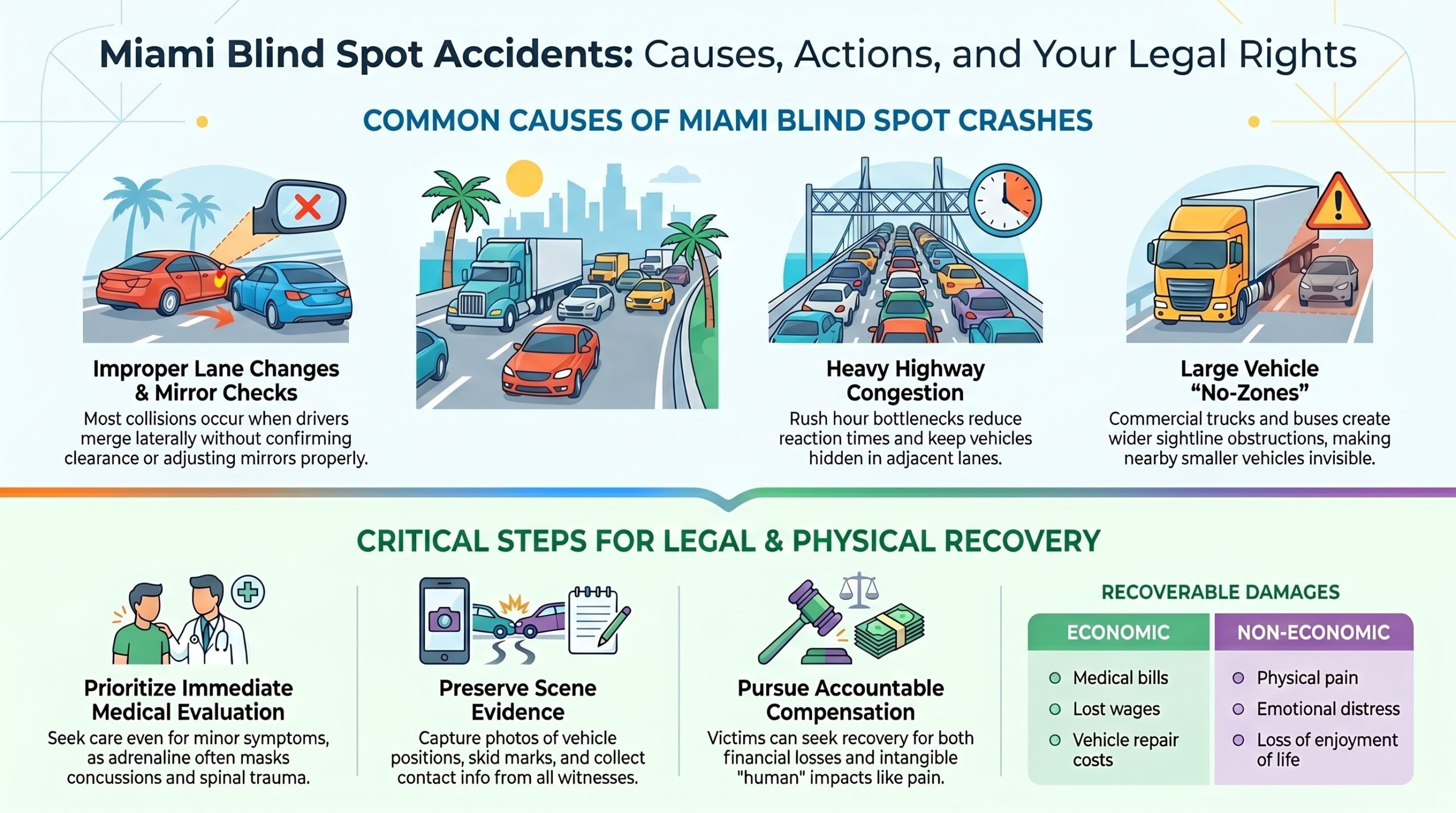
Several factors frequently contribute to blind spot collisions in Miami, particularly improper lane changes, poor mirror checks, and limited visibility around other vehicles. Heavy highway congestion often reduces reaction time and increases the likelihood that a driver will overlook a vehicle traveling beside or just behind the car. Large vehicle obstructions, including trucks and buses, further restrict sightlines and increase the likelihood of blind-spot accidents.
Improper Lane Changes
Improper lane changes frequently contribute to blind spot collisions in Miami, particularly on congested roads where traffic patterns shift quickly. When a motorist moves laterally without confirming clearance, adjacent vehicles, motorcycles, bicyclists, or pedestrians may be placed at immediate risk. In many cases, failures involve inadequate mirror checks, rushed decision-making, or poor signal timing before merging.
Effective driver education helps reduce these preventable crashes by reinforcing careful observation, proper signaling, and respect for surrounding road users. A prudent lane change requires checking mirrors, scanning blind spots, and allowing enough time for others to respond safely. When drivers neglect these duties, collisions can cause severe injuries and disrupt families and communities. Careful habits, consistent awareness, and lawful steering support safer travel and better protection for everyone on Miami roads.
Heavy Highway Congestion
Amid heavy highway congestion, blind-spot accidents become more likely as vehicles travel in tight formations with limited maneuvering room. During rush hour, drivers often face compressed spacing, frequent speed changes, and limited escape routes, all of which increase the risk of collisions. Traffic bottlenecks near merges, exits, and interchanges can intensify these conditions by forcing vehicles to cluster side by side for extended periods.
In Miami, congested highways create an environment in which neighboring vehicles remain concealed behind larger cars, SUVs, and commercial trucks. Sudden braking or stop-and-go movement can leave little time to react when another driver occupies a hidden adjacent lane. For those committed to protecting others on the road, recognizing how congestion heightens blind-spot danger supports safer spacing, patience, and more cautious decisions in crowded travel corridors every day.
Poor Mirror Checks
Congested traffic often exposes another frequent cause of blind-spot collisions: poor mirror checks before a lane change or lateral movement. When motorists fail to check their surroundings, even a routine maneuver can put nearby drivers, passengers, cyclists, and pedestrians at risk. In many cases, inadequate mirror adjustment narrows the field of view and leaves a dangerous blind spot unnoticed. Reduced driver awareness may also result from haste, distraction, or overreliance on habit during familiar routes.
Careful mirror use supports safer roads and reflects consideration for everyone sharing them. Effective scanning requires more than a quick glance, because visual perception can be incomplete when mirrors are misaligned or checked too late. Consistent mirror checks, paired with attentive judgment, help prevent avoidable crashes and protect the well-being of others throughout Miami communities.
Large Vehicle Obstructions
Large-vehicle obstructions create a persistent hazard in Miami blind spot collisions, particularly on multilane roads where trucks, buses, and commercial vans limit surrounding visibility. These conditions often prevent drivers from seeing smaller vehicles, cyclists, and pedestrians approaching from adjacent lanes or merging areas. Oversized trucks create wider no-zone areas, making lane changes and turns especially dangerous near intersections, highway ramps, and service roads.
Risk also increases when parked semitrailers block sightlines near driveways, loading zones, or narrow shoulders. A careful observer recognizes that these obstructions can leave little time for responsible drivers to react, even when they intend to protect others on the road. In many cases, safe travel depends on greater following distance, slower maneuvers, and heightened awareness whenever large vehicles restrict normal lines of sight for everyone nearby.
Legal Rights of Miami Blind Spot Car Accident Injury Victims
Accountability becomes a central concern after a blind-spot collision in Miami because injured victims may have the right to pursue compensation when another driver’s negligence caused the crash. Florida law may allow recovery for medical costs, lost income, property damage, and pain and suffering, depending on the facts and available insurance coverage.
These rights often reflect a broader commitment to restoring stability for injured people and their families.
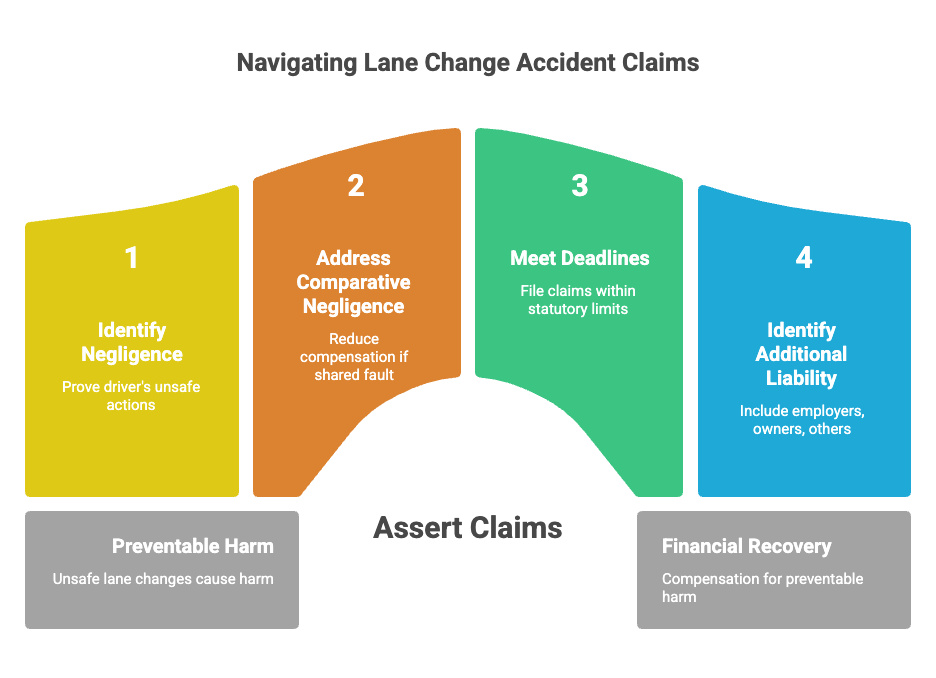
- Victims may assert claims against negligent drivers whose unsafe lane changes, inattention, or failure to check mirrors created preventable harm.
- Recovery may be affected by comparative negligence, which can reduce compensation if an injured person shares fault.
- Claims must satisfy statutory deadlines, because waiting too long may bar financial recovery entirely.
- In some cases, additional liability may involve employers, vehicle owners, or other parties whose conduct contributed to the collision.
A careful legal evaluation helps clarify options and supports informed, service-minded decisions for recovery and accountability.
Steps to Take After a Miami Blind Spot Car Accident Injury
After a Miami blind spot car accident injury, prompt action can protect both health and any future claim. Priority is generally given to obtaining immediate medical care and preserving evidence at the crash scene, including photographs, witness information, and official reports. Early contact with a Miami lawyer may also help guarantee that important deadlines, communications, and legal options are properly addressed.
Seek Immediate Medical Care
Immediately following a blind-spot collision in Miami, prompt medical evaluation should be a priority, even when injuries appear minor or symptoms have not yet developed. Adrenaline often masks pain, and delayed symptoms may emerge hours or days later, especially with concussions, internal injuries, soft tissue damage, or spinal trauma.
Calling emergency responders may be necessary when breathing difficulty, severe pain, bleeding, dizziness, or loss of consciousness is present, and urgent transport can protect life and long-term health. Even when ambulance care is declined, an examination at an emergency room, urgent care center, or physician’s office helps identify hidden harm and establishes a timely treatment record. Following medical advice, attending follow-up appointments, and monitoring changes in condition can support recuperation and protect the injured person’s ability to continue serving loved ones and the community.
Gather Crash Scene Evidence
Documenting the crash scene can preserve crucial evidence before vehicles are moved, debris is cleared, or road conditions change. If physical condition permits, an injured person should photograph vehicle positions, damage patterns, skid marks, traffic signs, lane markings, weather, and any visual obstruction related to the blind spot event. Thorough scene documentation may help clarify how the collision occurred and support accurate reporting.
Names and contact information should also be collected from drivers, passengers, and bystanders who observed the impact. Prompt witness statements can capture details that may fade quickly, including lane changes, turn signals, speed, and evasive actions. A brief note describing time, location, lighting, and visible injuries may also be useful. Careful evidence gathering serves others by promoting accountability, preserving facts, and supporting informed decisions after a serious Miami collision.
Contact A Miami Lawyer
In the days following a Miami blind spot collision, consulting a lawyer can help protect an injured person’s interests while important evidence, insurance communications, and filing deadlines remain active. Early legal guidance may support careful documentation, preserve witness accounts, and reduce the risk of statements that could affect a claim.
A firm offering Miami representation can review police reports, medical records, photographs, and insurance policies to assess possible liability and damages. Counsel may also explain Consultation logistics, including scheduling, documents to bring, fee arrangements, and who will handle contact with the insurer. This step can benefit families seeking to serve one another responsibly, because clear advice often promotes informed decisions and steadier recovery planning. Prompt legal contact may also help identify additional evidence before road conditions, surveillance footage, or memories change.
How a Miami Blind Spot Car Accident Injury Lawyer Can Help You
Navigating the aftermath of a blind-spot collision often requires more than medical care and vehicle repairs, and a Miami blind-spot car accident injury lawyer can provide crucial guidance throughout the process. Through careful case preparation, counsel helps injured people protect their rights while preserving resources for families and communities they support. Early assistance often includes a thorough witness interview, review of police findings, and collection of medical documentation needed to present a clear claim.
- An attorney investigates liability, identifies negligent drivers, and secures evidence before it is lost.
- Counsel manages insurer communications, reducing pressure on injured people during recovery and in their daily responsibilities.
- A lawyer accurately calculates present losses, including treatment costs, wages, and property damage.
- Legal representation strengthens settlement discussions and, when necessary, prepares a persuasive case for court.
This support allows injured individuals to focus on recovery, service, and stability while a structured legal strategy advances accountability and fair financial recovery.
Long-Term Effects of Miami Blind Spot Car Accident Injuries
Miami blind spot car accident injuries may produce lasting consequences that extend well beyond the initial recovery period. Common long-term effects include chronic pain challenges, emotional trauma effects, and reduced mobility issues, each of which can disrupt daily functioning and overall quality of life. A clear understanding of these continuing conditions is important when evaluating the full impact of a serious collision.
Chronic Pain Challenges
Persistence often defines the aftermath of a blind-spot collision, as pain may continue long after fractures mend and visible injuries appear to have resolved. Victims may experience recurring neck, back, shoulder, or nerve discomfort that interferes with work, sleep, mobility, and daily service to family or community. In many cases, symptoms fluctuate, making recovery difficult to predict and consistent functioning harder to maintain.
Effective pain management often requires coordinated medical care, physical therapy, medication oversight, and regular evaluation of functional limits. Lifestyle adjustments may also become necessary, including modified duties, assistive devices, exercise changes, and structured rest periods. When chronic pain reduces independence or earning capacity, careful documentation becomes important. Thorough legal and medical attention helps guarantee long-term needs are recognized, supported, and addressed with appropriate seriousness and practical planning.
Emotional Trauma Effects
In the months following a blind spot collision, emotional trauma may emerge as a significant long-term consequence, even when physical injuries show measurable improvement. Survivors may experience anxiety, sleep disruption, irritability, and persistent fear during routine travel, affecting their sense of safety and stability.
Some individuals develop post-traumatic stress, including intrusive memories, heightened alertness, and avoidance of reminders linked to the crash. These reactions can strain relationships, limit concentration, and reduce confidence in work or caregiving responsibilities. Social withdrawal effects may also appear, as injured individuals disengage from family activities, community involvement, or meaningful service to others. When emotional suffering remains unaddressed, daily functioning and overall well-being may decline. Thoughtful evaluation, compassionate support, and appropriate mental health care can help mend emotional balance over time.
Reduced Mobility Issues
Many injured individuals experience reduced mobility long after a blind-spot collision, particularly when damage to the spine, joints, muscles, or nerves limits normal movement. These limitations may affect walking, standing, lifting, driving, and other daily tasks that once seemed routine. In many cases, recovery requires extensive therapy, ongoing medical oversight, and careful support from family members or caregivers.
Reduced mobility can also create lasting financial and practical burdens. Some individuals need assistive devices such as braces, canes, walkers, or wheelchairs to remain safe and independent. Others require home modifications, including ramps, grab bars, widened doorways, or accessible bathing areas. When these changes become necessary, compassionate legal guidance may help injured people pursue resources that protect dignity, promote stability, and support long-term care needs after serious accidents.
Proving Liability in Miami Blind Spot Car Accident Injury Cases
When a blind spot collision occurs on Miami’s busy roads, establishing liability requires a careful review of the surrounding facts, the conduct of each driver, and the applicable traffic laws. Investigators often examine lane changes, speed, signaling, road markings, and whether a driver failed to check mirrors or clear adjacent lanes before moving.
To serve injured people and their families responsibly, attorneys gather objective evidence to explain how the crash occurred. Police reports, photographs, vehicle damage, surveillance footage, and electronic data may help reconstruct the sequence of events. Courts also consider witness credibility, especially when drivers offer conflicting accounts about position, distance, or visibility. In more intricate cases, expert testimony from accident reconstruction specialists may clarify angles, perception limits, and reaction times.
Liability may rest with one driver or be shared under Florida’s comparative fault principles. A thorough, disciplined approach helps identify accountable parties and supports a fair legal assessment of the harm caused.
Dealing With Insurance Companies After a Miami Blind Spot Car Accident Injury
Navigating insurance issues after a Miami blind spot car accident requires caution, precision, and a clear understanding of policy obligations. Injured individuals are often expected to provide prompt notice, preserve records, and communicate carefully, since early statements may affect coverage positions and compensation discussions.
Insurance carriers frequently focus on minimizing payouts, even when losses are significant, and community responsibilities remain clear. For that reason, documentation should be thorough, including medical records, repair estimates, photographs, and all correspondence related to claim filing. Representatives may use delay, recorded questions, or selective interpretations as settlement tactics designed to reduce value. A disciplined response helps protect the injured person’s interests while preserving credibility.
Legal guidance can support fair communication, identify improper pressure, and keep attention on documented harm rather than insurer narratives. By approaching the insurer with accuracy, patience, and service-minded resolve, an injured person is better positioned to protect resources needed for recovery and continued care.
What to Expect During a Miami Blind Spot Car Accident Injury Claim Process
A Miami blind spot car accident injury claim generally begins with prompt reporting, medical documentation, and the collection of evidence supporting the injured party’s account. The process then turns to proving fault, often through witness statements, crash reports, vehicle damage, and other records that clarify how the blind spot collision occurred. From that point, the claim typically moves through insurance negotiations on an uncertain timeline, with resolution reached either through settlement or, when necessary, through trial.
Initial Claim Steps
In the immediate aftermath of a blind-spot collision, the claims process typically begins with medical evaluation, accident reporting, and the preservation of vital evidence. Injured individuals are generally advised to follow treatment recommendations, promptly notify insurers, and organize records documenting losses and recovery needs. A clear documentation checklist often includes photographs, witness information, repair estimates, medical bills, wage records, and correspondence.
Early legal guidance may help protect deadlines, clarify insurance obligations, and establish a practical claim timeline. Counsel may also coordinate communications, request official reports, and monitor ongoing treatment documentation. Throughout these initial steps, the focus remains on supporting recovery, maintaining accurate records, and preparing a complete submission. Careful organization at the beginning often improves efficiency, reduces avoidable disputes, and helps all parties address the matter responsibly and with informed attention.
Proving Blind Spot Fault
Establishing fault in a blind-spot collision typically requires a careful review of how the lane change, merge, or passing maneuver occurred and whether a driver failed to keep a proper lookout before entering an occupied space. Investigators often examine vehicle damage, roadway markings, traffic camera records, and dashcam footage to determine positioning and timing. Eyewitness testimony may help clarify whether signals were used, speeds were reasonable, and surrounding traffic allowed safe maneuvering.
A thorough claim presentation often also includes the police report, photographs, and statements from the parties involved. In service to injured people and their families, counsel may organize this evidence to show how ordinary care should have prevented the crash. Clear proof of negligent lane movement can strengthen accountability and support a fair evaluation of the harm sustained.
Insurance Negotiation Timeline
Soon after a Miami blind spot collision is reported, the insurance negotiation process usually begins with a claim notice, the collection of basic records, and an initial review of liability and injuries. Adjusters commonly request medical documentation, repair estimates, photographs, witness statements, and policy information to map the claim timeline accurately. As treatment progresses, updated records may be submitted to show how the injuries affect daily responsibilities and service to family or community.
Communication often moves through several negotiation milestones, including coverage verification, comparative fault review, damage valuation, and responses to supporting evidence. Delays can arise when insurers dispute causation, request authorizations, or wait for medical improvement before reassessing value. Throughout this period, organized documentation and timely responses help protect the injured person’s interests and support a fair, well-informed evaluation of the claim.
Settlement Or Trial
Evaluate each case with the understanding that most Miami blind spot car accident injury claims resolve through settlement, while a smaller number proceed to trial when liability, damages, or causation remain genuinely disputed. Counsel typically reviews medical records, witness statements, crash evidence, and policy limits before recommending a path that protects the injured person and promotes fair accountability.
Settlement timing often depends on treatment progress, insurer responsiveness, and the strength of proof. Early offers may appear helpful, yet they can undervalue future care, wage loss, and human impact. If negotiations stall, filing suit may create needed pressure and preserve legal rights. Trial preparation includes discovery, depositions, expert analysis, and motions that clarify disputed facts. At trial, Jury dynamics can influence outcomes, making presentation, credibility, and community standards especially important when service, responsibility, and justice guide decision-making.
Compensation for Miami Blind Spot Car Accident Injury Damages
Accountability often begins with a clear assessment of the damage a blind-spot collision has caused, both immediately and over time. In Miami, claims for compensation are shaped by evidence, medical findings, repair estimates, and credible testimony that explains how the crash altered daily responsibilities, mobility, and future stability for the injured person and family.
A careful legal review may also address comparative damages and nuances of the statute, because both can influence how much recovery remains available under Florida law. Counsel often gathers records, photographs, wage documentation, expert opinions, and witness statements to present a complete picture of harm and responsibility. This process serves not only the injured individual, but also the broader goal of encouraging safer conduct on crowded Miami roads. When liability is contested, precise documentation can protect the claim from unnecessary reduction and support a result that reflects the full scope of proven losses, long-term care needs, and practical burdens created by the collision.
Economic vs Non-Economic Damages in Miami Blind Spot Car Accident Cases
In Miami blind spot car accident cases, damages generally fall into two primary categories: economic losses, such as medical expenses, lost income, and property damage, and non-economic losses, such as pain and suffering, emotional distress, and reduced quality of life. A proper claim often depends on clearly identifying each category and connecting the claimed losses to the accident through medical records, employment documentation, and other supporting evidence. This distinction is important because the method of proving damages in Miami can materially affect the scope and value of the compensation sought.
Economic Damage Categories
Clarity matters when distinguishing economic from non-economic damages in a Miami blind spot car accident case, because each category serves a different function in valuing the injured person’s losses. Economic damages address measurable financial harm supported by records, invoices, employment documentation, and repair estimates.
These categories often include emergency care, hospital bills, rehabilitation costs, medication expenses, future medical treatment, Lost wages, and reduced earning capacity when injuries limit continued employment. They also include Property damage, such as vehicle repair or replacement, towing charges, storage fees, and the value of personal items damaged in the crash. In cases involving severe injury, economic damages may include household services, transportation to medical appointments, and necessary modifications to a home or vehicle. Careful documentation helps make certain these losses are presented fully and accurately.
Non-Economic Loss Examples
By contrast, non-economic damages compensate for the human consequences of a Miami blind spot collision that do not appear on bills or wage statements. These losses often include physical pain, emotional distress, mental anguish, inconvenience, disfigurement, and the diminished ability to participate fully in daily life.
In service-centered legal advocacy, attention to these harms reflects respect for the injured person’s dignity and changed circumstances. Pain valuation may consider ongoing discomfort, interrupted sleep, anxiety while traveling, or strain on family relationships. Non-economic losses may also involve loss of enjoyment, such as being unable to exercise, care for loved ones, attend community events, or pursue meaningful hobbies. Although intangible, these damages recognize that a serious crash can alter independence, peace of mind, and overall quality of life in lasting ways.
Proving Damages In Miami
At the claims stage, proving damages in a Miami blind spot car accident case requires organized evidence that connects the collision to both measurable financial losses and the less visible effects on the injured person’s daily life. Economic damages are commonly supported by medical bills, wage records, repair estimates, and expert opinions regarding future treatment or reduced earning capacity. A careful damage calculation helps demonstrate the full financial burden created by the crash.
Non-economic damages require different proof, including treatment notes, testimony from family members, photographs, and journals describing pain, limitations, sleep disruption, and emotional strain. Because these losses are personal and not easily measured, pain valuation often depends on consistent documentation and credible medical support. Clear proof can strengthen accountability and help injured people obtain resources needed for recovery and continued service to others.
When a Miami Blind Spot Car Accident Injury Case Goes to Trial vs Settlement
In Miami blind spot car accident cases, the decision to resolve a claim through settlement or proceed to trial usually depends on the strength of the evidence, the extent of the injuries, and the willingness of the insurance company to offer fair compensation. Settlement timing often matters, especially when medical treatment is ongoing and future losses remain uncertain.
A settlement may serve injured people well when liability is clear, damages are documented, and prompt financial support would help a household recover and continue caring for others. Trial becomes more likely when fault is disputed, when serious injuries increase the case’s value, or when insurers minimize harm. In those situations, counsel evaluates witness credibility, expert testimony, and jury strategies before presenting the case in court. Although a trial can require more time and expense, it may provide a fuller opportunity to seek accountability and obtain compensation that reflects the true impact of the collision on the injured person’s daily life, work, and long-term needs.
The Statute of Limitations for Miami Blind Spot Car Accident Injury Cases
Whether a Miami blind-spot car accident injury claim is resolved through settlement or proceeds to trial, the right to pursue compensation is still governed by filing deadlines under Florida law. In many negligence actions, an injured person must file suit within the applicable limitations period or risk losing the ability to recover damages, regardless of the strength of the evidence.
Careful attention to the statute’s nuances is important because the governing timeline may vary depending on the facts, the parties involved, and the type of damages sought. Certain deadline exceptions may also apply, though they are limited and fact-specific. For example, issues involving delayed discovery, incapacity, or claims against governmental entities can alter notice rules or timing requirements. A wrongful death claim may follow a different schedule than a standard injury action. For families and community-minded individuals seeking accountability, understanding these deadlines helps preserve the opportunity to pursue fair compensation and support responsible recovery efforts.
When to Contact a Miami Blind Spot Car Accident Injury Lawyer
Soon after a blind-spot collision in Miami, legal guidance may become important, especially when injuries require medical treatment, liability is disputed, or an insurance carrier seeks a recorded statement or a quick settlement. Early contact is often prudent when facts are unclear, multiple vehicles are involved, or a family is facing lost income and ongoing care needs.
A timely consultation can help preserve information that may benefit everyone affected, including photographs, electronic data, and witness interviews. It may also support compliance with reporting duties, medical follow-up, and a careful post-accident checklist. Reaching out promptly may be especially appropriate when fault is shifted unfairly, road conditions contributed to the crash, or policy terms are confusing. If a person is hospitalized, contacted repeatedly by adjusters, or uncertain about deadlines, obtaining guidance without delay can reduce preventable mistakes. Acting early also helps maintain orderly communication and protect the ability to pursue a claim responsibly later.
Why You Need an Experienced Miami Blind Spot Car Accident Injury Lawyer
Often, an experienced Miami blind spot car accident injury lawyer is needed because these claims can turn on subtle facts, conflicting accounts, and technical evidence that may be overlooked without careful legal analysis. Liability may depend on lane position, speed, signaling, sightlines, and whether a reasonable level of driver awareness was exercised under changing traffic conditions.
An experienced attorney can gather vehicle data, surveillance footage, witness statements, and medical records to build a clear account of what occurred. Counsel can also evaluate how technology solutions, such as blind spot monitoring systems or dash cameras, affect the evidence and the parties’ responsibilities. This work helps protect injured people from unfair blame and supports a claim that reflects the full scope of harm.
In service to those harmed, legal representation also reduces procedural mistakes, strengthens negotiations with insurers, and prepares the matter for litigation when necessary. That experience promotes accountability, fair compensation, and a more informed path toward recovery.
How to Choose the Right Miami Blind Spot Car Accident Injury Lawyer for Your Case
Selecting the right Miami blind spot car accident injury lawyer requires close attention to qualifications that directly affect the strength of a claim. An effective attorney should have a record of handling vehicle collision cases, knowledge of Florida injury law, and the ability to evaluate liability with care and accuracy.
A careful selection process also considers how the lawyer investigates facts and communicates with clients. Strong representation often includes prompt evidence collection, thorough driver interviews, review of crash reports, and coordination with medical professionals. When liability is disputed, the lawyer should be prepared to use expert testimony to clarify blind spot dynamics, vehicle movement, and injury causation.
It is also wise to assess responsiveness, courtroom readiness, and the clarity of the fee structure before making a decision.
By choosing counsel with experience, discipline, and a service-minded approach, injured individuals place themselves in a better position to pursue accountability and secure meaningful financial recovery after a serious crash.
About The Law Offices of Anidjar & Levine
With a focus on client advocacy and disciplined case preparation, The Law Offices of Anidjar & Levine represents injured individuals seeking legal guidance after serious motor vehicle collisions, including blind spot accidents in Miami. The firm approaches each matter with careful investigation, responsive communication, and a commitment to pursuing fair compensation for medical expenses, lost income, and other damages.
Its attorneys and support staff emphasize service, recognizing that injured people and their families often need reliable direction during difficult periods. The firm’s record of representation is reflected in client testimonials that describe attentive guidance and practical support throughout the legal process.
In addition to case work, the office demonstrates a broader commitment to public service through community outreach efforts that reflect concern for safety, education, and local well-being. For those seeking a law firm grounded in preparation, accessibility, and consistent advocacy, The Law Offices of Anidjar & Levine offers a professional resource following a Miami blind-spot collision.
Frequently Asked Questions
Can Blind Spot Cameras or Sensors Affect the Fault in My Accident Case?
Yes, blind spot cameras or sensors can affect fault when they help show what a driver reasonably should have seen before changing lanes. Courts and insurers may weigh camera evidence alongside witness statements, vehicle damage, and traffic laws. However, sensor reliability is not absolute, and malfunction, obstruction, or delayed alerts can limit its value. A careful review of the technology and surrounding facts best serves a fair and accurate determination of liability.
What if the Other Driver Was in a Rental Car?
If the other driver was in a rental car, liability may extend beyond the driver, depending on the rental agreement, employer involvement, and applicable state law. A careful review of rental liability issues is often necessary. Insurance coverage may come from the driver’s personal policy, the rental company’s supplemental policy, or a third-party insurer. Prompt investigation helps protect injured parties and supports a fair, service-oriented resolution of the claim.
Can Weather Conditions Contribute to Blind Spot Accident Liability?
Yes, weather conditions can contribute to liability in blind-spot accidents. Courts and insurers may consider adverse visibility, rain, fog, or glare when evaluating whether a driver acted reasonably and protected others. Slippery surfaces may also increase the duty to reduce speed, check mirrors carefully, and allow more space before changing lanes. Liability often depends on whether the driver adjusted responsibly to conditions and took prudent steps to prevent foreseeable harm.
Are Blind Spot Accidents More Common With Commercial Trucks?
Yes, blind spot accidents are generally more common with commercial trucks because large vehicles have wider no-zone areas, reduced rear visibility, and longer stopping distances. Their size also makes lane changes and turns more hazardous when surrounding drivers are not visible. Those seeking to protect others on the road should recognize these risks and allow extra space near commercial trucks. Careful awareness, proper signaling, and defensive driving help reduce preventable harm for everyone.
How Do Road Design or Lane Markings Impact Blind Spot Crashes?
Road design and lane markings can markedly influence blind spot crashes by shaping driver expectations and vehicle positioning. Poor lane geometry may compress sightlines during merges, curves, or exits, increasing detection failures. Low contrast between lanes, especially at night or in rain, can obscure lane boundaries and encourage unsafe lane changes. Well-designed shifts, clearer markings, and consistent roadway cues better support attentive driving and help protect others traveling nearby from preventable collisions.
—————————
Blind-spot collisions can cause serious injuries, financial strain, and long-term disruption. Victims in Miami benefit from understanding their legal options and taking prompt action to protect their claims. With experienced legal guidance, they may pursue compensation for medical expenses, lost wages, and other damages while focusing on recovery.
A Miami Car Accident Attorney from Law Offices of Anidjar & Levine can provide informed representation, personalized support, and a disciplined approach aimed at helping injured individuals pursue fair compensation under Florida law.