The Law Offices of Anidjar and Levine assists fracture victims by preserving crash evidence, securing medical records and imaging, proving fault, and addressing insurance disputes. A Miami Car Accident Lawyer can pursue compensation for emergency care, surgery, rehabilitation, lost income, pain, and future limitations caused by negligent driving.
Prompt medical evaluation and careful documentation are essential after a serious collision, especially when swelling or hidden damage may worsen. The sections below explain the crucial steps, rights, and claim considerations in these cases.
Main Takeaways
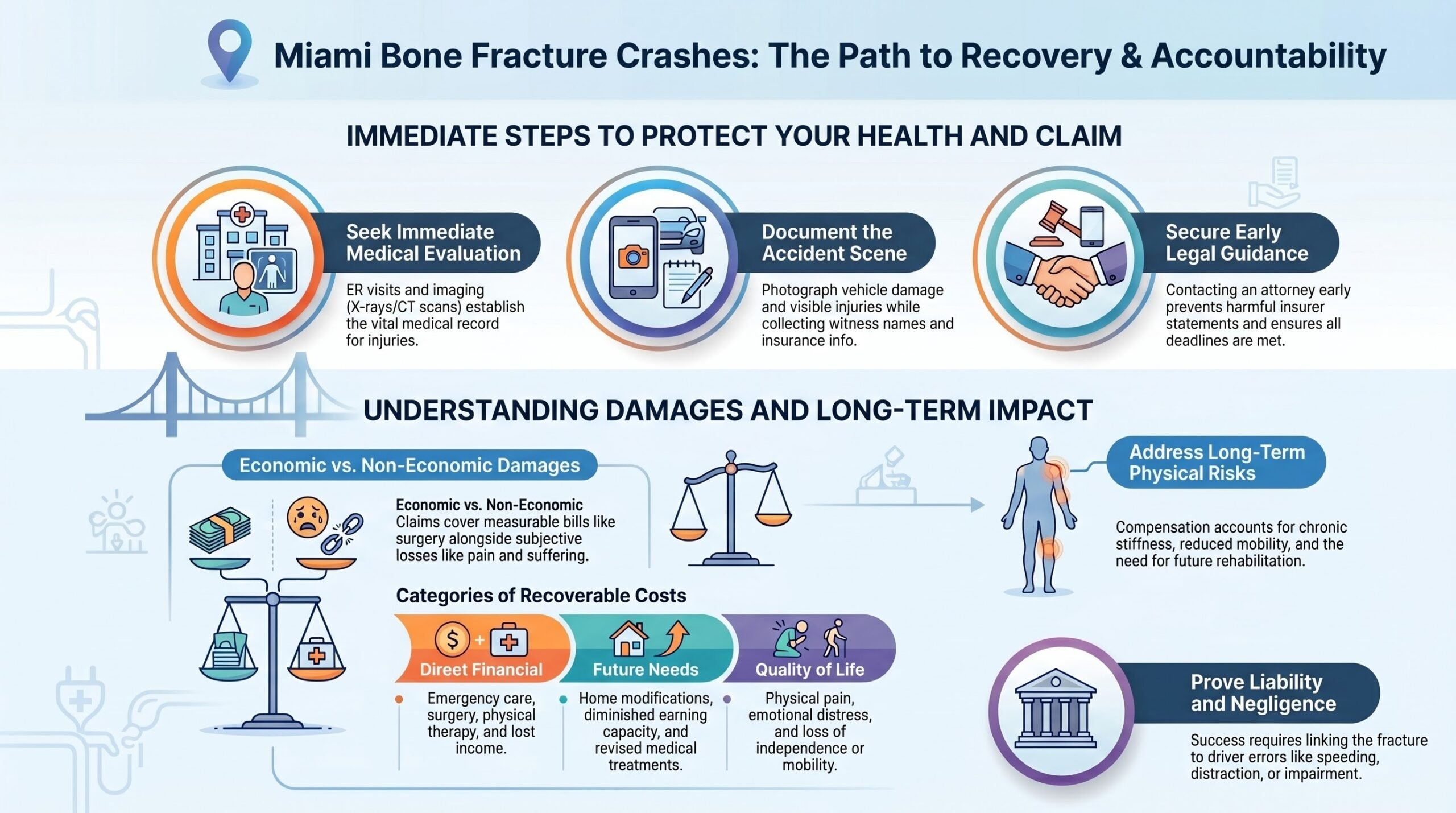
- Seek immediate ER or physician evaluation after a Miami crash; X-rays or CT scans confirm fractures and create vital medical records.
- Follow all treatment, medications, imaging, and therapy recommendations to protect your health and document the full extent of injury.
- Preserve evidence quickly by photographing the scene, vehicle damage, visible injuries, and collecting witness names, police report details, and insurance information.
- A Miami broken bone car accident lawyer can use medical records, witnesses, footage, and reconstruction experts to prove fault and link fractures to the crash.
- Compensation may cover medical bills, future treatment, lost income, pain, reduced mobility, rehabilitation, and long-term recovery needs.
How We Can Help With Your Miami Broken Bone Car Accident Injury Claim
Find your way through the aftermath of a serious collision with legal support focused on the full scope of a broken bone injury claim. A dedicated legal team provides steady guidance, helping injured people and their families pursue accountability while preserving time and energy for recovery and service to others.


Representation typically begins with a careful review of medical records, crash evidence, insurance communications, and documented losses. Counsel then organizes the claim, identifies responsible parties, and presents a clear demand that reflects treatment costs, lost income, pain, and future needs. Attention is also given to Rehabilitation options, so the claim accounts for ongoing therapy, mobility limits, and expected care.
OUR CONSULTATIONSARE FREE
START YOUR FREE CASE REVIEW

Throughout the process, the firm manages insurer contact, protects clients from harmful statements, and prepares each case as though a trial may be necessary. Strategic Settlement negotiations are handled with discipline and precision, seeking fair compensation without sacrificing the client’s long-term stability, dignity, or vital support.
Understanding Miami Broken Bone Car Accident Injury Cases
In the context of Miami car accident litigation, broken bone injury cases often involve more than the initial diagnosis, because fractures can affect mobility, employment, daily function, and long-term medical needs. These claims are often shaped by imaging results, physician evaluations, treatment timelines, and the projected course of bone recovery, all of which help demonstrate the full extent of harm and the support a person may require.


A careful review of medical records may clarify whether surgery, immobilization, pain management, or future care is expected. Rehab planning also plays an important role, as recovery may involve physical therapy, work restrictions, and assistance with everyday tasks. In many cases, patient advocacy helps guarantee that the injured person’s limitations are accurately documented and understood by insurers and other parties. Fracture prevention may also be relevant, especially when weakened bones, repeated stress, or complications raise concerns about reinjury during recovery and return to daily responsibilities.
Common Causes of Miami Broken Bone Car Accident
Several recurring factors contribute to broken bone car accidents in Miami, often placing occupants in situations where high-impact force is unavoidable. Speeding and reckless driving, distracted driver errors, and drunk or drugged driving frequently reduce reaction time and increase the severity of crashes. Intersection collisions and rear-end accidents also remain common sources of fracture-related injuries, particularly when drivers fail to yield, stop, or maintain safe following distances.
Speeding And Reckless Driving
Speeding and reckless driving sharply increase the force of impact in a collision, making broken bones far more likely in Miami car accidents. When drivers ignore posted limits or engage in reckless moves, they reduce the time available to react and greatly increase crash severity for everyone nearby.
In many cases, high-speed collisions cause fractures to arms, legs, ribs, hips, and facial bones because the body absorbs sudden, violent energy. Reckless lane changes, tailgating, street racing, and unsafe passing often create preventable danger for passengers, pedestrians, and other motorists. A service-minded legal team may evaluate whether excessive speed or aggressive conduct contributed to the crash, preserve crucial evidence, and advocate for resources that support medical care, rehabilitation, and a stable recovery for the injured person.
Distracted Driver Errors
Distraction often turns an ordinary driving task into a serious threat, particularly on Miami roads, where traffic conditions can change within seconds. When a driver looks away from the roadway, even briefly, the margin for safe judgment narrows, and the risk of collision rises sharply. Common distracted driver errors include using a phone, adjusting a navigation system, reaching for objects, and eating while moving through intersections or heavy traffic.
These lapses frequently prevent timely braking, lane control, and awareness of pedestrians, cyclists, and surrounding vehicles. A moment of inattention can produce severe crashes that leave occupants with broken bones and long recoveries. For those committed to protecting others, recognizing distracted driving as a preventable cause of harm supports safer choices, stronger accountability, and a more careful approach to everyday travel.
Drunk And Drugged Driving
Impairment from alcohol or drugs remains one of the most dangerous causes of serious Miami car accidents, because it diminishes judgment, slows reaction time, and undermines basic vehicle control. Even modest intoxication can affect perception, lane maintenance, braking, and decision-making, creating conditions that often lead to broken bones and other traumatic injuries. Drug impairment may involve prescription medications, illicit substances, or combinations that intensify risk.
From a public safety perspective, understanding alcohol metabolism helps explain why drivers may feel capable while remaining legally or functionally impaired. Evidence issues may also arise, including questions about breathalyzer accuracy, delayed testing, and drug recognition procedures. Careful investigation, medical documentation, and witness accounts can help injured people and their families pursue accountability while supporting safer roads for everyone in the community.
Intersection And Rear-End Collisions
Intersection and rear-end collisions are recurring crash patterns on Miami roads, particularly where traffic congestion, signal changes, and turning movements create limited margins for driver error. These crashes often occur when motorists misjudge stopping distance, accelerate through late yellow lights, or overlook pedestrians and smaller vehicles while maneuvering tight turning angles. Improper signal timing may also increase confusion, especially at busy corridors with heavy commuter and tourist traffic.
The resulting impacts can throw occupants forward or sideways, causing fractured wrists, arms, ribs, hips, and facial bones. In service to injured individuals and their families, careful documentation of skid marks, vehicle damage, camera footage, and witness observations helps clarify fault. A thorough legal review can connect roadway conditions and negligent driving behavior to the broken bone injuries sustained in these preventable collisions.
Legal Rights of Miami Broken Bone Car Accident Injury Victims
Accountability often becomes the central legal issue when a Miami car accident leaves a victim with broken bones and other significant injuries. Florida law generally permits injured individuals to pursue compensation when another party’s negligence caused the crash, including damages for medical care, lost income, pain, and future limitations.
These rights matter not only for personal recovery but also for protecting family stability and community well-being.
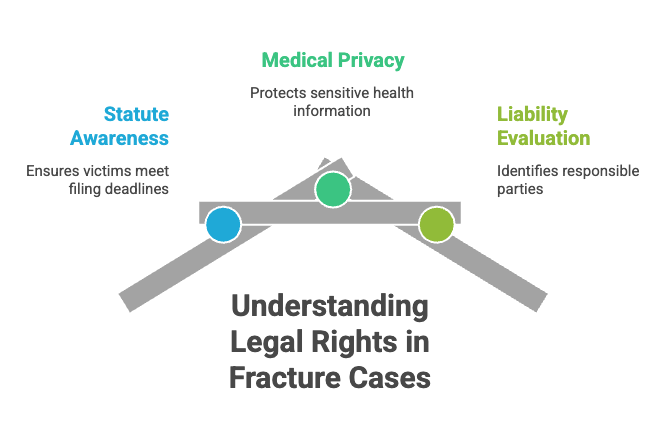
- Statute Awareness helps victims understand filing deadlines that may affect whether a claim can proceed.
- Medical Privacy protects sensitive health information while still allowing necessary documentation of fracture-related treatment.
- Liability evaluation may identify responsible drivers, employers, vehicle owners, or other parties whose conduct contributed to harm.
A victim may also challenge unfair insurance practices, disputed fault allocations, or inadequate settlement offers. When rights are clearly understood and carefully asserted, the legal process can better support recovery, accountability, and the broader goal of serving those harmed by preventable negligence.
Steps to Take After a Miami Broken Bone Car Accident Injury
After a Miami car accident that causes broken bones, prompt medical care is essential to protect both health and the accuracy of the injury record. It is also important to preserve evidence, including photographs, witness information, and official reports, because these materials may support any future claim. Early contact with a Miami lawyer can help make certain that important deadlines are met and that the injured person takes informed steps from the outset.
Seek Immediate Medical Care
Because broken bones may not always appear severe at the scene, prompt medical evaluation is essential following a Miami car accident. Adrenaline can mask pain, while swelling and internal damage may worsen without timely assessment by trained professionals.
A person with suspected fractures should visit the Emergency room or another qualified medical provider as soon as possible. Physicians can order imaging, stabilize the injury, and identify related harm involving nerves, muscles, or organs. Early treatment often reduces complications, supports recovery, and protects the individual’s ability to continue caring for family and community responsibilities. It is equally important to follow all discharge instructions, take prescribed medications properly, and attend follow-up care appointments. Consistent medical attention helps monitor recovery, address setbacks, and create a clear path toward restored health and function.
Document Accident Evidence
In the moments following a Miami car accident, careful documentation of the scene can preserve vital evidence for any future injury claim involving broken bones. If the injured person is able, photographic documentation should include vehicle damage, skid marks, traffic signals, road hazards, visible injuries, and the positions of all cars involved. Clear images taken from multiple angles often help reconstruct how the collision occurred.
It is also helpful to gather witness statements from bystanders, passengers, or nearby workers who observed the crash. Names, phone numbers, and brief summaries of what each person saw should be recorded accurately. A copy of the police report number, insurance details, and the exact time and location of the crash may also support a complete and reliable record for later review and assistance.
Contact A Miami Lawyer
Early legal guidance can be essential when a Miami car accident causes broken bones, especially when liability is disputed or when insurance companies begin evaluating the claim immediately. A qualified lawyer can review medical records, crash reports, and witness statements, then explain practical options for protecting the injured person’s rights and financial stability.
Many firms offer a Free consultation, allowing families to understand the case without immediate cost. Counsel can also clarify Retainer fees, billing terms, deadlines, and the evidence needed to support damages for surgery, rehabilitation, lost income, and future care. Prompt contact helps preserve testimony, prevent harmful insurer communications, and organize a claim that serves both recovery and accountability. Seeking timely representation often benefits not only the injured person, but also dependents who rely on consistent support and long-term planning.
How a Miami Broken Bone Car Accident Injury Lawyer Can Help You
Guiding injured clients through the legal process, a Miami broken bone car accident injury lawyer helps protect vital evidence, assess the full scope of damages, and manage communications with insurers and opposing parties. Through careful case preparation, counsel supports families seeking justice while preserving time and energy for recovery and service to others.
A Miami broken bone car accident injury lawyer preserves evidence, values damages, and shields families from insurer pressure during recovery.
- Investigate crash reports, witness statements, photographs, and medical records to build a clear claim.
- Provides medical advocacy by coordinating documentation, clarifying treatment needs, and connecting facts to claimed losses.
- Leads settlement negotiation with insurers, challenges unfair blame, and prepares for litigation when necessary.
An attorney also calculates present financial harm, including emergency care, follow-up treatment, lost income, and transportation costs. By handling deadlines, filings, and strategy, counsel reduces avoidable mistakes that can weaken a case. This structured guidance allows injured people to make informed decisions and pursue accountability with confidence, dignity, and a continued commitment to caring for others.
Long-Term Effects of Miami Broken Bone Car Accident Injuries
Broken bone injuries from Miami car accidents may produce lasting consequences that extend well beyond the initial recovery period. Many individuals experience chronic pain and stiffness, while reduced mobility can interfere with daily activities, employment, and overall physical independence. These ongoing limitations may also create significant emotional and financial strain, particularly when continued treatment and time away from work become necessary.
Chronic Pain And Stiffness
Persistence of pain and stiffness often becomes one of the most disruptive long-term effects of a Miami car accident that causes a fracture. Even after bones mend, surrounding muscles, joints, and connective tissues may continue to produce discomfort that interferes with daily responsibilities and restorative sleep. Chronic stiffness can also intensify after periods of rest, making mornings and extended sitting especially difficult.
In many cases, ongoing symptoms require consistent evaluation, rehabilitation, and Pain management strategies tailored to the injured person’s condition. Medical providers may recommend therapy, medication, or other supportive care to reduce inflammation and improve comfort. For families and advocates focused on serving others, recognizing these lingering effects matters because untreated pain and stiffness can erode quality of life, concentration, emotional well-being, and the ability to participate fully in meaningful responsibilities.
Reduced Mobility Risks
Over time, reduced mobility may emerge as a serious long-term consequence of a Miami car accident fracture, particularly when the injury affects major joints, weight-bearing bones, or surrounding soft tissue. Recuperation complications, joint instability, and muscle weakness can limit walking, standing, climbing stairs, and other daily tasks that support independent living and caregiving.
Some individuals develop a reduced gait, decreased balance, or limited range of motion that persists well after initial treatment. In these circumstances, medical providers may recommend mobility aids, structured rehabilitation, and home modifications to improve safety and function. Attention to fall prevention becomes especially important when weakness or instability affects transfers and movement across uneven surfaces. A careful recovery plan can help protect long-term physical capacity and support continued participation in family, work, and community responsibilities.
Emotional And Financial Strain
Often, the long-term impact of a Miami car accident fracture extends beyond physical pain, creating substantial emotional and financial strain for the injured person and the household. Recovery may require repeated appointments, limited work capacity, and ongoing dependence on caregivers, all of which can affect dignity, stability, and daily family responsibilities.
Over time, Emotional burnout may develop as the injured person faces uncertainty, reduced independence, and concern about being a burden to others. Family members may also experience stress while balancing care, employment, and household obligations. Financial instability can follow when medical bills, rehabilitation costs, transportation needs, and lost income continue to accumulate. In service-oriented communities, these hardships often affect the ability to care for others, volunteer, or maintain dependable support within the home and broader community.
Proving Liability in Miami Broken Bone Car Accident Injury Cases
Establishing liability in a Miami broken bone car accident case requires clear proof that another party’s negligence caused the collision and the resulting injuries. Attorneys typically build this foundation through police reports, witness statements, photographs, crash-scene analysis, and traffic-camera footage. These materials help show how the accident occurred and whether a driver violated a duty of care owed to others on the road.
To connect the crash to fractured bones, legal teams often rely on expert testimony and a careful medical records review. Physicians may explain how the force of impact caused specific fractures, while accident reconstruction analysts clarify vehicle speed, point of contact, and driver conduct. Evidence of distracted driving, speeding, failure to yield, or impairment can further support a finding of fault. When liability is documented thoroughly, injured individuals are better positioned to pursue accountability in ways that support recovery, protect community safety, and honor the broader responsibility to serve and safeguard others.
Dealing With Insurance Companies After a Miami Broken Bone Car Accident Injury
Once liability evidence has been assembled, attention often turns to the insurance process, where even well-supported broken-bone claims may face scrutiny and resistance. Insurers may question injury severity, dispute medical necessity, or minimize the impact of fractures on daily responsibilities, employment, and the ability to care for others within the household and community.
Careful communication often protects the value of a claim. Written records, billing statements, imaging results, and physician recommendations can help support claim negotiation and reduce opportunities for misinterpretation. It is also important to approach insurer requests thoughtfully, because recorded statements or broad medical authorizations may be used to narrow the scope of compensation. Broken bone injuries often require follow-up care, rehabilitation, and time off work, all of which can affect settlement timelines.
A disciplined, service-minded approach emphasizes accuracy, patience, and complete documentation, helping injured people present their losses clearly while preserving dignity and focusing on recovery, family stability, and practical support for those depending on them.
What to Expect During a Miami Broken Bone Car Accident Injury Claim Process
A Miami broken-bone car accident injury claim typically begins with an immediate medical evaluation, which helps restore both the injured person’s health and the strength of the case. The process then moves through claim-filing steps and the careful collection of evidence and documentation, including medical records, accident reports, and proof of losses. From there, the matter may proceed to settlement negotiations or, when necessary, to litigation to pursue appropriate compensation.
Immediate Medical Evaluation
In the immediate aftermath of a Miami car accident, prompt medical evaluation serves both an indispensable health function and an important role in the injury claim process. During initial triage, medical personnel assess breathing, circulation, pain levels, and visible deformities to identify urgent fractures or internal complications requiring swift intervention. Patients may then receive immediate imaging, such as X-rays or CT scans, to confirm broken bones, detect displacement, and guide treatment recommendations.
This early evaluation creates contemporaneous medical records that document symptoms, diagnoses, physician observations, and prescribed care. Such records often help clarify how the collision affected the injured person and what assistance may be needed during recovery. Timely examination also reduces the risk that delayed treatment will exacerbate injuries or create uncertainty about the accident’s medical consequences and long-term functional limitations.
Claim Filing Steps
Following prompt medical evaluation and the creation of early treatment records, the claim-filing process generally begins by notifying the appropriate insurance carriers and gathering the documentation to support the broken bone injury claim. From there, the injured person or counsel typically submits required forms, confirms available coverage, and monitors claim deadlines that may affect recovery options. Communication with adjusters often follows, along with requests for recorded statements or authorizations, which should be handled carefully and thoughtfully.
In many cases, legal guidance helps families and advocates protect the injured person’s interests while navigating the nuances of statutes and policy requirements. If liability or damages are disputed, negotiations may continue before a lawsuit is considered. Throughout this process, timely responses, organized communication, and a service-minded focus on the injured person’s well-being remain especially important.
Evidence And Documentation
At this stage, evidence and documentation often determine how clearly a broken bone claim can be presented and valued. A careful record helps professionals understand the injury, the treatment provided, and the ways daily responsibilities have been affected. Useful materials commonly include emergency records, imaging results, physician notes, therapy reports, and medical receipts.
A photographic timeline may also clarify visible swelling, surgical recovery, mobility limits, and assistive devices used over time. Accident scene images, witness information, employer statements, and transportation records can strengthen the factual picture. Consistent documentation supports those seeking to serve injured people with accuracy, dignity, and accountability. When records are organized early, the claims process tends to move more efficiently, and decision-makers are better equipped to assess medical needs, lost income, and practical care requirements.
Settlement And Litigation
Once medical records, photographs, and related documentation have been assembled, the claim typically enters the settlement phase, where insurers review liability, treatment history, and the reported impact of the broken bone. During this period, counsel may present a demand package that outlines damages, future care needs, lost income, and pain-related limitations in a clear manner. Many claims resolve through structured negotiations, supported by mediation strategies designed to encourage fair outcomes while reducing delay and conflict.
If settlement efforts fail, litigation may begin, including pleadings, discovery, depositions, and expert review. Court involvement can extend the timeline, yet it also creates formal opportunities to prove negligence and damages. When judgments are disputed, post-trial motions and appeal timelines become important considerations for those seeking accountability and practical relief after serious injury.
Compensation for Miami Broken Bone Car Accident Injury Damages
Accountability often begins with a clear understanding of the damages a fractured-bone car accident victim may recover under Florida law. In Miami, claims may cover emergency treatment, surgery, rehabilitation, assistive devices, prescription needs, and future medical care related to complications, revisions, or lasting mobility limitations. Recovery can also include lost income, diminished earning capacity, transportation for care, and home or workplace modifications necessitated by the injury.
Careful documentation helps families, caregivers, and advocates support a fair claim. Medical records, imaging studies, physicians’ opinions, employment records, and daily impact journals can strengthen evidence of harm and clarify how the fracture disrupted ordinary responsibilities and community service. Lawyers and insurers may also assess pain valuation based on the severity of the break, convalescence time, residual symptoms, surgical intervention, and the effects on sleep, mobility, and independence. A well-prepared damages presentation encourages responsible parties to confront the full consequences of preventable conduct and respond with appropriate financial accountability.
Economic vs Non-Economic Damages in Miami Broken Bone Car Accident Cases
In Miami broken bone car accident cases, damages are generally divided into economic and non-economic categories, each addressing a different type of loss. Economic damages typically include measurable financial harm, such as medical expenses, rehabilitation costs, lost wages, and reduced earning capacity, while non-economic damages may cover pain and suffering, emotional distress, and loss of enjoyment of life. Establishing the value of these damages often requires medical records, billing statements, employment documentation, and other evidence linking the fracture to both financial and personal consequences.
Economic Damage Categories
Under Florida law, economic damages in a Miami broken bone car accident case generally refer to the measurable financial losses caused by the injury, while non-economic damages address the more subjective personal harm that cannot be calculated from bills or wage records alone.
These categories often include emergency care, hospitalization, surgery, diagnostic imaging, rehabilitation, medication, and follow-up treatment. They may also cover future medical needs when a fracture causes ongoing impairment or requires additional procedures. Lost wages are commonly claimed when recovery prevents a person from working, and diminished earning capacity may apply if limitations continue. Property damage is another economic category, including vehicle repair or replacement and the repair or replacement of other personal items damaged in the crash. In service to injured individuals and their families, careful documentation helps present a clear, supportable picture of financial loss.
Non-Economic Losses
Beyond measurable bills and wage records, non-economic losses address the human consequences of a broken bone injury that do not appear on invoices or payroll statements. These damages recognize suffering that affects daily life, relationships, independence, and the ability to participate fully in family or community responsibilities.
In Miami broken bone car accident cases, non-economic losses may include physical pain, emotional distress, inconvenience, loss of enjoyment of life, and lasting limitations. Pain valuation seeks to reflect these harms in a fair, lawful manner, while acknowledging that no formula can fully capture personal hardship. Florida law may also involve loss caps in limited contexts, which can affect recovery depending on the claim. A careful review of non-economic harm helps injured people pursue accountability while preserving dignity, service, and respect for their experience.
Proving Damage Value
Establishing the value of damages in a Miami broken bone car accident case requires more than identifying categories of loss, because the claim must be supported by evidence that connects the injury to specific financial and personal consequences. Medical records, billing statements, wage documentation, and physician opinions often help quantify economic harm with credibility and precision.
Non-economic damages require a different showing. Pain levels, physical limitations, loss of mobility, and disruption of daily service to family or community may be demonstrated through treatment notes, testimony, and consistent documentation. Insurers and courts may examine comparative valuations from similar cases, but each claim turns on its own facts. Severe fractures, surgeries, complications, and permanent impairment can increase value, especially when evidence shows future losses, ongoing care needs, and lasting effects on the injured person’s ability to serve others.
When a Miami Broken Bone Car Accident Injury Case Goes to Trial vs Settlement
In many Miami broken-bone car accident claims, the question of whether a case proceeds to trial or is resolved through settlement depends on the strength of the evidence, the severity of the injuries, and the willingness of the parties to agree on fair compensation. Attorneys evaluate medical records, liability proof, witness testimony, and future care needs before advising whether a settlement serves the injured person’s interests.
Settlement is often preferred when insurers recognize exposure, and both sides seek an efficient resolution that preserves resources and reduces stress. Trial becomes more likely when fault is disputed, damages are undervalued, or long-term impairment is contested. In those circumstances, jury dynamics can influence strategy, especially where credibility and pain evidence matter. Settlement psychology also affects outcomes, as each side measures risk, empathy, and public accountability. A careful legal approach helps families pursue compensation that supports recovery, treatment, and stability, while respecting the broader goal of helping injured community members rebuild their lives with dignity.
The Statute of Limitations for Miami Broken Bone Car Accident Injury Cases
After a Miami car accident causes a broken bone, the time allowed to file a personal injury lawsuit becomes a pivotal legal issue that should be reviewed promptly. Florida law sets strict filing deadlines, and a missed deadline can bar recovery even when injuries are severe and the community burdens on families are substantial.
In many cases, the limitations period begins on the date of the accident, yet certain facts may alter that calculation. Questions involving minors, incapacitated parties, defendants who leave the state, or allegations discovered later may require careful analysis of exceptions, including discovery tolling. Court rules and statutory changes can also affect how time is measured and preserved. Because these requirements exist to promote fairness, orderly resolution, and dependable records, timely attention helps protect resources that may support medical care, household stability, and continued service to loved ones. A clear understanding of the statute of limitations helps injured people make informed, responsible decisions after a serious crash.
When to Contact a Miami Broken Bone Car Accident Injury Lawyer
Prompt legal deadlines often raise a related question: when an injured person should speak with a Miami broken bone car accident injury lawyer. In many situations, contact should occur soon after emergency care is secured and basic facts are gathered. Early guidance can help preserve records, identify witnesses, and keep post-accident timelines organized for families trying to support recovery.
A prompt consultation may also be appropriate when fractures require surgery, extended rehabilitation, or time away from work. It can be helpful when a fault is disputed, multiple vehicles are involved, or an insurer requests statements or medical authorizations. During insurance negotiations, delays may create avoidable confusion about treatment, expenses, and the effect of injuries on daily responsibilities. Reaching out early allows an injured person to understand procedural steps, protect documentation, and make informed decisions while remaining focused on recuperation and caring for others during a demanding period after the collision and its aftermath.
Why You Need an Experienced Miami Broken Bone Car Accident Injury Lawyer
Why does experience matter so much in a broken bone car accident case? Broken bone claims often involve more than initial emergency care. They may include surgery, rehabilitation, missed work, long-term pain, and reduced ability to serve family or community. In these matters, experience matters because a seasoned Miami lawyer understands how to connect medical evidence, accident facts, and financial losses into a clear demand for compensation.
An experienced attorney also protects the injured person from common insurer tactics, including minimizing fractures as routine injuries or disputing future treatment needs. Strong client advocacy helps ensure that the full impact of the injury is presented accurately and with dignity. This includes documenting orthopedic evaluations, recovery limits, and the practical burdens placed on daily responsibilities. When liability is contested or damages are questioned, knowledgeable legal guidance can preserve important evidence and strengthen negotiations. Careful representation supports accountability and helps injured individuals pursue resources needed for recovery and stability.
How to Choose the Right Miami Broken Bone Car Accident Injury Lawyer for Your Case
How should an injured person evaluate which attorney is best suited for a broken bone car accident claim in Miami? A careful review should begin with the lawyer’s experience handling fracture injuries, motor vehicle liability disputes, and insurance negotiations. An attorney’s record of case results, courtroom readiness, and responsiveness may indicate whether the representation will protect both immediate and long-term needs.
Client interviews can reveal how clearly the lawyer explains the process, listens to concerns, and approaches service with professionalism and respect. During consultations, an injured person may ask about communication practices, expected timelines, and who will manage day-to-day work. Fee structures also merit close attention, including contingency terms, litigation costs, and any potential expenses deducted from a recovery. Independent reviews, disciplinary history, and local familiarity with Miami courts may further guide the decision. Choosing carefully can support accountability, informed decision-making, and a stronger path toward physical and financial recovery after serious injury.
About The Law Offices of Anidjar & Levine
Once an injured person has identified the qualities that matter in legal representation, attention may turn to the firm itself and the services it offers. The Law Offices of Anidjar & Levine presents itself as a personal injury practice focused on responsive service, clear communication, and practical guidance for people recovering from serious harm caused by car accidents in Miami.
Its Firm history reflects sustained work in injury law, including claims involving fractures, rehabilitation needs, lost income, and insurance disputes. The firm emphasizes client access, case updates, and support with transportation, medical coordination, and property damage concerns when appropriate. Such services may appeal to individuals who value advocacy that reduces burdens on families and allows greater attention to recovery and community responsibilities.
Client testimonials frequently describe professionalism, compassion, and attentiveness, offering insight into how the firm approaches service. For those evaluating legal options after a broken-bone collision, these features help clarify the firm’s role and overall approach.
Frequently Asked Questions
Can I Switch Lawyers During My Broken Bone Car Accident Case?
Yes, a person can usually switch lawyers during a broken-bone car accident case. They should review the retainer agreement, understand any lien rights, and address fee disputes before choosing to change counsel. Courts and insurers generally permit a transfer, though timing matters because delays can affect evidence, deadlines, and negotiations. A careful transfer of the file helps protect the client’s interests and supports continued service to those depending on recovery.
Will My Social Media Posts Affect My Injury Claim?
Yes, social media posts can affect an injury claim. Insurers and defense counsel may review public posts for statements, photos, or activities that appear inconsistent with reported injuries. Privacy settings offer limited protection because shared content can still be obtained or disclosed. A careful claimant avoids discussing the accident, symptoms, or daily activities online. Prudent restraint helps protect the integrity of the claim and supports a fair outcome for all parties.
Do I Need to Pay Taxes on My Settlement?
Taxes may apply to a settlement, but not every recovery is taxable. Compensation for physical injuries is often excluded, while interest, punitive damages, and certain lost wages may be taxable portions. Structured settlements can affect timing, though not always the underlying tax treatment. Because careful stewardship benefits everyone involved, a qualified tax professional should review the agreement, identify reporting duties, and help reassure the recipient that they comply fully while preserving lawful financial protections.
Can Pre-Existing Conditions Impact My Compensation Eligibility?
Yes, pre-existing conditions can affect compensation eligibility, but they do not automatically bar recovery. A claimant may still obtain damages if evidence shows the accident worsened prior injuries or caused distinct harm. Medical causation is often central, because insurers may argue that symptoms existed beforehand. Clear records, credible physician opinions, and careful documentation help distinguish old conditions from new losses, allowing a fair assessment that supports responsible service to injured individuals.
What Documents Should I Bring to My First Consultation?
They should bring Identification documents, Medical records, insurance information, accident reports, photographs, witness contact details, repair estimates, and any correspondence with insurers. Pay stubs or tax records may also help show lost income. Organized materials allow counsel to assess liability, damages, and immediate needs efficiently. If certain records are unavailable, they should still attend, as the consultation can identify missing items and outline practical next steps to support informed, service-minded decision-making.
—————————
A Miami broken bone car accident injury claim often involves substantial medical costs, lost income, and ongoing physical limitations. A clear understanding of liability, damages, and procedural requirements can materially affect the outcome. With experienced legal guidance, injured individuals may be better positioned to protect their rights and pursue fair compensation.
The Law Offices of Anidjar and Levine provides focused representation for those facing these serious injuries and the legal challenges that frequently follow a motor vehicle collision.
For more information, speak with a Miami Car Accident Attorney.