The Law Offices of Anidjar and Levine helps preserve vehicle and medical evidence, investigate whether a defect, sensor error, or delayed deployment caused the injuries, and identify all potentially responsible parties. Counsel can coordinate expert inspections, handle insurers, review recalls and crash data, and pursue compensation for medical costs, lost income, pain and suffering, and long-term care needs.
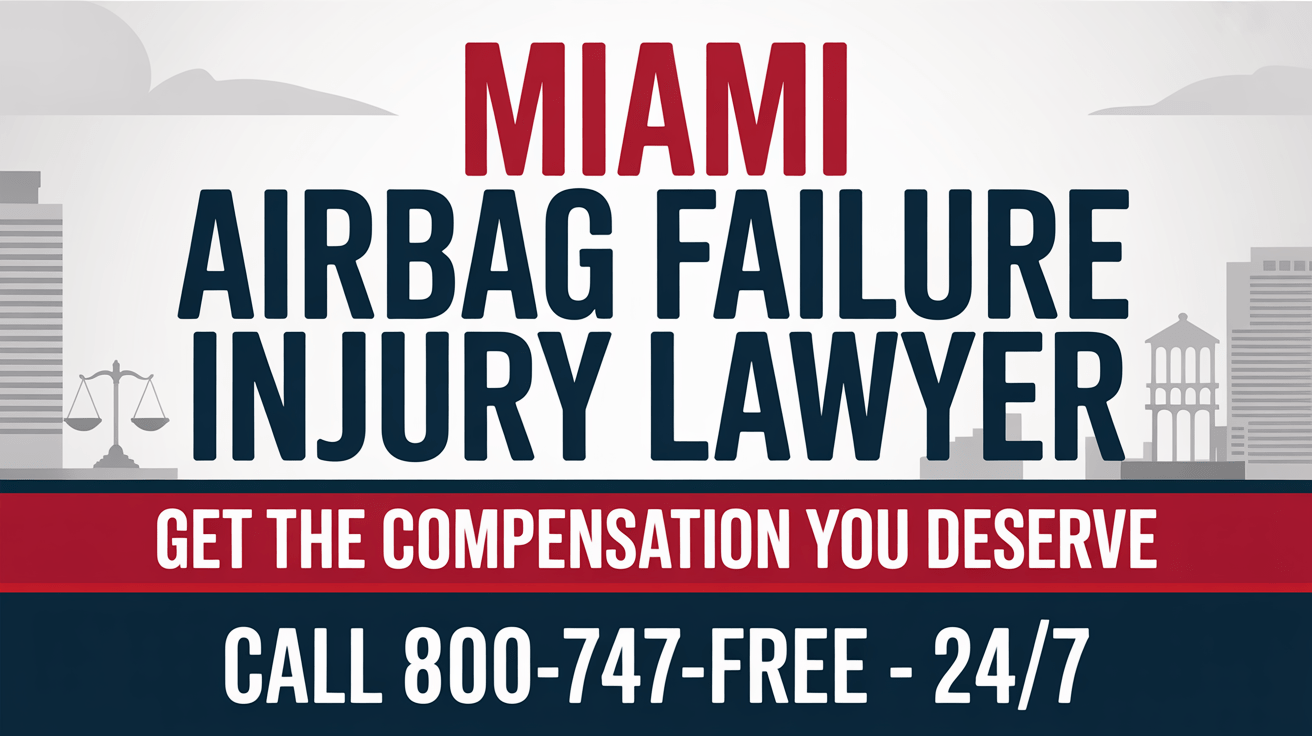
The sections that follow explain the steps, legal issues, and case factors that often shape these claims. Learn more by speaking with a Miami Car Accident Attorney.
Main Takeaways
- Seek immediate medical care after the crash to detect hidden injuries and create records linking your harm to the collision.
- Preserve evidence by photographing vehicle damage, warning lights, burns, injuries, and keeping the vehicle unaltered for inspection.
- A Miami airbag failure lawyer can investigate defective deployment, sensor malfunctions, delayed inflation, and possible recall-related defects.
- Strong claims rely on crash data, medical records, maintenance history, witness statements, and expert inspection of airbags and vehicle systems.
- Liability may involve manufacturers, parts suppliers, repair shops, or others whose defects or negligence contributed to the airbag failure.
How We Can Help With Your Miami Airbag Failure Injury Claim
Guide the aftermath of a serious collision with informed legal guidance, and a Miami airbag failure injury lawyer can assess whether a defective airbag, sensor malfunction, or delayed deployment contributed to the claimant’s injuries.
From that starting point, counsel can organize records, preserve vehicle evidence, coordinate expert inspections, and manage communication with insurers and manufacturers. This support allows injured people and their families to focus on recovery while their rights are protected. A disciplined legal team can calculate losses, document medical needs, and present a clear demand grounded in facts and service to the broader public good. Representation may also include guidance on deadlines, transportation issues, and referrals to trusted local resources through community outreach efforts.
In appropriate matters, counsel can identify patterns that warrant policy reform, helping protect other drivers and passengers from similar harm. The objective remains practical and steady: secure fair compensation, reduce administrative burdens, and advance accountability in a manner that honors community safety.
Understanding Miami Airbag Failure Injury Cases


Because these claims often involve both crash-related injuries and potential product defects, understanding Miami airbag failure injury cases requires careful attention to how the airbag system performed before, during, and after the collision. A thorough review often includes vehicle data, medical records, repair history, and any prior airbag recall notices affecting the make or model involved.
OUR CONSULTATIONSARE FREE
START YOUR FREE CASE REVIEW

These cases may center on whether the airbag deployed properly, deployed with excessive force, or failed to protect occupants as intended. Legal evaluation typically considers manufacturer warnings, maintenance records, crash severity, and the relationship between the airbag event and the reported injuries. In many matters, the condition of sensors, control modules, seat belts, and interior damage can help clarify what occurred. This careful approach supports accountability and promotes passenger safety by identifying whether a defective component, inadequate warning, or unresolved recall issue may have contributed to preventable harm for injured people and families.
Common Causes of Miami Airbag Failure Injury
Several factors may contribute to a Miami airbag failure injury, each affecting whether the system activates properly in a crash. Common causes include defective airbag sensors, faulty electrical wiring, manufacturing design defects, and delayed airbag deployment, all of which can reduce occupant protection at a pivotal moment. Identifying the specific cause is often vital when evaluating liability and the full extent of the resulting injuries.
Defective Airbag Sensors


Many airbag failures can be traced to defective sensors, which play a central role in determining whether the system deploys during a collision. When these components malfunction, they may misread crash severity, vehicle direction, or occupant conditions, leaving people without vital protection when help is needed most.
Proper Sensor calibration is indispensable because even small deviations can prevent an appropriate response. If sensors are improperly manufactured, damaged, or poorly maintained, the system may fail to recognize impacts that meet the required Impact thresholds. In some cases, airbags deploy too late, while in others they do not deploy at all. For families seeking accountability and safer roads, understanding sensor-related failures can support informed decisions and encourage manufacturers to uphold their duty to protect the public with reliable, well-tested safety systems.
Faulty Electrical Wiring
Faulty electrical wiring can silently undermine an airbag system, disrupting the signals required for timely deployment in a crash. Damaged connectors, corroded terminals, loose grounds, or frayed harnesses may prevent communication between sensors, control modules, and inflators, leaving occupants without vital protection when assistance is needed most.
In many vehicles, these problems develop gradually due to moisture exposure, vibration, prior repairs, or collision damage. Responsible owners and service providers often rely on electrical inspections to identify hidden faults before they contribute to serious injury. Attention to dashboard warning lights, diagnostic codes, and manufacturer notices can also protect passengers and the broader community. When wiring recalls are issued, prompt repairs may reduce preventable harm and preserve evidence of why an airbag failed to deploy during a severe impact.
Manufacturing Design Defects
A single design defect in an airbag system can compromise occupant protection across an entire vehicle line, even when individual components appear to function as intended. Manufacturing design defects often arise when engineers misjudge deployment force, housing geometry, or vent placement, creating hazards that affect many drivers and passengers alike.
Defective airbag material may tear under pressure or release harmful fragments, increasing the risk of preventable injury during a collision. In other cases, poor sensor calibration can cause the system to misread crash severity, leading to unsafe performance under expected conditions. These defects are especially concerning because they are built into the product before it is sold, placing families and communities at risk. Careful investigation, recall analysis, and expert review help identify systemic failures and support those seeking accountability and safer vehicles.
Delayed Airbag Deployment
During a collision, even a brief delay in airbag deployment can sharply reduce the protection the system is intended to provide. When inflation occurs too late, the occupant may already have moved forward, changing occupant position and increasing the risk of head, neck, or chest trauma. This failure can undermine other safety systems and limit the vehicle’s ability to shield vulnerable passengers.
Delayed deployment may result from faulty crash sensors, wiring defects, software errors, or poor maintenance after prior repairs. In some cases, vehicle speed affects the timing calculations used by the control module, and even small errors can produce serious consequences. Careful investigation helps families, advocates, and legal professionals identify whether a preventable malfunction contributed to the injury and whether accountability is warranted to protect others on the road.
Legal Rights of Miami Airbag Failure Injury Victims
When an airbag fails to deploy properly or causes additional harm, injured individuals in Miami may have the right to pursue compensation under Florida law. These claims may arise against manufacturers, parts suppliers, dealerships, or others whose conduct contributed to defective design, poor installation, or inadequate warnings. Evidence involving consumer recalls and safety standards may help establish whether a product was unreasonably dangerous.
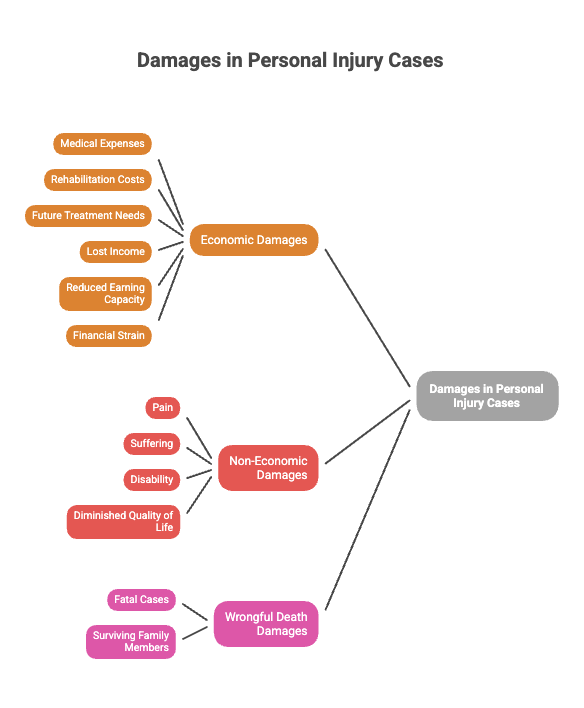
Potential legal rights may include recovery for the following losses:
- Medical expenses, rehabilitation costs, and future treatment needs
- Lost income, reduced earning capacity, and related financial strain
- Pain, suffering, disability, and diminished quality of life
- Wrongful death damages for surviving family members in fatal cases
Florida law may also permit claims based on negligence, strict liability, or breach of warranty, depending on the facts. A careful legal review can clarify liability, preserve important evidence, and support accountability. Pursuing compensation may also encourage safer products and better protection for others.
Steps to Take After a Miami Airbag Failure Injury
After a Miami airbag-failure injury, prompt medical care is crucial for identifying injuries and creating a clear record of treatment. It is also important to preserve crash evidence, including photographs, vehicle damage, medical records, and any defective airbag components. Early contact with a Miami lawyer can help protect the injured person’s interests and support a timely evaluation of potential legal claims.
Seek Immediate Medical Care
Why does immediate medical attention matter so much in an airbag failure injury case? Prompt treatment protects health, identifies hidden trauma, and creates a clear record of injuries linked to the collision. An urgent assessment may reveal concussions, internal bleeding, facial fractures, burns, or chest injuries that are not obvious at the scene. Early diagnosis also supports responsible decision-making for families seeking to care for an injured person.
Medical providers can document symptoms, order imaging, and recommend treatment tailored to the person’s condition. This documentation helps establish the timing, severity, and progression of harm without delay. Consistent follow-up care is equally important because some complications develop over time or worsen after adrenaline fades. Seeking prompt and continued treatment reflects a commitment to recovery, safety, and the well-being of others.
Preserve Crash Evidence
In the hours following a collision, preserving crash evidence is vital to understanding whether an airbag failed to deploy properly, deployed with excessive force, or malfunctioned in another dangerous way. Those assisting an injured person should preserve evidence by photographing vehicle damage, interior surfaces, warning lights, burns, debris, and visible injuries before repairs occur. They should request the police report number, identify witnesses, and note weather, roadway conditions, and the exact location of impact.
If possible, the vehicle should remain unaltered and stored securely so investigators can inspect sensors, modules, and restraint components. Any removed parts, clothing, or personal items should be labeled and protected to maintain the chain of custody. Careful documentation serves others by safeguarding facts, supporting accountability, and helping qualified experts determine what happened during the crash.
Contact A Miami Lawyer
Promptly consulting a Miami lawyer can help preserve crucial evidence, clarify legal options, and reduce the risk of mistakes when an airbag-failure injury is involved. Early Legal consultation allows counsel to review medical records, vehicle data, recall history, and witness accounts before important details are lost.
A qualified attorney can coordinate investigators, communicate with insurers, and identify whether liability may involve a driver, manufacturer, distributor, or repair facility. This guidance supports informed decisions that may benefit both the injured person and the broader community by encouraging accountability and safer products. Through careful outreach in Miami, counsel may also connect families with medical providers, support services, and practical resources during recovery. Timely legal support helps preserve claims, strengthen documentation, and promote a more orderly path toward fair compensation and public safety.
How a Miami Airbag Failure Injury Lawyer Can Help You
After a serious collision, an airbag failure injury lawyer in Miami can evaluate whether a defective airbag, faulty sensor, or delayed deployment contributed to the harm suffered. Through careful client advocacy and evidence collection, counsel can identify responsible manufacturers, suppliers, or other parties, while protecting the injured person’s right to fair compensation under Florida law.
An airbag failure injury lawyer in Miami can help uncover defect-related causes and protect the right to fair compensation.
A lawyer’s assistance often includes:
- Reviewing crash reports, medical records, recalls, and vehicle data.
- Preserving damaged components for expert inspection and analysis.
- Communicating with insurers and opposing counsel on the client’s behalf.
- Calculating present losses and preparing a strong legal claim.
This work supports families seeking accountability, not conflict, by pursuing answers that may improve safety for others in the community. When negotiations do not produce a reasonable outcome, counsel can file suit, manage deadlines, and present technical evidence clearly. In this way, legal guidance provides structure, protection, and a focused path toward recovery and justice after preventable vehicle defects.
Long-Term Effects of Miami Airbag Failure Injuries
Airbag failure injuries may produce lasting physical complications that extend well beyond the initial accident and require ongoing medical care. They can also lead to emotional and mental trauma, including anxiety, sleep disruption, and reduced confidence in daily activities. In many cases, these effects create significant financial strain and lifestyle changes, affecting employment, independence, and long-term quality of life.
Lasting Physical Complications
A defective deployment can leave more than immediate injuries, because many victims develop lasting physical complications that interfere with mobility, strength, and daily functioning long after the collision. Chronic pain may continue for months or years, especially when fractures, burns, or soft tissue trauma mend improperly. Some individuals experience Mobility loss that limits walking, lifting, driving, or personal care. Nerve damage can produce numbness, weakness, or reduced coordination in the arms, hands, face, or chest.
Scar tissue may restrict movement and contribute to stiffness around the neck, shoulders, and ribcage. Persistent inflammation can slow recovery and aggravate surrounding joints and muscles. Sleep disruption often follows ongoing discomfort, reducing physical resilience and delaying rehabilitation. In many cases, these conditions require sustained treatment, adaptive support, and long-term medical monitoring.
Emotional And Mental Trauma
Beyond the physical injuries, defective airbag deployment can cause significant emotional and mental trauma that persists long after the collision. Survivors may experience fear during routine travel, disturbed sleep, intrusive memories, and heightened vigilance in ordinary settings. In some cases, symptoms develop into post-traumatic stress, affecting relationships, concentration, and a person’s sense of safety.
Those who support injured individuals should recognize that emotional recovery often requires patience, informed care, and practical compassion. Professional counseling may help survivors process shock, anxiety, anger, or depression connected to the event. Healthy coping strategies, including structured therapy, support groups, and gradual reengagement with travel, can strengthen resilience over time. Caregivers, advocates, and community members can serve others by responding with consistency, respect, and a steady commitment to the survivor’s restoration.
Financial And Lifestyle Impact
Serious airbag failure injuries often extend into a person’s finances and daily way of life, adding long-term strain after the immediate medical and emotional effects have begun to surface. Ongoing treatment, rehabilitation, assistive equipment, and transportation needs may impose substantial costs on injured individuals and their families. Income loss can result when a person cannot return to previous work, must reduce hours, or loses future earning capacity due to physical limitations.
Lifestyle changes may also become unavoidable. Household responsibilities, caregiving roles, and community involvement can be disrupted for months or permanently. Some individuals require home modifications or continuing support with routine tasks, which increases financial pressure and dependence on others. In many cases, these combined burdens affect stability, independence, and the family’s ability to plan responsibly for the future.
Proving Liability in Miami Airbag Failure Injury Cases
Establishing liability in a Miami airbag failure injury case requires a careful review of the vehicle, the airbag system, and the circumstances of the crash. Attorneys and investigators often examine crash data, repair histories, black box information, and physical damage to determine whether the airbag deployed improperly, deployed late, or failed to deploy at all during impact.
Liability may rest with several parties depending on the evidence. A vehicle manufacturer may be responsible for a design or production defect, especially where a manufacturer’s recall identified known dangers. A repair shop or dealership may share fault if poor airbag maintenance, improper installation, or neglected warning signs contributed to the failure. In some cases, parts suppliers or maintenance providers may also bear responsibility.
To serve injured individuals and families well, legal teams commonly work with engineers, medical professionals, and accident reconstruction experts. Their findings help connect the airbag defect to the injuries suffered and clarify who should be held accountable.
Dealing With Insurance Companies After a Miami Airbag Failure Injury
After a Miami airbag-failure injury, insurance companies often move quickly to limit their exposure, request recorded statements, and frame the claim based on incomplete facts. Their representatives may appear cooperative while using insurance tactics designed to minimize responsibility, question medical necessity, or shift blame to unrelated conditions. Careful communication protects injured people and supports those helping them pursue fair treatment.
A disciplined response usually includes preserving records, appropriately directing calls, and avoiding speculation about fault, symptoms, or recovery. Consistent documentation of treatment, missed work, expenses, and vehicle damage helps counter selective interpretations of the event. Attention to claim timelines is also important because delays, overlooked notices, or missing paperwork can weaken a valid matter before facts are fully understood. When advocates step in early, they can organize information, address insurer requests, and reduce pressure on families focused on recuperation and service to others. This measured approach promotes accountability and protects the integrity of the injured person’s position.
What to Expect During a Miami Airbag Failure Injury Claim Process
A Miami airbag failure injury claim process often begins with an initial case evaluation, during which the facts of the accident and the nature of the injuries are assessed. It then typically proceeds through the collection of evidence and documentation, followed by insurance claim negotiations aimed at resolving liability and compensation issues. If a fair resolution cannot be reached, the matter may advance to settlement discussions or formal litigation.
Initial Case Evaluation
At the outset, the case evaluation in a Miami airbag-failure injury claim is designed to determine whether the facts support legal action and what evidence will be needed to proceed. During this stage, counsel typically reviews how the collision occurred, when the airbag failed, and whether the injured person reported initial symptoms after impact. The discussion often outlines a tentative case timeline, helping families understand what may happen next and how responsibilities will be handled.
A careful evaluation also considers medical concerns, immediate practical needs, and whether multiple parties could share responsibility. This early assessment serves people by providing direction, setting realistic expectations, and identifying urgent legal issues before deadlines pass. It gives injured individuals a structured path toward accountability, safety, and informed decision-making for everyone involved thereafter.
Evidence And Documentation
In this phase, evidence and documentation become central to establishing how the airbag failed, the extent of the injuries, and whether a manufacturer, repair facility, or other party may bear liability. Attorneys typically gather medical records, crash reports, vehicle data, recall histories, and maintenance records to build a clear factual timeline. Photographic logs of the vehicle, injuries, dashboard warnings, and crash-scene conditions often help preserve details that might otherwise fade.
Witness statements may clarify what occurred before, during, and after impact, especially when deployment was delayed, failed, or unusually forceful. In many cases, experts also inspect the vehicle and airbag components for defects, prior repairs, or signs of tampering. Careful documentation supports accountability and helps injured individuals pursue a process grounded in service, truth, and public safety.
Insurance Claim Negotiations
Negotiating with insurance carriers is often one of the most contested stages of a Miami airbag failure injury claim because insurers closely examine fault, causation, and the scope of damages before extending payment. During this phase, claim representatives may request recorded statements, medical authorizations, repair records, and expert findings to evaluate liability and losses.
Careful policy negotiation usually requires organized responses, consistent documentation, and attention to deadlines. Insurers may rely on adjuster tactics that question the severity of the injury, dispute whether the airbag defect caused the harm, or minimize future care needs. A thorough presentation of medical evidence, product information, and financial impact can help protect the injured person’s interests while encouraging a fair review. Families seeking to serve and protect loved ones often benefit from understanding these negotiation dynamics before communicating further with the carrier.
Settlement Or Litigation
Beyond the insurance negotiation stage, a Miami airbag failure injury claim may move toward settlement or proceed into litigation, depending on the strength of the evidence, the extent of the injuries, and the parties’ willingness to resolve the dispute. Counsel typically evaluates medical records, expert findings, and evidence of product defects to identify realistic Settlement Options that protect the injured person’s long-term needs. If a fair resolution appears possible, structured discussions, mediation, or formal offers may help secure compensation without trial.
When liability is disputed or damages remain undervalued, a focused Litigation Strategy may be necessary. That process can include filing suit, exchanging discovery, deposing witnesses, and presenting technical testimony regarding crash forces and airbag performance. Along either path, careful preparation supports accountability, informed decision-making, and outcomes that better serve the injured person and their family.
Compensation for Miami Airbag Failure Injury Injury Damages
When an airbag fails to deploy properly or causes additional harm, the resulting damages may extend far beyond the initial crash injuries. Compensation in Miami airbag failure cases often reflects the full scope of harm associated with a defective restraint system, including the consequences of delayed diagnosis, prolonged treatment, and lasting physical limitations. A careful review of Airbag recalls may help establish notice, defect history, and the broader safety context surrounding the vehicle or component.
Claim valuation frequently depends on medical documentation, product evidence, crash data, and expert analysis regarding causation. In the service of injured individuals and their families, attorneys may identify all responsible parties, such as manufacturers, suppliers, distributors, or repair entities. Settlement timelines can vary based on the severity of injuries, the availability of technical evidence, and the willingness of insurers or corporate defendants to negotiate responsibly. If a fair resolution is not offered, formal litigation may be necessary to pursue appropriate recovery.
Economic vs Non-Economic Damages in Miami Airbag Failure Injury Cases
In Miami airbag-failure injury cases, damages generally fall into two categories: economic and non-economic, each addressing a different type of loss. Economic damages refer to measurable financial harm, such as medical expenses, lost income, and future care costs, while non-economic damages concern pain and suffering, emotional distress, and reduced quality of life. Establishing the value of either category typically requires medical records, employment documentation, expert analysis, and other evidence that connects the airbag failure to the claimant’s losses.
Economic Damages Explained
At the outset, economic damages refer to the measurable financial losses caused by an airbag-failure injury, while non-economic damages address the human consequences that do not have fixed dollar amounts. In Miami airbag failure cases, these damages commonly include Medical bills, rehabilitation costs, prescription expenses, travel for treatment, and lost wages during recovery. They may also cover reduced earning capacity when lasting injuries limit future employment.
A careful legal review often gathers invoices, payroll records, tax documents, and expert opinions to accurately calculate these losses. This process helps families, caregivers, and advocates pursue support that restores financial stability and protects long-term well-being. By focusing on documented costs, economic damages provide a practical foundation for accountability and allow injured individuals to obtain resources needed for treatment, recovery, and responsible daily care.
Non-Economic Losses Overview
By contrast, non-economic losses address the personal harm that follows an airbag-failure injury and cannot be measured by receipts or wage statements alone. These damages recognize how a serious collision can disrupt daily living, relationships, and a person’s overall sense of well-being in ways that merit thoughtful consideration.
In Miami airbag failure cases, non-economic losses often include pain and suffering, emotional distress, physical impairment, disfigurement, and diminished enjoyment of life. They may also involve loss of consortium, which concerns the effect of the injury on a marital relationship and shared companionship. This category reflects the human consequences of trauma, especially when victims face ongoing limitations, anxiety, or lasting discomfort. For families focused on helping injured loved ones recover, understanding these losses supports a more complete view of harm.
Proving Damage Value
Accuracy becomes central when assigning value to damages in a Miami airbag failure injury case, because the strength of the claim depends not only on proving liability but also on showing the full extent of the resulting harm. Economic losses often include medical expenses, rehabilitation costs, lost wages, and diminished earning capacity, all of which are supported by records, invoices, and employment documentation. Non-economic losses require careful damage valuation of pain, emotional distress, disability, and reduced quality of life.
Courts and insurers frequently rely on expert testimony to connect the defective airbag event to lasting physical and psychological effects. Physicians, vocational consultants, and economists may help explain future care needs and financial impact. A thorough presentation of both economic and non-economic damages helps guarantee injured individuals receive fair compensation that supports recovery and continued service to others.
When a Miami Airbag Failure Injury Case Goes to Trial vs Settlement
In many Miami airbag-failure injury cases, the decision to proceed to trial or settle depends on the strength of the evidence, the extent of the injuries, and the opposing parties’ willingness to accept responsibility. Strong medical records, expert analysis, and proof of a defective airbag system often influence Settlement timing and encourage meaningful negotiations before court involvement deepens.
When liability is disputed or the insurer minimizes the harm, a trial may be necessary to secure full accountability. Trial dynamics usually involve witness testimony, technical evidence, and careful presentation of how the airbag failure affected the injured person’s wellness, work, and daily service to family or community. Settlement can provide faster financial relief and greater privacy, while a trial may offer a path to broader compensation when reasonable offers are withheld. A careful evaluation of risks, costs, and probable outcomes helps determine which option best serves the injured person’s long-term recovery and overall interests.
The Statute of Limitations for Miami Airbag Failure Injury Cases
Under Florida law, the time allowed to file a Miami airbag failure injury case is a pivotal issue that can determine whether an injured person may pursue compensation at all. In many situations, filing deadlines begin running on the date of the crash, though the exact period may vary depending on the claim asserted and the parties involved.
Because airbag failure cases may involve negligence, product liability, or wrongful death claims, careful attention to the statute’s nuances is crucial. Certain facts, such as delayed discovery of a defect, claims involving minors, or suits against governmental entities, may alter the applicable timeline or impose added notice requirements. Missing a controlling deadline can bar recovery entirely, even when injuries are severe and the supporting evidence is strong. For those seeking to protect the well-being of others, timely action also helps preserve records, vehicle data, and witness recollections. A prompt review of dates and documentation supports accountability, safety, and informed decision-making for everyone involved.
When to Contact a Miami Airbag Failure Injury Lawyer
After a collision involving a suspected airbag malfunction, contacting a Miami airbag failure injury lawyer as early as possible is often advisable. Early action can help preserve damaged vehicle components, electronic crash data, medical records, and witness accounts before they are lost or altered. An immediate consultation may also help families understand reporting obligations, insurance communications, and practical steps that protect others from similar harm.
Prompt contact is especially important when injuries worsen over time, a child is involved, or a death has occurred. It may also be necessary when a manufacturer recall exists, when defect concerns affect multiple people, or when public safety issues should be documented responsibly. Although filing deadlines matter, waiting can create avoidable obstacles, even where statute exceptions may apply. A timely discussion allows relevant facts to be organized and evaluated carefully, while the event remains fresh. This approach supports informed decisions, preserves accountability, and advances the broader goal of protecting the community through diligent action.
Why You Need an Experienced Miami Airbag Failure Injury Lawyer
Prompt action often raises a second, equally important question: whether legal counsel has the experience to properly investigate an airbag failure claim. In these cases, experienced representation matters because defective restraint systems often involve overlapping issues of product liability, crash reconstruction, medical causation, and manufacturer records.
A seasoned Miami airbag failure injury lawyer can identify whether an airbag recall applies, preserve vehicle evidence, and coordinate expert analysis before pivotal facts are lost. That level of preparation helps protect injured people and the families who depend on them, while also supporting broader accountability that may prevent similar harm to others. Experienced counsel also understands how insurers and manufacturers defend these claims and can respond with organized, credible proof. Although client testimonials may reflect past service, the central value of experience lies in disciplined investigation, strategic case development, and the ability to connect technical failures to real human losses. This guidance can influence outcomes and recovery.
How to Choose the Right Miami Airbag Failure Injury Lawyer for Your Case
Evaluate any prospective attorney by focusing on qualifications that match the demands of an airbag failure claim. A careful selection process should examine courtroom experience, product liability knowledge, and the ability to investigate manufacturers, suppliers, and vehicle safety records. Lawyers who handle catastrophic injury matters often understand how these cases affect families, caregivers, and the broader community.
A strong candidate should also demonstrate skill in coordinating Expert testimony from engineers, crash reconstruction consultants, and treating physicians. Clear communication matters because injured people and those supporting them need honest guidance, timely updates, and practical expectations about liability and compensation. Reviewing prior results, disciplinary history, and client feedback can help identify consistent professionalism. It is also useful to ask whether the attorney can distinguish airbag defect litigation from Medical malpractice or ordinary negligence claims.
The fee structure, staff support, and trial readiness should all be carefully weighed before a final decision is made.
About The Law Offices of Anidjar & Levine
The Law Offices of Anidjar & Levine represent injured clients in Miami through a practice focused on serious accident and product-related injury claims. Its work includes cases involving defective airbags, where careful investigation and prompt action may help protect injured people and their families.
The firm’s history reflects sustained service to Floridians seeking accountability after preventable harm. Attorneys and staff approach each matter with disciplined preparation, clear communication, and attention to the client’s practical needs during recovery. This service-centered model supports people who want to secure medical care, replace lost income, and pursue fair compensation without unnecessary delay.
Public information about the firm often highlights responsiveness, accessibility, and steady guidance from intake through resolution. Client testimonials frequently describe respectful treatment and a willingness to answer questions in plain language. For individuals evaluating representation after an airbag failure injury, these qualities may indicate a practice committed to responsible advocacy and meaningful support throughout the legal process.
Frequently Asked Questions
Can a Recalled Airbag Affect My Claim if I Ignored Recall Notices?
Yes, a recalled airbag can affect a claim if recall notices were ignored. An insurer or defendant may argue that ignored recalls contributed to the injury, creating legal defenses that reduce recovery. However, the effect depends on notice, timing, the availability of repairs, and whether the airbag defect independently caused harm. A careful review of records, recall communications, and manufacturer conduct helps determine fault fairly and protect those seeking accountability and relief.
Who May Be Liable Besides the Other Driver in an Airbag Failure Case?
Liability may extend beyond the other driver to third parties involved in the airbag’s design, manufacture, installation, inspection, or maintenance. Product designers, parts suppliers, vehicle manufacturers, dealerships, and repair facilities may each bear responsibility if a defect or negligent service contributed to the failure. In some cases, government contractors or fleet operators may also be accountable. A careful investigation helps identify every responsible party and supports fair recovery for those harmed.
Do Black Box Data or Crash Reports Help Prove Airbag Malfunction?
Yes, black box data and crash reports often help prove airbag malfunction. They can show deployment timing, vehicle speed, impact severity, and sensor data, which may reveal whether the airbag failed to deploy properly or activated improperly. Crash reports also document scene conditions, damage patterns, and witness observations. Collectively, these records provide objective evidence that can assist those seeking accountability, support expert analysis, and strengthen a well-founded injury claim overall.
Can Used or Salvaged Airbags Increase the Risk of Deployment Failure?
Yes, used or salvaged airbags can increase the risk of deployment failure. Used airbags may have unknown damage, prior deployment history, improper storage, or degraded components that reduce reliability. Salvage parts also may be incompatible with a vehicle’s crash sensors or control module, which can prevent proper activation. Those seeking to protect passengers should recognize that only properly sourced, inspected, and manufacturer-approved airbag systems offer the most dependable safety performance in collisions.
Will My Case Involve Claims Against the Vehicle or Airbag Manufacturer?
Yes, the case may involve claims against the vehicle manufacturer, the airbag manufacturer, or both, depending on the evidence. An attorney typically examines whether a product liability theory applies, including a possible design defect, manufacturing defect, or failure to warn. The goal is to identify every responsible party and pursue recovery that supports the injured person and those who rely on that person for care and stability.
—————————
Airbag failure injuries can lead to serious harm and complex legal issues, especially when defective design, manufacturing defects, or deployment malfunctions are involved. The Law Offices of Anidjar and Levine can provide a careful legal evaluation to help identify liable parties, preserve critical evidence, and seek compensation for medical expenses, lost wages, and other related damages.
With guidance from an experienced Miami Car Accident Lawyer, injured individuals in Miami may be better equipped to protect their rights and make informed decisions about pursuing a personal injury claim.