A Miami Car Accident Lawyer at the Law Offices of Anidjar and Levine helps protect a claim by preserving evidence, reviewing medical records, and managing insurer communications from the outset.
Counsel can investigate fault, assess policy limits, document lost income and future care needs, and challenge undervalued settlement offers. Prompt legal guidance also helps prevent harmful statements, treatment gaps, and missed deadlines that can reduce recovery.
The sections below explain the process, crucial rights, and practical steps that can strengthen an injury case.
Main Takeaways
- Seek immediate medical care and follow treatment consistently to document injuries and protect the value of your Miami car accident settlement claim.
- Preserve evidence by photographing the scene, vehicle damage, injuries, road conditions, and collecting witness names and contact information.
- Consult a Miami car accident injury lawyer early to assess liability, review insurance coverage, and prevent harmful insurer communications.
- A lawyer can investigate negligence using police reports, medical records, video footage, phone data, and crash reconstruction when fault is disputed.
- Settlement value depends on injury severity, medical expenses, lost income, future care needs, policy limits, and any comparative fault issues.
How We Can Help With Your Miami Car Accident Settlement Injury Claim
After a Miami car accident, injured parties often face medical bills, lost income, insurance pressure, and uncertainty about the value of their claim. Effective legal support helps them focus on recovery while their interests are protected with diligence and care. Counsel can gather records, organize evidence, communicate with insurers, and present damages clearly and responsibly. This service-centered approach reduces confusion and helps families make informed choices that honor their needs.
A Miami car accident lawyer also provides post-accident counseling by explaining available options, answering practical questions, and guiding clients through each required step. Clear guidance on settlement timelines helps injured people plan for treatment, work, and household obligations without unnecessary surprises. When disputes arise, counsel can challenge unfair tactics, document continuing losses, and advocate for fair compensation through negotiation. Throughout the process, the lawyer’s role is to shoulder burdens, preserve important details, and pursue a resolution that supports stability, accountability, and recovery.
Understanding Miami Car Accident Settlement Injury Cases


In the context of Miami injury claims, a car accident settlement case centers on whether the available evidence proves liability, establishes the nature and extent of the injuries, and supports a fair valuation of damages. Medical records, crash reports, witness statements, photographs, and employment documentation often shape that evaluation and guide responsible advocacy for injured people and their families.
OUR CONSULTATIONSARE FREE
START YOUR FREE CASE REVIEW

A careful review also considers insurance policy limits, comparative fault issues, and how treatment history connects the collision to present limitations. Evidence about seatbelt effectiveness may influence injury analysis, while documented expenses and future care needs inform settlement discussions. Attention to claim timelines is equally important because delayed reporting, missed deadlines, or gaps in treatment can weaken an otherwise valid claim. In service-oriented legal practice, the goal remains clear: protect the injured person’s dignity, secure resources for recovery, and resolve the matter through a settlement that reflects both immediate losses and long-term consequences.
Common Causes of Miami Car Accident Settlement
Several recurring factors contribute to Miami car accident settlements, often shaping both liability and the extent of damages. Distracted driving crashes, speeding and reckless driving, and drunk driving collisions remain among the most common sources of serious claims. Weather conditions and hazardous road surfaces also play a significant role, particularly when poor visibility or unsafe roadway conditions increase the risk of impact.
Distracted Driving Crashes


Distracted driving remains one of the most common causes of car accidents in Miami, often leading to serious injuries and substantial settlement claims. These collisions frequently arise when drivers divide attention between the road and secondary tasks, including mobile texting, navigation adjustments, eating, or conversations with passengers. Even brief inattention can cause devastating harm to motorists, bicyclists, and pedestrians.
From a settlement perspective, distracted driving cases often involve careful review of phone records, witness statements, surveillance footage, and vehicle data. This evidence may help establish negligence and clarify how pedestrian distraction or driver inattention contributed to the crash. For individuals committed to protecting others, understanding these causes supports safer choices and stronger advocacy for injured victims. Timely legal guidance can also improve recovery outcomes and promote accountability within the community.
Speeding And Reckless Driving
Speeding and reckless driving markedly increase the likelihood of severe car accidents in Miami, often turning ordinary traffic violations into high-value injury claims. Excessive speed reduces reaction time, lengthens stopping distance, and magnifies the force of impact, leaving victims with substantial medical needs and prolonged recovery periods.
Reckless conduct often includes lane weaving, abrupt turns, failure to yield, and aggressive tailgating in dense traffic corridors. Such behavior shows disregard for public safety and often strengthens liability arguments in settlement negotiations. In many cases, documented speeding penalties, witness statements, traffic camera footage, and crash reconstruction findings help establish fault and the seriousness of the misconduct. For those committed to protecting others, recognizing these patterns can encourage safer driving habits and support informed decisions when pursuing compensation after preventable harm.
Drunk Driving Collisions
Exposing drunk driving collisions as a leading source of serious injury claims in Miami, where impaired motorists often cause crashes that result in substantial settlements. These cases often involve preventable harm, leaving families, caregivers, and community advocates seeking accountability for those affected.
Evidence may include toxicology reports, officer observations, surveillance footage, and witness statements from a bar patron or nearby driver. Questions about breathalyzer accuracy can influence negotiations, yet broader proof of impairment often remains compelling. Victims may suffer fractures, brain trauma, spinal damage, and lasting emotional distress, all of which increase case value.
A careful legal review helps identify liability, preserve evidence, and measure damages with precision. In service to injured people, attorneys pursue compensation that supports medical treatment, lost income, rehabilitation, and long-term recovery needs.
Weather And Road Hazards
In Miami, weather conditions and roadway hazards frequently contribute to collisions that result in substantial injury claims and disputed settlements. Heavy rain, standing water, reduced visibility, and sudden tropical storms can undermine braking distance and driver judgment within seconds. Poor drainage, faded lane markings, debris, and inadequate signage also create dangerous conditions that may shift liability beyond the individual motorist.
Careful investigation often examines municipal maintenance records, prior complaints, and roadway design standards to determine whether public entities or contractors share responsibility. Effective pothole prevention and prompt hazard reporting can protect neighbors and reduce preventable harm. During severe storms, lightning risk may further impair visibility, startle drivers, and complicate emergency response efforts. These factors frequently influence medical damages, comparative fault arguments, and the overall value of a Miami car accident settlement claim.
Legal Rights of Miami Car Accident Settlement Injury Victims
Accountability often begins with a clear understanding of the legal rights available after a serious collision. In Miami, injured individuals may pursue recovery for medical expenses, lost income, pain, and other legally recognized damages when another party’s negligence caused the crash. Florida law also provides important protections involving insurance claims, liability disputes, and deadlines that can affect a case’s value and viability.
Key rights commonly include:
- The right to seek a full evaluation of damages, including future treatment needs and diminished earning capacity.
- The right to challenge unfair insurer tactics through informed representation, strong victim advocacy, and careful review of policy terms.
- The right to understand compensation limits, comparative fault rules, and whether additional parties may share legal responsibility.
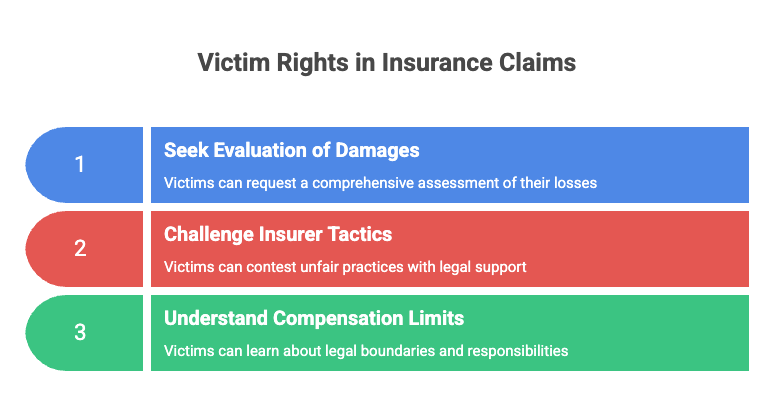
These protections support not only personal recovery but also broader community well-being. When rights are understood and respected, injured people are better positioned to secure fair outcomes and preserve resources needed to continue serving their families and others.
Steps to Take After a Miami Car Accident Settlement Injury
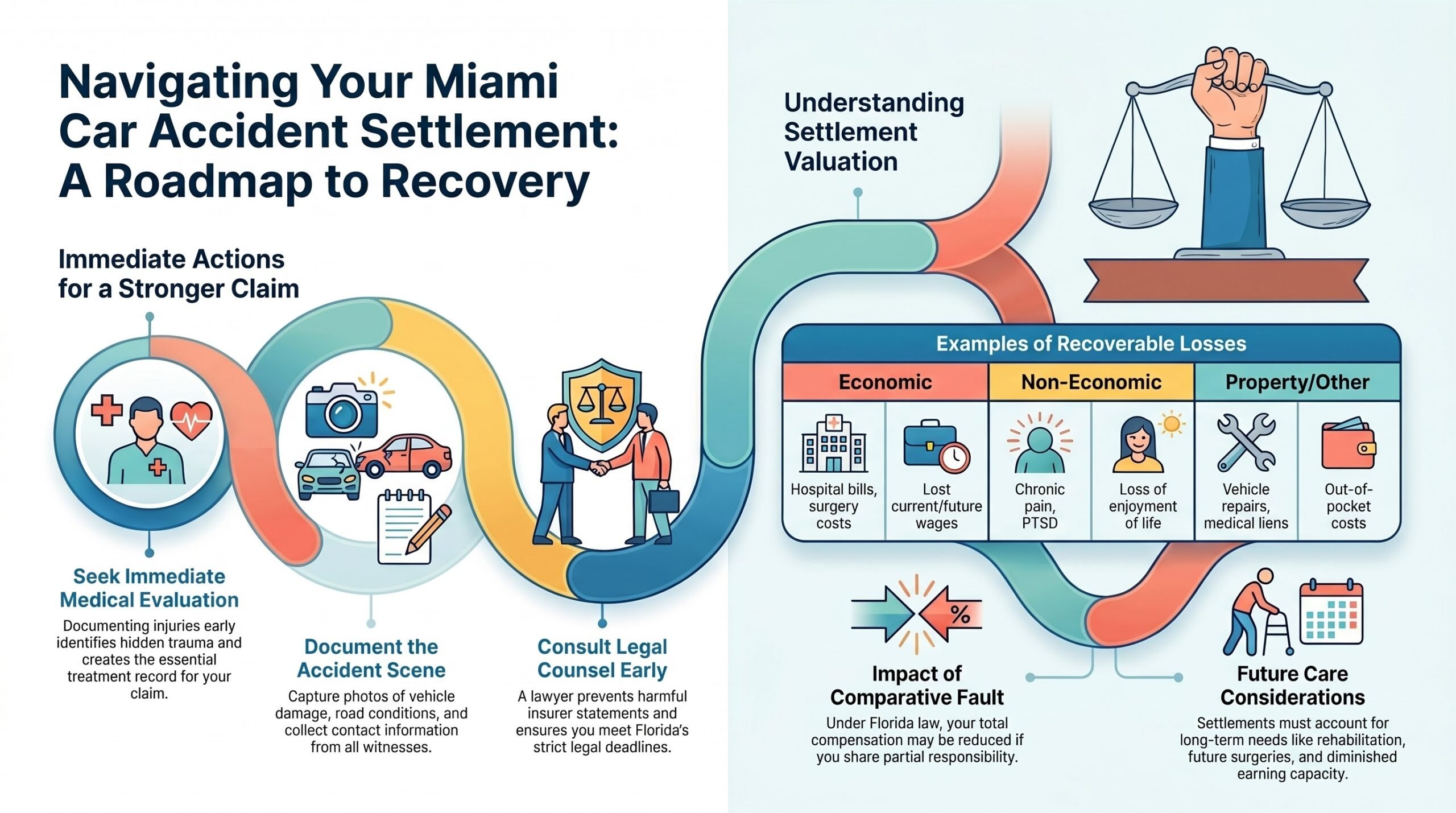
After a Miami car accident settlement injury, prompt medical attention is crucial to protect both health and the record of injury. The accident scene should be documented carefully, including vehicle damage, visible injuries, and any available witness or police information. A Miami lawyer should then be consulted to assess legal options, preserve relevant evidence, and address settlement-related concerns.
Seek Immediate Medical Care
Because some injuries do not present with immediate symptoms, a person involved in a Miami car accident should seek prompt medical evaluation. Timely care protects health, identifies hidden trauma, and creates a clear treatment record that may later support a settlement claim. An emergency evaluation is especially important when pain, dizziness, numbness, or confusion appear after impact.
Medical professionals can assess fractures, internal injuries, concussions, and soft tissue damage before conditions worsen. Following discharge, a person should attend all recommended appointments, follow prescribed treatment, and consider telemedicine follow-up when travel or mobility is limited. Consistent care demonstrates a responsible commitment to recovery and to the well-being of family, passengers, and the broader community. Early treatment also reduces the risk of preventable complications and prolonged suffering after a collision.
Document The Accident Scene
At the accident scene, careful documentation can preserve vital evidence and reduce later disputes over how the collision occurred. A person should record vehicle positions, roadway markings, traffic signals, weather conditions, and any visible injuries as soon as it is safe to do so. This practical step can support accurate reporting and help all involved parties receive fair consideration.
Useful documentation often includes photographing evidence from several angles, capturing damage, debris, skid marks, license plates, and nearby signs. Gathering names and contact information from witnesses may also strengthen the factual record. In addition, sketching layout details, such as lane directions, intersections, and points of impact, can clarify events that photographs may not fully show. When performed calmly and respectfully, these actions create a reliable account that may assist insurers, medical providers, and community support efforts afterward.
Consult A Miami Lawyer
Seeking legal guidance soon after a Miami car accident injury can help an injured person understand available options, protect important deadlines, and avoid missteps during the settlement process. A qualified attorney can review medical records, insurance communications, and liability concerns to assess the strength of a potential claim.
During a free consultation, the lawyer may explain damages, identify necessary evidence, and outline practical next steps that support recovery and accountability. This guidance can be especially valuable when insurers seek quick statements or reduced payouts. Many firms also offer bilingual services, helping injured individuals and families communicate clearly and make informed decisions. By consulting a Miami lawyer promptly, an injured person places service, responsibility, and community well-being at the center of the legal process while protecting the right to fair compensation.
How a Miami Car Accident Settlement Injury Lawyer Can Help You
In the aftermath of a serious collision, a Miami car accident settlement injury lawyer can provide crucial guidance by evaluating the claim, identifying liable parties, and protecting the injured person from insurance tactics that may reduce compensation. Counsel also coordinates records, calculates damages, addresses Medical liens, and reviews Witness credibility to strengthen negotiations and support fair outcomes for those seeking to restore stability and continue serving their families and communities.
A Miami car accident settlement injury lawyer protects claims, coordinates damages, and strengthens negotiations for fair, accountable recovery.
A lawyer’s assistance is often most valuable in three areas:
- Investigating the crash, securing reports, preserving evidence, and organizing documentation needed to present a clear, credible demand.
- Communicating with insurers, challenging low offers, and preventing statements that may be used to undermine the claim.
- Managing procedural deadlines, preparing a settlement strategy, and explaining options so the injured person can make informed decisions.
Through careful advocacy, legal counsel helps align compensation efforts with accountability, practical recovery needs, and the broader responsibility of protecting others.
Long-Term Effects of Miami Car Accident Settlement Injuries
Miami car accident settlement injuries may produce lasting consequences that extend well beyond the initial recovery period. Common long-term effects include chronic pain that limits daily function, emotional trauma that disrupts mental well-being, and ongoing symptoms that reduce overall quality of life. These conditions often create future medical needs, making a careful assessment of long-term treatment and related costs crucial in any settlement evaluation.
Chronic Pain Challenges
Living with persistent pain after a car accident can alter nearly every aspect of daily life, even when visible injuries have recovered. Many injured people continue facing limited mobility, disrupted sleep, and chronic fatigue that reduces their ability to work, care for family, and participate in community responsibilities. Ongoing discomfort may require consistent pain management through medical treatment, physical therapy, and careful activity modification.
From a service-minded perspective, these challenges often demand patience from caregivers, employers, and legal advocates seeking fair settlements. Chronic pain can also complicate recovery by slowing rehabilitation and increasing dependence on assistive support. In settlement evaluations, long-term symptoms warrant careful documentation because they affect future medical needs, household contributions, and overall functional capacity, even when diagnostic findings appear modest or inconsistent over time.
Emotional Trauma Impact
Emotional trauma often persists long after physical wounds begin to heal, affecting an injured person’s stability, judgment, and ability to resume ordinary routines. After a Miami collision, emotional distress may interfere with work, family relationships, sleep, and confidence in daily travel.
Many injured individuals experience anxiety, depression, irritability, or social withdrawal, even when outward recovery appears substantial. Some develop PTSD symptoms, including flashbacks, panic responses, and persistent fear near traffic or loud impact sounds. These effects can diminish concentration, patience, and the capacity to consistently care for others. Mental health struggles may also alter decision-making, reduce trust, and weaken a person’s sense of safety within the community. In settlement evaluations, this enduring psychological harm is often recognized as a serious consequence that merits careful, compassionate consideration and fair legal attention.
Future Medical Needs
In many cases, the full medical impact of a car accident does not end when emergency treatment is complete, because serious injuries may require ongoing care for months or even years. Settlement evaluations often consider projected treatment, including rehabilitation, pain management, future surgeries, and consultant follow-up. Some individuals may need home modifications, transportation support, or assistive devices to maintain safety and independence.
A careful assessment of future medical needs helps guarantee that injured people are not left without resources after a claim is resolved. Physicians, life-care planners, and other professionals may estimate the likely cost of continued care based on diagnosis, prognosis, and functional limitations. This forward-looking approach supports stability for families and helps those who serve others understand the long-term consequences of an accident injury and related financial demands.
Proving Liability in Miami Car Accident Settlement Injury Cases
Establishing liability is a central step in Miami car accident settlement injury cases, because compensation generally depends on showing that another party’s negligence caused the collision and the resulting harm. This process typically requires clear evidence, including police reports, photographs, witness statements, medical records, and, when appropriate, expert testimony regarding accident reconstruction or injury causation.
Florida law also recognizes comparative negligence, which means fault may be shared among those involved. In practice, this requires a careful review of speeding, distraction, traffic violations, road conditions, and vehicle damage. A thorough liability analysis serves injured people and their families by clarifying responsibility and supporting fair recovery.
Attorneys often examine whether a driver breached a duty of care, whether that breach directly caused the crash, and whether the injuries were reasonably connected to the event. Reliable documentation and timely investigation remain crucial because credible proof strengthens the legal position and helps guarantee accountability for preventable harm.
Dealing With Insurance Companies After a Miami Car Accident Settlement Injury
Once liability has been analyzed, attention often turns to the insurance companies that control much of the settlement process after a Miami car accident injury. Insurers often evaluate medical records, repair estimates, wage-loss documentation, and statements before deciding how to respond to a demand for compensation.
A careful approach helps protect injured people and the families who depend on them. Insurance representatives may seem cooperative, yet their obligation is to the company’s financial interests. For that reason, clear records, measured communication, and attention to claim timing can strongly influence the outcome. Policy negotiation also requires a disciplined review of coverage limits, exclusions, and available benefits under all applicable policies.
Legal guidance often supports fair treatment by identifying undervalued losses and preventing avoidable mistakes in discussions with adjusters. When these matters are handled thoughtfully, the injured person is better positioned to pursue resources that support recovery, stability, and continued care for others in need.
What to Expect During a Miami Car Accident Settlement Injury Claim Process
The injury claim process for a Miami car accident settlement typically begins with an initial investigation, during which liability, damages, and supporting evidence are carefully reviewed. It then proceeds to a medical records evaluation and a settlement negotiation timeline, both of which play a central role in determining the claim’s value and direction. From there, the claim resolution steps generally involve continued documentation, insurer responses, and either a negotiated agreement or further legal action if necessary.
Initial Claim Investigation
Promptly after a collision, the initial claim investigation begins with a careful review of the accident, the reported injuries, and the available insurance coverage. Attorneys and adjusters gather police reports, photographs, video footage, and scene details to establish a reliable timeline. They may consult forensic reconstruction experts when vehicle positions, speeds, or impact angles remain disputed. They also conduct witness interviews to compare observations and identify inconsistencies.
This stage often includes confirming policy limits, notifying insurers, preserving evidence, and evaluating whether additional parties may share responsibility. A disciplined investigation helps protect the injured person’s interests while promoting fairness for everyone involved. By organizing facts early and communicating clearly, counsel can support informed decisions, reduce avoidable delays, and lay a strong foundation for a settlement process centered on accountability, service, and meaningful recovery.
Medical Records Evaluation
In the next phase of a Miami car accident settlement claim, the evaluation of medical records becomes central to determining the nature, extent, and likely duration of the reported injuries. Attorneys and claims professionals review emergency treatment notes, diagnostic imaging, physician narratives, therapy logs, and billing entries to connect the collision with documented harm. This careful review helps identify preexisting conditions, treatment gaps, and prognosis issues that may affect case value and client care needs.
Attention is also given to privacy concerns, ensuring records are requested, stored, and shared lawfully and respectfully. Accurate interpretation often depends on understanding medical terminology, provider impressions, and coding standards used in records and invoices. By organizing this information thoroughly, legal advocates are better equipped to support injured people, promote accountability, and encourage access to appropriate ongoing treatment and community resources.
Settlement Negotiation Timeline
Once medical records have been organized and assessed, the settlement negotiation timeline usually begins to take shape around the documented injuries, treatment progress, and available insurance coverage. Early timeline milestones often include preparing a demand package, reviewing policy terms, and allowing insurers time to carefully evaluate liability and damages.
During this period, counsel typically tracks correspondence, medical updates, and any changes affecting valuation. Settlement deadlines may arise from insurance requests, statutory considerations, or practical needs tied to ongoing care and household stability. A service-minded approach emphasizes patience, accuracy, and respect for everyone involved, especially when the injured person is focused on recovery and family responsibilities. Although each case differs, a structured timeline helps participants anticipate requests, respond thoughtfully, and support informed decisions without unnecessary delay or confusion.
Claim Resolution Steps
As the claim moves toward resolution, several defined steps generally shape what parties can expect during the Miami car accident settlement process. Counsel typically reviews liability, medical records, wage loss, and insurance coverage while emphasizing Evidence preservation from the earliest stage. This careful preparation helps protect the injured person and supports fair service to all involved.
Next, a demand package is presented, followed by insurer evaluation, negotiation, and continued treatment monitoring when necessary. The Settlement timeline may vary depending on recovery progress, disputed fault, policy limits, and the insurer’s responsiveness. If negotiations produce an acceptable figure, the release documents are signed, and payment follows. If no fair agreement is reached, litigation may begin, including discovery, motions, mediation, and possible trial. Each step requires patience, accuracy, and informed guidance.
Compensation for Miami Car Accident Settlement Injury Damages
Fair compensation in a Miami car accident settlement depends on the full scope of the injured person’s losses, including medical expenses, lost income, property damage, and the physical and emotional effects of the collision. A careful review of records, treatment needs, repair estimates, and employment disruption helps establish a settlement figure that reflects actual harm and supports the injured person’s recovery and stability.
In many cases, counsel also evaluates future care needs, insurance limits, and any medical liens that may affect the net recovery. When conduct involves extreme recklessness, punitive damages may be considered under Florida law, though they arise only in limited circumstances. Settlement value is also shaped by the strength of evidence, the consistency of medical documentation, and the willingness of insurers to act fairly. A disciplined presentation of damages can encourage accountable resolution, protect community well-being, and help the injured person move forward with dignity, security, and needed support after a serious crash.
Economic vs Non-Economic Damages in Miami Car Accident Settlement Cases
In Miami car accident settlement cases, damages are generally divided into economic and non-economic categories, each serving a distinct role in measuring the claimant’s losses. Economic damages refer to tangible financial harm, such as medical expenses, lost wages, and property damage, while non-economic losses address pain and suffering, emotional distress, and reduced quality of life. Establishing settlement value often depends on clear documentation, credible testimony, and a careful assessment of how both forms of damage affect the injured party.
Economic Damages Explained
Clarity is vital when distinguishing economic damages from non-economic damages in a Miami car accident settlement case. Economic damages are measurable financial losses resulting from the collision. These commonly include emergency care, hospital bills, surgery, rehabilitation, medication, transportation for treatment, property repair, and other documented out-of-pocket costs.
A careful review of records helps show the full monetary impact on the injured person and that person’s household. Economic damages may also include lost wages when recovery prevents a return to work. If injuries reduce long-term capacity, compensation can also address diminished future earnings. In service-minded communities, understanding these damages supports responsible planning, fair accountability, and informed advocacy. Accurate documentation, credible medical opinions, and employment evidence often strengthen a claim and help assure settlement discussions remain grounded in verifiable facts.
Non-Economic Losses Overview
Beyond documented bills and wage records, non-economic damages address the human consequences of a Miami car accident that lack a fixed market price. These losses include physical pain, emotional distress, diminished enjoyment of daily life, disfigurement, and the strain placed on close relationships.
In settlement discussions, pain valuation considers how an injury changes a person’s comfort, independence, and ability to participate in family and community life. Non-economic damages also may include loss of consortium, which recognizes harm to marital companionship, affection, and support. While these losses are less tangible than medical expenses or lost income, they remain central to a just recovery. A careful overview of non-economic harm helps families, caregivers, and advocates understand the broader impact of injury and pursue outcomes that reflect genuine human need.
Proving Settlement Value
Establishing settlement value in a Miami car accident case requires more than listing losses, because each category of damage must be supported by persuasive evidence and tied to the facts of the injury. Economic damages often rely on medical records, wage statements, repair invoices, and Evidence preservation that protects photographs, treatment history, and employment documentation from dispute.
Non-economic damages require a different presentation. Pain, emotional distress, loss of enjoyment, and functional limits are not measured by receipts, so credibility becomes vital. Consistent treatment, detailed personal accounts, and testimony from family members may help show how daily life changed. Expert testimony from physicians, vocational consultants, or mental health professionals can connect symptoms to the collision and explain future consequences. A careful, service-minded evaluation seeks fair compensation while respecting the injured person’s ongoing needs.
When a Miami Car Accident Settlement Injury Case Goes to Trial vs Settlement
Evaluating whether a Miami car accident injury case should proceed to trial or be resolved through settlement depends on several practical factors, including the strength of the evidence, the extent of the injuries, disputed liability, and the insurer’s willingness to offer fair compensation. In many matters, counsel pursues resolution through negotiation and a settlement conference to secure timely resources for medical care, household stability, and long-term recovery.
A case may move toward a jury trial when the insurer minimizes injuries, denies fault, or refuses to recognize future treatment needs and lost earning capacity. A trial can provide a structured forum for presenting testimony, medical records, expert opinions, and other proof before an impartial decision-maker. Settlement, however, often offers greater predictability, lower litigation costs, and faster closure for injured people and their families. The appropriate path depends on whether the proposed resolution truly reflects the harm suffered and supports the claimant’s ability to serve and care for others.
The Statute of Limitations for Miami Car Accident Settlement Injury Cases
Whether a Miami car accident injury claim ends in settlement or proceeds to trial, the time allowed to bring the case is governed by Florida’s statute of limitations. This legal deadline determines how long an injured person has to pursue compensation for medical costs, lost income, and other losses arising from another party’s negligence.
In Florida, filing deadlines can affect both personal injury and wrongful death claims after a crash. Missing the applicable period may prevent recovery entirely, even when the facts strongly support accountability. Certain exceptions may alter the timeline in limited situations. For example, discovery tolling may apply when an injury or responsible party could not reasonably be identified at once. Other circumstances, such as cases involving minors or legally incapacitated individuals, may also affect the calculation.
Because these rules can shape whether resources remain available for injured people and their families, careful attention to the statutory timeline serves the broader goal of protecting others through lawful, timely action.
When to Contact a Miami Car Accident Settlement Injury Lawyer
Contacting a Miami car accident settlement injury lawyer soon after a collision can help preserve evidence, protect legal rights, and improve the ability to assess the full value of a claim. Early action is often important when injuries are not fully understood, witnesses may become harder to locate, and vehicle damage must be documented before repairs alter crucial details.
An immediate consultation may also be appropriate when an insurer requests a recorded statement, offers a quick settlement, or disputes fault. Careful attention to insurance timing matters because notice deadlines, medical documentation, and communication with adjusters can affect a claim’s progress. Prompt legal contact may help organize records, identify needed evidence, and support decisions that protect both the injured person and the wider household. It can also assist those seeking to act responsibly toward passengers, family members, and others affected by the collision. Timely guidance encourages informed choices while the facts remain fresh and available.
Why You Need an Experienced Miami Car Accident Settlement Injury Lawyer
In the aftermath of a serious collision, an experienced Miami car accident settlement injury lawyer can provide the structured judgment needed to manage a claim effectively. Such counsel helps protect injured people from avoidable errors, incomplete records, and insurer tactics that may reduce rightful compensation. Experience also supports accurate case valuation, timely filings, and orderly communication with medical providers and carriers.
This guidance often serves families and communities as much as individuals. By reducing post-accident stress, legal representation allows injured people to focus on recovering, caregiving, and returning to meaningful responsibilities. An experienced lawyer also recognizes how injuries affect wages, treatment costs, and long-term financial planning, ensuring that a settlement reflects present losses and future needs. When liability is disputed or damages are intricate, seasoned advocacy strengthens the factual presentation and preserves leverage during negotiations. In this way, professional legal support advances accountability, stability, and a fair outcome for those harmed.
How to Choose the Right Miami Car Accident Settlement Injury Lawyer for Your Case
Selecting the right Miami car accident settlement injury lawyer requires a careful review of qualifications, case experience, communication practices, and fee structure. An informed choice can protect injured individuals and support families seeking fair compensation after a serious collision. Attention should be given to a lawyer’s record in settlement negotiations, courtroom readiness, and ability to explain legal options clearly.
Local knowledge is also important because Miami courts, insurers, and traffic conditions can affect how claims are prepared and resolved. A lawyer should demonstrate responsiveness, respect, and a commitment to keeping clients informed throughout the process. Reviews, referrals, and consultation meetings can help reveal whether the attorney approaches each case with diligence and professionalism. Fee structures should be discussed early to ensure a clear understanding of costs, contingency arrangements, and expenses. When these factors are evaluated carefully, injured people are better positioned to secure representation that advances their recovery, stability, and long-term well-being.
About The Law Offices of Anidjar & Levine
The Law Offices of Anidjar & Levine is a Florida personal injury firm that represents individuals injured in motor vehicle collisions, including those pursuing compensation after serious car accidents in Miami. The firm focuses on guiding injured people and their families through insurance claims, medical documentation, and legal procedures with steady, service-oriented advocacy.
Its firm history reflects a commitment to accessible representation, responsive communication, and practical support during difficult periods. Attorneys and staff work to evaluate damages, gather evidence, and pursue settlements that reflect medical costs, lost income, and related hardships. This approach is intended to reduce burdens on clients while protecting their legal interests.
Publicly available client testimonials often describe attentive service, professionalism, and a willingness to answer questions clearly. Those accounts support the firm’s broader reputation for disciplined case management and individualized attention. For Miami accident victims seeking informed legal guidance, the firm presents itself as a resource centered on accountability, preparation, and meaningful assistance.
Frequently Asked Questions
Can I Switch Lawyers During My Miami Car Accident Case?
Yes, a person may change counsel during a Miami car accident case, provided new representation is secured, or the person proceeds independently. The decision should be made carefully, because timing can affect case progress, negotiations, and court deadlines. A fee dispute may also arise between former and new attorneys, especially regarding costs or contingency interests. Thoughtful communication and prompt file transfer help protect the client’s interests and continued service to others.
Will My Immigration Status Affect My Injury Claim?
Immigration status does not automatically bar an injury claim, though it may affect how certain facts are presented and evaluated. A careful attorney will assess potential immigration consequences while protecting the person’s right to seek compensation. Strong evidence preservation remains crucial because records, witness statements, and medical documentation often determine credibility and damages. Prompt legal guidance helps safeguard the claim and supports fair treatment for all injured parties throughout the process.
Are Settlement Funds Taxable in Florida Car Accident Cases?
Usually, settlement funds in Florida car accident cases are not taxable when they compensate for physical injuries or related medical expenses. However, taxable portions may include interest, punitive damages, or compensation tied to lost wages in some circumstances. Careful review is crucial, because reporting obligations can still arise even when most proceeds are excluded from income. A qualified tax professional can help guarantee accurate treatment and support responsible financial stewardship.
Can I Recover Damages if I Wasn’T Wearing a Seatbelt?
Yes, damages may still be recovered if a person was not wearing a seatbelt. Under comparative negligence principles, compensation can be reduced if the failure contributed to the injuries. Seatbelt laws do not automatically bar a claim, but they may affect the amount awarded. Each case turns on the facts, including fault, injury severity, and whether seatbelt use would have lessened harm. Prompt legal evaluation remains highly beneficial.
How Are Medical Liens Handled After a Settlement?
After a settlement, medical liens are usually identified, verified, and paid from the recovery before funds are released to the injured person. Counsel often reviews charges for accuracy, challenges improper amounts, and pursues lien negotiation to reduce repayment where justified. This process protects all parties, honors lawful reimbursement rights, and helps preserve more of the settlement for the person’s ongoing care, stability, and service to family and community.
—————————
Steering a Miami car accident settlement injury claim requires timely action, clear evidence, and a strong understanding of Florida law. Victims who recognize their rights and seek qualified legal guidance are better positioned to pursue fair compensation.
The Miami Car Accident Lawyer at Law Offices of Anidjar & Levine provides focused representation, strategic case evaluation, and consistent client support. With experienced counsel, injured individuals can approach the claims process with greater confidence, protection, and a stronger opportunity for a favorable outcome.