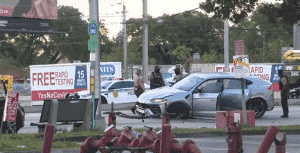
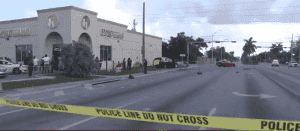
The Law Offices of Anidjar and Levine evaluates whether an insurer unreasonably delayed, denied, undervalued, or mishandled an injury claim under Florida law. This work includes reviewing policy terms, claim communications, medical and financial records, and the insurer’s investigation and settlement conduct.
Counsel may seek unpaid benefits, consequential losses, and other damages when misconduct causes harm. Proper documentation and early legal guidance often strengthen these claims, and the sections ahead explain what that process usually involves.
For related injury matters, a Miami Car Accident Lawyer may also be able to help.
Main Takeaways
- A Miami bad-faith insurance injury lawyer reviews delays, denials, low offers, and communications regarding claims to determine whether the insurer acted unfairly under Florida law.
- Bad faith may include unreasonable delay, inadequate investigation, misrepresentation, or failure to settle a valid claim when liability and damages are clear.
- Florida law may allow recovery beyond unpaid benefits, including losses caused by insurer misconduct, interest, fees, and other available damages.
- Preserve letters, emails, phone logs, medical records, bills, photos, and policy documents to prove the claim timeline and insurer conduct.
- Early legal help can organize evidence, demand fair payment, challenge delay tactics, and pursue formal remedies if negotiations fail.
How We Can Help With Your Miami Bad Faith Insurance Injury Claim
Addressing a bad-faith insurance injury claim in Miami requires a careful review of the insurer’s conduct, the policy terms, and the full extent of the claimant’s losses. A law firm’s role is to organize records, evaluate communications, and identify whether delays, underpayment, or unfair denials harmed the injured party and family stability.
Through disciplined case management, counsel can track claim timelines, gather medical and financial evidence, and prepare clear, evidence-based demands. This work helps insurers confront the human impact of avoidable hardship while keeping the matter focused on facts and contractual duties. Strong client advocacy also means answering questions promptly, protecting the claimant from pressure tactics, and coordinating with experts when needed.
If negotiations do not produce a fair response, counsel can pursue formal remedies designed to secure payment and accountability. The objective remains practical service: reducing burdens, promoting dignity, and helping injured people move forward with confidence and support.
Understanding Miami Bad Faith Insurance Injury Cases


After counsel has assessed the insurer’s conduct and organized the supporting evidence, the next step is to understand what makes a Miami bad faith insurance injury case legally significant. These matters concern whether an insurer honored its duty to evaluate, negotiate, and resolve an injury claim with fairness, honesty, and due regard for the insured’s interests and the claimant’s rights.
OUR CONSULTATIONSARE FREE
START YOUR FREE CASE REVIEW

In practice, this analysis often begins with bad-faith definitions recognized under Florida law and the claim statutes governing insurers’ obligations. A legally significant case may involve unreasonable delay, inadequate investigation, misrepresentation of policy benefits, or failure to settle when liability and damages are reasonably clear. Courts and practitioners examine the full claim-handling timeline, the communications exchanged, and the practical effect on injured people seeking recovery.
For those motivated by service to others, understanding these standards helps protect vulnerable individuals, promote accountability, and support a claims process that reflects integrity, diligence, and lawful treatment for all parties.
Common Causes of Miami Bad Faith Insurance
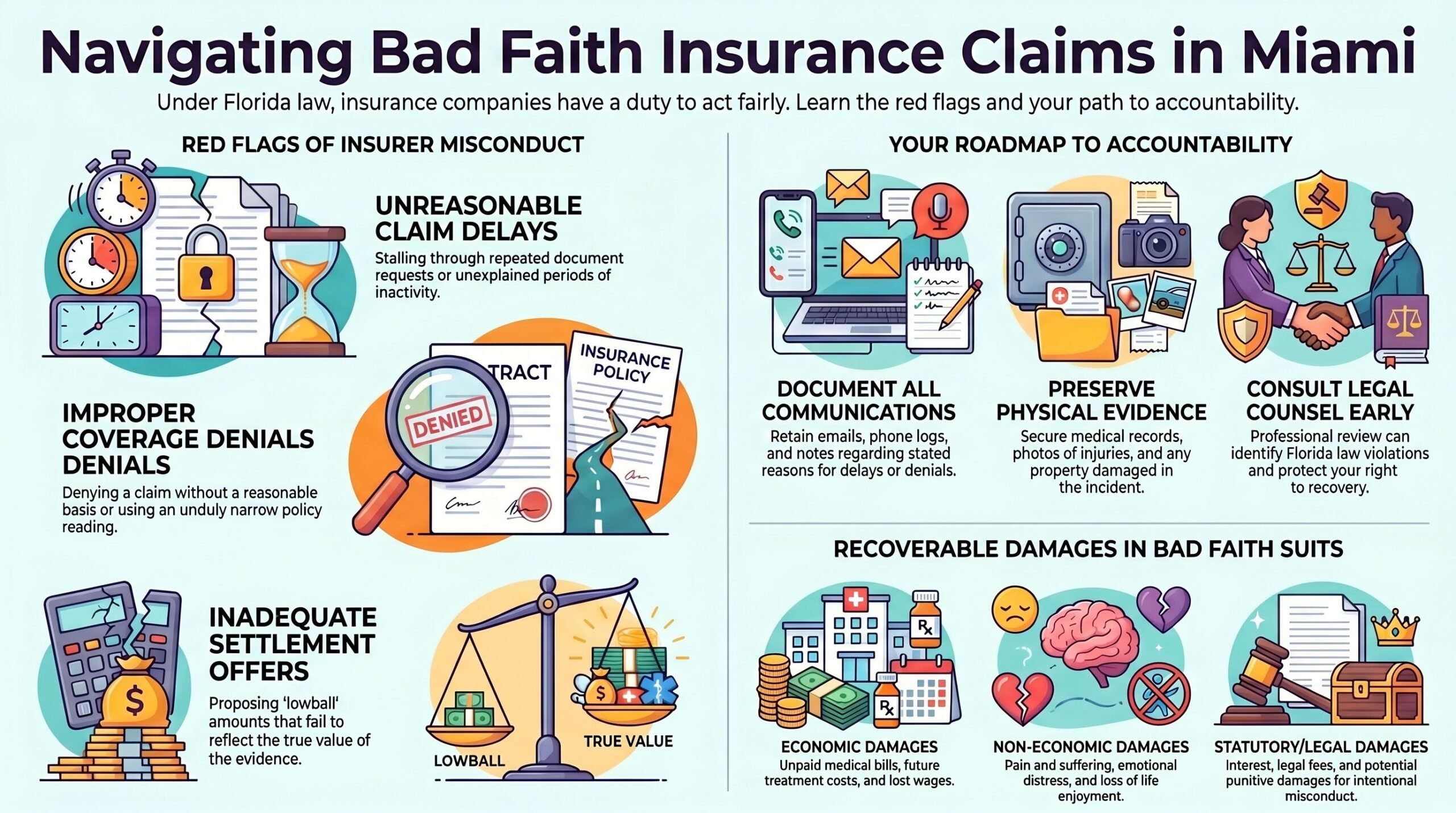
Common causes of bad faith insurance in Miami often arise when insurers place their own financial interests above their contractual obligations to policyholders. These disputes frequently involve unreasonable claim delays, improper coverage denials, and inadequate settlement offers that fail to reflect the value of a valid claim. In many cases, bad faith allegations also stem from an insurer’s failure to conduct a timely and thorough investigation before making a coverage or payment decision.
Unreasonable Claim Delays


Insurers sometimes stall the claims process through repeated document requests, unexplained periods of inactivity, or prolonged investigations that extend beyond what the circumstances reasonably require. These delay tactics can disrupt claim processing, increase financial strain, and prevent injured individuals from obtaining timely medical care, wage replacement, or property repairs needed to support their families and communities.
In Miami bad faith insurance matters, unreasonable delays may reflect a failure to act diligently, communicate clearly, or comply with statutory timelines. Warning signs often include missed follow-ups, shifting explanations, and requests for information that has already been provided. A careful legal review can help determine whether the insurer’s conduct departed from accepted standards and caused avoidable harm. Prompt accountability may encourage fairer handling practices and better protect those relying on insurance benefits during difficult periods.
Improper Coverage Denials
Beyond delay tactics, bad faith concerns may also arise when a carrier denies coverage without a reasonable basis or relies on an unduly narrow reading of the policy language. Such conduct can undermine recovery for injured people and families seeking stability after serious harm. Improper denials may stem from claim misrepresentation, selective review of records, or disregard of facts supporting benefits. They may also arise when insurers exploit policy ambiguity instead of interpreting unclear terms fairly and consistently.
In Miami injury matters, a denial should reflect an honest evaluation, not a predetermined effort to avoid contractual duties. When a carrier dismisses medical evidence, ignores witness information, or applies exclusions too broadly, the denial may signal bad faith. Careful legal review can help clarify obligations and protect those depending on coverage for support.
Inadequate Settlement Offers
In many Miami injury claims, inadequate settlement offers may indicate bad faith when a carrier proposes an amount that does not reasonably reflect the insured’s losses, the available evidence, or the clear risk of liability. Such conduct can place injured people and their families under needless financial pressure while a claim remains unresolved.
Patterns of lowball offers may indicate that the insurer is prioritizing its own interests over its duty to act fairly and honestly. In some matters, policy manipulation may also appear, such as selectively interpreting terms to justify an unfairly reduced payment. When a reasonable opportunity to settle exists, an inadequate offer can expose the insured to avoidable harm. Careful legal review helps identify whether the carrier’s position reflects legitimate valuation concerns or actionable bad faith under Florida law.
Failure To Investigate
Consider a claim that is delayed or denied before the carrier has gathered medical records, interviewed relevant witnesses, reviewed accident reports, or evaluated other readily available evidence. Such conduct may reflect a failure to investigate, a common basis for bad-faith allegations in Miami insurance disputes.
When an insurer relies on insufficient inquiry, it risks misjudging liability, damages, and the claimant’s immediate needs. A proper investigation should be timely, balanced, and directed toward fair resolution rather than claim avoidance. Biased reporting, selective document review, or disregard of treating physicians can distort the facts and prolong hardship for injured people and their families. In matters involving service to others, accountability is vital. A careful investigation protects the public, supports honest claim handling, and helps make certain that valid claims receive the prompt attention they merit.
Legal Rights of Miami Bad Faith Insurance Injury Victims
Many Miami injury victims facing bad faith insurance conduct have enforceable legal rights under Florida law. These rights reflect important Consumer protections and may include Statutory remedies when an insurer unreasonably delays, underpays, misrepresents coverage, or places its own interests above a claimant’s legitimate needs.
Florida law recognizes duties of fairness, honest evaluation, timely communication, and good faith settlement conduct. When those duties are breached, injured individuals may seek accountability beyond the unpaid claim itself.
- Protection against unreasonable claim delay or denial
- Rights to fair evaluation of damages and policy benefits
- Access to damages caused by insurer misconduct
- Entitlement to truthful communications and policy explanations
- Legal avenues that encourage responsible claim handling
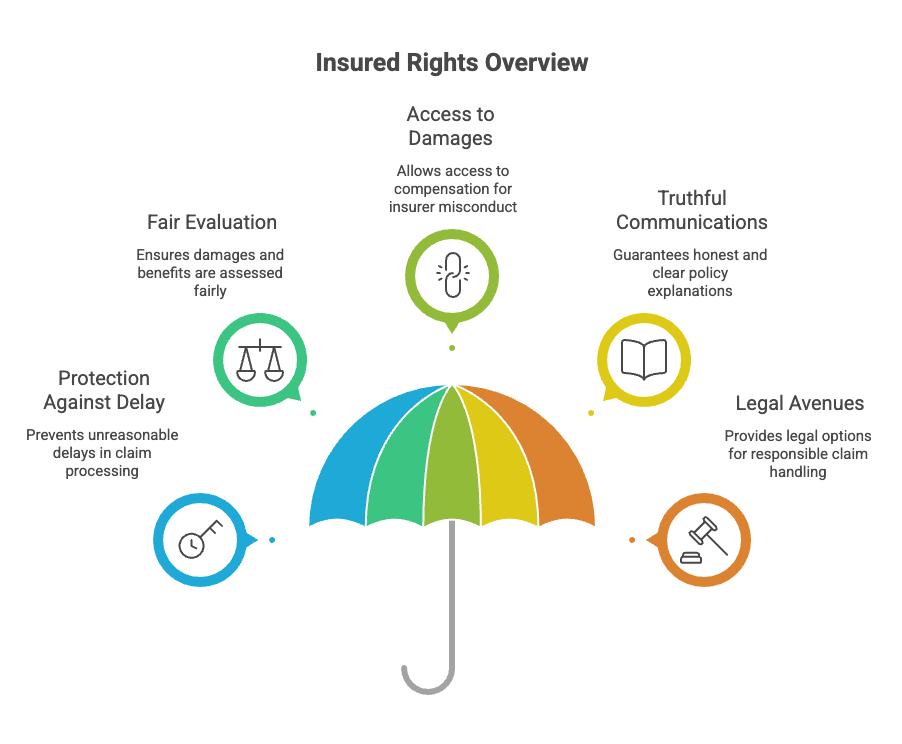
These legal rights serve broader community values by promoting ethical insurance practices and preserving resources needed for medical care, family stability, and recovery. A clear understanding of these protections helps injured people and those supporting them recognize when insurer conduct crosses lawful boundaries.
Steps to Take After a Miami Bad Faith Insurance Injury
After a Miami bad-faith insurance injury, careful action can help protect a claimant’s position and support any future dispute. Important early measures include documenting all claim communications, preserving medical records, photographs, and other injury-related evidence, and avoiding gaps in the factual record. Consultation with legal counsel is also a prudent step, as it can clarify obligations, assess insurer conduct, and guide the matter toward an appropriate resolution.
Document Claim Communications
In the immediate aftermath of a suspected bad-faith insurance injury, thorough documentation of all claim communications is indispensable to protect the record and clarify the insurer’s conduct. A claimant should retain letters, emails, claim notes, voicemail logs, and summaries of each telephone conversation, including dates, times, names, and stated reasons for delays or denials.
Careful documenting of timelines helps reveal patterns of misrepresentation, unreasonable delay, or shifting explanations. Record preservation should include organized digital and paper files, saved envelopes, and screenshots of online claim portals. When possible, a written follow-up confirming verbal discussions can reduce disputes about what was said. This disciplined approach supports accountability, assists counsel in evaluating conduct, and strengthens efforts to pursue fair treatment while honoring the broader goal of responsible service to injured individuals and families.
Preserve Injury Evidence
Physical evidence often becomes the most reliable anchor for evaluating both the underlying injury and the insurer’s response to it. After an incident, damaged property, torn clothing, medical devices, photographs, and visible injuries should be preserved in their original condition whenever possible. Careful evidence preservation helps create a clear factual record that may serve injured individuals, caregivers, and community advocates seeking fair treatment.
A consistent process also protects chain integrity. Items should be dated, labeled, and stored securely, with notes identifying where each item was found and who handled it. Photographs should capture multiple angles, lighting conditions, and progression over time. Medical records, receipts, and repair estimates should be kept alongside incident-related materials. These practical measures strengthen accuracy, reduce disputes, and support a more complete understanding of the harm involved.
Consult Legal Counsel
At an early stage, consultation with legal counsel can help clarify whether an insurer’s conduct reflects a legitimate coverage dispute or a pattern of delay, misrepresentation, or unreasonable denial. Counsel may review policy terms, correspondence, medical records, and claim timelines to identify warning signs and protect the injured person’s ability to pursue fair benefits.
A careful statute consultation can also address notice requirements, filing deadlines, and available remedies under Florida law. During a thorough client interview, counsel can gather facts, assess damages, and determine whether the insurer failed to act with honesty and due regard for the claimant’s interests. This guidance often helps families make informed decisions, preserve essential evidence, and advance a claim in ways that promote accountability, stability, and meaningful support for recovery and future needs.
How a Miami Bad Faith Insurance Injury Lawyer Can Help You
When an insurer delays, underpays, or wrongfully denies a valid injury claim, a Miami bad faith insurance injury lawyer helps protect the policyholder’s rights by evaluating the insurer’s conduct, identifying violations of Florida law, and building a clear record of unfair claim handling.
Such counsel reviews Policy resources, tracks Claim timelines, gathers correspondence, and challenges misleading explanations that obstruct fair recovery. The lawyer communicates with adjusters, demands complete investigations, and prepares evidence showing how the carrier failed to act honestly and promptly.
This guidance often helps families and caregivers pursue accountability while remaining focused on recuperation and supporting others.
- Reviews policy language and available coverage
- Documents delays, denials, and inconsistent insurer statements
- Preserves emails, estimates, and medical claim records
- Calculates owed benefits and related financial harm
- Positions the case for negotiation or civil litigation
Through disciplined advocacy, the lawyer strengthens the claim, reduces avoidable setbacks, and promotes a fairer insurance process for injured people seeking dependable support.
Long-Term Effects of Miami Bad Faith Insurance Injuries
Miami bad-faith insurance injuries may have consequences that extend well beyond the initial harm, affecting an individual’s recovery, stability, and overall recuperation. These long-term effects often include lasting physical complications and ongoing emotional trauma, both of which can interfere with daily functioning and quality of life. Over time, the financial strain may intensify as ongoing medical care, lost income, and unresolved insurance disputes place additional pressure on the injured party.
Lasting Physical Complications
Uncertainty often defines the aftermath of a serious injury, particularly when delayed or inadequate insurance responses impede timely medical care. In these cases, lasting physical complications may become a daily burden, limiting an injured person’s ability to work, provide support, or assist others in need. Chronic pain can persist long after the initial trauma, while mobility restrictions may prevent independent movement and routine tasks. Nerve damage may reduce strength, sensation, and coordination, creating ongoing functional loss.
Scar tissue can further complicate recovery by restricting the range of motion and contributing to stiffness or discomfort. When insurers act in bad faith, postponed treatment may allow these conditions to worsen, increasing medical needs and reducing long-term recovery prospects. Careful legal guidance may help protect access to necessary support and resources.
Ongoing Emotional Trauma
Because delayed claim handling can prolong instability and prevent access to mental health care, emotional trauma may continue well beyond the original injury. Individuals affected by bad faith insurance practices may experience chronic stress, anxiety, and diminished trust in systems meant to protect them. These reactions can alter daily functioning and weaken relationships with caregivers, family members, and community supports.
Over time, unresolved trauma may contribute to sleep disturbances, irritability, difficulty concentrating, and a persistent sense of vulnerability. A service-minded perspective recognizes that these effects often interfere with a person’s ability to participate fully in treatment, recovery, and supportive roles for others. Careful legal advocacy can help document these harms and support accountability, while encouraging access to appropriate psychological care, consistent evaluation, and a more stable path toward long-term emotional restoration.
Financial Strain Over Time
Over time, bad-faith insurance conduct can impose a lasting financial burden that extends far beyond the immediate claim dispute. Delayed or denied benefits often force injured individuals to cover medical care, housing costs, transportation, and daily necessities without timely support. This pattern may lead to increasing debt, damaged credit, and difficult choices between treatment and family responsibilities.
In many cases, the financial strain continues after the physical injuries begin to heal. Lost income, reduced earning capacity, and unpaid bills can erode savings intended for education, caregiving, or community support. Some households face retirement depletion as they withdraw long-term assets to survive short-term instability. A careful legal response can help protect vulnerable families, restore financial accountability, and preserve resources that may otherwise be lost for years ahead.
Proving Liability in Miami Bad Faith Insurance Injury Cases
Establishing liability in Miami bad faith insurance injury cases requires a careful showing that the insurer failed to act fairly, honestly, and with due regard for the insured’s interests. This inquiry often begins with evidence preservation, including claim files, correspondence, internal notes, policy language, and timelines that reveal whether obligations were ignored or unreasonably delayed.
Courts and advocates then examine whether the insurer’s conduct departed from accepted standards of good faith. A structured causation analysis helps connect wrongful claim handling to measurable harm, such as excess judgments, unpaid benefits, prolonged medical hardship, or lost opportunities to resolve the matter responsibly.
Witness testimony, expert review, and documentary records may clarify how reasonable action could have protected the insured from preventable injury. In service-oriented representation, the goal is not merely to allege unfairness, but to present a disciplined, fact-based account showing breach, resulting damage, and the insurer’s failure to place the insured’s welfare on equal footing.
Dealing With Insurance Companies After a Miami Bad Faith Insurance Injury
Once liability concerns have been identified, attention often turns to the insurer’s ongoing communications and claim-handling conduct following a Miami bad-faith insurance injury. Careful review of letters, phone records, and settlement responses may reveal delays, inconsistent explanations, or unfair pressure on an injured person during a vulnerable period.
A disciplined approach helps protect both rights and community well-being. Clear documentation of every contact, request, and representation can support later evaluation of claim-negotiation practices and of whether the insurer acted honestly. Close policy interpretation is also crucial because insurers may rely on narrow readings of exclusions, deadlines, or coverage terms to limit assistance. Those assisting injured individuals often encourage timely written follow-up, respectful communication, and preservation of medical and financial records.
This measured response promotes accountability without unnecessarily escalating conflict. By focusing on accuracy, fairness, and service to others, affected parties can better recognize problematic insurer conduct and make informed decisions about protecting their interests and recovery.
What to Expect During a Miami Bad Faith Insurance Injury Claim Process
A Miami bad faith insurance injury claim process typically begins with an initial claim evaluation, during which the insurer reviews the facts, policy terms, and stated losses. Claimants may then encounter delay tactics, making careful evidence collection and complete documentation crucial for supporting the claim and tracking insurer conduct. If the matter is not resolved fairly, the process may proceed to litigation, where recovery may include compensation for the underlying loss and damages arising from the insurer’s bad-faith actions.
Initial Claim Evaluation
Clarity is essential during the initial claim evaluation because this stage determines whether an insurer’s conduct may support a bad faith injury claim under Florida law. During this review, counsel examines policy language, correspondence, medical records, settlement communications, and the factual timeline surrounding the loss. The purpose is to identify whether the carrier acted fairly, honestly, and with due regard for the injured person’s interests.
An effective initial claim evaluation also considers damages, liability exposure, and valuation strategies that reflect the claim’s true worth. Attorneys may assess whether the insurer had sufficient information to resolve the matter and whether its decisions aligned with industry standards. This careful foundation helps families, advocates, and community-minded clients pursue accountability while protecting resources, promoting fair treatment, and supporting recovery after serious injury.
Insurer Delay Tactics
Expect insurers accused of bad faith to rely on delay tactics that can prolong an injury claim and increase pressure on the injured party to accept less than the claim may warrant. In Miami bad faith matters, these practices may appear as repeated requests for unnecessary review, slow responses to communications, postponed evaluations, or unexplained gaps in decision-making.
Claim stalling often creates financial and emotional strain for individuals focused on recovery and family responsibilities. From a service-minded perspective, understanding these patterns helps injured people and those assisting them remain steady, patient, and organized throughout the process. Counsel may monitor timelines, press for timely action, and challenge unreasonable postponements when an insurer fails to act fairly. Recognizing Delay tactics early can help protect the claim’s value and support a more accountable claims process overall.
Evidence And Documentation
Patterns of delay often make the paper trail just as important as the underlying evidence of injury in a Miami bad-faith insurance claim. Careful documentation helps demonstrate how the insurer responded, what information was requested, and whether communications reflected fairness, consistency, and timely attention to a person in need.
Useful records often include claim forms, medical reports, billing statements, emails, letters, phone logs, policy language, and internal timelines. Photographs, repair estimates, and witness statements may further clarify disputed facts. Strong chain preservation practices help protect accuracy and credibility, especially when records pass through multiple hands. Organized files also assist advocates who seek to serve injured people with diligence and integrity. When documentation is complete, inconsistencies become easier to identify, and avoidable gaps in the claim history are less likely to undermine accountability later.
Litigation And Recovery
In many Miami bad-faith insurance injury disputes, litigation begins only after the insurer has been given a fair opportunity to evaluate and resolve the claim, yet the insurer continues to deny, delay, or underpay despite adequate supporting information. Counsel then files suit, conducts discovery, and compels production of internal claim records, communications, and policy materials. Depositions often clarify whether the insurer acted fairly, promptly, and with due regard for the injured person’s interests.
As the case advances, the trial strategy focuses on proving unreasonable conduct and the harm it caused. Settlement valuation considers unpaid benefits, consequential losses, interest, fees, and in some matters, additional damages allowed by law. Throughout the process, careful preparation supports accountability, promotes meaningful resolution, and helps recover resources needed to restore stability and continue serving others.
Compensation for Miami Bad Faith Insurance Injury Damages
Accountability becomes central when an insurer’s bad faith handling of an injury claim causes unnecessary financial loss, delayed medical care, or increased hardship for the injured party. In Miami bad faith matters, compensation aims to restore stability, correct avoidable harm, and reinforce fair claims practices that protect vulnerable policyholders and families.
Available recovery may include amounts for claim delays, wrongful denials, additional treatment complications, damaged credit, and other losses directly caused by the insurer’s misconduct. Courts may also consider Punitive damages when evidence shows intentional disregard for obligations or a pattern of harmful conduct toward insured individuals.
Compensation can further support Emotional recovery by addressing the strain created when promised coverage is withheld during a medical crisis. A careful legal presentation often connects the insurer’s actions to the claimant’s worsened condition and continuing burdens. This process serves not only the injured person, but also the broader community by encouraging responsible insurance conduct.
Economic vs Non-Economic Damages in Miami Bad Faith Insurance Cases
In Miami bad-faith insurance cases, damages are often divided into economic categories, such as medical expenses, lost income, and other measurable financial losses, and non-economic categories, including pain, suffering, and emotional distress. Because non-economic harm does not carry a fixed market value, its assessment typically depends on the severity, duration, and overall effect of the insurer’s conduct on the claimant’s life. This distinction is important because bad faith actions can increase both the financial consequences of a claim and the broader personal harm caused by an unreasonable delay, denial, or underpayment.
Economic Damage Categories
A bad-faith insurance claim in Miami may involve both economic and non-economic damages, but the distinction between these categories is pivotal when evaluating the full extent of an insurer’s misconduct. Economic damages refer to measurable financial losses caused or worsened by delayed, denied, or inadequate claim handling. These often include unpaid medical bills, future treatment costs, rehabilitation expenses, lost wages, diminished earning capacity, and property damage requiring repair or replacement.
In service-oriented legal advocacy, these categories matter because they provide a concrete framework for restoring stability to injured individuals and their families. Careful documentation, billing records, employment histories, and repair estimates help establish the dollar value of these losses. When insurers act unreasonably, economic damages may reveal how misconduct imposed direct, avoidable financial hardship on those already facing difficult circumstances.
Non-Economic Loss Valuation
Fairness becomes difficult to measure when an insurer’s bad faith causes harm that does not appear on invoices or wage statements. Non-economic loss valuation addresses suffering that affects dignity, relationships, and daily functioning, even when no precise bill exists. In Miami bad faith insurance cases, careful Pain Valuation often considers the severity, duration, and consistency of physical discomfort, emotional distress, sleep disruption, and loss of enjoyment.
A professional review also examines Life Impact, including reduced independence, strain on family roles, diminished community involvement, and limits on meaningful service to others. Because these harms are personal and less visible, credible testimony, treatment records, and documented changes in routine become important. A disciplined valuation approach helps present these losses with fairness, seriousness, and respect for the injured person’s lived experience and humanity.
Bad Faith Damage Impact
Distinguishing economic from non-economic damages clarifies the full impact of insurer bad faith in Miami claims. Economic damages usually involve measurable losses, including unpaid medical bills, lost wages, additional treatment costs, and out-of-pocket expenses caused by delayed or wrongful claim handling. These figures help families, caregivers, and advocates understand the concrete financial burden imposed by unreasonable insurer conduct.
Non-economic damages address injuries that do not appear on invoices but still affect daily life and community stability. In Miami bad faith cases, these losses may include mental anguish, emotional distress, loss of peace of mind, and reputational harm tied to unresolved claims or public disputes. A careful evaluation of both categories supports fair recovery, promotes accountability, and helps injured people regain security, dignity, and the resources needed to continue serving others.
When a Miami Bad Faith Insurance Injury Case Goes to Trial vs Settlement
Evaluating whether a Miami bad faith insurance injury case should proceed to trial or be resolved through settlement requires a careful review of liability, damages, policy limits, and the insurer’s conduct throughout the claim process. Counsel typically measures the strength of evidence, witness credibility, and documented losses before recommending a path that best protects the injured person and promotes fair accountability.
Settlement may serve families and communities by delivering compensation sooner, reducing litigation costs, and limiting uncertainty. Strong proof of unreasonable claim handling can increase Settlement leverage, especially when exposure above policy limits is clear. A trial becomes more likely when the insurer denies responsibility, minimizes damages, or refuses to make meaningful offers. In that setting, Jury dynamics matter because jurors may respond strongly to evidence of delay, misrepresentation, or disregard for a claimant’s interests. A disciplined trial presentation can encourage justice, yet a prudent settlement remains valuable when it secures full and timely relief for those harmed by insurer misconduct.
The Statute of Limitations for Miami Bad Faith Insurance Injury Cases
In Miami bad-faith insurance injury cases, the statute of limitations can determine whether a valid claim can be pursued or lost entirely. Florida law sets strict filing deadlines, and missing them can prevent recovery even when insurer misconduct appears clear. For those committed to helping injured people and families, understanding these limits supports timely, responsible action.
The applicable period may depend on the claim’s legal basis, the date of loss, and when the bad faith conduct became actionable. These nuances of the statute matter because related injury, contract, and bad-faith issues may follow different timelines. Courts also examine whether prerequisites were satisfied before the suit may proceed. Careful review of records, correspondence, policy terms, and claim history often shapes the limitations analysis. In service-oriented matters, respecting deadlines protects not only legal rights but also the broader goal of ensuring accountability and financial support for those harmed by unfair insurance practices in Miami communities.
When to Contact a Miami Bad Faith Insurance Injury Lawyer
Act promptly when an insurer delays payment without a reasonable basis, denies benefits despite strong supporting evidence, misrepresents policy terms, or fails to investigate a serious injury claim fairly and thoroughly. Early contact is also appropriate when settlement offers ignore medical records, lost income, or long-term care needs, because continued delay can worsen hardship for injured people and their families.
A Miami bad-faith insurance injury lawyer should be contacted as soon as claim communications become inconsistent, deadlines pass without explanation, or requests for information seem designed to obstruct rather than to evaluate. Prompt action helps preserve records, organize witness statements, and address statute timing concerns before pivotal rights are affected. It also allows for a careful review of denial letters, policy language, and claim-handling conduct while the facts remain fresh. For those focused on protecting vulnerable community members, timely guidance may reduce financial strain, support access to treatment, and lessen the emotional impact caused by prolonged uncertainty after a serious injury.
Why You Need an Experienced Miami Bad Faith Insurance Injury Lawyer
Because insurers often control the information, timelines, and payment decisions that shape an injury claim, an experienced Miami bad faith insurance injury lawyer provides the focused legal analysis needed to identify unfair claim practices and respond effectively. Such counsel reviews communications, policy terms, medical evidence, and delay patterns to determine whether the insurer failed to act fairly toward the injured person.
Experience also matters because bad-faith disputes require disciplined Claim Strategies and informed Negotiation Tactics. A seasoned lawyer can assess the value of losses, preserve crucial records, and present a clear demand that holds parties accountable. This work helps protect families, encourages responsible claims handling, and supports access to treatment and financial stability.
When an insurer misrepresents coverage, ignores evidence, or pressures for an unfair settlement, experienced representation helps restore balance. It gives injured individuals a structured path forward, strengthens legal position, and advances a fair resolution that reflects both contractual obligations and community-centered responsibility.
How to Choose the Right Miami Bad Faith Insurance Injury Lawyer for Your Case
Selecting the right Miami bad faith insurance injury lawyer requires careful attention to experience, case focus, and professional judgment. A qualified attorney should have a record of handling bad faith disputes, understanding policy language, and pursuing fair outcomes for injured claimants and their families with diligence and integrity.
Prospective clients should review credentials, courtroom experience, and communication practices before making a decision. Client interviews can reveal whether the lawyer listens carefully, explains legal options clearly, and respects the client’s goals. It is also important to examine fee structures, including contingency arrangements, litigation costs, and expense handling if recovery is delayed. Independent reviews, professional standing, and responsiveness may further indicate reliability.
A thoughtful selection process helps injured individuals and those who support them find counsel prepared to protect their rights, encourage accountability, and advance a claim in ways that serve both justice and the broader good.
About The Law Offices of Anidjar & Levine
After evaluating the qualities that matter in legal representation, attention may turn to The Law Offices of Anidjar & Levine and the role the firm may play in Miami bad-faith insurance matters. The firm presents itself as an advocate for injured people and families seeking fair treatment from insurers, while emphasizing responsive communication and practical guidance throughout each stage of a claim.
Its firm history reflects a focus on personal injury representation and on helping community members pursue accountability after serious losses. In matters involving delayed, denied, or undervalued insurance claims, the firm may assist by reviewing policy language, documenting insurer conduct, and building a case centered on fairness and legal duty.
Client testimonials often highlight accessibility, consistent updates, and a service-oriented approach that respects the challenges clients face. For readers who value helping others and protecting vulnerable individuals, the firm may be viewed as a resource committed to diligent representation and meaningful support in difficult circumstances.
Frequently Asked Questions
Can I Switch Lawyers During My Bad Faith Insurance Case?
Yes, a person may change counsel in a bad-faith insurance case because client rights generally include the right to choose legal representation. The individual should review the fee agreement, consider any court deadlines, and ensure a smooth transfer of the file. New counsel can often step in without harming the claim if the shift is handled promptly. Careful communication helps protect the case and supports all parties involved during litigation.
Will My Bad Faith Claim Affect Future Insurance Premiums?
Yes, a bad-faith claim may affect future insurance premiums, though the premium impact varies by insurer, jurisdiction, and claim details. Carriers often review coverage history when underwriting or renewing policies, and some may view prior disputes as added risk. However, a valid bad faith action does not automatically increase rates. Careful documentation, honest disclosures, and guidance from qualified counsel can help protect the claimant’s interests while promoting fair treatment for all.
Are Bad Faith Insurance Settlements Taxable in Florida?
Bad-faith insurance settlements in Florida are not automatically taxable because tax consequences depend on what the payment represents. Amounts for physical injuries are often excluded, while interest, punitive damages, and some emotional distress recoveries may be taxable. Careful settlement structuring can help clarify allocation and support compliance. A qualified tax professional or attorney should review the settlement terms so the recipient can protect resources and serve others responsibly.
Can I Pursue a Claim if the Insurer Is Insolvent?
Yes, a claim may still be pursued if the insurer has become insolvent, though recovery usually follows the receivership process rather than ordinary litigation. A claimant should promptly file required proofs, monitor deadlines, and determine whether a state guaranty association may cover part of the loss. Careful documentation serves both the claimant and affected beneficiaries, while legal guidance helps protect rights, preserve available remedies, and steer through priority rules during distribution.
Do Miami Bad Faith Insurance Cases Require Expert Witness Testimony?
Yes, such cases do not always require expert testimony, but it is often helpful. Courts usually assess whether an insurer acted unreasonably under industry standards, and expert testimony can clarify claims handling, settlement practices, and policy interpretation. In some matters, the evidence is clear enough without an expert. Still, when the conduct is disputed or intricate, an expert may strengthen the claim and support a fair outcome for all parties involved.
—————————
Miami bad-faith insurance injury claims demand careful legal analysis, timely action, and a clear understanding of insurers’ obligations under Florida law. When an insurer acts unfairly, injured parties may pursue accountability and seek compensation for wrongfully delayed or denied benefits.
The Miami Car Accident Lawyer at Law Offices of Anidjar and Levine assists clients in evaluating these matters, protecting their rights, and pursuing fair results. With informed legal guidance, victims are better positioned to respond effectively and move forward with greater confidence.