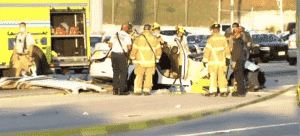
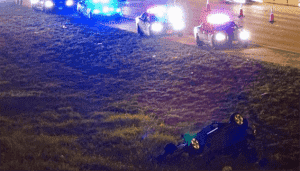
Law Offices of Anidjar and Levine assists victims of wrong-way crashes by investigating how the collision occurred, preserving police reports, witness statements, surveillance footage, and medical records, and identifying all liable parties.
These cases often involve catastrophic injuries, urgent treatment needs, lost income, and disputed liability tied to impairment, distraction, or roadway conditions.
Legal counsel also manages insurer communications and pursues compensation for present and future losses.
The sections below explain the process, rights, and crucial case considerations, and a Miami Car Accident Attorney can help guide victims through each step.
Main Takeaways
- A Miami wrong-way driver accident lawyer investigates police reports, witness statements, video, vehicle data, and medical records to prove how the crash happened.
- Wrong-way crashes often involve high-speed head-on impacts, causing severe injuries that require emergency treatment, rehabilitation, and long-term medical planning.
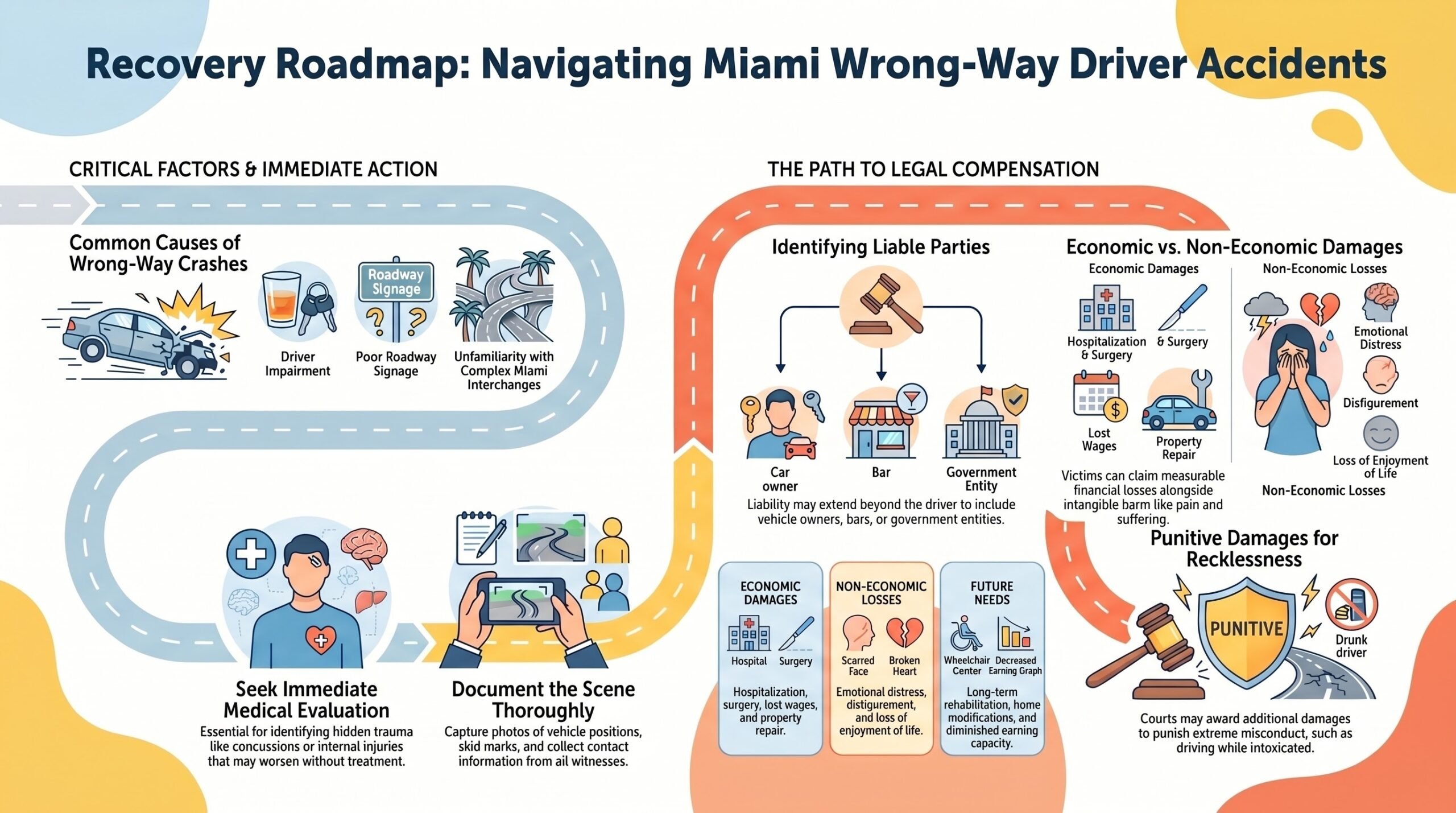
- Common causes include drunk driving, drug impairment, distraction, drowsiness, poor signage, confusing interchanges, and unfamiliarity with Miami roads.
- After the crash, seek immediate medical care, photograph the scene, collect witness information, and preserve police reports and insurance communications.
- A lawyer can pursue compensation for medical bills, lost income, reduced earning capacity, future care needs, and possibly punitive damages.


How We Can Help With Your Miami Wrong-Way Driver Accident Injury Claim
After a wrong-way collision in Miami, injured individuals often face urgent medical, financial, and legal concerns that can quickly become difficult to manage alone. A dedicated legal team can provide structured support by gathering crash records, preserving evidence, communicating with insurers, and coordinating documentation related to treatment, income loss, and other damages. This assistance helps protect the injured person’s time, stability, and peace of mind.
Through focused Victim Advocacy, counsel can address immediate needs while keeping the matter organized and forward-moving. Attorneys can explain each step of the Claim Timeline, prepare and submit required materials, monitor deadlines, and respond to requests from insurance representatives. They can also evaluate settlement proposals, calculate losses carefully, and pursue fuller compensation when early offers fall short.
With consistent guidance, injured individuals and their families are better positioned to make informed decisions, reduce avoidable stress, and focus on recovery while the legal burden is properly managed.
OUR CONSULTATIONSARE FREE
START YOUR FREE CASE REVIEW

Understanding Miami Wrong-Way Driver Accident Injury Cases
Legal support often becomes more effective when it is grounded in a clear understanding of how Miami wrong-way driver accident injury cases develop and why these collisions so often produce severe harm. These cases commonly involve high-speed, head-on impact patterns, extensive trauma, and urgent questions about liability, roadway design, and the sequence of events before impact.
A careful review usually focuses on police reports, witness statements, surveillance footage, vehicle data, and medical records. This evidence helps establish what occurred, the severity of injuries, and the long-term needs of those harmed. Because many victims face life-altering losses, legal analysis often considers emergency care, rehabilitation, lost income, and future support.
In a service-minded community, this process also highlights broader public safety concerns, including wrong-way prevention measures and driver education efforts. Understanding these cases allows advocates, families, and community members to respond with greater clarity, protect injured people more effectively, and encourage safer travel throughout Miami for all.
Common Causes of Miami Wrong-Way Driver Accidents
Several recurring factors are often associated with wrong-way collisions in Miami. These incidents frequently involve impaired or intoxicated driving, distracted or drowsy drivers, and roadway conditions such as poor signage that can increase the risk of confusion. In some cases, unfamiliarity with local roads also contributes to drivers entering traffic in the wrong direction.
Impaired Or Intoxicated Driving
Impaired driving remains one of the most common and dangerous causes of wrong-way accidents in Miami, because alcohol and drugs can markedly reduce judgment, slow reaction time, and distort a driver’s perception of roadway signs and traffic patterns. Even a moderate blood alcohol level may impair lane recognition, decision-making, and the ability to respond safely to changing traffic conditions.
Illicit substances, certain medications, and harmful prescription interactions can produce confusion, overconfidence, or delayed braking, increasing the risk of entering ramps or highways in the wrong direction. In communities committed to protecting others, understanding these risks supports prevention and accountability. Careful investigation often examines toxicology results, witness observations, and roadway evidence to determine whether impairment contributed to the collision and the resulting injuries, losses, and legal claims.
Distracted Or Drowsy Drivers
Distraction and fatigue can quietly undermine a driver’s ability to recognize roadway cues, maintain lane position, and react to traffic controls, making wrong-way entry a serious risk in Miami. When attention shifts from the road, even briefly, confusion may develop at ramps, intersections, or divided highways, placing many others in immediate danger.
Cellphone use remains a frequent source of distraction, drawing a driver’s eyes, hands, and judgment away from safe operation. Drowsiness creates comparable hazards, especially during late-night or early-morning travel, when slowed perception and poor decision-making become more likely. In severe cases, eyelid microsleeps may occur, causing a vehicle to drift or enter opposing lanes without timely correction. Recognizing these behaviors helps communities encourage responsible driving and protect vulnerable road users, passengers, and families throughout Miami every day.
Poor Roadway Signage
At complex interchanges and poorly marked access points, inadequate roadway signage can contribute markedly to wrong-way driving incidents in Miami. When entrance and exit indicators are faded, obstructed, or placed too late for safe reaction, motorists may mistakenly enter opposing lanes. This risk increases where insufficient lighting limits visibility at night or during severe weather. Confusing markings on pavement and signs can also impair quick judgment, especially near ramps, service roads, and divided highways.
From a public safety standpoint, clear directional signs, reflective materials, and timely warnings help protect all road users, including families, pedestrians, and emergency responders. Municipal agencies and property managers who maintain roadways have a responsibility to reduce preventable hazards. Where signage deficiencies exist, serious collisions may occur with little opportunity for others nearby to avoid them.
Unfamiliarity With Roads
In many Miami wrong-way collisions, unfamiliarity with local roads plays a significant role in a driver’s mistaken entry into opposing traffic. Visitors, tourists, and newcomer drivers may struggle with intricate intersections, one-way streets, and multilane exits, especially in high-traffic areas.
Route unfamiliarity can impair quick judgment, particularly at night or during adverse weather, when roadway markings are harder to interpret. Drivers who rely heavily on navigation systems may focus on directions rather than surrounding traffic controls, increasing the risk of a wrong-way turn. This danger may also arise when a driver misses an exit, becomes disoriented, and attempts an unsafe correction.
From a public safety perspective, recognizing how unfamiliar roads contribute to these crashes helps communities support clearer guidance, safer roadway design, and more informed driving practices for everyone.


Legal Rights of Miami Wrong-Way Driver Accident Injury Victims
Accountability becomes a central concern when a wrong-way collision causes serious injury, because Florida law grants accident victims the right to pursue compensation from the negligent driver and any other liable party. In Miami, these legal rights often extend beyond immediate medical costs and reflect a broader commitment to restoring stability for injured individuals and the families who support them.
Florida law allows wrong-way crash victims to seek compensation that supports recovery, accountability, and long-term stability.
- Victim compensation may include medical expenses, lost income, pain and suffering, and future care needs.
- Comparative negligence can affect recovery if an insurer argues the injured person shared fault for the crash.
- Claims may reach additional parties, including employers, vehicle owners, bars, or public entities, when facts justify liability.
- Families may pursue damages for wrongful death when a loved one dies from a wrong-way impact.
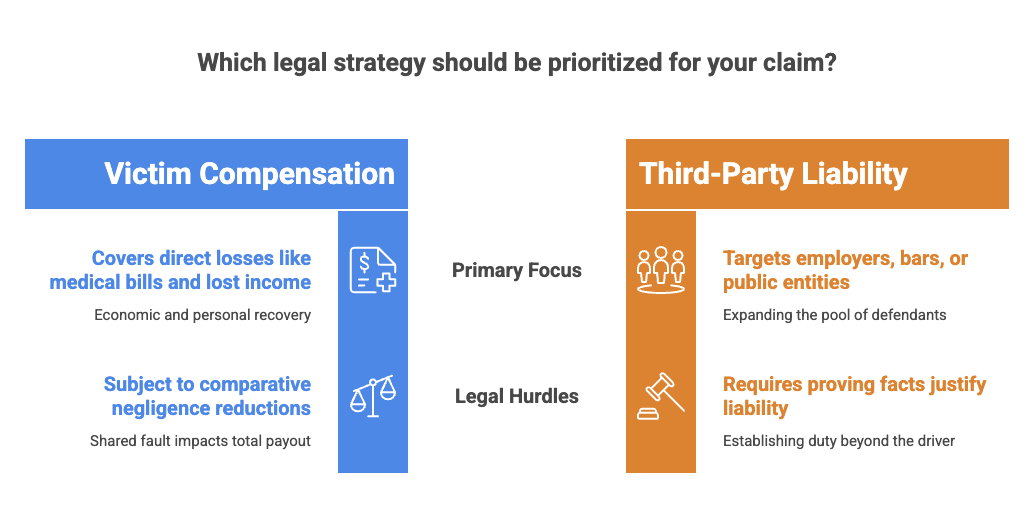
These protections exist to promote fairness, accountability, and service to those facing sudden hardship. A careful legal evaluation helps identify responsible parties and preserve the full value of a claim.
Steps to Take After a Miami Wrong-Way Driver Accident Injury
After a Miami wrong-way driver accident injury, a prompt medical evaluation is vital to protect both health and any future claim. It is also important to preserve photographs, witness information, police reports, and other evidence from the scene, as these materials may clarify how the collision occurred. Once immediate concerns are addressed, consultation with a Miami lawyer can help an injured person understand legal options and avoid mistakes that could affect recovery.
Seek Immediate Medical Care
Why does immediate medical care matter so much following a Miami wrong-way driver accident? A prompt evaluation protects health, supports recovery, and helps injured people continue serving their families and communities. Even when symptoms seem minor, internal injuries, concussions, or spinal trauma may worsen without an urgent assessment by qualified professionals.
Timely treatment also creates a clear medical pathway for healing. Emergency physicians can identify hidden complications, control pain, and recommend experts when needed. Care should not end after the first visit. Consistent follow-up monitoring allows providers to track delayed symptoms, adjust treatment, and reduce the risk of long-term impairment.
In serious collisions, swift medical attention demonstrates responsible judgment and places well-being first. That practical step often makes a meaningful difference in physical stability, rehabilitation prospects, and overall safety afterward.
Document Scene And Evidence
At the scene, careful documentation can preserve facts that may otherwise disappear within minutes. If the injured person is able, attention should be given to collecting clear images of the vehicle’s position, lane markings, debris, damage, skid marks, traffic signs, and visible injuries. This photo preservation may help establish how the wrong-way collision occurred and what conditions existed immediately afterward.
Names and contact information for drivers, passengers, and bystanders should also be gathered when possible. Witness statements can provide independent accounts of speed, direction of travel, and driver behavior before impact. It is also helpful to note the time, weather, road lighting, and any nearby surveillance cameras. A thorough record created early can support accountability and assist those working to protect the injured person’s interests later.
Consult A Miami Lawyer
In the days following a wrong-way collision, consulting a Miami lawyer can help an injured person understand legal obligations, preserve important evidence, and avoid early mistakes that may affect a claim. During a client consultation, counsel may review police reports, medical records, insurance communications, and witness information to identify immediate priorities and preserve rights.
A lawyer may also explain applicable traffic laws, potential liability issues, and deadlines that govern a personal injury case in Florida. This guidance can support informed decisions, especially when an insurer requests statements or offers a quick settlement. Early legal advice may help prevent harmful admissions, guarantee proper documentation, and strengthen the foundation of a claim. For those seeking to serve and protect their families, timely legal counsel can provide structure, accountability, and a clearer path forward.
How a Miami Wrong-Way Driver Accident Injury Lawyer Can Help You
Navigating through the aftermath of a wrong-way collision often requires more than medical treatment and vehicle repairs, as a Miami wrong-way driver accident injury lawyer can help protect an injured person’s legal and financial interests from the outset.
Counsel provides orderly guidance, allowing families to focus on recovery and service to one another while legal burdens are managed with care.
- Investigates the crash, preserves evidence, and identifies liable parties.
- Coordinates records, consults physicians, and secures Expert testimony when fault or damages are disputed.
- Handles insurer communications, counters delay tactics, and leads settlement negotiations from an informed position.
- Prepares litigation when necessary, presenting a clear claim supported by facts and applicable law.
Through each stage, legal representation promotes accountability and informed decision-making. A lawyer also calculates present losses, explains available remedies, and helps prevent costly mistakes. This structured advocacy supports injured people with dignity, while advancing a fair outcome grounded in preparation, discipline, and public responsibility.
Long-Term Effects of Miami Wrong-Way Driver Accident Injuries
Wrong-way collisions in Miami often produce lasting consequences that extend well beyond the initial emergency treatment period. Many survivors face chronic physical disabilities, emotional and cognitive trauma, and substantial disruptions to their employment, finances, and daily routines. An overview of these long-term effects helps clarify the full scope of harm that may follow a serious wrong-way driver accident.
Chronic Physical Disabilities
Permanence often defines the most serious aftermath of a Miami wrong-way collision, as some injuries do not fully recover and instead develop into chronic physical disabilities. Lasting nerve damage, spinal trauma, orthopedic complications, and limb loss can limit movement, reduce independence, and require ongoing medical oversight for years.
Many injured people must adapt daily routines around pain, weakness, and chronic fatigue, while also relying on mobility aids such as canes, walkers, wheelchairs, or prosthetic devices. These conditions often demand rehabilitation, home modifications, and assistance with transportation, employment, and personal care. Family members, caregivers, and community providers frequently become vital sources of practical support.
When disabilities restrict a person’s ability to work and manage basic tasks, the financial burden can grow substantially, making careful legal and medical planning important for long-term stability.
Emotional And Cognitive Trauma
Beyond the physical limitations that may follow a Miami wrong-way collision, many injured people also experience lasting emotional and cognitive trauma that can disrupt daily life in less visible but equally serious ways. Survivors may develop anxiety, depression, sleep disturbance, irritability, or persistent fear when traveling, especially if the crash involved catastrophic injuries or fatalities.
Some also face concentration problems, memory loss, slowed processing, or post-traumatic amnesia after a traumatic brain injury. These symptoms can interfere with communication, relationships, and the ability to participate fully in family or community responsibilities.
In many cases, recovery requires careful evaluation, structured support, and Cognitive therapy tailored to the person’s specific impairments. Early recognition of these challenges can help caregivers and professionals provide compassionate guidance, promote stability, and support long-term emotional recovery.
Financial And Lifestyle Impact
In the aftermath of a Miami wrong-way collision, injured individuals and their families often face substantial financial pressure and lasting disruptions to daily life. Medical treatment, rehabilitation, transportation costs, and home modifications can create a heavy burden, especially when recovery extends for months or years. Lost wages may compound these hardships, particularly when a victim cannot return to prior employment or must accept reduced hours and responsibilities.
Beyond economic strain, serious injuries often require significant Lifestyle adjustments. A person may need assistance with personal care, childcare, or household duties, which can alter family roles and limit independence. Recreational activities, community involvement, and service to others may also decline because of pain, mobility loss, or chronic fatigue. These long-term effects can reshape priorities, resources, and the structure of everyday living for all involved.
Proving Liability in Miami Wrong-Way Driver Accident Injury Cases
Establishing liability in a Miami wrong-way driver accident injury case requires a careful review of how the crash occurred, why the driver entered the roadway in the wrong direction, and whether other parties contributed to the event. Attorneys often examine police reports, witness statements, surveillance footage, vehicle data, and scene evidence to identify the sequence of events and the role of driver intent.
Liability may extend beyond the wrong-way motorist when roadway design, missing signs, poor lighting, confusing construction patterns, or negligent maintenance created avoidable hazards. Toxicology results, phone records, and prior traffic violations can also help show impairment, distraction, recklessness, or deliberate misconduct.
In some matters, accident reconstruction experts and traffic engineers provide opinions about speed, visibility, lane markings, and available time to react. A thorough investigation serves injured people and their families by accurately identifying responsible parties, promptly preserving evidence, and building a clear factual foundation for a civil injury claim.
Dealing With Insurance Companies After a Miami Wrong-Way Driver Accident Injury
After a Miami wrong-way driver accident injury, insurance companies often move quickly to limit exposure, secure recorded statements, and frame the claim in terms favorable to their own financial interests. Injured people are often better served by responding carefully, documenting losses, and avoiding casual remarks that may be used to minimize harm or shift blame.
A disciplined approach helps preserve fairness. Medical records, repair estimates, wage documentation, and photographs can support accurate valuation and strengthen claim negotiation. Consistent communication, prompt reporting, and organized files also reduce opportunities for delay or mischaracterization. When settlement offers undervalue physical, financial, or emotional losses, further review may be necessary to protect the resources needed for recovery and continued service to family and community.
Insurers may also issue partial denials or dispute specific damages. In those situations, careful analysis of policy language, supporting evidence, and deadlines is vital, particularly when preparing denial appeals that seek a more just result.
What to Expect During a Miami Wrong-Way Driver Accident Injury Claim Process
A Miami wrong-way driver accident injury claim typically begins with an initial evaluation of the facts, the available insurance coverage, and the extent of the claimant’s losses. From there, the process often centers on gathering evidence to establish liability and compiling medical treatment documentation that connects the injuries to the collision. Depending on the strength of the evidence and the parties’ positions, the claim may proceed toward settlement negotiations or, when necessary, litigation.
Initial Claim Evaluation
Most Miami wrong-way driver accident claims begin with a careful review of the collision, the injuries involved, and the applicable insurance coverage. During the initial interview, counsel typically gathers basic facts, medical timelines, and policy information to understand the scope of the claim and immediate needs. This stage often includes a preliminary damage assessment covering vehicle loss, treatment costs, lost income, and other related burdens affecting the injured person and family.
A thorough evaluation also helps identify practical next steps, such as notifying insurers, organizing records, and tracking expenses from the outset. For those committed to serving others, this process supports informed decisions and responsible planning. By clarifying available benefits and potential obstacles early, the claim can proceed with greater efficiency, stability, and attention to the injured person’s long-term recovery and wellbeing.
Evidence And Liability
In evaluating evidence and liability, a Miami wrong-way driver accident injury claim typically centers on whether the driver entered or remained in the improper lane and what proof establishes that conduct. Investigators often review police reports, roadway markings, surveillance footage, vehicle damage, event data recorders, and scene photographs to determine how the collision occurred. Forensic reconstruction may clarify vehicle paths, speeds, impact angles, and time-distance relationships, especially when accounts conflict.
Liability analysis also considers traffic control devices, evidence of impairment, weather, visibility, and any roadway design issues that may have contributed. Witness credibility is carefully examined because observations can vary under stress or in poor lighting. Attorneys and insurers assess whether negligence can be shown by a preponderance of the evidence, while identifying all potentially responsible parties and preserving materials that may support a fair resolution for everyone involved.
Medical Treatment Documentation
After a Miami wrong-way collision, medical treatment documentation often becomes a central component of an injury claim because it connects the reported injuries to the crash and shows the scope of care received over time. Providers usually create medical records that identify diagnoses, treatment dates, medications, imaging results, and recommended follow-up care. Consistent treatment can help demonstrate that the injured person took recovery seriously and sought appropriate support.
Detailed documentation also helps caregivers, insurers, and advocates understand ongoing limitations, future needs, and the practical costs of care. Itemized bills, prescription receipts, therapy notes, and mileage logs may all contribute to a clear picture of losses. Careful review is important because missing entries, coding errors, or billing disputes can delay claim progress and create confusion about what services were necessary.
Settlement And Litigation
Settlement negotiations and potential litigation often shape the direction of a Miami wrong-way driver accident injury claim, especially when liability, damages, or insurance coverage is disputed. Counsel typically gathers records, calculates losses, and presents evidence to insurers in support of fair compensation for injured people and their families. If negotiations stall, a lawsuit may be filed, followed by discovery, depositions, expert review, and pretrial motions. Throughout this process, careful case preparation can promote accountability and protect resources needed for recovery and continued care.
When a trial becomes necessary, jury dynamics may influence how testimony, fault, and damages are evaluated. Attorneys consequently prepare witnesses thoroughly and present clear, service-minded narratives. If a verdict contains legal error or inadequate damages, post-trial motions and appeal strategies may become appropriate next steps for injured clients.
Compensation for Miami Wrong-Way Driver Accident Injury Damages
Many victims of Miami wrong-way driver collisions face substantial physical, financial, and personal losses, and compensation may be available to address the full extent of those damages. Recovery often depends on the facts of the crash, the severity of injuries, and the evidence showing fault. In serious cases involving extreme recklessness, courts may consider punitive damages to discourage similar misconduct and protect the public.
A thorough claim may also account for ongoing medical care, rehabilitation needs, diminished capacity to work, and future earnings when injuries create lasting limitations. Property loss, household support needs, and required modifications to daily living may also be included when properly documented. Attorneys often gather records, expert opinions, and witness statements to present a clear picture of harm and its long-term effects.
By pursuing complete compensation, injured individuals and their families may obtain resources that support treatment, stability, and the ability to continue serving their loved ones and communities with dignity.
Economic vs Non-Economic Damages in Miami Wrong-Way Driver Accident Cases
In Miami wrong-way driver accident cases, damages are generally divided into economic losses and non-economic harm, each serving a distinct role in a personal injury claim. Economic damages typically include measurable financial losses such as medical expenses, lost income, and future care costs, while non-economic damages address pain and suffering, emotional distress, and reduced quality of life. Establishing the value of these damages often requires medical records, employment documentation, expert opinions, and other evidence that connects the collision to the claimant’s losses.
Economic Damage Categories
Under Florida law, damages in a Miami wrong-way driver accident case generally fall into two broad categories: economic and non-economic losses. Economic damages address measurable financial harm caused by the collision. These losses often include emergency care, hospitalization, surgery, rehabilitation, prescription costs, and anticipated future medical treatment.
They may also include lost wages when injuries prevent a person from working, as well as diminished earning capacity if long-term limitations affect future employment. In addition, property loss may cover vehicle repair or replacement, towing, storage, and the value of damaged personal items.
Other recoverable expenses can include transportation to medical appointments, household assistance, and necessary out-of-pocket costs. Careful documentation, including bills, estimates, payroll records, and expert opinions, helps accurately establish these damages and supports a fair evaluation of claims for injured individuals.
Non-Economic Losses
Beyond documented financial costs, a Miami wrong-way driver accident claim may also include non-economic losses, which address the personal harm that does not appear on bills or wage statements. These damages recognize how serious injuries can alter daily life, relationships, and emotional well-being in ways that merit careful consideration.
Non-economic losses may involve pain and suffering, mental anguish, emotional distress, disability, disfigurement, and loss of enjoyment of life. In the most severe cases, family members may also experience loss of companionship when an injured loved one can no longer offer the presence, guidance, or support once shared. For individuals motivated by care for others, these losses often reflect the deeper human consequences of a crash. A complete claim thus considers both measurable expenses and the lasting personal impact on injured people and their families.
Proving Damages Value
Accuracy is central to proving damages value in a Miami wrong-way driver accident case, because the strength of any claim depends not only on showing that harm occurred, but also on establishing its full extent with reliable evidence. Economic damages are commonly supported through medical bills, wage records, rehabilitation costs, and expert opinions addressing future valuation of treatment needs and lost earning capacity.
Non-economic damages, while less concrete, are demonstrated through medical findings, testimony from family members, and professional assessments describing pain, emotional distress, disability, and diminished quality of life. Careful documentation helps decision-makers understand both immediate losses and long-term consequences. In disputed cases, damage apportionment may become necessary when insurers argue that preexisting conditions or unrelated events contributed to the injury. Strong evidence promotes fair recovery and responsible service to injured people.
When a Miami Wrong-Way Driver Accident Injury Case Goes to Trial vs Settlement
How a Miami wrong-way driver accident injury case resolves often depends on the strength of the evidence, the severity of the injuries, and the willingness of the insurance company to offer fair compensation. Many claims settle when liability is clear, medical records are consistent, and projected losses are well documented. Settlement can reduce delay, lower expense, and provide injured people and their families with timely resources for treatment, caregiving, and stability.
A case may proceed to trial when insurers dispute fault, minimize harm, or refuse to account for long-term needs. In that setting, counsel evaluates trial strategy, including expert testimony, demonstrative evidence, and witness credibility. Jury dynamics also matter, because jurors may respond differently to evidence of intoxication, reckless driving, or permanent disability.
While trial carries risk, it can also create leverage and promote accountability. The appropriate path usually reflects whether a negotiated result truly serves the injured person’s recovery, dignity, and future security.
The Statute of Limitations for Miami Wrong-Way Driver Accident Injury Cases
Whether a wrong-way driver accident claim ends in settlement or proceeds to trial, the filing deadline set by Florida law remains a controlling issue. In Miami injury cases, filing deadlines can determine whether an injured person may seek compensation at all, regardless of how strong the underlying facts appear.
Florida law generally allows a limited period to file a personal injury lawsuit arising from a motor vehicle collision, but nuances in the statute may affect that timeline. Different rules can apply when a death occurs, when a governmental entity is involved, or when facts are discovered later than expected. Courts strictly enforce these deadlines, and insurers often evaluate claims with those dates in mind.
Careful attention to timing helps protect evidence, preserve witness availability, and support orderly resolution for everyone affected. For families focused on helping an injured loved one recover and rebuilding stability, understanding these limitations promotes responsible planning and reduces the risk of losing valuable legal rights under state law.
When to Contact a Miami Wrong-Way Driver Accident Injury Lawyer
In the aftermath of a wrong-way collision, early contact with a Miami wrong-way driver accident injury lawyer can help protect an injured person’s legal and practical interests. Prompt action may support early intervention, allowing important facts to be documented before conditions change and memories fade. It may also assist with witness preservation, securing statements from those who observed the crash or events leading up to it.
A lawyer is often contacted as soon as emergency medical needs are addressed, especially when injuries are serious, liability is disputed, or insurers request recorded statements. Early communication can help organize medical records, crash reports, photographs, and repair estimates in a clear and responsible manner.
It may also help identify deadlines, preserve vehicle data, and reduce the risk of avoidable mistakes during a stressful period. For families seeking to care well for an injured loved one, timely legal guidance can support informed decisions and orderly next steps after a devastating collision.
Why You Need an Experienced Miami Wrong-Way Driver Accident Injury Lawyer
Secure legal representation from an experienced Miami wrong-way driver accident injury lawyer because these cases often involve severe injuries, contested liability, and evidence that must be analyzed with care. An experienced attorney evaluates crash reports, surveillance footage, toxicology findings, and witness accounts to identify how driver behavior and surrounding conditions contributed to the collision.
Such representation is important because wrong-way crashes may involve multiple liable parties, including negligent drivers, bars, commercial employers, or public entities responsible for unsafe road design. A skilled lawyer protects the injured person’s interests by preserving evidence, consulting qualified experts, and calculating losses with accuracy.
This work supports recovery for medical care, lost income, rehabilitation, and other long-term needs. It also helps families obtain answers and accountability, which can serve broader public safety goals. In serious accidents, legal guidance allows injured people to focus on recuperation while a professional manages negotiations, litigation, and insurer tactics with discipline and care.
How to Choose the Right Miami Wrong-Way Driver Accident Injury Lawyer for Your Case
How should an injured person evaluate a Miami wrong-way driver accident injury lawyer when the stakes are high and the facts are likely to be disputed? A careful review should begin with relevant case experience, courtroom readiness, and a record of handling severe collision claims involving intricate liability and catastrophic injuries.
Attorney reputation also merits close attention. Reviews, peer recognition, and professional standing may indicate whether counsel communicates with integrity, treats clients with dignity, and advances cases with discipline. A service-minded audience may also value a lawyer who respects families, explains options clearly, and pursues recovery in ways that support long-term stability.
Fee structures should be examined early and understood fully. An injured person should ask how costs are handled, whether litigation expenses are advanced, and what percentage applies if compensation is secured. Clear answers, timely communication, and a thoughtful strategy often signal that representation will be both dependable and responsive when difficult decisions arise.
About The Law Offices of Anidjar & Levine
The Law Offices of Anidjar & Levine represent injured individuals and families throughout South Florida, including those affected by serious wrong-way driver accidents in Miami.
The firm provides focused legal advocacy, practical guidance, and responsive communication for people facing medical, financial, and personal hardship after a collision.
Its approach emphasizes service, accountability, and careful attention to each client’s circumstances.
Drawing on its firm history, the practice has developed a reputation for pursuing fair compensation while treating clients with dignity and respect.
Attorneys and staff work to reduce burdens on injured people and their families, allowing them to concentrate on recovery and daily responsibilities.
This commitment to service is reflected in many client testimonials that highlight professionalism, accessibility, and consistent support throughout the legal process.
For those seeking representation after a devastating crash, the firm presents itself as a dependable resource with local knowledge, established experience, and a clear mission to help injured community members recover and rebuild.
Frequently Asked Questions
Can Passengers Injured in a Wrong-Way Crash File Separate Claims?
Yes, passengers injured in a wrong-way crash may file separate claims when their injuries, losses, and medical needs differ. Each passenger’s rights analysis depends on fault, insurance coverage, and the specific damages suffered. Separate claims often proceed alongside one another, though claim coordination can help prevent conflicts, duplication, or missed deadlines. Careful documentation, prompt reporting, and organized legal guidance support fair recovery while preserving the interests of all injured passengers.
Do Wrongful Death Claims Differ From Personal Injury Accident Claims?
Yes, wrongful death claims differ from personal injury accident claims. A wrongful death case seeks compensation for surviving family members and the estate, while a personal injury claim addresses losses suffered by the injured person. The statute of limitations may differ, and the burden of proof requires showing the defendant’s conduct caused death rather than injury alone. Each claim serves a distinct remedial purpose, guiding families and advocates toward informed, service-centered legal decisions.
Can Out-Of-State Drivers Be Sued After a Miami Wrong-Way Collision?
Yes, out-of-state drivers can often be sued after a Miami wrong-way collision when Florida courts have proper authority over the incident. The analysis usually turns on where the crash occurred, the driver’s contacts with Florida, and applicable insurance issues. Courts may face jurisdictional challenges and service issues, yet these obstacles are often manageable. Prompt legal action helps injured people protect evidence, preserve claims, and pursue accountable, service-oriented recovery.
What Evidence Can Dashcams Provide in Wrong-Way Accident Cases?
Dashcams can provide objective evidence of a wrong-way driver’s direction, speed, lane position, and the sequence of events leading up to impact. Their video timestamps help establish when the violation began and whether evasive action was attempted. Audio and visual footage may also capture traffic signals, weather, and witness reactions. During impact analysis, dashcam recordings can support fault determinations and strengthen efforts to protect injured people and promote accountable, service-oriented legal recovery.
Are Punitive Damages Available Against Intoxicated Wrong-Way Drivers?
Yes, punitive recovery may be available against intoxicated wrong-way drivers when the conduct shows conscious disregard for others’ safety. Courts often require strong intoxication evidence, such as blood alcohol results, field sobriety findings, witness statements, or criminal convictions. Because these damages aim to punish and deter extreme misconduct, availability depends on state law and the specific facts. Careful documentation can help families and advocates pursue accountability and protect the wider public.
—————————
Wrong-way driver accidents in Miami often cause severe injuries, substantial financial losses, and difficult legal questions.
Victims may benefit from understanding their rights, preserving evidence, and seeking legal guidance as early as possible.
An experienced attorney can evaluate liability, address insurance issues, and pursue appropriate compensation under Florida law.
A Miami Car Accident Attorney from Law Offices of Anidjar and Levine can provide informed representation for individuals facing these claims, helping them move forward with greater clarity, protection, and confidence after a serious collision.