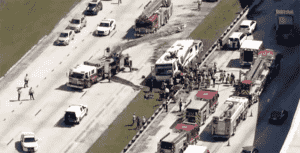
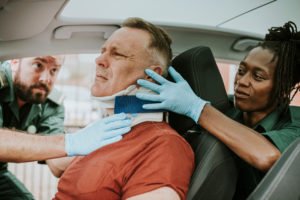
The Law Offices of Anidjar and Levine helps victims of wrong-way driver accidents identify liable parties, preserve crash evidence, and pursue compensation after serious head-on collisions. These claims often involve impaired driving, confusing ramps, poor visibility, disputed fault, and severe injuries such as traumatic brain injuries, chronic pain, disability, or death.
Legal support may include insurance analysis, medical documentation, witness coordination, and litigation preparation. A Florida Car Accident Lawyer can help explain how these claims are evaluated, protected, and advanced under Florida law.
Main Takeaways
- A Florida wrong-way accident lawyer investigates fault, preserves evidence, and identifies all available insurance coverage.
- Key evidence includes crash reports, traffic footage, witness statements, vehicle data, medical records, and impairment findings.
- Wrong-way crashes often involve severe injuries, head-on impacts, permanent disability, or wrongful death claims.
- Common causes include impaired driving, confusing ramps, poor visibility, distracted driving, and unfamiliarity with local roads.
- After a crash, seek medical care, call law enforcement, document evidence safely, and avoid delaying legal guidance.


How We Can Help With Your Florida Wrong-Way Driver Accident Injury Claim
A Florida wrong-way driver accident injury claim often requires careful investigation, prompt preservation of evidence, and a clear assessment of every party that may be legally responsible. A law firm serving injured clients can coordinate immediate steps to preserve evidence, including securing crash reports, roadway footage, vehicle data, witness statements, and medical documentation. This work helps protect the client’s position while allowing families to focus on treatment, recovery, and service to one another.
Counsel may also evaluate insurance coverage, identify potential sources of compensation, and prepare documented demands that reflect medical costs, lost income, future care, and other damages. Effective Insurance negotiation strategies can address claim denials, low settlement offers, and disputes over liability or injury severity. When insurers fail to act fairly, attorneys may prepare the matter for litigation, maintaining organized records and clear communication. This measured approach supports accountability, preserves dignity, and seeks a just result.
OUR CONSULTATIONSARE FREE
START YOUR FREE CASE REVIEW

Understanding Florida Wrong-Way Driver Accident Injury Cases
When a motorist travels against the lawful flow of traffic, the resulting collision often involves severe force, limited reaction time, and complex questions of liability. These cases require careful review because injuries may be catastrophic, and several parties may possess information needed to protect the injured person’s rights. A Florida injury claim may involve drivers, passengers, insurers, investigating officers, medical providers, and public agencies responsible for road conditions.
Understanding the case begins with identifying wrong-way liability evidence, including crash reports, witness statements, vehicle damage patterns, surveillance footage, and electronic data. The condition and placement of Florida roadway signage may also be relevant when determining whether warnings, markings, or traffic controls were clear and properly maintained. A thorough investigation helps clarify how the crash occurred, who may be legally responsible, and what losses resulted. For families seeking accountability, this process supports fair compensation while preserving dignity, service, and care for those harmed.
Common Causes of Florida Wrong-Way Driver Accidents
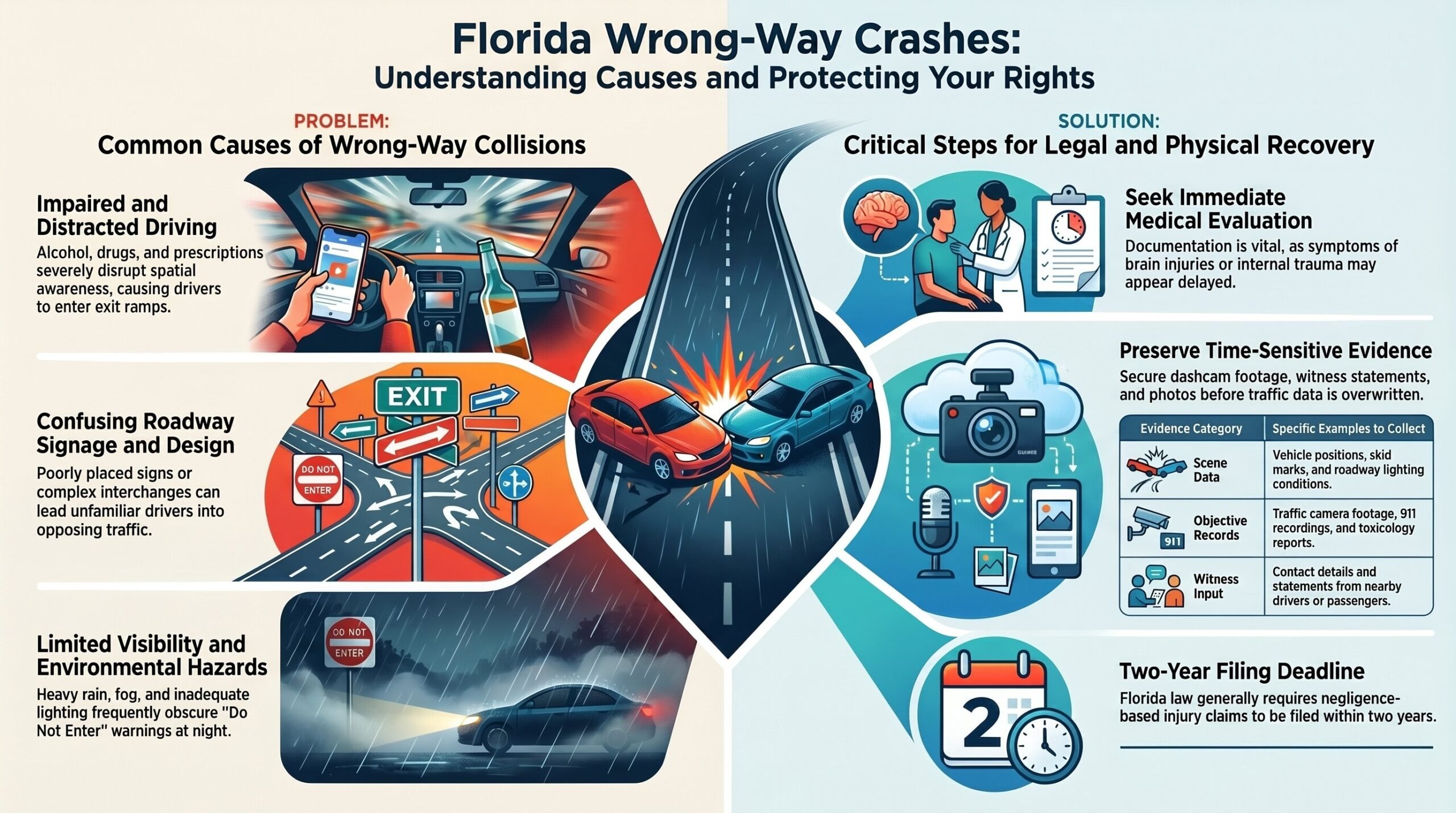
Wrong-way driver accidents in Florida often result from preventable conditions, including impaired driving, confusing road signage, poor visibility, and driver disorientation. These factors can cause a motorist to enter an exit ramp, divided highway, or one-way street in the wrong direction, creating an immediate risk of severe collisions. Elderly driver confusion may also contribute to these incidents, particularly where roadway design or traffic signals are difficult to interpret.
Impaired Driving
In many Florida wrong-way driver accidents, impaired driving is a leading factor because alcohol, drugs, or certain medications can severely disrupt judgment, reaction time, and spatial awareness. A motorist affected by alcohol intoxication may misread lane direction, enter an exit ramp, or continue against traffic without recognizing immediate danger. Drug impairment, including the misuse of prescriptions, can cause drowsiness, confusion, or delayed braking, placing innocent travelers at grave risk.
These conditions may also combine with distracted driving, further reducing the driver’s ability to correct a dangerous mistake. For those committed to helping injured people, identifying impairment is important to establishing accountability. Evidence may include toxicology results, officer observations, witness statements, and crash reconstruction findings, all of which can support a claim for compensation and community protection.
Confusing Road Signage
Although driver error is often central to a wrong-way crash, confusing road signage can contribute to dangerous decisions on Florida roads. Interchanges, construction zones, frontage roads, and closely spaced ramps may present signs that are poorly placed, inconsistent, obscured, or difficult to interpret quickly. A driver may enter an exit ramp believing it is a lawful entrance, especially when lane markings and directional indicators fail to provide clear guidance.
In these cases, investigators may examine traffic control devices, road design, maintenance records, and prior crash history to support the determination of driver fault. Clear analysis can help injured persons and their advocates understand whether responsibility extends beyond the driver. Signage issues may also complicate an insurance coverage dispute, particularly when multiple parties deny accountability for unsafe roadway conditions. Liability may require careful proof.
Poor Visibility
When visibility is limited, a driver may misread roadway layout, miss essential “Do Not Enter” or “Wrong Way” signs, or turn onto an exit ramp without recognizing the danger. In Florida, poor visibility often results from heavy rain, fog, glare, smoke, or inadequate roadway lighting near interchanges. Rain-related conditions can blur lane markings, reduce reaction time, and make reflectors harder to see, especially at night.
Speeding violations increase the risk because a driver has less time to correct an improper turn or respond to oncoming headlights. Responsible roadway users, public agencies, and safety advocates should recognize how visibility hazards contribute to wrong-way crashes. Careful investigation may consider weather reports, lighting conditions, sign placement, pavement markings, and driver conduct to determine how the preventable collision occurred.
Elderly Driver Confusion
Elderly driver confusion can sometimes contribute to wrong-way accidents in Florida, particularly near complex intersections, highway ramps, and unfamiliar roadway layouts. Age-related changes in vision, reaction time, memory, or spatial judgment may cause a driver to misread signs, enter an exit ramp, or fail to recognize traffic flow. While age alone does not establish fault, investigators may examine conduct, roadway conditions, licensing history, and available medical evidence when evaluating driver negligence claims.
Those assisting injured individuals should encourage prompt documentation, witness information, and preservation of crash details. A clear medical treatment timeline can also support the connection between the collision and resulting injuries. Careful review helps distinguish understandable confusion from unsafe driving choices that place others at preventable risk on Florida roads.


Legal Rights of Florida Wrong-Way Driver Accident Injury Victims
After a wrong-way collision in Florida, injured victims may have the right to pursue compensation from the at-fault driver and any other party whose negligence contributed to the crash. These rights may include recovery for medical care, lost income, reduced earning capacity, pain and suffering, and long-term support needs.
Understanding the basics of negligence helps clarify whether a driver, vehicle owner, employer, or other responsible party failed to exercise reasonable care.
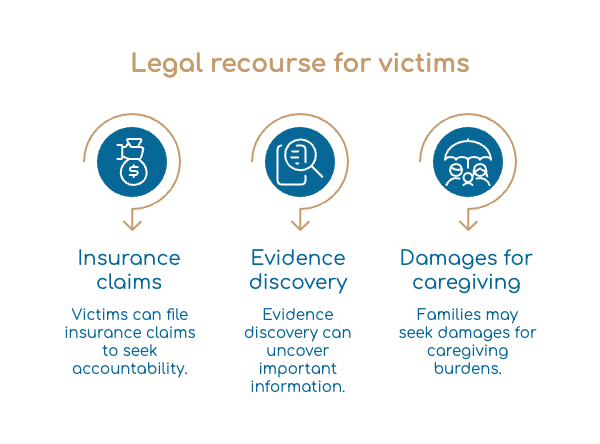
- Victims may file insurance claims and, when appropriate, civil lawsuits to seek accountability.
- Evidence discovery can help uncover police reports, witness statements, vehicle data, medical records, and roadway information.
- Families caring for injured loved ones may also seek damages for caregiving burdens and future care planning.
Florida law imposes deadlines and procedural duties, so timely action is important. A careful legal review can protect the victim’s interests, preserve essential proof, and support a claim that reflects the full impact of the injuries suffered.
Why Do Florida Wrong-Way Driver Accident Injuries Happen?
Why do wrong-way crashes occur on Florida roads despite clear traffic laws and roadway controls? These collisions often result from impaired driving, confusion at highway ramps, poor visibility, distracted driving, or unfamiliarity with local routes. Older drivers, tourists, and motorists traveling at night may misread signs or enter exits, especially near intricate interchanges. When alcohol or drug impairment is involved, a driver’s ability to recognize danger, process warnings, and correct course may be severely reduced.
Wrong-way impacts are especially dangerous because they commonly occur head-on and at highway speeds. The force can cause catastrophic injuries, permanent disabilities, and fatalities. In the most severe cases, families may pursue wrongful death claims to address the losses caused by preventable misconduct. If a driver acted with extreme recklessness, such as driving while heavily intoxicated, punitive damages may also be considered. Understanding these causes helps communities, advocates, and safety professionals work toward prevention and accountability.
What Should You Do After a Florida Wrong-Way Driver Accident Injury?
After a Florida wrong-way driver accident, an injured person should seek immediate medical care, even if symptoms appear minor at first. The crash should be reported to law enforcement, since an official record may become important in any injury claim. Important evidence, including photographs, witness information, and insurance details, should also be preserved as soon as possible.
Seek Immediate Medical Care
Immediate medical care is essential following a Florida wrong-way driver accident because serious injuries may not be obvious at the scene. Victims should accept Emergency response assistance and undergo evaluation by qualified medical professionals as soon as possible. Conditions such as internal bleeding, traumatic brain injury, spinal trauma, and soft tissue damage may worsen without timely treatment. Prompt care also protects family members, caregivers, and others who may later depend on the injured person’s recovery and stability.
Medical documentation is equally important because it creates a clear record of injuries, treatment, pain complaints, diagnostic testing, and physician recommendations. This record may help connect the crash to later symptoms and future care needs. Delaying treatment can place health at risk and may weaken an injury claim.
Report The Crash
When a wrong-way driver accident occurs in Florida, the crash should be reported to law enforcement as soon as it is safe to do so. A prompt report allows officers to secure the roadway, assist the injured, and create an official record for later claims. Those able to help should follow Scene safety precautions, including moving away from traffic, activating hazard lights, and waiting in a protected location.
Emergency dispatchers should receive clear information about injuries, vehicle positions, and any immediate dangers. Calm, accurate communication supports responders and protects others from further harm. Documenting witness details, including names, phone numbers, and brief observations, may also assist officers when it can be done safely. No person should interfere with emergency personnel or place themselves at additional risk during the process.
Preserve Critical Evidence
Once the crash has been reported and the scene is secure, preserving evidence should become a priority for any injury claim arising from a Florida wrong-way driver accident. Those assisting an injured person should gather photographs of vehicle positions, lane markings, debris, traffic signs, skid marks, lighting, and visible injuries. Witness names, phone numbers, and brief statements may later help clarify how the wrong-way movement occurred.
Medical records, repair estimates, tow reports, and insurance communications should be saved in an organized form. If nearby businesses, traffic cameras, or rideshare systems may hold video, prompt requests are important because recordings can be erased quickly. Careful preservation supports Negligence standards and helps counsel accurately evaluate settlement expectations. Reliable evidence allows advocates to serve injured clients with diligence, fairness, and accountability.
Critical Evidence in a Florida Wrong-Way Driver Accident Injury Case
Critical evidence in a Florida wrong-way driver accident injury case may determine liability, damages, and the strength of an injured party’s claim.
Key proof often includes:
- Crash scene evidence, such as vehicle positions, skid marks, debris, and roadway signage
- Traffic camera footage and witness statements showing how the wrong-way entry occurred
- Driver impairment records, including breath tests, toxicology results, and law enforcement observations
Crash Scene Evidence
At the scene of a wrong-way driver accident, evidence can begin to disappear within minutes, making early documentation particularly important. Responders, witnesses, and injured occupants may all help preserve the facts through careful observation and timely reporting. Skid marks, debris fields, vehicle resting positions, roadway signs, lane markings, lighting conditions, and visible injuries can support evidence preservation and liability proof.
Photographs, measurements, witness identities, and police observations may also assist in proving damages when injuries, lost income, and medical needs are later reviewed. Because wrong-way crashes often involve severe impacts, clear scene details can guide insurance negotiation and help ensure responsible parties are accurately identified. This careful record supports the injured person’s recovery effort while respecting the broader duty to promote safety, accountability, and fair compensation under Florida law.
Traffic Camera Footage
Where available, traffic camera footage can provide an objective record of a wrong-way driver’s movements before, during, and after a collision. Such footage may show lane position, entry points, traffic signal phases, vehicle speed, and the reactions of other motorists. For injured individuals and those assisting them, this evidence can support a clear understanding of fault and help preserve fairness in the claims process.
Prompt action is important because many systems overwrite recordings quickly. When reviewed with Crash Scene Documentation, camera footage may confirm impact angles, roadway conditions, and witness accounts. It may also assist in Avoiding Settlement Mistakes by revealing facts that are not apparent from photographs or reports alone. Preserved footage can strengthen negotiations and support a well-documented Florida injury claim.
Driver Impairment Records
Beyond traffic camera footage, driver impairment records may explain why a wrong-way driver entered the roadway incorrectly or failed to respond to obvious hazards. These records may include breath, blood, or urine test results, drug recognition evaluations, field sobriety documentation, and medical observations made after the crash. Proper review helps determine whether alcohol, controlled substances, prescription medication, fatigue, or a medical condition contributed to the collision.
The defendant’s background may also reveal prior impaired driving incidents, license restrictions, or treatment history relevant to negligence and foreseeability. Attorneys often examine whether police procedures were followed during testing, collection, labeling, and preservation of samples. Reliable evidence of impairment can support accountability, assist injured people, and help families pursue legal compensation after a preventable wrong-way crash in Florida.
Witness Statements
Witness statements can provide a direct account of how a wrong-way collision developed, especially when physical evidence does not show every pivotal moment before impact. In Florida cases, neutral observers may describe lane position, vehicle speed, lighting, traffic signals, evasive actions, and the driver’s behavior before and after the crash. Their accounts can help clarify fault when parties give conflicting reports or when crash reconstruction leaves unanswered questions.
Accurate statements also support the insurance claims process by providing adjusters and counsel with reliable facts beyond photographs and reports. For injured individuals and those serving their recovery needs, these details may influence the calculation of damages, including pain, medical care, lost income, and future limitations. Prompt identification and careful documentation preserve credibility before memories fade or witnesses become unavailable.
Long-Term Effects of Florida Wrong-Way Driver Accident Injuries
Wrong-way driver accidents in Florida can leave victims with lasting medical and personal consequences that extend far beyond the initial crash. Chronic pain conditions and traumatic brain injuries may require ongoing treatment, limit daily function, and affect future earning capacity. Emotional recovery challenges, including anxiety, depression, and trauma-related symptoms, can also play a significant role in the long-term impact of these injuries.
Chronic Pain Conditions
A serious collision caused by a wrong-way driver can leave an injured person with chronic pain that persists long after fractures, cuts, or visible wounds have recovered. This pain may involve the neck, back, shoulders, hips, or limbs, limiting mobility and reducing the person’s ability to work, serve family, and participate in community responsibilities. Medical records, therapy notes, and consistent symptom reporting help establish the lasting nature of these injuries.
Chronic pain claims may affect Insurance settlement timelines, especially when future treatment, medication, injections, or physical therapy remain uncertain. Insurers may also raise disputes over witness credibility if accounts of the crash or symptoms differ. Careful documentation, compassionate legal advocacy, and informed medical evaluation can help protect the injured person’s dignity while pursuing fair compensation for ongoing suffering and functional loss.
Traumatic Brain Injuries
When a violent head impact or rapid forceful movement occurs, a traumatic brain injury may result even without a visible skull wound. In wrong-way collisions, sudden deceleration can damage brain tissue, disrupt nerve pathways, and impair functions vital to daily service, caregiving, and employment. Long-term effects may include memory loss, reduced concentration, speech difficulty, balance problems, seizures, headaches, and sensitivity to light or noise.
These impairments can limit a person’s ability to assist family, support community responsibilities, or safely return to work. Florida crashes may involve confusing traffic patterns, sightseeing distractions, or related pedestrian injuries, increasing the risk of severe head trauma. Medical evaluation, imaging, rehabilitation, and documented follow-up are often necessary to link lasting neurological limitations to the collision and effectively support an injury claim.
Emotional Recovery Challenges
Following a severe head-on impact, emotional recovery may become a long-term challenge that is as disruptive as physical injury. Survivors may face anxiety, depression, sleep disturbance, irritability, and fear of driving, especially when the crash involved sudden danger and helplessness. Family members, caregivers, and service providers often observe changes in trust, patience, and daily functioning.
Traumatic evidence, including photographs, vehicle damage, medical records, and witness accounts, may intensify distress while also supporting a claim. Compassionate support requires recognizing that emotional injuries can affect work, relationships, and rehabilitation. Insurance tactics may minimize psychological harm or separate it from the collision, making careful documentation critical. A Florida wrong-way driver accident injury lawyer may help preserve proof, coordinate expert evaluations, and protect the injured person’s dignity throughout recovery.
Proving Liability in Florida Wrong-Way Driver Accident Injury Cases
In Florida wrong-way driver accident cases, proving liability requires a careful review of how the collision occurred, why the driver entered the wrong lane or roadway, and whether any other parties contributed to the crash. Evidence may include police reports, 911 records, traffic camera footage, vehicle damage, roadway design, signage, lighting, and witness statements. When impairment, distraction, fatigue, or reckless driving caused the wrong-way entry, those facts may establish negligence.
A focused investigation also considers whether bars, employers, vehicle owners, or government entities share responsibility under Florida law. This careful approach serves injured people by identifying every source of accountability without overstating the facts. Comparative fault defenses may arise if the opposing side claims the injured person failed to react reasonably, even in a sudden emergency. Insurance coverage disputes can also affect recovery when multiple policies, exclusions, or limits are involved, making accurate liability findings critical to a fair legal outcome.
Dealing With Insurance Companies After a Florida Wrong-Way Driver Accident Injury
After liability is examined, insurance company conduct often becomes the next major issue in a Florida wrong-way driver accident injury claim. Insurers may request recorded statements, medical authorizations, or quick settlement discussions before the full extent of the harm is understood. Careful communication helps protect the injured person while allowing legitimate claims to be evaluated fairly. Those assisting the injured should encourage accuracy, patience, and complete documentation, especially when severe trauma affects memory or daily functioning.
Insurance adjusters may question Wrong Way Liability, dispute the extent of injuries, or argue that preexisting conditions caused ongoing pain. In Motorcycle Incidents, they may also rely on unfair assumptions about riders, even when the wrong-way driver created the danger. Medical records, witness information, repair evidence, and consistent treatment histories can help counter incomplete evaluations. A lawyer may handle communications, reduce pressure on the injured person, and support a claim presentation grounded in evidence, dignity, and service to recovery.
What to Expect During a Florida Wrong-Way Driver Accident Injury Claim Process
A Florida wrong-way driver accident injury claim often begins with an initial case evaluation, where liability, injuries, and available insurance coverage are reviewed. The process typically continues with filing an insurance claim and collecting evidence, including crash reports, medical records, witness statements, and roadway details. Settlement negotiations may follow once damages are documented, although the outcome depends on the strength of the evidence and the insurer’s assessment of fault and compensation.
Initial Case Evaluation
What happens at the initial case evaluation often sets the direction for a Florida wrong-way driver accident injury claim. During this meeting, an attorney reviews how the collision occurred, the injured person’s medical condition, available crash reports, photographs, and any communication already received. The evaluation also identifies urgent needs, including treatment continuity, transportation concerns, and protection of vulnerable family members.
Counsel may provide evidence-preservation tips, such as saving photographs of the vehicle, dashcam footage, medical records, damaged property, and written recollections while details remain clear. The attorney may also explain the witness contact process, including how witnesses are identified, approached, and carefully documented. This early review helps determine liability concerns, potential damages, and immediate steps needed to protect the injured person’s claim.
Insurance Claim Filing
Once the initial case evaluation is complete, filing the insurance claim usually begins by identifying all available sources of coverage. In Florida, this often includes PIP coverage, bodily injury liability coverage, uninsured motorist benefits, and any applicable umbrella policies. A lawyer may help ensure timely notice is provided to insurers, required forms are completed accurately, and treatment information is submitted in an orderly manner.
This step can affect how quickly medical bills are processed and whether benefits are delayed. Because wrong-way collisions often cause serious harm, insurers may closely review damages before issuing payment. Careful filing helps reduce avoidable claim denials and protects the injured person’s ability to seek fair compensation. The process also supports families, caregivers, and service-minded advocates working to restore stability after preventable roadway harm.
Evidence Collection Process
After insurance claims are opened, the evidence collection process helps determine how the wrong-way collision occurred, who may be legally responsible, and the full extent of the injured person’s losses. A legal team may gather crash reports, 911 recordings, roadway camera footage, photographs of vehicle damage, medical records, and available toxicology results.
Investigators may also review lighting, signage, lane markings, and highway design to identify contributing conditions. When witnesses are involved, careful verification of witness credibility helps confirm whether statements are consistent, reliable, and useful. This work supports an accurate claim value and preserves facts before memories fade or evidence disappears. Although insurance negotiation strategies are not yet applied directly, organized documentation prepares the claim for later review, allowing advocates to serve the injured person’s needs with diligence, discipline, and care.
Settlement Negotiations
As the claim file becomes more complete, settlement negotiations may begin with a structured presentation of liability, injuries, medical treatment, lost income, and other damages linked to the wrong-way collision. The insurer may review police findings, witness statements, crash reconstruction, evidence of impaired driving, and medical records before responding with an offer. If roadway design or warnings contributed, liability for traffic signage may also be evaluated with care.
A lawyer may compare the offer against documented losses, future care needs, and the human impact on the injured person and family. Negotiations often involve counteroffers, clarification of disputed facts, and firm advocacy for fair compensation. When conducted with preparation and purpose, this stage supports accountability, respects the injured person’s recovery, and may resolve the claim without trial proceedings in Florida.
Compensation for Florida Wrong-Way Driver Accident Injury Damages
A collision report often marks the beginning of a broader financial analysis for an injured person harmed by a wrong-way driver in Florida. Compensation may address the full impact of the crash, including medical treatment, lost income, diminished earning ability, long-term care needs, and the personal consequences that follow severe injury. Each claim requires careful documentation, because insurers often challenge both the cause of harm and the amount requested.
An attorney may evaluate insurance coverage, evidence of liability, medical records, and future needs to build a claim that supports a fair recovery. When injuries are catastrophic, the process may include consultation with physicians, vocational experts, and life care planners.
Wrongful death claims require added attention to eligible survivors, statutory rights, and the losses created by a preventable death. A strong trial preparation strategy can also support settlement efforts, showing the opposing party that the claim is organized, evidence-based, and ready for litigation.
Economic vs Non-Economic Damages in Florida Wrong-Way Driver Accident Cases
Florida wrong-way driver accident claims often include economic damages, such as medical bills, lost income, rehabilitation costs, and vehicle repair expenses. Non-economic damages may account for pain, emotional distress, disability, and reduced quality of life, with each factor requiring careful evaluation. Proving these damages in Florida typically depends on medical records, financial documentation, expert opinions, and evidence showing how the crash affected the injured person’s life.
Economic Damage Examples
When a wrong-way driver causes a serious crash, economic damages are the measurable financial losses resulting from the collision. These losses may include Medical bills for emergency care, hospitalization, surgery, rehabilitation, prescriptions, and follow-up appointments. They may also involve wage loss when an injured person cannot work during recovery, or when reduced earning capacity affects future income.
Economic damages may also include property damage, such as vehicle repairs, replacement costs, towing, rental transportation, and damaged personal items. Caregivers, advocates, and legal professionals often review insurance paperwork, receipts, employment records, and repair estimates to accurately document these losses. In Florida wrong-way crash claims, careful financial documentation helps show the practical burdens placed on injured individuals and supports a claim for recovery grounded in verifiable evidence.
Non-Economic Damage Factors
Non-economic damages address the personal losses that cannot be measured through invoices, wage records, or repair estimates. In Florida wrong-way driver accident cases, these factors may include pain, emotional distress, loss of enjoyment, disability, disfigurement, and strain on family relationships. While Medical expenses reflect a financial burden, non-economic harm reflects how the crash changes daily life, dignity, and independence.
These losses can affect payouts because severe injuries often have consequences beyond treatment costs. A thoughtful settlement strategy considers the injured person’s age, prior health, caregiving needs, community roles, and ability to return to meaningful activities. Recovery milestones also matter, since slow progress, permanent limitations, or repeated setbacks may show deeper personal harm. Fair evaluation supports accountability while honoring the human effects of serious collisions.
Proving Florida Damages
A strong damages claim depends on proof that connects each loss to the wrong-way driver accident and shows how the injury affected the victim’s financial stability and personal life. Economic damages may require medical bills, wage records, repair estimates, and expert opinions on future care or reduced earning capacity. Non-economic damages often rely on treatment notes, witness statements, photographs, and testimony describing pain, limitations, anxiety, and loss of normal activities.
A careful calculation of damages helps separate documented financial losses from personal harm that cannot be measured in monetary terms. In Florida wrong-way collision cases, counsel may organize proof to support settlement discussions and, when necessary, trial strategy. Clear evidence allows insurers, judges, or juries to understand the full impact of the crash while honoring the injured person’s dignity.
When a Florida Wrong-Way Driver Accident Injury Case Goes to Trial vs Settlement
Although many wrong-way driver accident claims in Florida resolve through settlement, some cases proceed to trial when liability, causation, or the value of damages remains disputed. Settlement may allow injured people to receive compensation sooner, reduce uncertainty, and preserve emotional energy for recovery, caregiving, and family responsibilities. Mediation outcomes often shape the parties’ expectations, especially when evidence clarifies fault, medical needs, lost income, and long-term limitations.
A trial may become necessary when an insurer undervalues severe injuries or refuses to accept responsibility. The Trial timeline can include discovery, expert review, pretrial motions, jury selection, and presentation of testimony. Careful courtroom strategy helps organize medical records, crash evidence, and witness accounts into a clear explanation of harm. Strong preparation can also improve settlement leverage before trial, because insurers may reassess risk when the injured person’s case is presented with discipline, accuracy, and respect for the legal process.
Florida Laws That May Affect Your Florida Wrong-Way Driver Accident Case
Florida law often shapes the outcome of a wrong-way driver accident case by controlling fault, insurance obligations, filing deadlines, and the types of damages an injured person may pursue. These rules help determine how responsibility is assigned and how injured people may seek recovery after preventable harm.
Florida law guides fault, insurance, deadlines, and recovery options after a wrong-way driver accident.
- Florida’s Comparative Negligence rules may reduce compensation if an injured person shares any fault for the crash.
- Personal injury protection coverage may apply first, but serious injuries can allow claims against the wrong-way driver.
- Criminal Charges, such as DUI or reckless driving, may support a civil claim, though the injury case remains separate.
For those committed to serving injured families, these laws provide a framework for accountability and practical support. A wrong-way driver’s traffic violation, impairment, or disregard for road signs may become central evidence. Careful legal review can identify available insurance, preserve key proof, and pursue damages for medical care, lost income, and lasting human loss.
The Statute of Limitations for Florida Wrong-Way Driver Accident Injury Cases
When a wrong-way driver causes injuries, the statute of limitations sets a strict deadline for filing a personal injury lawsuit. In Florida, most negligence-based injury claims must be filed within two years from the date of the crash. Missing this deadline can prevent an injured person from seeking compensation through the civil courts, regardless of the severity of harm or the strength of the evidence.
Wrongful death claims also generally carry a two-year filing period, measured from the date of death. Families acting in service of a loved one’s memory should recognize that time limits apply even while grief, medical issues, and financial strain continue.
Prompt attention also helps protect vital proof. Crash data, surveillance video, roadway evidence, vehicle damage, and witness memories may disappear or weaken over time. Evidence spoliation can affect accountability when relevant materials are lost or destroyed. Timely action preserves the opportunity for a fair, orderly resolution.
How a Florida Wrong-Way Driver Accident Injury Lawyer Can Help You
A case strategy begins with a careful review of how the wrong-way crash occurred, who may be legally responsible, and what evidence supports the injured person’s claim. A Florida wrong-way driver accident injury lawyer can organize the facts, evaluate insurance coverage, and pursue compensation with disciplined attention to detail.
- Proving negligence through crash reports, roadway data, impairment evidence, and traffic-control analysis.
- Identifying witnesses, including passengers, nearby drivers, first responders, and business owners with camera footage.
- Calculating losses, such as medical care, lost income, reduced earning ability, and long-term support needs.
This work helps protect the injured person while allowing family members, caregivers, and community supporters to focus on recovery and service. The lawyer may communicate with insurers, address disputed liability, preserve key evidence, and present the claim in a manner consistent with Florida law. Careful advocacy can also reveal whether other parties contributed to the collision.
When to Contact a Florida Wrong-Way Driver Accident Injury Lawyer
After a wrong-way collision, injured people should seek legal guidance as soon as their immediate medical needs are addressed. Early contact helps preserve records, identify witnesses, and make sure important deadlines are not overlooked. Families often feel called to protect one another while also managing pain, transportation, lost income, and care responsibilities. A lawyer can provide direction during this difficult period without disrupting necessary recovery.
Prompt communication is especially important when injuries require ongoing evaluation. The Medical treatment timeline can affect claim documentation, disability assessments, and the connection between the crash and later symptoms. Insurers may also begin requesting statements, records, or quick settlements before the full impact is known.
These insurance delay tactics can burden injured people and their caregivers when attention should remain on the healing and service to family obligations. Contacting counsel early allows injured parties to respond carefully, preserve options, and pursue compensation within Florida’s legal time limits.
Why You Need an Experienced Florida Wrong-Way Driver Accident Injury Lawyer
Experienced legal representation is especially important in wrong-way driver accidents because these collisions often involve severe injuries, disputed liability issues, and multiple sources of compensation. An experienced Florida lawyer can examine crash reports, roadway conditions, evidence of impairment, and insurance coverage to identify all responsible parties. This careful approach supports injured people and grieving families who need practical guidance while focusing on recovery and care for others.
A seasoned attorney also understands how insurers evaluate catastrophic claims and may use Payout negotiation strategies to pursue compensation for medical treatment, lost income, rehabilitation, pain, and long-term support needs. Because wrong-way crashes may depend on conflicting accounts, verifying witness credibility can be crucial.
Statements, surveillance footage, emergency records, and expert analysis may confirm how the collision occurred. Through organized case development, counsel helps protect the injured person from unfair blame, low settlement offers, and procedural errors that could weaken a valid claim under Florida law.
How to Choose the Right Florida Wrong-Way Driver Accident Injury Lawyer for Your Case
Choosing the right Florida wrong-way driver accident injury lawyer requires attention to experience, case strategy, and the attorney’s ability to handle serious collision claims with precision. A qualified lawyer should understand crash reconstruction, impaired driving issues, roadway design concerns, and the medical consequences often linked to high-impact collisions. This knowledge helps protect injured people and supports families seeking stability after preventable harm.
Potential clients should look for clear communication, timely updates, and a service-focused approach that respects their needs. Evidence preservation is especially important, including securing police reports, surveillance footage, vehicle data, witness statements, and medical records before they are lost or disputed.
A strong attorney should also prepare every claim as if litigation may be necessary, even while pursuing fair settlement negotiations. Careful preparation can improve leverage with insurers and reduce the risk of undervalued claims. The right lawyer provides guidance, structure, and advocacy when injured individuals need dependable legal support most.
About The Law Offices of Anidjar & Levine
When a wrong-way collision causes serious injuries, The Law Offices of Anidjar & Levine provides legal representation focused on accountability, financial recovery, and client support.
The firm assists injured individuals and families throughout Florida with claims involving negligent drivers, impaired driving, roadway confusion, and preventable traffic violations.
Its legal team applies proficiency in Wrong Way Law to investigate crashes, identify liable parties, gather evidence, and pursue compensation for medical expenses, lost income, pain and suffering, and long-term care needs.
Each matter receives careful case strategy planning, allowing the firm to evaluate insurance issues, accident reports, witness statements, and available damages with discipline.
The Law Offices of Anidjar & Levine also emphasizes responsive service, keeping clients informed while they focus on recovery and family responsibilities.
Through organized advocacy and thorough preparation, the firm works to serve injured people with professionalism, respect, and a commitment to securing meaningful results.
Frequently Asked Questions
Can Tourists File Wrong-Way Accident Claims in Florida?
Yes, tourists may file claims for wrong-way accidents in Florida when another driver’s negligence causes harm. A visitor can seek compensation for medical care, lost income, pain, and related vacation injuries. Tourist insurance may affect payment sources, but it does not eliminate a valid liability claim. Those assisting injured visitors should preserve crash reports, medical records, and travel documentation, then guide them toward qualified legal review within applicable deadlines.
Are Rideshare Passengers Covered in Wrong-Way Driver Accidents?
Yes, rideshare passengers are generally covered in accidents involving wrong-way drivers when the rideshare trip is active. Insurance Coverage may come from the at-fault driver, the rideshare company, or other available policies. Rideshare Policies often provide significant protection, but Liability Limits depend on trip status and fault. Passenger Damages may include medical costs, lost income, and pain. Careful claim review helps ensure injured passengers are properly served.
Can Road Design Contribute to Wrong-Way Crashes?
Yes, road design can contribute to wrong-way crashes when entry points, ramps, or lane markings create confusion. Roadway signage that is missing, poorly placed, or difficult to interpret may fail to warn drivers before they enter opposing traffic. Driver visibility also matters, especially at night, during storms, or near obstructed intersections. Those serving injured persons should recognize that roadway conditions may reveal shared responsibility beyond driver error alone.
What if the Wrong-Way Driver Was Uninsured?
If the wrong-way driver was uninsured, an injured person may pursue Uninsured damages through available coverage, including uninsured motorist benefits. Claim options may include personal injury protection, health insurance, and, when permitted, policy stacking. Careful documentation of injuries, lost income, and service-related needs supports fair evaluation. Settlement procedures require timely notice, proof of loss, and negotiation with insurers, ensuring recovery efforts remain organized, lawful, and focused on practical assistance.
Do Wrong-Way Accident Claims Involve Criminal Charges?
Yes, wrong-way accident claims may involve criminal charges when conduct suggests impairment, recklessness, fleeing law enforcement, or other unlawful behavior. Criminal Liability is handled separately from the civil injury claim, though evidence from the prosecution may support compensation efforts. If a victim dies, the family may pursue a Wrongful Death claim while the state prosecutes charges. Those serving injured families should preserve evidence promptly and coordinate carefully with legal counsel.
—————————
Wrong-way driver accidents in Florida can cause severe injuries, intricate liability disputes, and significant financial losses.
Victims should understand their legal rights, preserve evidence, and seek timely guidance from qualified counsel.
An experienced Florida Car Accident Lawyer can evaluate the claim, identify liable parties, negotiate with insurers, and pursue compensation through litigation when necessary.
The Law Offices of Anidjar and Levine provides focused legal support for injured individuals seeking accountability and fair recovery.