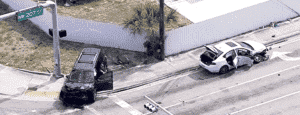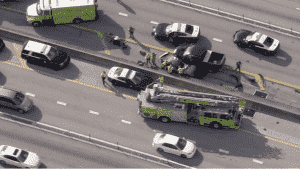
The Law Offices of Anidjar and Levine helps injured victims protect evidence, document medical care, and build a claim showing how a traffic signal violation caused the crash. Legal counsel can gather reports, video, witness statements, and signal records, handle insurer communications, and calculate losses, including medical bills, lost income, property damage, and pain and suffering.
Early guidance from a Miami Car Accident Lawyer also helps preserve rights, clarify options, and outline what to expect as the claim moves forward.
Main Takeaways
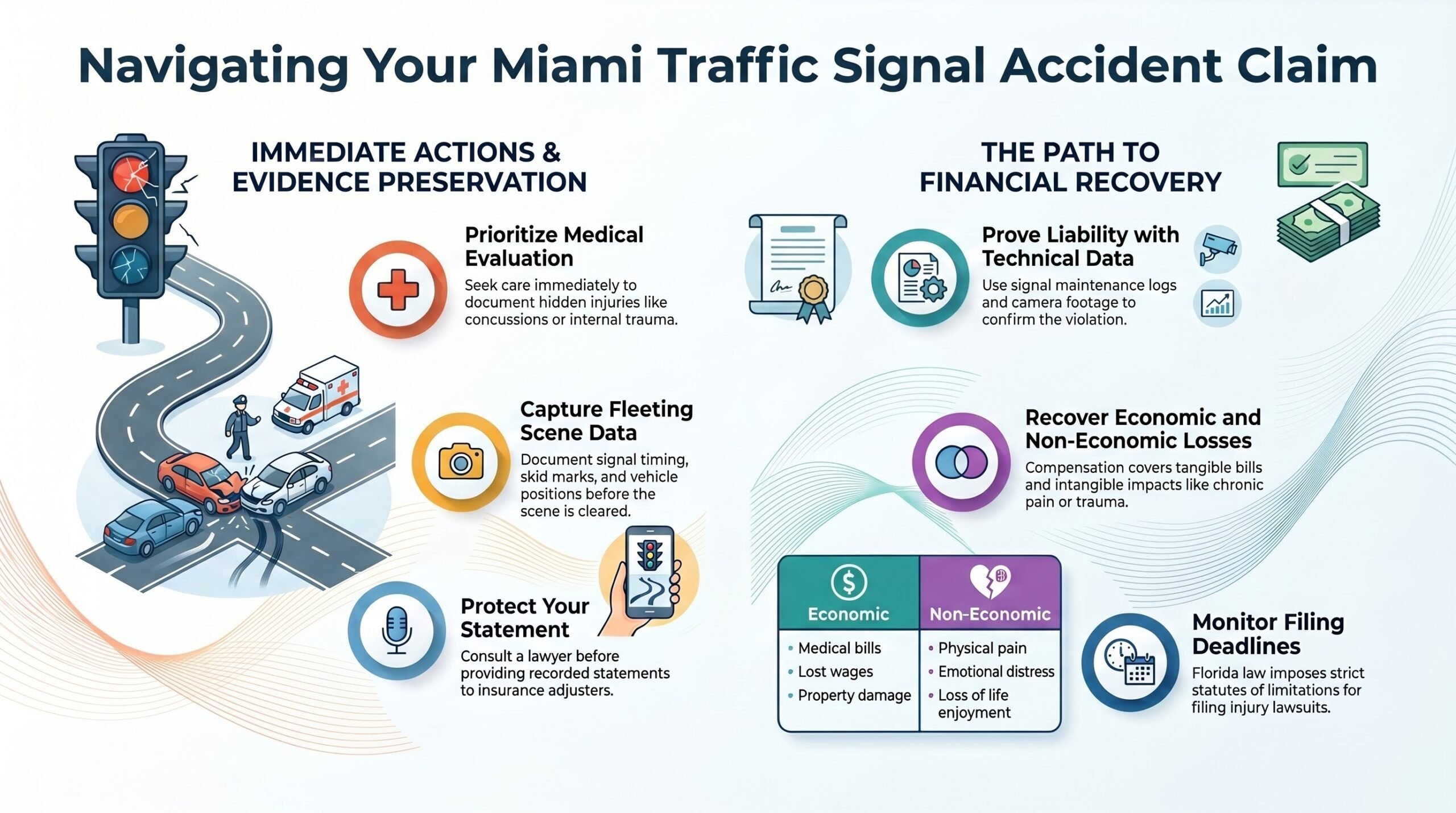
- A Miami traffic signal accident lawyer preserves evidence early, protects your statements, and explains claims, timelines, and next steps in a free consultation.
- Strong claims rely on police reports, witness statements, photos, traffic camera footage, skid marks, vehicle data, and traffic signal timing or maintenance records.
- Seek prompt medical care after the crash, even for mild symptoms, to detect hidden injuries and create records supporting treatment and damages.
- Insurers may seek recorded statements, broad medical releases, or quick settlements, so careful documentation and early legal guidance help protect your rights.
- Compensation may include medical bills, lost income, reduced earning capacity, property damage, and other proven losses caused by the signal violation.


How We Can Help With Your Miami Failure To Obey Traffic Signal Accident Injury Claim
Steer through these claims with a clear strategy. A Miami traffic signal accident lawyer can help an injured person build a strong failure-to-obey-traffic-signal injury claim from the outset. Counsel provides organized guidance, preserves essential evidence, and coordinates prompt investigation so the person harmed can focus on mending and serving family and community.
A lawyer may gather crash reports, witness statements, camera footage, and roadway records that clarify Signal timing, visibility, and intersection conditions. Through careful review of Traffic audits and maintenance logs, counsel can identify overlooked hazards or lapses in monitoring. Professional advocacy also supports fair communication with insurers, medical providers, and other parties, reducing avoidable delays and confusion.
Beyond the file itself, legal counsel may encourage Community education and Miami outreach efforts that promote safer intersections for everyone. This service-centered approach strengthens an individual claim while advancing accountability, prevention, and the broader public good across Miami neighborhoods for all residents.
OUR CONSULTATIONSARE FREE
START YOUR FREE CASE REVIEW

Understanding Miami Failure To Obey Traffic Signal Accident Injury Cases
At the outset, understanding Miami failure-to-obey-traffic-signal accident injury cases requires close attention to how the collision occurred, which traffic control device governed the intersection, and whether a driver, cyclist, or pedestrian disregarded a lawful signal.
These cases often involve careful review of police reports, witness statements, surveillance footage, vehicle positions, and timing patterns associated with each traffic signal. A proper evaluation also considers roadway markings, visibility conditions, pedestrian safety features, and intersection design, as each factor may clarify the duties owed by all parties. In service to injured individuals and the broader community, legal analysis generally focuses on proving violation, causation, and the extent of physical, emotional, and financial harm.
Documentation from medical providers, accident reconstruction professionals, and municipal records may help establish what occurred and why accountability matters. Strong public awareness regarding signal compliance and safe conduct at intersections can also support community protection, encourage lawful behavior, and reinforce the value of preventing future harm for everyone.
Common Causes of Miami Failure To Obey Traffic Signal Accident
Several recurring factors contribute to Miami’s failure to obey traffic signals, often creating dangerous conditions at busy intersections. These collisions frequently stem from distracted driving errors, speeding through intersections, impaired driver judgment, and misreading traffic signals. Identifying these common causes helps clarify how signal violations occur and why liability issues may arise in the aftermath.
Distracted Driving Errors
Even a brief lapse in attention can cause a driver to miss a red light, a delayed signal change, or stopped traffic at an intersection. Distracted driving errors often arise from phone distraction, in-vehicle technology, conversations with passengers, eating, or adjusting controls. Each diversion reduces the ability to observe signals, judge surrounding movement, and respond safely to changing conditions.
Pedestrian distraction can also affect drivers when attention shifts abruptly toward activity near crosswalks, sidewalks, or roadside events instead of remaining on the traffic signal. In busy Miami intersections, these errors may place motorists, passengers, cyclists, and pedestrians at unnecessary risk. Careful driving requires steady focus, visual scanning, and respect for the shared duty to protect others. When that focus is lost, signal violations and preventable collisions become far more likely for everyone nearby.
Speeding Through Intersections
Speeding through intersections presents another common cause of Miami failure-to-obey-traffic-signal accidents, often compounding the dangers created by inattention. When drivers approach too fast, they reduce the time available to perceive a changing yellow light, judge stopping distance, and respond safely to surrounding traffic. Excessive speed also disrupts intersection timing, increasing the likelihood that a vehicle will enter after the signal has changed.
Such conduct places pedestrians, cyclists, passengers, and other motorists at greater risk of serious harm. A driver who accelerates to beat a signal often misjudges traffic flow and crossing activity, leading to preventable collisions with broad community consequences. From a public safety perspective, careful compliance with posted speeds and traffic controls serves everyone on the road, supports orderly movement, and helps protect vulnerable road users throughout Miami.
Impaired Driver Judgment
Under the influence of alcohol or drugs, a driver’s judgment at a traffic signal may deteriorate in ways that make safe decision-making far less reliable. In Miami intersections, substance influence can reduce caution, delay reactions, and weaken the ability to evaluate cross traffic, pedestrians, and changing roadway conditions. This impaired judgment may lead a motorist to enter an intersection too late, proceed without proper regard for others, or ignore the need to stop completely.
For families and community members seeking safer roads, understanding this cause is important. Impairment often diminishes self-awareness, causing drivers to overestimate their control while underestimating risk. Such conduct places nearby motorists, cyclists, and pedestrians in preventable danger. Recognizing the role of impairment supports accountability, encourages responsible choices, and helps protect those traveling through busy Miami corridors each day.
Misread Traffic Signals
Misreading a traffic signal can cause a driver to react at the wrong moment, creating a serious hazard in Miami intersections where timing and visibility often change quickly. Poor signal perception may result from glare, obstructed views, unfamiliar lane patterns, or distraction during heavy traffic. In some cases, a driver mistakes a turn arrow for a through signal and enters the intersection without a lawful right of way.
These errors can also be linked to controller malfunction, which may disrupt normal sequencing and confuse motorists, cyclists, and pedestrians who depend on predictable movement. When a collision follows, injured people often face medical costs, lost income, and prolonged recovery. Careful investigation helps identify whether human error, faulty equipment, or both contributed, supporting accountability and helping families pursue protection and needed legal guidance.


Legal Rights of Miami Failure To Obey Traffic Signal Accident Injury Victims
Accountability often begins with a clear understanding of the legal rights available after a crash caused by a driver’s failure to obey a traffic signal in Miami. Injured individuals may pursue compensation for medical costs, lost income, property damage, and pain-related losses when another party’s negligence caused the collision.
Florida law also preserves access to certain civil remedies when insurance coverage proves insufficient or serious injuries are involved.
- The right to seek compensation from liable parties
- The right to present evidence of negligence and damages
- The right to insurance benefits under applicable policies
- The right to legal counsel during negotiations or litigation
- The right to review victim resources that support recovery
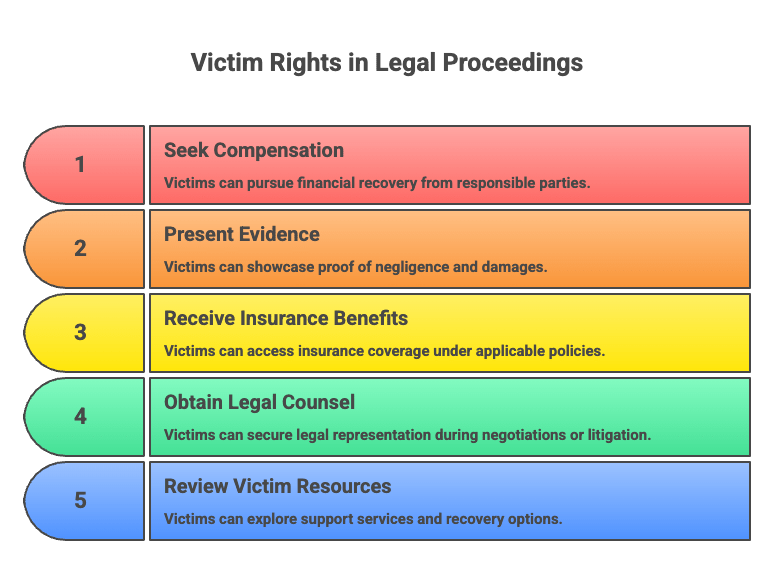
These protections help victims, families, and those who serve them evaluate fair outcomes with dignity and purpose. In many cases, legal rights extend beyond immediate expenses and include future treatment needs, diminished earning capacity, and other measurable losses recognized under Florida law.
Steps to Take After a Miami Failure To Obey Traffic Signal Accident Injury
After a Miami traffic signal accident injury, prompt medical attention is generally the first priority, as it protects wellbeing and creates an initial record of the harm suffered. The accident scene should also be documented carefully, including vehicle damage, traffic signals, road conditions, and any visible injuries, to help preserve important evidence. Once these immediate concerns are addressed, contacting a Miami lawyer can help protect legal interests and evaluate the next appropriate steps.
Seek Immediate Medical Care
In the moments following a Miami traffic signal accident caused by failure to obey, obtaining prompt medical attention should be a priority, even when injuries do not appear severe. An urgent evaluation can identify internal trauma, concussion symptoms, soft tissue damage, or shock before complications worsen. Early care also helps protect the well-being of passengers, pedestrians, and others whose recovery may depend on timely intervention.
Medical professionals can assess visible and hidden harm, recommend treatment, and establish a clear path for recovery. They may also advise follow-up monitoring to detect delayed symptoms that emerge hours or days later. By seeking care without delay, injured individuals put their health first, support those who may rely on them, and build a stronger foundation for responsible mending, informed decision-making, and long-term stability after a collision.
Document The Accident Scene
Once immediate medical needs are addressed, careful documentation of the accident scene can preserve facts that may quickly disappear. If conditions permit, helpful individuals should gather photographic evidence showing vehicle positions, traffic lights, skid marks, debris, roadway conditions, and visible injuries. Images taken from several angles can provide a clearer record of how the collision occurred and how the intersection functioned at that moment.
It is also beneficial to identify people who saw the crash and politely request witness statements, along with names and contact information. Notes regarding the time, weather, lane placement, and any comments made by the other driver may further support an accurate account. Thoughtful documentation serves everyone involved by protecting the integrity of the facts and reducing uncertainty during the claims process and any subsequent legal proceedings.
Contact A Miami Lawyer
Why is early legal guidance so important after a Miami failure to obey a traffic signal accident injury? Prompt contact with a Miami lawyer helps preserve evidence, protect statements, and clarify responsibilities before insurers shape the narrative. Early counsel also helps injured people make informed choices that support recovery, accountability, and service to affected family members.
A lawyer can review police reports, medical records, witness accounts, and roadway conditions to assess liability and damages. During a free consultation, the firm may explain available claims, likely timelines, and practical next steps. A clear discussion of the fee structure is equally important because it promotes trust and allows families to plan responsibly. By acting quickly, injured individuals place themselves in a stronger position to pursue fair compensation while remaining focused on recuperation and helping those who depend on them.
How a Miami Failure To Obey Traffic Signal Accident Injury Lawyer Can Help You
After a traffic signal accident in Miami, legal representation can provide structure and direction during a difficult claims process. A lawyer evaluates crash reports, witness statements, and driver behavior to identify liability and build a clear account of how the collision occurred. This support helps injured individuals pursue compensation while remaining focused on family, work, and service to others.
After a Miami traffic signal accident, legal guidance helps clarify liability and supports injured people through the claims process.
- Investigate the traffic signal sequence, video footage, and roadway conditions.
- Communicates with insurers and opposing parties in a careful, professional manner.
- Calculates medical expenses, lost income, and other documented accident-related losses.
- Preserves evidence and deadlines, reducing avoidable procedural mistakes.
- Prepares negotiations or litigation strategies designed to protect the client’s interests.
An attorney also explains each step in plain language, making obligations and options easier to understand. With organized advocacy, a claim can proceed more efficiently, and the injured person gains practical support while seeking accountability and fair financial recovery under Florida law.
Long-Term Effects of Miami Failure To Obey Traffic Signal Accident Injuries
Failure to obey a traffic signal in Miami can produce injuries with consequences that extend far beyond the initial recovery period. Many individuals experience chronic pain, emotional trauma, and lasting mobility limitations that affect daily functioning, employment, and overall quality of life. These long-term effects often require ongoing medical care and careful legal evaluation to gauge the full impact of the accident.
Chronic Pain Challenges
Persistence often defines the most difficult consequence of a Miami failure-to-obey-traffic-signal collision, as chronic pain can continue long after visible injuries have begun to mend. Such discomfort may affect the neck, back, joints, or nerves, limiting mobility and reducing a person’s ability to work, care for family, or participate in community responsibilities.
Ongoing symptoms frequently contribute to sleep disruption, fatigue, and reduced physical endurance, which can complicate recovery and daily service to others. Effective pain management often requires coordinated medical attention, including rehabilitation, medication review, and careful monitoring of function over time. Physicians may recommend conservative therapies before stronger prescriptions, especially when opioid risks must be weighed against short-term relief. When pain persists, thorough documentation can help demonstrate the injury’s ongoing burden and the need for continued support.
Emotional Trauma Effects
Lingering emotional trauma can become a significant long-term consequence of a Miami failure-to-obey-traffic-signal accident, even when physical injuries appear to improve. Survivors may experience anxiety, depression, irritability, and post-traumatic stress that affects daily functioning, relationships, and the ability to care for others responsibly.
These psychological effects often emerge gradually, making them difficult for families, employers, and caregivers to recognize. Persistent fear of intersections, intrusive memories, and sleep disruption can interfere with concentration, emotional stability, and overall well-being. In many cases, professional counseling, structured support, and compassionate medical attention are vital to promote recovery. Thorough legal documentation of emotional harm may also matter, because these invisible injuries can carry serious personal and financial consequences. Addressing emotional trauma early may help restore stability, dignity, and meaningful community engagement over time.
Lasting Mobility Limitations
Beyond the psychological impact of a Miami failure-to-obey-traffic-signal collision, many victims also face lasting mobility limitations that alter routine activities and long-term independence. Injuries to the spine, hips, knees, or shoulders may reduce strength, balance, and range of motion, making walking, climbing stairs, driving, and household responsibilities far more difficult. Some individuals require assistive devices, ongoing therapy, or home modifications to preserve safety and dignity.
Others need workplace accommodations to continue supporting their families and contributing to their communities. These physical restrictions often create added financial strain, especially when medical care continues for months or years. Careful legal evaluation can help document how reduced mobility affects employment, caregiving, and daily function, allowing injured people to pursue resources that support recovery, stability, and continued service to others.
Proving Liability in Miami Failure To Obey Traffic Signal Accident Injury Cases
Establishing liability in a Miami failure to obey a traffic signal accident injury case requires clear evidence that a driver violated a traffic control device and that the violation directly caused the collision and resulting injuries. Useful proof often includes police reports, traffic camera footage, vehicle damage patterns, skid marks, and electronic data showing speed or braking before impact.
Attorneys and investigators may also examine signal timing records to determine whether the light sequence functioned properly at the intersection. Witness statements can strengthen a claim, but eyewitness credibility must be assessed carefully by comparing each account with physical evidence and video. Medical records help connect the crash to the injuries suffered, while accident reconstruction may clarify how the event unfolded. In some cases, comparative fault issues arise, requiring a review of whether another motorist, pedestrian, or roadway condition contributed to the harm. A careful liability analysis supports accountability and helps injured people pursue justice with confidence and dignity.
Dealing With Insurance Companies After a Miami Failure To Obey Traffic Signal Accident Injury
After a Miami failure to obey a traffic signal accident injury, communications with insurance companies often shape the outcome of the claim as much as the underlying evidence. Adjusters may request recorded statements, broad medical authorizations, or quick settlements before the injured person understands the full extent of losses. Careful documentation, measured responses, and respectful persistence often protect both the claimant and the broader interests of family members who rely on fair compensation.
A disciplined approach helps reduce opportunities for Claim denial tactics, including attempts to minimize injuries, shift blame, or question necessary treatment. Consistent records of symptoms, expenses, repair estimates, and correspondence can strengthen credibility and support a balanced presentation of damages. When an insurer delays, misrepresents policy terms, or ignores reasonable evidence, those actions may raise concerns about Insurance bad faith. Early guidance from qualified counsel often helps injured individuals respond responsibly, preserve important rights, and pursue an outcome that reflects service, accountability, and community well-being.
What to Expect During a Miami Failure To Obey Traffic Signal Accident Injury Claim Process
A Miami failure-to-obey-traffic-signal accident-injury claim typically begins with an initial case evaluation, in which the facts, injuries, and potential legal issues are assessed. The process then turns to evidence and liability, including accident reports, witness statements, medical records, and other materials used to support the claim during insurance claim negotiations. Depending on the strength of the evidence and the insurer’s response, the matter may conclude through settlement or proceed into litigation.
Initial Case Evaluation
At the outset of a Miami failure-to-obey-traffic-signal accident-injury claim, the initial case evaluation typically focuses on whether the available facts support liability, causation, and compensable damages. During this stage, counsel generally listens carefully to the injured person’s account, reviews basic incident information, and identifies immediate legal and practical concerns.
The evaluation often includes a preliminary review of medical records to understand the nature of the injuries, treatment history, and projected needs. It may also address insurance coverage, missed work, and the claim’s potential effect on a family’s stability and ability to serve others. Questions are asked to clarify timelines, prior conditions, and communication with insurers. Client testimonials may help illustrate a firm’s approach to guidance, responsiveness, and compassionate service throughout this early assessment process.
Evidence And Liability
Once the initial evaluation outlines the basic facts and injuries, attention typically turns to the evidence that will determine liability in a Miami failure-to-obey-a-traffic-signal accident claim. Attorneys and investigators typically review police reports, photographs, video footage, vehicle damage, and medical records to compare each account with the physical facts.
They may also examine intersection design, maintenance history, and signal timing to determine whether a driver ignored a light or whether another contributing condition existed. Statements from drivers, passengers, and bystanders are assessed carefully because witness credibility can materially affect how fault is understood. When needed, accident reconstruction professionals may analyze speed, braking, and visibility. This evidence-based process helps clarify responsibility and supports efforts to protect injured people, promote accountability, and encourage safer conduct on Miami roads.
Insurance Claim Negotiations
With liability evidence taking clearer shape, insurance claim negotiations typically become the next significant phase in a Miami failure to obey traffic signal accident injury claim. During this stage, adjusters review medical records, repair estimates, witness accounts, and coverage limits to assess value. Claimants should expect careful scrutiny of statements and documentation, because insurers often apply policy tactics designed to reduce exposure and control costs.
A disciplined presentation of losses can help create a fairer discussion. Counsel may organize treatment updates, wage information, and out-of-pocket expenses to ensure the insurer receives a complete picture of the harm. Communication often occurs through letters, calls, and supplemental requests, and settlement timelines may vary depending on the severity of the injury, disputed damages, and the insurer’s responsiveness. Patience, accuracy, and consistent advocacy generally support stronger progress on claims.
Settlement Or Litigation
If negotiations do not produce an acceptable result, a Miami failure to obey a traffic signal accident injury claim may proceed toward settlement on revised terms or into formal litigation. Counsel typically evaluates liability, medical proof, witness accounts, and projected losses before advising the injured person on practical options that protect family stability and community well-being.
During this stage, settlement timelines can vary based on treatment progress, insurer cooperation, and the need for expert review. Effective negotiation strategies may include structured demands, documented damages, and careful responses to low offers. If litigation becomes necessary, the process may involve filing a complaint, discovery, depositions, motion practice, mediation, and possible trial. Throughout either path, consistent preparation and respectful advocacy often help injured individuals pursue fair compensation while preserving the ability to support others and recover responsibly.
Compensation for Miami Failure To Obey Traffic Signal Accident Injury Damages
When a driver fails to obey a traffic signal in Miami, the injured party may be entitled to recover compensation for a range of losses caused by the collision. In evaluating a claim, evidence may include witness statements, camera footage, vehicle damage, and roadway factors such as signal timing, visibility, and pedestrian risks at the intersection. Careful documentation helps clarify how the violation occurred and how the event disrupted the injured person’s life and ability to continue serving family, work, and community.
Compensation may be sought through an insurance claim or civil action, depending on the circumstances and the severity of the harm. A thorough case presentation often addresses emergency treatment, follow-up care, rehabilitation needs, property damage, lost income, and diminished earning capacity. It may also account for longer recovery periods, permanent impairment, and the need for assistance with daily activities. Prompt legal guidance can help preserve evidence, protect rights, and support a well-founded demand for fair recovery.
Economic vs Non-Economic Damages in Miami Failure To Obey Traffic Signal Accident Cases
In Miami, failure to obey traffic signals in accident cases results in damages that are generally divided into economic and non-economic categories, each serving a distinct purpose in measuring loss. Economic damages address tangible financial harm such as medical expenses, lost income, and other documented costs, while non-economic losses account for pain, suffering, and diminished quality of life. Establishing the value of either category often requires medical records, employment evidence, expert analysis, and other supporting proof that connects the collision to the claimed harm.
Economic Damages Explained
A clear understanding of economic damages is vital in Miami failure-to-obey-traffic-signal accident cases because these losses represent the measurable financial harm caused by the collision. These damages are documented through records, invoices, and employment information, allowing families and advocates to identify concrete needs after a crash.
Economic damages commonly include medical bills, rehabilitation costs, property damage, lost wages, and other out-of-pocket expenses tied directly to treatment or recovery. In serious cases, compensation may also address future earning losses when injuries reduce a person’s ability to work consistently or return to the same occupation. Careful calculation of these amounts helps ensure responsible support for injured individuals, protects household stability, and promotes accountability for the financial consequences resulting from a driver’s failure to obey a traffic signal.
Non-Economic Losses
Justice in a Miami failure-to-obey-traffic-signal accident case is not measured solely by bills, invoices, or wage records, because serious collisions often produce losses that do not appear on a financial statement.
Non-economic losses address the human consequences of injury, including physical pain, emotional distress, mental anguish, inconvenience, disfigurement, and loss of enjoyment of daily life. These harms can affect a person’s ability to care for family, participate in community service, or maintain meaningful relationships. In this setting, pain valuation and loss quantification refer to recognizing the real impact of suffering, even when no receipt exists. A careful legal approach treats these damages with dignity and seriousness, acknowledging that service-minded individuals often feel the deepest burden when injuries limit their capacity to help others and remain present for those who depend on them.
Proving Damage Value
Clarity is essential when proving damage value in a Miami failure to obey traffic signal accident case, because compensation depends on evidence that shows both the financial cost of the collision and the personal harm that followed. Economic damages are commonly established through medical bills, wage records, repair invoices, and future care estimates, each supporting a careful damage appraisal. Non-economic damages require persuasive proof of pain, emotional distress, reduced mobility, and diminished quality of life.
A thorough settlement valuation often draws on treatment notes, expert opinions, photographs, employment documentation, and testimony from relatives or caregivers who observed daily limitations. When these materials are organized clearly, they help insurers, courts, and advocates understand the full extent of loss. This disciplined approach supports fair recovery and helps injured people rebuild stability and continue serving their families and communities.
When a Miami Failure To Obey Traffic Signal Accident Injury Case Goes to Trial vs Settlement
In many Miami failure-to-obey-traffic-signal accident injury cases, the path toward settlement or trial depends on the strength of the evidence, the severity of the injuries, and the willingness of the parties to dispute fault or damages. Settlement is often favored when liability is clear, medical records are consistent, and insurers recognize substantial exposure. It may reduce delay, limit stress, and provide injured people with timely resources for recovery and family support.
A case is more likely to proceed to a jury trial when witnesses conflict, surveillance footage is disputed, or the insurer contests causation and future losses. Although plea bargaining is a criminal law concept, some people mistakenly use the term to describe civil negotiations. In personal injury litigation, the proper focus is on settlement discussions, mediation, and trial preparation. Each route requires careful evaluation, because the chosen strategy should protect the injured person’s interests while promoting accountability, fair compensation, and service to those affected.
The Statute of Limitations for Miami Failure To Obey Traffic Signal Accident Injury Cases
Whether a Miami failure-to-obey-traffic-signal accident-injury case resolves through settlement or proceeds to trial, the time allowed to file suit remains a controlling legal issue. Florida law sets strict filing deadlines for personal injury actions, and missing them can bar recovery regardless of the harm suffered or the strength of the evidence.
In service to injured people and their families, it is important to understand that the nuances of the statute may affect how the limitation period is calculated. Certain facts, including the date of injury, the identity of responsible parties, or whether a government entity is involved, can alter required procedures and shorten practical timelines. Evidence also becomes harder to preserve over time, which can weaken a claim even before the legal deadline arrives. Careful attention to records, notice requirements, and court rules helps protect the ability to pursue accountability. Respecting these time limits supports orderly resolution and helps preserve fair access to justice for all.
When to Contact a Miami Failure To Obey Traffic Signal Accident Injury Lawyer
Seek legal guidance as soon as possible after a Miami failure to obey a traffic signal accident causes injury, significant property damage, or uncertainty about fault. Early contact helps preserve records, identify witnesses, and protect the ability to respond appropriately during the post-accident period. Prompt action also supports clear communication with insurers, medical providers, and others affected by the crash.
A lawyer should be contacted when injuries require treatment, when statements from involved parties conflict, or when an insurer questions responsibility or losses. Consultation is also prudent if a government vehicle is involved, if a pedestrian or cyclist was harmed, or if a loved one is assisting an injured person who cannot act independently. Because legal timelines can affect notice requirements, evidence collection, and filing obligations, delay may create unnecessary obstacles. Timely guidance helps families and community-minded individuals make informed decisions, organize documents, and address practical concerns while focusing attention on recovery, stability, and responsible next steps.
Why You Need an Experienced Miami Failure To Obey Traffic Signal Accident Injury Lawyer
Prompt consultation often leads to a second question: why does experience matter in a Miami failure-to-obey-traffic-signal accident case? An experienced lawyer recognizes how quickly evidence can fade, how witness accounts can shift, and how insurers may minimize harm. That background helps protect injured people while advancing accountability for safer roads.
Seasoned counsel also understands the broader context surrounding a Traffic signal collision. Liability may involve driver negligence, roadway visibility, timing patterns, technology upgrades, or maintenance failures. In some matters, Urban planning decisions and intersection redesign can influence how faults are examined and how future dangers are addressed. Experienced representation helps organize records, secure expert review, calculate losses, and present a coherent claim that supports recovery and public safety. For families and community-minded individuals, this kind of guidance serves more than a legal objective. It helps restore stability, encourages responsible conduct, and reinforces standards that protect everyone using Miami streets each day.
How to Choose the Right Miami Failure To Obey Traffic Signal Accident Injury Lawyer for Your Case
In evaluating legal representation after a Miami traffic signal accident, the focus should remain on counsel with relevant litigation experience, a clear record of handling intersection collision claims, and a practical understanding of how local courts and insurers approach these cases.
A careful selection process should include Client interviews that reveal responsiveness, preparation, and an ability to explain legal options plainly. Reviews, case results, and professional standing may help confirm whether the lawyer pursues fair outcomes with diligence and respect. Fee structures should also be reviewed closely, including contingency terms, litigation costs, and communication about billing practices. Families seeking justice after a preventable crash often benefit from counsel who values service, listens carefully, and remains attentive throughout treatment and recovery. It is also wise to ask how evidence will be preserved, how liability disputes will be addressed, and whether the attorney is prepared to negotiate firmly or to proceed to trial when necessary to ensure full accountability.
About The Law Offices of Anidjar & Levine
At The Law Offices of Anidjar & Levine, representation in Miami traffic signal accident cases is grounded in a client-centered approach and a sustained focus on personal injury litigation. The firm emphasizes responsive communication, practical guidance, and steady advocacy for injured people and their families throughout each stage of a claim.
Its service model reflects values that resonate with those committed to helping others. Through careful case preparation, attention to client needs, and respect for the burdens caused by serious collisions, the office works to pursue accountability and meaningful financial recovery. Anidjar History reflects years of work in injury law, while the Firm Culture supports accessibility, compassion, and diligence.
Attorneys and staff aim to reduce uncertainty by answering questions, explaining options, and managing legal demands with professionalism. In traffic signal accident matters, that combination of experience and service helps clients move forward with greater confidence, stability, and the support they need in difficult circumstances.
Frequently Asked Questions
Can Out-Of-State Drivers File a Miami Traffic Signal Accident Injury Claim?
Yes, out-of-state drivers can file a Miami traffic signal accident injury claim if the crash occurred in Florida and liability can be established. They may face jurisdiction challenges, especially when witnesses, insurers, or defendants are located elsewhere. Prompt medical documentation and insurance cooperation often strengthen the claim. A careful review of Florida filing deadlines, comparative fault rules, and available coverage helps injured visitors pursue compensation while protecting their ability to serve affected family members.
Are Rideshare Accidents Involving Red Lights Handled Differently in Miami?
Yes, rideshare accidents involving red lights may be handled differently in Miami because rideshare liability depends on the driver’s app status, passenger involvement, and multiple insurance nuances. An injured person may face layered coverage questions involving the rideshare company, the driver’s personal insurer, and other motorists. Careful investigation helps identify responsible parties, preserve evidence, and support fair recovery, which serves both injured individuals and the broader goal of community accountability.
Can Dashcam Footage Help Prove a Traffic Signal Violation?
Yes, dashcam footage can help prove a traffic signal violation by showing vehicle position, signal changes, speed, and driver conduct at the moment of impact. Its value often depends on dashcam admissibility, authenticity, and whether the recording clearly captures the intersection. Prompt footage preservation is also crucial because overwritten or altered files may weaken its usefulness. When properly secured and presented, such evidence can materially support a fair determination of fault.
What if a Defective Traffic Light Contributed to the Crash?
If a defective traffic light contributed to the crash, liability may extend beyond the drivers. An investigation may examine defective maintenance by a public agency or contractor, and manufacturer liability if a design or production flaw caused the signal to malfunction. Evidence such as repair logs, inspection records, timing data, and witness accounts can help identify responsible parties. A careful review supports accountability and helps injured people pursue appropriate recovery.
Can Pedestrians Injured by Signal Violations Pursue Compensation Too?
Yes, pedestrians injured by signal violations may pursue compensation when evidence shows a driver, municipality, or other party caused the harm. Such pedestrian claims often rely on proof of negligence, injury severity, and documented losses. Crosswalk rights can strengthen a case when the pedestrian lawfully entered the roadway. Compensation may include medical expenses, lost income, pain and suffering, and other damages tied directly to the incident and recovery.
—————————
A Miami traffic signal accident caused by a failure to obey can leave victims facing medical expenses, lost income, and legal uncertainty. With informed guidance from a Miami Car Accident Lawyer, injured individuals can better protect their rights, preserve vital evidence, and pursue appropriate compensation.
The Law Offices of Anidjar and Levine provides focused representation for those harmed by another driver’s negligence. A qualified attorney can assess the claim, explain available options, and help victims move forward with greater confidence and legal protection.