Law Offices of Anidjar and Levine evaluates a failure to obey traffic signal crash, identifies liable parties, preserves video and witness evidence, and manages insurer contact to protect the claim.
Counsel documents medical care, lost income, and other damages, then builds a clear demand or prepares for litigation if needed.
Prompt guidance from a Fort Myers Car Accident Lawyer can help prevent harmful statements, missed deadlines, and lost evidence.
The sections below explain how these cases are effectively investigated, valued, and pursued.
Main Takeaways
- A Fort Myers traffic signal accident lawyer investigates crash reports, video, witnesses, and signal timing to prove fault and causation.
- Early legal help preserves camera footage, vehicle data, and witness statements before critical evidence disappears.
- An attorney handles insurer communications, requests for recorded statements, and settlement offers that may undervalue future losses.
- Lawyers calculate damages using medical records, lost wages, and other documented losses to support a strong compensation demand.
- If negotiations fail, counsel prepares the case for litigation, meets deadlines, and advocates for recovery in court.


How We Can Help With Your Fort Myers Failure To Obey Traffic Signal Accident Injury Claim
After a failure-to-obey-traffic-signal crash in Fort Myers, legal counsel can provide essential support by evaluating the facts of the collision, identifying liable parties, and developing a claim supported by evidence. Through careful client intake, counsel gathers records, witness details, photographs, and official reports, then organizes the material to present a clear account of what occurred and why compensation should be pursued.
Legal representation also serves injured people and their families by managing communication with insurers, preserving important deadlines, and preventing avoidable mistakes that could weaken a claim. Counsel may coordinate document collection, review coverage issues, and guide insurance mediation when settlement discussions become necessary.
Throughout the process, the focus remains on respectful service, dependable advocacy, and practical assistance that eases burdens during a difficult period. This structured approach allows clients to focus on recovery, caregiving, and community responsibilities while their claims are handled with diligence and integrity.
OUR CONSULTATIONSARE FREE
START YOUR FREE CASE REVIEW

Understanding Fort Myers Failure To Obey Traffic Signal Accident Injury Cases
Recognizing how failure-to-obey-traffic-signal accident cases arise in Fort Myers is essential to understanding how injury claims are evaluated under Florida law. These matters often center on whether a driver disregarded a red light, entered unlawfully, or failed to yield while a traffic control device was in effect at the intersection.
In reviewing such claims, investigators and legal professionals examine crash reports, witness statements, roadway markings, and available video evidence. They also assess intersection design and signal timing to determine how the traffic system functioned at the time of impact. Medical records, photographs, and vehicle damage patterns may help connect the collision to the injured person’s losses.
Because many harmed individuals seek accountability not only for themselves but also to protect others in the community, these cases carry broader public importance. A careful legal evaluation can clarify liability, measure damages, and support recovery for medical costs, lost income, pain, and future care needs.
Common Causes of Fort Myers Failure To Obey Traffic Signal Accident
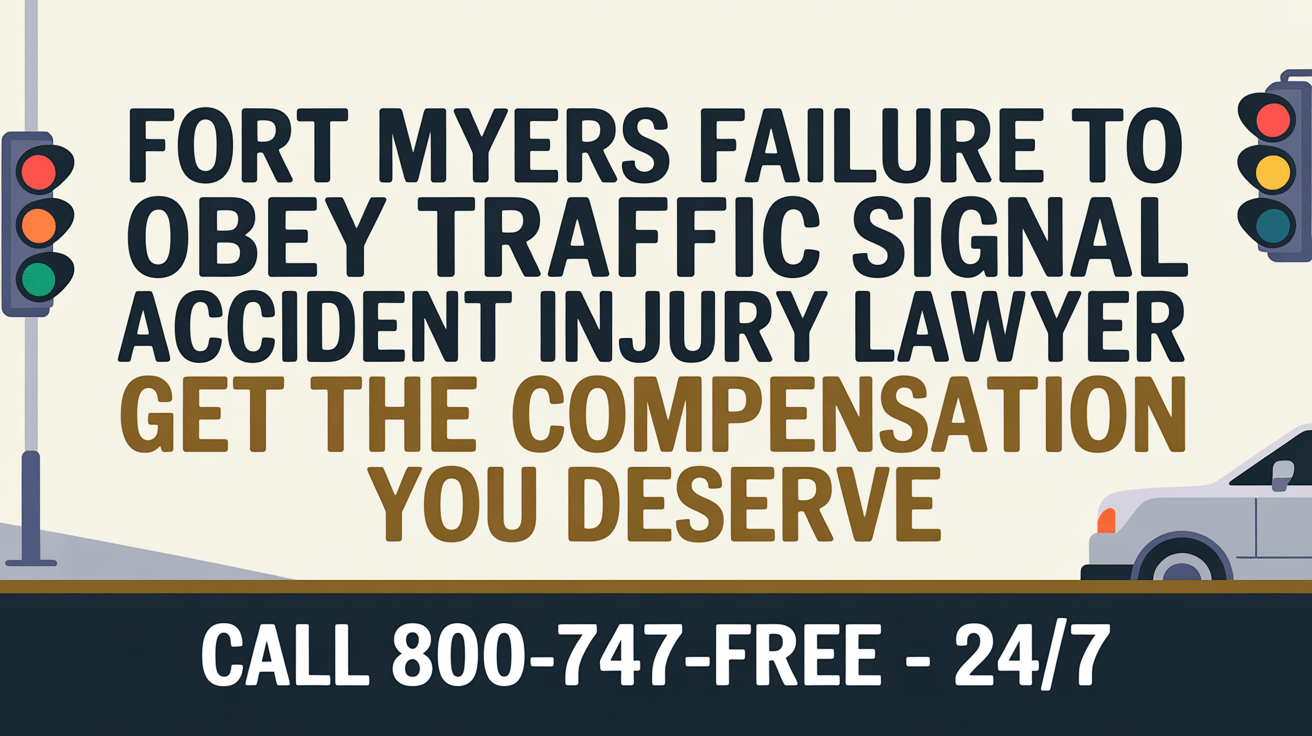
Several factors commonly contribute to Fort Myers’ failure to obey traffic signals, often creating preventable risks at busy intersections. Frequent causes include distracted driving behaviors, speeding through intersections, impaired driver decisions, and poor visibility conditions that limit a motorist’s ability to respond safely. Identifying these causes helps clarify how signal violations occur and why liability may arise after a serious crash.
Distracted Driving Behaviors
Diverting attention from the roadway is one of the most common reasons drivers fail to obey traffic signals in Fort Myers. Even brief lapses can prevent a motorist from seeing a red light, a turning vehicle, or pedestrians entering a crosswalk. Phone use remains a frequent source of inattention, whether a driver is texting, reading notifications, or attempting to answer a call.
Other forms of distraction also contribute to signal violations. Navigation distraction may occur when a driver studies directions instead of monitoring traffic control devices and surrounding conditions. Eating, adjusting vehicle settings, speaking with passengers, or reaching for objects can similarly reduce awareness at pivotal moments.
Recognizing these behaviors helps families, advocates, and community members encourage safer habits that protect others and support a stronger culture of roadway responsibility for everyone.
Speeding Through Intersections
Why do so many traffic signal collisions occur at intersections where the light change should be obvious? Speeding through intersections reduces the time available to perceive signals, judge stopping distance, and respond safely. Drivers who accelerate on yellow often misread intersection timing, entering the crossing just as opposing traffic begins to move. This pattern, sometimes called red light racing, places nearby families, pedestrians, and other motorists in immediate danger.
From a community safety perspective, excessive speed magnifies both the likelihood of crashes and the severity of injuries. A vehicle moving too fast cannot stop smoothly when conditions shift, and it may strike others who lawfully proceed on green. Careful adherence to posted limits and signal phases protects vulnerable road users and supports the shared duty to prevent avoidable harm at busy Fort Myers intersections daily.
Impaired Driver Decisions
Impaired drivers undermine the predictability that traffic signals are designed to create, often making delayed, reckless, or confused decisions as they approach an intersection. In Fort Myers, these lapses often lead motorists to ignore red lights, misjudge timing, or proceed without yielding to others who lawfully entered the crossing.
Alcohol impairment can reduce reaction time, weaken judgment, and diminish the ability to process changing traffic cues. Prescription misuse may produce similar consequences, including slowed responses, disorientation, or overconfidence behind the wheel. When a driver fails to obey a signal because of impairment, the resulting collision can seriously harm families, pedestrians, and fellow motorists.
Careful investigation often considers whether substance-related impairment contributed to the violation, helping affected individuals pursue accountability and protect the broader community from preventable intersection crashes and injuries.
Poor Visibility Conditions
Under poor visibility conditions, traffic signals can become more difficult for drivers to detect, interpret, and respond to in time to avoid a dangerous intersection conflict. Reduced visibility may result from heavy rain, smoke, sun angle, or obstructed sightlines, all of which can delay recognition of a red light. Glare issues, including nighttime glare from headlights or wet pavement reflections, may further impair judgment and reaction time at crucial moments.
Fog hazards are especially serious in Fort Myers, where sudden weather changes can limit distance perception and hide lane markings, signal heads, or nearby vehicles. When drivers misread signal indications because of these conditions, intersection crashes may follow. Careful driving, proper lighting, and increased following distance can help protect others and support safer travel through signalized roadways for everyone.


Legal Rights of Fort Myers Failure To Obey Traffic Signal Accident Injury Victims
In the aftermath of a crash caused by a driver’s failure to obey a traffic signal, injured victims in Fort Myers generally have the legal right to pursue compensation for the losses that follow.
Florida law may allow recovery of medical expenses, lost income, pain and suffering, and other damages when negligence is clearly established and documented.
- Victims may assert claims against careless drivers whose conduct violated traffic laws and endangered others, including cases involving Pedestrian rights.
- Liability may also involve outside parties when roadway design, visibility concerns, or Traffic signal maintenance failures contributed to the collision.
- Families and advocates often view these rights as tools for accountability, public safety, and the protection of vulnerable community members.
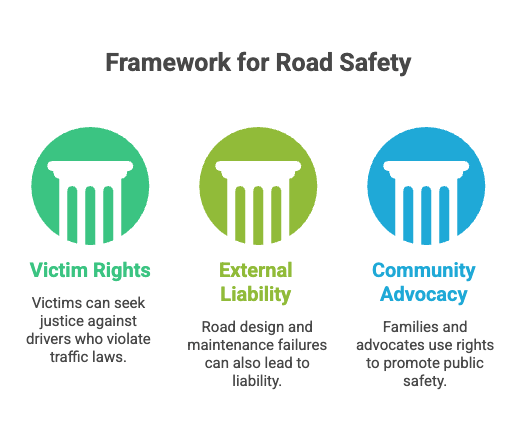
These legal protections exist not only to address personal harm, but also to encourage safer conduct throughout Fort Myers. By recognizing these rights, injured people may better understand how civil law can support recovery, responsibility, and service to others.
Steps to Take After a Fort Myers Failure To Obey Traffic Signal Accident Injury
After a Fort Myers accident injury caused by a failure to obey a traffic signal, several immediate steps can protect both health and potential legal claims. Prompt medical care is vital, while careful documentation of the crash scene may help preserve important evidence regarding fault and damages. Early contact with an injury lawyer can also provide guidance on legal options, communications with insurers, and the preservation of crucial records.
Seek Immediate Medical Care
Because injuries from a failure-to-obey-traffic-signal collision may not be immediately apparent, prompt medical evaluation is vital even when symptoms seem minor. An urgent assessment can identify concussions, internal injuries, soft tissue damage, or delayed pain responses before conditions worsen. Early care also supports a safer recovery plan for the injured person and those who depend on that person’s well-being.
Medical providers may recommend imaging, medication, specialist referrals, or activity restrictions based on observed symptoms and examination findings. Careful adherence to treatment instructions and follow-up appointments helps protect health, promotes accountability, and demonstrates a responsible commitment to recovery.
When individuals seek timely care, they not only address their own needs, but also preserve their ability to continue serving family, coworkers, and the broader Fort Myers community with stability and strength.
Document The Crash Scene
Prompt medical attention should be followed by careful documentation of the crash scene, particularly in a Fort Myers failure-to-obey-traffic-signal collision, where physical evidence can quickly change or disappear. If it is safe to do so, those present should photograph evidence from multiple angles, including vehicle damage, skid marks, debris, traffic lights, lane markings, and visible injuries. Time, weather, and road conditions should also be noted with precision.
It is equally important to secure witnesses by obtaining names, contact information, and brief statements while memories remain fresh. A respectful, service-minded approach helps preserve accurate accounts and supports everyone involved. Drivers should exchange insurance and vehicle information without discussing fault. When officers arrive, individuals should request the report number and identify the responding agency. Careful documentation can protect the integrity of a future claim.
Contact An Injury Lawyer
In the days following a Fort Myers failure-to-obey-traffic-signal collision, contacting an injury lawyer can be a prudent step toward protecting legal rights and preserving vital evidence. Counsel can evaluate liability, explain deadlines, and help secure records, witness statements, and available video before they disappear.
An attorney may also manage insurer communications, reducing the risk of damaging statements or premature settlements. During a free consultation, the injured person can ask whether the claim appears viable, what compensation may be available, and how the fee structure operates. This guidance allows families to make informed decisions while focusing on recovery and service to loved ones.
Early legal support often improves organization, strengthens documentation, and promotes fair treatment throughout the claims process. Timely action can preserve options and support accountability for negligent conduct.
How a Fort Myers Failure To Obey Traffic Signal Accident Injury Lawyer Can Help You
Direct the aftermath of a traffic signal accident with counsel that can evaluate liability, preserve critical evidence, and manage communications with insurers from the outset. A Fort Myers lawyer offers legal strategy grounded in facts, applicable traffic laws, and careful case preparation. Through consistent client communication, counsel helps injured people make informed choices while protecting their ability to seek fair compensation and continue caring for their families and communities.
A Fort Myers lawyer guides traffic signal accident claims with evidence-focused strategy, clear communication, and protection of the right to fair compensation.
- An attorney investigates police reports, witness statements, camera footage, and roadway conditions to identify fault and challenge incomplete insurer narratives.
- Counsel calculates damages, organizes medical records and wage documentation, and presents a clear demand that reflects the collision’s immediate financial impact.
- If negotiations stall, the lawyer prepares litigation, meets deadlines, and advocates in court with disciplined attention to procedure and evidence.
This support allows affected individuals to focus on recovery, responsibilities, and service to others, rather than procedural burdens alone.
Long-Term Effects of Fort Myers Failure To Obey Traffic Signal Accident Injuries
Failure to obey a traffic signal in Fort Myers can lead to injuries that extend well beyond the initial recovery period. Many individuals face chronic pain challenges, persistent emotional trauma, and a reduced capacity to perform the physical or mental demands of their work. These long-term effects often disrupt daily functioning, financial stability, and overall quality of life.
Chronic Pain Challenges
Many individuals injured in Fort Myers traffic signal collisions face chronic pain that continues long after fractures have mended and visible wounds have faded. Persistent back pain, nerve damage, joint stiffness, and headaches may limit movement, interrupt sleep, and reduce a person’s ability to work, drive, or care for family members. In many cases, chronic fatigue develops as the body expends energy coping with ongoing discomfort and reduced physical capacity. Effective pain management often requires coordinated medical care, including rehabilitation, medication oversight, and activity modification.
Providers and advocates serving these individuals often recognize that chronic pain can alter daily routines, strain finances, and delay independence. Careful documentation of symptoms, treatment needs, and functional limitations helps guarantee that long-term consequences are properly understood when legal and recovery decisions must be made thereafter.
Emotional Trauma Effects
Emotional trauma often persists long after the physical injuries from a Fort Myers traffic signal collision begin to recover. Survivors may experience fear, irritability, sadness, and post-traumatic stress that affects daily relationships, confidence, and participation in community life. These psychological injuries can alter a person’s sense of safety and make ordinary travel feel threatening.
Family members, caregivers, and service-minded advocates often observe sleep disturbances, withdrawal, and heightened anxiety in those harmed by a signal violation crash. Concentration may decline, memories of the impact may return unexpectedly, and emotional resilience may weaken over time.
Professional counseling, trauma-informed medical care, and compassionate support can help restore stability. Careful documentation of these effects is also important, because emotional harm merits recognition alongside visible injuries after a serious Fort Myers accident.
Reduced Work Capacity
Over time, injuries sustained in a Fort Myers traffic signal collision may substantially reduce an individual’s ability to perform job duties at the same pace, level, or consistency as before the crash. Chronic pain, limited mobility, neurological impairment, and fatigue can interfere with concentration, attendance, lifting, driving, or other vital tasks. In service-oriented professions, these limitations may hinder the ability to meet others’ needs safely, efficiently, and reliably. As a result, workers may require reduced hours, lighter assignments, retraining, or extended medical leave.
Such changes often lead to reduced productivity and may restrict opportunities for advancement or continued employment. When a person can no longer return to the same occupation, the long-term financial consequences may include diminished earnings, lost benefits, and a lasting effect on household stability and future vocational independence.
Proving Liability in Fort Myers Failure To Obey Traffic Signal Accident Injury Cases
Establishing liability in a Fort Myers failure to obey traffic signal accident case requires clear evidence that a driver violated a traffic control device and that the violation directly caused the collision and resulting injuries. Attorneys often rely on police reports, crash scene photographs, traffic camera footage, and vehicle data to show how the event unfolded. Careful review of signal timing may help determine whether a driver entered on red, ignored a protected turn, or proceeded after a stale yellow.
Liability analysis also depends on credible testimony and reliable reconstruction. Courts and juries may assess witness credibility by comparing statements with physical evidence, such as skid marks, impact points, and road design. Medical records can connect the crash forces to documented harm, while expert opinions may explain speed, visibility, and reaction time.
When these elements align, an injured person is better positioned to demonstrate fault and pursue accountability in ways that support recovery, public safety, and responsible conduct within the Fort Myers community.
Dealing With Insurance Companies After a Fort Myers Failure To Obey Traffic Signal Accident Injury
In the aftermath of a Fort Myers failure to obey traffic signal accident, communications with insurance companies can substantially affect the value and direction of an injury claim. Insurers often request recorded statements, medical authorizations, and early documentation, yet each response should be handled with care and accuracy. Individuals focused on protecting others in their households and communities benefit from organized records, consistent treatment updates, and measured communication.
Insurance adjusters may appear cooperative while still relying on settlement tactics designed to limit payouts. Quick offers can overlook future medical needs, lost income, and the broader impact on daily service, family responsibilities, and community involvement. Careful attention to claim timelines is also crucial, because missed deadlines or incomplete submissions can weaken a legitimate demand.
A disciplined approach includes preserving correspondence, verifying policy information, and avoiding speculation about fault or injuries. Thoughtful preparation helps maintain credibility and supports fair evaluation by insurers following a serious Fort Myers signal-violation collision.
What to Expect During a Fort Myers Failure To Obey Traffic Signal Accident Injury Claim Process
A Fort Myers failure to obey traffic signal accident injury claim typically begins with an initial evaluation of the facts, injuries, and available insurance coverage. From there, the process generally focuses on gathering evidence, evaluating liability, and presenting a documented demand during the insurance negotiation stage. Depending on the strength of the claim and the insurer’s response, the matter may conclude through settlement or proceed to litigation.
Initial Claim Evaluation
During the initial claim evaluation, counsel typically reviews the facts of the collision, available evidence, and the nature of the injuries to determine whether a failure to obey a traffic signal caused or contributed to the crash. This initial assessment helps identify urgent concerns, outline realistic expectations, and clarify whether the matter appears suitable for pursuit under Florida law.
Counsel also considers medical treatment history, insurance information, reported losses, and the client’s immediate needs following the accident. A careful claim strategy may then be developed to support informed decision-making and responsible next steps. In service-oriented representation, the evaluation often emphasizes clear communication, respectful guidance, and practical support for the injured person and family. This stage is intended to provide direction, preserve important deadlines, and promote a steady, organized approach to the claim process.
Evidence And Liability
With liability often turning on precise facts, this stage of a Fort Myers failure-to-obey-traffic-signal accident injury claim typically centers on gathering and analyzing evidence showing how the collision occurred and which party breached a duty of care. Attorneys may review crash reports, photographs, video footage, vehicle damage, roadway markings, and electronic data. In more intricate matters, traffic reconstruction can clarify signal timing, speed, braking, and impact angles.
Careful attention is also given to witness credibility, since accounts may differ or change over time. Medical records may help connect the event to reported injuries, while phone records or toxicology findings may reveal distraction or impairment. By organizing reliable proof and identifying inconsistencies, counsel can better determine fault and support a claim that promotes accountability, safety, and fair relief for affected individuals.
Insurance Negotiation Process
In the insurance negotiation phase, claimants in Fort Myers failure-to-obey-traffic-signal accident cases can generally expect close scrutiny of liability, injuries, and documented losses. Adjusters typically review crash reports, medical records, repair estimates, wage information, and witness statements to measure exposure and verify damages.
Claim timing often matters, because delays in treatment, reporting, or document submission may invite added questions about causation and severity. Insurers also evaluate policy limits, available coverage, and any comparative fault arguments that may affect valuation. Clear communication, organized records, and consistent medical follow-up usually strengthen a claimant’s position.
Representatives serving injured people often present supporting evidence in a structured manner, respond to requests promptly, and correct misunderstandings before they undermine the claim. This process commonly requires patience, diligence, accuracy, and a sustained commitment to fair evaluation.
Settlement Or Litigation
At the next stage, a Fort Myers failure-to-obey-traffic-signal accident claim may be resolved through settlement negotiations or proceed to litigation if the parties cannot reach fair terms. Counsel typically evaluates Settlement vs. litigation by weighing liability evidence, injury severity, insurance limits, and the client’s long-term needs. A fair settlement can provide timely compensation, reduce stress, and preserve resources that may be better directed toward recovery and family responsibilities.
If insurers deny responsibility or undervalue losses, litigation may become necessary to secure accountability and protect the injured person’s interests. During the suit, both sides exchange evidence, take depositions, and present legal arguments under the court’s supervision. Trial costs, scheduling demands, and uncertainty often influence strategy, yet a prepared case can strengthen negotiating leverage and support a just outcome for all involved.
Compensation for Fort Myers Failure To Obey Traffic Signal Accident Injury Damages
Accountability often begins with a clear understanding of the damages a victim may recover after a Fort Myers failure-to-obey-traffic-signal accident. Compensation may address the full impact of the incident, allowing injured individuals and their families to obtain support, stability, and a path toward recovery with dignity.
A careful claim commonly evaluates medical treatment, future care needs, lost earnings, diminished earning ability, property damage, and other accident-related losses. Legal counsel may also review mitigation strategies, since injured parties are generally expected to take reasonable steps to limit further harm. In cases involving especially reckless conduct, punitive considerations may arise, although such claims require strong supporting facts.
Documentation often plays a central role, including treatment records, employment information, repair estimates, and testimony regarding the collision’s effects. By building a thorough presentation of harm, an attorney helps pursue compensation that reflects the seriousness of the violation and promotes responsible conduct within the Fort Myers community.
Economic vs Non-Economic Damages in Fort Myers Failure To Obey Traffic Signal Accident Cases
In Fort Myers failure-to-obey-traffic-signal accident cases, damages are generally divided into economic and non-economic categories, each addressing a different type of loss. Economic damages often include medical expenses, lost income, and other measurable financial costs, while non-economic damages may cover pain and suffering, emotional distress, and diminished quality of life. Establishing the value of either category typically requires clear documentation, credible testimony, and evidence that connects the accident to the claimed harm.
Economic Damage Categories
After a traffic signal collision in Fort Myers, economic damages are the measurable financial losses directly tied to the incident, while non-economic damages address the human impact that cannot be calculated with bills or receipts alone. These losses commonly include medical expenses, such as emergency care, hospitalization, surgery, rehabilitation, medication, and projected future treatment needs.
Economic damages may also include lost earnings when injuries prevent a person from working during recovery or reduce future earning capacity. In service-minded communities, documenting these losses helps protect household stability and preserves the ability to care for others. Additional categories can include property damage, transportation to medical appointments, household service replacement, and other out-of-pocket costs supported by records. Clear evidence, careful calculation, and timely documentation are crucial when presenting a complete claim for financial recovery.
Non-Economic Losses
By contrast, non-economic losses address the intangible harm caused by a traffic signal collision in Fort Myers, including pain and suffering, emotional distress, mental anguish, loss of enjoyment of life, and the disruption of normal daily activities. These damages recognize that an injured person may endure profound hardship even when financial records cannot fully reflect the injury’s human impact.
In service-oriented legal advocacy, careful attention to life quality remains vital because trauma may alter relationships, independence, sleep, and the ability to participate in family or community responsibilities. Non-economic losses thus acknowledge the personal consequences of physical injury, scarring, disability, anxiety, and persistent discomfort. Although pain valuation is not tied to invoices or receipts, it remains a meaningful part of a claim because justice should account for the full scope of harm suffered.
Proving Damage Value
Accuracy becomes central when establishing the damage value in a Fort Myers failure-to-obey-traffic-signal accident case, because compensation must reflect both measurable financial loss and the less visible personal effects of injury. Effective damage valuation often begins with medical bills, wage records, repair estimates, and documentation showing how injuries disrupt daily responsibilities and community service. It also considers non-economic harm, including pain, emotional strain, and diminished quality of life, which require careful explanation rather than guesswork.
In many cases, expert testimony helps connect present evidence to future losses, such as ongoing treatment, reduced earning capacity, and long-term care needs. Property claims may also account for depreciation factors when evaluating vehicle value. A disciplined presentation of proof supports fair recovery and helps injured people regain stability, dignity, and the capacity to continue serving others.
When a Fort Myers Failure To Obey Traffic Signal Accident Injury Case Goes to Trial vs Settlement
A Fort Myers failure to obey traffic signal accident injury case may resolve through settlement or proceed to trial, depending on the strength of the evidence, the severity of the injuries, and the parties’ willingness to agree on liability and damages. In many matters, settlement timing turns on medical clarity, witness credibility, insurance evaluations, and the reasonableness of any fault dispute.
Trial becomes more likely when insurers minimize harm, deny responsibility, or refuse fair compensation for long-term losses. Settlement often serves all involved by reducing expense, delay, and uncertainty, while allowing injured individuals to focus on recovery and family needs. Even so, careful trial preparation remains crucial because credible exhibits, expert testimony, and consistent records can improve negotiation outcomes.
If a case reaches court, jury dynamics may influence how traffic signal violations, comparative fault, and damage claims are viewed. A structured legal strategy helps decision-makers assess risks, protect community safety, and pursue an outcome that reflects accountability, service, and measurable loss.
The Statute of Limitations for Fort Myers Failure To Obey Traffic Signal Accident Injury Cases
Timing also shapes the value of a Fort Myers failure-to-obey-traffic-signal accident-injury case, because Florida law limits how long an injured person has to file suit after a red-light or related traffic-signal collision. These statute-of-limitations matters because waiting too long can bar recovery entirely, even when liability appears clear and injuries are significant.
In service-oriented communities, prompt action helps preserve evidence, protect witnesses, and support fair accountability. Florida filing deadlines for negligence claims are strict, and related claims may involve different timelines depending on the facts, the parties involved, and whether a wrongful death occurred. Insurance negotiations do not necessarily pause the clock, and delays can weaken both legal rights and practical proof.
Carefully reviewing crash reports, medical records, and damage documentation often becomes more difficult as time passes. For that reason, understanding the applicable statute limits and filing deadlines is crucial to protecting the injured person’s ability to seek lawful compensation.
When to Contact a Fort Myers Failure To Obey Traffic Signal Accident Injury Lawyer
Seek legal guidance as soon as practical after a Fort Myers traffic signal accident involving a driver who failed to obey a red light, yellow light, or other traffic control device. Early contact helps preserve photographs, witness accounts, vehicle data, and medical records before details are lost. Prompt attention also supports orderly communication with insurers and helps injured people understand insurance timelines without unnecessary confusion.
Contact may be especially appropriate after emergency treatment, when injuries appear to be delayed, when fault is disputed, or when multiple vehicles are involved. Families caring for an injured loved one may also benefit from timely guidance on documentation, repair estimates, wage-loss records, and follow-up care. When emotional distress affects recovery, questions about post-crash counseling may arise alongside physical treatment and transportation needs.
Reaching out early can help a household stay organized, protect important information, and make informed decisions while focusing on recuperation, stability, and responsible service to others after a serious collision.
Why You Need an Experienced Fort Myers Failure To Obey Traffic Signal Accident Injury Lawyer
Early contact with counsel often matters because the value of legal guidance depends heavily on experience, particularly when a collision involves disputed signal phases, conflicting witness statements, or multiple insurance carriers. An experienced Fort Myers failure-to-obey-traffic-signal accident injury lawyer can identify essential evidence, preserve electronic data, and evaluate how Local ordinances may affect liability and roadway duties.
Experience also supports a more informed response to insurers that may minimize injuries or unfairly shift blame. Skilled counsel can coordinate records, consult qualified experts, and present damages in a manner that reflects medical needs, lost income, and long-term limitations. This guidance often benefits families focused on recovery and on continuing to serve their households and communities.
In addition, knowledgeable representation can explain Case funding options when financial pressure threatens access to care or stability. Effective advocacy helps protect legal rights, encourage accountability, and pursue a result that supports injured people with dignity and practical support.
How to Choose the Right Fort Myers Failure To Obey Traffic Signal Accident Injury Lawyer for Your Case
Because attorney selection can influence both strategy and outcome, the right Fort Myers failure-to-obey-traffic-signal accident injury lawyer is typically one with specialized experience in intersection collisions, a record of thorough case preparation, and a clear understanding of Florida injury law.
A careful evaluation often begins with reviewing prior results, courtroom readiness, and methods for investigating signal timing, witness accounts, and crash reports. During client interviews, the lawyer should listen closely, explain options plainly, and demonstrate respect for the injured person’s goals and responsibilities to family and community.
Reputation also matters, particularly among former clients and legal peers who can speak to professionalism and responsiveness. Prospective clients should compare fee structures, communication practices, and the level of personal attention each case may receive. A suitable lawyer will present realistic expectations, identify evidentiary needs early, and pursue compensation in a manner that reflects diligence, integrity, and a commitment to helping injured individuals rebuild stability and continue serving others.
About The Law Offices of Anidjar & Levine
The Law Offices of Anidjar & Levine’s approach to traffic signal accident cases in Fort Myers reflects a structured focus on client service, factual investigation, and careful case development.
The firm presents itself as a resource for injured people and families seeking steady guidance after disruptive collisions, with a focus on communication, responsiveness, and practical support throughout the legal process.
Its firm history reflects years of representing Floridians in personal injury matters, including claims involving negligent driving and signal violations.
That background informs a method centered on reviewing reports, preserving evidence, consulting qualified professionals, and carefully evaluating damages.
The office also emphasizes accessibility, aiming to reduce the burden on clients already managing medical treatment and financial strain.
Public-facing client testimonials often describe professionalism, compassion, and consistent follow-through, qualities many service-minded readers may value when considering legal counsel.
In this scenario, the firm’s identity is tied to disciplined advocacy and dependable, client-centered representation at every stage.
Frequently Asked Questions
Can Passengers File Separate Claims After a Traffic Signal Accident?
Yes, passengers can often file separate claims after a traffic signal accident because their injuries and losses are individually evaluated. A passenger is typically not responsible for either driver’s negligence, which supports independent recovery. When fault is shared, joint liability may affect how damages are allocated between drivers or insurers. Passenger compensation can include medical costs, lost income, and pain and suffering, depending on the facts, available coverage, and applicable state law.
How Do Traffic Camera Recordings Affect an Injury Claim?
Traffic camera recordings can materially influence an injury claim by clarifying signal phases, vehicle movements, and fault. Their value depends on admissibility standards, including authentication and relevance, which determine whether the footage may be considered. Recordings may strengthen a claimant’s position or expose inconsistencies in testimony. However, privacy concerns can arise regarding collection, storage, and disclosure. Careful review helps guarantee the evidence supports fair outcomes and responsible service to injured parties.
Are Rental Car Damages Handled Differently After the Crash?
Yes, rental car damages are often handled differently after a crash because rental liability is governed by the rental agreement, available insurance, and the at-fault party’s coverage. The company may seek payment for repairs, loss of use, and related fees. An insurance adjustment then determines which policy responds and in what amount. Careful documentation helps protect all parties and supports a fair, service-minded resolution for those affected.
What if the At-Fault Driver Was Working During the Accident?
If the at-fault driver was working at the time of the accident, the employer may also be legally liable. Under employer liability principles, a business can bear vicarious responsibility for harm caused by an employee acting within the scope of assigned duties. This can expand available insurance coverage and sources of recovery for those affected. Careful investigation of job tasks, work schedules, and vehicle use often determines whether the employer shares financial responsibility.
Can Out-Of-State Drivers Pursue Claims for Fort Myers Accidents?
Yes, out-of-state drivers may pursue claims for Fort Myers accidents, provided Florida law applies to the collision and filing deadlines are met. They often face jurisdiction challenges when returning home, especially during evidence collection and court proceedings. Effective insurance coordination is also crucial, because multiple policies, adjusters, and state-specific requirements may affect recovery. Prompt legal guidance helps protect rights, organize documentation, and support a fair outcome for all affected parties.
—————————
Victims of failure-to-obey-traffic-signal accidents in Fort Myers often face serious physical, financial, and legal challenges.
A clear understanding of their rights, the causes of these collisions, and the steps required after an accident can affect the outcome of a claim.
With experienced legal guidance from the Fort Myers Car Accident Lawyer, injured parties can pursue fair compensation and effectively protect their interests.
The Law Offices of Anidjar & Levine provides focused representation for those seeking accountability after a traffic signal accident.