The Law Offices of Anidjar and Levine assist injured victims by preserving evidence, coordinating medical documentation, and addressing insurer tactics that often minimize soft-tissue claims after a crash.
Whiplash may involve delayed neck pain, headaches, stiffness, and reduced mobility, so prompt evaluation and consistent treatment records are important.
An experienced Miami Car Accident Lawyer can identify coverage, assess damages for medical bills, lost income, and pain, and pursue fair compensation when negligence caused the crash.
The sections below explain these issues further.
Main Takeaways
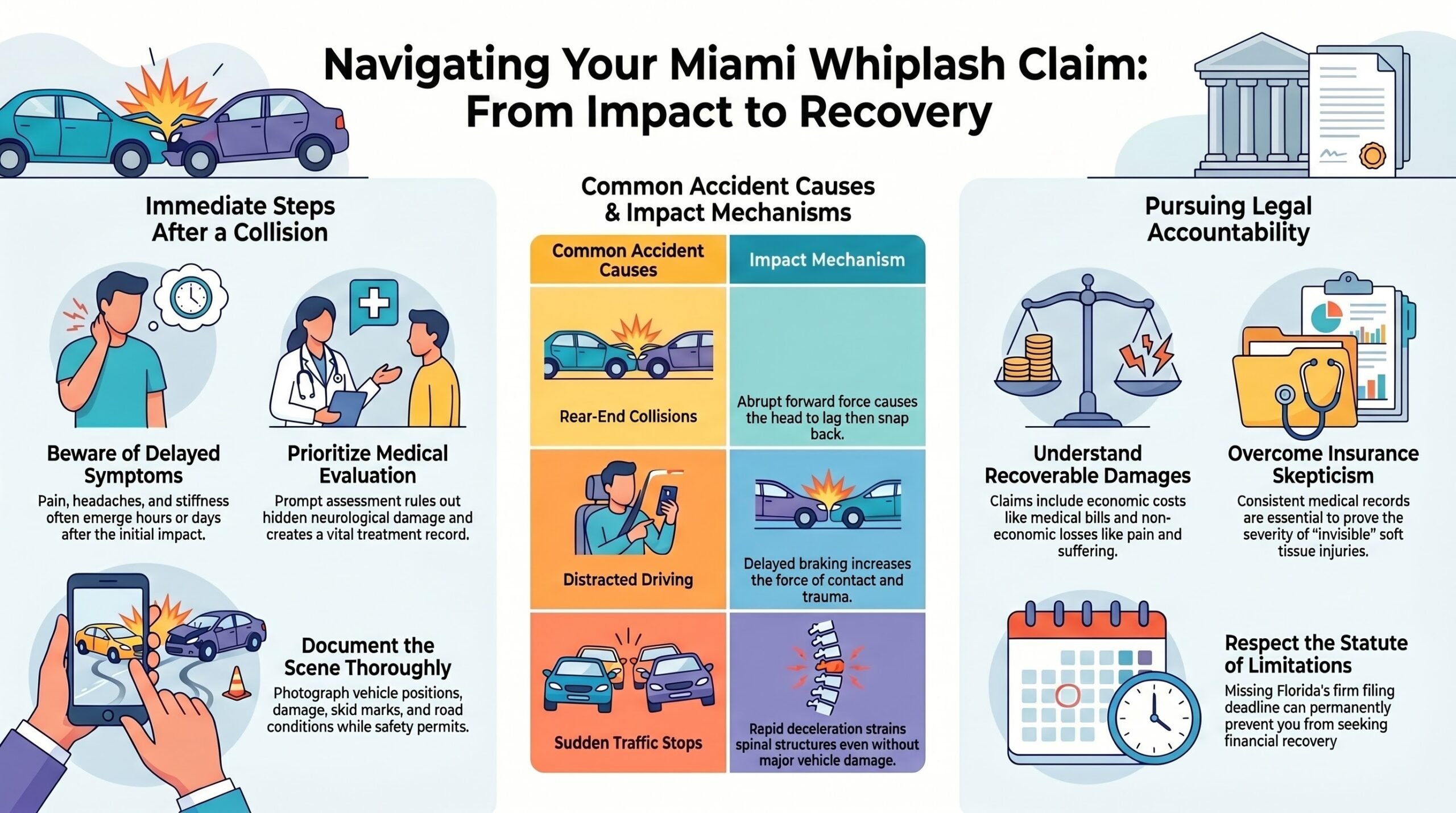
- Seek prompt medical evaluation after a Miami car accident to diagnose whiplash, document symptoms, and rule out hidden cervical or neurological injuries.
- Preserve evidence by photographing vehicle damage, road conditions, skid marks, and collecting witness information, crash reports, and treatment records.
- Whiplash symptoms may appear hours or days later, including neck pain, headaches, stiffness, numbness, and reduced range of motion.
- A Miami whiplash injury lawyer helps prove negligence, causation, and damages using medical records, witness statements, photos, and expert analysis.
- You may recover compensation for medical bills, lost income, pain, and long-term limitations caused by a negligent driver.
How We Can Help With Your Miami Whiplash Car Accident Injury Claim
Managing a whiplash injury claim after a Miami car accident often requires careful legal guidance, particularly when insurance companies question the severity of soft tissue injuries. A dedicated legal team can support injured individuals by organizing medical records, documenting symptoms, and presenting clear evidence of treatment needs, including post-accident therapy. This assistance helps families focus on recuperation while their claim receives disciplined attention.
They can also communicate with insurers, evaluate settlement offers, and protect clients from statements that may weaken recovery efforts. By tracking legal timelines, counsel helps guarantee filings, notices, and supporting documents are submitted properly and on time. In addition, they may coordinate with healthcare providers, gather wage loss information, and explain each step in plain language. Their role is to pursue fair compensation with consistency, professionalism, and respect for the client’s well-being. This service-centered approach reflects a commitment to accountability, stability, and practical assistance during a difficult period.
Understanding Miami Whiplash Car Accident Injury Cases


Recognizing the nature of a Miami whiplash injury car accident case begins with understanding that these claims often involve more than immediate neck pain after a collision. They frequently include delayed symptom onset, functional limitations, and documentation issues that affect medical care, insurance reviews, and legal evaluations. A careful approach helps injured people pursue recovery while protecting the resources needed to support families and communities.
OUR CONSULTATIONSARE FREE
START YOUR FREE CASE REVIEW

In many cases, proof depends on consistent treatment records, credible symptom reporting, and soft tissue diagnostics that explain pain not visible on standard imaging. Attorneys and medical providers often assess how the injury affects work, sleep, mobility, and daily service to others. Legal analysis may also consider policy terms, comparative fault arguments, and legal precedents that shape valuation and liability questions. Because whiplash injuries can appear modest at first yet remain disruptive, thorough investigation and organized evidence are vital to presenting a clear, responsible, and persuasive claim for fair compensation.
Common Causes of Miami Whiplash Car Accident Injuries
Several accident scenarios are frequently associated with whiplash injuries in Miami car accident cases. Rear-end collisions and sudden traffic stops often cause the abrupt neck movement that leads to this condition, while the effects of distracted driving can intensify the impact force. High-speed lane changes also contribute to these crashes, particularly when drivers fail to judge surrounding traffic with reasonable care.
Rear-End Collisions


Rear-end collisions frequently produce whiplash injuries because the force of impact abruptly drives the struck vehicle forward while the occupant’s head and neck lag behind, then snap in the opposite direction. This rapid motion can strain muscles, ligaments, and spinal structures, even in crashes that appear minor. In community-minded legal and medical discussions, understanding this mechanism helps families recognize why prompt evaluation matters.
Factors such as vehicle size, speed differentials, headrest positioning, seatbelt efficacy, and airbag deployment may influence injury severity. Occupants often experience pain, stiffness, headaches, or reduced range of motion shortly after impact, though symptoms may also emerge later. Careful documentation, timely treatment, and informed advocacy can support recovery and help injured individuals pursue resources needed to serve their households and communities responsibly.
Sudden Traffic Stops
Stopping abruptly in Miami traffic can create the same violent neck motion associated with more obvious crashes, particularly when a following driver has too little time or distance to react. Even without major vehicle damage, sudden deceleration can force the head to move backward and forward, straining muscles, ligaments, and spinal structures in ways that cause lasting pain.
These events often arise in dense traffic, near intersections, or where congestion changes quickly. Limited reaction time, close following distances, wet pavement, and unexpected roadway conditions can magnify the risk. A service-minded legal review may help injured people understand how a sudden stop occurred, whether another motorist failed to maintain a safe buffer, and what evidence supports the claim. Careful documentation, prompt medical attention, and informed guidance can preserve both health and the broader interests of affected families.
Distracted Driving Impacts
Consider how a driver’s attention can shift in an instant, because distracted driving remains one of the most common causes of whiplash-producing collisions in Miami. When focus leaves the roadway, even briefly, the chance of a rear-end impact rises, placing occupants at risk of sudden neck trauma and related soft tissue injuries.
Common distractions include cellphone distraction, navigation adjustments, eating, and conversations with passengers. In busy urban settings, pedestrian distraction also contributes when drivers divide attention between crosswalk activity and surrounding traffic. These lapses can delay braking, reduce awareness of stopped vehicles, and undermine safe following distance. For families, caregivers, and community-minded residents seeking safer roads, understanding these patterns helps prevent crashes. Careful driving habits, full attention, and respect for others on the road remain crucial to reducing avoidable harm in Miami.
High-Speed Lane Changes
Attention failures are not the only source of whiplash collisions in Miami, because high-speed lane changes also create sudden and dangerous impacts. When drivers attempt high-speed merging without adequate spacing, they often force nearby vehicles to brake or swerve abruptly. Those rapid motions can snap the neck and strain soft tissues, even in crashes that appear minor at first.
Aggressive lane switching increases this risk on crowded highways and urban roads, where traffic patterns shift quickly, and margins for error remain small. A driver who cuts across lanes at elevated speed can trigger chain reactions involving several vehicles. For individuals committed to protecting others, recognizing this hazard supports safer driving habits and more attentive decisions on the roadway. Responsible driving helps reduce preventable injuries throughout the Miami community.

Legal Rights of Miami Whiplash Car Accident Injury Victims
Protecting their interests begins with understanding that Miami whiplash injury victims have important legal rights after a car accident, including the right to seek medical treatment, document their injuries, and pursue compensation when another party’s negligence caused the crash. Florida law may permit recovery of medical expenses, lost income, pain, and other related damages, subject to insurance rules and nuances of the statute.
Miami whiplash injury victims may pursue treatment, document harm, and seek compensation when another’s negligence caused the crash.
Their rights often include safeguards that preserve dignity and stability while they recuperate and continue to serve their family and community. In many cases, creditor protection issues also matter when settlements or judgments are received.
Essential rights may involve:
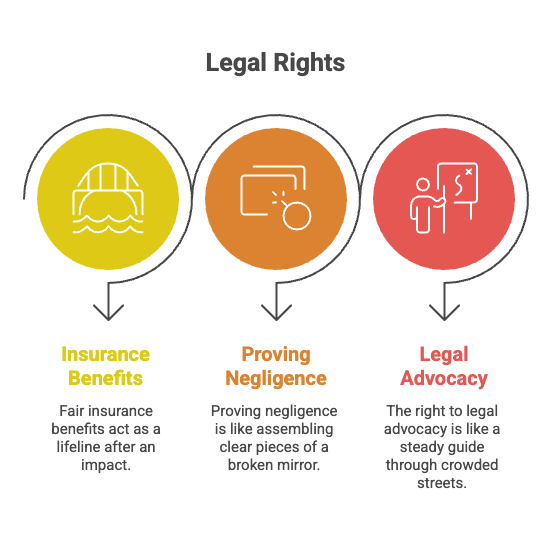
- Access to fair insurance benefits, like a lifeline extended after impact.
- The ability to prove negligence, like assembling clear pieces of a broken mirror.
- The right to seek legal advocacy is like a steady guide through crowded streets.
A careful legal review helps clarify available remedies, applicable deadlines, and the scope of financial recovery under Miami and Florida law.
Steps to Take After a Miami Whiplash Car Accident Injury
After a Miami whiplash injury car accident, prompt medical evaluation is often the first priority, as early care can protect both health and the record of injury. It is also important that the accident scene be carefully documented through photographs, witness statements, and other available evidence. In many cases, contacting a Miami lawyer soon afterward helps preserve legal options and supports a more organized response to the claim process.
Seek Immediate Medical Care
In the hours following a Miami car accident, prompt medical evaluation is vital because whiplash symptoms may not appear immediately, even when significant soft tissue injury has occurred. An immediate assessment helps identify cervical strain, concussion symptoms, or hidden complications before they worsen. Early care also creates a treatment path that supports recovery and protects overall well-being.
Healthcare providers may recommend imaging, physical examination, medication, or follow-up therapy based on the patient’s condition. Consistent pain monitoring is equally important, since stiffness, headaches, reduced range of motion, and numbness can progress over time. Individuals who seek timely care place themselves in a stronger position to recuperate responsibly and continue serving their families, workplaces, and communities. Prompt attention reflects prudence, respect for one’s health, and consideration for those who depend on ongoing strength.
Document The Accident Scene
At the accident scene, careful documentation can preserve vital details that may later support both medical evaluation and legal review. When it is safe to do so, a person should gather photographic evidence of vehicle positions, damage patterns, skid marks, traffic signals, road conditions, and any visible injuries. Clear images taken from multiple angles often help others understand how the collision occurred.
Written notes can also serve a practical purpose. Useful details include the time, weather, location, witness names, and observations about pain, stiffness, or limited movement that began after impact. If possible, scene measurements such as distances between vehicles, debris fields, and lane markings may add context. This organized record can assist medical providers, insurers, and other professionals who aim to respond accurately, responsibly, and with care for everyone involved afterward.
Contact A Miami Lawyer
Consulting a Miami lawyer promptly can help protect important rights and clarify the steps that should be followed after a whiplash injury car accident. Early legal guidance may assist with preserving evidence, communicating with insurers, and avoiding statements that could weaken a claim.
A careful attorney can review medical records, accident reports, and witness accounts to assess liability and potential damages. Many firms offer a free consultation, allowing injured individuals and supportive family members to understand available options before making decisions. During that meeting, questions about deadlines, documentation, and the lawyer’s fee structure should be addressed clearly. This approach helps people act responsibly, secure fair treatment, and remain focused on recovery and service to others. Timely legal support can also reduce confusion and promote a more orderly path after a collision.
How a Miami Whiplash Car Accident Injury Lawyer Can Help You
After a Miami car accident, a whiplash injury lawyer can provide structured guidance from the outset, helping an injured person understand legal options, preserve relevant evidence, and avoid missteps that could weaken a claim. Through careful case review, the lawyer identifies available insurance coverage, documents losses, and manages deadlines with disciplined attention. Strong Client communication helps families stay informed, while a clear Fee structure supports planning and trust.
A lawyer’s assistance often includes:
- Gathering crash reports, medical records, and witness statements is like assembling a careful record of service.
- Communicating with insurers, where each letter and call forms a protective barrier around the claim.
- Evaluating settlement offers, comparing them against documented harms and practical recovery needs.
This support allows an injured person to focus on recuperation and continued care for others. By presenting evidence clearly and negotiating firmly, counsel works to secure fair compensation and reduce unnecessary strain during an already demanding season of life.

Long-Term Effects of Miami Whiplash Car Accident Injuries
Whiplash injuries from Miami car accidents can produce long-term consequences that extend well beyond the initial pain and stiffness. Common ongoing effects include chronic neck pain, lasting mobility issues that interfere with daily activities, and emotional or cognitive symptoms that may affect concentration, sleep, and overall functioning. Recognizing these continuing complications is important when evaluating the full impact of a whiplash injury claim.
Chronic Neck Pain
Persistent neck pain is one of the most common long-term consequences of a Miami whiplash injury, and it may continue well beyond the initial recovery period. Many individuals experience ongoing soreness, neck stiffness, and pain flares that disrupt work, rest, and daily responsibilities.
This condition may stem from strained muscles, irritated joints, or damaged soft tissues that do not fully recover after the collision. Symptoms can worsen with stress, extended sitting, or repetitive tasks, making consistent care especially important. Medical evaluation often helps identify the source of discomfort and supports a treatment plan focused on relief and stability. For those committed to caring for family, coworkers, and neighbors, chronic neck pain can quietly limit their ability to serve others well. Proper documentation also strengthens a personal injury claim and supports fair financial recovery.
Lasting Mobility Issues
Restricting a person’s range of motion, lasting mobility issues are a serious long-term effect of a Miami whiplash injury car accident injury. Damage to muscles, ligaments, and surrounding soft tissues may interfere with head movement, posture maintenance, and the safe performance of routine tasks. As limitations persist, individuals may struggle with walking, lifting, driving, or serving family members and others who depend on their help daily.
Medical providers often recommend structured physical therapy, gait rehabilitation, and carefully supervised exercise to improve stability and restore function. In some cases, adaptive equipment supports safer movement and reduces the risk of further strain. When mobility remains impaired despite treatment, documenting these limitations is important because it helps demonstrate the injury’s lasting impact on daily responsibilities and long-term independence.
Emotional And Cognitive Effects
Disrupting far more than physical comfort, the long-term emotional and cognitive effects of a Miami whiplash injury car accident injury may alter concentration, mood, and overall mental functioning. Some individuals experience persistent irritability, sleep disruption, anxiety, and symptoms associated with post-traumatic stress after the collision. Others report memory lapses, slowed processing, and cognitive fog that interfere with work, family responsibilities, and community service.
These changes may be overlooked because they are less visible than neck pain, yet their impact can be substantial and lasting. Careful medical evaluation, counseling, and documented treatment often play an important role in recovery and in explaining how the injury affects daily life. A thorough legal review may also help injured people pursue resources needed to support stability, rehabilitation, and continued service to others.
Proving Liability in Miami Whiplash Car Accident Injury Cases
Establishing liability in a Miami whiplash injury car accident case requires a careful showing that another party’s negligence caused the collision and the resulting neck injury. This typically involves proving duty, breach, causation, and damages through objective evidence that withstands scrutiny and supports fair accountability for those harmed.
Attorneys often rely on police reports, photographs, witness statements, medical records, and vehicle damage assessments to connect the crash to the cervical injury. In disputed cases, forensic biomechanics may help explain how the forces of impact were sufficient to produce whiplash symptoms, even when visible damage appears limited. Expert testimony from physicians, accident reconstruction authorities, and other qualified professionals can clarify causation and rebut claims that pain arose from unrelated conditions.
Traffic camera footage, electronic vehicle data, and roadway evidence may further strengthen the narrative. A disciplined liability presentation serves injured people, their families, and the broader community by promoting truth, responsibility, and lawful recovery after preventable collisions.
Dealing With Insurance Companies After a Miami Whiplash Car Accident Injury
Once liability evidence has been assembled, attention often turns to the insurance process, where whiplash claims are frequently examined with unusual skepticism. Insurers may question the severity of the injury, the necessity of treatment, or whether the symptoms arose from prior conditions. Clear records, consistent medical care, and careful communication can help reduce avoidable disputes and support fair review.
Those assisting an injured person should recognize the importance of accuracy in every statement, form, and supporting document. Even minor inconsistencies can affect credibility during policy negotiation and may influence how adjusters assess value. It is also helpful to monitor claim timelines closely, as missed deadlines or delayed responses can unnecessarily weaken a position. A disciplined approach often includes preserving correspondence, documenting expenses, and avoiding speculative remarks about recovery.
When insurance representatives request recorded statements or broad medical authorizations, thoughtful evaluation is often advisable. By approaching the matter with patience, organization, and service-minded diligence, stronger advocacy becomes possible while protecting the injured person’s interests.
What to Expect During a Miami Whiplash Car Accident Injury Claim Process
A Miami whiplash injury claim process typically begins with a medical evaluation, which helps establish the nature and extent of the injury and guides the next steps in the case. It then proceeds through an insurance claim timeline that may require careful evidence and documentation, including medical records, accident reports, and proof of losses. Depending on the insurer’s response and the strength of the claim, the matter may conclude through settlement or proceed to litigation.
Medical Evaluation Steps
Several medical evaluation steps typically follow a Miami car accident whiplash claim, and each one can affect both treatment decisions and the strength of the supporting evidence. Providers often begin with an initial assessment, reviewing neck pain, stiffness, headaches, range of motion, and any neurological complaints. They may order imaging studies when symptoms suggest deeper injury or when other trauma must be ruled out.
Ongoing care usually includes follow-up examinations, referrals to specialists (subspecialists), and documented treatment recommendations. Careful symptom tracking can help medical professionals identify delayed issues, measure progress, and adjust therapy to support recovery and daily functioning. Consistent records also help demonstrate how the injury affects work, family responsibilities, and community service. In many cases, thorough evaluations allow those assisting others to make informed, compassionate decisions rooted in clear medical findings.
Insurance Claim Timeline
After a Miami car accident, the insurance claim timeline for a whiplash injury often begins with prompt notice to the applicable insurer, followed by the collection of medical records, crash reports, and other supporting documentation. After notice is given, the insurer usually opens a file, assigns an adjuster, and reviews available information to evaluate coverage, causation, and the scope of losses. The claim timeline may include recorded statements, treatment updates, and settlement discussions as recovery progresses.
In many cases, payment does not occur immediately because insurers often wait for a clearer picture of medical improvement before extending an offer. If liability or damages are disputed, negotiations may lengthen the process. A realistic payout schedule depends on cooperation, policy terms, and whether the matter resolves before litigation becomes necessary for all parties.
Evidence And Documentation
Careful recordkeeping shapes the strength of a Miami whiplash injury claim from the earliest stages of the process. Helpful documentation allows insurers and legal representatives to evaluate how the collision occurred, how symptoms developed, and how treatment progressed over time. Crucial materials often include medical records, diagnostic images, physician notes, therapy summaries, and receipts for related expenses. Photographs of vehicle damage, visible injuries, and the accident scene can also provide useful context.
Consistent reporting matters as well. Claimants are generally encouraged to keep a symptom journal, preserve correspondence, and collect witness statements from those who observed the crash or its aftermath. Organized evidence supports accurate communication, promotes accountability, and helps guarantee that those seeking recovery can present a clear, credible account of their needs and losses after injury.
Settlement Or Litigation
Once medical records, expense documentation, and other supporting evidence have been assembled, attention usually turns to how the claim will be resolved, either through settlement negotiations or, when necessary, through litigation. Attorneys generally evaluate liability, damages, insurance limits, and future care needs before recommending settlement strategies designed to secure fair compensation efficiently. Negotiation may involve demand letters, insurer responses, and continued discussion aimed at resolving the matter without court intervention.
If a reasonable agreement cannot be reached, filing suit may become the appropriate next step. Litigation introduces formal procedures, including discovery, depositions, motions, and possible mediation, all of which require patience and careful preparation. Because litigation costs and timelines can increase, counsel often helps injured individuals weigh practical risks against potential recovery while maintaining focus on accountability and service.
Compensation for Miami Whiplash Car Accident Injury Damages
Many whiplash injury claims arising from Miami car accidents include compensation for both immediate losses and longer-term harm, depending on the severity of the injury and its effect on daily life. In evaluating damages, insurers and counsel often review medical records, treatment history, missed obligations, and pain severity, while also considering nuances of the statute that may affect timing, notice, and available recovery.
A careful presentation of the claim can help document how the injury disrupted work, household responsibilities, caregiving, mobility, sleep, and necessary medical care. This process often involves physician opinions, therapy notes, diagnostic findings, and statements from those who observed the injured person’s limitations. When liability is contested, additional evidence may be needed to connect the collision to ongoing symptoms and to address arguments about prior conditions. A thorough legal evaluation serves the broader goal of protecting injured people and supporting families, so that those harmed by another driver’s negligence are treated with fairness, dignity, and due consideration.
Economic vs Non-Economic Damages in Miami Whiplash Injury Car Accident Cases
In Miami whiplash injury car accident cases, damages are generally divided into economic and non-economic categories, each addressing a different type of loss. Economic damages typically include measurable financial harm, such as medical expenses, lost wages, and other documented costs, while non-economic damages concern pain, suffering, and the broader effect of the injury on daily life. Establishing compensation for whiplash often depends on medical records, treatment history, employment documentation, and other evidence that connects the injury to both financial losses and personal hardship.
Economic Damages Explained
Distinguishing between economic and non-economic damages is vital in Miami whiplash injury car accident cases, because each category addresses a different type of loss. Economic damages concern measurable financial harm supported by bills, records, and expert evaluation. In whiplash claims, these damages often include emergency care, diagnostic imaging, physical therapy, prescription costs, transportation to appointments, and other necessary medical expenses.
They may also include lost wages when the injured person cannot work during recovery. If symptoms persist and limit long-term employment, compensation may address reduced future earning power. Property-related expenses connected to the collision can also be considered when supported by documentation. A careful damages analysis helps families, caregivers, and advocates understand the practical costs of injury, while promoting accountability and securing resources needed for responsible recovery and stability.
Non-Economic Losses Overview
Beyond direct financial costs, non-economic damages address the personal consequences of a whiplash injury that do not appear on invoices or payroll records. In Miami car accident cases, these losses often include physical discomfort, emotional strain, interrupted sleep, reduced mobility, and the diminished ability to participate in family, community, and service-centered activities.
Because whiplash can disrupt daily routines in subtle yet lasting ways, non-economic damages recognize harm that extends beyond treatment expenses or lost wages. They account for pain valuation and the effect of ongoing symptoms on quality of life, including limits on caregiving, volunteering, and other meaningful responsibilities. This category reflects the human impact of injury, acknowledging that recovery involves more than financial stability and that fair compensation should consider the person’s overall well-being and dignity after serious trauma.
Proving Whiplash Compensation
Whiplash compensation in a Miami car accident case depends on more than a diagnosis alone, because every category of loss must be supported by persuasive evidence. Economic damages are commonly proven through medical bills, wage records, pharmacy receipts, treatment plans, and testimony linking care to the collision. Non-economic damages require a different showing, often established through pain journals, family observations, physician evaluations, and evidence describing limitations in daily functioning, mobility, and sleep.
Because insurers often rely on insurance myths to minimize soft-tissue claims, careful documentation becomes crucial. Records concerning alternative therapies may also help when they are prescribed, reasonable, and connected to symptom relief. A disciplined presentation of both financial harm and human suffering allows injured people, and those helping them, to pursue compensation that fairly reflects the full impact of the crash.
When a Miami Whiplash Car Accident Injury Case Goes to Trial vs Settlement
In many Miami whiplash injury cases, the decision to pursue settlement or proceed to trial depends on the strength of the evidence, the extent of the injuries, and the parties’ willingness to resolve the claim on fair terms. Settlement is often preferred when liability is reasonably clear, and the insurer offers compensation that reflects medical costs, lost income, pain, and ongoing care needs.
A case may proceed to trial when the insurer disputes fault, questions the seriousness of the whiplash injury, or refuses to make a fair offer. In the jury vs. settlement analysis, counsel evaluates witness credibility, medical documentation, and how a jury may respond to the injured person’s experience. Sound trial strategy also considers expenses, timing, and the emotional demands of courtroom litigation. For those motivated by service and accountability, the proper path is the one most likely to secure just compensation while honoring the injured person’s recovery, dignity, and long-term wellbeing for all involved.
The Statute of Limitations for Miami Whiplash Car Accident Injury Cases
For injured motorists in Miami, the statute of limitations sets a firm deadline for filing a whiplash injury lawsuit after a car accident, and missing that deadline can prevent recovery altogether. Florida law governs these filing deadlines, and careful attention is necessary because even a strong claim may fail if brought too late. This rule serves the public interest by encouraging prompt action, preserving evidence, and supporting fair resolution for all parties.
Certain nuances of the statute can affect how the deadline is calculated. In some circumstances, the time period may differ depending on the facts, the parties involved, or when an injury was reasonably discovered. Insurance discussions do not automatically extend the lawsuit deadline, and informal efforts to resolve a matter may create false confidence. A clear understanding of timing obligations helps injured people protect their ability to seek accountability and access recovery resources, while also promoting orderly case administration within Miami courts and the broader community.
When to Contact a Miami Whiplash Car Accident Injury Lawyer
Often, contacting a Miami whiplash injury car accident injury lawyer as soon as possible after a collision is the most prudent course, particularly when pain persists, medical treatment begins, or questions arise about insurance coverage and legal responsibility. Early intervention can help preserve records, witness accounts, and treatment documentation before important details are lost.
Prompt contact is also advisable when symptoms worsen, an insurer requests statements, liability is disputed, or deadlines appear uncertain. A lawyer may review accident reports, medical bills, and policy terms to clarify next steps and support informed decisions that protect the injured person and those depending on that person’s care. This can be especially important where delayed symptoms complicate diagnosis or where statute exceptions may affect filing periods.
Seeking guidance early allows families, caregivers, and community-minded individuals to respond responsibly, reduce avoidable errors, and remain focused on recovery and service to others while procedural matters are addressed in a timely, orderly manner after a serious crash.
Why You Need an Experienced Miami Whiplash Car Accident Injury Lawyer
Prompt action after a collision helps preserve evidence, but the value of that action depends heavily on the quality of the legal guidance involved. An experienced Miami whiplash injury car accident injury lawyer understands how seemingly modest symptoms can develop into lasting limitations, and that understanding can protect both the injured person and the family members who rely on that person’s care and service.
Experience matters because whiplash claims are often challenged by insurance myths, delayed symptoms, and disputes over treatment needs. A seasoned lawyer can connect medical records, witness statements, and crash evidence into a clear account of harm. That work supports fair evaluation of pain, lost income, and future care, while respecting realistic recovery timelines. Skilled representation also reduces the risk of procedural mistakes, missed deadlines, and damaging statements to insurers. In service-oriented communities, strong legal advocacy helps injured people regain stability, continue supporting others, and pursue accountability without unnecessary confusion or added strain.
How to Choose the Right Miami Whiplash Car Accident Injury Lawyer for Your Case
How should an injured person evaluate which lawyer is truly equipped to handle a Miami whiplash claim? A careful selection process begins with reviewing the lawyer’s background, courtroom experience, and record with soft tissue injury cases. Because whiplash symptoms can be delayed and disputed, the attorney should understand medical documentation, insurance tactics, and the long-term effects on daily functioning within the family and community.
Attorney interviews help reveal whether the lawyer listens well, explains options clearly, and responds with professionalism. An injured person should ask about communication practices, expected timelines, and who will manage the case. Fee structures also merit close review, including contingency terms, litigation costs, and the handling of expenses if recovery is limited. It is also wise to weigh reputation through client feedback and peer recognition. The right lawyer demonstrates both skill and integrity, helping injured people pursue fair compensation while protecting the resources needed to continue serving others with stability.
About The Law Offices of Anidjar & Levine
After considering the qualities that distinguish a capable whiplash injury attorney, attention may be directed to The Law Offices of Anidjar & Levine as a firm serving injured people in Miami and throughout South Florida. The firm is recognized for guiding accident victims through the legal process with disciplined advocacy, responsive communication, and a practical focus on recovery and accountability.
Its approach reflects service to individuals and families facing disruption after a collision. Firm history indicates a sustained commitment to personal injury representation, including claims involving neck trauma, medical expenses, lost income, and pain after vehicle accidents. The attorneys and staff are often described as accessible and attentive, qualities that can help clients make informed decisions during difficult periods. Client testimonials frequently note professionalism, compassion, and consistent updates, which may reassure those seeking dependable counsel.
In matters involving whiplash injuries, the firm presents itself as a resource dedicated to protecting rights and pursuing fair compensation under Florida law.
Frequently Asked Questions
Can Whiplash Symptoms Appear Days After a Miami Car Accident?
Yes, whiplash symptoms can appear days after a car accident. This delayed onset often occurs as inflammation, muscle strain, and soft tissue irritation develop gradually, making early discomfort seem minor or absent. Careful attention to symptom progression is important, especially when pain, stiffness, headaches, or limited motion begin later. Prompt medical evaluation helps protect the person’s well-being, supports accurate documentation, and enables timely care that may prevent further complications.
What Medical Specialists Diagnose and Treat Whiplash Injuries?
Whiplash injuries are commonly diagnosed and treated by emergency physicians, primary care doctors, neurologists, and an orthopedic expert, depending on symptom severity. A patient may also be evaluated by a physiatrist when pain, stiffness, or limited movement persists. Diagnostic imaging can help rule out fractures or nerve damage. Ongoing care often includes pain management, physical rehabilitation, and supervised therapy designed to restore function and support long-term recovery outcomes.
Can Pre-Existing Neck Conditions Worsen a Whiplash Claim?
Yes, pre-existing neck conditions can worsen a whiplash claim, because insurers often argue that symptoms stem from prior degeneration rather than the collision. These pre-existing implications require careful medical documentation, comparative imaging, and clear physician opinions. Evidence challenges commonly arise when separating old pain from new trauma. Those assisting injured people should promptly gather records, document functional changes, and present a consistent treatment history to support a fair and accurate evaluation.
How Long Does Physical Therapy Usually Last for Whiplash?
Physical therapy for whiplash usually lasts a few weeks to several months, depending on symptom severity, age, and prior neck issues. A common duration estimate is six to twelve weeks, though some individuals improve sooner with consistent care. The recovery timeline may extend when pain, stiffness, or headaches persist. Care providers often adjust treatment based on function, progress, and the person’s ability to resume daily activities while safely serving others.
Can Children Suffer Whiplash Injuries Differently Than Adults?
Yes, children can suffer whiplash injuries differently from adults. Their developing bones, muscles, and ligaments may produce distinct symptoms, including irritability, sleep changes, or limited neck movement, which can complicate pediatric diagnosis. Because children’s differences affect both symptom reporting and physical response, careful evaluation is crucial. Those serving injured families should recognize that prompt medical attention supports accurate assessment, appropriate treatment, and better protection of the child’s recovery and long-term well-being.
—————————
Whiplash injuries after a Miami car accident can disrupt health, work, and daily life, while also creating difficult legal and insurance issues.
A qualified Miami Car Accident Lawyer can evaluate the claim, protect the victim’s rights, and pursue appropriate compensation for medical care, lost income, and related damages. With experienced legal guidance, injured individuals are better positioned to manage the claims process effectively and focus on recuperation. Anidjar & Levine provide representation tailored to these serious matters.