The Law Offices of Anidjar and Levine helps injured drivers, passengers, pedestrians, and families pursue compensation after serious crashes. Legal support from a Daytona Beach Car Accident Lawyer may include investigating fault, preserving evidence, reviewing medical records, documenting lost income, addressing vehicle damage, and negotiating with insurers.
Claims often involve distracted driving, speeding, impaired driving, unsafe lane changes, or hazardous road conditions. An attorney can also protect deadlines and evaluate multiple liable parties.
The sections below explain these issues in greater detail.
Main Takeaways
- A Daytona Beach passenger vehicle accident lawyer can help evaluate fault, damages, insurance coverage, and potential compensation after a crash.
- Compensation may include medical bills, lost income, vehicle damage, pain, suffering, disability, and future care needs.
- Strong claims often rely on crash reports, medical records, photos, witness statements, repair records, and available video evidence.
- Common crash causes include distracted driving, speeding, impaired driving, unsafe lane changes, poor weather, and failure to yield.
- After an accident, seek medical care, report the crash, document losses, preserve evidence, and avoid admitting fault.


How We Can Help With Your Daytona Beach Passenger Vehicle Accident Injury Claim
After a passenger vehicle accident in Daytona Beach, an injured person may face medical treatment, lost income, vehicle damage, insurance disputes, and uncertainty about the value of the claim. Legal guidance can help organize these concerns while allowing the injured person and family to focus on recovery and practical support. A lawyer may gather crash reports, witness information, photographs, repair records, and available video, then provide Evidence preservation tips to protect important facts before they are lost.
Careful Medical bill documentation, including hospital charges, therapy costs, prescriptions, and future care estimates, can also strengthen the claim. Counsel may communicate with insurers, evaluate settlement offers, and prepare a demand that reflects documented losses. When liability or damages are disputed, representation can support negotiations and, when necessary, litigation. This service-centered approach seeks an orderly process, fair consideration of harm, and reduced burden for those already carrying significant responsibilities after a serious accident.
OUR CONSULTATIONSARE FREE
START YOUR FREE CASE REVIEW

Understanding Daytona Beach Passenger Vehicle Accident Injury Cases
Understanding the nature of a Daytona Beach passenger vehicle accident injury case begins with identifying how the collision occurred, who may be legally responsible, and what losses resulted from the crash. These cases often involve injured drivers, passengers, pedestrians, or families seeking guidance after a serious event. A careful review of medical records, insurance coverage, witness statements, and repair documentation can help determine the scope of available recovery.
Legal responsibility may rest with one or more parties, depending on the evidence and the duties owed under Florida law. Injury cases may include claims for medical expenses, lost income, pain, disability, and future care needs. In fatal incidents, Wrongful death claims may allow eligible survivors to seek compensation for recognized losses. Legal fee agreements should be clearly explained so clients understand the costs, responsibilities, and terms of representation before moving forward. This clarity supports informed decisions and respectful advocacy.
Common Causes of Daytona Beach Passenger Vehicle Accident
Passenger vehicle accidents in Daytona Beach often arise from preventable conduct and hazardous conditions that increase the risk of serious injury. Common causes include distracted driving, drunk driving, speeding, reckless behavior, and poor weather conditions that reduce visibility or roadway control. Identifying the cause of a crash is pivotal, as it helps determine liability, available evidence, and the potential value of an injury claim.
Distracted Driving
Distracted driving remains a leading cause of passenger vehicle accidents in Daytona Beach, especially on busy corridors where traffic conditions can change quickly. Drivers who look away to read messages, adjust navigation, or respond to alerts may fail to notice slowing traffic, pedestrians, cyclists, or emergency vehicles. Texting while driving is particularly dangerous because it diverts visual, manual, and cognitive attention simultaneously.
Even brief inattention can cause rear-end collisions, unsafe lane changes, or crashes at intersections. Hands-free violations may also arise when drivers misuse devices or allow conversations to impair focus. For those committed to serving injured community members, identifying distraction can be crucial. Phone records, witness statements, vehicle data, and traffic cameras may help establish how a preventable lapse contributed to harm.
Drunk Driving
Another major cause of passenger vehicle accidents in Daytona Beach is drunk driving, which can be especially dangerous in areas with nightlife, tourism traffic, and late-night roadway activity. Alcohol-impaired drivers may misjudge distances, react slowly, and fail to recognize hazards that careful motorists would avoid. For those committed to protecting others, understanding these risks supports safer choices and responsible intervention before harm occurs.
Law enforcement may use Sobriety Checkpoints, Field Sobriety evaluations, and Blood Alcohol testing to identify impaired drivers and document evidence after a crash. These measures can become important in determining liability, especially when injured occupants need medical care, financial support, and accountability. A Daytona Beach passenger vehicle accident lawyer may review this evidence to help clarify how impairment contributed to preventable injuries.
Speeding And Recklessness
Speeding and reckless driving are frequent contributors to passenger-vehicle accidents in Daytona Beach, especially on busy corridors, beachside roads, and routes affected by tourist traffic. Excessive speed reduces reaction time, increases stopping distance, and makes collisions more severe for occupants, pedestrians, and cyclists. Reckless conduct may include unsafe lane changes, tailgating, racing, ignoring traffic signals, or weaving through congestion.
Road rage incidents can also escalate ordinary traffic conflicts into dangerous encounters, placing families, workers, visitors, and public servants at unnecessary risk. When drivers flee after causing harm, hit-and-run crashes create added burdens for injured people and those assisting them. Careful investigation may examine vehicle damage, surveillance footage, witness accounts, and crash data to identify negligent behavior and support accountability for those affected.
Poor Weather Conditions
Poor weather conditions can magnify the dangers created by unsafe driving, particularly when motorists fail to adjust their speed and following distance for rain, fog, standing water, or reduced visibility. In Daytona Beach, sudden storms and slick coastal roads can turn ordinary traffic into a serious hazard, especially when drivers continue to engage in reckless behavior as conditions worsen.
Collisions may involve hydroplaning, rear-end impacts, lane departures, or multi-vehicle crashes. Careful investigation can determine whether a driver ignored weather risks, whether Road Rage Claims contributed to aggressive conduct, or whether Vehicle Design Defects affected braking, guiding, or visibility. Those serving injured individuals often examine roadway conditions, witness accounts, and vehicle performance to identify responsibility and support fair recovery for passengers harmed by preventable crashes.


Legal Rights of Daytona Beach Passenger Vehicle Accident Injury Victims
When a passenger vehicle accident occurs in Daytona Beach, injured victims may have legal rights that extend beyond basic insurance claims.
These rights may support recovery while promoting accountability, dignity, and care for those harmed.
- Victims may seek compensation for medical expenses, lost income, pain, suffering, and reduced quality of life, subject to compensation limits under applicable law.
- Families may pursue Wrongful death claims when a fatal crash leaves dependents without financial, emotional, or household support.
- Injured parties may challenge insurance delays that prevent timely access to benefits, treatment funding, or fair settlement review.
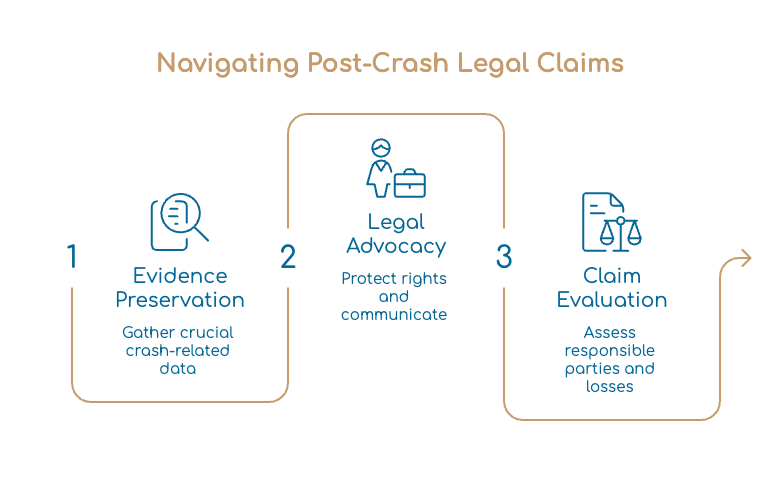
- Evidence preservation is essential, including photographs, medical records, vehicle data, witness information, and crash reports.
- A legal advocate may help protect deadlines, communicate with insurers, and evaluate whether multiple responsible parties contributed to recoverable losses.
These protections help injured individuals and families pursue stability, justice, and responsible resolution after a serious Daytona Beach accident.
Why Do Passenger-Vehicle Accident Injuries Happen at Daytona Beach?
Although every crash has its own facts, injuries from passenger vehicle accidents in Daytona Beach often result from preventable decisions, unsafe roadway conditions, or failures to follow basic traffic safety rules. Common causes include speeding, distracted driving, impaired driving, unsafe lane changes, tailgating, and failure to yield at intersections. In a coastal community with commuter traffic, tourism, pedestrians, and motorcycles, even brief negligence can place many people at risk.
Injuries may also occur when drivers overlook duties that protect passengers and others sharing the road. Seatbelt compliance can reduce the severity of harm, but inconsistent use may worsen outcomes during a collision. Vehicle maintenance schedules also matter, because worn brakes, defective tires, poor lighting, or control problems can contribute to avoidable crashes. Road design, construction zones, weather, and limited visibility may further increase danger. Understanding these causes helps communities promote accountability, encourage safer conduct, and better protect those who depend on responsible drivers.
What Should You Do After a Daytona Beach Passenger Vehicle Accident Injury?
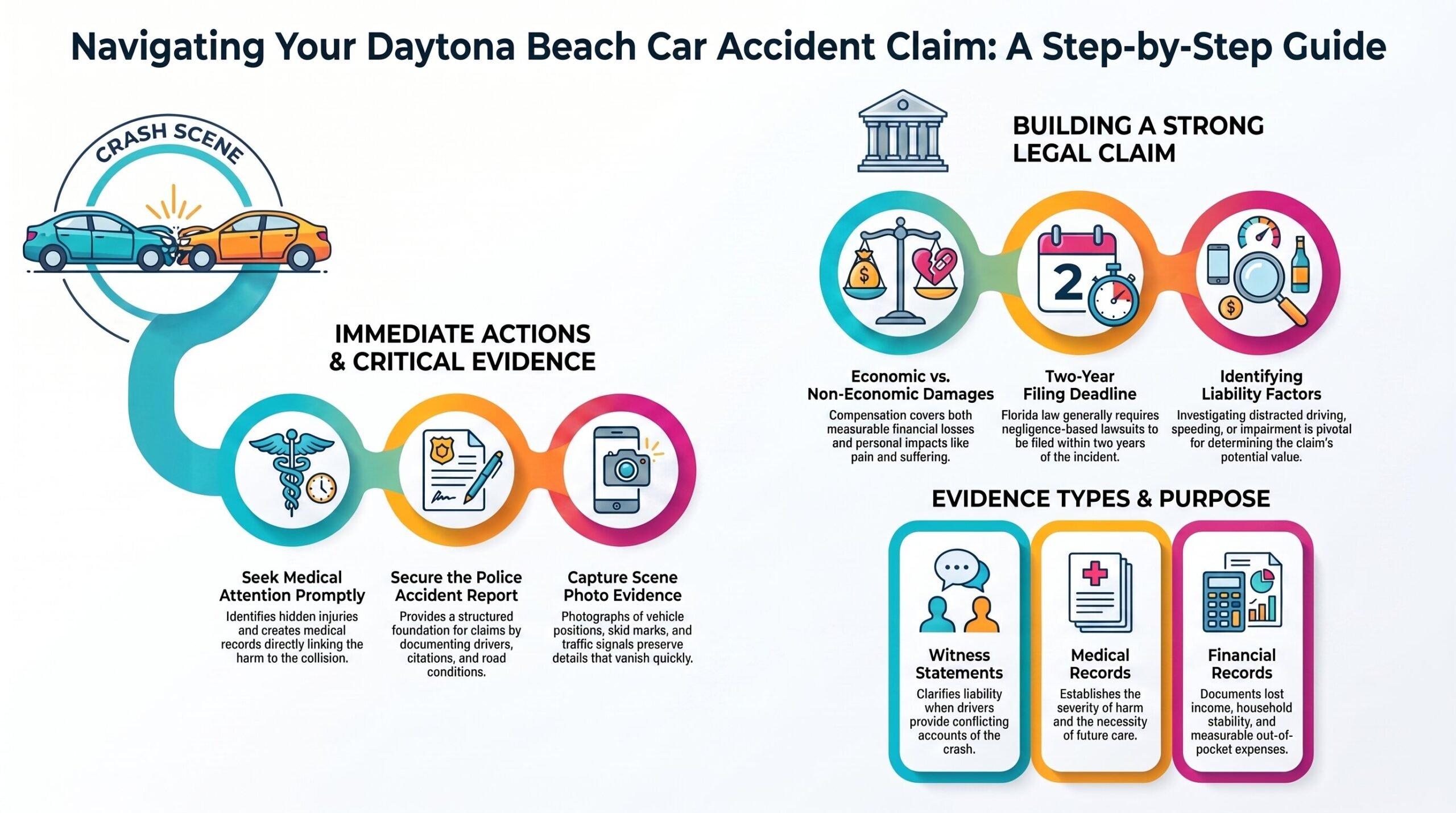
After a passenger-vehicle accident injury in Daytona Beach, the injured person should take prompt steps to protect their health, preserve evidence, and support any future claim. Medical attention should be sought promptly, even when symptoms seem minor, because some injuries can worsen over time. The crash should also be reported, and all related losses should be documented with records, photographs, receipts, and written notes.
Seek Medical Attention
Seeking prompt medical attention is one of the most important steps an injured person can take following a passenger vehicle accident in Daytona Beach. A medical evaluation helps identify injuries that may not be immediately visible, including concussions, soft tissue damage, internal trauma, or spinal complications. Timely care also creates records that connect the injury to the collision, which may later support Insurance paperwork, settlement negotiations, witness interviews, and evidence preservation.
Healthcare providers can recommend treatment, document symptoms, and guide the person toward appropriate follow-up care. For those committed to serving family, work, and community responsibilities, early treatment helps restore long-term health and stability. Delays may allow injuries to worsen and may raise questions about the cause or seriousness of the harm claimed later.
Report The Crash
When a passenger vehicle accident causes injury in Daytona Beach, the crash should be reported to law enforcement as soon as it is safe to do so. Prompt Initial Reporting helps protect injured individuals, supports emergency response, and creates an official record of the incident. A caller should provide the location, number of vehicles involved, visible injuries, traffic hazards, and any immediate safety concerns.
If possible, the parties should remain at the scene until officers arrive, unless medical care requires departure. Driver Communication should be calm, limited, and focused on exchanging required identifying and insurance information. Blame, speculation, or argumentative statements should be avoided. By reporting the crash properly, involved persons help preserve order, assist responders, and support a responsible process after injury.
Document Your Losses
In the days following a Daytona Beach passenger vehicle accident injury, careful documentation of losses can help establish the full impact of the crash. Bodily injury documentation should include medical records, treatment plans, prescriptions, photographs of visible injuries, and notes describing pain, mobility limits, and daily restrictions. Damage tracking should cover vehicle repairs, towing charges, rental costs, damaged personal property, and any related service invoices.
Financial hardship records may also show how the injury affected work, caregiving duties, and household stability. Pay stubs, employer letters, missed-work calendars, and benefit statements can help document lost income. Through consistent expense organization, an injured person can preserve receipts, bills, mileage logs, and insurance correspondence. These records help legal advocates present losses accurately, supporting fair consideration of the person’s needs and recovery.
Critical Evidence in a Daytona Beach Passenger Vehicle Accident Injury Case
Critical evidence in a Daytona Beach passenger vehicle accident injury case often determines how fault, causation, and damages are evaluated. Key materials may include:
- Police accident reports
- Scene photo evidence
- Witness statements
- Medical treatment records
- Vehicle damage documentation
Each category can help establish what occurred, who may be responsible, and how the collision affected the injured person.
Police Accident Reports
After a passenger vehicle accident in Daytona Beach, the police accident report often serves as a central piece of evidence for identifying the drivers, vehicles, insurance information, roadway conditions, contributing factors, and any citations issued at the scene. It may record statements from involved parties and witnesses, officer observations, diagram details, and preliminary fault assessments.
For those seeking to serve injured individuals responsibly, this report helps clarify what occurred and where further investigation is needed. It may note Traffic signal compliance, lane usage, speeding concerns, impairment indicators, or violations of right-of-way rules. References to road maintenance standards can also assist in evaluating whether unsafe roadway conditions contributed to the collision. Although not always conclusive, the report provides a structured foundation for insurance claims and legal review.
Scene Photo Evidence
Scene photographs can preserve details from a Daytona Beach passenger vehicle accident that may change or disappear within minutes. Images of vehicle positions, skid marks, debris fields, traffic signals, lighting, road defects, weather conditions, and visible injuries may help clarify how a collision occurred. In parking lot impacts, photographs can document stall markings, aisle direction, sight obstructions, and property damage that may otherwise be disputed.
Careful photo evidence also assists counsel in comparing damage patterns with claimed injuries and repair estimates. Social media context may become relevant when posted images, timestamps, captions, or location tags conflict with later accounts. For injured persons seeking fair treatment, prompt, accurate scene photographs can support a well-organized claim and help responsible parties, insurers, and courts evaluate the matter more accurately.
Witness Statements
Photographs may show what a Daytona Beach accident scene looked like, but witness statements can explain what occurred before, during, and immediately after impact. Neutral observers may describe vehicle speed, traffic signals, lane changes, weather, driver conduct, and post-collision remarks. These accounts can help clarify liability when drivers offer conflicting accounts or when physical evidence leaves questions unanswered. Attorneys serving injured people often seek statements promptly, while memories remain reliable and contact information is available.
Witness details may also support Expert testimony by giving consultants facts to compare with crash reconstruction findings. In settlement negotiations, credible statements can strengthen a claim by showing fault with greater certainty. They may also assist in insurance coverage disputes when insurers question how the collision happened, who caused it, or whether exclusions apply.
Medical Treatment Records
Medical treatment records are crucial evidence in a Daytona Beach passenger-vehicle accident injury case because they link the collision to the claimed injuries. These records may include emergency reports, diagnostic imaging, physician notes, prescriptions, referrals, therapy plans, and follow-up evaluations. They help establish the severity of harm, the course of recovery, and the need for future care. When a patient delays treatment, misses appointments, or fails to report symptoms, Unreported Injuries can create Documentation Challenges that insurers may use to dispute causation or damages. Accurate records also assist attorneys, medical providers, and advocates in serving injured individuals with informed guidance. Consistent documentation supports a clear narrative, showing how the crash affected daily functioning, work capacity, and long-term health in measurable ways.
Long-Term Effects of Daytona Beach Passenger Vehicle Accident Injuries
Passenger vehicle accidents in Daytona Beach can cause lasting injuries that extend far beyond the initial medical treatment. Chronic pain conditions, reduced mobility, permanent disability, and emotional trauma may affect a victim’s ability to work, maintain independence, and manage daily responsibilities. These long-term effects are often central to evaluating the full extent of damages in an injury claim.
Chronic Pain Conditions
Chronic pain conditions can develop after a Daytona Beach passenger vehicle accident when injuries to the neck, back, joints, nerves, or soft tissues fail to recover fully or lead to lasting inflammation and dysfunction. Persistent pain may affect sleep, concentration, employment, caregiving, and daily service to family or community. Medical documentation, expert evaluations, and consistent treatment records help show how pain limits function over time.
These records may also distinguish chronic symptoms from temporary soreness after a crash. When reviewing settlement options, attorneys may consider treatment costs, reduced earning capacity, property damage, and the broader effect on quality of life. Severe cases involving fatal complications may relate to wrongful death concerns. A clear claim timeline can support timely filings, organized evidence, and responsible advocacy for injured individuals.
Mobility And Disability
Lasting pain after a Daytona Beach passenger vehicle accident may also affect mobility, particularly when spinal injuries, fractures, joint damage, nerve trauma, or soft tissue complications limit a person’s ability to walk, stand, lift, or perform routine movements. Reduced mobility can require assistive devices, home modifications, ongoing rehabilitation, or vocational changes, placing added demands on family members, caregivers, and community support systems.
In severe cases, permanent disability may alter independence and require long-term planning for medical care, transportation, and daily assistance. These limitations often contribute to pain and suffering, especially when a person can no longer serve others, work reliably, or participate in ordinary responsibilities. When injuries prove catastrophic or contribute to Wrongful death, careful legal evaluation may help identify available compensation and accountability.
Emotional Trauma Effects
After a serious Daytona Beach passenger vehicle accident, emotional trauma may persist long after visible injuries have stabilized. Survivors may experience anxiety, depression, sleep disruption, panic while driving, or withdrawal from family and community roles. These effects can limit daily functioning, strain caregiving relationships, and reduce the ability to return to work. When emotional injuries contribute to lost income or reduced job capacity, claims may include workplace damages supported by medical records and vocational evidence.
Compassionate advocates, clinicians, and support networks often help injured individuals document symptoms, obtain treatment, and preserve stability. If an insurer dismisses documented psychological harm or delays fair payment without a reasonable basis, insurance bad faith may become relevant. Careful evaluation helps ensure emotional suffering is treated with dignity, accuracy, and legal seriousness.
Proving Liability in Daytona Beach Passenger Vehicle Accident Injury Cases
In a passenger vehicle accident case, proving liability requires evidence that shows how the crash occurred, who acted negligently, and how that conduct caused the injured person’s losses. This process may involve police reports, witness statements, photographs, vehicle damage, medical records, and expert analysis. Florida traffic statutes often provide important standards for determining whether a driver failed to use reasonable care, such as by speeding, following too closely, or disregarding a signal.
Liability also depends on establishing a connection between the violation or careless act and the injury. A careful review can help identify all responsible parties, including negligent drivers, vehicle owners, or others whose actions contributed to the collision. For those seeking to serve injured individuals with diligence, organized documentation supports a stronger claim and helps preserve critical facts. Insurance settlement timelines may be affected by the strength of the evidence, the clarity of fault, and the completeness of the injury documentation prepared after the crash.
Dealing With Insurance Companies After a Daytona Beach Passenger Vehicle Accident Injury
When an injured person begins dealing with insurance companies following a Daytona Beach passenger vehicle accident, each statement, document, and response may affect the value and direction of the claim. Adjusters may request recorded statements, medical authorizations, repair estimates, or details about prior health conditions. Careful communication helps protect accurate facts while avoiding unnecessary disclosures that could be used to reduce compensation.
Insurance issues may involve liability disputes, delayed payments, undervalued vehicle damage, Rental car disputes, or disagreements about necessary medical care. In severe cases, families pursuing Wrongful death claims may face additional scrutiny regarding dependency, losses, and available policy limits. A lawyer can manage insurer contact, organize supporting records, and respond to requests with measured precision.
This support allows injured people and grieving families to focus on recovery, service to loved ones, and practical responsibilities while the insurance issues are handled with discipline and purpose throughout the claim.
What to Expect During a Daytona Beach Passenger Vehicle Accident Injury Claim Process
A Daytona Beach passenger-vehicle accident injury claim typically begins with an initial case evaluation, during which liability, damages, and available insurance coverage are assessed. The process may then involve investigating the crash, gathering records, reviewing evidence, and negotiating insurance claims for fair compensation. If negotiations do not produce an acceptable resolution, filing a lawsuit may become necessary to preserve the injured party’s legal rights.
Initial Case Evaluation
The initial case evaluation provides an injured passenger with a structured opportunity to explain how the Daytona Beach accident occurred, identify all vehicles and drivers involved, and describe the injuries, medical treatment, and financial losses that followed. During this meeting, counsel reviews available information, clarifies immediate concerns, and determines whether legal representation may help protect the passenger’s interests.
The discussion often includes insurance coverage, medical documentation, communication with adjusters, and deadlines that may affect the claim. A responsible evaluation also addresses Evidence Preservation, including photographs, witness information, repair records, and treatment notes already in the passenger’s possession. Counsel may outline a general Settlement Timeline, while emphasizing that timing depends on recovery, liability issues, and insurance responses. This early guidance helps the passenger move forward with informed, service-minded confidence.
Investigating The Crash
After the initial case evaluation, the claim typically moves into a focused investigation of how the crash occurred and who may bear legal responsibility. A Daytona Beach passenger vehicle accident lawyer may review police reports, medical records, photographs, witness statements, roadway conditions, and available camera footage. This work helps identify careless driving, unsafe maintenance, distracted operation, or other contributing factors.
A clear Safety Checklist may guide the review, ensuring that vehicle damage, traffic controls, weather, lighting, and injury documentation receive careful attention. Evidence Preservation is also necessary, because skid marks fade, vehicles are repaired, and digital records may be lost. Through organized fact gathering, the legal team can build a reliable account of the collision while supporting those harmed with diligence, patience, and respect.
Negotiating Insurance Claims
Once the evidence has been organized, negotiation with the insurance company often becomes a central part of the Daytona Beach passenger vehicle accident injury claim process. During this stage, the claimant’s representative may present documentation of liability, injuries, treatment, lost income, and other losses. Case valuation requires careful review of medical records, evidence of repairs, wage information, and the long-term effects of the injuries.
A sound settlement strategy also considers policy limits, disputed facts, comparative fault arguments, and the insurer’s prior response to the claim. Medical liens must be identified and addressed, because repayment obligations can affect the net recovery available to the injured person. Effective negotiation seeks a fair resolution while preserving dignity, promoting accountability, and supporting the injured person’s path toward stability after a serious collision.
Filing A Lawsuit
When settlement negotiations do not resolve the dispute, filing a lawsuit may be the next step in a Daytona Beach passenger-vehicle accident injury claim. This stage begins with a formal complaint, which identifies the parties, describes the crash, and states the damages sought. After filing, the defendant receives notice and may submit an answer. The process then moves into discovery, where both sides exchange records, witness statements, medical documentation, and other relevant materials.
Settlement negotiation may continue during litigation, often guided by clearer facts and court deadlines. Evidence preservation remains critical, because photographs, vehicle data, repair records, and medical proof may shape liability and damages. Through careful preparation, legal representatives help injured persons pursue accountability while supporting community values of responsibility, safety, and service.
Compensation for Daytona Beach Passenger Vehicle Accident Injury Damages
Although every collision involves different facts, compensation for Daytona Beach passenger-vehicle accident injury damages often depends on the severity of the injuries, the available insurance coverage, and the evidence linking the crash to the claimed losses. A careful evaluation may consider medical records, witness accounts, crash reports, photographs, and consistent injury documentation. These materials help clarify liability and support a fair resolution for the injured person and those assisting in recovery.
Florida’s comparative negligence rules may reduce compensation when an injured party shares responsibility for the crash. In limited cases involving intentional misconduct or extreme recklessness, Punitive damages may be considered to punish wrongful conduct and deter future harm. When an insurer unreasonably delays, denies, or undervalues a valid claim, issues involving insurance bad faith may also arise. A focused legal review can identify available sources of recovery while preserving dignity, accountability, and practical support for those affected by serious passenger vehicle injuries.
Economic vs Non-Economic Damages in Daytona Beach Passenger Vehicle Accident Cases
Damages in Daytona Beach passenger vehicle accident cases are generally divided into economic and non-economic categories. Economic damages address measurable financial losses, while non-economic losses account for the personal impact of injury, including pain, suffering, and reduced quality of life. Proving accident damages requires organized evidence, credible documentation, and a clear connection between the crash and the claimed losses.
Economic Damages Explained
In a Daytona Beach passenger-vehicle accident case, economic damages are the measurable financial losses resulting from the crash. These losses often include emergency care, hospitalization, rehabilitation, prescription costs, vehicle repair, replacement transportation, and lost income. Careful documentation is crucial, especially when Medical Billing records, wage statements, and repair estimates must support the claim.
When Comparative Negligence is raised, any recovery may be reduced according to the injured person’s share of fault, making accurate proof particularly important. Economic damages may also involve future medical needs or reduced earning capacity when injuries affect continued work. Insurance Denials can occur when carriers dispute treatment, causation, or the amount of expenses. A lawyer may organize records, consult experts, and present clear evidence to protect a fair financial recovery.
Non-Economic Losses
Financial losses are only a part of the harm caused by a Daytona Beach passenger vehicle accident, since many consequences cannot be measured through invoices, pay records, or repair estimates. Non-economic losses may include pain, emotional distress, loss of enjoyment of life, disfigurement, anxiety, and harm to close family relationships. These losses often affect dignity, independence, and the ability to serve others at home, work, or in the community.
Comparative negligence may reduce recovery if the injured person shares responsibility, yet it does not erase the human impact of the collision. The statute of limitations also makes timely action important, including filing paperwork and preserving insurance documentation. A careful legal review helps ensure these personal harms are recognized alongside measurable financial losses.
Proving Accident Damages
A strong damages claim in a Daytona Beach passenger-vehicle accident case depends on evidence linking each loss to the collision. Economic damages require organized records, including medical bills, repair estimates, wage statements, and documentation of future treatment needs. These materials help demonstrate the measurable financial burden on an injured person and on the family or caregivers supporting recovery.
Non-economic damages also require careful proof. An evaluation of pain and suffering may consider medical findings, treatment duration, activity limitations, emotional distress, and credible witness observations. Comparative negligence defenses can reduce recovery if the injured person is found to be partly responsible, so evidence must clearly address fault. Thorough documentation allows counsel to present damages with accuracy, dignity, and respect for those harmed.
When a Daytona Beach Passenger Vehicle Accident Injury Case Goes to Trial vs Settlement
When negotiations do not produce a fair resolution, a Daytona Beach passenger-vehicle accident injury case may proceed to trial, although many claims settle before reaching a courtroom. Settlement often allows injured individuals to receive compensation sooner, reduce uncertainty, and avoid the demands of formal testimony. A trial may become necessary when liability, damages, or the value of long-term care remains in dispute.
A trial requires careful organization of evidence, witness testimony, medical records, and expert opinions. Jury Selection may influence how the case is heard, because jurors must evaluate the facts with fairness and attention. Attorneys also focus on Verdict Preparation, presenting damages clearly so the jury can understand the full impact of the injury.
For those committed to helping an injured person rebuild, the decision to settle or try a case should reflect practical needs, available proof, and the pursuit of a just result. Counsel evaluates risk, timing, and client priorities.
Florida Laws That May Affect Your Daytona Beach Passenger Vehicle Accident Case
Florida law can materially influence how a Daytona Beach passenger vehicle accident case is evaluated, negotiated, and litigated. These rules guide how responsibility, compensation, and claim strategy are assessed for injured individuals and families seeking stability after harm.
- Florida’s no-fault system generally directs injured occupants to seek personal injury protection benefits first, regardless of who caused the crash.
- Comparative negligence affects the value of a claim when an injured person shares fault, reducing recovery in proportion to assigned responsibility.
- Insurance coverage limits may restrict available compensation, even when damages exceed the at-fault driver’s policy.
- Liability evidence, including police reports, witness statements, medical records, and vehicle damage, must be carefully organized to support a fair resolution.
- Damages may include medical expenses, lost income, reduced earning capacity, and pain-related losses, depending on the evidence and circumstances.
A lawyer serving accident victims may evaluate these laws, protect the value of the claim, and pursue accountable parties with disciplined care.
The Statute of Limitations for Daytona Beach Passenger Vehicle Accident Injury Cases
Because filing deadlines can determine whether an injury claim may proceed, the statute of limitations is a central issue in Daytona Beach passenger vehicle accident cases. Florida generally allows two years from the date of a negligence-based vehicle accident to file a personal injury lawsuit. If the injured person dies from accident-related harm, a wrongful death action usually must be filed within two years of death.
These deadlines encourage timely action, preserve evidence, and support fair resolution for all involved. Missed deadlines can prevent recovery, even when injuries are serious and responsibility appears clear. Related laws may also affect the value and viability of a claim. Comparative fault rules can reduce compensation when an injured person shares responsibility for the crash. Statutory injury limits may also influence recovery depending on the insurance coverage, injury severity, and applicable legal requirements. Careful attention to timing helps protect the injured person’s rights and supports accountable outcomes.
How a Daytona Beach Passenger Vehicle Accident Lawyer Can Help You
After a serious collision, a Daytona Beach passenger vehicle accident lawyer can help protect an injured person’s claim by managing the legal, insurance, and evidentiary issues that often follow a crash. Counsel may evaluate liability, document damages, and communicate with insurers so the injured person can focus on recovery and service to family, work, and community.
A lawyer can help protect the claim while the injured person focuses on recovery.
- Investigates crash facts, witness accounts, roadway conditions, and available video evidence.
- Coordinates medical records, expert opinions, and Medical billing strategies to support claimed losses.
- Assesses lost income, future care needs, and non-economic harm with disciplined documentation.
- Negotiates with insurers using evidence, policy analysis, and relevant Gainesville verdict outcomes when useful.
- Prepares litigation materials if fair resolution requires formal court action.
Through organized advocacy, the lawyer helps present the claim clearly and respectfully. This support can reduce confusion, preserve important evidence, and promote a resolution based on accountability, practical needs, and the full impact of the collision.
When to Contact a Daytona Beach Passenger Vehicle Accident Lawyer
Timely legal guidance can make a significant difference in how a passenger vehicle accident claim develops. An injured person should contact a Daytona Beach passenger vehicle accident lawyer soon after receiving medical attention, especially when injuries, disputed fault, insurance delays, or lost income are involved. Early contact helps preserve records, identify witnesses, and reduce the risk of missed deadlines.
Families should also seek guidance promptly after a serious Car Accident involving permanent injury or Wrongful Death. In these situations, decisions made in the days following the collision may affect the ability to document losses, communicate with insurers, and protect the interests of dependents or surviving relatives.
A lawyer should be contacted before giving recorded statements, accepting settlement offers, or signing insurance documents. This timing is especially important for individuals who serve others, support households, or provide community care, because a disrupted recovery can affect many people beyond the injured person.
Why You Need an Experienced Daytona Beach Passenger Vehicle Accident Lawyer
When a passenger vehicle crash leads to injury, an experienced Daytona Beach passenger vehicle accident lawyer can provide the structured legal guidance needed to evaluate fault, damages, insurance coverage, and available recovery options. This support is important when injured people, families, and caregivers are trying to meet medical needs while also protecting a claim.
A lawyer can review crash reports, medical records, witness accounts, and policy terms to identify responsible parties and preserve evidence. Knowledge of Insurance claim timelines helps prevent missed deadlines that could reduce or bar compensation. Experience also supports accurate valuation of medical expenses, lost income, reduced earning capacity, and pain-related losses.
In many cases, insurers seek early resolution for less than a claim may reasonably warrant. Skilled settlement negotiation tactics can help counter incomplete evaluations, disputed liability, or pressure to accept inadequate terms. With informed representation, the process becomes more organized, allowing injured individuals to focus on recovery.
How to Choose the Right Daytona Beach Passenger Vehicle Accident Lawyer for Your Case
How should an injured person identify the right attorney for a passenger vehicle accident claim in Daytona Beach? The decision should begin with careful review of experience, communication standards, and commitment to client service. A qualified lawyer should understand Florida injury law, local court practices, insurance tactics, and the practical burdens faced by injured people and their families.
Prospective clients may evaluate counsel through Client screening questions that address prior case results, availability, fee structure, investigative resources, and approach to settlement negotiations or litigation. The attorney should provide clear expectations without making guarantees. A written case strategy timeline can also help the client understand major steps, including evidence collection, medical documentation, demand preparation, negotiation, and potential filing deadlines.
The right lawyer should listen attentively, explain options with care, and protect the client’s dignity throughout the process. This service-focused approach supports informed decisions and helps preserve the claim’s value.
About The Law Offices of Anidjar & Levine
After considering the qualities that define effective legal representation, many injured people may look to The Law Offices of Anidjar & Levine for guidance with passenger vehicle accident claims in Daytona Beach.
The firm is known for client-focused service, steady communication, and careful case management, which can help injured individuals and families move forward with greater confidence.
Its legal team assists with Liability investigation, including review of police reports, crash details, witness accounts, medical records, and available insurance information.
The firm also recognizes the importance of Evidence preservation, such as securing photographs, vehicle data, surveillance footage, and documentation that may support a claim.
For those committed to caring for others after a serious collision, dependable legal support can reduce uncertainty and protect important rights.
The Law Offices of Anidjar & Levine works to pursue compensation for losses while allowing clients to focus on medical care, family responsibilities, and recovery with dignity.
Frequently Asked Questions
Can Tourists File Accident Claims After Leaving Daytona Beach?
Yes, tourists may file accident claims after leaving Daytona Beach, provided they act within the statute of limitations and preserve evidence. A claimant can often manage communications remotely, while counsel gathers reports, medical records, witness statements, and insurance information. Prompt action helps protect injured visitors, their families, and others affected by unsafe conduct. Delays may weaken the evidence, reduce recovery options, and complicate a fair resolution under Florida law.
Will a Rental Car Agreement Affect My Passenger Injury Claim?
Yes, a rental car agreement may affect a passenger injury claim. The impact of insurance coverage often depends on the purchased rental coverage, the driver’s personal policy, and any applicable credit card benefits. Rental liability terms may define responsibilities, exclusions, or limits, but they do not automatically defeat an injured passenger’s claim. A careful review helps identify available sources of compensation, supporting fair recovery while ensuring that responsible parties and insurers meet their obligations.
Can I Recover Compensation if the Driver Was Uninsured?
Yes, compensation may be recoverable when an Uninsured driver caused the crash, if uninsured motorist coverage applies. Claim eligibility depends on the injured passenger’s policy, a household member’s policy, or the vehicle’s coverage. Proof of coverage, medical injuries, fault, and damages must be documented. A careful review helps ensure available benefits are pursued responsibly, supporting the broader duty to protect injured persons and promote fair recovery.
What if Multiple Passengers Were Injured in the Same Crash?
When multiple passengers are injured in one crash, each may pursue a separate Wrongful injury claim based on individual losses. Joint liability may apply if more than one party contributed to the harm. Careful evidence collection, including medical records, crash reports, and vehicle data, helps protect every claim. Witness statements can clarify fault and damages, allowing injured passengers to seek fair compensation while supporting responsible service to those harmed.
Do Child Passengers Have Different Legal Protections After Accidents?
Yes, child passengers often receive heightened legal protection after accidents. Child safety statutes may affect liability when restraints, seating positions, or supervision are in question. Because minors cannot settle claims independently, courts may require authorization to protect their interests. Caregivers and advocates should also review medical needs, future care, and insurance coverage limits, as serious injuries may exceed the limits of available policies. These safeguards help ensure recovery decisions serve the child’s long-term welfare.
—————————
A Daytona Beach passenger vehicle accident can leave victims facing medical bills, lost income, and difficult legal questions.
Prompt legal guidance can help preserve evidence, assess liability, and pursue appropriate compensation under Florida law.
The Law Offices of Anidjar and Levine provides informed representation for injured individuals and their families, handling the legal process while clients focus on recovery.
Those affected should consider speaking with a qualified Daytona Beach Car Accident Lawyer to protect their rights and evaluate their claim.