
The Law Offices of Anidjar and Levine assists injured occupants by investigating the crash, securing medical and collision evidence, and proving how the impact caused rib fractures and related complications.
A Miami Car Accident Lawyer also calculates damages for treatment, lost income, pain, and other losses, while handling insurer communications and settlement negotiations.
Early legal guidance helps preserve evidence, avoid claim mistakes, and protect filing deadlines. The sections that follow explain the process, rights, and essential steps in greater detail.
Main Takeaways
- A Miami broken ribs car accident lawyer can evaluate fault, injuries, insurance issues, and the full value of your claim.
- Early legal help preserves evidence, protects your rights, and helps avoid insurer tactics or missed filing deadlines.
- Immediate medical care is critical to detect internal injuries, breathing problems, and to create records linking rib fractures to the crash.
- Strong claims rely on photos, police reports, witness statements, medical imaging, and documentation of pain, missed work, and daily limitations.
- Many Miami injury lawyers offer free consultations and contingency fees, so you can seek compensation without upfront legal costs.
How We Can Help With Your Miami Broken Ribs Car Accident Injury Claim
After a Miami car accident causes broken ribs, effective legal assistance often begins with a careful evaluation of the injury, the collision, and the insurance issues involved. Counsel can gather medical records, crash reports, witness statements, and insurer communications to build a clear, organized claim that reflects the client’s needs and losses.
Representation also includes protecting the injured person from unfair tactics, meeting filing deadlines, and calculating damages with care. This may include emergency treatment, follow-up care, lost income, transportation needs, post-recovery support, and housing adaptations when daily living becomes harder. A law firm serving Miami families can communicate with insurers, document pain and limitations, and pursue a fair resolution through negotiation or, when necessary, litigation. Throughout the process, effective advocates keep clients informed, coordinate evidence, and reduce administrative burdens so injured people and those who care for them can focus on recuperation, stability, and responsible service to others.
Understanding Miami Broken Ribs Car Accident Injury Cases


Clarity is vital when evaluating Miami broken ribs car accident injury cases, because these claims often involve more than a single fracture and may include internal injuries, respiratory complications, and extended pain that interferes with daily life. A careful review often considers imaging results, physician assessments, functional limitations, and the impact of symptoms on work, family responsibilities, and community service.
OUR CONSULTATIONSARE FREE
START YOUR FREE CASE REVIEW

In many cases, a rib fracture creates ongoing discomfort that can hinder sleep, movement, and basic tasks. Medical records may document bruising, inflammation, reduced breathing capacity, or the need for follow-up care. Effective pain management is often central to recovery, especially when discomfort prevents restorative rest or participation in rehabilitation. Legal evaluation usually examines treatment history, projected recovery time, and whether complications increased the burden of care.
For those committed to helping others, understanding these injury cases supports informed decision-making, promotes accountability, and helps ensure injured people receive proper attention, resources, and dignity during recovery and afterward.
Common Causes of Miami Broken Ribs Car Accident
Broken ribs in Miami car accidents often result from the intense force generated during common collision types. Rear-end collisions, side-impact crashes, and high-speed accidents can subject the chest to sudden compression or blunt trauma, while seat belt force may also contribute to rib fractures under severe impact conditions. Identifying how these accidents occur helps clarify why rib injuries are frequently seen in serious motor vehicle claims.
Rear-End Collisions


Rear-end collisions are among the most frequent crash types in Miami, and they often produce enough force to cause painful rib injuries. Even at moderate speeds, the sudden forward-and-back motion can compress the chest against restraints and interior surfaces. Victims may suffer seatbelt injuries when the torso is violently restrained, and airbag deployment can add blunt force to the ribcage during impact.
These crashes commonly result from distracted driving, tailgating, speeding, or abrupt stops in dense traffic. Because broken ribs may not be immediately obvious, timely medical evaluation is often crucial to protect breathing and rule out internal complications. For families focused on helping an injured loved one recover, understanding how rear-end collisions cause rib trauma can support informed decisions about treatment, documentation, and any necessary legal guidance after a serious Miami crash.
Side-Impact Crashes
Side-impact crashes also present a significant risk of rib injuries in Miami car accidents, often because the occupant has far less space between the body and the point of impact. When a vehicle is struck from the side, vehicle intrusion can compress the chest directly, causing fractured ribs and related internal trauma. The pattern of harm often depends on occupant kinematics, including body position, seat location, and whether the person braces before impact.
These collisions commonly occur at intersections, in parking lot exits, and during unsafe lane changes. Even when exterior damage appears limited, the force transferred through the door and side structure may injure vulnerable occupants. For those seeking to protect and serve injured community members, understanding how side-impact crashes produce rib injuries can support timely medical evaluation, informed legal guidance, and more effective recovery planning.
High-Speed Accidents
High-speed accidents frequently generate the kind of force that can fracture ribs and cause serious chest trauma in Miami car crashes. As vehicle velocity increases, the dynamics of impact intensify collision energy, leaving occupants vulnerable to blunt-force injuries even when vehicles appear structurally intact.
From a service-oriented safety perspective, these crashes highlight why careful driving protects not only drivers but also passengers, pedestrians, and other families who share Miami’s roads. Impact biomechanics helps explain how sudden deceleration transmits force through the torso, compressing the chest and increasing the risk of rib fractures, lung injuries, and prolonged pain. Emergency physicians often monitor these cases closely because broken ribs can complicate breathing and daily functioning. In legal claims, collision severity, medical imaging, and expert analysis may help establish how high-speed impact contributed to the injury and its lasting consequences for injured people.
Seat Belt Force
Restraint systems save lives, yet the force a seat belt applies during a sudden collision can also contribute to broken ribs and related chest injuries. During impact, seatbelt kinematics determine how the torso decelerates, and concentrated pressure across the chest may fracture vulnerable ribs, especially in older adults or smaller occupants.
Proper belt positioning reduces risk, but severe crashes can still produce significant restraint injuries. A shoulder belt placed too close to the neck or under the arm may increase localized force and worsen chest trauma. Emergency evaluation is important because rib fractures may accompany bruising, breathing pain, or internal injury. Careful legal review can help injured people and their families understand whether crash severity, belt design, or occupant positioning contributed to harm, supporting informed decisions and responsible service to others after traumatic collisions.
Legal Rights of Miami Broken Ribs Car Accident Injury Victims
Accountability becomes a central legal principle when a Miami car accident leaves an occupant with broken ribs, because injured victims may have the right to pursue compensation from the party whose negligence caused the crash. Florida law may allow recovery for medical costs, lost income, pain, and other losses when evidence shows another driver breached a duty of care.
These rights reflect a broader commitment to protecting people harmed by negligence, whether in traffic collisions, medical malpractice, or workplace injuries.
- Compensation may include present and future treatment expenses.
- Claims may address reduced earning ability and daily limitations.
- Liability may extend beyond drivers to employers, vehicle owners, or other responsible parties.
- Legal advocacy can support families seeking justice while preserving dignity.
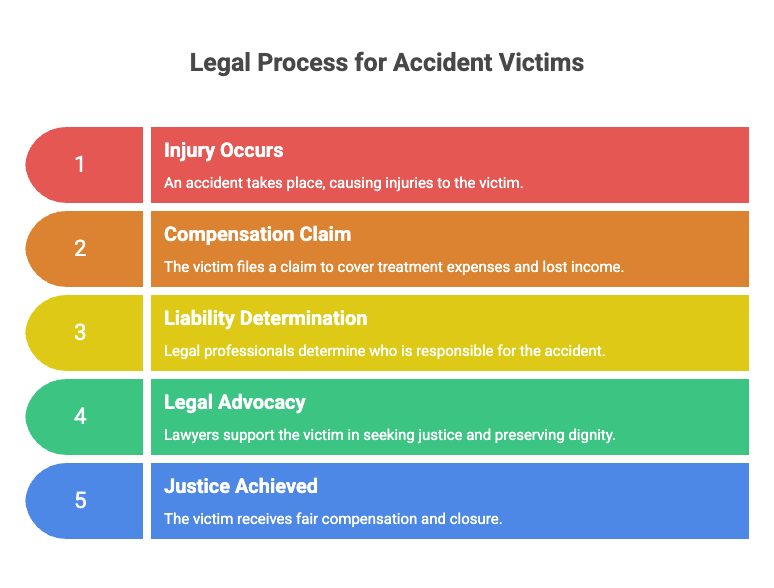
A careful legal evaluation helps determine available insurance coverage, comparative fault issues, and the full value of damages. By asserting these rights, injured individuals may obtain resources needed to recover and continue serving their families and communities.
Steps to Take After a Miami Broken Ribs Car Accident Injury
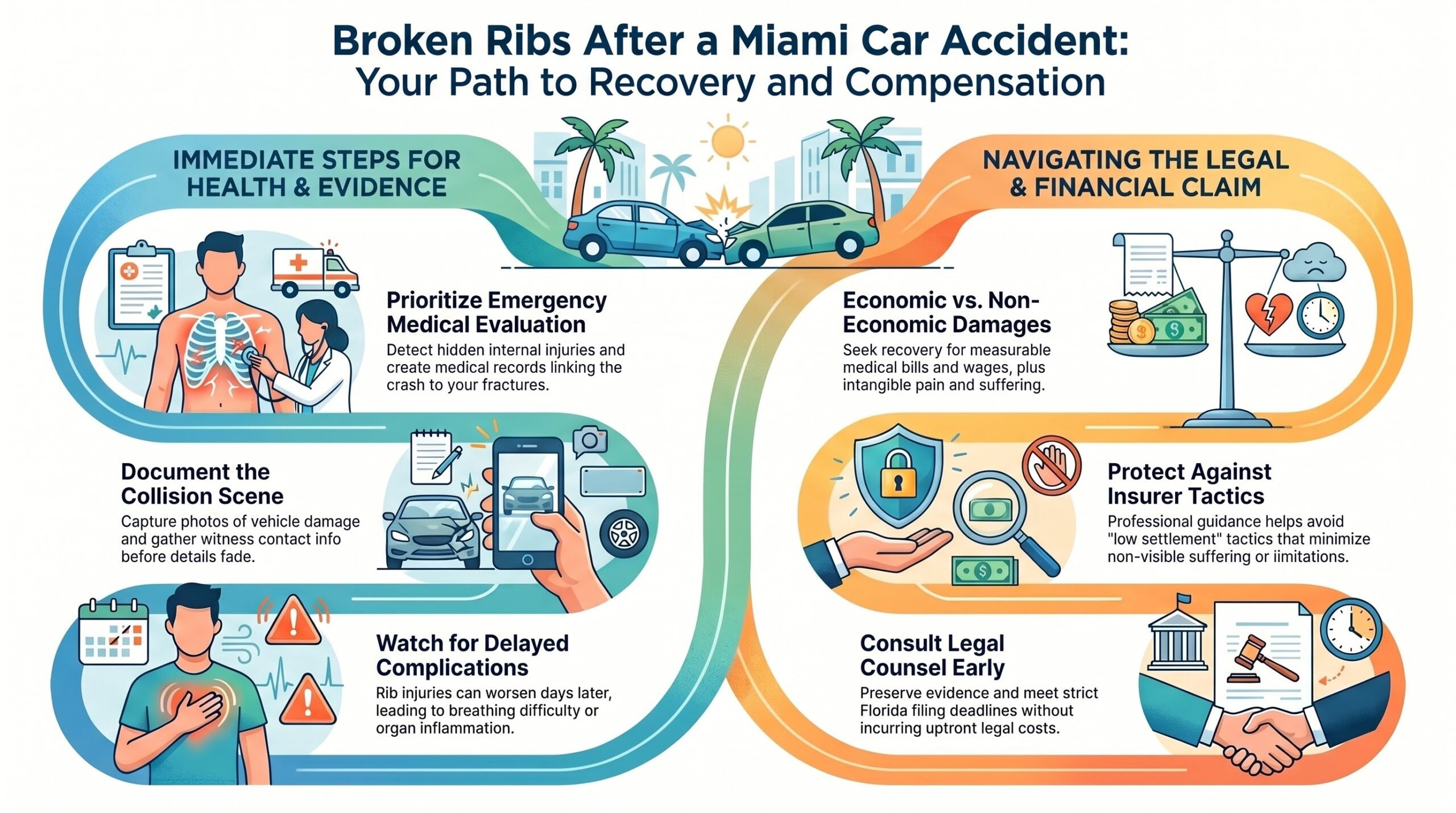
After a Miami car accident involving broken ribs, prompt medical care is crucial to identify internal injuries and create a clear treatment record. The crash scene should also be carefully documented through photographs, witness statements, and any available police reports, as these materials may support a later claim. Early contact with a Miami lawyer can help protect the injured person’s rights and guide the next steps in the legal process.
Seek Immediate Medical Care
Prioritize immediate medical evaluation, because broken ribs can worsen quickly and may signal internal injuries that are not obvious at the scene of a collision. Prompt attention allows physicians to perform an urgent assessment, identify breathing complications, and determine whether hospitalization or imaging is necessary. Early diagnosis also protects vulnerable passengers and caregivers who depend on the injured person’s stability.
Medical providers can begin pain management, monitor oxygen levels, and watch for complications involving the lungs, spleen, or liver. Even when symptoms seem manageable, delayed treatment may increase suffering and make recovery harder for those who serve family members, neighbors, or clients. Following professional instructions, attending follow-up visits, and reporting new pain, dizziness, or shortness of breath support recovery and help guarantee the injured person can safely resume responsibilities within the community and at home.
Document Crash Scene
Once urgent medical needs are addressed, attention should turn to preserving a clear record of the collision scene. Careful documentation can protect the injured person and support a truthful account that may later help others understand what occurred. If physically able, photographs should capture vehicle damage, skid marks, traffic signals, road conditions, debris, and visible injuries. This photographic evidence should be taken from multiple angles and distances to provide context.
It is also prudent to note the time, location, weather, and any statements made by involved drivers. Names and contact details of bystanders should be gathered respectfully, since witness statements may clarify disputed facts. A brief written summary, prepared while memories remain fresh, can preserve important details that might otherwise be forgotten during recovery. Accurate records often become valuable as treatment continues.
Contact A Miami Lawyer
In the days following a Miami car accident, consulting a lawyer can help an injured person understand legal obligations, protect important evidence, and avoid mistakes that may weaken a claim. Legal guidance may prove especially valuable when broken ribs limit mobility, complicate treatment, and create questions about insurance communications, deadlines, and liability.
A Miami lawyer can review medical records, police reports, witness information, and photographs to assess available options. Many firms offer a free consultation, allowing injured people to receive initial guidance without added financial strain. Because contingency fees are common, representation may be available without upfront payment, aligning legal support with a practical commitment to service. Early legal contact also helps preserve testimony, organize damages, and support a claim that reflects the full impact of the injury.
How a Miami Broken Ribs Car Accident Injury Lawyer Can Help You
Securing legal representation after a crash can materially affect how a broken ribs claim is handled and valued. A Miami broken ribs car accident injury lawyer evaluates liability, gathers records, and documents pain, limitations, and treatment needs with precision. Through Medical advocacy, counsel helps coordinate supporting evidence from physicians and imaging providers.
Through Insurance navigation, counsel manages adjusters, deadlines, and settlement communications, reducing avoidable errors and protecting the client’s ability to focus on recovery and family responsibilities.
- Investigates the collision thoroughly, preserving evidence that may clarify fault and strengthen accountability.
- Calculates present losses accurately, including medical bills, wages, transportation costs, and household assistance.
- Prepares a persuasive demand package that reflects the full effect of the injury on daily service to others.
- Negotiates firmly and, when necessary, litigates strategically to pursue fair compensation under Florida law.
This guidance helps injured people make informed decisions and uphold their responsibilities with greater stability and dignity.
Long-Term Effects of Miami Broken Ribs Car Accident Injuries
Broken rib injuries from car accidents may produce lasting complications that extend well beyond the initial recovery period. In many cases, individuals face chronic pain risks, reduced breathing capacity, and limited mobility that interfere with daily activities and physical recovery. These physical effects may also contribute to challenges in emotional recovery, particularly when ongoing discomfort and functional limitations disrupt normal routines.
Chronic Pain Risks
Lingering pain after a rib fracture can persist long after the initial collision, particularly when the injury affects surrounding muscles, cartilage, or intercostal nerves. In some Miami car accident cases, this discomfort develops into chronic pain that interferes with sleep, concentration, and the ability to care for others consistently. Persistent symptoms may also create emotional strain, especially when recovery becomes uncertain or prolonged.
Medical providers often monitor these cases carefully because extended pain can lead to heavier reliance on prescription medication. Without thoughtful oversight, that pattern may increase the risk of opioid dependence, creating additional challenges for injured individuals and their families. A careful legal evaluation can help document ongoing symptoms, treatment needs, and the broader effect of lasting pain, supporting efforts to secure resources that promote stable, compassionate recovery over time.
Breathing And Mobility
Beyond ongoing pain, rib injuries from a Miami car accident can produce lasting problems with breathing and physical movement, particularly when fractures mend slowly or leave behind stiffness in the chest wall. Reduced chest expansion may limit endurance, interfere with sleep, and make routine tasks harder for those trying to care for family members or continue serving their communities.
Medical providers often recommend breathing exercises to support lung function, reduce shallow respirations, and lower the risk of secondary complications. Persistent guarding can also affect posture, shoulder motion, and core strength, potentially hindering walking, lifting, or bending. In more serious cases, mobility aids may be necessary during recovery to promote safety and conserve energy. Careful rehabilitation, consistent follow-up, and practical support can improve function and protect long-term independence.
Emotional Recovery Challenges
Adjusting to life after a Miami car accident often involves more than physical recuperation, especially for individuals coping with painful rib injuries that disrupt sleep, limit activity, and prolong uncertainty about recovery. Emotional strain may develop gradually as discomfort persists and routine responsibilities become harder to manage. Many individuals experience frustration, anxiety, or sadness when convalescence interferes with work, caregiving, or community involvement.
Fear of another collision can also affect travel and confidence. Without steady encouragement, social isolation may increase, particularly when pain restricts movement and participation. Supportive care often includes practical assistance from loved ones, counseling, and carefully selected therapy options that address trauma-related symptoms. Early attention to emotional recovery can help injured individuals restore stability, remain engaged with others, and continue serving their families and communities with greater resilience.
Proving Liability in Miami Broken Ribs Car Accident Injury Cases
How is liability established in a Miami car accident case involving broken ribs? Liability is typically proven through a careful review of evidence showing that another party failed to use reasonable care and directly caused the collision and rib injuries. Police reports, photographs, vehicle damage, roadway markings, and medical records often help connect the crash forces to the diagnosed fractures.
Attorneys and investigators may also assess traffic camera footage, black box data, and cellphone records to identify negligent conduct such as speeding, distraction, or unsafe lane changes. Witness credibility can markedly affect how events are understood, especially when drivers offer conflicting accounts. In complex cases, expert testimony from accident reconstruction specialists or medical professionals may clarify impact dynamics, the causation of injuries, and whether broken ribs are consistent with the reported mechanism of harm. By assembling reliable proof and presenting it clearly, a claimant strengthens the foundation for accountability and supports a just outcome for all affected by the incident.
Dealing With Insurance Companies After a Miami Broken Ribs Car Accident Injury
Once liability evidence begins to take shape, interactions with insurance companies often become the next major factor in a Miami broken ribs car accident claim. Insurers may request statements, medical records, and other documentation intended to evaluate damages, but these exchanges can influence how injuries are valued and understood.
A careful approach often helps protect the injured person’s interests and supports fair treatment for everyone involved. Broken ribs may create ongoing pain, restricted movement, and complications that affect work, caregiving, and daily service to family or community. Insurance representatives may also scrutinize medical billing, treatment timing, and alleged gaps in care. Clear records, accurate communication, and organized documentation can reduce misunderstandings during policy negotiation. Professional guidance may help identify low settlement tactics, disputed treatment needs, or attempts to minimize invisible suffering.
By responding thoughtfully and consistently, claimants place themselves in a stronger position when addressing insurance concerns tied to a serious rib injury after a Miami crash.
What to Expect During a Miami Broken Ribs Car Accident Injury Claim Process
A Miami broken ribs car accident injury claim typically begins with immediate medical documentation, which helps link the rib injury to the collision and establishes the extent of treatment required. The process then follows an insurance claim timeline that may include investigation, record review, and evaluation of evidence used to prove rib injury damages, such as medical costs, lost income, and pain-related limitations. As the claim develops, the settlement negotiation stages often determine whether the matter is resolved through insurer discussions or proceeds to formal legal action.
Immediate Medical Documentation
In the immediate aftermath of a Miami car accident, prompt medical documentation often becomes one of the most important parts of a broken ribs injury claim. Early evaluation helps establish when symptoms began, how severe they were, and what treatment was necessary. Accurate medical records can connect chest pain, breathing difficulty, and physical limitations to the collision itself.
Providers may order X-rays, CT scans, or follow-up examinations because rib fractures are not always immediately visible. Imaging delays can occur when swelling, positioning, or overlapping structures obscure the injury. Consistent documentation of pain levels, mobility restrictions, and prescribed care can strengthen the factual foundation of a claim. For families and advocates seeking to serve an injured person well, careful recordkeeping supports accountability, informed treatment decisions, and a clearer understanding of the person’s recovery needs.
Insurance Claim Timeline
Medical records often shape the pace and direction of a Miami broken ribs car accident injury claim, because insurers generally begin their review by comparing reported symptoms, diagnostic findings, and treatment history with the facts of the collision. From there, adjusters usually request statements, examine policy terms, and verify available coverage. These early claim milestones help determine whether additional investigation, recorded interviews, or independent evaluations will follow.
As the file develops, the frequency of communication may vary depending on treatment progress, document collection, and any questions about liability. A service-minded legal team often helps keep submissions organized, deadlines met, and responses timely, thereby reducing avoidable delays. Although no fixed payout timetable applies to every case, many claims move from intake, review, and negotiation toward resolution once medical status becomes reasonably clear.
Proving Rib Injury Damages
At this stage, proving damages for broken ribs usually requires more than showing that a crash occurred, because insurers and opposing parties often focus on the extent, duration, and practical effect of the injury. Documentation often includes imaging results, treatment records, physician notes, and evidence of breathing pain, sleep disruption, and limited mobility.
A careful claim presentation may also rely on medical experts who explain recovery time, complications, and how rib fractures interfere with work, caregiving, and household responsibilities. Statements from family members, employers, or caregivers can help show day-to-day limitations and the support the injured person needs while recuperating. Financial losses are typically measured through bills, missed income, and future care needs, while pain valuation considers discomfort, restricted movement, and the injury’s effect on ordinary service to others.
Settlement Negotiation Stages
Once the injury record and evidence of damages are assembled, the claim typically moves into settlement negotiations, where the focus shifts from proving the broken ribs to determining the financial value of the losses. Counsel often prepares an initial demand that outlines medical costs, lost income, pain, and future care needs. The insurer then reviews the submission and may respond with denials, questions, or a lower offer.
At this stage, a disciplined counteroffer strategy becomes important. Each response is measured against treatment progress, liability facts, policy limits, and the client’s long-term recovery interests. Negotiations may continue through several rounds while both sides assess risk and fairness. If a reasonable agreement is reached, the claim can be concluded without trial. If not, filing suit may become the next step toward securing accountable compensation for recovery.
Compensation for Miami Broken Ribs Car Accident Injury Damages
Accountability often begins with a clear assessment of the losses caused by a broken rib injury after a Miami car accident. Compensation may reflect the full scope of harm when medical records, diagnostic imaging, pain assessments, and physicians’ opinions show how the injury disrupted daily functioning and community responsibilities.
A careful claim may include hospital care, follow-up appointments, medication, physical therapy, breathing support, and related treatment needs. It may also address time missed from work, reduced capacity to perform regular duties, and the need for assistance with household or caregiving tasks while recovery continues. In more serious situations, compensation may consider complications such as lung punctures, infections, or prolonged limitations requiring continued supervision.
Thorough documentation, consistent treatment, and credible statements from medical professionals often strengthen the presentation of these damages. By organizing evidence with diligence and respect, legal advocates help injured people pursue resources that support recuperation, stability, and a responsible return to serving their families and communities.
Economic vs Non-Economic Damages in Miami Broken Ribs Car Accident Cases
In Miami broken ribs car accident cases, damages are generally divided into economic and non-economic categories, each addressing a different aspect of the claimant’s loss. Economic damages often include medical expenses, lost wages, and other measurable financial costs, while non-economic damages may account for pain, suffering, and reduced quality of life. Establishing the value of either type of damage typically requires medical records, employment documentation, and other evidence that supports the extent and impact of the injury.
Economic Damage Categories
Several categories of economic damages may arise in a Miami broken ribs car accident case, each tied to measurable financial loss. These damages often include medical bills for emergency care, imaging, hospitalization, follow-up visits, medication, and rehabilitation. They may also include lost wages when an injured person cannot return to work during recovery, as well as reduced future earnings if lasting limitations affect employment capacity. Property damage is another common category, covering vehicle repair or replacement and the repair or replacement of other personal items damaged in the collision.
Careful documentation helps demonstrate the full extent of these losses. Attorneys, insurers, and courts often rely on invoices, pay records, repair estimates, and expert evaluations to calculate a fair amount. This structured approach supports accountability and helps injured individuals secure the financial resources needed to restore stability.
Non-Economic Losses
Pain and disruption often define the non-economic losses that follow a Miami broken ribs car accident, even when those harms do not appear on a bill or wage statement. These damages address human consequences that affect daily living, dignity, and the ability to participate fully in family, work, and community responsibilities.
In broken rib cases, non-economic losses may include physical suffering, emotional distress, sleep disruption, anxiety during movement or travel, and reduced enjoyment of ordinary activities. The impact on life can be substantial when breathing, lifting, resting, or caring for others becomes difficult for weeks or months. Pain valuation concerns the seriousness, persistence, and practical effect of these hardships. In a service-minded community, recognizing non-economic harm reflects respect for the injured person’s experience and the broader burdens placed on loved ones and caregivers.
Proving Damage Value
Clarity is central when proving the value of damages in a Miami broken-ribs car accident case, because recovery depends not only on showing that harm occurred but also on demonstrating its financial and personal impact with reliable evidence. Economic damages are usually supported by medical bills, treatment records, rehabilitation costs, transportation expenses, and documentation of lost wages. When injuries limit future work capacity, employment history and medical opinions may help establish projected losses. Non-economic damages require a different showing.
Testimony from the injured person, family members, and treating providers can illustrate physical suffering, disrupted sleep, restricted movement, and emotional strain. Effective pain valuation often depends on consistency between records, symptoms, and daily limitations. A careful presentation of both categories helps pursue compensation that reflects the full scope of harm experienced.
When a Miami Broken Ribs Car Accident Injury Case Goes to Trial vs Settlement
In many Miami broken ribs car accident cases, the decision to resolve a claim through settlement or proceed to trial depends on the strength of the evidence, the extent of the injury, and the parties’ willingness to dispute liability or damages. Settlement often serves injured people by reducing uncertainty, limiting costs, and allowing compensation to arrive sooner for medical care and household needs.
A case may move toward trial when insurers deny fault, minimize pain, or challenge the relationship between the crash and the rib injuries. In that setting, expert witnesses may explain imaging results, treatment needs, and functional limitations. Trial duration can vary, and jury selection may influence how evidence is received. If a verdict does not reflect the proven harm, the appeal process may become relevant. Careful preparation helps attorneys present facts clearly, protect the injured person’s interests, and pursue an outcome that supports recovery, accountability, and the practical needs of families and communities after a serious collision.
The Statute of Limitations for Miami Broken Ribs Car Accident Injury Cases
Whether a Miami broken ribs car accident claim ends in settlement or proceeds to trial, the time allowed to file suit can determine whether compensation remains available at all. Florida law imposes strict filing deadlines, and a missed deadline can bar recovery even when injuries, medical costs, and lost income are substantial.
In these cases, the applicable limitation period often depends on the nature of the claim and the date of accrual of the statute. In general, statute accrual begins when the injury occurs, though certain facts may alter that analysis. Claims involving minors, delayed discovery issues, or wrongful death can follow different timing rules under Florida law. Courts expect these deadlines to be respected because timely filings help preserve evidence, protect witness recollections, and promote fair resolution for everyone involved. For families focused on recovery and supporting others after a collision, understanding the statutory time frame is an important part of protecting the right to seek accountability.
When to Contact a Miami Broken Ribs Car Accident Injury Lawyer
After a collision that causes broken ribs, early contact with a Miami car accident injury lawyer can help protect both the injured person’s health-related interests and the legal claim that may be recovered. Prompt communication is often advisable once emergency care is secured, pain symptoms are documented, and the basic facts of the crash are known.
Early intervention may support the orderly collection of medical records, witness information, photographs, and repair estimates before details fade or disappear. It also helps an injured person respond carefully to insurer calls, settlement requests, and recorded statement demands, where insurance timing can affect reimbursement and claim development. Consultation is also prudent when breathing pain worsens, work duties are disrupted, or questions arise about follow-up treatment, transportation, or household support.
Families who seek guidance soon after the crash are often better positioned to serve the injured person’s recovery needs while preserving accurate information for any future claim. Timely action also reduces avoidable confusion.
Why You Need an Experienced Miami Broken Ribs Car Accident Injury Lawyer
Prompt contact helps preserve a claim, but experience often determines how effectively that claim is developed and presented. Broken rib injuries may appear straightforward, yet they can involve delayed complications, disputed symptoms, and overlapping losses that require careful legal and medical analysis. An experienced Miami broken ribs car accident injury lawyer understands how to document treatment, connect pain and limitations to the crash, and present damages with precision.
Experienced counsel also protects injured people from avoidable setbacks during negotiations and litigation. Insurers often minimize soft tissue complaints, challenge emergency findings, or engage in Insurance bad faith by delaying payment or misrepresenting policy obligations. In some matters, concerns about improper diagnosis, delayed imaging, or poor follow-up may raise issues related to Medical malpractice, which can affect recovery and case strategy. Skilled legal representation helps coordinate evidence, address multiple liable parties, and pursue fair compensation in a manner that supports accountability, service, and the injured person’s long-term well-being.
How to Choose the Right Miami Broken Ribs Car Accident Injury Lawyer for Your Case
In selecting counsel for a broken ribs car accident claim, an injured person should focus on qualifications that reflect both litigation skill and a clear understanding of injury-related proof. The attorney’s history with vehicle collision cases, negotiation results, and courtroom readiness can indicate whether the representation is prepared to protect both recovery and dignity.
Careful evaluation should also include Client interviews, which often reveal how clearly a lawyer explains legal options, listens to medical concerns, and respects the client’s goals. A service-minded choice is usually marked by responsiveness, compassion, and organized case management. Reviewing Fee structures is equally important because transparency helps families make responsible decisions without added strain. An injured person may also consider whether the lawyer works effectively with medical records, expert opinions, and insurance evidence tied to fractured ribs. When these factors align, the legal relationship is better positioned to advance accountability, stability, and meaningful support during recovery and future care planning.
About The Law Offices of Anidjar & Levine
At The Law Offices of Anidjar & Levine, representation for injured crash victims is grounded in attentive client service and focused personal injury advocacy. The firm approaches each broken rib car accident claim with careful preparation, responsive communication, and a commitment to pursuing fair compensation for medical needs, lost income, and related hardships.
Its firm history reflects years of service to injured Floridians and a sustained dedication to accessible legal guidance. Attorneys and staff emphasize respect, clarity, and practical support, helping clients understand each stage of the claims process while protecting their rights. This service-minded approach may appeal to individuals who value helping others and seeking accountability through lawful means. Client testimonials often describe professionalism, compassion, and prompt attention to concerns, reinforcing the firm’s reputation for dependable representation.
Through disciplined case management and individualized advocacy, The Law Offices of Anidjar & Levine presents itself as a resource for Miami crash victims facing painful rib injuries and uncertain recovery.
Frequently Asked Questions
Can Broken Ribs From a Car Accident Worsen Days Later?
Yes, broken ribs from a car accident can worsen days later. Delayed complications may include increased inflammation, breathing difficulty, or injury to nearby organs, which can cause pain escalation after the initial trauma seems manageable. A careful observer would recognize that worsening symptoms merit prompt medical evaluation, especially when serving another person’s well-being. Early attention helps protect recovery, reduce risk, and ensure that hidden injuries do not progress without appropriate treatment.
Are Children More Vulnerable to Rib Injuries in Car Accidents?
Yes, children are generally more vulnerable to rib injuries in car accidents. Their lower bone density and developing chest structures provide less protection against crash forces, which can increase the risk of injury. Improper child restraints further raise that risk by allowing harmful movement or concentrated pressure during impact. Careful restraint selection, correct installation, and prompt medical evaluation help caregivers protect children and respond appropriately when injury is suspected after a collision.
Can Seat Belts Cause Broken Ribs During a Collision?
Yes, seat belts can cause broken ribs during a collision, particularly when the seatbelt mechanism restrains the torso against severe impact dynamics. This outcome is more likely in older adults, children, and those with fragile bone structure. Even so, seat belts remain crucial because they greatly reduce the risk of fatal injury. Their protective function often outweighs the possibility of rib fractures, which are usually less dangerous than ejection.
How Long Do Broken Ribs Usually Take to Heal?
Broken ribs usually mend within six to eight weeks, though the healing timeline may extend for older adults or those with complications. Most cases improve steadily with rest, careful movement, and consistent pain management to support breathing and daily function. A medical evaluation remains important when symptoms worsen, breathing becomes difficult, or pain persists beyond the expected recovery period. Prompt attention helps protect overall health and supports a safer return to service.
Can I Travel With Broken Ribs After a Car Accident?
Travel after a car accident with broken ribs may be possible, but medical clearance is strongly advised first. A physician can assess pain control, breathing function, and the risk of complications during transit. Travel restrictions may apply depending on the severity of the injury and the planned activity level. Airline policies also vary, especially regarding recent trauma and onboard assistance. Careful planning helps protect recovery and enables responsible service to others during travel.
—————————
Broken ribs after a Miami car accident can cause severe pain, lead to medical complications, and create significant financial hardship. Understanding your legal options, taking timely action, and working with experienced representation can make a meaningful difference in the outcome of a claim.
The Law Offices of Anidjar and Levine help injured individuals assess the facts, protect their rights, and pursue fair compensation.
With skilled legal guidance from a Miami Car Accident Lawyer, victims may be better equipped to manage immediate challenges and seek an appropriate recovery under Florida law.