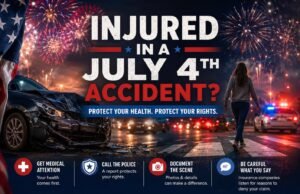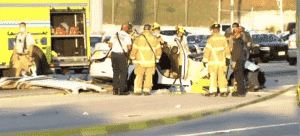
The Law Offices of Anidjar and Levine helps injured victims secure medical documentation, preserve crash evidence, address insurer tactics, and pursue compensation for medical expenses, lost income, and other accident-related losses after a Miami I-95 collision. A Miami Car Accident Lawyer may investigate liability through police reports, witness accounts, roadway conditions, and digital evidence while protecting important deadlines under Florida law.
Prompt legal guidance can also reduce avoidable claim mistakes after a serious highway collision. The sections below explain these issues in greater detail.
Main Takeaways
- After an I-95 crash, prioritize safety by moving to a protected area, using hazard lights, and calling 911.
- Seek prompt medical care, even for mild symptoms, because serious injuries can be delayed or masked by adrenaline.
- Document the scene with photos, witness contact information, police report details, and preserved vehicle or dash-cam evidence.
- A Miami I-95 injury lawyer investigates fault using crash reports, medical records, witnesses, and electronic or roadway evidence.
- Legal help can protect your claim, address insurer issues, and pursue compensation for medical bills, lost income, and future care.


How We Can Help With Your Miami I-95 Car Accident Injury Claim
After a collision on Miami’s I-95, an injured person often faces immediate medical concerns, insurance communications, and uncertainty about the next steps in a legal claim. Effective legal support can reduce that burden by organizing records, preserving evidence, and managing deadlines with diligence and care. Through a Free consultation, the firm can listen closely, answer urgent questions, and outline practical options.
With a thorough Case evaluation, the firm can identify available documentation, communicate with insurers, and seek information that strengthens the claim. Attorneys and staff can coordinate with medical providers, gather witness statements, and track losses that may affect recovery. They can also prepare clear correspondence, protect the client from avoidable mistakes, and keep the process moving forward. Throughout representation, the focus remains on service, accountability, and respectful guidance, so the injured person and family can devote attention to recuperation, stability, and the well-being of those who depend on them.
OUR CONSULTATIONSARE FREE
START YOUR FREE CASE REVIEW

Understanding Miami I-95 Car Accident Injury Cases
Legal support is only one part of the picture, because a clear understanding of Miami I-95 car accident injury cases also helps explain how liability, damages, and insurance issues often develop. These matters often involve dense traffic patterns, multiple vehicles, commercial transportation, and evolving roadway conditions, all of which can complicate factual review and claims evaluation for injured people and their supporting families.
A careful case assessment generally considers medical records, witness statements, crash reports, digital evidence, and policy terms. It also examines how weather affects visibility, braking distance, and emergency response time, as these factors may affect both fault analysis and the scope of recoverable losses. In Florida, injury cases may raise questions about personal injury protection coverage, serious injury thresholds, comparative fault, and future care needs. A thorough understanding of these issues helps community-minded individuals make informed decisions, protect vulnerable loved ones, and pursue accountability in a manner grounded in service, fairness, and responsibility.
Common Causes of Miami I-95 Car Accidents
Several recurring factors contribute to crashes on Miami’s I-95, often creating serious risks for drivers and passengers alike. Among the most common are speeding and aggressive driving, distracted driving, heavy traffic congestion, and collisions involving impaired drivers. Each of these causes can affect liability, the severity of injuries, and the overall course of a car accident claim.
Speeding And Aggressive Driving
Speeding and aggressive driving remain leading causes of serious collisions on Miami’s I-95, where dense traffic, frequent lane changes, and high travel speeds leave little margin for error. Drivers who weave through lanes, tailgate, or accelerate suddenly reduce everyone’s reaction time and increase the likelihood of chain-reaction crashes. Even near a speed trap, some motorists continue taking dangerous risks, placing families, commuters, and emergency responders in harm’s way.
Aggressive conduct often escalates into road rage, which can prompt reckless passing, unsafe braking, and hostile actions that endanger innocent travelers. From a public safety perspective, responsible driving on I-95 reflects respect for others and a commitment to community well-being. Careful speed control, patience, and lawful conduct help protect lives and reduce preventable injuries throughout Miami’s busiest corridor.
Distracted Driving Risks
Many crashes on Miami’s I-95 can be traced to distracted driving, a persistent hazard that undermines attention, judgment, and timely reaction. Drivers who text, adjust navigation, eat, or manage passengers may create dangerous gaps in awareness within seconds. Even brief visual distraction can prevent a driver from noticing braking vehicles, lane changes, or roadway hazards ahead.
Public safety efforts increasingly emphasize education and hands-free enforcement to reduce preventable harm. These measures aim to protect families, commuters, and first responders who depend on attentive driving for their safety. Distracted driving also includes cognitive inattention, when a driver’s mind drifts from the task of operating a vehicle responsibly. On a fast-moving interstate, that lapse may contribute to severe collisions, serious injuries, and lasting consequences for everyone involved.
Heavy Traffic Congestion
Often, heavy traffic congestion on Miami’s I-95 creates conditions in which minor errors quickly escalate into serious collisions. During rush hour, drivers must react to abrupt braking, frequent lane changes, and limited following distance, all while maneuvering fast-moving streams of vehicles. These pressures reduce the margin for safe decisions and increase the likelihood of rear-end crashes and sideswipes.
Congestion also intensifies risks near merges, exits, and bottleneck zones, where traffic patterns compress suddenly and visibility may be restricted. Commercial vehicles, commuters, and visitors often compete for limited space, which can disrupt orderly flow and create chain-reaction impacts. From a public safety perspective, understanding how congestion contributes to preventable harm helps families, advocates, and community-minded professionals recognize why careful driving practices, patience, and roadway awareness remain crucial on this corridor.
Impaired Driver Collisions
By impairing judgment, coordination, and reaction time, alcohol and drug use create a serious collision risk on Miami’s I-95, where traffic conditions can change within seconds. Drivers affected by intoxication may drift between lanes, misjudge following distance, or fail to respond to braking traffic, placing many others in danger.
These collisions may involve alcohol, illegal substances, or prescription impairment that reduces alertness and decision-making. In some cases, underage drivers contribute to crashes through unlawful drinking or drug use before entering the highway. Because impaired driving often causes high-speed impacts, victims may suffer severe injuries requiring extensive care and support. Careful investigation can help identify the source of impairment, preserve evidence, and clarify liability. This information can assist injured individuals and families as they pursue accountability and meaningful recovery after harm.


Legal Rights of Miami I-95 Car Accident Injury Victims
After a crash on Miami’s I-95, injured victims retain important legal rights under Florida law, including the right to seek medical benefits through personal injury protection coverage and, when the circumstances permit, to pursue compensation from the at-fault party.
These rights exist to promote fair victim compensation and to uphold statutory protections designed for public safety and accountability.
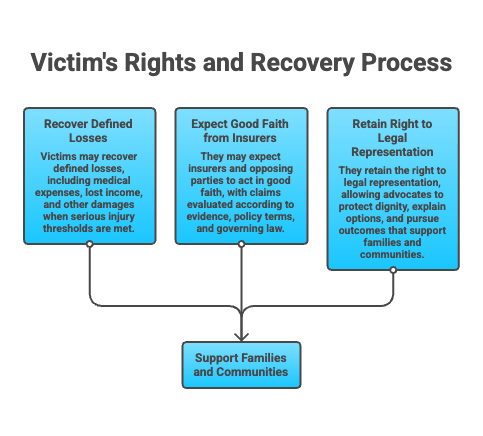
- Victims may recover defined losses, including medical expenses, lost income, and other damages when serious injury thresholds are met.
- They may expect insurers and opposing parties to act in good faith, with claims evaluated according to evidence, policy terms, and governing law.
- They retain the right to legal representation, allowing advocates to protect dignity, explain options, and pursue outcomes that support families and communities.
Florida law also imposes filing deadlines and comparative fault rules, both of which can affect recovery. A clear understanding of these rights helps injured individuals make informed decisions and seek justice responsibly.
Steps to Take After a Miami I-95 Car Accident Injury
After a Miami I-95 car accident injury, immediate actions can markedly affect both physical recovery and any future legal claim. Priority is generally given to ensuring safety, obtaining prompt medical care, and preserving clear evidence from the crash scene. These initial steps often provide the foundation for documenting injuries, establishing liability, and protecting the injured party’s interests.
Ensure Safety First
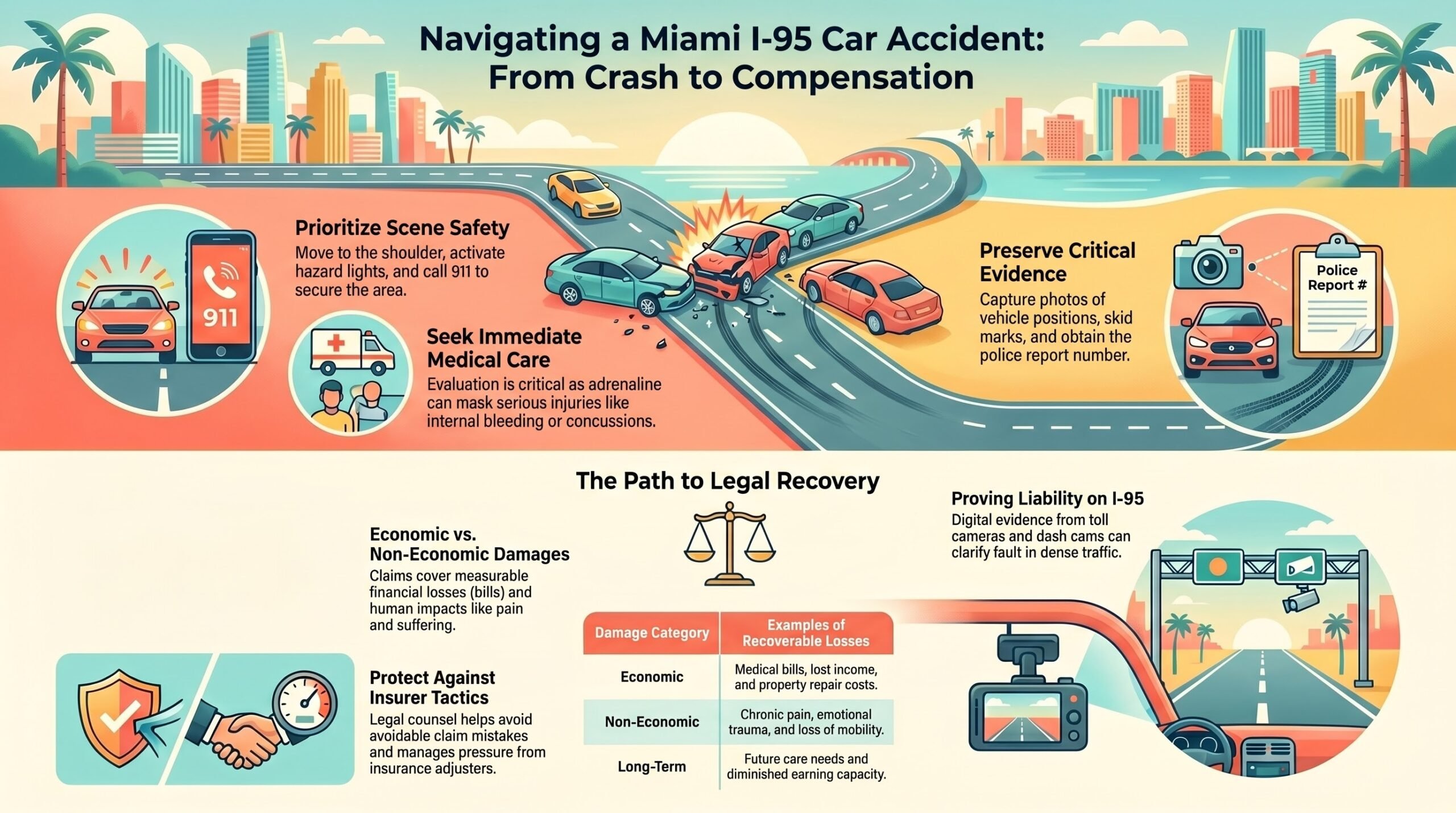
When a collision occurs on Miami’s I-95, immediate attention should be directed to safety before any discussion of fault, insurance, or legal action. Drivers and passengers should remain calm, assess surrounding hazards, and, if the vehicle can move, relocate it to the shoulder or another safer area away from active lanes.
Hazard lights should be activated at once, and everyone should keep seat belts fastened until conditions permit a careful exit. If leaving the vehicle is necessary, occupants should move behind guardrails or to a protected location. Helpful motorists may use emergency kits, warning triangles, or flares to alert approaching traffic and reduce further harm. A prompt call to 911 allows law enforcement and emergency responders to secure the scene, protect others, and restore safer traffic conditions for all nearby travelers.
Seek Medical Care
In the moments following a collision on Miami’s I-95, obtaining prompt medical evaluation should be treated as a priority, even if injuries seem minor or symptoms are not immediately apparent. Adrenaline can mask pain, while conditions such as concussions, internal bleeding, and soft tissue trauma may worsen without timely attention.
A medical professional can assess visible and hidden injuries, recommend treatment, and provide guidance that supports recovery and continued service to loved ones and the community. Emergency care, urgent care, or a primary physician may be appropriate depending on the circumstances. Care should continue after the initial visit through follow-up appointments, prescribed therapy, and careful home care. Following medical advice consistently helps protect health, promotes recovery, and reduces the risk of manageable injuries becoming more serious over time.
Document Crash Evidence
Preserve as much evidence as possible, because careful documentation can play a significant role in establishing how a Miami I-95 collision occurred and the extent of the resulting harm. If conditions permit, photographs should capture vehicle positions, roadway markings, debris, skid marks, visible injuries, and weather conditions. Names, contact information, and witness statements should be collected promptly, while memories remain fresh and accurate.
A driver or helper should also save dash cam footage, phone images, repair estimates, towing records, and all correspondence with insurers. The police report number should be noted and obtained as soon as it becomes available. Damaged personal items, including child seats or helmets, may also serve as useful evidence. Thoughtful documentation supports accountability, strengthens an injury claim, and helps those seeking justice protect the well-being of everyone affected.
How a Miami I-95 Car Accident Injury Lawyer Can Help You
A Miami I-95 car accident injury lawyer provides structured legal guidance after a highway collision, helping injured individuals understand their rights, evaluate potential claims, and respond to insurer tactics that may reduce compensation. Counsel often serves as a steady advocate during a difficult period, allowing families to focus on care and daily responsibilities while legal matters are addressed.
- Case assessment: An attorney reviews police reports, witness statements, medical records, and roadway conditions to identify liability and clearly document damages.
- Medical advocacy: Counsel helps coordinate records, communicates with providers, and presents injuries in a manner that supports proper treatment and fair valuation.
- Settlement negotiation: A lawyer manages insurer communications, challenges low offers, and pursues compensation for medical costs, lost income, and other accident-related losses.
This support benefits people who value service to others, because sound legal representation can protect household stability and preserve the ability to care for dependents, colleagues, and the broader community.
Long-Term Effects of Miami I-95 Car Accident Injuries
Miami I-95 car accident injuries can produce lasting consequences that extend well beyond the initial recovery period. Many individuals face chronic pain challenges and emotional trauma that affect daily functioning, personal relationships, and overall stability. In more serious cases, loss of mobility may limit independence and require ongoing medical care, rehabilitation, or long-term support.
Chronic Pain Challenges
Often, chronic pain becomes one of the most disruptive long-term consequences of a car accident on I-95, particularly when injuries involve the neck, back, shoulders, or nerves. What begins as soreness may progress to persistent discomfort that limits movement, reduces endurance, and interferes with daily responsibilities. Many injured individuals also experience sleep disruption, which slows physical recovery and makes everyday tasks harder to manage.
Over time, ongoing pain can require repeated medical visits, physical therapy, and workplace accommodations. Some people struggle with medication dependence when prescriptions are used for extended relief without addressing underlying damage. This burden may affect family caregiving, employment stability, and the ability to consistently serve others. Careful documentation, timely treatment, and informed legal guidance often help protect access to resources needed for long-term recovery.
Emotional Trauma Impact
Beyond the physical burden of chronic pain, many injured individuals experience lasting emotional trauma after a car accident on I-95. Symptoms may include anxiety, intrusive memories, sleep disruption, irritability, and post-traumatic stress that interferes with family life, work responsibilities, and community involvement. These effects often persist long after visible injuries begin to mend.
For those committed to caring for others, emotional suffering can be especially distressing because it limits patience, focus, and dependable presence. Professional counseling, peer support, and practical coping strategies may help restore stability and confidence over time. Careful documentation of psychological harm is also important, since emotional injuries can affect treatment needs, relationships, and long-term recovery. A thorough legal evaluation may consider these non-economic damages when evaluating the full impact of the collision.
Loss Of Mobility
Many car accident victims face a lasting loss of mobility that changes how they walk, lift, bend, climb stairs, or complete routine daily tasks. These limitations often follow spinal injuries, fractures, nerve damage, or joint trauma sustained in serious Miami I-95 collisions. Recovery may require extensive rehabilitation, ongoing pain management, and careful coordination of medical services.
Families who seek to support an injured person often help arrange Assistive devices, transportation assistance, and Home modifications that improve safety and independence. Even with treatment, reduced mobility can affect employment, caregiving roles, and participation in community life. A careful legal review may help document future medical needs, diminished earning capacity, and the practical costs of long-term support, allowing injured individuals to pursue resources that protect dignity, stability, and continued service to others.
Proving Liability in Miami I-95 Car Accident Injury Cases
Establishing liability in a Miami I-95 car accident injury case requires a careful review of how the collision occurred, who breached a legal duty of care, and whether that breach directly caused the resulting injuries and losses. Attorneys and investigators often begin with police reports, scene photographs, vehicle damage patterns, and medical records to build a reliable timeline.
They may also evaluate witness credibility, because consistent statements from drivers, passengers, and bystanders can clarify speeding, distraction, unsafe lane changes, or impaired driving. In more complex crashes, electronic forensics can reveal braking data, phone activity, dash-camera footage, and roadway surveillance footage that support or challenge competing accounts. Skid marks, debris fields, weather conditions, and construction zones may further explain why a collision happened. Florida’s comparative negligence rules can also affect how fault is assigned when more than one party contributed. A thorough liability analysis helps injured people pursue accountability while protecting the interests of those depending on their care.
Dealing With Insurance Companies After a Miami I-95 Car Accident Injury
After a Miami I-95 collision, insurance communications often begin quickly, sometimes before the injured person fully understands the extent of the harm or the long-term effect on work, treatment, and daily life. In that early period, careful communication matters. Insurers may request recorded statements, medical authorizations, or broad documentation that should be reviewed closely before any response is given.
A service-minded approach emphasizes honesty, organization, and protection of the injured person’s interests. Detailed records of medical visits, lost income, repair estimates, and correspondence can support a fair evaluation. Attention to claim deadlines is also crucial, because missed dates may affect available benefits or reimbursement opportunities. During policy negotiation, insurers may question the seriousness of injuries or the necessity of certain care. Consistent documentation and measured communication can reduce misunderstanding and limit unfair pressure.
Many injured people benefit from guidance that helps them respond respectfully, preserve important evidence, and remain focused on recovery while their insurance issues are properly addressed.
What to Expect During a Miami I-95 Car Accident Injury Claim Process
A Miami I-95 car accident injury claim typically begins with prompt reporting, documentation of losses, and the filing of required insurance forms. As the matter progresses, insurers may question liability, minimize injuries, or seek statements that could weaken the claim, making careful communication especially important. The process then turns on the review of medical evidence, followed by settlement negotiations and, when necessary, litigation to pursue full compensation.
Initial Claim Steps
Steering through a Miami I-95 car accident injury claim typically begins with prompt reporting, careful documentation, and an early review of available insurance coverage. From the outset, injured parties are generally encouraged to seek medical evaluation, notify insurers, and preserve records that may support those harmed and protect community well-being.
Early claim development often includes gathering crash reports, photographs, medical bills, and witness statements. Attention to insurance timelines is crucial because missed notice requirements or filing deadlines can affect access to benefits. Legal counsel may also help identify liable parties, confirm policy limits, and organize supporting evidence clearly. By taking these initial steps carefully and respectfully, claimants place themselves in a stronger position to pursue fair compensation while remaining focused on recovery, accountability, and service to others in need.
Insurance Company Tactics
Recognizing common insurance company tactics can help set realistic expectations during a Miami I-95 car accident injury claim. Adjusters may appear cooperative at first, yet their primary role is to protect company finances rather than advance the claimant’s broader recovery goals.
Common claim tactics include requesting repetitive paperwork, closely examining statements for inconsistencies, and encouraging quick resolutions before losses are fully understood. Insurers may also use settlement delays to pressure injured people who face mounting expenses and family responsibilities. In some cases, communications become selective, with slow responses or narrowly framed questions designed to limit exposure. A careful, service-minded approach often involves organized records, measured communication, and timely follow-up.
Understanding these patterns allows injured individuals and those assisting them to respond thoughtfully, preserve fairness, and remain focused on accountable, community-centered outcomes.
Medical Evidence Review
After insurer communications and early claim tactics are addressed, attention often turns to the medical evidence review, which plays a central role in evaluating the nature and extent of injuries after a Miami I-95 collision. Providers’ records, diagnostic images, treatment notes, and rehabilitation reports are examined for consistency, timing, and clinical support. Careful radiological interpretation may clarify whether trauma caused disc injuries, fractures, or soft-tissue damage. This review also considers preexisting conditions, gaps in care, and the anticipated need for future treatment.
In more intricate cases, qualified experts may offer expert testimony to explain causation, prognosis, and functional limitations. A thorough, organized review helps those assisting injured individuals clearly understand medical needs, support accurate documentation, and promote informed decisions focused on recovery, accountability, and service to others in need.
Settlement And Litigation
Following the medical evidence review, a Miami I-95 car accident injury claim often enters the settlement and litigation phases, where liability, damages, and case value are examined more closely. Counsel typically organizes witness statements, crash reports, and financial losses to present a clear demand to insurers. When negotiations remain productive, early resolution may spare families additional strain.
If settlement efforts stall, formal litigation may begin through filing, discovery, depositions, and motion practice. Courts may encourage mediation, and mediation advantages can include reduced expense, faster resolution, and opportunities to preserve dignity while addressing community-minded concerns. If a trial becomes necessary, evidence is presented for judicial or jury determination. After judgment, the appeals process may review legal errors, deadlines, and procedural fairness, helping to ensure the outcome reflects both the law and careful service.
Compensation for Miami I-95 Car Accident Injury Damages
Accountability is central when evaluating compensation for Miami I-95 car accident injury damages, because the value of a claim depends on the specific losses caused by the collision. A careful assessment often considers medical treatment, rehabilitation needs, property repair, and the ways an injury limits a person’s ability to support family and community obligations.
In more serious cases, compensation may also reflect long-term care requirements, diminished quality of life, and future earning capacity when injuries reduce a person’s ability to work over time. If the evidence shows especially reckless or intentional misconduct, punitive damages may be sought to promote responsibility and deter similar harm to others. Documentation, witness statements, expert opinions, and treatment records often shape how insurers and courts measure these damages.
A disciplined legal approach helps ensure the claim reflects the full extent of harm while respecting the injured person’s role, dignity, and ongoing desire to contribute meaningfully to others, despite the disruption caused by the crash.
Economic vs Non-Economic Damages in Miami I-95 Car Accident Cases
Miami I-95 car accident cases often involve two primary categories of compensation, economic damages and non-economic damages, each addressing different forms of harm. Economic damages generally include measurable financial losses, such as medical expenses, lost income, and property damage, while non-economic losses concern pain and suffering, emotional distress, and diminished quality of life. Establishing the value of either category requires credible documentation, persuasive evidence, and a clear connection between the collision and the claimed losses.
Economic Damages Explained
In car accident litigation arising from collisions on I-95, economic damages refer to the measurable financial losses caused by the crash, while non-economic damages address harms that do not come with a fixed dollar amount. These damages often include emergency care, hospital bills, rehabilitation costs, medication expenses, property damage, lost wages, and diminished future earnings.
Courts and insurers review records, invoices, repair estimates, employment documentation, and expert opinions to determine value. Careful calculation helps families secure resources needed for treatment, household stability, and continued service to others during recovery. In serious cases, economic damages may also cover long-term medical support, assistive devices, transportation to appointments, and necessary home modifications. By focusing on documented losses, this category provides a clear framework for compensation and promotes accountability after a preventable I-95 collision.
Non-Economic Losses Overview
Beyond measurable bills and wage records, non-economic losses address the human impact of an I-95 collision that cannot be calculated through receipts alone. These damages concern the injured person’s daily suffering, emotional strain, physical limitations, and the disruption of ordinary relationships and routines.
In Miami I-95 car accident cases, non-economic losses often include pain, anxiety, inconvenience, disfigurement, and loss of enjoyment of life. They recognize that serious injuries may alter sleep, mobility, confidence, and the ability to care for family, participate in community life, or continue meaningful service to others. Although pain valuation is not tied to invoices, these losses remain a significant part of a complete claim. A careful overview of non-economic damages helps families understand that justice involves more than repayment for financial costs after a collision.
Proving Damage Value
Assigning a fair dollar value to accident-related harm requires more than listing losses, because both economic and non-economic damages must be supported by persuasive evidence. In Miami I-95 cases, economic damages are often shown through medical bills, wage records, repair estimates, and a careful damage appraisal. Non-economic damages, including pain, emotional distress, and reduced quality of life, usually require a broader presentation of proof.
Medical records, treatment history, and testimony from family members may help demonstrate how injuries affect daily service, work, and relationships. When losses are disputed, expert testimony from physicians, economists, or vocational experts can strengthen the claim by connecting documented injuries to future costs and limitations. A disciplined valuation process helps injured people pursue accountability while protecting the resources needed for recovery, stability, and continued care.
When a Miami I-95 Car Accident Injury Case Goes to Trial vs Settlement
After a Miami I-95 car accident, an injury claim may conclude through settlement or proceed to trial, depending on the disputed facts, the severity of the injuries, and the parties’ willingness to negotiate in good faith. Settlement often occurs when liability is reasonably clear, medical records are well developed, and both sides prefer a predictable resolution. Careful evaluation of settlement timing can help injured people secure support sooner while limiting added stress and expense.
Trial becomes more likely when fault is contested, damages are minimized, or insurers refuse to offer fair compensation. In those situations, formal discovery, expert testimony, and courtroom presentation may be necessary to demonstrate the full impact of the collision. Attorneys also consider jury dynamics because community attitudes, witness credibility, and the clarity of evidence can influence outcomes. A service-minded legal approach weighs efficiency against accountability, seeking the option that best protects the injured person’s recovery, dignity, and long-term well-being while encouraging responsibility.
The Statute of Limitations for Miami I-95 Car Accident Injury Cases
Whether a Miami I-95 car accident injury claim ends in settlement or proceeds to trial, the time allowed to file suit can determine whether compensation remains available at all. In Florida, deadlines can differ depending on the date of the crash, the parties involved, and the type of losses claimed, so careful attention to timing is crucial.
These nuances of the statute matter because a missed deadline may bar recovery even when liability appears clear and injuries are significant. Certain toll exceptions may pause or extend the filing period in limited circumstances, such as delayed discovery issues, minority, or incapacity, but those rules are narrowly applied. Claims involving government entities may also require special notice procedures and shorter timeframes before a lawsuit may proceed.
For families seeking to protect household stability and care for injured loved ones, understanding these deadlines supports informed decisions, preserves legal rights, and helps guarantee that a valid claim is not lost solely because time expired.
When to Contact a Miami I-95 Car Accident Injury Lawyer
In the hours and days following a collision on Miami’s I-95, contacting a car accident injury lawyer is often advisable once injuries are suspected, liability is disputed, or insurers begin requesting statements and records. Early contact can help preserve photographs, witness information, medical documentation, and other evidence before conditions change or memories fade.
Prompt consultation is also appropriate when emergency treatment is needed, symptoms worsen, or time away from work begins affecting household stability. Families trying to support an injured person may benefit from clear guidance on reporting obligations, available records, and the legal timelines governing notices and filing deadlines. Contact may also be timely when a crash involves multiple vehicles, commercial drivers, uninsured motorists, or allegations of shared fault. In some situations, legal counsel may coordinate with medical providers, assist with obtaining records, and recommend practical resources such as post-crash counseling. Reaching out sooner rather than later often supports informed decisions and organized recovery.
Why You Need an Experienced Miami I-95 Car Accident Injury Lawyer
On heavily traveled corridors such as Miami’s I-95, an experienced car accident injury lawyer can provide value that extends well beyond basic claim filing. After a serious collision, injured people often face medical demands, insurance pressure, lost income, and uncertainty about next steps. Experienced counsel helps organize evidence, protect legal rights, and present losses in a clear, documented manner that supports fair recovery.
Local know-how also matters. A lawyer familiar with Miami traffic patterns, regional insurers, nearby medical providers, and court procedures can respond more effectively to issues that commonly arise after I-95 crashes. This knowledge may strengthen negotiations and reduce costly mistakes. In cases involving multiple vehicles, disputed liability, or significant injuries, legal guidance can help make certain that no important detail is overlooked. By managing the legal process with discipline and care, counsel allows injured individuals and their families to focus on recovery, stability, and the broader responsibility of caring for others in recovery.
How to Choose the Right Miami I-95 Car Accident Injury Lawyer for Your Case
Selecting the right Miami I-95 car accident injury lawyer requires more than choosing the first firm that advertises local experience. A careful review of credentials, courtroom history, and knowledge of Florida injury law helps identify counsel prepared to protect injured people and their families. Attorneys should communicate clearly, respond promptly, and explain realistic legal options without making inflated promises.
Prospective clients should also compare Fee structures and understand whether costs are contingent, hourly, or tied to litigation expenses. Transparency on billing supports trust and helps families plan responsibly while focusing on recovery. Reviewing testimonials, disciplinary records, and case results can further clarify whether a lawyer consistently meets Client expectations. It is also wise to assess whether the firm has sufficient staff, investigative resources, and medical contacts to build a strong claim. Choosing counsel with integrity, compassion, and proven skill can better position a case for fair compensation and meaningful support after a serious I-95 collision.
About The Law Offices of Anidjar & Levine
With a focus on personal injury representation, The Law Offices of Anidjar & Levine serves injured clients in Miami and throughout South Florida after serious motor vehicle collisions, including crashes on I-95. The firm assists people facing medical costs, lost income, and difficult recovery periods, while maintaining a service-centered approach grounded in responsiveness and careful case management.
Its firm history reflects sustained work on behalf of accident victims and families seeking accountability after negligent conduct. The attorneys and staff handle communication with insurers, gather supporting evidence, assess damages, and pursue compensation through negotiation or litigation when necessary. This structure allows clients to focus on recuperation and supporting their households during uncertain periods.
Publicly available client testimonials frequently emphasize accessibility, professionalism, and consistent updates throughout the legal process. For individuals seeking representation that values dignified service, practical guidance, and thorough advocacy, the firm presents a resource for informed legal support after a serious Miami I-95 collision.
Frequently Asked Questions
Can I Recover Damages if Road Construction Contributed to My I-95 Accident?
Yes, damages may be recoverable if road construction materially contributed to an I-95 accident. Liability may rest with contractors, agencies, or related parties when unsafe conditions, poor maintenance, or negligence in signage created foreseeable hazards. A careful investigation often determines whether construction liability applies and whether multiple parties share fault. To serve injured persons well, evidence such as crash reports, photographs, witness statements, and project records should be preserved promptly for a full claim.
Do Out-Of-State Drivers Face Different Rules After a Miami I-95 Crash?
Yes, out-of-state drivers may face different rules after a Miami I-95 crash, primarily due to jurisdictional differences and insurance procedures. Florida law generally governs the accident, yet the driver’s home-state policy terms can still affect coverage, notice requirements, and claim handling. A careful review of both states’ rules helps protect all involved parties, supports fair compensation, and assures that legal and insurance obligations are met promptly and properly.
How Do Toll Lane Cameras Affect Evidence in I-95 Accident Claims?
Toll lane cameras can materially strengthen evidence in I-95 accident claims by capturing vehicle location, lane usage, speed patterns, and timing near the collision. This traffic surveillance may help confirm fault, rebut false statements, and support witness accounts. However, access often requires prompt legal requests and compliance with retention rules. Claimants should also recognize privacy concerns, as camera data collection and disclosure must comply with applicable laws and established evidentiary procedures.
Can Weather Conditions on I-95 Impact My Injury Case Outcome?
Yes, weather conditions on I-95 can affect the outcome of an injury case. Courts and insurers may examine adverse visibility, rain, fog, and the road surface to determine whether each driver acted reasonably. Severe weather does not excuse careless conduct, but it can alter fault analysis, speed expectations, and stopping-distance assessments. Evidence such as forecasts, crash reports, photographs, and witness statements often helps establish how conditions contributed to the collision.
Are Rental Car Accidents on Miami I-95 Handled Differently?
Yes, rental car accidents on Miami’s I-95 are often handled differently because several parties may share responsibility. The analysis usually includes the driver, the rental company, outside insurers, and any applicable rental liability limits. Coverage questions often create insurer disputes, especially when personal policies, credit card benefits, and rental agreements overlap. A careful review of contracts, insurance terms, and evidence of fault helps protect injured people and support fair, service-minded claim resolution.
—————————
A Miami I-95 car accident injury claim can involve serious injuries, intricate liability issues, and significant financial losses. With knowledgeable legal guidance, injured parties may better protect their rights, preserve essential evidence, and pursue fair compensation.
The Miami Car Accident Lawyer at The Law Offices of Anidjar & Levine provides focused representation for those affected by highway collisions in Miami. Prompt action and informed legal counsel often make a meaningful difference in the outcome of a car accident injury case.