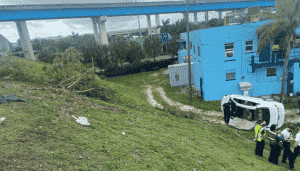
Law Offices of Anidjar and Levine helps protect a claimant’s rights after a serious highway crash by preserving evidence, handling insurer communications, and evaluating liability.
Counsel may gather crash reports, roadway footage, witness statements, medical records, and proof of lost income to support a strong claim. An attorney also explains deadlines, assesses damages, and prepares for negotiation or litigation when needed.
The sections that follow outline crucial steps, risks, and practical considerations in more detail. Learn more from a Miami Car Accident Attorney.
Main Takeaways
- A Miami highway car accident injury lawyer preserves crash reports, roadway footage, black box data, and witness statements before critical evidence disappears.
- An attorney investigates liability by analyzing police reports, vehicle damage, surveillance, roadway conditions, and comparative fault among multiple drivers.
- Legal counsel manages insurer communications, reviews medical bills and lost-income proof, and builds a strong claim for settlement negotiations.
- A lawyer explains filing deadlines, insurance obligations, possible compensation, and whether litigation may be necessary if settlement efforts stall.
- Prompt legal help after a highway crash protects your rights, organizes medical and financial records, and strengthens your injury claim.
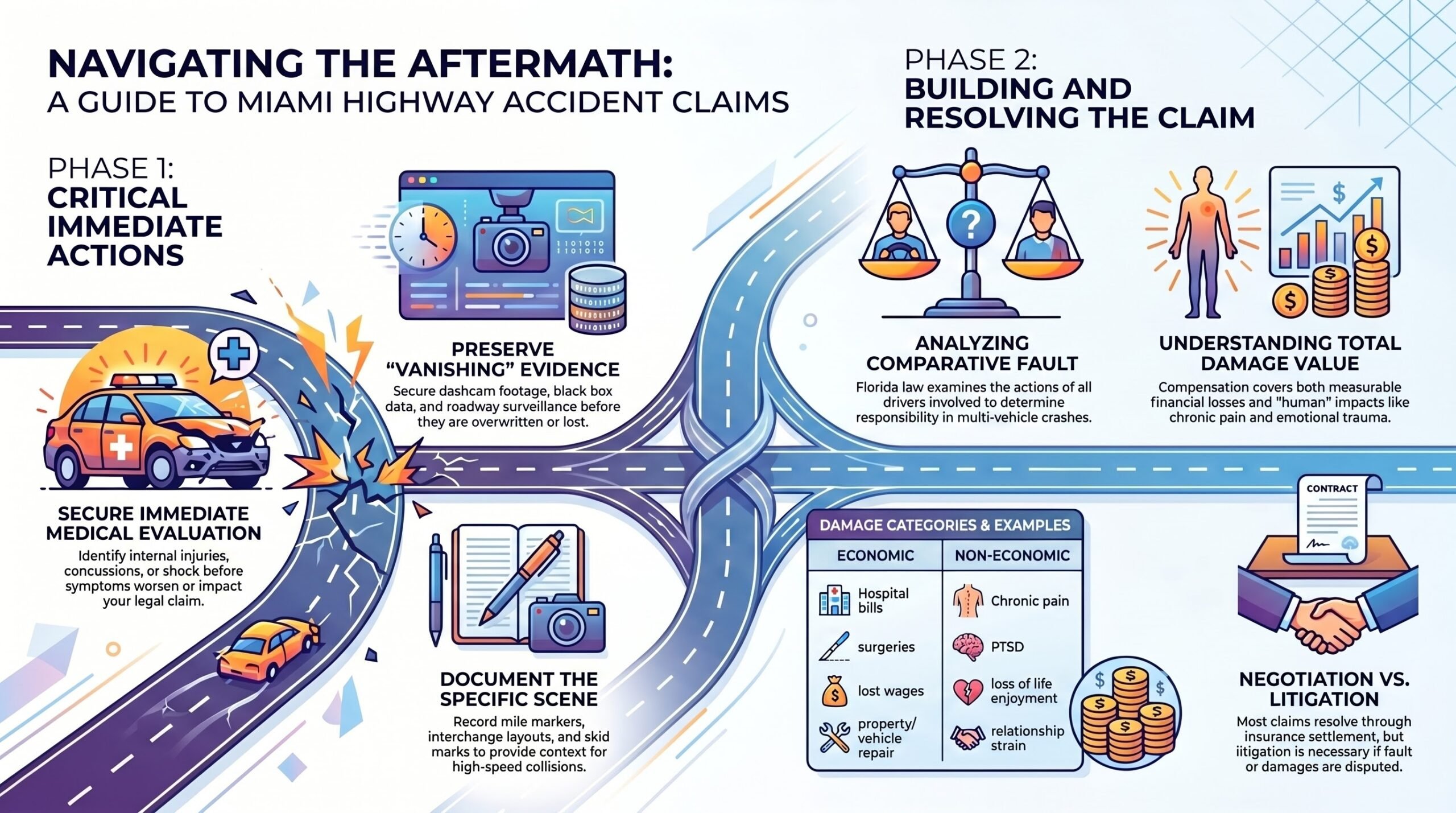


How We Can Help With Your Miami Highway Car Accident Injury Claim
Guide through the aftermath of a highway collision with informed legal guidance, because a Miami car accident injury claim often involves urgent evidence preservation, insurance scrutiny, and complex questions of liability. Effective legal support helps injured people protect records, meet deadlines, and reduce avoidable stress while they focus on recovery and caring for others.
A dedicated legal team can gather crash reports, secure witness statements, obtain roadway footage, and coordinate communication with insurers and providers. It can also review medical billing for accuracy, document treatment costs, and organize proof of lost income and daily limitations. By preparing a clear claim narrative, counsel strengthens settlement negotiations and helps prevent undervalued offers.
When disputes arise, the firm can respond to requests for statements, challenge unfair blame, and present supporting documentation with care and precision. This service-centered approach gives families practical guidance, preserves vital information, and advances a claim in a disciplined, credible, and compassionate manner at every stage.
OUR CONSULTATIONSARE FREE
START YOUR FREE CASE REVIEW

Understanding Miami Highway Car Accident Injury Cases
Beyond the immediate steps involved in pursuing a claim, it is helpful to understand what makes Miami highway car accident injury cases distinct from other collisions. These matters often involve higher travel speeds, multiple lanes, and intricate roadway systems that meaningfully shape both injuries and liability assessments.
In Miami, highway claims may require close review of Miami traffic patterns, interchange layouts, and official highway designations to place the collision in proper context. Evidence may include traffic camera footage, electronic vehicle data, roadway maintenance records, and statements from drivers, passengers, and witnesses. Injuries in highway cases can also be more severe, which affects medical documentation, future care planning, and the calculation of losses.
A careful legal evaluation helps families, caregivers, and community-minded individuals understand what support an injured person may need. By examining roadway conditions, vehicle positions, and the sequence of events, a claim can be presented with greater clarity and credibility.
Common Causes of Miami Highway Car Accidents
Several recurring factors contribute to highway car accidents in Miami, often increasing both the likelihood and severity of collisions. Speeding and aggressive driving frequently combine with distracted driving risks, while impaired driver collisions remain a serious source of preventable harm. Unsafe weather conditions also reduce visibility and vehicle control, creating hazardous roadway situations that can quickly lead to major crashes.
Speeding And Aggressive Driving
On Miami highways, speeding and aggressive driving remain among the most common causes of serious car accidents. Excessive speed reduces reaction time, increases stopping distance, and magnifies crash forces, often leaving families with devastating injuries and substantial losses. Aggressive behaviors such as reckless tailgating and lane weaving create sudden hazards for surrounding drivers, especially in dense traffic and high-speed corridors.
From a public safety perspective, these choices place everyone at risk, including commuters, visitors, and first responders. Drivers who race through congestion, ignore safe following distances, or cut across lanes often trigger preventable collisions that burden the broader community. Careful driving, patience, and respect for traffic laws help protect vulnerable road users and support safer travel throughout Miami. Responsible conduct on the road serves the common good for all.
Distracted Driving Risks
Diverting attention from the roadway, even for a few seconds, is a leading factor in Miami highway collisions. Drivers who look at phones, adjust navigation systems, eat, or reach for objects reduce their ability to react to changing traffic conditions. The texting-related dangers of delayed braking and missed signals often place surrounding motorists, passengers, and pedestrians at unnecessary risk.
Highway travel also becomes more hazardous when distraction combines with driver fatigue. Tired drivers may drift between lanes, overlook hazards, or misjudge stopping distances, even without realizing their performance has declined. Communities that value protecting others benefit when motorists keep full focus on driving, prepare routes in advance, and pause safely before handling messages or devices. Consistent attention helps prevent avoidable injuries and supports safer Miami highways for everyone.
Impaired Driver Collisions
Impaired driving presents another serious threat on Miami highways, often causing collisions that lead to severe injuries and extensive property damage. These crashes frequently involve alcohol, drugged driving, or prescription impairment, each of which can reduce judgment, delay reaction time, and impair coordination behind the wheel.
When a driver operates a vehicle while impaired, nearby motorists, passengers, and pedestrians face preventable danger. Such conduct often results in speeding, drifting between lanes, ignoring traffic signals, or failing to brake in time. For individuals and families committed to protecting others, understanding these risks supports safer choices and stronger community awareness.
Careful investigation following an impaired-driver collision may reveal toxicology evidence, witness observations, and police findings that help establish liability. Prompt legal guidance often helps injured people pursue accountability and financial recovery.
Unsafe Weather Conditions
During periods of heavy rain and reduced visibility, Miami highways can become especially hazardous, increasing the likelihood of serious collisions. Sudden downpours often leave wet roads slick with oil residue, making it harder for drivers to brake, steer, and maintain safe following distances. Hydroplaning may occur within seconds, especially at highway speeds, placing nearby motorists in immediate danger.
Unsafe weather conditions also limit a driver’s ability to recognize stalled vehicles, lane changes, or debris ahead. Reduced visibility can prevent timely reactions, while strong winds may destabilize larger vehicles and complicate lane control. In these circumstances, careful driving serves not only personal safety but also the well-being of others sharing the road. Motorists who slow down, increase spacing, and use headlights appropriately can help reduce preventable harm during dangerous Miami weather events.


Legal Rights of Miami Highway Car Accident Injury Victims
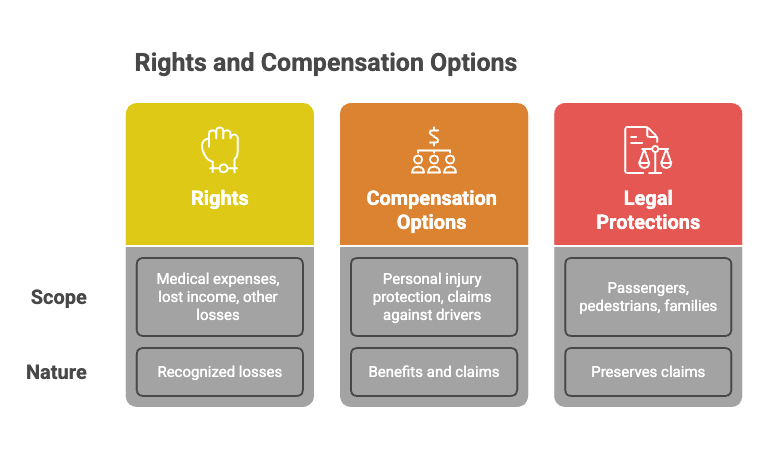
Clarity is vital when evaluating the legal rights of Miami highway car accident injury victims, because those rights can affect medical treatment, insurance recovery, and potential civil claims. Florida law may provide legal protections for injured people seeking fair compensation after another party’s negligence causes harm.
Those rights often extend to access to benefits, the pursuit of damages, and protection from unfair insurer practices.
- Rights may include payment for medical expenses, lost income, and other recognized losses.
- Compensation options can involve personal injury protection benefits and, in qualifying cases, claims against negligent drivers.
- Legal protections may also preserve claims involving passengers, pedestrians, or families affected by severe injuries.
A careful review of liability, policy terms, and documented losses helps determine the scope of available remedies. For community-minded readers, understanding these rights can support informed decisions that protect recovery, household stability, and the broader well-being of those depending on the injured person.
Steps to Take After a Miami Highway Car Accident Injury
After a Miami highway car accident injury, a prompt medical evaluation is vital to protect both health and any future injury claim. It is also important to document the accident scene thoroughly, including vehicle damage, roadway conditions, and any visible injuries, as this evidence may prove significant later. Early contact with a car accident lawyer can help guarantee that legal rights are preserved and that crucial steps are taken without unnecessary delay.
Seek Immediate Medical Care
Seeking prompt medical attention should be a priority after a Miami highway car accident injury, even when symptoms seem minor or delayed. A timely, urgent evaluation can identify internal injuries, concussions, soft tissue damage, or shock before conditions worsen and place additional burdens on loved ones and caregivers.
Medical professionals can assess pain, mobility limitations, and neurological symptoms while documenting the injury’s immediate impact. Adhering to recommended treatment, medications, imaging, and follow-up care supports rehabilitation and demonstrates a responsible commitment to health and community well-being.
Delays in treatment may allow hidden injuries to progress, complicate recovery, and undermine a clear understanding of the person’s condition. Prompt care protects the injured individual and better equips those around them to provide informed, compassionate support during convalescence.
Document The Accident Scene
Preserve as much evidence as conditions safely permit by documenting the accident scene before vehicles are moved and physical details begin to change. Careful scene documentation can help protect everyone involved by creating an accurate record for insurers, medical providers, and investigators.
A thorough photo inventory should capture vehicle positions, lane markings, skid marks, debris, weather conditions, traffic signals, visible injuries, and damage from multiple angles. If possible, names of nearby businesses, street signs, mile markers, and the time of day should also be noted. Witness names and contact information may be recorded respectfully, without argument or blame.
When safety allows, brief notes about what was observed, heard, and experienced can preserve important details that may fade quickly. This measured approach supports accountability, promotes fairness, and serves the broader interests of all affected parties.
Contact A Car Accident Lawyer
Promptly contacting a car accident lawyer can help establish an organized response to a Miami highway collision and reduce the risk of avoidable mistakes in the early stages of a claim. Early legal guidance often helps preserve evidence, coordinate communications, and protect the injured person’s ability to pursue fair compensation.
An attorney can evaluate liability, explain insurance obligations, and outline practical next steps that support both recovery and accountability. This guidance may include identifying local resources for medical care, transportation, and documentation support after a serious crash. A lawyer can also clarify filing deadlines, communication boundaries with insurers, and available options for resolving disputes.
During consultations, prospective clients should ask about experience, case strategy, and fee structures. Clear answers often strengthen informed decisions and promote responsible advocacy for all affected parties.
How a Miami Highway Car Accident Injury Lawyer Can Help You
Find your way through the aftermath of a highway collision with informed legal guidance, as a Miami highway car accident injury lawyer can evaluate the circumstances of the crash, identify liable parties, and explain the injured person’s legal options. Counsel often coordinates post-crash documentation, witness preservation, and communication with insurers, allowing injured people and their families to focus on recovery and serving those who depend on them.
With informed legal guidance, injured families can protect their rights, preserve key evidence, and focus on recovery after a highway collision.
- Investigates roadway conditions, police reports, and driver conduct
- Calculates damages, supports financial planning, and organizes records
- Negotiates assertively with insurers and prepares litigation when necessary
A lawyer may also gather medical evidence, consult qualified experts, and present a clear claim that reflects the collision’s immediate consequences. When fault is disputed or multiple vehicles are involved, legal representation can help protect the injured person from unfair blame. Through careful advocacy and practical guidance, counsel supports accountability, informed decisions, and a steadier path toward fair compensation and restored stability after a serious highway accident.
Long-Term Effects of Miami Highway Car Accident Injuries
Miami highway car accident injuries can produce lasting consequences that extend well beyond the initial recovery period. Many individuals face chronic pain challenges and emotional trauma that affect daily functioning, personal stability, and overall quality of life. In more serious cases, these conditions also reduce work capacity, creating long-term financial and professional strain.
Chronic Pain Challenges
After a serious highway collision, chronic pain can persist long after visible injuries have healed, affecting nearly every aspect of daily life. Survivors may struggle to complete work, household tasks, or caregiving responsibilities due to ongoing discomfort that limits movement and endurance. Chronic fatigue often develops when the body expends constant energy coping with pain.
Effective pain management may require coordinated medical care, physical therapy, and careful monitoring of symptoms over time. Sleep disruption is also common, as persistent pain can interfere with rest and slow physical recovery. In some cases, repeated reliance on prescriptions creates concerns about medication dependency, especially when relief is temporary. For those seeking to support injured individuals, understanding these long-term challenges helps families, advocates, and legal professionals respond with patience, practical assistance, and informed guidance throughout recovery.
Emotional Trauma Impact
Persistent physical pain is often accompanied by psychological harm that can be just as disruptive over time. After a Miami highway collision, an injured person may experience fear, sleep disturbance, irritability, and lasting anxiety that interferes with daily stability and healthy routines.
In many cases, PTSD symptoms emerge long after visible injuries begin to mend. Loud traffic, sudden braking, or busy roads may trigger panic, avoidance, or emotional numbness. These reactions can weaken confidence, reduce social engagement, and create Relationship strain within families that are trying to provide care. Children, spouses, and close friends may struggle to understand behavioral changes, even when they wish to help.
Careful documentation of emotional trauma is important because compassionate legal advocacy often depends on showing how profoundly these invisible injuries alter a person’s long-term well-being.
Reduced Work Capacity
Many injured individuals find that the long-term effects of a highway collision extend directly into their ability to earn a living. Physical limitations, chronic pain, and lingering neurological symptoms may restrict job duties, reduce hours, or prevent a return to prior employment. For those committed to supporting families and serving their communities, these changes can create serious hardship.
Reduced work capacity often appears through diminished productivity, missed opportunities for advancement, and difficulty meeting the demands of physically or mentally taxing roles. Over time, reduced earnings may affect household stability, access to care, and future retirement security.
In many cases, vocational rehabilitation, medical documentation, and careful legal evaluation help clarify how an injury has altered employment prospects. A thorough assessment supports informed decisions and promotes fair consideration of long-term financial losses and needs.
Proving Liability in Miami Highway Car Accident Injury Cases
Establishing liability in a Miami highway car accident injury case requires clear evidence showing how the collision occurred and which party failed to exercise reasonable care. Attorneys commonly rely on police reports, photographs, surveillance footage, vehicle damage, and witness statements to accurately reconstruct the event and identify negligent conduct.
Florida law also requires careful analysis of comparative fault, because more than one driver may share responsibility for a highway crash. A thorough investigation may examine speeding, distracted driving, unsafe lane changes, impaired driving, fatigue, or failure to yield. In more intricate matters, expert testimony from accident reconstruction authorities, medical professionals, or highway safety experts may clarify causation and the extent of each party’s role.
Service-minded advocates often focus on gathering reliable facts that support accountability and protect injured individuals from unfair blame. By presenting organized, credible evidence, legal counsel can help demonstrate liability in a manner that promotes justice, responsibility, and meaningful recovery for those harmed.
Dealing With Insurance Companies After a Miami Highway Car Accident Injury
Once liability evidence begins to take shape, interactions with insurance companies often become a defining part of a Miami highway car accident injury claim. Insurers may request statements, medical authorizations, and broad documentation soon after the collision. A careful approach helps protect the injured person’s interests while preserving accurate facts for everyone involved. Clear communication, measured responses, and consistent record preservation can reduce misunderstandings and limit unfair challenges to injuries, treatment, or lost income.
Because insurers are focused on financial exposure, claim negotiation should be handled with discipline and credible support. Medical records, repair estimates, photographs, witness information, and employer verification can strengthen the presentation of damages. It is often wise to avoid casual comments that may be interpreted as admissions or used to minimize harm. Serving injured community members well requires patience, honesty, and organized documentation. Thoughtful advocacy can encourage fairer evaluations while helping families pursue stability, accountability, and meaningful recovery after a serious Miami highway crash.
What to Expect During a Miami Highway Car Accident Injury Claim Process
A Miami highway car accident injury claim generally begins with specific filing steps, followed by the collection of records, witness statements, and other evidence needed to support the case. The process then moves into investigation and insurance settlement negotiations, where liability, damages, and policy terms often shape the outcome. If a fair resolution is not reached, the matter may proceed to litigation, making it important to understand the expected lawsuit timeline from filing through possible trial.
Claim Filing Steps
Handling a Miami highway car accident injury claim typically begins with prompt notice to the appropriate insurance carriers, followed by a structured investigation into liability, damages, and coverage. Claimants are generally advised to confirm filing deadlines early, as missed deadlines can limit recovery options and delay assistance for those depending on support.
The filing stage often involves submitting basic accident information, medical provider details, wage-loss information, and policy data. A careful Documentation checklist helps organize required forms, billing records, repair estimates, and correspondence. Many claims also require recorded statements, authorizations, and notice of ongoing treatment.
Legal counsel may assist with preparing submissions, monitoring insurer responses, and protecting procedural rights. Throughout this stage, orderly communication and timely completion of requirements can help the claim move forward efficiently and responsibly for everyone involved.
Evidence And Investigation
After the initial claim materials are submitted, attention generally shifts to the evidence and investigation phase, where insurers and legal representatives examine how the Miami highway collision occurred and what losses can be tied to it. During this stage, police reports, photographs, medical records, witness statements, and vehicle damage assessments are reviewed carefully. Attorneys may request data preservation of dashcam footage, black box data, phone records, and roadway surveillance footage before material is lost or overwritten.
In more intricate cases, experts may conduct forensic reconstruction to clarify speed, impact angles, visibility, and driver responses. This process helps identify fault, document injuries, and connect treatment needs to the crash. A thorough investigation supports informed advocacy, strengthens accountability, and helps guarantee that those seeking to protect and provide for others are equipped with reliable, well-organized facts.
Insurance Settlement Process
With the investigation underway, the insurance settlement process typically becomes the next focal point in a Miami highway car accident injury claim. Adjusters review medical records, repair estimates, wage-loss information, and policy terms to measure damages and evaluate liability. This stage often requires organized communication and careful documentation, especially when the injured person is focused on recovery and family obligations.
During claim negotiation, insurers may request statements, additional records, or clarification regarding treatment and future care needs. A legal representative can present evidence in a clear, service-minded manner that supports fair compensation for medical costs, lost income, and pain-related effects. The payout timeline varies according to injury severity, treatment progress, policy limits, and the insurer’s responsiveness. Patience, consistency, and accurate records often help move the claim toward a reasonable resolution.
Lawsuit Timeline Expectations
When settlement efforts do not produce a fair result, the claim may proceed into litigation, where the timeline is shaped by court procedures, case intricacy, and the parties’ willingness to resolve disputed issues. Filing the complaint begins formal proceedings, followed by responses, document exchange, depositions, and possible motions. These stages often extend the trial timeline, especially when medical evidence or liability issues remain contested.
Courts may also require mediation during later settlement phases, offering another opportunity to reach a resolution that protects the injured person’s long-term needs. If no agreement is reached, the matter proceeds to trial preparation, witness scheduling, and courtroom presentation. Throughout this process, careful legal guidance helps families make informed choices, preserve evidence, and pursue accountability in ways that support recovery, stability, and community well-being.
Compensation for Miami Highway Car Accident Injury Damages
In the aftermath of a Miami highway collision, compensation may be available for a broad range of injury-related damages, depending on the severity of the harm and the facts surrounding the crash. When another party’s negligence causes preventable suffering, the law may provide relief intended to support recovery, restore stability, and uphold accountability for the benefit of injured individuals and their families.
Available compensation may address medical treatment, rehabilitation needs, diminished earning capacity, and lasting physical limitations. It may also include emotional compensation when trauma affects daily life, relationships, or the ability to serve others in work and community roles. In cases involving especially reckless conduct, punitive awards may be considered to discourage similar behavior and reinforce public safety.
The overall value of a claim often depends on the nature of the injuries, the duration of recovery, and the quality of supporting evidence. Careful legal evaluation helps make certain that all appropriate damages are identified and properly pursued.
Economic vs Non-Economic Damages in Miami Highway Car Accident Cases
Miami highway car accident cases often involve both economic damages, such as medical expenses, lost wages, and property loss, and non-economic damages, including pain and suffering, emotional distress, and loss of enjoyment of life. A clear understanding of these categories is important because each type of loss is measured differently and may require distinct forms of supporting evidence. The value of either claim typically depends on documentation, expert opinion, and the specific facts showing how the injuries affected the injured person’s finances and daily life.
Economic Damage Categories
After a serious highway collision, economic damages refer to the measurable financial losses an injured person may recover, while non-economic damages address the harder-to-quantify effects, such as pain, suffering, and reduced quality of life.
Common economic damage categories include emergency care, hospital bills, surgery, rehabilitation, medication costs, and future medical treatment tied to the crash. They also include lost wages when injuries prevent a person from working, as well as diminished earning capacity if long-term limitations affect future employment.
Property damage is another crucial category, covering vehicle repair or replacement and the repair or replacement of other personal items damaged in the collision. In some cases, transportation expenses for medical visits, household assistance, and necessary out-of-pocket costs may also be recoverable. Careful documentation helps families, insurers, and legal professionals evaluate these losses with fairness, accuracy, and responsibility.
Non-Economic Losses Explained
Human loss often remains the most difficult part of a highway collision claim to measure, because its effects do not appear on invoices, pay records, or repair estimates. Non-economic losses refer to the personal harm that follows a serious crash, including physical pain, emotional distress, loss of enjoyment, and diminished quality of life. These damages recognize that injury can disrupt relationships, independence, sleep, mobility, and daily purpose, even when financial records cannot fully reflect that disruption.
In Miami highway car accident cases, non-economic damages address the human consequences of trauma rather than direct monetary expense. Pain valuation is thus tied to the injured person’s lived experience, such as ongoing discomfort, anxiety, or permanent limitations. For families and advocates committed to serving others, this category reflects dignity, compassion, and the full impact of harm.
Proving Damage Value
Accuracy becomes central when assigning value to damages in a highway car accident claim, because compensation must reflect both measurable financial loss and the less visible effects of injury. Economic damages are typically proven through medical bills, wage records, repair estimates, and expert projections tied to future losses. Non-economic damages require different valuation methods, often relying on medical testimony, treatment history, daily limitations, and credible accounts from family members or caregivers.
In Miami highway cases, thorough documentation helps make certain that the injured person receives support that honors both recovery needs and practical responsibilities. A careful lawyer may organize evidence to show how pain, reduced mobility, and emotional distress affect work, service, and relationships. Clear proof strengthens settlement discussions and helps courts reach fair, responsible conclusions for everyone involved in the claim process.
When a Miami Highway Car Accident Injury Case Goes to Trial vs Settlement
In many Miami highway car accident injury claims, the decision to resolve a case through settlement or proceed to trial depends on the strength of the evidence, the severity of the injuries, and the parties’ willingness to dispute fault or damages. Strong medical records, credible witnesses, and clear liability often create Settlement leverage, encouraging insurers to negotiate fairly and spare injured people additional strain.
A trial becomes more likely when insurers deny responsibility, minimize losses, or refuse reasonable compensation despite substantial evidence. In those circumstances, counsel may prepare exhibits, expert testimony, and witness examinations to present the case before a jury. Jury dynamics can influence outcomes, since jurors may respond differently to pain, credibility, and community safety concerns.
A settlement offers privacy, speed, and greater control over risk, while a trial may provide a path to fuller accountability. The proper course usually depends on whether a negotiated result truly serves the injured person’s medical, financial, and long-term recovery needs and welfare.
The Statute of Limitations for Miami Highway Car Accident Injury Cases
After a Miami highway car accident, the statute of limitations sets a strict legal deadline for filing a personal injury lawsuit, and missing that deadline can bar recovery regardless of how serious the injuries may be. In Florida, this period generally depends on the claim type and the date the injury accrued, making careful attention crucial for those seeking to protect injured community members and families.
Several nuances of the statute can affect how the deadline is calculated in a highway collision case. Claims involving wrongful death, uninsured parties, or public entities may follow different timing rules. Certain toll exceptions may also pause or extend the filing period in limited circumstances, such as delayed discovery issues or a defendant’s absence from the state. Even so, courts apply these exceptions narrowly. Accurate records, prompt investigation, and a clear understanding of applicable deadlines help preserve accountability and support fair access to compensation for those harmed on Miami highways and roads.
When to Contact a Miami Highway Car Accident Injury Lawyer
Legal deadlines are only one part of protecting a highway car accident claim, because the timing of legal guidance can also affect the strength of the evidence and the options available for recovery. Contact is often appropriate once urgent medical needs are addressed and basic accident reporting is complete. Early action can help preserve photographs, witness information, vehicle data, and roadway conditions before they change or disappear.
A lawyer may also be contacted when insurers request statements, settlement discussions begin, injuries worsen, or questions arise about fault. In the post-accident timeline, prompt guidance can support organized documentation of treatment, lost income, and property damage, which may later help families and communities facing financial strain. Contact may also be wise when emotional adjustment makes communication difficult, because structured support can reduce confusion and help injured people focus on recovery, caregiving, and responsible decision-making for those who depend on them daily.
Why You Need an Experienced Miami Highway Car Accident Injury Lawyer
For victims of highway collisions, experienced legal representation often becomes vital because these cases frequently involve severe injuries, disputed liability, multiple insurance issues, and evidence that can be difficult to secure without prompt and informed action. An experienced Miami highway car accident injury lawyer can coordinate investigations, preserve records, and identify responsible parties before pivotal proof is lost or altered.
Such counsel also helps injured individuals pursue compensation to support medical care, household stability, and long-term recovery. By using Local resources, including accident reconstruction professionals, medical providers, and roadway experts, a seasoned lawyer can build a stronger claim grounded in facts. Experience also matters when insurers minimize harm or unfairly shift blame.
Skilled advocacy allows victims and their families to focus on recovery and serving their communities while legal burdens are managed responsibly. When settlement efforts fail, informed Trial strategies can protect the case in court and strengthen the pursuit of just financial recovery.
How to Choose the Right Miami Highway Car Accident Injury Lawyer for Your Case
In selecting a Miami highway car accident injury lawyer, careful attention should be given to experience with high-speed collision claims, knowledge of Florida injury law, and a consistent record of handling complex insurance disputes. Effective counsel should demonstrate sound judgment, clear communication, and a disciplined approach to case preparation.
Client interviews can reveal whether an attorney listens carefully, explains options plainly, and respects the client’s broader goals, including protecting family stability and promoting responsible recovery. Review of prior results, courtroom experience, and familiarity with medical evidence may further indicate capability. Fee structures should also be examined closely so expectations remain transparent from the outset. A reputable lawyer typically provides written terms, answers questions directly, and avoids vague promises.
Practical considerations include availability, responsiveness, and professional reputation among peers. When these factors are weighed jointly, injured individuals are better positioned to choose representation that advances accountability, fair compensation, and meaningful support during a difficult period.
About The Law Offices of Anidjar & Levine
Once the search for qualified representation is narrowed, attention often turns to the background and client service approach of the firm under consideration.
The Law Offices of Anidjar & Levine is commonly evaluated through its firm history, legal focus, and responsiveness to injured people seeking practical guidance after serious highway collisions.
The firm is known for emphasizing accessibility, case communication, and support throughout the claims process.
For individuals motivated by service to family and community, that approach may reflect values of care, accountability, and steady advocacy.
Its attorneys handle injury matters, including insurance negotiations, accident damages, and litigation when necessary, while aiming to reduce the burdens placed on clients during recovery.
Prospective clients often review client testimonials to assess professionalism, compassion, and consistency in results.
Those accounts, alongside the firm’s history, can help illustrate whether the representation offered aligns with a claimant’s needs, expectations, and desire for dignified treatment during a difficult period of life.
Frequently Asked Questions
Can I Switch Lawyers During My Miami Highway Car Accident Case?
Yes, a person may change attorneys during a highway car accident case, provided proper notice is given, and new counsel is retained. Most firms handle a contingency transfer by honoring the original fee arrangement, while resolving any lien or fee division later. The decision should prioritize competent service, clear communication, and the client’s welfare. Carefully reviewing the retainer agreement and timing helps protect the case from avoidable delays or disruptions.
Will My Immigration Status Affect My Injury Claim in Miami?
Immigration status does not automatically bar an injury claim in Miami, though it may affect certain practical issues. Courts generally focus on fault, damages, and legal eligibility rather than citizenship alone. Still, immigration documentation can influence wage-loss claims, insurance communications, and case strategy. Careful legal guidance helps protect rights, limit unnecessary disclosure, and ensure the claim is presented accurately, respectfully, and in the manner that best serves the injured person.
Can Social Media Posts Hurt My Highway Accident Injury Case?
Yes, social media posts can damage a highway accident injury case. Insurers and defense counsel may use online evidence, including photos, comments, and location tags, to challenge reported injuries or credibility. Privacy settings offer limited protection because shared content can still be obtained and reviewed. A careful claimant avoids discussing the accident online and follows counsel’s guidance, which helps protect the claim and supports a fair, service-minded legal process.
Do I Need to Pay Taxes on My Car Accident Settlement?
Most car accident settlements are not taxed when they compensate for personal injury or physical sickness. However, taxable portions may include interest, punitive damages, or compensation tied to lost wages in some circumstances. A careful review of the settlement terms is necessary because tax treatment depends on what each payment represents. To serve the injured person responsibly, legal counsel and a qualified tax professional should evaluate the settlement before funds are used.
Can I File a Claim if Injured in a Rideshare on a Miami Highway?
Yes, a person injured in a rideshare on a Miami highway may file a claim, depending on the facts and applicable insurance coverage. Liability may involve the rideshare driver, another motorist, or the company’s policy, making rideshare liability a central issue. A careful review of fault, medical records, and policy limits helps protect the injured person’s interests and supports a recovery that can aid service to others and community stability.
—————————
Miami highway car accident injury claims often involve intricate liability issues, significant damages, and strict procedural requirements.
Skilled legal representation can help injured victims protect their rights, preserve essential evidence, and pursue fair compensation for medical costs, lost income, and other losses.
A Miami Car Accident Attorney from the Law Offices of Anidjar & Levine provides focused guidance throughout each stage of the process, helping clients address legal challenges efficiently and with the level of advocacy these serious cases demand.