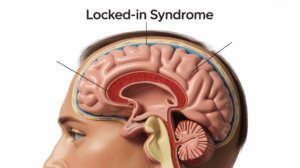
As a Florida resident diagnosed with locked-in syndrome, you may be wondering if your doctor’s mistakes contributed to your condition. We understand that you may be considering seeking compensation. To pursue a medical malpractice claim, you must demonstrate that your doctor deviated from the accepted standard of care, which led to your locked-in syndrome.
Anidjar & Levine recommend consulting with a Florida medical malpractice lawyer to discuss the specifics of your case. We will help you determine if your doctor’s actions or inactions resulted in your condition. Read on to learn more about how to sue for locked-in syndrome in Florida if the doctor was at fault.
Understanding Locked-In Syndrome and Florida Law
In some cases, medical negligence plays a significant role. Perhaps your healthcare provider failed to diagnose or treat a condition that led to your locked-in syndrome. This catastrophic outcome can result from a stroke, traumatic brain injury, or other conditions that damage the brain stem.
When medical professionals fail to provide adequate care, you may be left with a lifetime of dependence on others for even the simplest tasks. As you go through Florida’s legal system, it’s important to understand the challenges of locked-in syndrome and how it relates to medical negligence claims.


Proving Negligence When Suing for Locked-In Syndrome in Florida if the Doctor Was at Fault
When you’re living with locked-in syndrome, you’re likely aware that proving medical malpractice is an important step in seeking justice. To do so, you’ll need to demonstrate that your healthcare provider deviated from the accepted standard of care, resulting in medical negligence.
This can involve reviewing medical records, consulting with expert witnesses, and conducting thorough investigations. It’s fundamental to understand that, as a patient, you have inherent rights, including the right to informed consent, the right to refuse treatment, and the right to receive competent care.
If your healthcare provider failed to uphold these rights, leading to your locked-in syndrome diagnosis, you may have a valid claim. By gathering substantial evidence and building a strong case, you can hold your healthcare provider accountable for their actions.
Establishing Causation Between Negligence and Locked-In Syndrome
While building a strong case, you must prove that your healthcare provider’s negligence directly caused your locked-in syndrome diagnosis. To establish this link, you’ll need to identify specific causation factors that led to your locked-in syndrome.
This might involve analyzing your treatment timeline, medication history, and surgical procedures. Your legal team will work closely with medical experts to pinpoint potential instances of negligence, such as misdiagnosis and delayed treatment.
We will also gather and analyze relevant medical evidence, including test results, medical records, and expert testimony. By presenting a clear, well-supported chain of causation, you can claim due to locked-in syndrome in Florida if the doctor was at fault.
Calculating Damages for Locked-In Syndrome Victims
When calculating damages, you’ll need to tally up your economic and non-economic losses. Our team can help you recover:
Economic Losses
Calculating damages for locked-in syndrome victims involves quantifying the significant economic impact of this debilitating condition. As a victim, you’ve incurred substantial financial burdens.
To determine the economic losses, your attorney will calculate the financial compensation you’re qualified for, including medical expenses and lost income. We will assess the cost of future medical care, including therapy, hospitalizations, and medication.
Your attorney will also consider the impact of locked-in syndrome on your earning capacity, including any adjustments to your work schedule or occupation. By accurately calculating these economic losses, you’ll receive the financial compensation you merit for the significant economic impact of locked-in syndrome.
Non-Economic Damages
Pain and suffering, two abstract yet tangible consequences of locked-in syndrome, greatly affect your daily life. These non-economic losses can be challenging to quantify, but they’re important for calculating the damages you’re entitled to.
Emotional distress, loss of enjoyment of life, and mental anguish are just a few examples of the ways in which locked-in syndrome can impact your well-being. When evaluating non-economic damages, the court will consider factors such as the severity of your symptoms, the impact on your relationships, and your overall quality of life.


Statute of Limitations for Filing a Locked-In Syndrome Lawsuit in Florida
If you’re considering suing for locked-in syndrome in Florida when the doctor was at fault, you’ll need to understand the statute of limitations for filing a lawsuit. This deadline is important because it determines how long you have to take legal action against your doctor or healthcare provider.
In Florida, the statute of limitations for medical malpractice claims, including locked-in syndrome cases, is two years from the incident or discovery of the injury. Missing these filing deadlines can have severe legal implications, resulting in your case being dismissed and you being barred from seeking compensation. It’s important to keep track of these deadlines to avoid losing your right to sue.
Finding the Right Attorney for Your Case
Now that you’re aware of the time-sensitive nature of filing a locked-in syndrome lawsuit, you’re likely wondering who can help you steer through this process. You need an attorney with the right qualifications to handle your case. Here’s what you need to do:
- Look for an attorney with experience in medical malpractice cases, specifically those involving locked-in syndrome.
- Verify they have a proven track record of case evaluation and settlements.
- Check if they are licensed to practice in Florida and have knowledge of the state’s specific laws and regulations.
- Research their reputation online, reading reviews and testimonials from previous clients.
- Schedule a consultation to discuss your case, making sure you’re comfortable with their approach and communication style.
Learn More About Suing for Locked-In Syndrome in Florida if the Doctor Was at Fault
You’ve gathered evidence and established a direct link between your doctor’s negligence and your locked-in syndrome. Now, it’s important to calculate damages and file your claim within Florida’s statute of limitations. With Anidjar & Levine, you can rely on us to examine the circumstances surrounding your condition.
Contact us today for a free consultation.