The Law Offices of Anidjar and Levine assists injured passengers, drivers, and pedestrians after Uber-related crashes by preserving evidence, reviewing app status and insurance coverage, and identifying all liable parties.
Legal counsel can manage insurer communications, document medical treatment and lost income, and pursue compensation for current and future damages under Florida law.
Prompt action is important after a crash, especially when injuries appear minor or when liability is disputed.
The sections below explain the process, risks, and available legal options.
For related guidance, visit Miami Car Accident Lawyer.
Main Takeaways
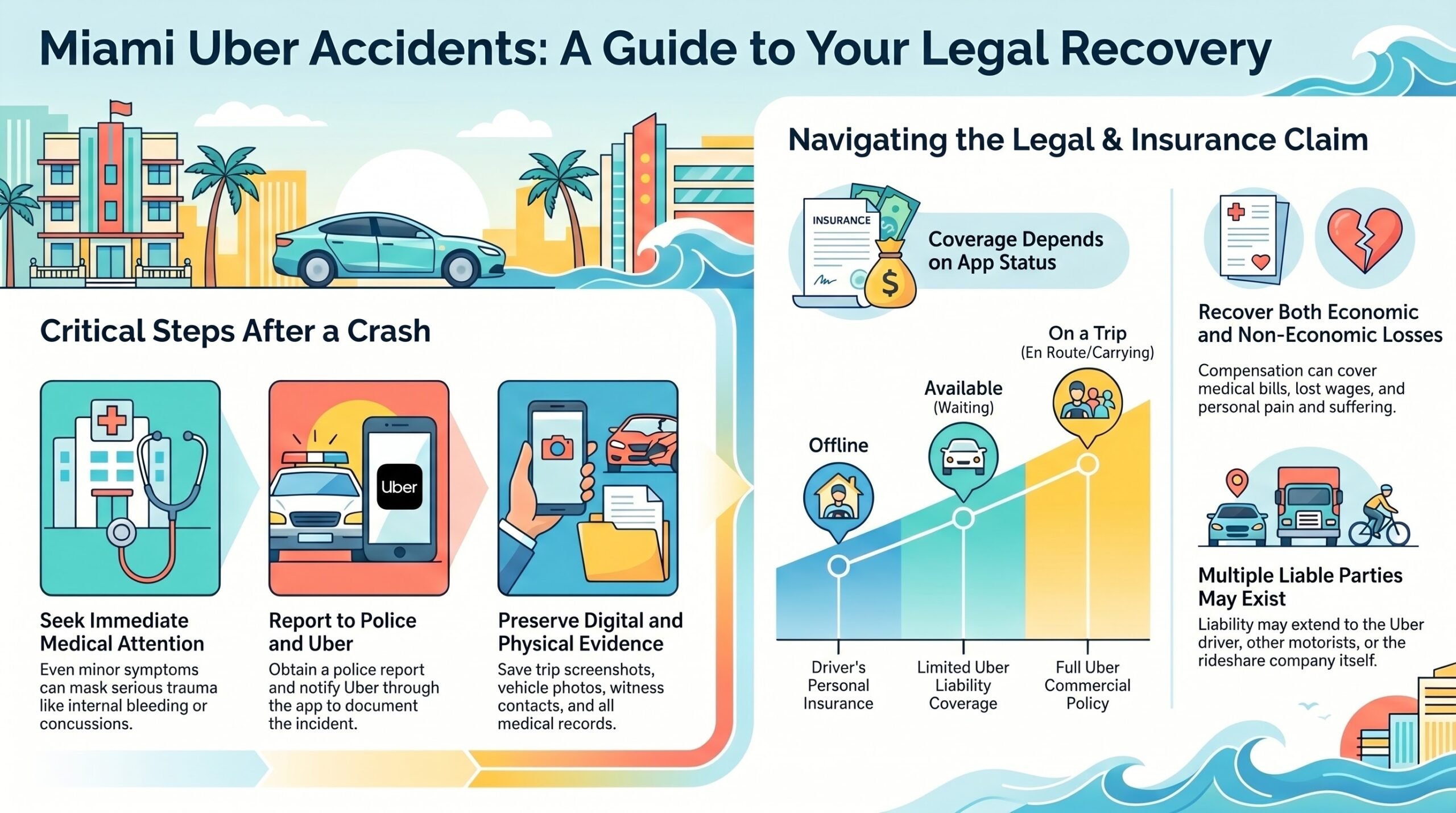
- Seek immediate medical care, report the crash to police, and notify Uber through the app to protect your health and document the incident.
- Preserve evidence by saving trip screenshots, photos, witness contacts, medical records, repair estimates, and all insurer or Uber communications.
- A Miami Uber accident injury lawyer can identify liable parties by reviewing driver app status, police reports, witness statements, and electronic trip data.
- Uber accident claims may involve multiple insurance policies, including personal, other driver, and Uber commercial coverage under Florida rideshare rules.
- A lawyer can handle insurers, calculate damages, negotiate a settlement, and file litigation if fair compensation is not offered.


How We Can Help With Your Miami Uber Accident Injury Claim
Navigate through the aftermath of a rideshare collision with a clear legal strategy, because a Miami Uber accident injury claim often involves overlapping insurance policies, disputed liability, and strict procedural requirements. A dedicated legal team provides structured support that protects injured people while preserving their ability to care for their families and communities.
Counsel helps by organizing Medical documentation, securing Witness statements, and identifying every source of evidence before records are lost or memories fade. Attorneys manage insurer communications, prepare demand packages, calculate present and future losses, and monitor deadlines with disciplined attention. They also coordinate with healthcare providers, gather employment records, and explain each step in plain language so clients can make informed choices.
When settlement offers undervalue harm, counsel advances a stronger position through negotiation backed by evidence and careful case preparation. This service-centered approach reduces confusion, promotes stability, and allows injured individuals to focus on recovery while their claims are handled professionally.
OUR CONSULTATIONSARE FREE
START YOUR FREE CASE REVIEW

Understanding Miami Uber Accident Injury Cases
In the context of rideshare litigation, understanding Miami Uber accident injury cases requires close attention to how liability, insurance coverage, and Florida injury law intersect. These matters often involve several parties, including the driver, the rideshare company, insurers, and sometimes outside motorists. A careful review helps injured individuals pursue fair compensation while protecting the broader well-being of families and communities.
Miami claims are shaped by ride-hailing regulations, app status at the time of the incident, and the terms of layered insurance policies. Florida’s no-fault framework may apply first, yet serious injuries can open the door to additional recovery. Evidence such as electronic trip data, medical records, witness statements, and vehicle documentation often plays a central role. Courts and insurers may also consider passenger safety protocols and whether all required standards were followed. Clear legal guidance enables those affected to make informed decisions and seek accountability in ways that faithfully support others.
Common Causes of Miami Uber Accident
Several recurring factors contribute to Miami Uber accidents, and each can affect how liability is evaluated. Common examples include distracted rideshare driving, speeding through heavy Miami traffic, driver fatigue, and unsafe pickup locations that expose passengers and others to preventable harm. A clear understanding of these causes helps frame how an accident may occur and why a careful legal review is often necessary.
Distracted Rideshare Driving
Among the most frequent causes of Miami Uber accidents, distracted rideshare driving presents a serious and persistent safety risk. Uber drivers often rely on navigation apps, trip alerts, and customer communications, creating multiple opportunities for mobile distraction while operating in congested city conditions. Even brief lapses in attention can endanger passengers, pedestrians, cyclists, and other motorists who depend on appropriate, service-minded conduct.
Passenger distraction also contributes to preventable collisions. Conversations, route changes, pickup coordination, and activity inside the vehicle can divert a driver’s focus from surrounding traffic, signals, and road hazards. In a city as active as Miami, safe rideshare service requires sustained awareness, sound judgment, and disciplined attention at all times. When that standard is not maintained, serious injuries may follow, leaving victims in need of legal guidance.
Speeding Through Miami Traffic
Speeding through Miami traffic remains a recurring factor in many Uber collisions, particularly where congestion, time pressure, and frequent trip turnover encourage unsafe driving decisions. In dense urban corridors, abrupt lane changes, short following distances, and attempts to beat signals can reduce reaction time and increase crash severity. Miami’s intricate traffic patterns, including tourist zones, expressway merges, and busy downtown streets, often demand cautious judgment rather than haste.
When rideshare drivers exceed safe speeds, they may violate speeding laws and place passengers, pedestrians, cyclists, and other motorists at greater risk. Even modest increases in speed can lengthen stopping distance and limit a driver’s ability to respond to sudden hazards. Careful adherence to posted limits and roadway conditions better serves the public and supports safer transportation throughout Miami’s communities each day.
Driver Fatigue Risks
Managing long hours behind the wheel can pose a serious safety concern for Uber drivers in Miami, where late-night demand, airport trips, and continuous ride requests may lead to extended driving with too little rest. Fatigue can quietly reduce judgment, slow reaction time, and increase the likelihood of drowsy driving. It may also disrupt a driver’s circadian rhythm, especially when shift work extends into overnight hours.
As exhaustion deepens, brief micro sleeps can occur without warning, placing passengers, pedestrians, and other motorists at risk. Responsible service requires recognizing warning signs and taking timely rest breaks before concentration declines further. Medication impairment may worsen fatigue, even when prescriptions are taken properly. When drivers are overextended, the ability to make safe decisions is compromised, increasing the chance of preventable Miami Uber collisions.
Unsafe Pickup Locations
In crowded areas throughout Miami, unsafe pickup locations can create immediate hazards for Uber drivers, passengers, cyclists, and nearby traffic. When a rideshare vehicle stops in travel lanes, near intersections, or beside active bike paths, an unsafe pickup may force sudden braking, blocking, or evasive actions. These precarious locations often increase confusion and reduce the time others have to respond safely.
Service-minded communities benefit when transportation decisions prioritize public safety over convenience. In crowded streets, curbside hazards may include poor lighting, limited visibility, construction zones, and impatient surrounding motorists. Passengers entering or exiting quickly can step into traffic, while drivers focused on app directions may overlook approaching vehicles. Careful pickup planning, designated loading areas, and increased awareness can help reduce preventable collisions and protect everyone nearby.


Legal Rights of Miami Uber Accident Injury Victims
After a Miami Uber accident, injured victims retain important legal rights that can affect both financial recovery and the outcome of any claim. Those rights may arise under Florida negligence law, applicable insurance policies, and the contractual terms connected to rideshare use. Passenger rights merit careful attention, especially when multiple insurers dispute responsibility or attempt to narrow available benefits.
Arbitration clauses may also influence where and how certain disputes are resolved, although they do not erase all avenues of recovery.
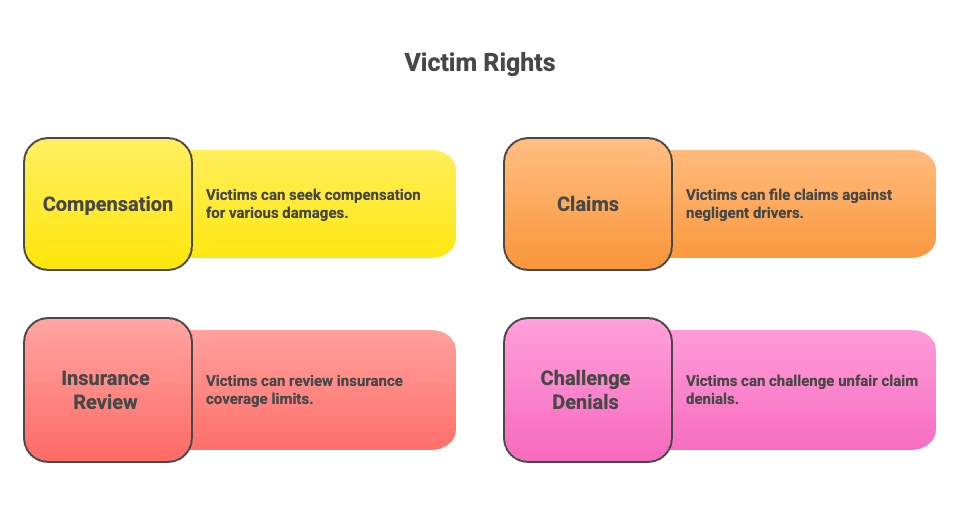
- Victims may pursue compensation for medical expenses, lost income, pain, and other legally recognized damages.
- They may assert claims against negligent drivers and, in some cases, against additional responsible parties.
- They may review insurance coverage limits tied to the driver’s status within the Uber app at the time.
- They may challenge unfair claim denials, low settlement offers, or improper interpretations of policy language.
A careful legal review often helps protect community-centered recovery interests.
Steps to Take After a Miami Uber Accident Injury
After a Miami Uber accident injury, prompt medical attention is vital to protect both health and any future claim. The incident should also be reported promptly, while available evidence, records, photographs, and witness information are carefully preserved. These initial actions can markedly affect the ability to establish liability and document the full extent of the injury.
Seek Immediate Medical Care
Prompt medical evaluation should be treated as a priority following a Miami Uber accident injury, even when symptoms appear minor at first. Injured passengers, drivers, and pedestrians may experience delayed pain, internal bleeding, concussion symptoms, or soft tissue damage that worsens without prompt attention. An emergency evaluation can identify immediate dangers, while urgent diagnostics may reveal hidden trauma that is not visible at the scene.
Timely care also protects long-term health and supports those responsible for caregiving, work, and community service by helping preserve strength and stability. Medical professionals can document injuries, recommend follow-up care, and create a clear record of the condition from the earliest stage. Following professional advice, attending appointments, and monitoring changes in symptoms can reduce complications and improve the chances of a fuller recovery overall.
Report The Uber Crash
In the aftermath of a Miami Uber accident, the crash should be reported as soon as safety and urgent medical needs have been addressed. Prompt reporting helps protect passengers, pedestrians, drivers, and the broader community by creating an official account of what occurred.
The incident should be reported to law enforcement so officers can prepare police reports and document relevant observations. The crash should also be reported through Uber’s app or support system, which may initiate an internal review and insurance notification process. When speaking with responding officers or company representatives, factual and accurate information is vital. If available, witness statements may assist authorities in understanding how the collision happened. Timely reporting can reduce confusion, support accountability, and help ensure that injured individuals receive appropriate guidance on next steps after a serious crash.
Preserve Evidence And Records
Following a Miami Uber accident, evidence and records should be preserved carefully because they can clarify how the collision occurred and support any insurance claim or legal action that may follow. Photographs of vehicle damage, road conditions, traffic signals, and visible injuries can provide important context. Screenshots of the Uber trip, driver information, route details, and digital timestamps may also help establish sequence and timing.
Medical records, repair estimates, receipts, witness contact information, and all communications with Uber or insurers should be organized promptly. Items should be stored consistently to support chain preservation and reduce disputes over authenticity. When possible, written notes should record pain levels, treatment dates, and daily limitations. Careful documentation serves not only the injured person, but also others responsible for evaluating the matter fairly.
How a Miami Uber Accident Injury Lawyer Can Help You
Steering the aftermath of an Uber accident often requires more than medical treatment and insurance paperwork, particularly when liability is disputed or multiple policies may apply. A Miami Uber accident injury lawyer provides structured guidance that helps injured people protect their rights while focusing on recovery and responsible service to their families and communities.
When Uber accident liability is unclear, experienced legal guidance helps protect rights while injured people prioritize recovery and family stability.
- Investigates facts, preserves records, and identifies all potentially responsible parties involved.
- Clarifies rideshare liability by analyzing driver status, app activity, insurance layers, and applicable Florida laws.
- Handles insurer communications, values losses carefully, and pursues fair compensation without avoidable delay.
- Explains legal options clearly, prepares claims for negotiation or litigation, and manages settlement timelines.
Through these efforts, counsel reduces confusion and helps clients make informed decisions. Legal representation also strengthens accountability, which can support safer transportation practices and broader community well-being. In contested cases, that guidance is often crucial to achieving a just financial outcome.
Long-Term Effects of Miami Uber Accident Injuries
Miami Uber accident injuries can produce lasting consequences that extend well beyond the initial medical treatment period. Common long-term effects include chronic pain complications, emotional trauma that may require extended recovery, and physical limitations that interfere with daily functioning. These conditions can also reduce earning capacity, making a careful assessment of future losses an important part of any injury claim.
Chronic Pain Complications
Persistence of pain can become one of the most disruptive long-term consequences of an Uber accident injury, especially when damage to the neck, back, joints, or nerves does not fully resolve. Ongoing symptoms may limit mobility, reduce stamina, and interfere with daily responsibilities, employment, and community service. Some individuals also experience Chronic fatigue as persistent discomfort disrupts sleep and strains physical function.
Effective Pain management often requires coordinated medical care, including diagnostic monitoring, physical therapy, medication oversight, and lifestyle adjustments. When pain becomes chronic, it can alter posture, weaken muscles, and increase the risk of secondary complications. Careful documentation of symptoms, treatment response, and functional limitations may support a clearer understanding of future needs. Timely legal guidance can help injured passengers pursue resources necessary for sustained care and stability.
Emotional Trauma Recovery
Beyond ongoing physical pain, many Uber accident victims also face lasting emotional trauma that affects daily function and overall recovery. Anxiety, sleep disruption, panic during travel, and persistent fear can interfere with relationships, caregiving, and community involvement. These effects often remain hidden, yet they merit careful attention from families, providers, and advocates committed to helping others recover.
Meaningful emotional recovery often requires structured support. Trauma counseling may help victims process intrusive memories, manage stress responses, and restore a sense of safety. In some cases, resilience training supports healthy coping skills, confidence, and emotional stability after a serious collision. Consistent treatment, patient encouragement, and trauma-informed care can strengthen long-term recovery, allowing individuals to re-engage with daily responsibilities, personal relationships, and service to others with greater security.
Reduced Earning Capacity
Economic stability can be profoundly disrupted when Uber accident injuries limit a person’s ability to return to the same type of work or maintain prior income levels. Reduced earning capacity may arise from chronic pain, mobility restrictions, cognitive impairments, or psychological symptoms that interfere with consistent performance. In many cases, an injured person can still work, but only in a reduced role, with fewer hours, or in a lower-paying position.
This long-term consequence often affects Future earnings, retirement contributions, and household security. A necessary Career shift may require retraining, accommodations, or acceptance of diminished opportunities for advancement. Careful evaluation by medical and vocational professionals helps clarify these losses. For those seeking to support loved ones and remain productive, understanding reduced earning capacity is crucial when evaluating the full impact of a Miami Uber accident.
Proving Liability in Miami Uber Accident Injury Cases
Establishing liability in a Miami Uber accident injury case requires a careful review of how the crash occurred, who was involved, and whether the rideshare driver was logged into the app at the time of the incident. This analysis often begins with police reports, witness statements, app data, and vehicle damage.
A thorough evaluation focuses on driver negligence, including speeding, distraction, fatigue, unsafe lane changes, or failure to obey traffic laws. Liability may also depend on the conduct of other motorists, pedestrians, or third parties whose actions contributed to the collision. In many cases, policy interpretation becomes important when determining whether the rideshare driver was waiting for a ride request, transporting a passenger, or using the vehicle for personal reasons. Traffic camera footage, cellphone records, electronic trip logs, and expert reconstruction may help clarify disputed facts.
For those committed to helping injured people recover, a clear liability assessment supports accountability and informed legal action for all parties involved.
Dealing With Insurance Companies After a Miami Uber Accident Injury
After a Miami Uber accident injury, dealing with insurance companies often becomes one of the most contested parts of the claims process, particularly when multiple policies may apply. Insurers may represent the rideshare driver, another motorist, or Uber’s commercial coverage, and each carrier may attempt to limit responsibility. Understanding common claims tactics helps injured individuals protect accurate information and avoid statements that may be used against them later.
A service-minded approach values honesty, documentation, and steady communication. Medical records, photographs, witness details, and repair estimates can help clarify losses and support fair evaluation. Knowledge of adjuster psychology also matters because adjusters are trained to ask questions that test consistency, urgency, and perceived credibility. Careful responses, organized records, and respectful persistence often improve interactions. When serious injuries are involved, many benefit from guidance that keeps attention on recovery, community responsibilities, and the full impact the collision has had on daily life and future service.
What to Expect During a Miami Uber Accident Injury Claim Process
A Miami Uber accident injury claim typically begins with filing the initial claim and gathering the records needed to support it. The process then often turns to investigating liability issues, including the roles of the Uber driver and other motorists, as well as applicable insurance coverage. From there, the claim may proceed through settlement negotiations; if a fair resolution is not reached, litigation may be necessary.
Filing The Initial Claim
Begin the claim by notifying the appropriate insurer as soon as practical, because early reporting can affect both coverage and the preservation of essential evidence. Prompt notice helps injured passengers, drivers, and families protect their rights while meeting Insurance deadlines set by applicable policies and Florida law.
The initial filing usually includes basic facts, contact information, photographs, medical records, and Police reports, if available. Claimants should keep copies of every submission, note claim numbers, and document all communications with insurers. Accurate, organized information supports efficient handling and reduces avoidable delays. It is also wise to seek medical evaluation promptly, follow treatment instructions, and preserve receipts for out-of-pocket losses. A careful, service-minded approach allows those affected to pursue compensation responsibly while remaining focused on recovery, stability, and the well-being of others.
Investigating Liability Issues
Once the claim has been reported, the next stage often centers on investigating liability, which determines who may be legally and financially responsible for the collision and the resulting losses. This review may involve police reports, witness statements, photographs, app data, and medical records. Attorneys and investigators may examine whether the Uber driver, another motorist, or a third party contributed to the crash.
Liability analysis also considers conduct and conditions that may have placed others at risk. Evidence of driver intoxication, distracted driving, speeding, or traffic violations can be important. Investigators may also inspect vehicle maintenance records to determine whether faulty brakes, tires, or other defects played a role. A careful inquiry helps clarify accountability, supports injured people seeking justice, and encourages safer practices that protect the broader Miami community.
Negotiating Insurance Settlement
In many Miami Uber accident claims, settlement negotiations begin after liability and damages have been reasonably documented, allowing the insurance carriers to evaluate exposure and potential payment. Adjusters commonly review medical records, wage loss information, repair estimates, and witness statements before making an initial offer.
During this stage, effective policy negotiation often centers on showing how the injuries affected the claimant’s daily responsibilities, work capacity, and ability to care for others. Insurers may use common settlement tactics, including delayed responses, narrow damage valuations, or arguments about preexisting conditions. A careful presentation of supporting evidence can help counter those positions. Clear communication, organized documentation, and realistic valuation standards often improve results. When negotiations proceed professionally and persistently, a fair resolution may be reached without unnecessary conflict, delay, or added hardship for injured families.
Pursuing Litigation Options
When settlement efforts do not produce an adequate result, litigation may become the next practical step in a Miami Uber accident injury claim. Counsel typically files a complaint, identifies liable parties, and begins gathering testimony, records, and expert analysis to support damages and causation. The court then sets deadlines for discovery, motions, and possible hearings.
Throughout this stage, the injured person may still have opportunities to resolve the matter through Alternative dispute methods, including Settlement mediation. These processes can encourage accountability, conserve resources, and promote outcomes that better support medical care, lost income, and future needs. If negotiations remain unsuccessful, the case may proceed to trial, where evidence is presented before a judge or jury. Careful preparation and steady advocacy often shape whether litigation serves the claimant’s long-term interests effectively.
Compensation for Miami Uber Accident Injury Damages
Damage recovery after a Miami Uber accident may include compensation for medical expenses, lost income, diminished earning capacity, property damage, and the physical and emotional effects of the injury. In many claims, this recovery aims to restore stability, support continued care, and ease burdens placed on injured individuals and the families who serve them with devotion.
A careful evaluation often considers ambulance fees, hospital treatment, rehabilitation, medications, assistive devices, and future medical needs tied to the collision. It may also address missed work, reduced earning capacity, and repair or replacement costs for damaged personal property. In some cases, insurers propose farewell settlements that appear prompt but fail to reflect the full scope of harm. Thorough legal review helps protect the injured person’s interests and encourages fair valuation. When misconduct is especially severe, punitive damages may be pursued under limited circumstances permitted by law. Proper documentation, timely action, and informed advocacy remain crucial throughout the claims process.
Economic vs Non-Economic Damages in Miami Uber Accident Cases
In Miami Uber accident cases, damages are generally divided into economic and non-economic categories, each serving a distinct role in a claim for compensation. Economic damages refer to measurable financial losses, such as medical expenses, lost income, and other out-of-pocket costs, while non-economic damages address harms like pain and suffering, emotional distress, and loss of enjoyment of life. Establishing the value of either category often requires clear documentation, credible testimony, and a careful analysis of how the injuries have affected the injured person’s finances and daily life.
Economic Damages Explained
Several categories of economic damages may be available in a Miami Uber accident case, each intended to compensate for measurable financial losses resulting from the collision. These damages often include medical bills, lost wages, rehabilitation costs, prescription expenses, and property damage. In serious cases, they may also cover reduced earning capacity when injuries limit a person’s ability to continue working to serve others.
Documentation plays a central role in proving these losses. Attorneys commonly rely on invoices, pay records, repair estimates, treatment plans, and expert opinions to show the full financial impact of the crash. A careful calculation helps ensure that injured individuals are not left bearing expenses caused by another party’s negligence. This approach supports accountability while helping families and communities recover with stability, dignity, and practical financial relief.
Non-Economic Losses Defined
While economic damages address direct financial costs, non-economic losses refer to the personal harm an injured person experiences that does not come with a fixed dollar amount. In Miami Uber accident cases, these losses often include physical pain, emotional distress, mental anguish, disability, disfigurement, and diminished enjoyment of daily life. They recognize that injury can limit a person’s ability to care for family, participate in community, and continue meaningful service to others.
Because these harms are deeply personal, pain valuation and loss quantification involve considering how the injury affects comfort, relationships, independence, and overall quality of life. Non-economic damages consequently serve an important legal purpose. They acknowledge human suffering that medical bills and wage records cannot fully reflect, helping civil claims address the full impact of serious injury.
Proving Damage Value
Accuracy becomes central when proving damage value in a Miami Uber accident case, because the strength of a claim depends not only on showing that harm occurred, but also on demonstrating its measurable impact. Economic damages are often established through medical bills, wage records, rehabilitation costs, and projected future care needs. Non-economic damages require a more careful damage appraisal, using treatment history, pain levels, emotional distress, and changes in daily function to present a credible picture of loss.
Attorneys often rely on physicians, vocational experts, and financial professionals to support settlement valuation with objective evidence. Clear documentation helps insurers, judges, and juries understand how the collision affected the injured person’s ability to work, care for family, and continue to serve others in the community with dignity and long-term stability.
When a Miami Uber Accident Injury Case Goes to Trial vs Settlement
In many Miami Uber accident injury cases, the outcome depends on the strength of the evidence, the extent of the injuries, and the parties’ willingness to resolve the claim without court intervention. Most claims settle when liability is clear, medical records are consistent, and insurers recognize meaningful exposure. Early settlement can reduce stress, preserve resources, and allow injured people to focus on recovery and family responsibilities.
A case may proceed to trial when fault is disputed, damages are minimized, or settlement offers do not reflect long-term needs. Counsel evaluates trial strategy, jury dynamics, settlement leverage, and risk assessment before advising whether courtroom litigation serves the client’s best interests. Trial can produce full accountability, but it also brings delay, expense, and uncertainty. Settlement offers more control over the outcome, while a trial places important decisions in the hands of a jury. Careful preparation helps injured individuals pursue compensation in ways that support stability, dignity, and service to others.
The Statute of Limitations for Miami Uber Accident Injury Cases
After a Miami Uber accident, the statute of limitations sets the legal deadline for filing an injury claim, and missing it can seriously impair the ability to recover compensation. In Florida, this period often depends on the facts, the date of injury, and the legal theory asserted. Because rideshare collisions may involve multiple parties, insurance layers, and disputed fault, careful attention to timing serves injured people and those who support their recovery.
Several nuances of the statute can affect how the filing period is calculated. Claims involving minors, delayed discovery of injuries, wrongful death, or a government entity may present different rules, and some limits and exceptions may extend or shorten the deadline. Evidence also becomes harder to preserve over time, which can weaken a valid case even before the deadline expires. A clear understanding of these timing rules helps families, caregivers, and community-minded individuals protect accountability, encourage responsible transportation practices, and preserve access to lawful financial relief.
When to Contact a Miami Uber Accident Injury Lawyer
At the earliest practical opportunity, contacting a Miami Uber accident injury lawyer can help protect legal rights, preserve evidence, and prevent costly mistakes during the initial stages of a claim. Early legal contact is especially important after emergency needs are addressed and basic facts are known. Prompt action supports immediate documentation of injuries, photographs, witness information, ride details, and communications with Uber or insurers.
A timely consultation may also reduce confusion about insurance timing, reporting duties, and recorded statements. When victims focus on recovery and caring for others affected by the collision, early guidance can help keep the process organized and responsible. It is often wise to reach out after medical evaluation, after receiving contact from an insurer, or whenever fault is disputed. Delays can make evidence harder to obtain and memories less reliable. Contacting counsel soon after the crash allows important deadlines, notices, and records requests to be handled with greater care and accuracy.
Why You Need an Experienced Miami Uber Accident Injury Lawyer
Maneuvering a Miami Uber accident claim often requires experienced legal counsel because these cases involve overlapping insurance policies, disputed liability, and platform-specific rules that can complicate recovery. An experienced attorney can assess driver status, identify all available coverage, and protect injured individuals from tactics that minimize rightful compensation after serious collisions.
Experience benefits clients by improving case preparation, evidence preservation, and negotiations with insurers representing Uber, other motorists, or commercial interests. Local knowledge also matters in Miami, where traffic patterns, court procedures, and regional medical providers can affect how a claim is documented and presented. Counsel with strong familiarity with these factors can build a more complete picture of damages.
For people motivated by care for their families and communities, effective legal representation supports accountability and financial stability after harm. It helps guarantee that medical costs, lost income, and future needs are addressed, allowing injured parties to focus on recovery and continued service to others.
How to Choose the Right Miami Uber Accident Injury Lawyer for Your Case
Selecting the right Miami Uber accident injury lawyer can shape the outcome of a claim as much as the facts of the collision itself. A careful selection process should focus on experience with rideshare cases, knowledge of insurance layers, and a record of clear communication with injured clients and their families.
Thoughtful Client interviews can reveal whether an attorney listens closely, explains options plainly, and respects the client’s desire to protect others from similar harm. Reviewing Fee structures is also vital because transparency helps families plan responsibly during recovery. Prospective clients should ask how the lawyer investigates liability, preserves digital evidence, and handles negotiations when Uber, drivers, and insurers dispute responsibility.
It is also wise to consider responsiveness, courtroom readiness, and the availability of support staff to manage medical records and meet deadlines. An attorney who combines skill, discipline, and service-minded advocacy is often best positioned to pursue fair compensation with integrity and consistent care.
About The Law Offices of Anidjar & Levine
Client-centered advocacy defines The Law Offices of Anidjar & Levine, a firm known for representing injured people in complex motor vehicle and rideshare accident claims throughout Florida. The practice emphasizes responsive communication, careful case preparation, and practical guidance for clients facing medical, financial, and legal burdens after serious collisions.
Its firm history reflects sustained service to Floridians who need dependable counsel during difficult periods. Attorneys and staff work to evaluate liability, document losses, and pursue compensation through negotiation or litigation when necessary. This approach supports clients and families seeking stability, accountability, and a clear path forward after an Uber accident in Miami. Publicly available client testimonials often highlight accessibility, compassion, and diligence, qualities that matter to people focused on recovery and responsible decision-making.
By combining legal knowledge with attentive service, The Law Offices of Anidjar & Levine provides a structured resource for injured individuals who value professionalism, advocacy, and meaningful support in challenging circumstances and periods of uncertainty.
Frequently Asked Questions
Can I Sue Uber Directly Instead of the Driver?
Yes, Uber may sometimes be sued directly instead of only the driver, though liability often depends on the driver’s status and the facts involved. Courts may examine vicarious liability, company negligence, and insurance obligations when determining responsibility. In some cases, Uber may also pursue indemnity claims against the driver or other parties. A careful legal review helps injured people choose the approach that best protects recovery and serves affected communities.
Will Reporting the Accident to Uber Affect My Passenger Rating?
Reporting an accident to Uber does not usually lower a passenger’s rating, because ratings and safety reports are generally handled through separate systems. Uber provides limited rating transparency, so a passenger may not see how internal reviews affect the account. Still, reporting consequences can include follow-up questions, temporary account holds, or safety checks. A careful report serves the broader interest of protecting future riders, drivers, and the public overall.
Are Self-Driving Uber Vehicles Covered Differently in Accidents?
Yes, self-driving Uber vehicles may be covered differently in accidents, because coverage can involve the vehicle owner, manufacturer, software developer, or fleet operator. Liability often turns on autonomous liability standards, policy language, and the existence of human oversight. If sensor failure, software malfunction, or mapping errors contributed, responsibility may shift beyond a traditional driver. Careful review helps injured parties identify all responsible entities and pursue recovery that supports their long-term well-being.
Can Tourists File Claims for Miami Uber Accidents?
Yes, tourists can file claims for Miami Uber accidents when another party’s negligence caused injury. Their visitor status usually does not prevent recovery, although prompt medical care, documented evidence, and timely notice remain crucial. Tourist claims may involve added coordination with insurers, rental agencies, and foreign providers. In some cases, international protections, travel insurance terms, and jurisdictional rules affect procedure, but Florida injury law generally permits eligible nonresidents to seek compensation.
Does Uber Provide Accident Records to Injured Passengers?
Uber may provide limited accident information to injured passengers, but it typically does not release complete internal records without a formal request. Helpful documentation often includes police reports, trip details, and insurance information. Medical records usually come from healthcare providers, not Uber. When fuller disclosure is needed, the injured person commonly seeks records through legal counsel, who can request evidence and preserve information that may support accountability, recovery, and informed service to others.
—————————
Maneuvering a Miami Uber accident injury claim requires clear legal guidance and timely action. Victims may face intricate insurance issues, disputed liability, and mounting losses that demand careful attention. An experienced Miami Uber accident injury lawyer can evaluate the facts, protect the claimant’s rights, and pursue fair compensation.
The Miami Car Accident Lawyer at Law Offices of Anidjar & Levine provides focused representation for those injured in Uber-related crashes, helping clients move forward with informed legal support after a serious accident.