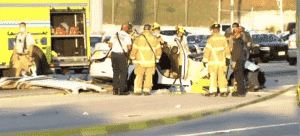
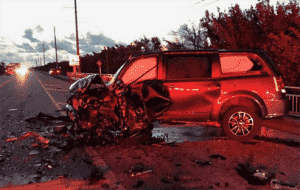
Law Offices of Anidjar and Levine assists injured victims after an unsafe lane change crash by preserving scene evidence, securing witness statements, reviewing crash reports, and analyzing vehicle data to establish fault.
Counsel also manages insurer communications, documents medical treatment and lost income, and seeks compensation for medical costs, property damage, and pain-related losses.
Because Florida comparative negligence rules may affect recovery, early legal guidance from a Miami Car Accident Attorney can be important.
The sections that follow explain crucial steps, rights, and case considerations.
Main Takeaways
- A Miami unsafe lane-change accident lawyer investigates whether the other driver changed lanes without signaling, yielding, or checking blind spots.
- Strong claims rely on prompt evidence, including photos, videos, witness statements, police reports, and vehicle data showing lane movement and impact.
- Seek medical care quickly after the crash, even for mild symptoms, to protect your health and document injuries.
- Liability may involve comparative fault, so an attorney analyzes driver actions, roadway markings, visibility, and damage patterns.
- A lawyer can pursue compensation for medical bills, lost income, pain and suffering, and future treatment needs.


How We Can Help With Your Miami Unsafe Lane Change Accident Injury Claim
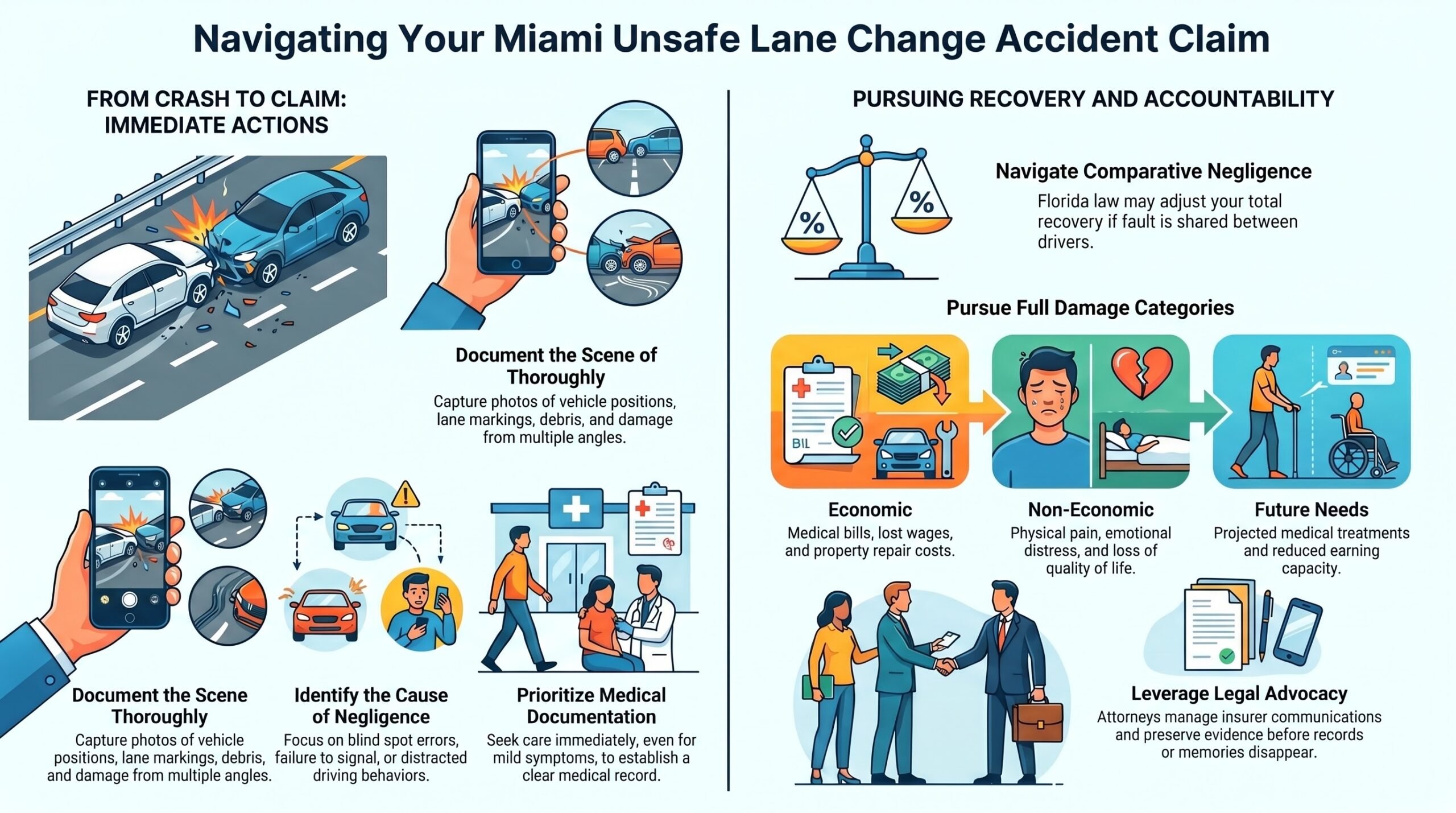
Many unsafe lane change claims turn on fast-moving facts, disputed liability, and insurance tactics, which makes early legal guidance especially important. Counsel can help by preserving vehicle data, securing witness statements, obtaining crash reports, and organizing medical records so injured people can focus on recovery and service to their families and communities.
A disciplined legal team also manages insurer communications, evaluates damages, and prepares a clear demand supported by treatment history, lost income information, and expert input when needed. They can explain Medical liens, address billing concerns, and protect clients from accepting offers that undervalue future care. When negotiations stall, they can prepare the claim for litigation while continuing to seek an efficient resolution.
They also provide realistic guidance on Settlement timelines, helping clients make informed choices without unnecessary pressure. Throughout the process, effective representation emphasizes accountability, careful documentation, and practical support so injured individuals can regain stability and continue contributing to the people who rely on them daily.
OUR CONSULTATIONSARE FREE
START YOUR FREE CASE REVIEW

Understanding Miami Unsafe Lane Change Accident Injury Cases
Understanding a Miami unsafe lane-change accident injury case begins with the basic question of whether a driver moved from one lane to another without first ensuring the maneuver could be made safely. In these matters, the focus is often on duty, visibility, timing, and whether reasonable care was exercised under the circumstances.
A careful review usually considers witness statements, vehicle damage, police observations, traffic patterns, lane discipline, and road signage. These details help clarify how the event unfolded and whether one motorist failed to yield space already occupied by another vehicle. Injury claims may involve medical records, lost income, and evidence of pain that affected daily responsibilities and service to family or community.
Miami cases also require attention to comparative fault principles, because more than one driver may share legal responsibility. A clear understanding of these elements allows injured people and those assisting them to pursue accountability with purpose, fairness, and informed judgment.
Common Causes of Miami Unsafe Lane Change Accidents
Unsafe lane change accidents in Miami often result from preventable driver conduct that disrupts the safe flow of traffic. Common contributing factors include blind-spot negligence, distracted driving, and failure to signal before changing lanes. Speeding and aggressive driving also increase the likelihood of these collisions, particularly when motorists make sudden or poorly timed lane changes.
Blind Spot Negligence
Often occurring in dense Miami traffic, blind spot negligence arises when a driver changes lanes without adequately checking the areas that mirrors do not fully reveal. This conduct may endanger nearby motorists, motorcyclists, bicyclists, and pedestrians who rely on prudent lane discipline for safety.
Responsible driving requires consistent rearview adjustments, proper mirror calibration, and deliberate head checks before any lateral movement. When these precautions are ignored, a vehicle may sideswipe another car or force evasive action, causing injuries and avoidable disruption on the roadway. Larger vehicles pose heightened concerns because their blind zones are broader and harder to monitor.
In many cases, blind spot negligence reflects a failure to exercise ordinary care under prevailing traffic conditions. Careful lane changes help protect the community, reduce preventable collisions, and support safer travel for everyone who shares Miami’s roads daily.
Distracted Driving Errors
Diverted attention is a frequent factor in Miami lane-change collisions, particularly when a driver attempts to merge or change lanes while focusing on something other than the surrounding traffic. Even a brief glance at a screen, dashboard control, or passenger can interrupt judgment and delay safe reactions. Phone distraction often prevents a motorist from checking mirrors, monitoring speed, or recognizing a vehicle already occupying the adjacent lane.
Likewise, visual inattention can cause a driver to overlook motorcycles, cyclists, and smaller cars that require careful observation before any lateral movement. In the service of community safety, this issue merits close attention because distracted-driving errors place innocent road users at unnecessary risk. Careful, attentive lane changes help protect families, visitors, workers, and others who rely on Miami’s roads each day.
Failure To Signal
Frequently, a driver’s failure to signal before changing lanes contributes directly to a preventable collision on Miami roads. Turn signals communicate intent, allowing nearby motorists, cyclists, and pedestrians to respond safely and preserve orderly traffic flow. When that notice is missing, others may have insufficient time to adjust speed, create space, or anticipate movement.
This conduct also reflects poor lane-change etiquette and a disregard for signal timing standards established to reduce roadway conflicts. A proper signal serves the public by promoting predictability, which is vital in dense urban traffic. Without it, a lane change may appear sudden, careless, or deceptive, increasing the likelihood of side impact crashes. In injury claims, the absence of signaling can support a finding that the driver breached a basic duty of care owed to nearby others.
Speeding And Aggression
Escalating speed and aggressive driving behavior can make an otherwise routine lane change dangerous in a matter of seconds. Drivers operating with a speeding mindset often reduce the time available to observe blind spots, judge distance, and respond to surrounding traffic. As speed increases, even minor miscalculations can produce severe side-swipe collisions or force nearby motorists into abrupt evasive actions.
Aggression compounds that risk. Conduct such as aggressive tailgating, rapid weaving, and refusing to yield can pressure other drivers into unsafe lane movements. In Miami traffic, these behaviors frequently create preventable crashes that harm families, workers, and community members traveling for daily responsibilities. A careful review of speed, spacing, and driver conduct often helps clarify how negligence contributed to the collision and why accountability may be warranted under Florida law.


Legal Rights of Miami Unsafe Lane Change Accident Injury Victims
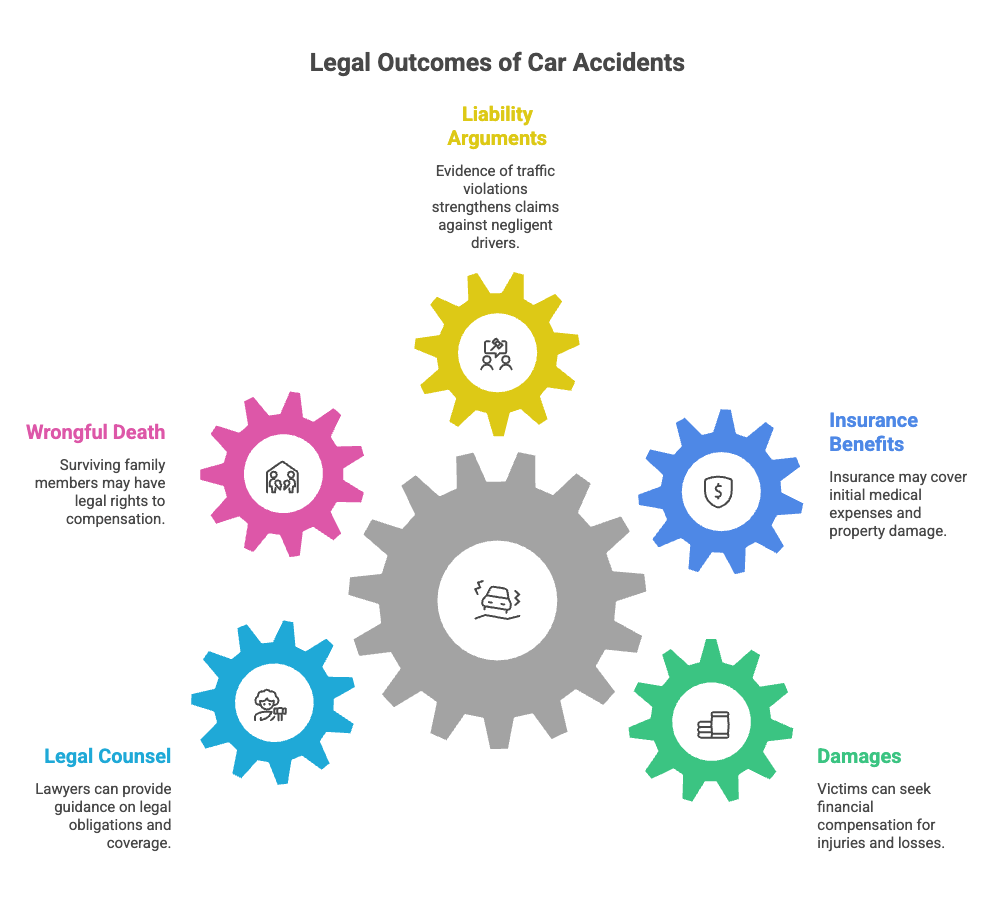
Protecting one’s legal interests after an unsafe lane change collision often begins with understanding the rights available under Florida law. Injured parties may pursue compensation for medical costs, lost income, property damage, and pain-related losses when another driver’s careless maneuver caused harm. Florida’s comparative negligence framework may reduce recovery if fault is shared, making careful legal evaluation crucial. Attention to statute nuances also matters, because filing deadlines and insurance rules can affect available remedies.
Understanding Florida injury rights after an unsafe lane change can be essential to protecting compensation, accountability, and long-term recovery.
- Victims may seek damages from negligent drivers and other liable parties.
- Insurance benefits may apply before broader personal injury claims proceed.
- Evidence of lane violations can substantially strengthen liability arguments.
- Wrongful death rights may exist for surviving family members.
- Legal counsel can clarify obligations, coverage disputes, and valuation issues.
A service-minded approach recognizes that asserting these rights can support recovery, family stability, and accountability. Clear guidance helps injured residents protect both their future well-being and the broader safety of the Miami community.
Steps to Take After a Miami Unsafe Lane Change Accident Injury
After a Miami unsafe lane change accident injury, immediate attention should be given to personal safety and the safety of others at the scene. It is also important to document the scene carefully, including vehicle positions, visible damage, and any relevant road conditions, as this information may later support an injury claim. Prompt medical care should then be obtained, both to restore health and to create a clear record of the injuries involved.
Prioritize Safety First
In the immediate moments following a Miami unsafe-lane-change accident, safety should remain the primary concern. Those involved should move to a secure location, if possible, and assess whether anyone faces urgent danger from traffic, fire, or leaking fluids.
Emergency assistance should be requested without delay when injuries are apparent or conditions remain hazardous. If movement is unsafe, occupants should stay put, activate hazard lights, and wait for first responders. Bystanders who wish to serve others can help by remaining calm, preventing further harm, and supporting the reporting of hazards to authorities.
Practical awareness, similar to principles used in safety audits, encourages careful observation of ongoing risks without creating new ones. Protecting life, preserving access for emergency personnel, and reducing additional collisions should guide every immediate decision made after impact.
Document The Scene
Once immediate safety concerns have been addressed, careful documentation of the accident scene can preserve facts that may later clarify how the unsafe lane change occurred. Helpful observers should gather objective details that may assist investigators, insurers, and legal counsel in serving those affected fairly.
A thorough photo inventory should capture vehicle positions, lane markings, debris, traffic signs, signals, weather conditions, and any visible damage from multiple angles. Brief videos may also record traffic flow and roadway layout. If practical, written notes should identify the time, location, direction of travel, and statements made by involved parties or witnesses. Basic sketch measurements can further show distances between vehicles, points of impact, and nearby landmarks. This organized record can strengthen accuracy, reduce later disputes, and support a clearer understanding of events.
Seek Medical Care
Beyond documenting the collision, prompt medical evaluation should be prioritized following an unsafe lane change accident injury in Miami. Even when symptoms seem minor, hidden injuries may worsen without timely diagnosis, and early records can guide appropriate care for the injured person and those assisting them.
An emergency assessment, urgent care, or a visit to a primary physician may each be suitable depending on the symptoms. Clear communication about pain, dizziness, numbness, and mobility limitations helps providers identify concerns requiring imaging, referrals, or specialist care. When in-person visits are difficult, telemedicine follow-up may support continuity of care, medication review, and recovery monitoring.
Practical planning also matters. Family members, caregivers, or community resources may help address transportation logistics so the injured individual can attend appointments, obtain prescriptions, and follow medical instructions safely.
How a Miami Unsafe Lane Change Accident Injury Lawyer Can Help You
After an unsafe lane change crash, a Miami accident injury lawyer can help by evaluating the facts, identifying all potentially liable parties, and building a claim supported by police reports, witness statements, medical records, and other relevant evidence. Counsel also organizes Medical documentation, addresses Insurance disputes, and communicates with insurers so injured people can focus on recovery and family responsibilities.
A lawyer’s assistance often includes:
- reviewing crash reports, photographs, and roadway conditions for overlooked details
- preserving witness accounts before memories fade or records disappear
- calculating damages for treatment costs, lost income, and other documented losses
- handling insurer correspondence, settlement demands, and deadlines with care
- preparing a case for litigation when a fair resolution is not offered
This guidance serves more than one person. By pursuing accountability with discipline and respect, legal counsel helps clients protect household stability, honor obligations to loved ones, and seek resources needed to continue serving others in their communities with dignity and confidence.
Long-Term Effects of Miami Unsafe Lane Change Accident Injuries
Unsafe lane-change accidents in Miami can have lasting consequences that extend well beyond the initial medical treatment period. Many injured individuals face chronic pain challenges and lasting mobility limitations, which may disrupt employment, daily routines, and overall independence. These accidents may also lead to significant emotional trauma effects, including anxiety, stress, and other psychological burdens that require continued attention.
Chronic Pain Challenges
Persistence often defines the most difficult consequences of a Miami lane change collision, as chronic pain can continue long after visible injuries appear to have recovered. Survivors may face recurring discomfort that affects sleep, concentration, and emotional stability, even when diagnostic results seem limited or inconclusive to providers.
Effective pain management often requires coordinated care, careful monitoring, and a service-minded commitment to the injured person’s long-term well-being. Physical therapy may help reduce symptoms and restore tolerance for daily activity, while counseling can support coping and resilience. Physicians may also evaluate medications cautiously, because prolonged use can create concerns involving opioid dependence.
Families, caregivers, and advocates often play an important role by encouraging treatment adherence, documenting symptoms, and helping injured individuals pursue the resources necessary for stable recovery and dignity.
Lasting Mobility Limitations
Over time, mobility limitations can become one of the most disruptive long-term effects of an unsafe lane change accident. Survivors may experience reduced strength, impaired balance, joint stiffness, or nerve damage that limits walking, climbing stairs, driving, or completing routine tasks. These restrictions often require sustained medical care, adaptive equipment, and structured rehabilitation.
In many cases, physicians recommend gait retraining to improve stability, reduce fall risk, and support safer movement throughout daily life. Lasting impairments may also require home and vehicle modifications, as well as careful attention to wheelchair accessibility in public and private spaces. Families, caregivers, and community advocates often play an important role by helping injured individuals maintain independence, preserve dignity, and access practical resources that support long-term safety, function, and participation in necessary activities.
Emotional Trauma Effects
Coping with the psychological aftermath of a Miami unsafe lane change accident can be as challenging as managing the physical injuries themselves. Survivors may experience anxiety, depression, post-traumatic stress, and persistent fear during routine travel, which can disrupt employment, relationships, and community involvement.
These emotional effects often emerge gradually, making early recognition especially important for those committed to supporting injured individuals and their families. Sleep disturbances, irritability, difficulty concentrating, and social withdrawal can interfere with recovery and reduce a person’s ability to serve others with confidence and consistency. Professional counseling, trauma-informed care, and strong family support may help restore stability over time. When emotional harm follows a negligent lane change collision, careful documentation can also strengthen a legal claim by showing the full extent of long-term suffering.
Proving Liability in Miami Unsafe Lane Change Accident Injury Cases
Establishing liability in a Miami unsafe lane change accident injury case requires a careful review of how the collision occurred, whether the driver failed to yield, signal, or confirm that the adjacent lane was clear before moving. Police reports, witness statements, roadway markings, and vehicle damage patterns often help clarify fault and support a claim grounded in public safety.
Strong cases also depend on the prompt preservation of evidence. Photographs, surveillance footage, electronic data, and medical records may reveal how the lane change unfolded and whether injuries are consistent with the impact. In more intricate matters, expert testimony from accident reconstruction specialists or medical professionals can explain timing, visibility, speed, and the forces involved.
Courts and juries may also consider whether distracted driving, fatigue, or impairment contributed to poor judgment behind the wheel. By carefully assembling reliable evidence, injured people and those assisting them can better pursue accountability and encourage safer conduct on Miami roads for everyone.
Dealing With Insurance Companies After a Miami Unsafe Lane Change Accident Injury
In the aftermath of an unsafe lane-change accident injury in Miami, communications with insurance companies often play a central role in determining how a claim is valued and resolved. Insurers may request recorded statements, medical authorizations, or quick responses that seem routine but can affect compensation.
A careful, service-minded approach often helps protect the injured person and those depending on that recovery. Documentation should be organized, accurate, and consistent with medical records, repair estimates, and other evidence.
Insurance representatives may use settlement tactics designed to limit payouts, including minimizing injuries, disputing treatment, or shifting blame between drivers. They may also issue claim denials based on incomplete information or alleged policy exclusions.
Thoughtful communication, supported by clear records, can reduce misunderstandings and strengthen credibility. When responses are delayed, confusing, or unfair, legal guidance may help ensure that the injured person is treated with dignity and that financial recovery more accurately reflects the harm suffered.
What to Expect During a Miami Unsafe Lane Change Accident Injury Claim Process
The Miami unsafe lane change accident injury claim process generally begins with filing the claim and establishing the legal and factual basis for compensation. It then proceeds to collect crucial evidence, including medical records, accident reports, witness statements, and other documentation that may support liability and damages. In many cases, the process continues with negotiations with insurers and concludes through a settlement or other formal resolution of the case.
Filing Your Injury Claim
After an unsafe lane-change collision in Miami, the injury claim process typically begins with a prompt review of medical records, crash reports, insurance information, and any available witness statements or scene evidence. Counsel then identifies available coverage, notifies insurers, and prepares a claim that outlines injuries, losses, and requested compensation.
This stage often includes attention to nuances of the statute, because filing deadlines, notice requirements, and policy conditions can affect recovery. Claimants are generally advised to continue treatment, follow medical guidance, and avoid statements that could undermine the case.
As the matter proceeds, communications with adjusters may address liability, damages, and settlement timelines. If negotiations do not produce a fair result, a lawsuit may be filed within the applicable deadline. Throughout the process, careful organization and steady advocacy support informed decisions and service to injured community members.
Gathering Key Evidence
Building a strong injury claim for a Miami unsafe lane change accident depends heavily on the quality of the evidence gathered early in the process. Useful materials often include crash reports, scene photographs, surveillance footage, medical records, and prompt witness statements from those who observed the lane movement or impact. Documentation of injuries, treatment plans, and lost work time can help show how the collision affected daily responsibilities and the ability to care for others.
Additional evidence may come from vehicle telemetry, dash cameras, and electronic data that reflects speed, braking, wheel input, and lane positioning before the crash. Attorneys may also review roadway conditions, signage, weather, and damage patterns to accurately reconstruct events. When preserved carefully, this information can clarify fault, support accountability, and strengthen the overall foundation of the claim.
Negotiating With Insurers
In many Miami unsafe lane change injury claims, negotiations with insurers begin once sufficient evidence and medical documentation have been assembled to present a clear account of liability and damages. Insurers often review records closely, compare statements, and evaluate whether treatment appears consistent with the reported collision and resulting losses.
During this stage, representatives may use common claim tactics, including requesting broad authorizations, disputing fault percentages, or minimizing the seriousness of injuries. Careful responses help protect the integrity of the claim and support fair consideration of medical expenses, lost income, and ongoing care needs.
Settlement timing can also affect negotiations, especially when treatment is continuing, and the full extent of harm is not yet known. A disciplined approach, grounded in accuracy and patience, often serves injured people and their families best overall.
Resolving Your Case
At the resolution stage, a Miami unsafe lane-change accident claim may conclude through settlement or proceed to litigation if a fair agreement cannot be reached. During this phase, counsel typically organizes medical records, repair estimates, and witness interviews to strengthen the demand for compensation. Careful review of liability evidence helps determine whether settlement strategies should emphasize prompt recovery or readiness for trial. If negotiations remain productive, the parties may exchange offers, clarify disputed facts, and evaluate future costs with disciplined attention to fairness.
When insurers refuse reasonable terms, a lawsuit may be filed, followed by discovery, depositions, and possible mediation. Throughout the process, effective representation seeks an outcome that supports the injured person’s recovery, preserves dignity, and promotes accountability, while maintaining focus on service, responsibility, and the broader well-being of others.
Compensation for Miami Unsafe Lane Change Accident Injury Damages
Following an unsafe lane change collision in Miami, compensation may be available for a wide range of injury-related damages, depending on the severity of the harm and the facts of the case. This recovery often includes medical treatment, rehabilitation, medication costs, assistive devices, and projected future care when injuries create lasting limitations or ongoing needs for support.
In many cases, compensation also addresses income disruption, including lost wages, reduced earning ability, and time missed while attending treatment or recovering at home. A careful pain assessment may be necessary when injuries affect daily functioning, sleep, mobility, or the ability to continue to serve family, work, and community responsibilities.
Supporting evidence may include medical records, physician opinions, employment documentation, and testimony describing how the collision changed the injured person’s routine. Because every lane-change accident presents unique facts, a thorough evaluation helps identify the full extent of losses and supports a claim that reflects the injured person’s actual needs.
Economic vs Non-Economic Damages in Miami Unsafe Lane Change Accident Cases
In Miami unsafe-lane-change accident cases, damages are generally divided into economic and non-economic categories, each addressing a different type of loss. Economic damages often include medical expenses, lost wages, and other measurable financial costs, while non-economic damages may cover pain and suffering, emotional distress, and loss of enjoyment of life. The value of these damages depends on the quality of the evidence presented, including bills, employment records, medical opinions, and other documentation that supports the extent of the harm.
Economic Damage Categories
A clear understanding of economic damages is essential in Miami unsafe-lane-change accident cases because these losses represent the measurable financial harm caused by another driver’s negligence. These damages often include emergency care, hospital bills, rehabilitation costs, medication expenses, and future medical treatment supported by reliable documentation.
Additional categories may involve Lost wages when injuries prevent a person from working, as well as reduced earning capacity if long-term limitations affect future employment. Property damage is also commonly recoverable, including vehicle repair or replacement costs and compensation for other damaged personal items.
Transportation expenses, household assistance, and necessary out-of-pocket costs may also qualify when directly tied to the collision. Careful evaluation of these categories helps injured individuals pursue fair compensation and continue to serve their families and communities with stability.
Non-Economic Loss Examples
Non-economic damages address the human impact of a Miami unsafe lane-change accident, covering losses that do not have fixed invoices or receipts. These harms often include physical suffering, emotional distress, anxiety, sleep disruption, and diminished enjoyment of daily life. Pain aside, a person may experience strain in family relationships, social withdrawal, and reduced confidence when traveling.
Examples also include grief counseling after a traumatic collision, embarrassment from visible injuries, and the loss of hobbies once brought to community life and personal purpose. Some individuals face lasting lifestyle adjustments, such as avoiding driving, relying on others for errands, or being unable to participate in caregiving, volunteer work, or faith activities. In serious cases, non-economic losses reflect the broader decline in independence, comfort, dignity, and overall quality of life.
Proving Damage Value
Assigning a dollar value to losses after a Miami unsafe lane change accident requires different forms of proof for economic and non-economic damages. Economic losses are usually shown through medical bills, wage records, repair invoices, rehabilitation costs, and projections of future care. Careful quantification of damage helps demonstrate the full financial impact on the injured person and household.
Non-economic damages require a different evidentiary approach. Pain levels, emotional distress, loss of enjoyment, and the impact on family relationships are often supported by treatment notes, psychological records, personal journals, and testimony from relatives, coworkers, and caregivers.
In more serious cases, expert valuation may be used to connect lasting symptoms with reduced daily functioning. Thorough proof supports a fair recovery, which can help injured individuals restore stability and continue serving their families and communities.
When a Miami Unsafe Lane Change Accident Injury Case Goes to Trial vs Settlement
Whether a Miami unsafe lane change accident injury case proceeds to trial or is resolved through settlement typically depends on the strength of the evidence, the extent of the injuries, and the parties’ willingness to dispute liability and damages. Clear witness statements, traffic footage, medical records, and expert opinions often shape trial dynamics and influence leverage in settlement negotiations.
Settlement is often favored when fault is reasonably clear, and the injured person’s losses are well documented. It can reduce delay, control costs, and provide financial support sooner for medical care and household needs. Trial becomes more likely when insurers minimize injuries, challenge causation, or refuse to offer fair compensation.
In those matters, courtroom presentation may be necessary to demonstrate credibility, explain future losses, and ask a jury to assign value. A careful legal assessment helps families understand the risks, timing, and likely outcomes, enabling decisions that support recovery while respecting the broader goal of restoring stability and capacity to serve others.
The Statute of Limitations for Miami Unsafe Lane Change Accident Injury Cases
In Florida, the time allowed to file a lawsuit after a Miami unsafe lane-change accident is a vital issue because missing the applicable deadline can bar recovery, regardless of how strong the underlying claim may be. This legal timeframe is governed by filing deadlines for personal injury and, in some cases, wrongful death actions.
Although many claims follow a general limitations period, nuances in the statute can affect when the clock begins or whether exceptions apply. For example, the date of injury, the discovery of certain harms, or the involvement of a governmental entity may alter required procedures. Insurance matters do not automatically extend court deadlines.
Careful attention to timing helps injured people protect resources needed for medical care, family stability, and community responsibilities. Preserving records, identifying defendants, and monitoring formal notice requirements can support an orderly case process. A clear understanding of Florida’s limitation rules promotes informed decisions and prevents avoidable loss.
When to Contact a Miami Unsafe Lane Change Accident Injury Lawyer
Following an unsafe lane-change collision in Miami, contacting an injury lawyer as early as practicable can help preserve evidence, clarify legal options, and reduce mistakes that may weaken a claim. An immediate consultation is often beneficial after emergency medical needs are addressed, especially when fault is disputed, injuries appear delayed, or insurers request statements.
Early legal contact also supports evidence preservation, including photographs, vehicle damage records, witness information, surveillance footage, and electronic data that may disappear quickly. Prompt guidance can help an injured person document treatment, track expenses, and respond carefully to insurance communications without compromising accuracy.
It is also prudent to seek counsel when multiple vehicles are involved, when a commercial driver may be responsible, or when the collision causes missed work or lasting limitations. Acting without unnecessary delay allows a lawyer to assess deadlines, identify available sources of recovery, and support informed decisions that may better serve the injured person, the household, and the broader community.
Why You Need an Experienced Miami Unsafe Lane Change Accident Injury Lawyer
After an unsafe lane change collision, an experienced Miami injury lawyer can provide value that extends well beyond filing paperwork or communicating with an insurer. Counsel helps protect the injured person’s ability to recover fair compensation while preserving evidence, identifying witnesses, and clarifying how traffic laws and comparative fault may affect liability.
Experience also matters when losses are not immediately obvious. A seasoned attorney can work with medical providers, vocational experts, and other professionals to carefully document present and future damages. This guidance is especially important during insurance disputes, when carriers may question treatment, minimize pain, or shift blame.
Legal representation can also improve settlement timelines by organizing records, responding strategically to delay tactics, and preparing a claim for litigation when necessary. For families focused on recuperation and continuing to serve their communities, this support offers structure, accountability, and a steadier path toward financial recovery after a disruptive and preventable crash with confidence.
How to Choose the Right Miami Unsafe Lane Change Accident Injury Lawyer for Your Case
When selecting a Miami unsafe lane change accident injury lawyer, careful attention should be given to experience, case focus, and a demonstrated record of handling motor vehicle injury claims involving disputed liability. An attorney’s familiarity with crash reconstruction, insurance negotiations, and courtroom procedure may influence the strength of a case and the support provided to injured individuals and families.
A careful review should also include reputation, professional standing, and responsiveness. Clear client communication is vital because timely updates and direct answers help people make informed decisions while focusing on recovery and the needs of those who depend on them. Prospective clients may also compare fee structures, including contingency arrangements and litigation costs, so expectations remain clear from the beginning.
Initial consultations can reveal whether the lawyer listens carefully, explains options plainly, and approaches service with diligence and respect. Choosing counsel with these qualities can foster confidence, stability, and a more effective pursuit of fair compensation after a serious lane-change collision.
About The Law Offices of Anidjar & Levine
The Law Offices of Anidjar & Levine represents injured individuals in Miami, with a focus on personal injury matters arising from motor vehicle collisions, including unsafe lane-change accidents.
The firm assists clients through each stage of the claims process, seeking compensation for medical expenses, lost income, property damage, and other related losses.
Its approach emphasizes responsive communication, careful case preparation, and practical support for people facing physical, financial, and emotional hardship after a crash.
The firm’s history reflects sustained work on behalf of accident victims across Florida, with attention to accountability and service.
Attorneys and staff aim to reduce burdens on families by efficiently handling investigations, insurer communications, and legal filings.
Publicly available client testimonials often describe professionalism, accessibility, and commitment to client needs.
For individuals who value helping their households recover and move forward, the firm presents a structured legal resource grounded in advocacy, diligence, and respect for those affected by preventable roadway negligence.
Frequently Asked Questions
How Much Does a Miami Unsafe Lane Change Accident Lawyer Cost Upfront?
Usually, no upfront payment is required because many lawyers handling unsafe lane-change cases work on a contingency-fee basis. That means fees are collected only if compensation is recovered for the injured person. Some firms may charge a flat fee for limited services, though that is less common in personal injury matters. A careful review of the written fee agreement helps families understand costs, responsibilities, and how representation may support recovery.
Can I Switch Lawyers During My Unsafe Lane Change Injury Case?
Yes, a client may change attorneys during an unsafe lane change injury case. He or she should review the fee agreement, give written notice, and retain records related to treatment, insurance, and filings. Successor counsel can request the case file and protect deadlines. Courts and insurers generally recognize the substitution, though prior counsel may assert a lien for earned fees. Careful shift helps preserve the client’s interests and service to others.
Will My Case Details Remain Confidential With Your Law Firm?
Yes, case details generally remain confidential with the firm. The attorney-client relationship requires lawyers and staff to protect sensitive information, and privacy protections govern how records, communications, and personal details are handled. Confidentiality may be limited only in rare circumstances required by law or court order. A reputable firm should explain these safeguards clearly, so the client can make informed decisions while pursuing service, accountability, and fair legal representation.
Do I Need a Lawyer if the Other Driver Was Uninsured?
Yes, legal counsel is often advisable when the other driver was uninsured. An attorney can evaluate insurance options, including uninsured motorists coverage, and determine whether additional sources of recovery exist. Counsel also helps protect evidence, manage communications, and accurately assess damages. For those seeking to serve and support their families, professional guidance may reduce costly mistakes and improve the likelihood of a fair, timely outcome after an uninsured driver collision.
Can I Recover Damages if a Rideshare Vehicle Caused the Accident?
Yes, damages may be recovered if a rideshare vehicle caused the accident, depending on the driver’s status in the app and available insurance coverage. Rideshare liability often turns on whether the driver was offline, awaiting a ride, or transporting a passenger. Although company immunity may limit direct claims against the platform, injured parties may still pursue compensation through the driver’s policy, the company’s coverage, or other responsible parties, where supported.
—————————
Unsafe lane change accidents in Miami can lead to serious injuries, contested liability, and substantial financial stress.
Understanding the common causes of these crashes, the legal remedies available, and the important steps to take after an accident can help support a strong injury claim.
By acting promptly and seeking knowledgeable legal counsel, injured individuals may improve their chances of recovering fair compensation.
The Miami Car Accident Attorney at Law Offices of Anidjar and Levine helps accident victims assess their claims, safeguard their rights, and pursue compensation under Florida law.