The Law Offices of Anidjar and Levine helps protect a claim by securing crash evidence, documenting medical treatment, and addressing insurer tactics that can reduce compensation.
Neck injuries often require prompt evaluation, imaging, and consistent follow-up to link pain, stiffness, numbness, or reduced mobility to the collision.
A Miami Car Accident Lawyer can manage insurance communications, assess liability, and pursue damages for medical costs, lost income, and future care.
The sections below explain these issues in greater detail.
Main Takeaways
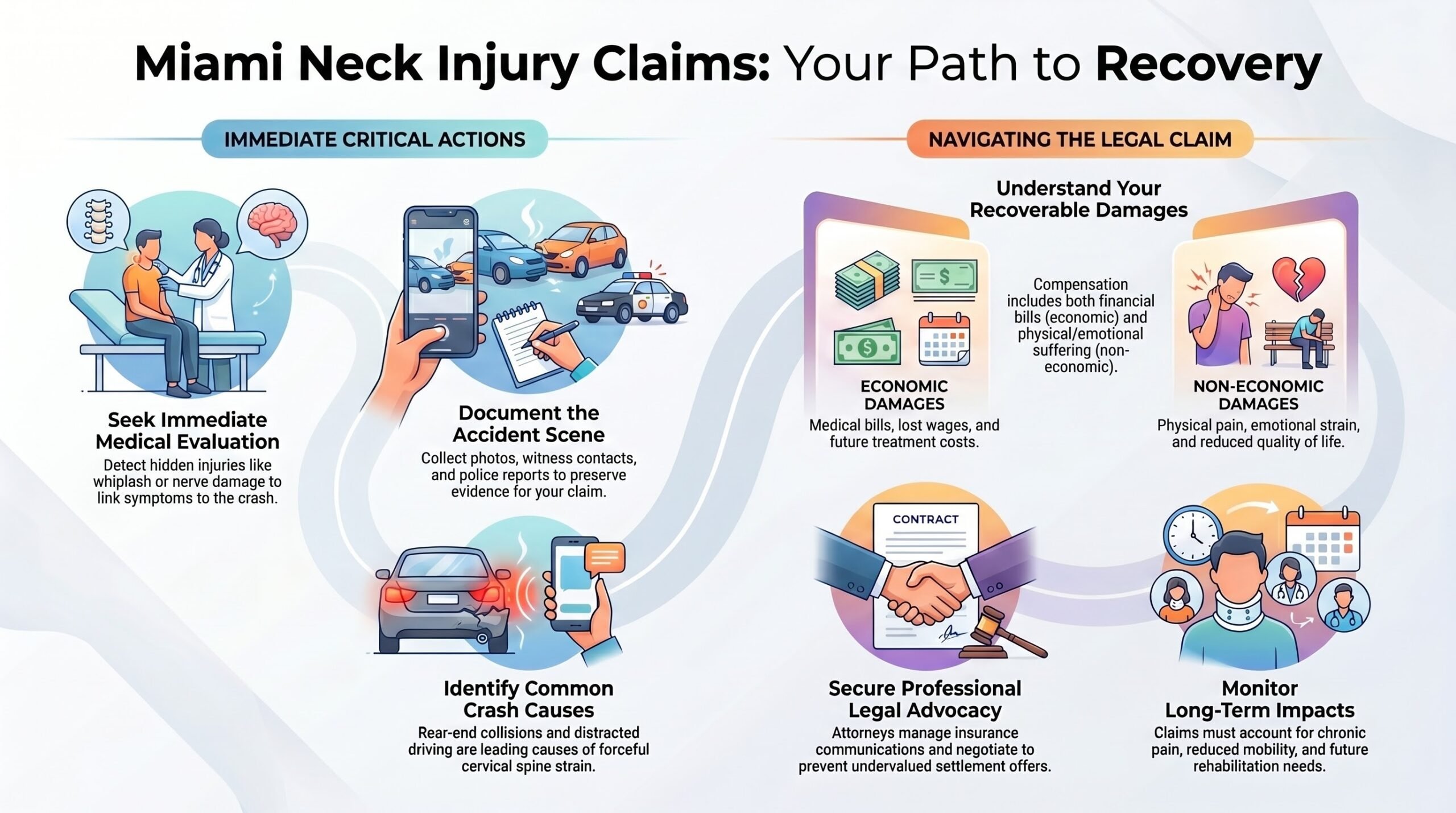
- Seek immediate medical evaluation after a Miami neck injury crash to detect whiplash, fractures, nerve damage, and create records linking symptoms to the collision.
- Document the accident scene with photos, witness contacts, police report details, and notes about vehicle positions, road conditions, and visible injuries.
- A Miami neck injury lawyer gathers medical records, imaging, therapy notes, wage loss proof, and crash evidence to build a strong claim.
- Common causes include rear-end crashes, distracted driving, speeding, drunk driving, tailgating, and sudden stops that strain the cervical spine.
- Compensation may include medical treatment, rehabilitation, future care, lost income, reduced earning capacity, and pain from chronic neck limitations.
How We Can Help With Your Miami Neck Injury Car Accident Injury Claim
After a Miami car accident, a neck injury claim often involves more than submitting medical bills and waiting for an insurer to respond. Effective legal support centers on protecting the injured person’s well-being while reducing unnecessary burdens on family and caregivers during a difficult recovery period.
Counsel can help by gathering records, documenting symptoms, and organizing evidence that shows how the injury affects daily responsibilities, work, and service to others. A lawyer may coordinate with physicians and therapists to clarify treatment needs, expected limitations, and appropriate rehabilitation options. Legal guidance also supports careful insurance negotiations, helping prevent undervalued offers and incomplete assessments of future care.


When communication becomes stressful, representation can manage deadlines, correspondence, and claim strategy with steady attention to detail. This structured assistance allows injured individuals to focus on recuperation and continuing to support those who depend on them. The goal is practical relief, informed advocacy, and a path toward stability after injury.
Understanding Miami Neck Injury Car Accident Injury Cases
OUR CONSULTATIONSARE FREE
START YOUR FREE CASE REVIEW

Building on the practical role of legal representation, an understanding of Miami neck injury car accident cases begins with how these claims are evaluated under Florida law and the specific facts of the collision. Attorneys and insurers review medical records, imaging, symptom progression, and functional limitations to determine whether the injury meets applicable legal thresholds and supports the recovery of damages.
Careful analysis often includes the timing of treatment, physician opinions, and whether the condition affected work, caregiving, or daily service to others. Evidence may involve crash reports, photographs, witness statements, and expert review of neck biomechanics to explain how force translates into tissue damage. Because symptoms can emerge gradually, consistent documentation is important for linking the injury to the event rather than to unrelated conditions. Courts and insurers also consider future care needs, the impact of pain, and prognosis when valuing a claim. Public awareness of safety measures, including whiplash prevention, also helps communities better recognize the seriousness of injuries after a collision.
Common Causes of Miami Neck Injury Car Accident


Several common crash scenarios are frequently associated with neck injuries in Miami car accidents. Rear-end collision impacts, distracted driving crashes, speeding combined with sudden stops, and drunk driving accidents often create the forceful motion that strains the cervical spine. Recognizing these causes helps clarify how negligence and crash dynamics contribute to serious neck injury claims.
Rear-End Collision Impacts
Triggering a sudden transfer of force, rear-end collisions are among the most common causes of neck injuries in Miami car accidents. Even at moderate speeds, the head and neck may move abruptly, creating strain in muscles, ligaments, and spinal structures. Understanding crash biomechanics helps explain why symptoms can appear immediately or develop over several days.
Careful evaluation often considers vehicle damage, occupant position, and seatbelt effectiveness when identifying how the impact affected the cervical spine. Although restraints reduce many serious harms, they cannot always prevent whiplash-type trauma caused by rapid acceleration and deceleration. Medical assessment, timely documentation, and informed legal guidance can support injured people and the families assisting them. This approach promotes accountability, encourages proper care, and helps affected individuals pursue recovery with dignity, stability, and the community support they need.
Distracted Driving Crashes
In many Miami collisions, distracted driving creates sudden and preventable impacts that frequently lead to neck injuries. When a driver diverts attention from the road, even briefly, surrounding motorists, passengers, cyclists, and pedestrians face unnecessary risk. Phone distraction remains a leading concern, especially when drivers text, scroll, or check navigation instead of monitoring traffic conditions.
Digital distraction also includes touchscreen controls, in-vehicle apps, and other electronic tasks that reduce awareness and delay reactions. These lapses can cause abrupt lane departures, missed traffic signals, and collisions that force the neck beyond its normal range of motion. For individuals focused on protecting others and supporting community safety, recognizing distracted driving as a serious cause of injury encourages more careful habits. Greater attention behind the wheel helps prevent harm and promotes responsible travel throughout Miami.
Speeding And Sudden Stops
Accelerating beyond safe limits reduces the time available to react and increases the force involved when traffic suddenly slows or stops. In Miami traffic, that pattern often leads to neck injuries because the body is thrown forward and backward with little warning. Sudden braking in dense lanes, highway tailgating, and abrupt lane changes can intensify the impact, even in crashes that appear minor.
Service-minded advocates recognize that these collisions often harm working people, caregivers, and passengers who were simply trying to reach their destinations safely. A speeding driver may be unable to avoid stopped vehicles, road hazards, or congestion ahead. In some cases, brake failure contributes to the emergency and worsens the outcome. Careful investigation helps identify preventable conduct and supports accountability for those affected and seeking recovery.
Drunk Driving Accidents
Alcohol-impaired driving presents another frequent cause of Miami car accidents that result in neck injuries. When motorists operate vehicles under alcohol impairment, judgment, reaction time, and coordination often decline, increasing the likelihood of rear-end crashes, lane departures, and forceful impacts that damage the cervical spine.
Community protection efforts often emphasize bar safety, designated drivers, and responsible alcohol service. Law enforcement also relies on sobriety checkpoints to deter dangerous conduct and identify impaired drivers before harm occurs. In injury claims, evidence may include arrest records, witness accounts, video footage, and questions regarding breathalyzer accuracy. These matters can affect liability and case strategy, yet the central concern remains the injured person’s recovery. Careful legal guidance may help victims pursue accountability, secure medical support, and protect the well-being of their families and communities.
Legal Rights of Miami Neck Injury Car Accident Injury Victims
After a Miami car accident causes a neck injury, the injured person retains important legal rights under Florida law, including the right to pursue compensation for medical expenses, lost income, pain and suffering, and other related damages when another party’s negligence contributed to the crash.
These rights may involve insurance benefits, claims against liable parties, and careful attention to medical liens and nuances of the statute that can affect recovery and timing.
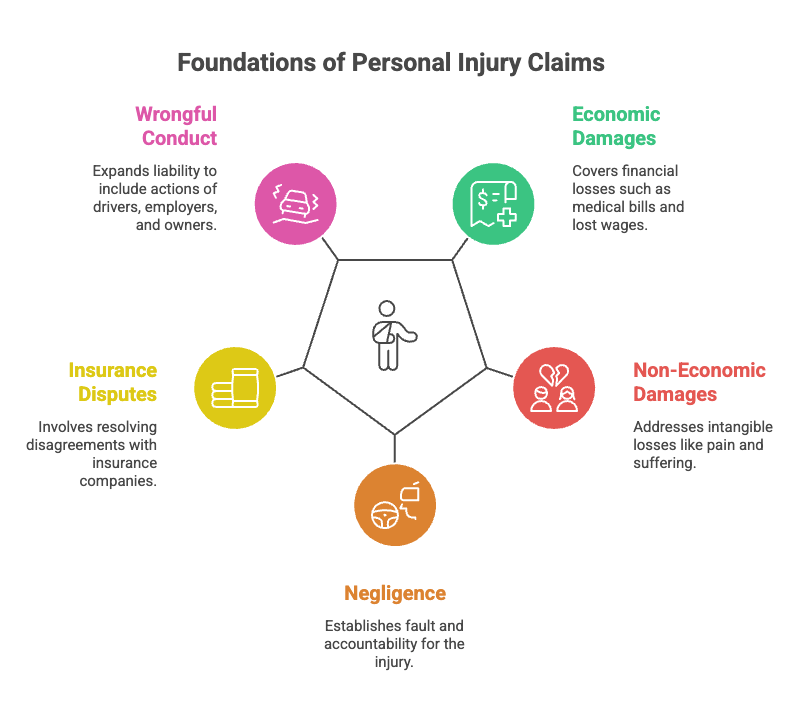
- Compensation may cover treatment costs, therapy, and diminished earning ability.
- Non-economic damages may address pain, suffering, and reduced quality of life.
- Evidence of negligence can support accountability and the protection of a responsible community.
- Insurance disputes may require firm advocacy and clear valuation of losses.
- Wrongful conduct by drivers, employers, or vehicle owners may expand liability.
Florida law also recognizes comparative fault principles, which may reduce recovery if the injured person shares blame. In service to fairness and accountability, legal counsel often helps protect rights while pursuing meaningful financial recovery.
Steps to Take After a Miami Neck Injury Car Accident Injury
After a Miami neck injury car accident, prompt action can affect both medical recovery and any future legal claim. Immediate medical care helps identify the full extent of the injury, while careful documentation of the accident scene preserves important evidence. Contacting a Miami lawyer soon afterward can help guarantee that legal options are protected and essential deadlines are not missed.
Seek Immediate Medical Care
Prioritize a prompt medical evaluation, because neck injuries from a Miami car accident may not be fully apparent at the scene and can worsen without timely treatment. An urgent evaluation can identify whiplash, nerve damage, fractures, or soft tissue trauma before complications increase. Medical professionals may recommend imaging, medication, immobilization, or follow-up with a consultant based on symptoms and the mechanism of injury.
Careful pain monitoring also serves an important role during the first hours and days after the collision. Symptoms such as stiffness, headaches, dizziness, numbness, or reduced range of motion should be assessed without delay. Although some home remedies may offer limited comfort, they should never replace professional care. When an in-person visit is delayed, a telemedicine check may help guide next steps while preserving health and supporting responsible recovery for everyone involved.
Document The Accident Scene
Document the accident scene as thoroughly as conditions safely allow, because clear evidence gathered at the time of a Miami collision can later help establish how the impact occurred and why a neck injury developed. If possible, an injured person or helpful bystander should collect photo evidence of vehicle positions, damage patterns, skid marks, roadway debris, traffic signs, weather conditions, and visible injuries. Brief scene sketches may also clarify lane placement, direction of travel, and points of impact when photographs alone do not capture the full context.
Names and contact information for witnesses should be recorded carefully, along with the responding officer’s name and report number. This organized documentation can support accurate reporting, preserve important facts, and assist those working to protect the injured person’s recovery and long-term well-being after a serious crash.
Contact A Miami Lawyer
Consulting a Miami lawyer soon after a collision can help an injured person understand legal options, preserve vital evidence, and avoid mistakes that may weaken a neck injury claim. Early legal guidance may also support a more orderly recovery process by identifying deadlines, insurance issues, and sources of compensation.
An attorney can gather crash reports, witness statements, photographs, and medical records that document the nature and progression of neck injuries. Counsel may also communicate with insurers, explain fee arrangements, and help protect the injured person from pressure to accept an inadequate settlement. By providing clear advice and steady advocacy, a Miami lawyer can help individuals make informed decisions that honor their well-being and their responsibility to those who depend on them. Prompt action often strengthens both legal and practical outcomes.
How a Miami Neck Injury Car Accident Injury Lawyer Can Help You
After a Miami car accident, a neck injury lawyer can provide vital guidance by evaluating the facts of the collision, identifying liable parties, and determining the full scope of damages that may be available under Florida law. Through careful investigation, counsel helps injured individuals pursue accountability while protecting resources needed for recovery and family stability.
Attention to medical documentation supports a clear record of diagnosis, treatment, and related costs.
- Investigates the crash and preserves evidence
- Identifies insurance coverage and responsible parties
- Organizes medical records and expense proof
- Handles settlement negotiation with insurers
- Prepares a case for court if necessary
A lawyer also manages communications with insurers, reducing pressure on the injured person and allowing attention to health and service to loved ones. By accurately valuing present losses, counsel seeks fair compensation for medical care, lost income, and pain. If insurers resist, the lawyer can efficiently advance the claim through litigation.
Long-Term Effects of Miami Neck Injury Car Accident Injuries
Neck injuries from car accidents in Miami can produce lasting consequences that extend well beyond the initial recovery period. Many individuals face chronic pain, reduced mobility, and diminished physical function, which can interfere with daily responsibilities and overall quality of life. These ongoing limitations may also contribute to emotional strain and financial pressure, particularly when medical treatment and lost income continue over time.
Chronic Pain Challenges
Often, chronic pain becomes one of the most disruptive long-term consequences of a Miami car accident neck injury, persisting long after visible wounds have recovered. It may continue for months or years, affecting sleep, concentration, mood, and a person’s ability to care for family, work responsibly, and support others in the community.
The psychosocial toll can be substantial, especially when ongoing discomfort creates stress, irritability, anxiety, or depression. Effective pain management often requires coordinated medical evaluation, consistent treatment, and patient education, rather than temporary relief alone. Providers may recommend medication, therapeutic interventions, counseling, or other supportive measures based on the individual’s condition. Careful documentation is also important because persistent symptoms can influence medical planning, financial stability, and the broader recovery process after a serious collision in Miami.
Mobility And Function Loss
Persistent pain is frequently accompanied by reduced mobility and loss of normal function, particularly when a Miami car accident causes damage to muscles, ligaments, discs, or nerves in the cervical spine. Everyday tasks may become limited, including driving, lifting, turning the head, and maintaining balance during movement.
A thorough mobility assessment often identifies restrictions in range of motion, weakness, coordination problems, and compensatory movement patterns. Treatment may include occupational therapy to restore safe performance of personal and household activities, as well as gait training when posture or walking mechanics are affected. In more serious cases, assistive devices may be recommended to improve stability and reduce strain on injured structures. Early recognition of functional decline helps caregivers and professionals support recovery, protect independence, and promote safe participation in daily responsibilities and community life.
Emotional And Financial Impact
Uncertainty can become a lasting burden after a Miami car accident causes serious cervical injuries, affecting both emotional well-being and financial stability. Persistent pain, disrupted sleep, and reduced independence often place strain on mental health, relationships, and daily responsibilities. Families who value caring for others may find their ability to provide support diminished by fatigue, stress, and ongoing treatment demands.
Financial pressure commonly grows as medical expenses continue and work capacity declines. Some individuals experience income loss due to missed employment, reduced hours, or an inability to return to prior duties. Household budgets may tighten, while rehabilitation, transportation, and home assistance create added costs. Over time, these combined effects can alter long-term plans, limit community involvement, and require careful legal and financial guidance to protect future stability and recovery.
Proving Liability in Miami Neck Injury Car Accident Injury Cases
Establishing liability in a Miami neck injury car accident case requires a careful examination of how the collision occurred, who failed to act with reasonable care, and whether that failure directly caused the injured person’s condition. This process often begins with police reports, scene photographs, vehicle damage, medical records, and statements from those involved. Clear timelines help show how the event unfolded and why a duty of care was breached.
Strong cases also depend on witness credibility and consistent documentation. Independent witnesses may confirm speed, traffic signals, lane changes, or distracted driving. When injuries are disputed or complex, expert testimony from accident reconstruction specialists or medical professionals can link crash forces to the neck injury. Attorneys may also review surveillance footage, electronic data, and roadway conditions to identify contributing factors. By presenting reliable evidence with discipline and respect for the injured person’s needs, liability can be demonstrated in a way that supports accountability and meaningful recovery for affected families.
Dealing With Insurance Companies After a Miami Neck Injury Car Accident Injury
How should an injured person respond when an insurance company contacts them after a Miami neck injury car accident? A measured response is usually best. The injured person should remain polite, provide only basic identifying information, and avoid detailed statements before the medical evaluation is complete. Early comments can be misinterpreted and may affect the support available for needed care.
Careful documentation often serves both the injured person and those helping with recovery. Medical records, repair estimates, wage information, and written communication should be preserved in an organized file. Insurance representatives may appear helpful, yet their goals may include limiting payouts through policy negotiation or reliance on claim-denial patterns. For that reason, any settlement offer should be reviewed cautiously and compared against present and future losses. Many injured people also benefit from having an advocate communicate with insurers on their behalf, which can reduce pressure, prevent avoidable mistakes, and protect resources needed to serve their families and communities.
What to Expect During a Miami Neck Injury Car Accident Injury Claim Process
A Miami neck injury car accident claim process typically begins with an immediate medical evaluation, which helps protect both the injured person’s recovery and the documentation needed for the case. It then proceeds through specific claim-filing steps, during which insurance companies may use tactics intended to limit liability or reduce the value of the claim. The process also involves settlement timeline expectations, as resolution may depend on the severity of the injury, the available evidence, and the insurer’s response.
Immediate Medical Evaluation
In the immediate aftermath of a Miami car accident, prompt medical evaluation is often one of the most important steps in both protecting health and supporting a neck injury recovery claim. Physicians typically begin with rapid screening to identify fractures, neurological symptoms, soft tissue trauma, and signs of delayed complications. They may recommend baseline imaging, such as X-rays or MRI, when symptoms, mechanism of injury, or physical findings warrant closer review.
This early assessment also creates a contemporaneous medical record that can clarify the connection between the collision and the reported neck condition. Follow-up care may include pain management, specialist referrals, physical therapy, and activity restrictions designed to prevent further harm. Careful adherence to treatment advice demonstrates a responsible commitment to recovery, personal stability, and the continued ability to serve family, work, and community well.
Claim Filing Steps
Once immediate medical care has documented the nature and extent of a neck injury, the claim process generally begins with notifying the appropriate insurance carriers and gathering the records needed to support the case. A careful review of crash reports, witness statements, treatment notes, wage information, and repair estimates helps establish liability and damages. Formal claim forms are then prepared and submitted within applicable deadlines, with close attention to nuances of the statute that may affect notice requirements or filing periods. Throughout this stage, organized communication with providers is also important, especially when medical liens may attach to settlement proceeds.
A thorough claim presentation often includes a concise demand package outlining losses, ongoing care needs, and supporting documentation. This structured approach promotes accountability, protects resources, and helps injured individuals pursue recovery while continuing to serve their families and communities.
Insurance Company Tactics
Expect insurers to move quickly after a Miami car accident, often before the full scope of a neck injury is clear. Adjusters may request recorded statements, broad medical authorizations, or early explanations that can later be used to challenge credibility. They may also emphasize minor vehicle damage, delayed symptoms, or prior conditions to reduce responsibility.
A careful claimant should expect close scrutiny of treatment records and daily activities. Insurers sometimes frame routine gaps in care as evidence that pain is exaggerated, increasing the risk of claim denial. They may present forms and questions in ways that seem helpful while primarily serving company interests. For those focused on protecting family well-being and securing fair support, prompt medical follow-up, consistent documentation, and measured communication can help prevent avoidable mistakes during the claim process.
Settlement Timeline Expectations
A Miami neck injury car accident claim may resolve within a few months or may require substantially longer, depending on the severity of the injury, the course of medical treatment, and the insurer’s willingness to evaluate damages fairly. Early stages often include investigation, record collection, and assessment of liability and losses. These steps establish practical timeline benchmarks for claim progress. Once treatment stabilizes, counsel may prepare a demand package that reflects medical expenses, lost income, and pain-related limitations. Settlement negotiation can then begin, although insurers may request additional documentation or dispute causation.
If discussions remain productive, a resolution may be reached without filing suit. When delays persist, litigation may extend the process through discovery, expert review, mediation, and trial preparation. Throughout each phase, careful guidance helps injured people make informed choices that support recovery and financial stability.
Compensation for Miami Neck Injury Car Accident Injury Damages
Medical bills, lost income, and ongoing treatment costs often form the foundation of compensation in a Miami neck injury car accident claim. Recoverable damages may include emergency care, diagnostic imaging, specialist visits, surgery, medication, rehab costs, and pain management services. When injuries limit a person’s ability to work or continue serving family and community responsibilities, compensation may also address reduced earnings and diminished future capacity.
A careful claim presentation usually relies on medical records, employer statements, treatment plans, and professional opinions that connect the crash to the neck injury. Thorough documentation helps demonstrate the scope of care required and the practical burden placed on daily life. In many cases, compensation must account for future appointments, assistive devices, home modifications, and transportation to treatment. Legal counsel often works to organize this evidence clearly, protect the injured person’s interests, and pursue a recovery amount that supports stability, access to treatment, and long-term healing after the collision.
Economic vs Non-Economic Damages in Miami Neck Injury Car Accident Cases
Miami car accident neck injury cases often involve two broad categories of compensation: economic and non-economic damages. Economic damage categories generally include measurable financial losses, such as medical expenses, rehabilitation costs, and lost income, while non-economic losses address pain, suffering, and reduced quality of life. Establishing the value of each category typically depends on medical records, employment documentation, expert opinion, and other evidence that supports the extent and impact of the injury.
Economic Damage Categories
Compensation analysis in neck injury car accident cases generally begins with economic damages, which are the measurable financial losses tied to the collision and its aftermath. These categories commonly include emergency transport, hospital care, diagnostic imaging, rehabilitation, prescription costs, and anticipated future treatment supported by medical opinion. They also include lost wages when an injured person cannot work during recovery, as well as diminished earning capacity if limitations affect future employment.
Property damage is another pivotal category, covering vehicle repair or replacement, as well as the repair or replacement of other personal items damaged in the crash. Out-of-pocket expenses, such as transportation to appointments or household assistance made necessary by physical restrictions, may also qualify. Careful documentation of each expense helps families, advocates, and legal representatives pursue compensation that restores financial stability and supports responsible recovery planning after a collision.
Non-Economic Losses
Beyond the bills, wage records, and repair invoices that define economic damages, neck injury car accident claims may also involve non-economic losses, which address harm that does not arrive with a fixed dollar amount. These losses often reflect the human consequences of trauma, including physical discomfort, emotional strain, reduced enjoyment of daily life, and the burden placed on close relationships.
In Miami neck injury cases, non-economic losses may arise when a person can no longer sleep comfortably, care for family members, participate in community service, or maintain former routines without pain. Pain valuation and life disruption consequently become central concepts in understanding the broader impact of the injury. A careful legal review considers how the injury changes the person’s ability to serve others, preserve dignity, and experience ordinary activities with independence, stability, and confidence.
Proving Damage Value
In proving the value of damages, a neck injury car accident claim depends on credible evidence that connects the collision to both measurable financial loss and the less visible effects on daily functioning. Economic damages are typically shown through bills, wage records, treatment estimates, and expert medical valuations that establish the cost of care, rehabilitation, and likely future needs. Non-economic damages require persuasive proof of pain, reduced mobility, sleep disruption, and limits on family or community service. Physicians, therapists, employers, and relatives may help explain how the injury changed the person’s routine and capacity to support others.
When symptoms threaten long-term employment, vocational evidence may be used to calculate future earning loss. Clear documentation, consistent treatment, and reliable testimony strengthen the claim and support a fair assessment under Florida law in court proceedings.
When a Miami Neck Injury Car Accident Injury Case Goes to Trial vs Settlement
Whether a Miami neck injury car accident case proceeds to trial or is resolved through settlement usually depends on the strength of the evidence, the extent of the injury, and the parties’ willingness to dispute liability or damages. In many matters, settlement negotiations serve everyone involved by reducing delays, expenses, and uncertainty while still providing the financial support needed for medical care and recovery.
A jury trial becomes more likely when insurers deny fault, minimize the severity of a neck injury, or refuse to offer compensation that reflects ongoing treatment, lost income, and future limitations. Trial may also be necessary when witness testimony conflicts or expert opinions differ on causation. Even then, careful preparation often encourages meaningful discussions before a courtroom decision is required. A thorough legal presentation, supported by records, physicians, and credible documentation, can help protect the injured person’s interests while promoting accountability, fairness, and a result that better supports long-term well-being and community stability.
The Statute of Limitations for Miami Neck Injury Car Accident Injury Cases
After a Miami car accident causes a neck injury, the statute of limitations sets the legal deadline for filing a claim, and missing that deadline can prevent any recovery regardless of the injury’s severity. In Florida, these statute deadlines generally depend on the type of action pursued, whether insurance benefits, negligence damages, or a wrongful death claim are involved. Careful attention to timing protects injured people and the family members who support their recovery.
Certain circumstances may alter the ordinary time limit. Courts may recognize limited filing exceptions, such as cases involving minors, delayed discovery of a related condition, or defendants who cannot be located despite diligent efforts. However, these situations are narrowly applied and should not be assumed. Preserving medical records, crash reports, and treatment dates helps create an accurate timeline and supports accountability. Respect for legal deadlines also serves the broader community by encouraging prompt reporting, reliable evidence, and fair resolution of injury claims.
When to Contact a Miami Neck Injury Car Accident Injury Lawyer
When should a person contact a Miami neck injury car accident lawyer? Contact should occur as soon as neck pain, stiffness, numbness, headaches, or reduced mobility appear after a crash. Prompt action helps preserve medical records, witness statements, photographs, and other evidence that may clarify what happened and support proper care and recovery.
Early consultation is also wise when an insurer requests a statement, offers a quick settlement, or delays communication. These situations may create confusion and can interfere with a person’s ability to focus on recuperation and caring for others. A lawyer can explain basic obligations, document losses, and help organize information in an orderly way. Contact is especially important when injuries worsen over time, treatment becomes extensive, or fault is disputed. In cases involving insurance avoidance, legal guidance may help identify missing information, unanswered claims issues, and deadlines that should be met without unnecessary delay. Timely contact supports informed, responsible decisions.
Why You Need an Experienced Miami Neck Injury Car Accident Injury Lawyer
Prompt contact can protect evidence, but experienced legal representation often determines how effectively that evidence is used to support a neck injury claim. An experienced Miami neck injury car accident injury lawyer understands medical records, crash reports, witness statements, and insurer tactics. That knowledge helps connect symptoms, treatment, and long-term limitations to the collision with greater clarity and credibility.
Experienced counsel also recognizes that neck injuries may appear modest at first, even when a victim requires a neck brace, ongoing pain management, rehabilitation, or work restrictions. Legal guidance can help secure full documentation of expenses, future care needs, lost income, and reduced daily function. It also supports families and caregivers who seek stability for an injured loved one, not conflict for its own sake. By presenting evidence carefully and negotiating from a position of preparation, seasoned representation improves the likelihood of fair compensation and protects the injured person’s ability to focus on mending, service, and recovery.
How to Choose the Right Miami Neck Injury Car Accident Injury Lawyer for Your Case
Choosing the right Miami neck injury car accident injury lawyer requires careful attention to experience, focus, and professional judgment. A qualified attorney should have a strong record handling vehicle collision claims involving neck trauma, soft tissue damage, and disputed liability. Consistent communication, organized case management, and a clear strategy also matter when a family seeks trustworthy legal help after a crash.
During the Initial consultation, important questions should address prior results, negotiation practices, courtroom readiness, and responsiveness to client concerns. It is also wise to review Fee structures, including contingency terms, litigation costs, and how expenses are explained in writing. A careful comparison of credentials, professional reputation, and client reviews can help identify counsel prepared to protect both legal rights and long-term recovery needs. By selecting representation with skill, integrity, and compassion, injured individuals are better positioned to pursue accountability and secure resources that support recovery and continued service to others.
About The Law Offices of Anidjar & Levine
Client-centered advocacy defines The Law Offices of Anidjar & Levine, a firm that represents injured individuals in Miami car accident claims involving neck injuries and related losses. The firm emphasizes responsive communication, practical guidance, and thorough case preparation, helping clients pursue compensation while focusing on medical care and family responsibilities.
Its firm history reflects a sustained commitment to personal injury representation across Florida, with attention to service, accessibility, and consistent legal support. The attorneys and staff work to reduce burdens by coordinating appointments, answering questions, and promptly addressing insurance issues.
This approach may appeal to readers who value helping people through difficult circumstances with diligence and respect. Publicly available client testimonials often describe professionalism, compassion, and steady follow-through, qualities that can matter greatly after a traumatic collision.
Through disciplined advocacy and organized support, The Law Offices of Anidjar & Levine presents itself as a resource for injured motorists seeking accountable representation in Miami neck injury cases.
Frequently Asked Questions
Can I Switch Lawyers During My Neck Injury Car Accident Case?
Yes, a person may generally change counsel during a neck injury car accident case. That decision should be made carefully, with attention to timing, case strategy, and the duty to protect the client’s best interests. Reviewing the current agreement is important, especially if fee disputes or liens may arise. A smooth shift often requires written notice, transfer of the file, and prompt communication so service to others remains uninterrupted.
Will My Neck Injury Claim Affect My Immigration Status?
A neck injury claim usually does not affect immigration status, because it is a civil matter rather than a criminal or immigration proceeding. However, immigration implications and status consequences may arise if fraud, false statements, or public benefit issues are involved. Careful documentation serves both the injured person and the broader community by protecting credibility. An attorney and qualified immigration counsel can review the facts and provide guidance tailored to the circumstances.
Can Social Media Posts Hurt My Neck Injury Car Accident Claim?
Yes, social media posts can damage a neck-injury car-accident claim. Insurers and defense counsel may use photo misinterpretation, comments, or location tags to argue that symptoms are exaggerated or unrelated to the collision. Privacy settings offer limited protection because shared content may still be obtained through others or legal discovery. A careful claimant serves the case best by avoiding posts, limiting discussions, and following counsel’s guidance throughout the process.
Do Pre-Existing Neck Conditions Prevent Me From Recovering Compensation?
Pre-existing neck conditions do not automatically bar compensation. An injured person may recover when evidence shows a crash caused pre-existing aggravation, even if a prior condition made the neck more vulnerable. The pivotal issue is whether the collision worsened the condition and to what extent. Comparative fault may reduce recovery if other conduct contributed, but it does not erase a valid claim. Careful medical proof is often crucial.
How Are Attorney Fees Paid in a Miami Neck Injury Case?
Attorney fees are commonly paid through contingency agreements, meaning counsel receives a percentage only if compensation is recovered. The client usually avoids upfront legal bills, which helps families pursue justice while preserving resources for care and service to others. Florida fee caps may limit the percentage an attorney can collect, depending on the case and stage of resolution. Costs for records, experts, and filing may be deducted separately under the agreement.
—————————
A Miami neck injury after a car accident can create lasting medical, financial, and legal challenges. A clear understanding of the claims process, available rights, and required evidence can significantly affect the outcome. Prompt action, proper medical care, and experienced legal guidance are often crucial to protecting a victim’s interests.
A Miami Car Accident Lawyer from Law Offices of Anidjar and Levine can evaluate the circumstances, explain available options, and pursue compensation consistent with the facts and applicable Florida law.