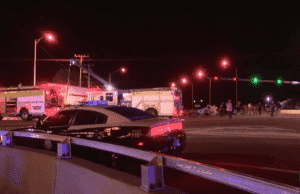
Law Offices of Anidjar and Levine assists with preserving the scene of the accident, coordinating medical documentation, and identifying all liable parties, including negligent drivers, manufacturers, or public entities.
These cases often involve severe injuries, disputed fault, and intricate issues such as roof crush, tire failure, or roadway defects.
Legal counsel also manages insurer communications, evaluates losses, and ensures compliance with filing deadlines. The sections below explain how these claims are investigated, valued, and pursued after a serious rollover crash with help from a Miami Car Accident Attorney.
Main Takeaways
- Call police after a Miami rollover crash and document the scene with photos, witness contacts, roadway conditions, and vehicle damage.
- Seek immediate medical care, even for delayed symptoms, to detect hidden injuries and create records linking injuries to the crash.
- Preserve all medical evidence, including ER reports, imaging, prescriptions, therapy records, receipts, and appointment mileage logs.
- A Miami rollover accident lawyer can investigate driver negligence, vehicle defects, and roadway hazards to identify all liable parties.
- An attorney can handle insurer communications, protect your claim, calculate damages, and meet filing deadlines for compensation.


How We Can Help With Your Miami Rollover Car Accident Injury Claim
Guide the aftermath of a serious crash with informed legal support tailored to the demands of a rollover accident claim. A Miami rollover car accident lawyer provides structured guidance from the first call, helping clients protect records, meet deadlines, and communicate carefully with insurers while preserving the facts that matter most.
The firm coordinates evidence collection, witness outreach, scene documentation, and vehicle salvage reviews to identify useful evidence. It manages correspondence, prepares claim materials, and evaluates losses tied to medical care, missed income, household needs, and future support. When families seek stability after a traumatic event, the legal team also helps connect them with practical resources, including post-crash counseling and service providers who can reduce immediate burdens.
Throughout the process, counsel maintains a service-minded focus, aiming to secure fair compensation so that injured people and those who care for them can recover, continue serving others, and rebuild their daily lives with greater confidence and order.
OUR CONSULTATIONSARE FREE
START YOUR FREE CASE REVIEW

Understanding Miami Rollover Car Accident Injury Cases
In the aftermath of a violent vehicle rollover, injury cases often involve a broader set of factual and legal issues than standard collision claims. They demand careful review of vehicle movement, occupant motion, roof integrity, seatbelt performance, ejection risk, and the medical course that follows severe trauma.
A proper evaluation typically connects medical records, witness accounts, scene evidence, and expert analysis into a clear account of harm. In many matters, Miami biomechanics helps explain how forces act on the body during rotation, impact, and crushing events. Rollover dynamics also matter because they shape questions about injury severity, foreseeable outcomes, and the relationship between physical evidence and claimed losses.
These cases may include catastrophic injuries, prolonged rehabilitation, lost income, and continuing care needs that affect both households and communities. A service-minded legal approach consequently emphasizes thorough documentation, respectful advocacy, and a disciplined effort to secure resources that support recovery, stability, and long-term well-being for injured people.
Common Causes of Miami Rollover Car Accidents
Several factors frequently contribute to rollover car accidents in Miami, often involving a dangerous loss of vehicle stability. Common causes include speeding through sharp turns, sudden tire blowouts, poor road conditions, and driver impairment or distraction. Identifying these underlying causes is important when evaluating how a rollover occurred and who may be legally responsible.
Speeding And Sharp Turns
Many rollover crashes begin when a driver enters a curve at excessive speed and then makes a sudden, forceful turn. In these moments, cornering dynamics can shift rapidly, causing the vehicle’s weight to move hard to one side. When traction is reduced and balance is lost, the risk of a rollover rises sharply, especially in taller vehicles with higher centers of gravity.
For those committed to protecting others on Miami roads, this cause warrants close attention. Excessive speed shortens reaction time, while abrupt steering can overwhelm a vehicle’s stability and the driver’s control. Even a single misjudgment on a curve or exit ramp can cause devastating injuries. Careful driving, lower speeds, and smooth steering inputs help reduce preventable harm and support safer travel for every person in the community.
Tire Blowouts
Consider tire blowouts a sudden and dangerous trigger for rollover crashes, particularly at highway speeds or during lane changes. A rapid loss of air can cause immediate instability, making it difficult for a driver to correct the vehicle’s path without oversteering or leaving the roadway.
Blowouts often stem from neglected tire maintenance, excessive wear, underinflation, overloading, or unnoticed rim damage that weakens structural integrity. SUVs, vans, and trucks face heightened rollover risk because their higher centers of gravity magnify abrupt weight shifts after a tire fails. For those committed to protecting others, recognizing these warning signs matters. Regular inspections, prompt replacement of worn tires, and attention to vibration or uneven tread can help reduce preventable harm and support safer travel for families and communities alike.
Poor Road Conditions
On Miami roadways, poor surface conditions can create the sudden instability that leads to a rollover crash, especially when a vehicle encounters hazards at speed or while turning. Uneven pavement, missing shoulders, loose gravel, and abrupt drop-offs may cause tires to lose traction or a vehicle to overcorrect with dangerous force.
Standing water also increases rollover risk, particularly during heavy rain. When drainage failure allows water to pool, vehicles may hydroplane, slide sideways, or strike curbs and medians. In some cases, pothole liability becomes relevant when neglected defects contribute to a serious wreck. Public agencies and private contractors may bear responsibility for unsafe maintenance, flawed design, or delayed repairs. Careful investigation can help injured people and their families identify contributing roadway hazards and pursue accountability through appropriate legal channels.
Driver Impairment And Distraction
Road hazards are not the only factor that can trigger a rollover crash in Miami, because driver impairment and distraction often play a direct role in the loss of control that precedes these violent events. When a motorist operates a vehicle under alcohol impairment, judgment, coordination, and reaction time may decline sharply, increasing the chance of overcorrection, speeding, or failure to respond to sudden traffic changes.
Distraction creates similar dangers. Cell phone distraction can draw a driver’s eyes, hands, and attention away from the roadway for crucial seconds, leaving little time to avoid a curb, median, or abrupt steering input. Those who seek safer streets often recognize that preventing these crashes requires responsible choices, public awareness, and accountability when negligent conduct places other people at serious risk of harm.


Legal Rights of Miami Rollover Car Accident Injury Victims
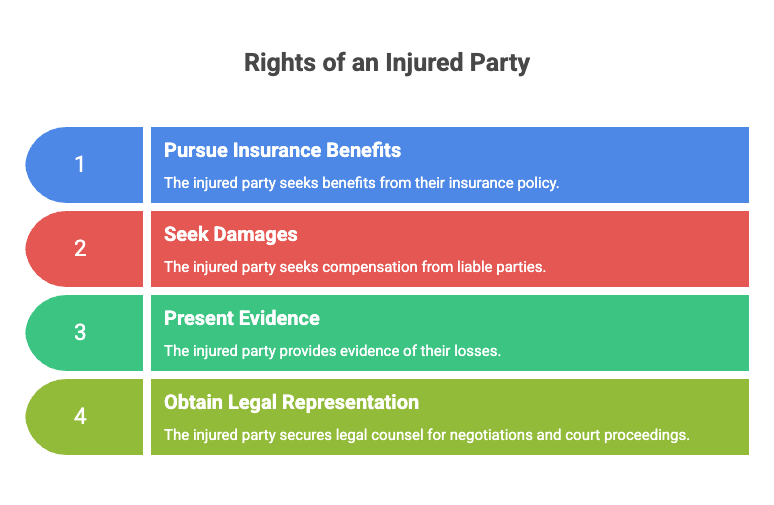
After a Miami rollover crash, injured victims retain important legal rights that may affect medical care, insurance recovery, and any claim for compensation against a negligent party. Florida law provides avenues for Victim compensation, while Statutory rights help protect access to benefits and civil remedies.
These rights exist to support accountability, fairness, and the well-being of affected families and communities.
- The right to pursue insurance benefits available under applicable policies and coverage terms.
- The right to seek damages from negligent drivers, vehicle owners, manufacturers, or other liable parties.
- The right to present evidence of medical losses, wage impacts, pain, and diminished quality of life.
- The right to legal representation during negotiations, investigations, and court proceedings when disputes arise.
In many cases, comparative fault rules, filing deadlines, and policy limitations shape the value and viability of a claim. A careful legal review helps clarify obligations, preserve rights, and support informed decisions made in service to injured victims.
Steps to Take After a Miami Rollover Car Accident Injury
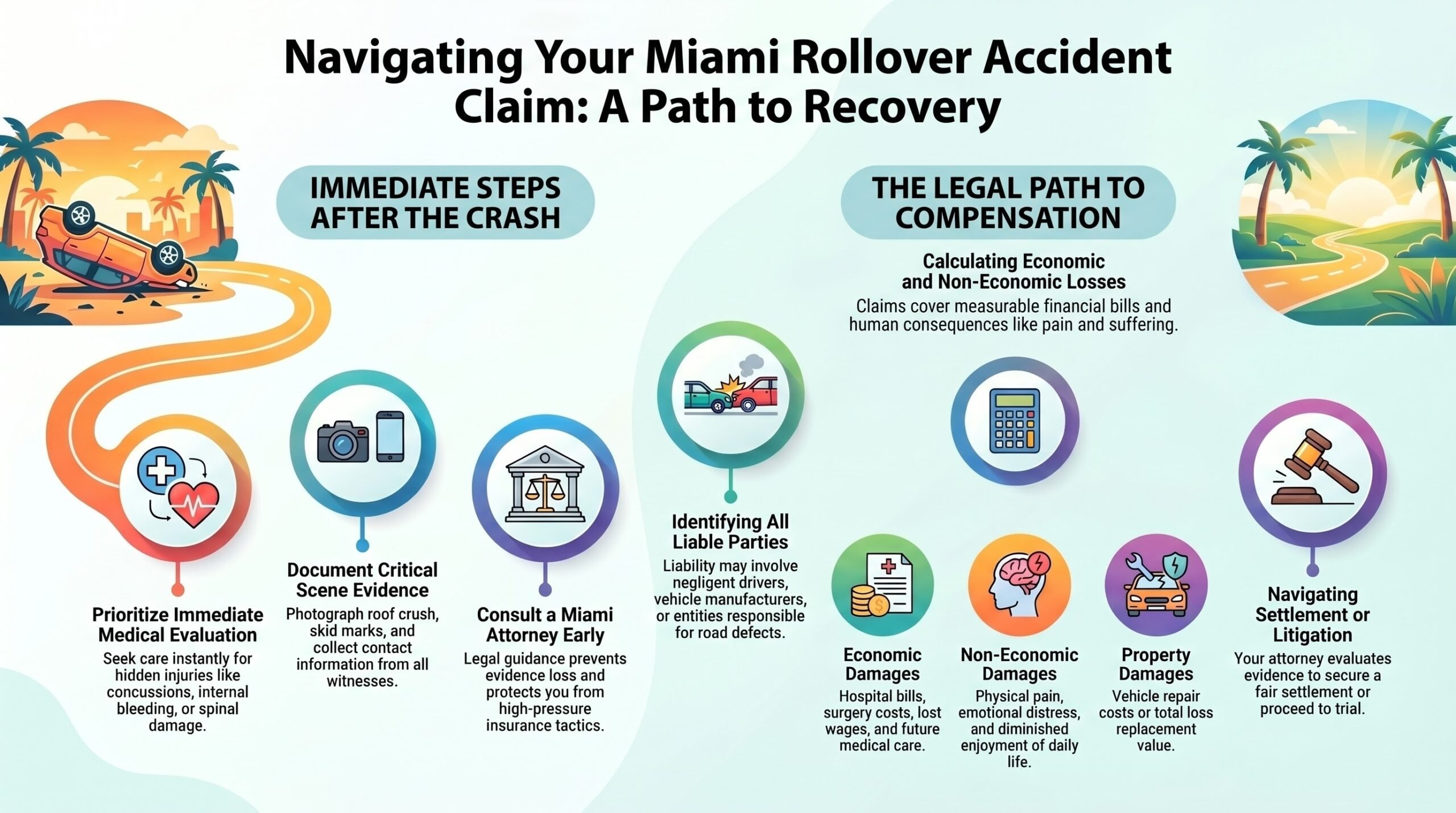
After a Miami rollover car accident injury, prompt medical care is vital to protect both health and the record of the injuries sustained. It is also important to document the crash scene thoroughly, including vehicle damage, road conditions, and any visible injuries, because this information may support a future claim. Contacting a Miami lawyer soon afterward can help ensure that evidence is preserved and that the injured party understands the legal options available to them.
Seek Immediate Medical Care
In the minutes following a Miami rollover collision, prompt medical evaluation should be treated as a priority, even when injuries seem minor or symptoms are delayed. Rollover crashes often cause hidden trauma, including concussions, internal bleeding, spinal damage, and soft tissue injuries that may worsen without timely attention and proper diagnosis.
An emergency evaluation can identify urgent conditions, stabilize the injured person, and create medical records that reflect the immediate effects of the crash. Accepting transportation to a hospital, urgent care center, or physician’s office is often a responsible step when pain, dizziness, confusion, numbness, or limited mobility occurs. Even after initial treatment, consistent follow-up care remains vital. Ongoing appointments, testing, rehabilitation, and expert referrals help protect health, support recovery, and guarantee that service-minded families can continue caring for others.
Document Crash Scene
Medical attention should be followed by careful documentation of the rollover crash scene whenever the injured person’s condition allows, and safety can be maintained. Useful information can preserve facts that may later help insurers, investigators, and those seeking accountability understand how the collision occurred.
If possible, photographs should capture vehicle positions, roof crush, shattered glass, skid marks, debris, roadway conditions, weather, traffic signals, and visible injuries. This photographic evidence may clarify the sequence of events and the severity of impact.
Names and contact details of witnesses should also be collected promptly, because memories can fade. Brief witness statements regarding speed, lane movement, swerving, or dangerous road conditions may become important later. Notes should include the time, location, responding officers, and any statements made by involved drivers at the scene.
Contact A Miami Lawyer
As a practical next step, contacting a Miami rollover car accident lawyer can help protect an injured person’s legal and financial interests before pivotal evidence is lost or insurance communications create unnecessary risk. Early legal guidance often helps preserve records, identify witnesses, and coordinate medical documentation in a disciplined manner.
A lawyer can also manage insurer contact, explain filing deadlines, and evaluate whether additional parties may share responsibility. Through careful Client intake, the attorney can understand injuries, losses, and immediate concerns, then outline a response focused on accountability and recovery.
Many firms also provide Miami outreach that helps families access information, transportation support, and referral resources during a difficult period. Prompt consultation enables an injured person to make informed decisions, avoid mistakes, and pursue compensation in a manner consistent with community-minded service values.
How a Miami Rollover Car Accident Injury Lawyer Can Help You
After a rollover crash, a Miami rollover car accident injury lawyer can provide vital guidance by evaluating the facts of the collision, identifying liable parties, and protecting the injured person’s right to compensation. Counsel often coordinates evidence collection, medical records, and witness statements, while offering steady direction that supports recovery and responsible decision-making.
This assistance may include post-crash counseling and clear advice during insurance negotiations.
- Investigates police reports, vehicle defects, roadway hazards, and driver conduct.
- Calculates present losses, including medical bills, lost income, and property damage.
- Communicates with insurers to reduce pressure and prevent harmful statements.
- Prepares a claim for settlement discussions or court, when necessary.
A lawyer also helps families understand deadlines, comparative fault rules, and documentation requirements under Florida law. By managing legal burdens with discipline and care, counsel enables injured individuals to focus on recuperation, caring for loved ones, and restoring stability after a traumatic event. This support strengthens confidence and protects dignity.
Long-Term Effects of Miami Rollover Car Accident Injuries
Rollover car accidents in Miami can produce long-term consequences that extend well beyond the initial medical emergency. These effects may include chronic pain conditions, lasting brain trauma, and significant emotional and financial strain that disrupt daily functioning and future stability. A clear understanding of these ongoing injuries is crucial when evaluating the full impact of a rollover accident claim.
Chronic Pain Conditions
Persistence often defines the burden of chronic pain following a Miami rollover car accident, particularly when injuries to the spine, nerves, joints, or soft tissues do not fully mend. Some individuals develop daily pain syndromes that limit mobility, disrupt sleep, and reduce the ability to work, care for family, or serve their communities.
These conditions may include nerve pain, persistent back or neck pain, joint instability, and widespread discomfort associated with central sensitization. Chronic fatigue often accompanies ongoing pain, making ordinary responsibilities harder to manage with consistency and dignity.
Symptoms can fluctuate, yet the overall impact remains serious, especially when treatment requires medication, therapy, injections, or assistive devices. Careful documentation, compassionate medical support, and informed legal guidance often help injured people secure resources needed for long-term recovery and stable function.
Lasting Brain Trauma
Uncertainty often surrounds lasting brain trauma following a Miami rollover car accident, because symptoms may not appear fully at the scene and can worsen over time. Survivors may later experience memory loss, slowed processing, poor concentration, headaches, dizziness, and impaired judgment, all of which can limit safe daily functioning and community involvement.
Medical evaluation is crucial because untreated traumatic brain injuries may show degenerative progression that affects communication, balance, sleep, and the ability to complete routine responsibilities. Imaging, neurological exams, and ongoing observation help clinicians identify changing deficits and guide appropriate care. In many cases, cognitive rehabilitation supports improved organization, attention, and problem-solving, while speech or occupational therapy addresses practical limitations.
Early recognition, consistent treatment, and compassionate support from informed professionals can help injured individuals preserve independence and continue contributing meaningfully to others.
Emotional And Financial Strain
How deeply a Miami rollover car accident can affect a household often becomes clear only after the immediate medical crisis has passed. Survivors may face anxiety, depression, sleep disruption, and fear of travel, while relatives assume caregiving duties that alter daily routines and future plans.
Financial pressure commonly grows alongside these emotional burdens. Lost wages, reduced earning capacity, transportation needs, home modifications, and ongoing therapy costs can steadily weaken a family’s stability.
Insurance disputes and repeated medical appointments may consume time that would otherwise support recovery or service to others. In many homes, relationship strain develops as pain, uncertainty, and new responsibilities reshape communication. Over time, these combined losses may limit community involvement, strain savings, and require sustained legal and practical support to protect long-term well-being and dignity.
Proving Liability in Miami Rollover Car Accident Injury Cases
Establishing liability in a Miami rollover car accident injury case requires a careful review of the crash facts, the parties involved, and the legal duties that may have been breached. Attorneys examine police reports, scene photographs, vehicle damage, road conditions, and electronic data to determine how the rollover began and whether negligence contributed to the event.
Proof often depends on eyewitness credibility and expert reconstruction, especially when accounts differ or multiple vehicles are involved. A lawyer may assess whether a driver was speeding, distracted, impaired, or failed to maintain control. Liability can also extend beyond another motorist. Defective tires, faulty brakes, unstable vehicle design, poor roadway maintenance, or missing warnings may support claims against manufacturers or public entities.
Medical records help connect the violent forces of a rollover to the injuries suffered. By assembling reliable evidence and identifying all responsible parties, legal counsel helps injured people pursue accountability and protect the well-being of those who depend on them.
Dealing With Insurance Companies After a Miami Rollover Car Accident Injury
After a Miami rollover car accident injury, communication with insurance companies should be handled carefully, because early statements and settlement discussions can affect the value of a claim. Insurers may request recorded statements, medical authorizations, or quick resolutions before the full extent of harm is understood. A measured response helps protect the injured person and those depending on that recovery for stability and care.
Careful documentation strengthens credibility during insurance negotiations. Medical records, photographs, repair estimates, witness statements, and proof of lost income can reduce insurers’ opportunities to dispute damages. It is also important to recognize common claim tactics, including minimizing injuries, shifting fault, or questioning whether treatment was necessary. Polite, factual communication is often best, and speculation should be avoided.
When advocates assist with insurer contact, they can help preserve accuracy, limit unnecessary disclosures, and support a fair evaluation. This approach promotes accountability and helps families focus on mending and service to others in need.
What to Expect During a Miami Rollover Car Accident Injury Claim Process
A Miami rollover car accident injury claim typically begins with an initial evaluation of the facts, injuries, and available insurance coverage. The process then turns to evidence and liability, including accident reports, witness statements, photographs, and medical treatment documentation that support the nature and extent of the injuries. Depending on the strength of the claim and the parties’ positions, the matter may proceed toward settlement negotiations or, when necessary, litigation.
Initial Claim Evaluation
At the outset, an evaluation of a Miami rollover car accident case generally focuses on the basic facts of the crash, the nature of the injuries, and the available insurance coverage. This review helps identify immediate needs and supports a service-minded approach to protecting the injured person’s well-being.
During this stage, counsel typically conducts an Initial valuation of medical expenses, lost income, and anticipated care needs. Policy limits, deductibles, and potential coverage gaps are also reviewed to determine whether available benefits adequately address current and future losses.
The evaluation may include discussions about treatment status, employment disruption, and practical concerns affecting family stability. By organizing this information early, the claims process can proceed more efficiently, allowing those involved to make informed decisions and pursue support in a careful, responsible manner.
Evidence And Liability
Once the initial claim evaluation identifies the injuries, losses, and insurance issues involved, attention generally turns to the evidence that can establish how the rollover occurred and who may be legally responsible. Investigators may review police reports, scene photographs, surveillance footage, vehicle damage, roadway conditions, and witness statements to form a reliable account. In more intricate cases, forensic reconstruction may be used to analyze speed, impact angles, roof crush, or tire failure.
Liability can extend beyond another driver when defective vehicle parts, negligent maintenance, hazardous road design, or improper cargo loading contributed to the crash. Attorneys often organize this information carefully so insurers, opposing counsel, and courts can evaluate fault fairly. Where disputes arise, expert testimony may help clarify causation and support a claim that seeks accountability and meaningful relief for those affected.
Medical Treatment Documentation
Why does medical treatment documentation matter so much in a Miami rollover car accident injury claim process? It provides a clear record of injuries, care received, and the connection between the collision and the victim’s physical condition. Accurate records help caregivers, advocates, and legal professionals understand the person’s needs and respond responsibly.
Important documents often include emergency room reports, diagnostic imaging, physician notes, prescriptions, therapy records, medical receipts, and mileage logs for appointments. Consistent treatment timelines can show whether symptoms improved, worsened, or required specialized care.
Gaps in care may raise questions about severity, so prompt follow-up is usually encouraged. A careful file also supports future care planning, especially when injuries affect work, family responsibilities, or community service. Organized documentation helps all parties evaluate the claim with fairness, accuracy, and respect.
Settlement Or Litigation
In many Miami rollover car accident injury claims, the next phase involves either settlement negotiations or litigation, depending on the strength of the evidence, the extent of the injuries, and the opposing party’s willingness to resolve the matter fairly. Attorneys typically evaluate liability, damages, and insurance coverage before advising on settlement timing.
Early resolution may reduce stress and preserve resources for a client’s recovery and family responsibilities. If insurers deny responsibility or undervalue losses, filing suit may become necessary to protect long-term needs. Litigation often includes discovery, depositions, expert review, and court hearings, all of which can affect litigation costs and the overall timeline. Throughout either path, careful communication and documented proof remain crucial. A disciplined legal strategy helps injured individuals pursue accountability while maintaining focus on recuperation, stability, and service to their loved ones.
Compensation for Miami Rollover Car Accident Injury Damages
Many rollover accident victims face substantial physical, financial, and personal losses, and Florida law allows compensation for those damages when another party’s negligence caused the crash. In these cases, recovery may address immediate needs and long-term consequences, helping injured people restore stability and continue caring for their families and communities. A careful claim often includes documented medical care, rehabilitation, reduced earning capacity, property damage, and other crash-related harm, all supported by credible evidence.
Courts and insurers also examine whether the injured person acted reasonably after the collision, including efforts to mitigate losses, such as following treatment recommendations and avoiding preventable setbacks. In rare cases involving especially reckless conduct, punitive damages may be available to hold the wrongdoer accountable and discourage similar behavior. Because rollover cases often involve severe trauma and disputed liability, thorough investigation, prompt documentation, and disciplined legal advocacy remain crucial to pursuing full and fair compensation under Florida law for injured victims statewide.
Economic vs Non-Economic Damages in Miami Rollover Car Accident Cases
In Miami rollover car accident cases, damages are generally divided into economic losses, such as medical expenses and lost income, and non-economic losses, such as pain, suffering, and reduced quality of life. This distinction affects how compensation is evaluated, because each category reflects a different type of harm caused by the crash. Establishing these damages often requires medical records, employment documentation, expert opinions, and other evidence that connects the rollover accident to the claimed losses.
Economic Damages Explained
Clarity is essential when evaluating damages in a Miami rollover car accident case, because the law generally separates compensation into economic and non-economic categories. Economic damages refer to measurable financial losses supported by records, invoices, employment documents, and expert analysis. They commonly include emergency care, hospitalization, surgery, rehabilitation, medications, medical equipment, and transportation for treatment.
They also include property damage, out-of-pocket expenses, lost wages, and diminished future earnings when injuries limit a person’s ability to work. In severe rollover cases, long-term care costs and home modifications may also qualify. Careful documentation helps families, advocates, and legal representatives present a complete picture of the financial burden created by the crash. By accurately identifying these concrete losses, a claim can better reflect the resources needed for recovery, stability, and continued support for others.
Non-Economic Losses Overview
Where economic damages account for documented financial losses, non-economic damages address the human consequences of a Miami rollover car accident that do not appear on bills or payroll records. These losses may include physical pain, emotional distress, diminished enjoyment of daily activities, disfigurement, and loss of companionship or guidance within a family. In service-minded communities, recognizing these harms reflects respect for the injured person’s dignity and the burdens placed on loved ones.
Non-economic damages thus consider the broader impact on a person’s life of an injury, including altered routines, strained relationships, and reduced independence. Because no invoice captures suffering, pain valuation involves a careful assessment of how the accident changed the person’s comfort, well-being, and ability to participate meaningfully in work, family life, and daily acts of care for others.
Proving Rollover Accident Damages
Proof requires more than a list of losses, because rollover accident damages must be supported by evidence that connects each harm to the crash and shows its real effect on the injured person’s life. Economic damages are often proven through medical records, wage statements, repair estimates, and expert opinions regarding future treatment or reduced earning capacity. Non-economic damages require a different showing.
They may be supported by treatment notes, psychological evaluations, family observations, and carefully presented emotional testimony about pain, trauma, and daily limitations. In serious Miami rollover cases, counsel may also use forensic animation to explain vehicle dynamics and reinforce causation. When evidence is organized with care and credibility, it helps insurers, judges, and juries understand the full measure of loss and respond in ways that serve justice.
When a Miami Rollover Car Accident Injury Case Goes to Trial vs Settlement
In many Miami rollover car accident injury cases, the decision to proceed to trial or resolve the matter through settlement depends on the strength of the evidence, the extent of the injuries, and the parties’ willingness to compromise. Attorneys assess medical records, witness statements, expert opinions, and insurance conduct to determine whether fair compensation is likely to be achieved without litigation.
Strong liability evidence and clear damages often improve settlement dynamics, especially when insurers recognize the risk of an unfavorable verdict. A thoughtful trial strategy may still be necessary when fault is disputed, injuries are minimized, or settlement offers do not reflect long-term needs. Trial can provide accountability and a fuller presentation of harm, but it also requires more time, expense, and uncertainty.
Settlement may offer quicker relief and reduce stress for injured people and their families. In service-minded representation, counsel weighs each path carefully, seeking an outcome that protects recovery, respects dignity, and supports the client’s future stability and well-being.
The Statute of Limitations for Miami Rollover Car Accident Injury Cases
A statute of limitations sets the legal deadline for filing a Miami rollover car accident injury claim, and missing that deadline can prevent an injured person from recovering compensation entirely. In Florida, these claim deadlines generally depend on the type of action, the date of the crash, and whether the case involves wrongful death, property damage, or personal injury losses.
Careful attention to the nuances of the statute is vital because exceptions may alter the filing period in limited situations. For example, issues involving minors, delayed discovery of injuries, government entities, or incapacitation can affect how the deadline is calculated. Courts strictly enforce these rules, even when an injured person faces significant medical needs and financial hardship.
For families focused on protecting others and preserving accountability, timely action supports both individual recovery and the broader public interest. Accurate recordkeeping, prompt medical documentation, and awareness of applicable deadlines help prevent avoidable barriers to obtaining lawful compensation after a serious rollover accident.
When to Contact a Miami Rollover Car Accident Injury Lawyer
Meeting the filing deadline is only one part of protecting a rollover accident claim, because legal guidance is often most effective when obtained well before evidence fades or insurers define the narrative. After a rollover crash, early consultation can help a family understand immediate steps that support recovery, accountability, and orderly communication with all involved parties.
Contact is often appropriate soon after emergency medical needs are addressed, especially when injuries are serious, fault is disputed, or multiple vehicles are involved. Prompt action supports evidence preservation, including vehicle damage records, roadway conditions, electronic data, witness statements, and photographs that may become harder to secure over time. It also helps prevent avoidable mistakes in recorded statements, document handling, and interactions with insurance representatives.
If a loved one is assisting an injured person, timely outreach can create a clearer path for organizing information and responding responsibly. Waiting may limit options and complicate efforts to protect the claim and those depending on a fair outcome.
Why You Need an Experienced Miami Rollover Car Accident Injury Lawyer
After a rollover crash, the need for experienced legal representation often becomes clear because these cases frequently involve severe injuries, disputed liability, and complex evidence. An experienced Miami rollover car accident injury lawyer can assess medical records, vehicle damage, roadway conditions, and witness accounts to build a clear claim. When families seek accountability and recovery resources, experience matters because insurers often minimize losses or shift blame.
A lawyer with substantial rollover case knowledge understands how to preserve evidence, work with reconstruction experts, and identify whether defective parts, negligent drivers, or unsafe road design contributed to the event. This informed case strategy helps protect the injured person’s rights while supporting broader goals of stability and care.
Skilled counsel also manages communication, deadlines, and negotiations, allowing victims and their loved ones to focus on recuperation and serving those who depend on them. In serious cases, seasoned advocacy can improve the likelihood of fair compensation and meaningful long-term support.
How to Choose the Right Miami Rollover Car Accident Injury Lawyer for Your Case
Selecting the right Miami rollover car accident injury lawyer can shape the strength and direction of a claim from the outset. A careful evaluation should begin with the attorney’s experience handling rollover collisions, knowledge of Florida injury law, and record of resolving intricate insurance disputes through negotiation or trial.
Potential clients should also assess communication practices, responsiveness, and professionalism during the initial consultation. Clear discussions about Client expectations help establish trust, reduce confusion, and support informed decisions that benefit injured individuals and their families. An attorney who listens carefully and explains each stage of the process can better advocate for meaningful recovery.
It is also important to review the Fee structure before representation begins. Written terms regarding contingency fees, litigation costs, and case expenses promote transparency and prevent misunderstandings later. Choosing counsel with integrity, resources, and a service-minded approach can help make certain the legal process remains focused, efficient, and aligned with the client’s best interests.
About The Law Offices of Anidjar & Levine
The Law Offices of Anidjar & Levine serves injured individuals in Miami with a client-focused approach grounded in responsive service and informed legal advocacy.
The firm assists people affected by rollover crashes by carefully evaluating the facts, clearly explaining options, and pursuing compensation through negotiation or litigation when necessary.
Its practice reflects a commitment to service that aligns with the needs of families facing medical costs, lost income, and recovery challenges.
Drawing on its firm history, the office emphasizes accessibility, communication, and practical guidance at each stage of a claim.
Attorneys and staff work to reduce burdens on clients so they can focus on recuperation and supporting those around them.
Public information, including client testimonials, often highlights prompt responses, respectful treatment, and steady case management.
These qualities help illustrate how the firm approaches representation in serious injury matters.
For those seeking accountable legal support after a rollover accident, the firm offers a structured, service-minded option in Miami.
Frequently Asked Questions
Can Rollover Accidents Happen at Low Speeds?
Yes, rollover accidents can occur at low speeds, particularly when a vehicle has a high center of gravity and strikes a curb, soft shoulder, or median. Even limited momentum may trigger a tip if maneuvering input is abrupt or the surface is uneven. The risk to occupants remains serious because roof crush can cause severe injuries. Those assisting affected individuals should recognize that low speed does not eliminate the risk of rollover.
Are SUVS More Likely to Roll Over Than Sedans?
Yes, SUVs are generally more likely to roll over than sedans. Their higher center of gravity can reduce vehicle stability during sharp turns, sudden maneuvers, or collisions. Sedans usually sit lower to the ground, which helps them maintain balance more effectively. Those who serve and protect others should recognize this distinction, because informed vehicle choices and careful driving practices can reduce preventable harm and support safer transportation for families and communities.
Do Child Car Seats Reduce Injuries in Rollover Crashes?
Yes, child car seats generally reduce injuries in rollover crashes when used correctly. A properly installed child restraint limits harmful movement, improves occupant kinematics, and helps keep the child positioned within the seat’s protective structure. This support can lower the risk of ejection, head trauma, and spinal injury. Caregivers who follow manufacturer instructions and age-appropriate guidance provide children with meaningful, evidence-based protection during severe rollover events.
Can Weather Conditions Contribute to Rollover Accidents?
Yes, weather conditions can contribute notably to rollover accidents. Rain, flooding, ice, and high winds increase the impact of weather by reducing visibility and vehicle stability. Wet or icy roads often reduce traction, making sudden wheel corrections more dangerous. Larger vehicles, including SUVs and trucks, face greater rollover risk under these conditions. Careful driving, reduced speed, and proper tire maintenance help protect passengers and others who share the road during severe weather.
Are Rollover Accidents More Common on Rural Roads?
Yes, rollover accidents are often more common on rural roads. Such routes frequently present higher speeds, sharp curves, narrow shoulders, and reduced lighting, all of which increase instability and limit recovery space. They may also involve aggressive passing on two-lane highways, where sudden wheel corrections can trigger a rollover. For those seeking to protect others, understanding these road conditions supports safer driving practices and more informed risk prevention across communities.
—————————
Rollover accidents often result in severe injuries, complex liability issues, and substantial financial losses.
Victims in Miami benefit from understanding their legal options, preserving evidence, and seeking timely medical and legal guidance.
A qualified rollover car accident injury lawyer can evaluate the claim, protect the victim’s rights, and pursue appropriate compensation through settlement or litigation.
The Miami Car Accident Attorney page from Law Offices of Anidjar & Levine serves as a resource for individuals seeking experienced representation following a serious rollover collision in Miami.