The Law Offices of Anidjar and Levine helps injured occupants and families evaluate liability, insurance coverage, medical damages, lost income, and long-term care needs after a serious rollover crash.
These cases may involve driver conduct, roadway hazards, tire failures, vehicle defects, or multiple responsible parties.
A Florida Car Accident Lawyer can preserve evidence, handle insurer communications, assess settlement offers, and prepare litigation when necessary.
The sections below explain key causes, rights, deadlines, and claim strategies in greater detail.
Main Takeaways
- A Florida rollover injury lawyer can review liability, insurance coverage, injuries, lost income, vehicle damage, and long-term medical needs.
- Rollover claims may involve speeding, impairment, distracted driving, tire failures, vehicle defects, roadway hazards, or poor maintenance.
- Important evidence includes police reports, medical records, witness statements, crash photos, repair estimates, wage records, and available video footage.
- Avoid rushed recorded statements or early settlements before understanding injuries like brain trauma, spinal damage, or internal harm.
- A lawyer can handle insurer communications, track deadlines, assess settlement offers, and pursue litigation if negotiations fail.


How We Can Help With Your Florida Rollover Car Accident Injury Claim
After a rollover crash, an injured person may face urgent medical needs, lost income, vehicle damage, and uncertainty about who is legally responsible. A Florida rollover car accident injury lawyer can provide steady guidance, allowing the injured person and family to focus on care, recovery, and practical support for one another.
Legal assistance may include evaluating available insurance coverage, communicating with insurers, and monitoring Insurance claim timelines so important deadlines are not missed. The lawyer may also gather police reports, medical records, repair estimates, wage information, and other damages documentation needed to present the claim clearly. This organized approach can help show the extent of physical, financial, and personal harm.
A lawyer may also assess settlement offers, explain legal options, and prepare for further action if an insurer does not respond fairly. Through careful advocacy, the claim can be handled with discipline, accuracy, and respect for the injured person’s needs.
OUR CONSULTATIONSARE FREE
START YOUR FREE CASE REVIEW

Understanding Florida Rollover Car Accident Injury Cases
A Florida rollover car accident injury case often involves more than a single moment of lost control, because these crashes may result from vehicle speed, roadway conditions, driver conduct, vehicle design, or a combination of contributing factors. In Florida, these cases require careful review of injuries, insurance coverage, liability, and the long-term needs of those harmed. Victims may face hospitalization, rehabilitation, lost income, and lasting physical limitations, while families may need guidance when a crash leads to fatal consequences.
Attorneys evaluating rollover claims often examine police reports, medical records, witness statements, and available electronic data. The same careful approach may apply when rollover events involve ride-sharing crashes, commercial vehicles, or multiple injured occupants. When lives are lost, surviving relatives may pursue Wrongful Death Claims to address financial support, funeral expenses, and related losses. A well-prepared case helps protect the injured, support grieving families, and promote accountability through Florida’s civil justice system.
Common Causes of Florida Rollover Car Accidents
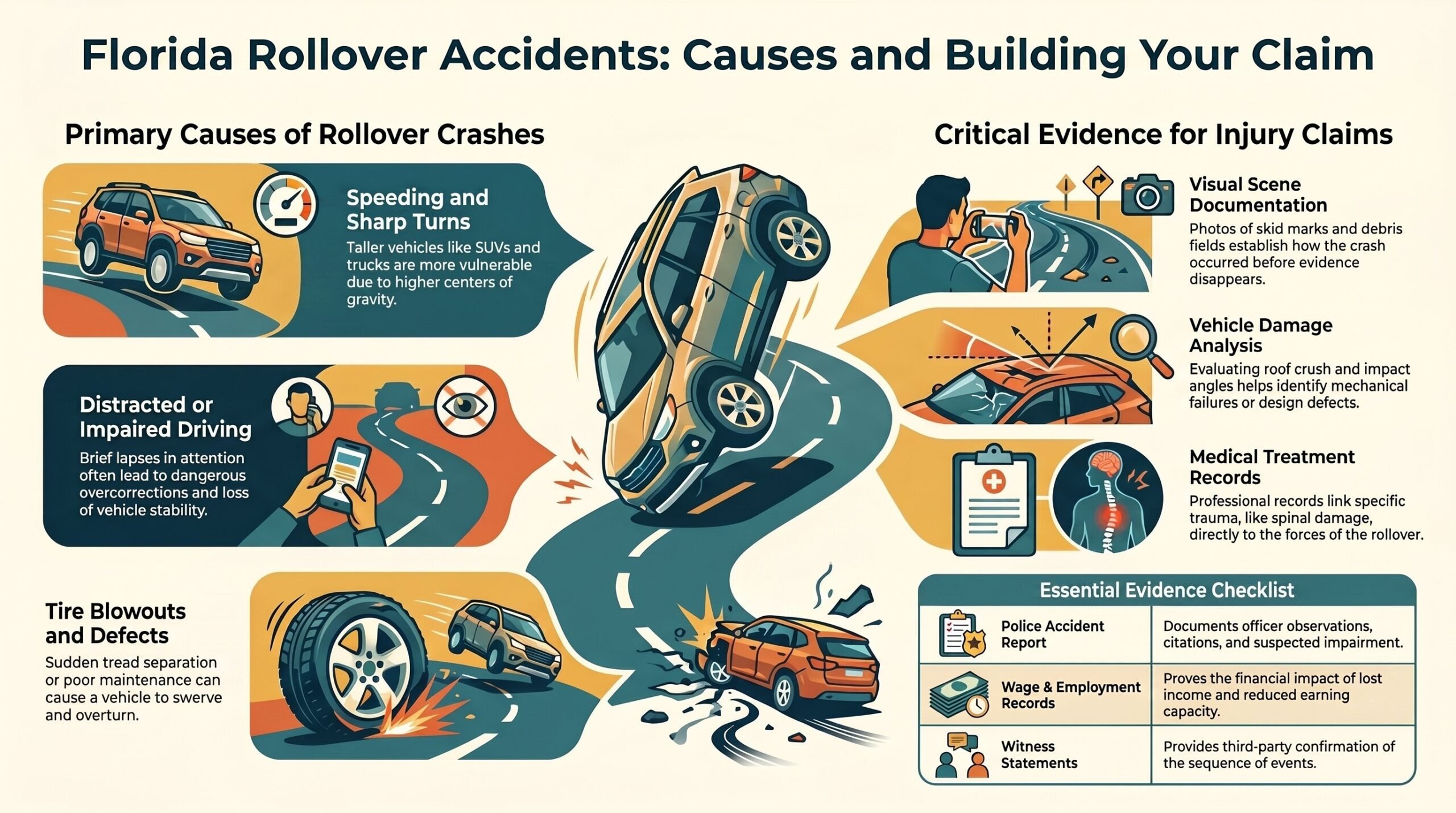
Rollover accidents in Florida often result from a combination of driver behavior, vehicle condition, and roadway hazards. Speeding through sharp turns, distracted or impaired driving, tire blowouts, and vehicle defects can all increase the risk of a vehicle losing stability. Poor road conditions, including uneven pavement, debris, and inadequate maintenance, may also contribute to these serious crashes.
Speeding And Sharp Turns
When a driver enters a curve too quickly, the vehicle’s weight can shift suddenly and reduce tire stability. This risk increases for taller vehicles, including SUVs, vans, and pickup trucks, because their higher centers of gravity make them more vulnerable to rollover forces. Speeding also limits driver reaction time, reducing the opportunity to adjust guidance, braking, or lane position before control is lost.
Sharp turns may become especially hazardous when road design standards, warning signs, or curve banking are inadequate for safe travel. Even where the roadway is properly designed, excessive speed can overcome available traction and cause a vehicle to slide, tip, or roll. Careful evaluation of speed, roadway layout, and vehicle movement helps identify whether preventable conduct contributed to a Florida rollover accident.
Distracted Or Impaired Driving
Because safe vehicle control depends on continuous attention and sound judgment, distracted or impaired driving can markedly increase the risk of a Florida rollover accident. When a driver looks at a phone, adjusts navigation, eats, or becomes absorbed in conversation, they may be distracted and fail to recognize curves, stopped traffic, lane departures, or roadway hazards. Even a brief lapse can lead to abrupt guidance or overcorrection, especially in higher-profile vehicles.
Alcohol impairment presents a separate, serious danger because it can reduce coordination, slow reaction time, and distort risk perception. An impaired driver may enter a curve too quickly, drift onto a shoulder, or respond poorly to changing traffic conditions. For those committed to protecting injured people, identifying these factors can help clarify fault and support accountability.
Tire Blowouts And Defects
A tire blowout or defect can cause a sudden loss of vehicle stability, particularly at highway speeds or during lane changes. In Florida rollover crashes, compromised tires may prevent a driver from maintaining control, causing the vehicle to swerve, slide, or overturn. Defects may involve tread separation, weak sidewalls, improper manufacturing, or inadequate warnings.
Poor vehicle maintenance, including underinflated tires, uneven wear, or failure to replace aging tires, can also increase the risk of rollover. As a result, tire safety is an important responsibility for drivers, owners, repair shops, and manufacturers. When a crash injures others, investigators may examine service records, tire age, pressure levels, recalls, and product defects. Careful review can help determine whether negligence or a defective tire contributed to the rollover and the resulting harm to vulnerable occupants.
Poor Road Conditions
Road hazards can affect rollover risk in ways similar to tire problems, since both may interfere with traction, guidance, and vehicle stability. In Florida, deteriorated pavement, uneven shoulders, standing water, debris, and poorly marked construction zones can cause sudden handling corrections or loss of control. These dangers may be more severe near Curves and guardrails, where limited recovery space can leave a driver with few safe options.
Nighttime visibility can also make potholes, lane shifts, or missing signs harder to detect, especially on rural roads or poorly lit highways. When public agencies, contractors, or maintenance providers fail to address known hazards, injured occupants may need careful evaluation of responsibility. A rollover investigation may review roadway design, maintenance records, lighting conditions, and prior complaints to identify preventable dangers.


Legal Rights of Florida Rollover Car Accident Injury Victims
Understanding the legal rights of Florida rollover car accident injury victims is important after a serious crash, especially when medical bills, lost income, and long-term recovery needs begin to create financial pressure. Injured persons may pursue compensation when another party’s conduct contributed to the harm, while families and advocates can help preserve records, support treatment, and encourage timely legal action.
After a Florida rollover crash, prompt legal guidance can help protect evidence, access to treatment, and compensation rights.
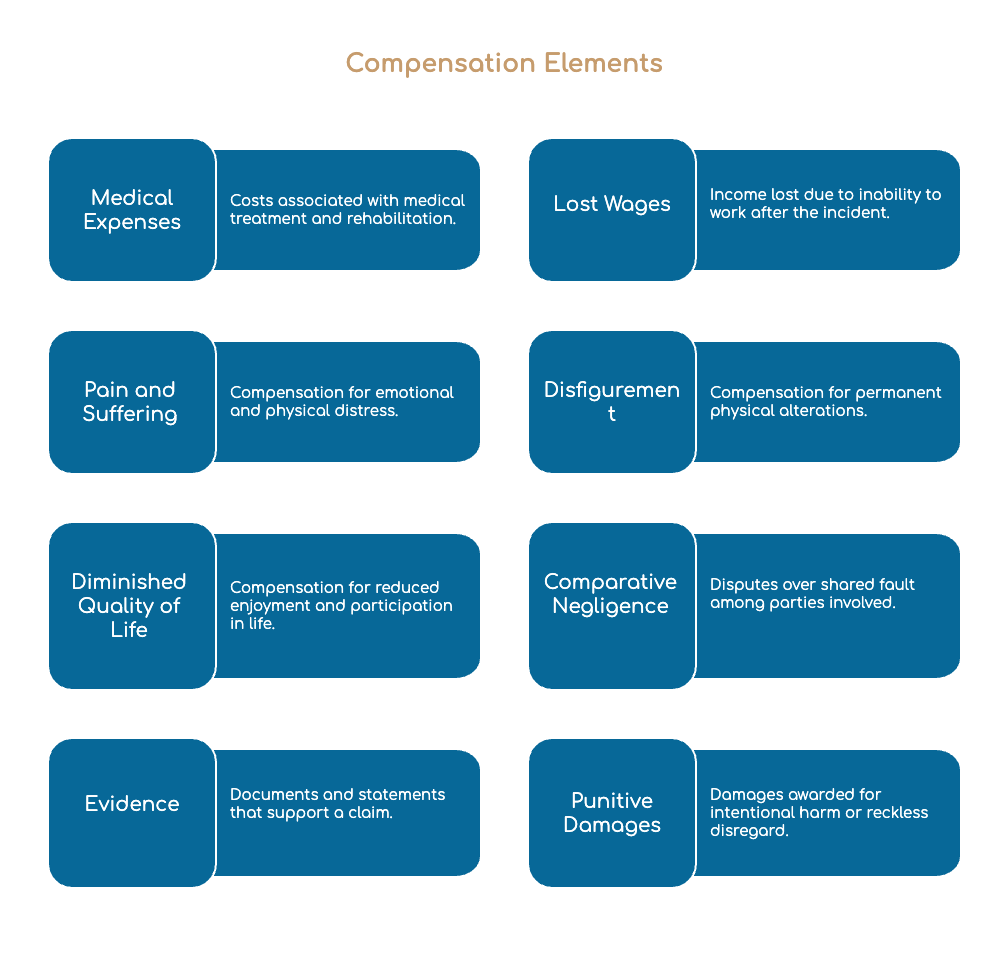
- Recovery may include medical expenses, rehabilitation costs, lost wages, and reduced future earning capacity.
- Claims may also address pain, suffering, disability, disfigurement, and diminished quality of life.
- Comparative negligence disputes can affect compensation if fault is shared among drivers or other parties.
- Evidence such as medical records, crash reports, photos, and witness statements can strengthen a claim.
- Punitive damages eligibility may arise when misconduct shows intentional harm or reckless disregard.
Florida deadlines apply, making early evaluation important for protecting vulnerable victims and promoting accountability through the civil justice system.
Why Do Florida Rollover Car Accident Injuries Happen?
Why do rollover crashes occur so often in severe traffic collisions? These accidents frequently result from a combination of vehicle design, roadway conditions, speed, and driver behavior. Tall vehicles, including SUVs, vans, and pickup trucks, have higher centers of gravity, making them more vulnerable during sharp turns, sudden corrections, or impacts. Distracted driving also contributes when a driver drifts, overcorrects, or fails to react to changing traffic conditions.
Florida roads present added risks, including heavy traffic, wet pavement, construction zones, and poorly maintained shoulders. A tire striking a curb, median, or soft roadside surface may create a tripping effect, causing the vehicle to roll. Defective tires, weak roofs, and faulty stability systems can worsen injuries once a rollover begins.
Afterward, Insurance denial tactics may obscure these causes, shifting blame away from negligent drivers, manufacturers, or roadway hazards. Understanding why rollovers happen helps protect injured people and promotes safer communities through accountability.
What Should You Do After a Florida Rollover Car Accident Injury?
After a Florida rollover car accident, the injured person should seek immediate medical care, even if symptoms seem minor at first. If it is safe to do so, documenting the accident scene with photographs, witness information, and relevant details may help preserve important evidence. Promptly contacting a lawyer can also protect legal rights, address insurance issues, and support a potential injury claim.
Seek Immediate Medical Care
Because rollover crashes often involve violent force, anyone injured in a Florida rollover car accident should seek immediate medical care, even when symptoms appear minor at first. Prompt evaluation can identify head trauma, spinal injuries, internal bleeding, fractures, and soft tissue damage that may worsen without treatment. Medical providers also create records that connect the injuries to the crash, which may later help protect the injured person’s rights.
Delays in treatment can invite insurance adjuster tactics that question the severity, timing, or cause of the injuries. A person focused on recovery should follow medical instructions, attend follow-up appointments, and keep prescriptions, discharge papers, and referrals organized. This care-centered approach supports restoration while preserving important proof, including vehicle documentation, for any future injury claim or legal review.
Document The Accident Scene
When it is safe to do so, documenting the accident scene can preserve important evidence before vehicles are moved, debris is cleared, or weather conditions change. A responsible person may photograph vehicle positions, tire marks, broken glass, guardrails, road signs, traffic signals, visible injuries, and surrounding hazards. Wide-angle images and close-up photographs can help show how the rollover occurred and what conditions existed afterward.
Video recordings may also capture roadway layout, lighting, weather, and vehicle damage. Eyewitness accounts should be gathered respectfully, including names and contact information when witnesses are willing to help. Nearby businesses, residences, or intersections may have Traffic camera footage or security recordings. Preserving these details can assist later review, support accurate reporting, and help protect the interests of those harmed.
Contact A Lawyer
In the days following a Florida rollover car accident, contacting a lawyer can help an injured person understand legal rights, insurance obligations, and deadlines that may affect a claim. Legal counsel may review crash reports, medical records, photographs, and witness statements to identify liable parties and preserve evidence. A lawyer can also communicate with insurers, reducing the risk of statements that may weaken recovery.
For families, counsel may examine whether Car Seat Safety issues, vehicle defects, or roadway hazards contributed to injuries, especially when children were passengers. Guidance may include preserving damaged restraints, obtaining medical evaluations, and following Safety Recommendations from treating providers. By seeking timely legal advice, an injured person can make informed decisions while focusing on recovery, family responsibilities, and care for others after a serious collision.
Critical Evidence in a Florida Rollover Car Accident Injury Case
Important evidence in a Florida rollover car accident injury case helps establish how the crash occurred, who may be liable, and the extent of the resulting harm. Essential materials often include:
- Crash scene photos showing skid marks, debris, road conditions, and vehicle resting positions
- Vehicle damage analysis that may reveal impact angles, roof crush, or mechanical failure
- Police accident reports documenting officer observations, citations, and witness information
- Medical treatment records connecting diagnosed injuries to the rollover collision
- Witness statements or video footage that may clarify the sequence of events
Crash Scene Photos
At the scene of a Florida rollover crash, photographs can preserve details that may disappear within hours, including vehicle positions, roadway markings, debris fields, skid marks, weather conditions, and visible injuries. These images may help establish how the crash occurred, who may have contributed to it, and whether roadway hazards or impaired conduct played a role.
For families and advocates seeking to serve an injured person, careful photo documentation can support medical records, witness statements, and police findings. In fatal cases, photographs may also assist counsel in evaluating Wrongful death eligibility under Florida law. Insurers often review scene images closely, and strong visual proof can weaken an insurance denial strategy based on disputed liability, preexisting injury claims, or alleged gaps in the accident narrative. Preserve originals and metadata whenever possible.
Vehicle Damage Analysis
Following a rollover collision, vehicle damage analysis can reveal how forces were transmitted through the vehicle, where the impact occurred, and whether roof crush, restraint failure, tire damage, or airbag deployment contributed to the injuries. Qualified reviewers may examine deformation patterns, broken glass, seatbelt marks, crushed pillars, and mechanical failures to understand the sequence of events.
This evidence can support an injured person’s position during the insurance claim process, especially when liability or injury severity is disputed. When coordinated with medical record review, vehicle damage findings may help connect specific trauma to the crash dynamics. For those serving injured individuals, careful preservation of the vehicle is critical. Repairs, salvage, or disposal can erase important proof, limiting the ability to document preventable harm and pursue appropriate compensation under Florida law.
Police Accident Report
Because the police accident report is often among the first official records created after a rollover crash, it can play an important role in documenting facts that may later affect an injury claim. The report may identify involved drivers, witnesses, roadway conditions, citations, suspected impairment, and the officer’s initial observations. For those serving injured families, these details can help preserve clarity when accounts conflict or memories fade.
In cases involving Truck Rollover Liability, the report may note commercial vehicle information, cargo issues, or regulatory concerns needing further review. When a crash results in death, the report may also support early evaluation of Wrongful Death Claims. Although not the final word on fault, it provides a structured foundation for investigation, insurance review, and responsible legal action.
Medical Treatment Records
When a rollover crash causes injury, medical treatment records often become central evidence in evaluating the severity, cause, and progression of a victim’s condition. These records may include emergency care notes, diagnostic imaging, surgical reports, therapy plans, prescriptions, and physician opinions. In a Florida injury case, they help connect the crash to specific harm and document pain, limitations, and future care needs.
They also assist attorneys when dealing with witnesses because medical findings can confirm or clarify observations about the victim’s condition after the collision. When reviewed with police findings and vehicle inspection reports, treatment records may reveal whether trauma patterns match the mechanics of the rollover. Accurate, complete records support fair evaluation, responsible advocacy, and informed decisions that serve injured individuals and their families.
Long-Term Effects of Florida Rollover Car Accident Injuries
Rollover accidents in Florida can produce long-term injuries that affect daily function, employment capacity, and overall quality of life. Chronic pain conditions, lasting mobility limitations, and cognitive health changes may persist well after emergency treatment has ended. These effects often require careful medical documentation, future care planning, and legal evaluation when considering the full value of an injury claim.
Chronic Pain Conditions
After a serious rollover collision, chronic pain may develop even after fractures, soft tissue injuries, or nerve damage appear to have stabilized. Persistent neck, back, shoulder, or limb pain can affect sleep, concentration, emotional health, and the ability to provide consistent care for family members or community responsibilities. Medical providers may recommend therapy, injections, pain management consultations, or prescribed medication, but Medication side effects can create additional concerns that require careful documentation.
In Florida injury claims, records documenting pain patterns, treatment history, and functional impact may help establish the condition’s long-term nature. A lawyer may also review insurance coverage options, including personal injury protection, bodily injury coverage, and available third-party claims, to pursue compensation for ongoing care, reduced earning capacity, and future medical needs.
Lasting Mobility Limitations
As physical recovery progresses, some rollover accident victims continue to experience mobility limitations that interfere with walking, standing, bending, lifting, or maintaining balance. These restrictions may result from fractures, spinal injuries, joint damage, nerve trauma, or severe soft tissue injuries. Rehabilitation planning often becomes critical, helping medical providers, caregivers, and advocates identify practical goals and necessary support.
Long-term care may involve wheelchair access at home, workplace modifications, and transportation adjustments. Evaluations can also determine mobility device needs, including braces, walkers, canes, or wheelchairs. Pain medication management may be required when movement triggers persistent discomfort, but treatment should be monitored carefully to preserve function and safety.
For those serving injured individuals, documenting these limitations supports informed care decisions, future expense estimates, and fair consideration of the impacts on daily life after a Florida rollover crash.
Cognitive Health Changes
Physical limitations are not the only lasting concern for individuals injured in a Florida rollover crash, because cognitive health changes may also affect recovery, independence, and daily function. Memory problems, reduced concentration, slower processing, and mood changes can interfere with work, caregiving, transportation, and medical compliance. For families, advocates, and service providers, these symptoms require patient observation and consistent support, especially when concussion recovery extends beyond initial emergency treatment.
Cognitive changes may appear subtle, but they can affect judgment, communication, and safety in meaningful ways. Timely neurological evaluation, rehabilitation planning, and documentation help identify needs and protect access to care. Long-term improvement often depends on structured routines, appropriate therapy, and mental resilience, allowing injured individuals to regain stability while receiving informed assistance from others.
Proving Liability in Florida Rollover Car Accident Injury Cases
When a rollover crash causes serious injuries, proving liability in Florida requires a careful review of how the vehicle overturned and who contributed to the collision. Investigators may examine roadway conditions, driver conduct, vehicle speed, impact angles, tire marks, surveillance footage, and electronic data. A responsible driver, trucking company, vehicle manufacturer, maintenance provider, or public entity may share fault when careless actions or unsafe conditions place others at risk.
A thorough liability analysis also considers Comparative negligence defenses, because Florida law may reduce compensation if an injured person is found partly responsible. Evidence spoliation risks must be addressed quickly, since damaged vehicles, event data, maintenance records, and scene conditions can disappear or change. Preserving proof supports a fair assessment of responsibility and helps protect the injured person’s right to seek lawful recovery. Careful documentation also serves families, caregivers, and communities by promoting accountability after a preventable rollover crash.
Dealing With Insurance Companies After a Florida Rollover Car Accident Injury
After liability evidence is identified and preserved, insurance communications become a major part of the rollover injury claim. Insurers may quickly contact injured occupants, grieving families, or witnesses, often seeking recorded statements, medical authorizations, or early settlement discussions. Careful handling is important because statements made before the full medical picture is known may undervalue Unexpected Injuries, including spinal trauma, brain injuries, or internal damage.
A Florida rollover car accident injury lawyer may help guarantee communications remain accurate, documented, and limited to necessary information. This support can protect individuals who are trying to focus on recovery, caregiving, or funeral responsibilities after a Wrongful Death. Insurance companies may review policy limits, fault arguments, vehicle defects, and medical records while evaluating exposure. Their interests may not align with the injured person’s needs. Through disciplined communication, a claimant can reduce misunderstandings, preserve dignity, and support a claim that reflects the harm caused by the rollover crash.
What to Expect During a Florida Rollover Car Accident Injury Claim Process
A Florida rollover car accident injury claim typically begins with an initial case review, followed by a focused investigation into liability, damages, and available insurance coverage. Evidence may include crash reports, medical records, witness statements, vehicle damage, and expert analysis, all of which can shape insurance claim negotiations. If a fair settlement cannot be reached, the claim may proceed toward litigation and, when necessary, trial.
Initial Case Review
Before a Florida rollover car accident injury claim can be evaluated, the initial case review typically focuses on the facts of the crash, the extent of the injuries, available insurance coverage, and the evidence needed to establish liability. During this stage, a lawyer may assess medical needs, lost income concerns, vehicle occupancy, and whether vulnerable passengers required special protection, including Car seat safety considerations.
The review may also address how occupants exited or were removed from the vehicle, including the role of emergency exits, when relevant to the severity of injury. This early evaluation helps determine whether the claim can support recovery for medical expenses, pain, disability, and related losses. It also allows counsel to identify urgent deadlines and guide injured individuals with practical, service-focused direction.
Evidence And Investigation
When a Florida rollover car accident injury claim enters the evidence and investigation stage, the focus turns to preserving evidence before it is lost, altered, or disputed. Attorneys may review crash reports, vehicle damage, roadway conditions, photographs, medical records, and event data recorders to understand how the rollover occurred. Eyewitness statements, witness credibility, and consistency are examined carefully, especially when accounts differ or visibility was limited.
Surveillance footage, data preservation, and prompt requests to nearby businesses or public agencies may be essential because recordings can be overwritten quickly. Investigators may also document skid marks, debris fields, weather, lighting, and the use of safety restraints. This careful process supports an accurate account of harm, helping injured people, families, and caregivers pursue accountability with dignity, patience, and informed guidance.
Insurance Claim Negotiations
Insurance claim negotiations often begin after the injured person’s medical condition, liability evidence, and available insurance coverage are reviewed in detail. In a Florida rollover case, the insurer may review crash dynamics, treatment records, wage-loss documentation, and vehicle damage before responding. A careful settlement demand strategy presents these facts in an organized manner, allowing the claim to reflect both immediate losses and ongoing needs.
When the at-fault driver lacks sufficient coverage, Uninsured motorist coverage may provide an additional source of recovery, depending on the policy terms. Attorneys may communicate with adjusters, correct inaccurate assumptions, and protect the injured person from pressure to accept an undervalued offer. This process supports fair consideration of the claim while maintaining focus on responsible advocacy and practical assistance.
Settlement Or Trial
As negotiations progress, a Florida rollover car accident injury claim may be resolved through settlement or proceed to trial if the parties cannot agree on fair compensation. Settlement often provides faster relief, allowing injured individuals and families to address medical bills, lost income, and long-term care needs without prolonged litigation. Attorneys may use insurance dispute resolution methods, including mediation, to encourage practical solutions while protecting the claimant’s interests.
When insurers deny liability, undervalue damages, or dispute causation, trial preparation may become necessary. In serious cases, including Wrongful death claims, evidence must be organized carefully to show negligence, financial loss, and the human impact on surviving relatives. Whether settlement or trial follows, the process should support accountability, stability, and responsible service to those harmed.
Compensation for Florida Rollover Car Accident Injury Damages
Many rollover accident claims in Florida involve substantial damages because these crashes often cause severe injuries, long recoveries, and lasting financial strain. Compensation may be pursued through insurance claims, negotiated settlements, or litigation, depending on fault, coverage, and the harm suffered. A careful evaluation can help protect injured people, grieving families, and those serving as caregivers during recovery.
Rollover cases may also involve Wrongful Death claims when a crash results in fatal injuries. In those matters, compensation may support surviving relatives while acknowledging the seriousness of the loss under Florida law. Challenges can arise when there is Limited Evidence, disputed liability, Policy Exclusions, or missed Claim Deadlines. Each issue can affect the value and availability of recovery.
A Florida rollover car accident injury lawyer may review crash records, insurance terms, witness accounts, and medical documentation to help present a complete claim and pursue fair compensation through lawful, organized advocacy.
Economic vs Non-Economic Damages in Florida Rollover Car Accident Cases
Florida rollover accident claims often involve both economic damages, such as medical bills and lost income, and non-economic losses, including pain, suffering, and reduced quality of life. Each category requires careful evaluation because documented financial costs differ from subjective harms that still carry significant legal value. Proving damage value typically depends on medical records, employment evidence, expert opinions, and a clear presentation of how the crash affected the injured person’s life.
Economic Damages Explained
Identifying economic damages is a crucial step in evaluating the financial impact of a rollover car accident in Florida. These damages represent measurable losses that can be supported through records, invoices, and employment information. Common examples include emergency treatment, hospital bills, surgery costs, rehabilitation expenses, prescription charges, vehicle repair or replacement, lost wages, and reduced earning capacity. Accurate medical documentation helps link treatment needs to the crash and shows the scope of care required over time.
Financial records may further establish missed work and diminished income. In insurance negotiations, clear proof of these losses can support a more complete claim evaluation. For injured individuals and those assisting them, organized documentation provides a practical foundation for seeking accountability and restoring financial stability after a serious rollover collision.
Non-Economic Losses
While economic damages address measurable financial harm, non-economic losses account for the personal consequences of a Florida rollover car accident that lack fixed invoices or receipts. These losses may include pain, emotional distress, disfigurement, loss of enjoyment, and the strain placed on family relationships. For injured people seeking to rebuild their lives and continue serving others, these harms can affect dignity, independence, and daily purpose.
Proving medical causation is often central because symptoms must be connected to the crash rather than unrelated conditions. Attorneys may review treatment records, physicians’ opinions, and evidence of life impact to explain how the injuries altered normal routines. During courtroom trial prep, careful attention to testimony helps present these losses accurately, with restraint and respect.
Proving Damage Value
After the personal effects of a rollover crash are identified, the next task is proving the value of those losses with reliable evidence. Economic damages require records such as medical bills, wage statements, repair estimates, and expert projections of future care costs. Non-economic damages require a different showing, often supported by medical opinions, treatment history, testimony, and documentation of daily limitations.
In Florida rollover cases, careful proof helps connect pain, impairment, and reduced quality of life to the crash itself. Attorneys may also address Insurance negotiation tactics that undervalue suffering or dispute the necessity of treatment. Evidence of long-term injury outcomes can be especially important when spinal trauma, brain injury, or permanent mobility limits are present. Thorough valuation supports fair recovery and responsible service to injured individuals and families.
When a Florida Rollover Car Accident Injury Case Goes to Trial vs Settlement
Whether a Florida rollover car accident injury case resolves through settlement or proceeds to trial depends on the strength of the evidence, the severity of the injuries, the available insurance coverage, and each party’s willingness to accept liability and damages. Settlement may serve injured persons by reducing delay, limiting uncertainty, and providing resources for medical care, lost income, and future support. Trial may become necessary when an insurer undervalues the claim, disputes causation, or refuses fair compensation.
A lawyer may evaluate Trial strategy options by reviewing crash reconstruction, medical testimony, witness accounts, vehicle data, and the client’s long-term needs. Preparation also includes anticipating defense arguments and presenting losses in a manner that helps jurors understand responsibility and harm.
Jury award factors may include the permanence of injury, pain, functional limitations, treatment costs, earning capacity, and the credibility of all witnesses. Each path requires disciplined case assessment, respectful advocacy, and a clear focus on restoring stability.
Florida Laws That May Affect Your Florida Rollover Car Accident Case
The legal framework governing a Florida rollover car accident claim can shape liability, available compensation, insurance recovery, and filing deadlines. Several laws may influence how fault is assigned and how injured people secure resources for care, stability, and service to their families.
Florida rollover accident laws can affect fault, compensation, insurance recovery, and the deadlines injured people must meet.
- Florida’s comparative negligence rules may reduce compensation when an injured person shares responsibility for the crash.
- No-fault insurance requirements often make personal injury protection benefits an early source for medical bills and lost income.
- Seat belt use may become relevant if an insurer argues that injuries were worsened by nonuse.
- Vehicle defect claims may involve product liability principles when a roof crush, tire failure, or stability defect contributed to harm.
- Insurance policy exclusions can limit recovery if the policy restricts coverage for certain drivers, vehicles, or uses.
A lawyer may evaluate these issues, preserve evidence, and pursue responsible parties while protecting the injured person’s ability to meet ongoing obligations.
The Statute of Limitations for Florida Rollover Car Accident Injury Cases
When a rollover crash causes serious injuries, Florida’s statute of limitations places a strict deadline on the right to file a lawsuit. In most Florida personal injury cases, an injured person must file within two years from the date of the accident. Missing this deadline can bar recovery, even when the injuries are severe, and liability appears clear.
Different deadlines may apply in specific circumstances. Wrongful Death Claims generally must be filed within two years from the date of death, which may differ from the crash date. Claims involving government entities may require earlier notice and additional procedural steps.
The filing deadline also works alongside other Florida rules, including Comparative Negligence. If an injured person shares fault for the rollover, compensation may be reduced according to that percentage. However, timely filing remains critical before any fault allocation can be addressed. Careful attention to deadlines helps preserve lawful claims and support accountability for those harmed.
How a Florida Rollover Car Accident Injury Lawyer Can Help You
After deadlines and filing requirements are identified, a Florida rollover car accident injury lawyer can help recover damages, preserve evidence, and determine which parties may be legally responsible. This support allows injured persons and families to focus on healing, caregiving, and community obligations.
- Reviews crash reports, medical records, and vehicle data to establish how the rollover occurred.
- Identifies negligent drivers, manufacturers, maintenance providers, or other responsible entities.
- Preserve evidence, including photographs, surveillance footage, witness statements, and expert analysis.
- Assesses damages, including medical costs, lost income, reduced earning capacity, and long-term care needs.
- Negotiates with insurers, including disputes over policy limits.
A lawyer may also guide families through Wrongful death claims when a rollover causes a fatal loss. By organizing facts, measuring damages, and presenting a clear legal position, counsel can help pursue accountability while respecting the dignity of those affected.
When to Contact a Florida Rollover Car Accident Injury Lawyer
Promptly seeking legal guidance is important after a Florida rollover crash, especially where injuries are serious, fault is disputed, or an insurer requests a recorded statement. Contact may be appropriate once emergency care is addressed and basic safety needs are met. Early guidance can help preserve photographs, witness information, medical records, vehicle data, and communications that may later support a claim.
A lawyer may also be contacted when medical treatment will continue, work is missed, or family members are coordinating care for an injured person. These circumstances often require organized documentation and careful communication with insurers. Timely advice may assist with a settlement negotiation strategy before adjusters form conclusions based on incomplete information.
Legal guidance is also relevant if benefits are delayed, coverage questions arise, or insurance denial appeals become necessary. Acting promptly can help meet deadlines, reduce avoidable mistakes, and support a service-minded effort to secure the resources needed for recovery.
Why You Need an Experienced Florida Rollover Car Accident Injury Lawyer
Because rollover crashes often involve severe injuries and complicated evidence, experienced legal representation can be critical to building a well-supported claim. These cases may require careful review of crash dynamics, vehicle condition, roadway factors, medical records, and potential negligence by one or more parties. A skilled Florida rollover car accident injury lawyer can help organize this evidence, identify liable parties, and present the harm suffered accurately and purposefully.
Legal guidance also helps protect the injured person’s ability to serve family, community, and workplace responsibilities during recovery. Insurance claim timelines must be monitored closely, since missed deadlines can weaken or prevent recovery. Preserving witness statements is also important because memories fade and vital details may be lost. By managing communication with insurers and coordinating the development of proof, an experienced lawyer supports a disciplined claim process while allowing the injured person to focus on recovery and stability.
How to Choose the Right Florida Rollover Car Accident Injury Lawyer for Your Case
Selecting the right lawyer is the next important step once the value of experienced representation is understood. A rollover accident case may involve serious injuries, disputed liability, and intricate evidence, so careful evaluation is crucial. A qualified attorney should have direct experience with Florida motor vehicle injury claims, including crash reconstruction, medical documentation, insurance negotiations, and litigation when settlement efforts fail.
Prospective clients should also consider Client communication. A lawyer who provides clear updates, answers questions promptly, and explains legal options can help injured people make informed decisions while they focus on recovery and support their families. Accessibility reflects respect for the client’s time and circumstances.
Fee structure is another important factor. Many injury lawyers work on a contingency fee basis, meaning payment depends on the outcome of the case. This arrangement can allow injured individuals to seek legal help without upfront attorney costs. Careful selection promotes stronger advocacy and responsible stewardship of the claim.
About The Law Offices of Anidjar & Levine
The Law Offices of Anidjar & Levine represents injured individuals throughout Florida, including those harmed in rollover car accidents involving severe trauma, complicated liability issues, and disputed insurance claims.
The firm assists clients who need steady guidance after life-altering collisions, helping them pursue compensation for medical care, lost income, pain and suffering, and long-term needs.
Its Legal team approach allows attorneys, investigators, and support staff to evaluate evidence, address insurance tactics, and prepare claims with careful attention to detail.
This structure supports thorough case development, particularly when rollover crashes involve defective vehicles, unsafe roads, impaired drivers, or multiple responsible parties.
The firm also emphasizes client communication, recognizing that injured people and their families often need clear updates, responsive answers, and practical direction.
Through consistent service, the firm seeks to reduce burdens on clients, protect their rights, and help them move forward with dignity after a serious rollover accident in Florida.
Frequently Asked Questions
Can Defective Tires Contribute to a Florida Rollover Accident?
Yes, defective tires can contribute to a rollover accident in Florida. Tire blowouts, tread separation, poor manufacturing, or inadequate maintenance may cause sudden loss of control, especially at highway speeds or during evasive actions. When a vehicle destabilizes, rollover risk increases, and impact severity may become substantial. Those assisting injured individuals should recognize that tire condition, vehicle design, roadway factors, and driver response may all require careful evaluation after such accidents.
Are SUV Rollover Accidents More Common in Florida?
Yes, SUV rollover accidents are comparatively common in Florida due to vehicle design, high travel volumes, and Florida weather-related risks. SUV accident trends show elevated rollover potential during sudden swerves, tire failures, and crashes on wet roads. Heavy rain, standing water, and hurricane conditions can reduce control, especially for taller vehicles. Service-minded drivers, agencies, and advocates should emphasize maintenance, cautious speeds, and public education to reduce preventable harm.
Can Passengers File Separate Rollover Accident Claims?
Yes, passengers may file separate rollover accident claims when their injuries, losses, and legal interests differ. A Negligence breakdown helps identify whether the driver, another motorist, a vehicle defect, or unsafe roadway conditions caused harm. Insurance separation may also allow each passenger to pursue available coverage independently. This approach helps protect individual recovery, supports fair documentation, and serves injured persons by ensuring each claim reflects personal medical needs and damages.
What if My Rollover Happened During a Storm?
A storm does not automatically prevent recovery after a rollover. Investigators may examine speed, visibility, road design, vehicle condition, and driver decisions under hazardous conditions. The injured person should seek medical coverage promptly, preserve treatment records, and document storm conditions through photos, weather reports, witness names, and police findings. Those assisting others should act quickly, because evidence may disappear, and fault may still rest with negligent drivers or other responsible parties.
Do Rollover Crashes Affect Car Seat Injury Claims?
Yes, rollover crashes can considerably affect car seat injury claims. Investigators examine whether the seat, harness, anchor system, or installation failed during violent rotation or roof impact. Crush injuries may indicate severe intrusion, defective restraint performance, or improper protection for a child. Insurance coverage is then evaluated based on driver policies, vehicle defects, and potential product liability claims. Careful documentation helps responsible advocates protect injured children and support fair recovery.
—————————
Rollover collisions often cause severe injuries, intricate liability questions, and substantial financial losses.
A Florida Car Accident Lawyer can evaluate the crash, protect the victim’s rights, and pursue compensation through insurance claims or litigation.
Prompt legal guidance may help preserve evidence, meet filing deadlines, and strengthen the case.
The Law Offices of Anidjar and Levine offers knowledgeable representation for injured victims seeking accountability and recovery after serious rollover accidents in Florida.