Law Offices of Anidjar and Levine assists injured people after serious crashes by preserving evidence, documenting medical treatment, and investigating whether speeding, impairment, distraction, or aggressive actions caused the collision. Counsel also manages insurer communications, values damages such as medical costs, lost income, and pain and suffering, and prepares litigation when necessary.
Prompt legal guidance from a Miami Car Accident Attorney can protect deadlines, strengthen proof of liability, and support financial recovery after a serious collision. The sections below explain these issues further.
Main Takeaways
- Seek immediate medical care and photograph the scene, vehicle damage, skid marks, injuries, and road conditions to preserve critical evidence.
- Collect witness names, contact information, and observations about speeding, swerving, intoxication, or other dangerous driving behavior.
- A Miami reckless driving accident lawyer can preserve surveillance, vehicle data, phone records, and other evidence before it disappears.
- Your lawyer handles insurer communications, values medical costs, lost income, pain and suffering, and negotiates for fair compensation.
- Proving reckless driving requires showing willful disregard for safety through police reports, witness statements, video footage, and medical documentation.


How We Can Help With Your Miami Reckless Driving Car Accident Injury Claim
Navigate through the aftermath of a reckless driving collision with a legal team that understands how to build a strong injury claim from the outset. Counsel provides organized guidance, helping injured people protect records, document losses, and meet deadlines while they focus on recovery and caring for others.
Representation often begins with a careful review of medical evidence, witness accounts, photographs, and employment impacts. From there, the legal team coordinates with providers to clarify treatment needs, future care, and rehabilitation options that may affect the claim’s value. They manage insurer communications, prepare persuasive demand materials, and pursue settlement negotiations with a disciplined strategy grounded in facts.
If resistance continues, they develop the case for litigation without losing sight of practical goals. Throughout the process, clients receive clear updates, direct answers, and a plan designed to reduce stress. The objective remains steady: secure resources that support health, stability, and the ability to continue serving family and community.
OUR CONSULTATIONSARE FREE
START YOUR FREE CASE REVIEW

Understanding Miami Reckless Driving Car Accident Injury Cases
Reckless-driving injury cases in Miami often involve more than a simple review of a traffic fault, because the central issue is whether a driver showed a willful or wanton disregard for the safety of others. In these matters, courts and insurers examine conduct, surrounding circumstances, and the severity of the risk posed by Miami traffic conditions.
Legal definitions matter because they help distinguish ordinary negligence from behavior that may justify greater liability. Evidence may include witness statements, police observations, roadway video, vehicle data, and proof of resulting injuries. A careful evaluation also considers how the conduct affected other motorists, passengers, pedestrians, and the wider community.
For people committed to serving others, understanding this framework helps them make informed decisions after a crash. It clarifies why some cases require deeper investigation, stronger documentation, and a clear presentation of harm. A disciplined legal approach can help protect injured individuals while promoting accountability and safer public road use for everyone.
Common Causes of Miami Reckless Driving Car Accidents
Several recurring factors contribute to reckless driving car accidents in Miami, often creating serious risks for motorists, passengers, and pedestrians. Common causes include speeding on Miami roads, distracted driving habits, aggressive lane changes, and driving under the influence, each of which can impair judgment and reduce reaction time. An examination of these behaviors helps clarify how reckless conduct leads to preventable collisions and significant injuries.
Speeding On Miami Roads
Exceeding posted speed limits remains one of the most common causes of reckless-driving crashes on Miami roads, particularly on congested streets and high-speed highways, where traffic conditions can change without warning. When motorists travel too fast, stopping distances increase, impact forces intensify, and nearby drivers, passengers, cyclists, and pedestrians face greater danger.
In Miami, speeding often appears during lane changes, merges, and attempts to beat traffic signals. These choices undermine public safety and place avoidable burdens on families and emergency responders. Strong speed limit enforcement supports accountability, while thoughtful urban traffic engineering can calm traffic, improve visibility, and reduce severe collisions.
Communities that prioritize lawful speeds help protect vulnerable road users and preserve access to work, school, medical care, and other vital services for everyone traveling throughout the region each day.
Distracted Driving Habits
Diverting attention from the roadway is a frequent factor in Miami reckless driving collisions, especially in dense traffic where conditions shift quickly and drivers must respond without delay. Even brief inattention can prevent a driver from noticing stopped vehicles, pedestrians, traffic signals, or sudden hazards.
Common distracted driving habits include using a phone, eating, adjusting navigation systems, and interacting with passengers. Each behavior reduces visual, manual, or mental focus, limiting the ability to brake promptly or judge distance accurately.
In service-oriented communities, safe driving reflects consideration for everyone sharing the road, including families, workers, cyclists, and emergency responders. When distraction contributes to a crash, injured people may face medical costs, lost income, and lasting disruption. Recognizing these habits helps support prevention, accountability, and stronger public protection.
Aggressive Lane Changes
Triggering abrupt shifts in traffic flow, aggressive lane changes are a common cause of reckless driving collisions in Miami. When a driver cuts across lanes without adequate spacing, surrounding motorists must brake or react instantly, increasing the likelihood of chain-reaction crashes. Sudden swerving often follows impatience, congestion, or disregard for posted rules, placing commuters, pedestrians, and families in avoidable danger.
These incidents also arise from mirror misjudgment, where a driver underestimates another vehicle’s speed or position before merging. In dense Miami traffic, even a brief error can cause sideswipes, rear-end impacts, or loss of control. A service-minded community benefits when drivers choose patience, signal clearly, and allow safe gaps before changing lanes. Responsible conduct protects others, reduces preventable harm, and supports safer roads for everyone who depends on daily travel.
Driving Under the Influence
Because alcohol and drugs impair judgment, reaction time, and coordination, driving under the influence remains one of the most dangerous causes of reckless driving crashes in Miami. Impaired drivers may speed, ignore traffic signals, drift between lanes, or fail to notice pedestrians and cyclists, placing the broader community at serious risk.
From a public safety perspective, strong alcohol awareness efforts and consistent DUI prevention measures help reduce preventable injuries and deaths. Responsible hosts, ride-share planning, designated drivers, and timely intervention by friends or family can protect others before a collision occurs.
When an impaired motorist causes harm, injured people often face medical expenses, lost income, and lasting physical limitations. Legal accountability serves not only the injured party, but also the community’s interest in safer roads and more responsible conduct.


Legal Rights of Miami Reckless Driving Car Accident Injury Victims
In the aftermath of a reckless driving crash in Miami, injury victims generally have the legal right to pursue compensation from the at-fault driver for losses caused by the collision. These rights may include recovery for medical expenses, lost income, pain and suffering, property damage, and other measurable harms. In certain cases, victims may also assert claims against additional liable parties, depending on the facts and available insurance coverage.
For communities committed to serving others, these legal protections reflect both accountability and compassion.
Through Victim advocacy and informed representation, injured individuals may seek justice while preserving dignity.
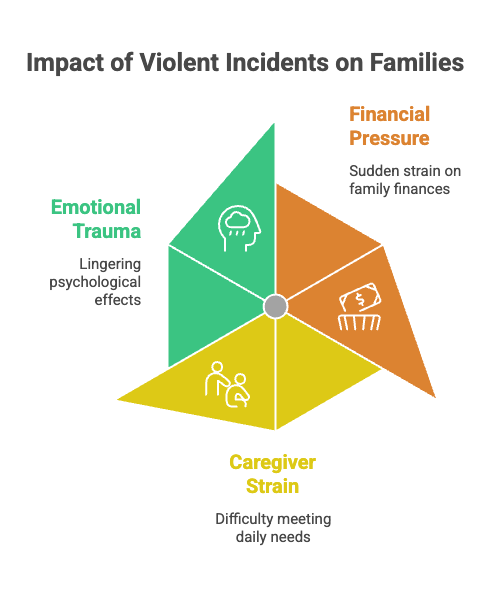
- A family may face sudden financial pressure after a single violent incident.
- A caregiver may struggle to meet daily needs while recovery remains uncertain.
- A survivor may carry emotional trauma long after visible injuries begin to mend.
Beyond individual claims, legal action can also support Policy reform by highlighting dangerous conduct and reinforcing safer standards on Miami roads for everyone.
Steps to Take After a Miami Reckless Driving Car Accident Injury
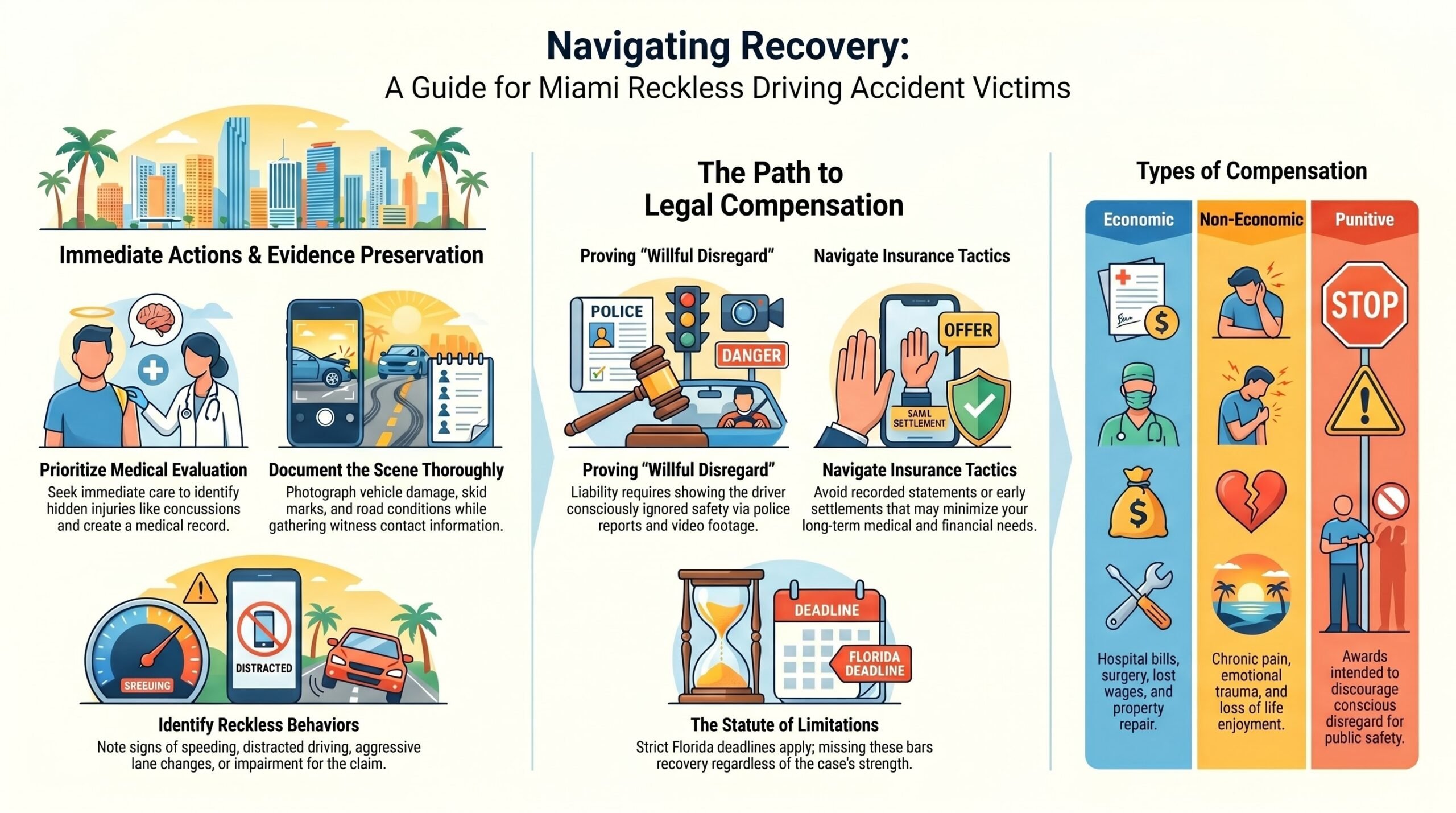
After a Miami reckless driving car accident injury, prompt medical attention is often the first priority, both for recovery and for creating a clear record of the harm suffered. Careful documentation of the accident scene, including photographs, witness information, and visible damage, can help preserve important evidence. Early contact with a Miami lawyer may also help an injured person protect legal interests and avoid costly mistakes during the claims process.
Seek Immediate Medical Care
Prompt medical evaluation should be treated as a priority following a Miami reckless driving car accident, even when injuries seem minor at first. Adrenaline can conceal symptoms, and some conditions, including concussions, internal bleeding, and soft tissue damage, may worsen without prompt attention. An emergency evaluation helps identify urgent concerns, protects overall well-being, and creates a clear medical record tied to the collision.
Those assisting an injured person should encourage transportation to a hospital, urgent care center, or physician without delay. Medical providers can recommend imaging, pain management, and other treatments suited to the person’s condition.
Consistent follow-up care is equally important because recovery often depends on monitoring symptoms, adjusting treatment, and addressing complications early. Timely care supports recovery, preserves health, and strengthens the foundation for any later legal or insurance process.
Document The Accident Scene
At the accident scene, careful documentation can preserve vital evidence and clarify how the collision involving reckless driving occurred. If safety allows, important details should be recorded promptly because vehicle positions, debris patterns, skid marks, weather, and roadway conditions may change quickly after impact.
A thorough record often includes photographing evidence from multiple angles, including damage, traffic signals, license plates, visible injuries, and surrounding landmarks. When possible, names and contact information for involved parties should be gathered accurately.
Witness statements can also strengthen the factual account, especially when neutral observers noticed speeding, illegal lane changes, or other dangerous conduct. Notes regarding the time, location, lighting, and any admissions made at the scene may further support a clear understanding of events. Organized documentation helps those assisting the injured respond responsibly and effectively.
Contact A Miami Lawyer
Once the scene has been documented and immediate medical needs have been addressed, contacting a Miami lawyer can help protect the injured person’s legal and financial interests. Counsel can evaluate whether reckless driving, speeding, intoxication, or distracted conduct contributed to the collision and identify available insurance coverage.
A prompt legal review also helps preserve evidence, secure witness statements, and prevent harmful communications with insurers. Many firms offer a free consultation, allowing families to understand their options without incurring an immediate cost. Through contingency representation, the injured person may pursue compensation for medical expenses, lost income, pain, and future care while avoiding upfront attorney fees.
Early guidance often supports wiser decisions, encourages responsible accountability, and promotes resources that may help the injured person recover with stability, dignity, and continued capacity to serve others.
How a Miami Reckless Driving Car Accident Injury Lawyer Can Help You
Navigating a reckless driving injury claim often requires legal guidance that is both strategic and informed by Florida law. A Miami reckless driving car accident injury lawyer assists injured individuals through legal consultation, evidence preservation, and careful case preparation. Counsel may investigate police reports, witness statements, camera footage, and medical records to build a persuasive claim grounded in documented facts.
Strategic legal guidance helps reckless-driving injury victims preserve evidence, document harm, and build a strong claim in Florida.
- Families often need an advocate who protects dignity while pursuing accountability.
- Injured people may feel overwhelmed, and clear legal direction can restore stability.
- A strong claim can help secure resources that support recovery and responsible caregiving.
An attorney also handles insurer communications, values damages, and challenges efforts to minimize fault or losses. By managing deadlines, negotiating from a position of preparation, and, when necessary, presenting the case in court, legal counsel allows clients to focus on recuperation and service to loved ones. This support often brings order, confidence, and a stronger path toward justice.
Long-Term Effects of Miami Reckless Driving Car Accident Injuries
Reckless driving car accident injuries in Miami may produce lasting consequences that extend well beyond the initial recovery period. Many injured individuals continue to face chronic pain challenges and emotional trauma, both of which can interfere with daily functioning and long-term stability. These ongoing effects often contribute to a reduced quality of life, making the full impact of an injury important to evaluate carefully.
Chronic Pain Challenges
Persistence of pain often becomes one of the most disruptive long-term consequences of a Miami reckless driving car accident injury. What begins as acute discomfort may progress to ongoing neck pain, back pain, nerve irritation, or joint stiffness that limits daily functioning and reduces a person’s ability to assist family, work consistently, or participate in community responsibilities.
Effective pain management often requires coordinated medical care, including physical therapy, medication oversight, and regular evaluations. In many cases, injured individuals must make significant lifestyle adjustments, such as modifying work duties, limiting physical strain, and following structured rehabilitation plans. These challenges may continue for months or years, affecting independence and quality of life. Careful documentation, timely treatment, and informed legal guidance can help demonstrate the full extent of these lasting physical burdens.
Emotional Trauma Impact
Coping with the psychological aftermath of a Miami reckless driving collision can be as difficult as managing the physical injuries that follow. Survivors may experience persistent anxiety, intrusive memories, sleep disruption, and heightened fear during everyday travel. These reactions can interfere with concentration, communication, and a person’s ability to care for others with steadiness and confidence.
In many cases, emotional trauma develops gradually, making early recognition crucial. Thoughtful clinical support, structured routines, and consistent encouragement from trusted relatives often strengthen psychological recovery.
When distress affects household relationships, family counseling may help relatives understand trauma responses and respond with patience, stability, and practical support. A careful legal approach may also account for documented emotional harm, because recovery frequently involves more than visible injuries and may require ongoing therapeutic care, evaluation, and compassionate advocacy.
Reduced Quality Of Life
Over time, serious injuries from a Miami reckless driving collision may reduce a person’s quality of life in ways that extend well beyond immediate medical treatment. Daily tasks may become difficult, particularly when chronic pain, fatigue, or mobility limitations interfere with work, household responsibilities, and community involvement. A person who once supported others with ease may require assistance for basic routines, altering independence and self-worth.
These long-term changes can also affect relationships and participation in meaningful activities. Limited movement, financial stress, and ongoing medical needs may contribute to social isolation, withdrawal, and reduced engagement with family or service commitments. In many cases, diminished quality of life reflects not only physical loss but also the disruption of purpose, stability, and the ability to consistently and with dignity care for others.
Proving Liability in Miami Reckless Driving Car Accident Injury Cases
In many Miami reckless driving car accident injury cases, proving liability requires a careful showing that the at-fault driver acted with a conscious disregard for the safety of others and that this conduct directly caused the collision and resulting injuries. Courts and counsel often examine speeding, aggressive lane changes, distractions, impairment, and traffic law violations to clearly establish reckless behavior.
Supporting evidence may include police reports, photographs, surveillance footage, vehicle damage, and electronic data when available. The strength of witness credibility can markedly affect how events are understood, especially when accounts differ. In more complex matters, expert testimony from accident reconstruction specialists or medical professionals may help link dangerous conduct to the crash and the harm suffered. A thorough presentation of facts serves not only the injured person but also the broader community by promoting accountability and encouraging safer conduct on Miami roads. Careful legal analysis remains vital in these serious claims and matters.
Dealing With Insurance Companies After a Miami Reckless Driving Car Accident Injury
Guide insurance communications with caution after a Miami reckless driving car accident injury, because early statements, settlement offers, and requests for recorded interviews may affect the value and direction of a claim. Insurers often move quickly to gather information, limit payouts, and shape the narrative before injuries and losses are fully understood.
A careful approach serves injured people and the families depending on them. Records should be organized, medical recommendations should be followed, and all communications should remain accurate and measured. Awareness of common claim tactics can help prevent unfair pressure, selective questioning, or attempts to minimize pain, treatment, and missed work.
During adjuster negotiation, clear documentation and disciplined responses strengthen credibility and protect the broader interests at stake. It is often beneficial to avoid casual conversations about fault, recovery timelines, or daily activities. Thoughtful handling of insurance contact helps preserve dignity, supports informed decision-making, and promotes a fairer evaluation of the harm caused.
What to Expect During a Miami Reckless Driving Car Accident Injury Claim Process
A Miami reckless driving car accident injury claim typically begins with the initial filing, followed by the collection of records, witness statements, and other evidence needed to support liability and damages. The process then often moves into insurance settlement talks, where the parties assess the strength of the claim and the possibility of resolving it without further litigation. If a fair outcome is not reached, the matter may proceed to a lawsuit and eventual resolution through settlement or court judgment.
Initial Claim Filing
After a reckless driving crash in Miami, the initial claim filing typically begins with notice to the appropriate insurance carriers and the collection of core supporting records. This stage often includes confirming claim deadlines, identifying all available policies, and preparing a clear documentation checklist for medical bills, wage loss information, repair estimates, and provider contact details.
A formal claim usually requires accurate personal information, crash date and location, policy numbers, and a concise description of reported injuries and losses. Careful filing helps insurers evaluate benefits and responsibilities without unnecessary delay. Many families focused on caring for an injured person find it helpful to organize correspondence, keep copies of every submission, and note all communications. Early accuracy and timely notice can protect rights, support stability, and promote a more orderly recovery process overall.
Evidence And Investigation
In the evidence and investigation stage, the claim turns on how thoroughly the crash can be reconstructed and how clearly the resulting losses can be tied to the reckless driving conduct. Attorneys and investigators gather police reports, witness statements, photographs, surveillance footage, vehicle data, and medical records to build a reliable factual record.
They may consult forensic reconstruction experts to analyze speed, braking, lane position, and impact angles. Digital forensics can also preserve phone records, onboard system data, and nearby video evidence before it is lost. This work helps clarify liability, document the full scope of injury, and protect the interests of those seeking accountability and support. Careful investigation often reveals details that initial reports miss, creating a stronger foundation for the claim and helping families pursue informed, service-minded decisions.
Insurance Settlement Talks
Often, insurance settlement talks begin once the available evidence has been organized into a clear demand that outlines liability, injuries, medical treatment, lost income, and other damages resulting from the reckless-driving collision. Adjusters then review records, assess policy limits, and compare the claim with their own valuation methods.
During this stage, communication tends to focus on documented losses, future care needs, and the practical impact on the injured person’s ability to support family and community. Insurance carriers may use negotiation tactics such as disputing the necessity of treatment, minimizing pain, or delaying responses to influence settlement timelines.
A careful, service-minded approach keeps discussions centered on fairness, accountability, and recovery. Strong preparation, consistent documentation, and measured responses often improve the likelihood of a meaningful pre-suit resolution for everyone involved.
Lawsuit And Resolution
When settlement discussions do not produce a fair result, a reckless driving injury claim may proceed into litigation, where the case is placed before the court and guided by formal procedural rules. The parties exchange evidence, question witnesses, and file motions that define the disputed issues. Throughout this stage, counsel may continue settlement negotiations, especially when clearer proof of fault or damages emerges.
If the matter does not resolve, the claim moves toward trial. Jury preparation becomes crucial, including organizing exhibits, scheduling witnesses, and developing a clear account of how the crash harmed the injured person. During trial, the court hears testimony, reviews records, and applies Florida law to liability and compensation. A verdict or later agreement may provide financial recovery and support accountability for conduct that endangered others.
Compensation for Miami Reckless Driving Car Accident Injury Damages
Several categories of damages may be available to a person injured in a Miami reckless-driving car accident, depending on the severity of the injuries, the financial losses incurred, and the long-term effects on daily life. Compensation often seeks to restore stability after disruption, helping the injured person obtain treatment, support a household, and move forward with dignity.
In appropriate cases, claims may include payment for hospital care, rehabilitation, medication, lost income, diminished earning capacity, and future expenses tied to ongoing recovery or permanent limitations.
When reckless conduct shows a conscious disregard for safety, courts may also consider punitive awards designed to discourage similar behavior and protect the public. The amount potentially recoverable depends on the available evidence, the extent of documented harm, and the connection between the crash and the injuries claimed. Careful legal guidance can help families and communities pursue accountable outcomes while remaining focused on mend, responsibility, and long-term practical support.
Economic vs Non-Economic Damages in Miami Reckless Driving Car Accident Cases
In Miami reckless driving car accident cases, damages are generally divided into economic and non-economic categories, each addressing a different type of loss. Economic damages typically include measurable financial harm, such as medical expenses, lost income, and property damage, while non-economic damages may cover pain and suffering, emotional distress, and loss of enjoyment of life. The value of both forms of damages depends on the available evidence, the severity of the injuries, and the ability to clearly connect those losses to the accident.
Economic Damage Categories
From a legal and financial standpoint, economic damages in a Miami reckless-driving car accident case refer to the measurable monetary losses resulting from the collision. These categories typically include emergency treatment, hospitalization, surgery, rehabilitation, medication, medical equipment, and anticipated future care supported by records or expert opinion.
They also include lost wages when injuries prevent a person from working, as well as diminished earning capacity if long-term limitations affect future employment. Property damage is another core category, covering vehicle repair or replacement, damaged personal items, towing, storage, and rental transportation expenses. In service to affected individuals and their families, careful documentation of bills, pay records, repair estimates, and invoices helps accurately establish these losses. This evidence supports fair recovery and promotes practical financial stability after a serious crash.
Non-Economic Losses
While economic damages address documented financial costs, non-economic losses concern the human consequences of a Miami reckless driving collision that do not appear on a bill or invoice. These harms often include physical pain, emotional distress, mental anguish, disability, disfigurement, and the strain placed on daily routines and close relationships.
In serious injury cases, non-economic losses may also involve diminished independence, interrupted family roles, and loss of enjoyment of ordinary activities that once gave life meaning and stability. Pain valuation refers to the legal effort to assess suffering fairly and respectfully, especially when injuries affect sleep, mobility, confidence, or long-term well-being.
For individuals committed to caring for others, understanding these losses can support compassionate decision-making, informed advocacy, and a fuller view of what a reckless-driving crash may truly take away.
Proving Damage Value
Accuracy becomes critical when proving the value of damages in a Miami reckless driving case because the strength of a claim often depends on how clearly each loss can be identified, documented, and linked to the collision. Economic damages usually require records showing medical expenses, lost income, rehabilitation costs, and property repair estimates. A careful damage appraisal helps establish present losses and anticipated future needs.
Non-economic damages demand equally disciplined support, even though pain, emotional distress, and reduced quality of life do not appear on invoices. Evidence valuation may include medical opinions, treatment history, photographs, testimony from family members, and documentation of daily limitations. When these forms of proof are organized with care, they help decision-makers assess the full human and financial impact of reckless driving, while supporting fair recovery for injured individuals and their families.
When a Miami Reckless Driving Car Accident Injury Case Goes to Trial vs Settlement
Determining whether a Miami reckless driving car accident injury case proceeds to trial or ends in settlement depends on the strength of the evidence, the severity of the injuries, and the parties’ willingness to resolve disputed issues without court intervention. Settlement is often favored when liability is clear, damages are well documented, and both sides seek a prompt, service-minded resolution that reduces expense and uncertainty.
A case may proceed to trial when fault is contested, injuries are disputed, or an insurer refuses to offer fair compensation. In that setting, counsel evaluates trial strategy with careful attention to witness credibility, expert testimony, and the presentation of medical and financial losses. Jury dynamics also matter, especially where reckless conduct may influence how jurors view accountability and community safety.
Trial can produce a stronger recovery in some cases, but it also carries greater risk, delay, and emotional strain. Settlement, by contrast, offers more control over outcome and timing for injured individuals and families.
The Statute of Limitations for Miami Reckless Driving Car Accident Injury Cases
In Florida, the statute of limitations sets a firm deadline for filing a reckless-driving car-accident injury claim, and missing that deadline can bar recovery regardless of how strong the underlying case may be. These statute deadlines promote fairness by requiring claims to be brought while evidence remains available and witness memories stay reasonably fresh.
For Miami injury cases, the applicable filing period depends on the nature of the claim and the date the cause of action accrued. A careful review of the facts is often necessary because miscalculating even one day can jeopardize the ability to pursue compensation for medical costs, lost income, and other losses affecting a household’s stability.
Although the rule is strict, Florida law recognizes limited tolling exceptions in specific circumstances. Those exceptions are narrowly applied and should not be assumed. Timely attention to records, accident reports, and insurance communications helps preserve the orderly pursuit of accountability and supports informed decisions that serve injured people responsibly.
When to Contact a Miami Reckless Driving Car Accident Injury Lawyer
After a Miami reckless driving crash, legal counsel is often most useful once immediate medical needs are addressed and basic safety concerns are resolved. Early contact can help preserve photographs, witness information, police records, and medical documentation before details are lost. Prompt guidance may also assist families who are trying to support an injured person while remaining attentive to community responsibilities.
Contact is especially important when injuries appear serious, fault is disputed, an insurer requests statements, or vehicle damage is extensive. A lawyer should also be consulted when symptoms emerge days later, including post-accident PTSD, because delayed conditions can affect treatment records and recovery planning.
Timely communication matters when families are uncertain about insurance claim timelines, rental coverage, lost income documentation, or whether settlement papers should be signed. Seeking advice early allows individuals to make informed decisions, preserve evidence, and meet deadlines in an orderly manner, while maintaining focus on recuperation, caregiving, and practical service to those nearby.
Why You Need an Experienced Miami Reckless Driving Car Accident Injury Lawyer
Early legal guidance helps preserve a claim, but the value of representation often depends on the lawyer’s experience with reckless driving collisions and the complications they create. These cases often involve severe injuries, disputed fault, and insurers that minimize losses, requiring careful investigation and disciplined advocacy from the outset.
An experienced Miami reckless driving car accident injury lawyer understands how to connect dangerous conduct with the full extent of harm suffered by victims and families. Through local know-how, counsel can interpret Miami traffic patterns, roadway conditions, and court procedures that may influence liability and damages. Strong case development also protects medical evidence, witness testimony, and accident reconstruction findings from being weakened or lost.
When settlement efforts fail, courtroom experience becomes vital to presenting a clear, credible case before a judge or jury. Effective representation supports accountability, promotes fair recovery, and helps injured people secure resources needed to continue serving their families and communities.
How to Choose the Right Miami Reckless Driving Car Accident Injury Lawyer for Your Case
Choosing the right Miami reckless driving car accident injury lawyer requires more than selecting a familiar name or a firm with broad advertising. A careful evaluation should focus on courtroom experience, knowledge of Florida injury law, and a record of handling reckless driving claims with diligence and integrity. Lawyers who regularly appear in Local courthouses may better understand procedural expectations, judicial preferences, and effective case presentation.
Prospective clients should also review Client testimonials, not as guarantees, but as indicators of communication, responsiveness, and professionalism. A strong lawyer explains options clearly, respects the client’s goals, and pursues compensation in a manner that supports recovery and future stability. Attention should also be given to resources, trial readiness, and willingness to investigate the fault thoroughly.
Compassion matters, yet it should be matched by discipline and strategic judgment. By choosing counsel carefully, injured individuals place themselves in a stronger position to protect their families and serve their long-term well-being.
About The Law Offices of Anidjar & Levine
With a sustained focus on personal injury representation, The Law Offices of Anidjar & Levine serves injured individuals in Miami through legal advocacy grounded in preparation, responsiveness, and knowledge of Florida law.
The firm assists those harmed in reckless-driving collisions by evaluating claims, explaining options, and pursuing compensation for medical costs, lost income, and other accident-related losses.
Its approach emphasizes accessible communication and practical guidance, which can help families make informed decisions during difficult periods.
Firm history reflects continued work on behalf of injured clients across Florida, with attention to case strategy and service.
Client testimonials frequently note professionalism, timely updates, and a commitment to addressing concerns with care and respect.
For people seeking counsel after a serious crash, the firm offers a structured, client-centered model of representation.
This profile supports readers who want to connect injured neighbors, friends, or family members with legal resources that prioritize accountability, recovery, and responsible advocacy.
Frequently Asked Questions
Can I Recover Damages if I Was Partially at Fault?
Yes, damages may still be recovered when partial fault exists. Under comparative negligence, responsibility is allocated among those involved, and compensation is reduced by the claimant’s percentage of fault. This framework supports proportional recovery, allowing injured parties to obtain fair compensation for losses they did not cause. A careful review of evidence, medical records, and witness statements helps determine fault accurately and protects the ability to serve affected individuals through just financial recovery.
Will My Immigration Status Affect My Injury Claim?
Immigration status does not automatically bar an injury claim, and claims eligibility generally depends on the facts of the accident and the proven losses. A careful review can identify any immigration implications, particularly if communication with insurers or courts may affect personal records. Many injured individuals still retain legal rights and may pursue compensation. Sound guidance helps protect those rights while reducing avoidable risk during the claims process.
Can I Switch Lawyers During My Reckless Driving Accident Case?
Yes, a person may change counsel during a reckless driving accident case if confidence, communication, or strategy has materially broken down. The shift should be handled carefully, because timing, case deadlines, and fee disputes can affect recovery and representation. Successor counsel typically reviews the file, lien issues, and prior work before proceeding. A thoughtful change can protect the client’s interests and support fair service to everyone involved in the matter.
Are Dashcam Videos Admissible in Miami Car Accident Claims?
Yes, dashcam videos are often admissible in Miami car accident claims if they are relevant, reliable, and lawfully obtained. Courts and insurers typically examine dashcam authenticity, including whether the footage accurately reflects the event and remains unaltered. They may also consider privacy concerns, especially when audio recording is involved. Proper preservation, clear timestamps, and witness support can strengthen the video’s value in serving injured parties and advancing a fair claim.
How Are Medical Liens Handled After a Settlement?
Medical liens are typically satisfied from settlement proceeds before the injured person receives funds. Counsel usually verifies each lien, challenges unsupported charges, and negotiates reductions when possible, thereby preserving more recovery for the client and those relying on that support. Proper settlement allocation is also important because it may affect which claims are paid from specific portions of the recovery. Final disbursement generally occurs only after liens are resolved.
—————————
Reckless driving accidents in Miami often leave victims facing significant physical, financial, and legal challenges.
A clear understanding of the causes, legal options, and necessary next steps can materially affect the outcome of a claim.
With timely action and informed legal guidance, injured parties may pursue compensation for their losses and protect their rights with help from a Miami Car Accident Attorney.
Anidjar & Levine provides focused representation for those seeking experienced counsel after a serious collision involving reckless driving.