The Law Offices of Anidjar and Levine helps protect a claim after an Interstate I-75 crash by preserving evidence, investigating liability, and handling insurer communications from the outset.
Counsel reviews police reports, witness statements, vehicle damage, medical records, and electronic data to build a clear timeline.
An attorney also documents medical costs, lost income, property damage, and pain and suffering while preparing for settlement or litigation if needed.
The sections below explain the process, legal rights, and crucial next steps.
Learn more from a Miami Car Accident Attorney.
Main Takeaways
- Consult an I-75 car accident lawyer quickly to protect evidence, meet deadlines, and avoid damaging statements to insurers.
- An attorney investigates crash reports, photos, witness statements, vehicle data, and roadway conditions to determine how the I-75 collision occurred.
- Lawyers identify liable parties, including drivers, trucking companies, vehicle owners, insurers, and possibly public entities.
- Counsel documents medical treatment, lost wages, property damage, and future care needs to calculate claim value accurately.
- If insurers delay, deny, or undervalue the claim, your lawyer negotiates a settlement or prepares the case for litigation.
How We Can Help With Your Miami Interstate I-75 Car Accident Injury Claim
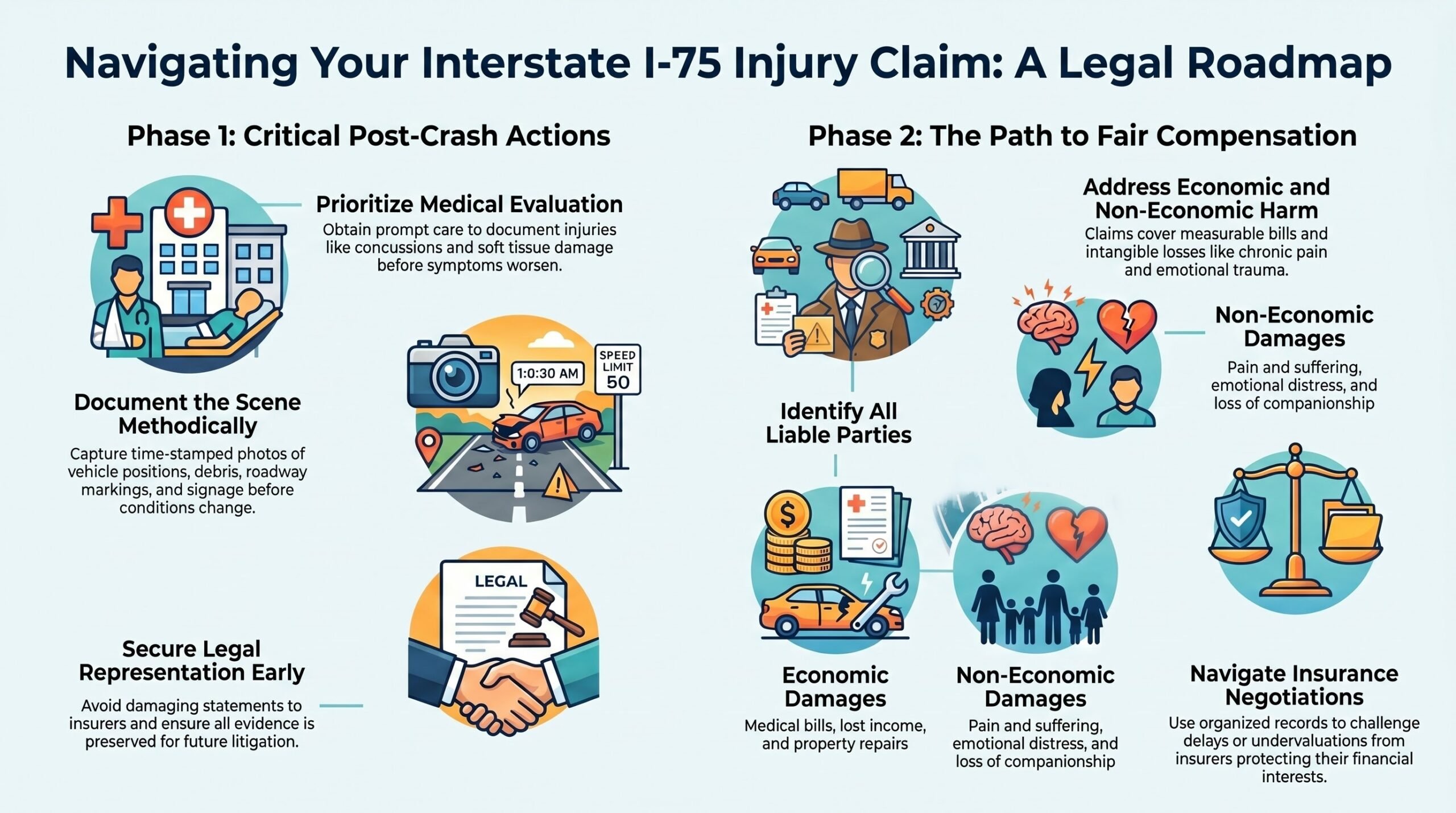
After a collision on Interstate 75, injured motorists often face immediate medical concerns, mounting financial pressure, and uncertainty about how to protect a valid injury claim. In this situation, legal counsel can provide organized support that allows families to focus on recovery and service to one another.
An attorney can gather records, preserve evidence, communicate with insurers, and calculate losses with care and precision. This assistance often includes coordinating treatment documentation, addressing medical liens, and helping clients avoid missteps that could weaken compensation. Counsel may also pursue payment for wages, property damage, and necessary rental cars while negotiations continue. When insurers delay or minimize harm, an experienced advocate can present a clear demand supported by facts and credible analysis.
If resolution is not offered fairly, the firm can prepare the matter for litigation. Through steady guidance and disciplined advocacy, injured people are better positioned to secure resources needed for restoration, stability, and continued service to others.
Understanding Miami Interstate I-75 Car Accident Injury Cases


In the context of Interstate I-75 collisions, injury cases often involve more than a simple dispute over fault, because high speeds, heavy commercial traffic, and multi-vehicle impacts can complicate both the facts and the extent of the harm. These matters commonly require careful review of medical records, crash reports, witness statements, and available electronic data.
OUR CONSULTATIONSARE FREE
START YOUR FREE CASE REVIEW

An injury case may also examine how the highway environment affected the event and the resulting losses. Conditions surrounding interstate signage, lane design, visibility, and roadway maintenance can influence liability assessments and damage evaluations. When several drivers, employers, insurers, or public entities are involved, each party’s legal responsibility must be measured with precision and fairness.
Service-minded advocates often view these cases as opportunities to protect families, support recovery, and preserve accountability within the broader community. A thorough legal approach helps injured individuals pursue compensation for treatment costs, lost income, future care needs, and the personal disruption that serious interstate crashes often leave behind.

Common Causes of Miami Interstate I-75 Car Accidents


Several recurring factors contribute to serious crashes on Interstate I-75, often creating dangerous conditions for motorists in heavy and fast-moving traffic. Common causes include speeding and tailgating, distracted driving hazards, impaired driver collisions, and unsafe lane changes, each of which can sharply reduce a driver’s ability to respond in time. Identifying these patterns helps clarify how negligence may lead to injury-causing accidents along this major interstate corridor.
Speeding And Tailgating
Accelerating beyond posted limits and following too closely creates a dangerous combination on Interstate I-75, where traffic volume and changing road conditions leave little margin for error. Excessive speed reduces reaction time, increases stopping distance, and magnifies crash severity during sudden braking or lane changes.
Tailgating compounds the risk by removing the safe space needed to respond responsibly to congestion, weather, or roadway hazards. Drivers who ignore speed-related signage often underestimate how quickly conditions can change around curves, in work zones, or at merging traffic. Consistent awareness of following distance helps protect passengers, nearby motorists, and emergency responders by preserving time to slow down gradually and avoid chain-reaction collisions. In evaluating these crashes, attorneys often examine witness statements, vehicle damage, roadway markings, and electronic data to determine whether speeding or tailgating contributed to liability.
Distracted Driving Hazards
Distracted driving undermines safety on Interstate I-75 by diverting a driver’s attention from the constant demands of high-speed travel. Even a brief lapse can delay braking, obscure lane changes, or prevent timely responses to congestion, road debris, and sudden merges.
Common distractions include phone distractions, navigation adjustments, eating, and conversations that divide focus. These behaviors create cognitive overload, reducing a driver’s ability to process traffic conditions and anticipate hazards ahead. On a busy interstate, that reduced awareness can endanger families, commuters, and commercial drivers who rely on shared responsibility for safe travel. Service-minded communities benefit when drivers adopt attentive habits, plan routes before departure, and minimize in-vehicle interruptions. Careful attention supports safer roadway conditions, helps protect vulnerable motorists, and reflects a practical commitment to the well-being of others.
Impaired Driver Collisions
Impaired-driver collisions pose another serious threat on Interstate I-75, where high speeds and heavy traffic leave little margin for error. When motorists operate vehicles under the influence, they often suffer reduced judgment, slowed reaction time, and diminished coordination, placing everyone nearby at risk.
Crashes linked to alcohol intoxication and drug impairment can occur at any hour, including during routine commutes and overnight travel. These incidents frequently produce severe injuries because impaired drivers may fail to brake, recognize hazards, or respond appropriately to changing roadway conditions. For families, caregivers, and community members committed to protecting others, understanding this danger is vital. A careful legal review may help identify liability, preserve crucial evidence, and support injured individuals seeking accountability, financial recovery, and a safer future after a preventable interstate collision.
Unsafe Lane Changes
Unsafe lane changes remain a frequent cause of serious collisions on Interstate I-75, where dense traffic patterns and high travel speeds demand careful judgment from every driver. When motorists fail to signal, misjudge distance, or ignore a Blind spot, nearby vehicles may have little time to react safely.
These crashes often involve sudden merging, aggressive weaving, and cut-off moves that disrupt the orderly flow of traffic. Commercial trucks, passenger cars, and motorcycles all face heightened risk when a driver enters an occupied lane without sufficient clearance. In many cases, preventable harm affects families, coworkers, and entire communities that depend on safe travel. Careful lane use, consistent mirror checks, and patient decision-making help reduce unnecessary danger. A thorough investigation can identify whether negligent lane changes contributed to injuries and resulting losses.
Legal Rights of Miami Interstate I-75 Car Accident Injury Victims
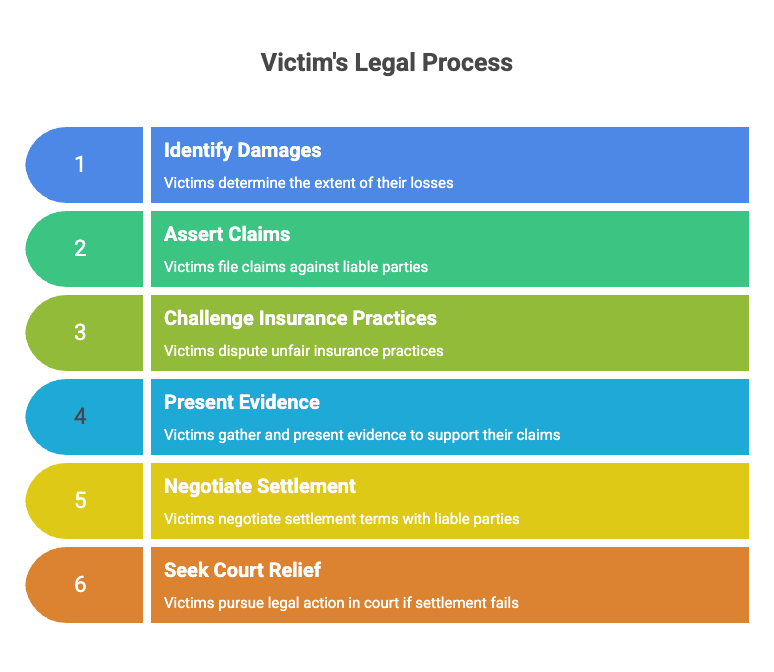
When a collision on Interstate 75 causes injury, the affected party generally has the legal right to seek compensation from the driver, company, or other entity whose negligence contributed to the crash. These rights often depend on nuances of statute and Jurisdictional issues, especially when an interstate route crosses state lines and involves commercial carriers, insurers, or governmental entities.
A careful legal review helps protect both the injured person and the wider community by promoting accountability and safer conduct.
- Victims may pursue damages for medical costs, lost income, property loss, and pain.
- They may assert claims against multiple liable parties, including employers or vehicle owners.
- They may challenge unfair insurance practices and request a full, good-faith evaluation of losses.
- They retain the right to present evidence, negotiate settlement terms, or seek court relief.
In many cases, family members also hold derivative rights, such as claims for wrongful death, loss of support, or loss of companionship after fatal injuries.
Steps to Take After a Miami Interstate I-75 Car Accident Injury
After an Interstate I-75 car accident injury, the injured party should seek immediate medical care, both to restore well-being and to create a clear record of treatment. It is also important to document the accident scene by preserving photographs, witness information, and any visible vehicle damage or roadway conditions. Prompt contact with an I-75 lawyer can then help protect legal interests and support the proper handling of insurance and injury claims.
Seek Immediate Medical Care
Because injuries from an Interstate I-75 collision may not be immediately apparent, obtaining prompt medical evaluation is a vital first step. An urgent evaluation can identify internal injuries, concussions, soft tissue damage, or shock before symptoms worsen. Timely care also helps protect the injured person’s long-term health and ability to continue serving family, work, and community responsibilities.
Even when pain seems minor, emergency room treatment, urgent care, or a visit to a primary care physician may be appropriate, depending on the circumstances. Medical professionals can recommend imaging, prescribe treatment, and explain warning signs that require immediate attention. It is equally important to attend all follow-up appointments, follow medical instructions carefully, and monitor new symptoms. Consistent care supports recovery, reduces complications, and creates a clear medical record of the injuries sustained after the crash.
Document The Accident Scene
Preserve the scene, if conditions permit, by gathering clear and accurate evidence before vehicles are moved and roadway conditions change. Helpful documentation can support public safety, assist investigators, and protect everyone involved from avoidable misunderstandings later.
Important details include wide and close photographs of vehicle positions, damage, debris, traffic signs, lane markings, weather, and visible injuries. Such photographic evidence should be time stamped when possible. Written notes may record the time, direction of travel, traffic flow, witness names, and any statements made at the scene. If it can be done safely, measuring skidmarks, distances between vehicles, and points of impact may clarify how the collision unfolded. A calm, methodical approach serves the broader goal of accountability, accurate reporting, and fair treatment for all parties involved.
Contact An I-75 Lawyer
A prompt consultation with an I-75 car accident lawyer can help an injured person understand legal obligations, preserve important evidence, and avoid missteps during the early stages of a claim. Counsel can evaluate crash reports, medical records, insurance communications, and witness information to identify immediate priorities and protect the injured person’s interests.
During a free consultation, the lawyer may explain filing deadlines, discuss potential liability issues, and outline a preliminary case strategy based on known facts. This guidance often helps families make informed decisions while focusing on treatment and support for others affected by the collision. Early legal involvement can also reduce the risk of harmful statements to insurers and ensure that documentation is organized, complete, and ready for negotiation or litigation if necessary later.
How a Miami Interstate I-75 Car Accident Injury Lawyer Can Help You
In the aftermath of an Interstate I-75 collision, an injury lawyer can provide essential guidance by evaluating the facts of the crash, identifying liable parties, and explaining the legal options available under Florida law. Counsel also helps families and injured individuals pursue accountability with care, especially when Interstate liability and Recovery timelines affect financial stability and daily responsibilities.
After an Interstate I-75 collision, legal guidance can help clarify liability, protect recovery options, and support financial stability.
An attorney’s support often includes:
- Investigating police reports, witness statements, vehicle damage, and roadway conditions.
- Calculating medical costs, lost income, and other documented losses with precision.
- Communicating with insurers to protect the claim from delay, undervaluation, or unfair denial.
- Preparing a strong case for settlement discussions or, if needed, court proceedings.

Long-Term Effects of Miami Interstate I-75 Car Accident Injuries
Interstate I-75 car accident injuries often produce consequences that extend far beyond the initial medical emergency. Many individuals face chronic pain challenges and lasting emotional trauma, both of which can disrupt treatment progress, daily functioning, and overall quality of life. In more serious cases, these conditions also reduce earning capacity, creating financial strain that may persist for years.
Chronic Pain Challenges
Enduring pain often becomes one of the most disruptive long-term consequences of collisions on I-75, extending well beyond the initial emergency treatment and recovery period. Persistent back, neck, joint, or nerve pain may limit mobility, reduce stamina, and interfere with basic daily responsibilities.
In many cases, chronic symptoms develop from inflammation, soft-tissue damage, or nerve sensitization, making ordinary movement increasingly difficult over time. Individuals who wish to continue caring for family members, coworkers, or their communities may find those efforts restricted by physical limitations. Ongoing discomfort can also contribute to sleep disruption, delayed recuperation, and reduced participation in rehabilitation. Effective treatment often requires coordinated medical evaluation, pain management, physical therapy, and careful documentation. A thorough legal review may help injured people pursue resources needed for sustained care and long-term support.
Lasting Emotional Trauma
Often, the psychological effects of a serious I-75 collision persist long after visible injuries begin to recover, altering concentration, emotional stability, and a person’s sense of safety during everyday travel. Survivors may experience post-traumatic stress, recurring flashbacks, disturbed sleep, and heightened anxiety when approaching highways, traffic congestion, or sudden braking situations.
These reactions can affect relationships, caregiving responsibilities, and community involvement, especially when emotional numbing creates distance from loved ones or weakens formerly dependable routines. Some individuals become unusually vigilant, irritable, or withdrawn, while others avoid driving entirely and rely heavily on family support. Thoughtful medical care, counseling, and compassionate advocacy often play an important role in recognizing these invisible injuries, documenting their impact, and helping injured people pursue stability, treatment, and a more secure path forward after a devastating crash.
Reduced Earning Capacity
For many people, serious injuries from an I-75 collision do not end with medical treatment, because lasting physical limitations, chronic pain, or cognitive impairment can reduce the ability to return to the same job or earn at the same level as before. When this occurs, reduced earning capacity may affect household stability, caregiving responsibilities, and long-term financial security. A careful evaluation often considers prior work history, education, specialized skills, and the medical outlook for sustained employment.
In these cases, documentation from physicians, economists, and vocational experts can help measure lost future earnings fairly and accurately. Vocational rehabilitation may also support a shift into modified work that better matches new limitations. Thoughtful legal guidance can help injured individuals pursue resources that protect dignity, promote stability, and serve their families well.
Proving Liability in Miami Interstate I-75 Car Accident Injury Cases
Establishing liability in an interstate I-75 car accident injury case requires a careful review of how the collision occurred, which party failed to use reasonable care, and whether that failure directly caused the injured person’s losses. This analysis often begins with police reports, photographs, witness statements, roadway conditions, and vehicle damage patterns. When available, surveillance footage, electronic logging data, and black box records may clarify speed, braking, and lane movement before impact.
Liability may also be supported by evidence of intoxication, cellphone records, maintenance logs, or proof of traffic law violations. In more intricate crashes, expert testimony from accident reconstruction experts, medical professionals, or human factors analysts can help explain causation and the extent of harm. A thorough investigation serves injured individuals by identifying all responsible parties, including drivers, employers, or vehicle owners when appropriate. Clear proof of negligence creates a stronger foundation for accountability and helps ensure that those harmed receive fair consideration under the law.
Dealing With Insurance Companies After a Miami Interstate I-75 Car Accident Injury
Handling communications with insurance companies after an Interstate I-75 car accident injury requires caution, consistency, and a clear understanding of how claims are evaluated. Injured individuals are often best served by giving accurate, limited statements, preserving records, and avoiding speculation about fault, symptoms, or future recovery.
Insurers commonly review medical documentation, repair estimates, wage information, and recorded communications when evaluating exposure. Because Claim denials may arise from inconsistencies, delays, or incomplete evidence, careful organization is vital. Policy audits can also affect how coverage questions are addressed, especially when multiple vehicles, commercial policies, or out-of-state drivers are involved. A service-minded approach favors honesty, patience, and respectful persistence, while also recognizing that insurers protect their own financial interests.
Written correspondence, claim logs, and copies of submitted materials help create accountability and reduce misunderstandings. When communication becomes confusing or adversarial, legal guidance may help protect the injured person’s rights and support informed decision-making.

What to Expect During a Miami Interstate I-75 Car Accident Injury Claim Process
An Interstate I-75 car accident injury claim generally begins with an initial case evaluation, during which the facts, injuries, and potential liability are assessed. It then proceeds through the collection of evidence and documentation, followed by insurance claim negotiations that may determine whether fair compensation can be reached. If negotiations do not produce an acceptable resolution, the matter may end in settlement discussions or advance to trial.
Initial Case Evaluation
At the outset of an Interstate I-75 car accident injury claim, the initial case evaluation provides a structured review of the collision, the injuries reported, and the available evidence supporting liability and damages. During this stage, counsel typically offers a free consultation to understand immediate concerns, identify potential legal issues, and determine whether the claim appears viable under applicable law. The discussion often addresses medical treatment status, insurance involvement, and the practical needs of the injured person and family.
It may also outline a preliminary case timeline, helping individuals plan responsibly while continuing to serve their households and communities. This evaluation does not decide the outcome, but it establishes direction, clarifies expectations, and helps all parties proceed with diligence, professionalism, and a clear commitment to informed decision-making and meaningful accountability.
Evidence And Documentation
In the evidence and documentation phase, careful collection and preservation of records often shape the strength of an Interstate I-75 car accident injury claim. Attorneys and support staff typically gather crash reports, photographs, witness statements, medical records, repair estimates, and employment information to build a clear factual timeline.
They may also secure electronic data from vehicles, roadway cameras, or phones when relevant. Maintaining a reliable chain of custody helps protect physical evidence from challenges about alteration or mishandling. Detailed medical documentation can connect injuries to the collision and show how daily responsibilities were affected. In more intricate matters, expert witnesses may review accident reconstruction, biomechanics, or future care needs. Through organized, accurate documentation, a legal team is better positioned to serve injured individuals, protect community well-being, and support a truthful account of the incident.
Insurance Claim Negotiations
Negotiation with an insurance carrier often begins after the claim has been supported with medical records, accident reports, proof of lost income, and other essential documentation. During this stage, the insurer reviews liability, damages, and policy limits, then may request statements, clarifications, or additional records before discussing compensation.
Effective Policy negotiation usually requires careful evaluation of medical needs, future care, wage losses, and non-economic harm. A disciplined approach helps protect the injured person while encouraging fair treatment and timely communication. Representatives should also watch for bad-faith tactics, including unreasonable delays, selective readings of evidence, or pressure to accept less than the claim reasonably supports. Consistent documentation, respectful responses, and knowledgeable advocacy can strengthen negotiations and help families focus on recovery, accountability, and service to those depending on them.
Settlement Or Trial
Once insurance discussions reach a point where liability, damages, and future losses can no longer be fairly resolved, an interstate I-75 car accident injury claim may move toward settlement or, if necessary, trial. Counsel generally evaluates medical evidence, wage loss, and long-term care needs before advising on the timing of settlement. If negotiations remain productive, a fair agreement can provide faster support for injured people and reduce further strain on families.
When settlement is not possible, the case proceeds through discovery, motions, and courtroom presentation. Each step requires organized records, credible witnesses, and careful preparation. Trial also introduces jury dynamics, which can affect how fault, suffering, and compensation are viewed. A measured legal strategy helps protect the injured person’s interests while keeping attention on accountability, recovery, and the broader responsibility to restore stability after serious harm.
Compensation for Miami Interstate I-75 Car Accident Injury Damages
Accountability often begins with a clear understanding of the damages an injured person may recover after an Interstate I-75 collision. Compensation may address immediate losses and the ongoing burdens resulting from serious injuries. A careful claim typically includes medical expenses, rehabilitation costs, prescription costs, lost income, reduced earning capacity, property damage, and necessary household assistance. In more severe cases, recovery may also require long-term care, transportation to treatment, and modifications to daily living.
Because each collision affects families and communities differently, a thorough evaluation is crucial. Supporting records, provider opinions, employment documents, and credible testimony often help establish the full scope of harm. Pain valuation may also influence negotiations, particularly when injuries disrupt sleep, mobility, relationships, and the capacity to serve others through work or caregiving. An experienced legal advocate generally works to present these losses clearly, protect the injured person from undervaluation, and pursue compensation that accurately reflects the crash’s real impact.
Economic vs Non-Economic Damages in Miami Interstate I-75 Car Accident Cases
In Interstate I-75 car accident cases, damages are generally divided into economic and non-economic categories, each addressing a different type of loss. Economic damages typically include measurable financial harm, such as medical expenses, lost income, and property damage, while non-economic losses may involve pain and suffering, emotional distress, and reduced quality of life. Establishing either form of damages after a crash often depends on strong documentation, credible testimony, and clear evidence connecting the losses to the collision.
Economic Damages Explained
Economic damages are the measurable financial losses that follow an Interstate I-75 car accident and are typically supported by bills, records, and other objective evidence. These damages often include emergency care, hospital treatment, rehabilitation costs, prescription expenses, property damage, and transportation to medical appointments. They may also cover lost wages when injuries prevent a person from working during recovery.
In more serious cases, economic damages can include diminished earning capacity and projected future earnings when long-term limitations affect employment. Accurate calculation often requires employment records, medical opinions, repair estimates, and expert analysis. For families and advocates seeking to serve an injured loved one well, understanding these documented losses helps establish the practical financial impact of the collision and supports a fair, evidence-based claim for recovery under applicable law.
Non-Economic Losses Overview
Beyond documented financial costs, an Interstate I-75 car accident may also cause losses that do not appear on invoices or payroll records. These non-economic damages address human harm, including physical pain, emotional distress, diminished enjoyment of daily life, and strain on close relationships. They recognize that a collision can affect how an injured person serves family, workplace, and community responsibilities.
Unlike medical bills or lost wages, these harms do not carry fixed prices. As a result, pain valuation and loss quantification require careful consideration of the injury’s effect on comfort, independence, and overall well-being. In serious Interstate I-75 cases, non-economic losses may reflect lasting trauma, sleep disruption, anxiety while traveling, or permanent limitations. Their purpose is to acknowledge the full personal impact of injury with fairness and dignity.
Proving Damages After Crashes
After a crash on Interstate I-75, proving damages requires more than listing injuries or stating that losses occurred. Claimants generally must connect each loss to the collision through records, expert opinions, and credible testimony. Economic damages often include hospital bills, rehabilitation costs, lost wages, and property repair. Careful medical valuation helps show the reasonable cost of treatment and the likely need for continued care.
Non-economic damages address harm that cannot be measured by invoices alone, such as pain, emotional distress, diminished enjoyment of life, and lasting limitations. These losses are often proven through treatment notes, family observations, and professional assessments. In serious cases, evidence of future losses may support compensation for reduced earning capacity, chronic symptoms, and long-term assistance needs. Thorough documentation strengthens service to injured people and families.

When a Miami Interstate I-75 Car Accident Injury Case Goes to Trial vs Settlement
In many Interstate I-75 car accident injury cases, the decision to proceed to trial or resolve the matter through settlement depends on the strength of the evidence, the extent of the injuries, and the parties’ willingness to accept a reasonable outcome. Settlement is often favored when liability is clear, damages are well documented, and both sides seek efficiency, stability, and relief for those affected.
A trial may become necessary when insurers dispute fault, minimize medical harm, or refuse fair compensation. In that setting, counsel prepares witnesses, analyzes trial dynamics, and addresses jury selection with care, recognizing that jurors will weigh credibility, losses, and community standards. Although a trial can produce a stronger recovery, it also brings delay, expense, and uncertainty. Settlement, by contrast, offers privacy, faster payment, and more control over the result. Each path should be evaluated in light of service, accountability, and the injured person’s long-term needs and family responsibilities.
The Statute of Limitations for Miami Interstate I-75 Car Accidents Injury Cases
Time limits govern every Interstate I-75 car accident injury case, regardless of whether the matter appears headed toward settlement or trial. Each state along I-75 applies its own statute of limitations, and those filing deadlines can differ for personal injury, wrongful death, and property damage claims. Missing a deadline may bar recovery entirely, even when liability seems clear and losses are substantial.
Because interstate collisions may involve multiple jurisdictions, careful attention to the nuances of the statutes is vital. The location of the crash, the parties’ residence, and the identity of any government entity can all affect the applicable period. Certain circumstances, such as injuries to minors or delayed discovery of harm, may pause or alter the countdown under state law. Insurance negotiations do not necessarily extend filing deadlines, and informal assurances rarely protect a claim. A disciplined review of dates, records, and governing law helps injured people preserve their ability to pursue accountability and meaningful support for recovery.
When to Contact a Miami Interstate I-75 Car Accidents Injury Lawyer
Sooner rather than later, legal guidance should be considered whenever an Interstate I-75 collision causes significant injury, disputed fault, multiple vehicles, or contact with commercial carriers or government entities.
Prompt action also matters when insurers request statements, settlements are mentioned early, or evidence may fade quickly. Timely contact allows an orderly response that protects the interests of injured people and the families who support them. It also helps preserve important information, including medical records, photographs, electronic data, and witness interviews, before memories change or documentation is lost.
Legal guidance may also be appropriate when injuries worsen over time, treatment becomes extensive, or work and caregiving duties are disrupted. In service-minded communities, early consultation can help people make informed choices, reduce confusion, and support fair accountability. Reaching out after an I-75 crash is often most prudent once immediate medical needs are addressed and basic details about the collision have been gathered carefully.
Why You Need an Experienced Interstate I-75 Car Accidents Injury Lawyer
Early consultation often leads directly to a broader question of the quality of representation, because Interstate I-75 collisions frequently involve fast-moving facts, layered liability issues, and insurance strategies designed to limit payouts. An experienced lawyer helps preserve evidence, coordinate records, and protect a claim before crucial details are lost or distorted by commercial insurers.
Experience also matters because interstate crashes can raise difficult questions about jurisdiction, comparative fault, commercial vehicle regulations, and interstate liability. Skilled counsel understands how to connect medical documentation, witness accounts, roadway conditions, and electronic data into a clear theory of responsibility. That preparation supports fair compensation and promotes injury mitigation by helping clients obtain timely treatment, practical guidance, and organized communication with providers.
For families focused on caring for others, effective legal representation can reduce avoidable stress and create space for recovery. In serious I-75 cases, seasoned advocacy often strengthens both accountability and the resources needed for long-term support and stability after devastating losses.
How to Choose the Right Miami Interstate I-75 Car Accident Injury Lawyer for Your Case
How should an injured person evaluate counsel after a serious Interstate I-75 collision? A careful selection process often begins with reviewing the lawyer’s experience handling highway crash claims, catastrophic injuries, and disputes involving multiple vehicles or insurers. Attention should also be given to communication habits, responsiveness, and a demonstrated commitment to protecting clients while respecting the needs of their families and communities.
During an attorney interview, the injured person may ask how similar cases were investigated, negotiated, and, when necessary, tried in court. It is also prudent to examine professional reputation, client service practices, and available resources for obtaining evidence from accident scenes, witnesses, and medical providers. Clear explanations of fee structures are equally important because informed decisions support both financial stability and peace of mind. The right Interstate I-75 car accidents injury lawyer will combine relevant experience, transparency, and diligent advocacy with a service-minded approach to client care throughout the entire legal process.
About The Law Offices of Anidjar & Levine
After considering the qualities that distinguish effective legal representation in a serious Interstate I-75 collision case, attention may be directed to The Law Offices of Anidjar & Levine and the services the firm provides to injured motorists and their families. The firm is known for assisting clients through demanding claims while emphasizing responsive communication, practical guidance, and diligent advocacy.
Its legal history reflects years of work on personal injury matters involving negligent drivers, insurance disputes, and accident-related losses. This background may help families seeking counsel that understands both legal procedure and the everyday burdens created by severe highway crashes. The firm also presents an approach centered on service, recognizing that injured people often need support with medical care coordination, property damage issues, and case updates.
Client testimonials frequently describe professionalism, accessibility, and a commitment to pursuing fair compensation. For those hoping to serve loved ones responsibly after an I-75 accident, the firm offers a structured, client-focused legal resource.
Frequently Asked Questions
Are I-75 Accident Reports Available Online, and How Long Do They Take?
Yes, accident reports are often available online through state patrol, local law enforcement, or public records portals. Report timelines vary by agency, but many reports are issued within 3 to 10 business days after the investigation begins. In more serious collisions, processing may take longer because officers must verify facts and complete required reviews. Those assisting affected families should check the responsible agency’s website regularly and request updates as needed to ensure timely access.
Can Weather or Road Construction Affect an I-75 Injury Claim?
Yes, weather conditions and construction delays can materially affect an I-75 injury claim. They may influence fault analysis, driver expectations, and the question of whether reasonable care was exercised under the circumstances. Evidence such as traffic advisories, work zone signage, maintenance records, and crash scene documentation often helps clarify liability. A careful review serves injured parties by identifying contributing factors, preserving proof, and supporting a fair assessment of damages and responsibility in claims.
What if the At-Fault Driver Was From Another State?
If the at-fault driver was from another state, the claim may still proceed locally, though jurisdictional issues can affect where it is filed. Courts evaluate the choice of law to decide which state’s rules apply, and interstate service may be required to notify the driver properly. Insurance recovery often remains available through the driver’s insurer, but coverage limits, deadlines, and procedural requirements should be reviewed carefully to protect those seeking fair compensation.
Do Dashcams or Truck Black Boxes Help in I-75 Accident Cases?
Yes, dashcams and truck black boxes often help substantially in accident cases. Dashcam evidence may show vehicle positions, lane changes, speeds, signals, and driver behavior in the moments before impact. Blackbox data can reveal braking, throttle use, hours of service, and other operational details that support or challenge witness accounts. For those seeking to serve injured people well, this information often strengthens investigations, preserves truth, and promotes fair, informed claim resolution after serious collisions.
Can a Passenger File a Claim After an I-75 Car Accident?
Yes, a passenger may file a claim after an I-75 car accident. Passenger rights generally permit recovery from any negligent driver, including the host driver, when the facts support liability. Compensation options may include medical expenses, lost income, pain and suffering, and other related losses. Because passengers rarely cause collisions, their claims are often strong, though insurance coverage, evidence, and filing deadlines will still affect the ultimate recovery available.
—————————
Interstate I-75 accident claims often involve serious injuries, contested liability, and complex insurance issues. Injured parties can benefit from understanding their rights, preserving evidence, and seeking legal guidance as early as possible. A qualified lawyer can assess the facts, safeguard the claim, and pursue fair compensation for medical expenses, lost wages, and other damages.
Miami Car Accident Attorney services from Law Offices of Anidjar & Levine offer experienced representation with a focus on clear guidance, careful preparation, and strong advocacy throughout the legal process.