A Miami head-on collision injury lawyer, including the Law Offices of Anidjar and Levine, assists victims by preserving evidence, investigating fault, and handling communications with insurers to protect the claim. Counsel reviews medical records, police reports, witness statements, photographs, and crash data to connect injuries to the collision and assess damages. Legal representation also helps calculate medical expenses, lost income, future care, and pain and suffering while preparing for negotiation or trial.
The sections that follow explain crucial steps, rights, and considerations that may affect recovery. For more information, visit Miami Car Accident Attorney.
Main Takeaways
- A Miami head-on collision injury lawyer investigates fault, preserves evidence, and reviews medical records, police reports, photos, and witness statements.
- They handle insurer communications, protect clients from costly mistakes, and pursue compensation for medical bills, lost income, and pain and suffering.
- Strong claims often rely on crash reconstruction, vehicle data, surveillance footage, and evidence from the scene to establish lane departure, speed, distraction, or impairment.
- After a head-on crash, seek immediate medical care, photograph the scene, gather witness information, and keep treatment and insurance records organized.
- During a free consultation, the lawyer explains liability, Florida deadlines, available remedies, and whether trial preparation is necessary to obtain fair compensation.


How We Can Help With Your Miami Head-On Collision Injury Claim
Guide through the aftermath of a serious crash with a legal team that can assess liability, preserve vital evidence, and build a claim designed to reflect the full extent of the injured person’s losses. Their role is to shoulder legal burdens so families and caregivers can focus on recovery and practical support.
Counsel may investigate the collision, obtain reports, secure witness statements, and coordinate with medical providers to document injuries, treatment needs, and the effect of post-crash PTSD on daily functioning. They can also manage communication with insurers, organize records, and present a clear insurance claim timeline that keeps the matter moving without unnecessary delay.
By calculating medical costs, lost income, future care needs, and non-economic harm, the firm seeks fair, evidence-based compensation. Throughout the process, the team provides steady guidance, answers questions promptly, and advances the claim with diligence, professionalism, and respect for the injured person’s long-term recovery needs.
OUR CONSULTATIONSARE FREE
START YOUR FREE CASE REVIEW

Understanding Miami Head-On Collision Injury Cases
Beyond the practical assistance a legal team can provide, a clear understanding of Miami head-on collision injury cases begins with how these crashes occur and why they so often cause severe harm. When two vehicles travel toward one another, the combined forces can produce catastrophic trauma, even at moderate speeds, and those injuries may affect families, caregivers, and the broader community.
These cases often require careful review of medical records, scene evidence, and vehicle damage to understand the full extent of harm. Professionals may examine pre-impact biomechanics to evaluate occupant movement and likely injury patterns before and during contact. They may also rely on collision reconstruction to clarify vehicle positions, speed changes, and the sequence of events.
Such analysis helps establish whether injuries are consistent with the crash dynamics and whether long-term treatment needs are reasonably connected. A thoughtful legal approach consequently centers on truth, accountability, and securing support that helps injured people continue serving others with dignity.
Common Causes of Miami Head-On Collisions
Several recurring factors are often associated with head-on collisions in Miami, each reflecting a serious breach of safe driving practices. Distracted driving errors, wrong-way driving, impaired driver negligence, and unsafe passing tactics frequently place vehicles in direct opposition within the same lane of travel. Identifying these common causes helps clarify how liability may arise and why these crashes so often result in severe injuries.
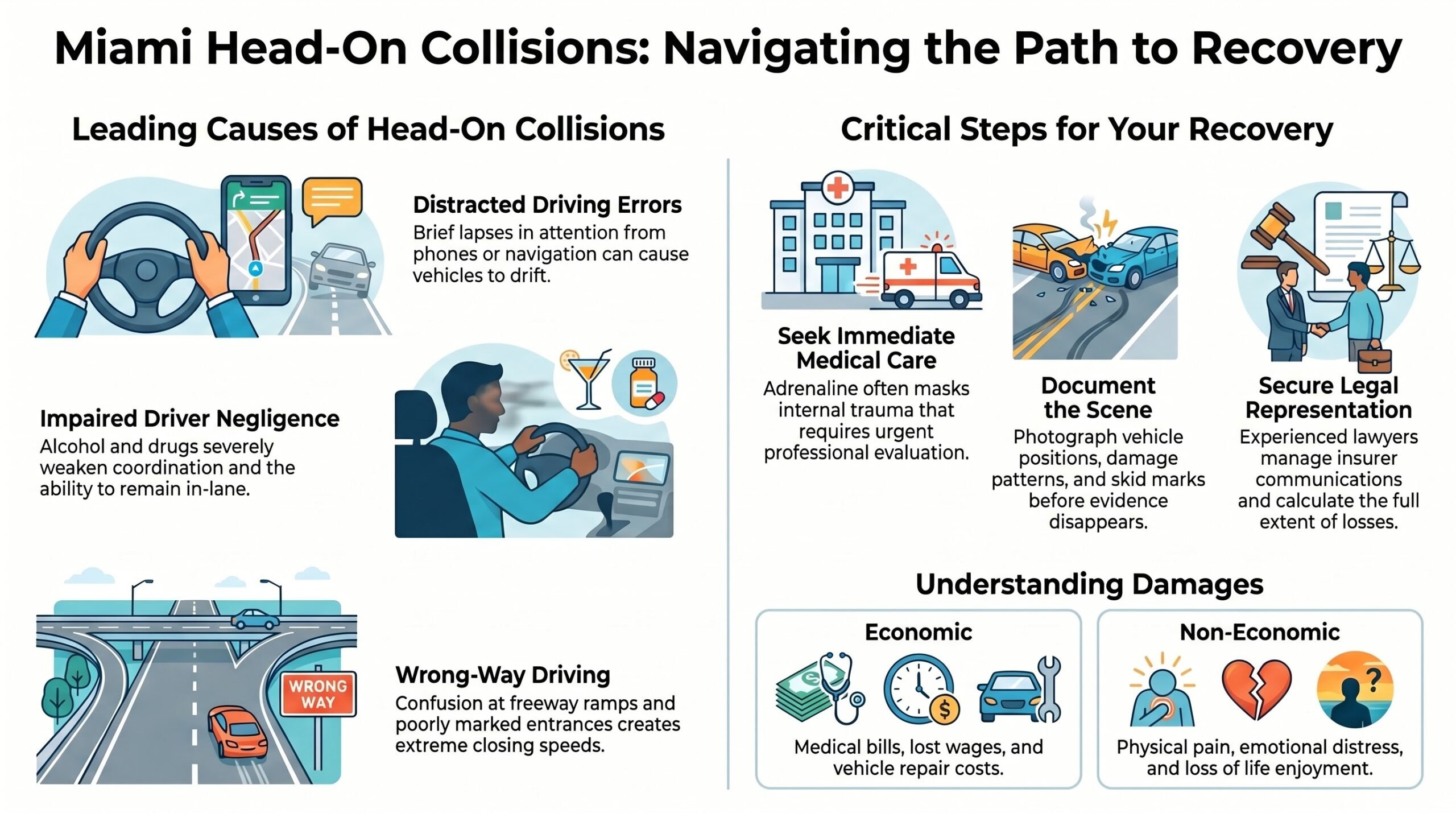
Distracted Driving Errors
Distracted driving remains one of the most frequent causes of head-on collisions in Miami, because even a brief lapse in attention can cause a vehicle to drift across the center line or enter opposing traffic. Common errors include phone distraction, visual distraction from navigation screens, eating, adjusting controls, or speaking with passengers. When attention shifts away from the roadway, drivers may miss curves, changing traffic conditions, or lane markings that protect everyone nearby.
For families, neighbors, and first responders committed to protecting others, this cause of injury highlights the importance of attentive driving habits. Responsible motorists reduce risk by setting devices aside, preparing directions before travel, and keeping their focus on surrounding vehicles. In community-centered safety efforts, preventing distraction helps preserve lives and supports safer streets for all Miami road users.
Wrong-Way Driving
Another serious cause of head-on collisions in Miami is wrong-way driving, which occurs when a motorist enters or continues in a lane designated for opposing traffic. These events often arise near freeway ramps, divided roads, intersections, and poorly marked entrances, where confusion can place approaching drivers in immediate danger.
Wrong-way incidents may also stem from fatigue, unfamiliar routes, panic, or failure to observe traffic control devices. Because the closing speeds are extreme, victims often suffer catastrophic harm before evasive action is possible. Effective highway prevention measures include clearer signage, improved lighting, reflective pavement markings, median barriers, and ramp design changes that guide drivers safely.
Public agencies, transportation planners, and community advocates each serve an important role in reducing these preventable collisions and protecting everyone who depends on Miami roads daily.
Impaired Driver Negligence
Impairment remains one of the most dangerous causes of head-on collisions in Miami, because alcohol and drugs can severely weaken judgment, reaction time, coordination, and the ability to remain in the proper lane. Drivers affected by alcohol impairment may drift across the center line, misjudge speed, or fail to respond to roadway hazards in time.
Negligence also arises when motorists operate vehicles after using illegal substances or engaging in prescription misuse. Even medications taken lawfully can create drowsiness, confusion, or delayed reactions that place others at risk.
In service to community safety, it is important to recognize that impaired driving is preventable and often reflects a conscious disregard for the welfare of other road users. When such conduct causes a head-on collision, the consequences can be devastating for victims and their families.
Unsafe Passing Maneuvers
Unsafe passing moves also contribute markedly to head-on collisions in Miami, particularly on roads where limited visibility, heavy traffic, or driver impatience increases the risk of crossing into opposing lanes. When motorists attempt unsafe passing near curves, intersections, or congested stretches, they may misjudge distance, speed, or the presence of oncoming vehicles.
A blind shoulder, obstructed sightlines, or sudden lane changes can further reduce reaction time and create devastating consequences for families and other community members. In many cases, these crashes reflect a failure to exercise patience, caution, and regard for others’ safety. Careful investigation often considers roadway markings, witness accounts, and vehicle positions to determine liability. Addressing unsafe passing through accountability and education helps protect the public and supports a safer Miami for everyone.


Legal Rights of Miami Head-On Collision Injury Victims
When a head-on collision occurs in Miami, the injured party may have the legal right to pursue compensation from the driver or other liable parties whose negligence caused the crash. Florida law may allow recovery for medical costs, lost income, property damage, pain and suffering, and other related losses.
In some cases, claims may also involve uninsured motorists, employers, vehicle owners, or product manufacturers.
- The right to prove negligence through evidence
- The right to seek damages from multiple parties
- The right to insurance benefits under applicable policies
- The right to respectful Victim advocacy during the legal process
- The right to understand possible Compensation caps affecting recovery
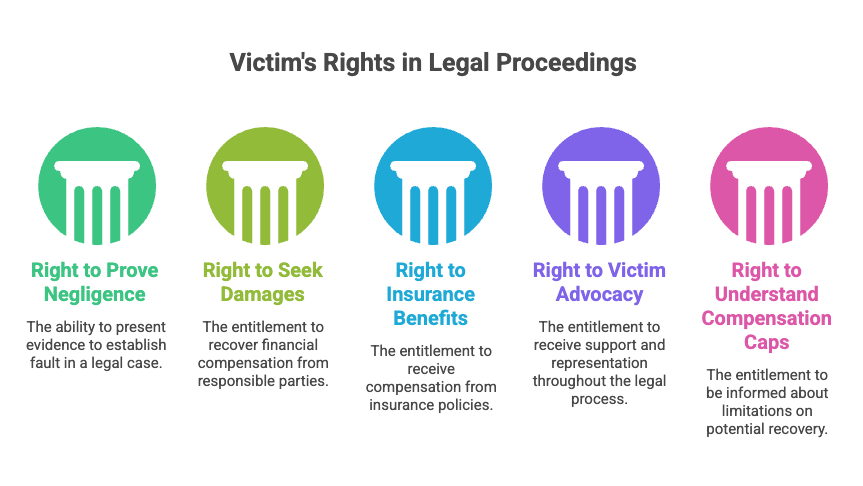
These legal protections help injured individuals and families pursue accountability while preserving dignity and service to others. A careful legal review may clarify available claims, filing deadlines, comparative fault issues, and the full scope of recoverable damages under Miami and Florida law. Such guidance may support fair and lawful financial recovery.
Steps to Take After a Miami Head-On Collision Injury
After a Miami head-on collision, prompt medical attention is crucial to identify injuries and create a clear record of treatment. It is also important to document the crash scene by preserving photographs, witness information, and any other available evidence. Early contact with a Miami lawyer can help protect legal interests and support an informed response to the accident’s consequences.
Seek Immediate Medical Care
In the minutes following a head-on collision, prompt medical evaluation should be treated as a priority, even if injuries do not appear severe at first. Adrenaline often masks pain, while internal trauma, concussions, and soft tissue damage may worsen without immediate attention from trained professionals.
An urgent evaluation can identify hidden injuries, stabilize serious conditions, and create a timely record of symptoms and treatment. Emergency responders, physicians, and experts may recommend imaging, medication, therapy, or observation based on the person’s condition.
Care should continue after the initial visit, because recovery often depends on careful monitoring and follow-up appointments. By seeking care without delay, injured individuals protect their health, support those who may rely on them, and place themselves in a stronger position for long-term recovery and stability.
Document The Crash Scene
Documenting the scene should begin as soon as conditions are safe, because the physical evidence present immediately following a head-on collision may later disappear or change. If able, a person should photograph evidence from multiple angles, including vehicle positions, damage patterns, road conditions, traffic signs, and visible injuries. Images should also capture weather, lighting, and debris fields that may explain how the collision occurred.
Witness names and contact information should be gathered respectfully, since their observations may help protect everyone involved. Notes should record the time, location, direction of travel, and statements made at the scene. When possible, efforts should preserve skidmarks, broken parts, and other roadway markings by avoiding unnecessary movement around them. Careful documentation supports accountability, assists investigators, and honors the responsibility to seek truth after harm.
Contact A Miami Lawyer
At the earliest practical opportunity, a Miami lawyer should be contacted to protect legal rights and guide the next steps following a head-on collision injury. Prompt legal counsel helps preserve evidence, manage insurer communications, and reduce mistakes that could affect a future claim. An attorney can also assess liability, explain available remedies, and identify deadlines that require timely action.
A reputable firm often offers a free consultation, allowing injured individuals and families to understand options without immediate financial pressure. During that meeting, the lawyer may review medical records, police reports, witness information, and photographs from the scene.
A clear discussion of the fee structure is equally important because transparency supports informed decisions and responsible planning. Early legal support can strengthen a claim and promote fair recovery for those harmed and those they serve.
How a Miami Head-On Collision Injury Lawyer Can Help You
Find your way through the aftermath of a serious crash with guidance from a Miami head-on collision injury lawyer, who can evaluate the facts of the accident, identify potentially liable parties, and explain the legal options available under Florida law. Counsel often supports families and caregivers by coordinating evidence, post-crash counseling referrals, and medical liens negotiation, while protecting the injured person’s interests throughout the claims process.
A lawyer may assist by:
- Investigating police reports, witness statements, and roadway evidence
- Calculating medical costs, lost income, and other recoverable damages
- Managing insurer communications and settlement demands
- Addressing filing deadlines and court requirements under Florida rules
- Preparing a case for trial when fair compensation is not offered
This representation allows injured people to focus on recovery and service to loved ones, while legal counsel pursues accountability. With careful case management, a lawyer can reduce administrative burdens and present a clear, credible claim on the client’s behalf.
Long-Term Effects of Miami Head-On Collision Injuries
Head-on collisions in Miami can produce injuries that continue to affect an individual long after the initial emergency has passed. Common long-term consequences include chronic pain complications, lasting brain trauma, and emotional recovery challenges that interfere with daily function, employment, and overall quality of life. These effects often require extensive medical care and careful legal evaluation when pursuing compensation for ongoing losses.
Chronic Pain Complications
Persistence often defines chronic pain after a Miami head-on collision, as symptoms may continue long after fractures, soft tissue injuries, or spinal trauma appear to have healed. Some individuals experience chronic discomfort that limits mobility, interrupts sleep, and reduces the ability to work, care for family, or participate in community responsibilities.
These complications often require ongoing pain management, including medication, physical therapy, interventional treatment, and careful activity modification. Persistent pain may also contribute to fatigue, irritability, and reduced independence, creating burdens that extend beyond the injured person to those who support daily needs.
Medical providers typically assess functional limitations, symptom patterns, and treatment response over time. Thorough documentation can help families, advocates, and legal representatives understand the full impact of injury-related pain and pursue resources that support long-term recovery and stability.
Lasting Brain Trauma
Beyond chronic pain, long-term brain trauma can alter nearly every aspect of daily functioning after a Miami head-on collision. Survivors may experience persistent post-concussion symptoms, including poor concentration, slowed processing, memory loss, headaches, dizziness, and sensory sensitivity. These impairments often limit safe driving, consistent employment, household management, and reliable care for others.
Medical providers frequently recommend ongoing neurological evaluation, structured therapy, and cognitive rehabilitation to strengthen attention, organization, and problem-solving skills. Some individuals require speech therapy or occupational support to relearn routine tasks and adapt to lasting deficits.
Because symptoms can fluctuate, families, caregivers, and community advocates often play an important role in coordinating treatment, monitoring progress, and preserving dignity. Early documentation also helps clarify the true long-term impact of the collision.
Emotional Recovery Challenges
Adjusting emotionally after a Miami head-on collision can be as difficult as managing the physical injuries themselves. Survivors often experience persistent anxiety, depression, sleep disruption, and fear of travel, all of which may interfere with work, family roles, and community service.
Emotional recovery frequently requires structured support, not mere passage of time. Some individuals benefit from grief counseling as they process the loss of health, independence, or the death of a loved one. Others need ongoing therapy to mend mental resilience and restore confidence in daily routines.
Caregivers and family members may also face secondary trauma, creating additional strain within the household. Early recognition of emotional distress can improve long-term outcomes and help injured people remain engaged in treatment, relationships, and meaningful efforts to serve others with steadiness and compassion.
Proving Liability in Miami Head-On Collision Injury Cases
Establishing liability in a Miami head-on collision case requires a careful review of how the crash occurred, what each driver did in the moments before impact, and whether any traffic laws were violated. Courts and legal advocates often examine police reports, roadway markings, vehicle damage, and scene photographs to determine fault accurately and fairly.
They may also assess witness credibility, because reliable testimony can clarify lane position, speed, distraction, or impaired driving before the collision. In more intricate matters, accident reconstruction helps explain angles of impact, braking patterns, and movement across the center line. Phone records, surveillance footage, and event data recorders may further support a clear timeline.
When public safety is a shared priority, proving liability serves more than one injured person. It can also help identify dangerous conduct, encourage accountability, and support safer choices on Miami roads. A thorough investigation consequently remains vital to any well-supported head-on collision injury claim and community protection.
Dealing With Insurance Companies After a Miami Head-On Collision Injury
Many injured motorists find that dealings with insurance companies become one of the most difficult parts of a Miami head-on collision claim. Adjusters may request recorded statements, broad medical authorizations, or quick settlements before the full extent of injuries is known. Careful communication helps protect accuracy, preserves dignity, and prevents avoidable harm to a family already under strain.
A disciplined approach often supports fair treatment. Documentation of symptoms, treatment recommendations, wage loss, and repair estimates can strengthen claim negotiation and reduce opportunities for an insurer to minimize losses. Attention should also be given to policy limits, comparative fault arguments, and efforts to shift blame.
When treatment has been funded by providers, health plans, or government benefits, medical liens may affect the amount ultimately received. Thoughtful legal guidance can help review settlement offers, address lien issues, and encourage a resolution that better supports recovery, stability, and the ability to continue serving loved ones and the broader community.
What to Expect During a Miami Head-On Collision Injury Claim Process
A Miami head-on collision injury claim typically begins with an initial case evaluation, during which the facts, injuries, and potential legal options are assessed. The process then turns to gathering evidence and establishing liability, followed by insurance claim negotiations aimed at securing fair compensation for the losses involved. If a reasonable resolution cannot be reached, the claim may proceed to settlement discussions in earnest or, when necessary, to trial.
Initial Case Evaluation
At the outset of a Miami head-on collision injury claim, the initial case evaluation generally focuses on whether the available facts support liability, causation, and recoverable damages under Florida law. During this stage, counsel typically reviews the collision timeline, injury history, insurance information, and immediate treatment details to determine whether the matter warrants further action. Particular attention is often given to medical records because they help clarify the nature, extent, and progression of injuries.
Attorneys also commonly address privacy concerns, explaining how personal health and financial information may be requested, stored, and used throughout the course of the claim. This early assessment helps injured individuals and families make informed decisions, seek appropriate support, and proceed in ways that respect both their legal interests and their desire to protect the well-being of others.
Evidence And Liability
Several forms of evidence typically shape the liability analysis in a Miami head-on collision injury claim, and the process often begins with a close review of how the crash occurred and which driver breached a legal duty of care. Police reports, photographs, roadway markings, surveillance footage, vehicle damage, and witness statements may all help clarify events and support an accurate account.
Medical records can connect the collision to specific injuries, while black box data and forensic reconstruction may reveal speed, braking, lane position, and impact angles. Attorneys may also examine whether distraction, impairment, fatigue, or unsafe passing contributed to the crash. Because Florida applies comparative negligence, liability is not always assigned to a single party. A careful evaluation of evidence helps protect injured people and promotes a fair, service-centered pursuit of accountability.
Insurance Claim Negotiations
Expect insurance claim negotiations to begin soon after a head-on collision in Miami, often once medical treatment is underway and basic evidence has been gathered. Insurers usually request records, repair estimates, witness statements, and proof of lost income before discussing value.
During this stage, adjusters often examine fault, injury severity, and available policy limits. They may question treatment timelines or argue that certain losses are unrelated, which can reduce offers. Careful documentation helps protect the injured person and supports a fair presentation of damages. If an insurer delays unreasonably, misrepresents coverage, or ignores clear evidence, those actions may suggest bad faith.
Throughout negotiations, advocates who serve others focus on accuracy, dignity, and accountability, helping families understand communications, respond appropriately, and preserve the strength of the claim while recovery continues.
Settlement Or Trial
When negotiations do not produce a fair resolution, a Miami head-on collision injury claim may proceed toward settlement discussions with firmer structure or, in some cases, trial. Attorneys may exchange final evidence, carefully assess damages, and advise on whether a structured agreement would better protect the injured person and family.
If a trial becomes necessary, preparation usually intensifies. Counsel organizes witnesses, medical records, and expert testimony, while developing jury strategies that present liability and harm clearly and respectfully. The court may require mediation first, yet unresolved disputes move toward jury selection, opening statements, and verdict.
Throughout this stage, legal representatives often explain timelines, costs, and risks so clients can make informed choices that honor both recovery and accountability. After judgment, post-trial motions and appeal options may remain available if significant legal errors affected the outcome.
Compensation for Miami Head-On Collision Injury Damages
Justice often depends on a clear accounting of the losses caused by a head-on collision. In Miami injury claims, compensation is intended to restore stability, address treatment needs, and recognize the full effect of the crash on the injured person and the household. Careful documentation, timely reporting, and credible professional opinions often shape the amount pursued.
An attorney commonly reviews hospital records, rehabilitation plans, wage information, and insurance terms to calculate a fair demand. That process may also consider future care, reduced earning capacity, property loss, and the resolution of medical liens, all of which can affect a final recovery. In cases involving extreme recklessness, punitive damages may be examined under Florida law, though they are not available in every claim. Strong legal guidance helps make certain insurers do not minimize serious harm or unfairly shift blame. A disciplined approach to compensation can support accountability, protect family resources, and serve the broader interest of community safety.
Economic vs Non-Economic Damages in Miami Head-On Collision Cases
In Miami head-on collision cases, damages are generally divided into economic and non-economic categories, each serving a distinct purpose in measuring loss. Economic damages often include medical expenses, lost income, rehabilitation costs, and other tangible financial losses, while non-economic damages may address pain and suffering, emotional distress, and loss of enjoyment of life. Establishing the value of either category typically requires records, expert opinions, and other evidence that connects the collision to the claimed harm.
Economic Damage Categories
Beyond the immediate physical injuries, head-on collision claims in Miami often turn on a careful distinction between economic and non-economic damages. Economic damages address measurable financial losses that can be documented through bills, records, and expert evaluation. These categories commonly include emergency care, hospitalization, surgery, rehabilitation, medication, and anticipated future treatment tied to the crash.
They also include lost wages when an injured person cannot return to work, as well as reduced earning capacity if long-term limitations affect future employment. In addition, property damage covers vehicle repair or replacement and other personal items harmed in the collision.
Transportation costs, household assistance, and out-of-pocket medical expenses may also qualify. Careful documentation of each category helps families pursue accountability while securing resources needed to support recovery and continued service to others.
Non-Economic Loss Examples
Unlike economic damages, non-economic losses compensate for the human consequences of a head-on collision in Miami that do not appear on invoices or wage records. These harms often include physical pain, emotional distress, anxiety, depression, disfigurement, disability, and loss of enjoyment of daily activities.
They may also reflect strained family relationships, reduced companionship, sleep disruption, and the inability to participate in service, caregiving, faith, or community roles. In severe cases, life changes can include diminished independence, ongoing trauma, or the loss of dignity associated with permanent impairment.
Although pain valuation is a recognized concept in injury law, non-economic losses are best understood as the deeply personal effects of injury on a person’s well-being and capacity to live meaningfully. This category acknowledges suffering that compassionate communities readily recognize, even when no receipt exists.
Proving Damage Value
Valuation of damages in a Miami head-on collision case depends on credible evidence that connects the crash to both measurable financial loss and the broader personal harm that follows. Economic damages are commonly proven through medical bills, wage records, repair estimates, and expert testimony concerning future treatment needs. When injuries interfere with long-term employment, vocational analysis and forensic valuation may help show diminished earning power with greater accuracy. Non-economic damages require a different evidentiary approach.
Medical narratives, mental health records, photographs, and testimony from family members can illustrate pain, emotional distress, and reduced quality of life. Courts and insurers often compare the severity, duration, and permanence of injuries when assigning value. Careful documentation allows advocates to present a clear, service-minded case that reflects both present losses and ongoing human consequences.
When a Miami Head-On Collision Injury Case Goes to Trial vs Settlement
When does a Miami head-on collision injury case proceed to trial rather than resolve through settlement? A case usually settles when liability is clear, damages are well documented, and the insurer offers compensation that reasonably addresses medical losses, income disruption, and future care needs. Trial becomes more likely when fault is disputed, injuries are challenged, or the defense minimizes long-term harm. In that setting, counsel evaluates the strength of the evidence, witness credibility, and likely jury dynamics.
Settlement can protect resources, reduce stress, and deliver support sooner to injured people and their families. Trial, however, may better serve justice when an insurer refuses to pay fair value or ignores compelling evidence. Although plea bargaining belongs to criminal matters, some people use the phrase loosely when discussing negotiated resolutions.
In civil injury litigation, the proper focus is on strategic settlement negotiation rather than courtroom presentation. Each path depends on facts, community impact, and a disciplined assessment of risk, cost, timing, and recoverability.
The Statute of Limitations for Miami Head-On Collision Injury Cases
In Miami head-on collision injury cases, the statute of limitations sets the legal deadline for filing a lawsuit, and missing that deadline can bar recovery regardless of how serious the injuries may be. Florida law generally provides a limited period to bring personal injury claims, so careful attention to filing deadlines is vital for protecting the ability to seek compensation.
Several nuances of the statute can affect how the deadline is calculated. The date of the crash usually starts the clock, but exceptions may apply in wrongful death matters, claims involving minors, or situations where an at-fault party cannot be readily located. Courts expect strict compliance, and insurers may use any delay to challenge a claim.
For individuals focused on supporting injured family members and restoring stability, understanding these time limits helps preserve legal options. Prompt recordkeeping, organized medical documentation, and awareness of procedural requirements can make a meaningful difference when accountability and financial recovery are at stake later.
When to Contact a Miami Head-On Collision Injury Lawyer
Recognizing the right time to seek legal guidance after a head-on collision can materially affect the strength of a claim and the ability to preserve essential evidence. Prompt contact is often advisable when injuries require emergency care, liability is disputed, or insurers request statements soon after the crash. Early legal review can help organize records, identify witnesses, and protect information that may later support recovery.
A lawyer should also be contacted when ongoing symptoms create uncertainty about diagnosis, treatment needs, or medical follow-up. Timely guidance may assist with documenting losses, coordinating communication, and avoiding missteps that could weaken a case.
Consultation is also prudent when missed work, vehicle damage, and household obligations begin to disrupt financial planning. Families focused on serving loved ones and their broader community often benefit from addressing these issues early, enabling them to make informed decisions, preserve stability, and respond responsibly during a difficult recovery period following trauma.
Why You Need an Experienced Miami Head-On Collision Injury Lawyer
Early consultation often helps preserve a claim, but the value of representation also depends on the lawyer’s experience with the particular demands of head-on collision cases. These crashes commonly involve severe injuries, disputed liability, and extensive losses that require disciplined case development from the start.
An experienced Miami head-on collision injury lawyer understands how to gather black box data, roadway evidence, witness statements, and medical proof before crucial details are lost. That background also supports effective communication with insurers that may minimize harm or shift blame. Strong Victim advocacy matters because injured people and their families often need guidance that protects both dignity and long-term recovery.
Experience also strengthens the trial strategy. When settlement negotiations fail, a lawyer with courtroom preparation can present liability and damages clearly and credibly. This level of representation helps pursue full compensation, promote accountability, and support families seeking stability after a devastating collision and renewed peace.
How to Choose the Right Miami Head-On Collision Injury Lawyer for Your Case
For families facing the aftermath of a catastrophic crash, choosing the right Miami head-on collision injury lawyer requires careful attention to qualifications, case focus, and professional judgment. A careful review should begin with the attorney’s experience handling severe collision claims, courtroom readiness, and record of negotiating meaningful settlements for injured people.
Prospective clients should compare lawyers through research, referrals, and client interviews that reveal communication style, responsiveness, and respect for the family’s goals. It is wise to ask how the lawyer investigates liability, works with medical experts, and prepares cases for trial when insurers refuse fair compensation. Transparency also matters.
Clear explanations of fee structures, litigation costs, and expected timelines help families make informed decisions without added stress. A strong choice often reflects not only legal skill, but also steady guidance, ethical standards, and a commitment to pursuing results that support recovery, accountability, and long-term stability for those affected by serious crashes.
About The Law Offices of Anidjar & Levine
Among firms serving injured people in South Florida, The Law Offices of Anidjar & Levine is known for representing clients in serious motor vehicle accident claims, including head-on collision cases that often involve extensive medical treatment and substantial financial loss.
The firm’s history reflects a sustained commitment to helping injured individuals pursue accountability and fair compensation through attentive legal advocacy and practical guidance.
Its attorneys and staff are recognized for maintaining communication, assisting with case management, and addressing concerns that arise during recovery.
In head-on collision matters, the firm evaluates liability, gathers evidence, and pursues damages for medical expenses, lost income, and pain and suffering.
This approach reflects service to clients and their families during difficult periods.
Client testimonials often describe responsiveness, professionalism, and a willingness to shoulder legal burdens so injured people can focus on recuperation.
For those seeking representation in Miami, the firm presents itself as a steady resource grounded in experience, preparation, and client-centered support.
Frequently Asked Questions
Can Weather Conditions Affect Head-On Collision Claims in Miami?
Yes, weather conditions can materially affect head-on collision claims in Miami. Adverse visibility, heavy rain, and road slickness may influence how the fault is evaluated, because drivers are expected to adjust speed, following distance, and caution to existing conditions. Insurers and courts often examine whether reasonable care was exercised despite the weather. Even when conditions contribute, a negligent driver may still remain liable for preventable harm caused to others.
Are Rental Car Accidents Handled Differently in Head-On Collision Cases?
Yes, rental car accidents are often handled differently in head-on collision cases because rental liability, contract terms, and multiple insurance policies may affect responsibility. An attorney typically examines the driver’s coverage, the rental company’s protections, and any third-party claims. Insurer disputes are also more common, especially when policies overlap or exclusions apply. Careful review helps injured parties protect their rights, pursue fair compensation, and continue serving their families and communities.
Can Tourists File a Miami Head-On Collision Injury Claim?
Yes, tourists can file a head-on collision injury claim in Miami if another party’s negligence caused harm. Florida law generally permits nonresidents to seek compensation for medical costs, lost income, and related damages. Tourist immunity does not bar a valid civil claim, though jurisdictional and insurance issues may affect procedure. Consular assistance may help foreign visitors obtain records, translation support, and communication resources while protecting their legal interests after the collision.
What if a Head-On Collision Involved an Uninsured Driver?
If a head-on collision involved an uninsured driver, the injured party may still pursue financial recovery through uninsured motorist coverage, personal injury protection, and other available insurance benefits. A careful review of the policy, medical records, and crash evidence is often crucial. If coverage disputes arise, legal counsel can help protect the claim, identify additional sources of compensation, and support the injured person’s ability to obtain needed care and stability.
Do Dashcams Help in Miami Head-On Collision Injury Cases?
Yes, dashcams often help in Miami head-on collision injury cases by preserving objective dashcam evidence of vehicle position, speed, signals, and impact sequence. Such footage can support witness accounts, clarify fault, and strengthen insurance or court presentations made on behalf of injured people. However, privacy concerns may affect how recordings are shared or admitted, especially when audio or bystanders are involved. Timely preservation and legal review generally improve the footage’s usefulness.
—————————
A Miami head-on collision can leave victims facing severe injuries, financial strain, and difficult legal questions.
By understanding their rights, preserving evidence, and seeking timely legal guidance from a Miami Car Accident Attorney, injured individuals can better protect their interests.
Experienced counsel can evaluate liability, address insurer tactics, and pursue fair compensation for medical costs, lost income, and other damages.
Anidjar & Levine provides focused representation for those steering the aftermath of a serious Miami head-on collision injury claim.