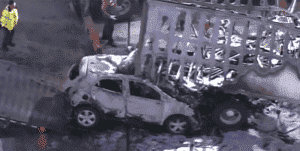
The Law Offices of Anidjar and Levine assists victims by preserving evidence, coordinating medical records, and building proof that links the collision to cognitive, physical, and financial harm.
Counsel manages insurer communications, addresses tactics that downplay evolving symptoms, and pursues compensation for treatment, lost income, diminished earning capacity, and pain.
Because head injuries may worsen over time and may not appear clearly on early scans, informed legal guidance from a Miami Car Accident Lawyer can be crucial.
The sections below explain the process.
Main Takeaways
- A Miami head injury car accident lawyer investigates the crash, preserves evidence, and builds proof linking the collision to the brain injury.
- Legal counsel manages insurer communications, counters efforts to downplay symptoms, and pursues compensation based on documented medical and financial losses.
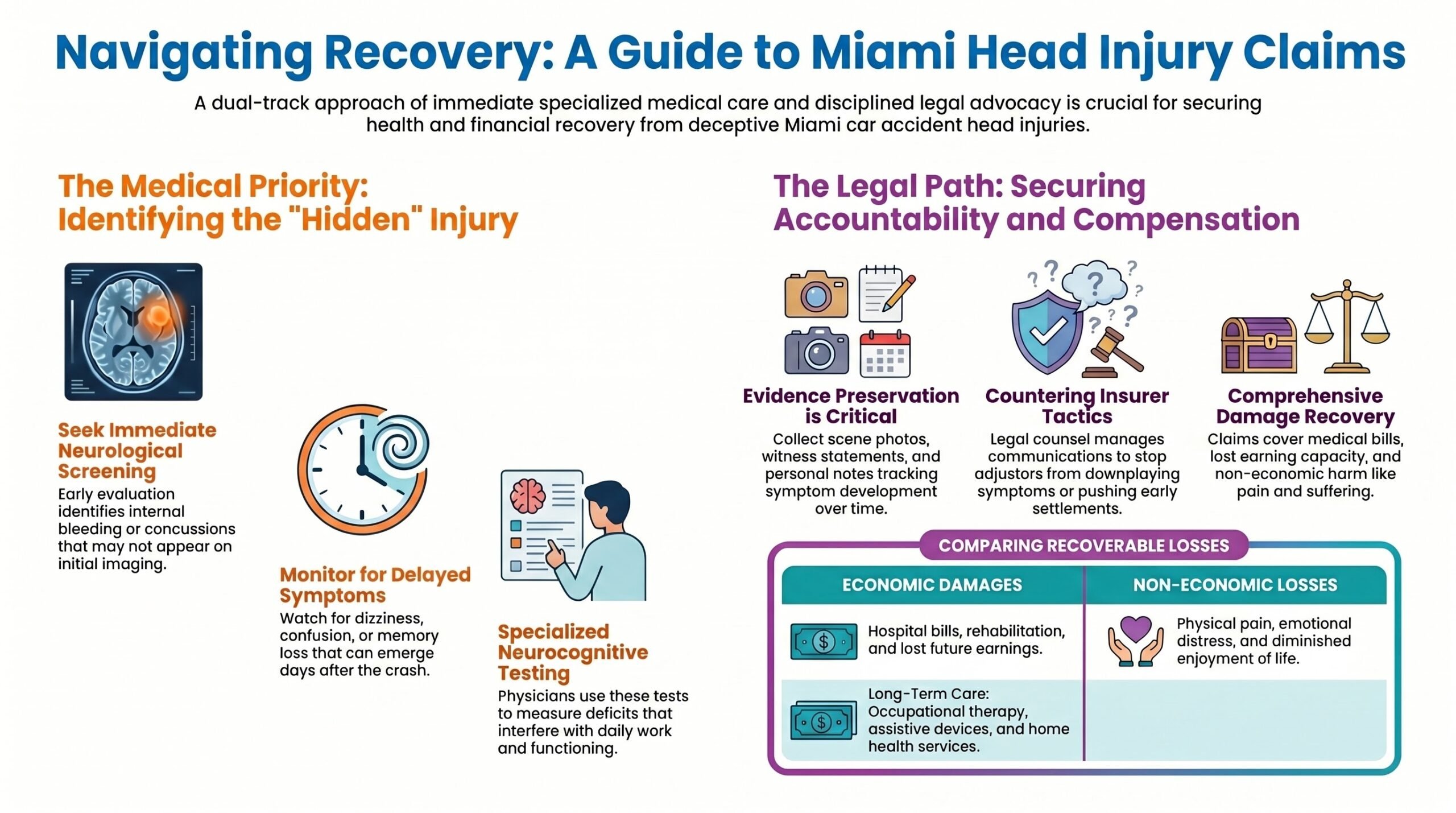
- Early medical evaluation is critical because head injury symptoms can worsen over time and may not appear on initial imaging scans.
- Strong claims rely on organized records, witness statements, imaging, neurocognitive testing, and expert opinions showing long-term functional limitations.
- A lawyer guides the claim through negotiation or trial while aligning legal strategy with treatment needs, recovery progress, and future care concerns.
How We Can Help With Your Miami Head Injury Car Accident Injury Claim
After a serious collision, a Miami head injury car accident lawyer can provide structured guidance from the outset of the claim. Counsel may organize records, preserve evidence, coordinate communications, and protect the injured person from avoidable missteps. This support helps families focus on recovery and service to one another during a difficult period.


Representation often includes careful client counseling, so decisions reflect medical needs, financial pressures, and long-term goals. An attorney may gather documentation, consult appropriate professionals, assess insurance issues, and prepare a clear demand supported by credible proof. If negotiations begin, a thoughtful settlement strategy can advance fair resolution while reducing unnecessary delay. When insurers resist, counsel may continue building the claim for formal proceedings and maintain steady communication throughout.
By handling deadlines, correspondence, and case planning with discipline, legal counsel provides dependable assistance that honors the client’s circumstances and promotes an orderly path toward accountability and meaningful financial recovery.
Understanding Miami Head Injury Car Accident Injury Cases
OUR CONSULTATIONSARE FREE
START YOUR FREE CASE REVIEW

Examine the nature of these claims, and a clearer picture emerges of why Miami head injury car accident cases demand careful factual and medical review. These matters often involve symptoms that appear modest at first yet worsen over time, affecting memory, concentration, sleep, mood, and the ability to work or care for others.
A proper evaluation usually depends on timely records, witness accounts, imaging, and expert opinions. Because some traumatic brain injuries do not show clearly on initial scans, physicians may recommend neurocognitive testing to measure deficits that interfere with daily functioning. Legal review then focuses on linking those findings to the collision, documenting treatment needs, and explaining how the injury changed the person’s routine and future prospects. In many cases, concussion recovery is uneven, requiring ongoing monitoring, therapy, and accommodations.
A disciplined presentation of evidence helps families, insurers, and courts understand the full human and financial impact involved for everyone affected.
Common Causes of Miami Head Injury Car Accident


Several recurring collision types and driver behaviors are frequently linked to head injuries in Miami car accidents. These often include distracted driving crashes, speeding and reckless driving, and impaired operation caused by alcohol or drugs, all of which increase the force and unpredictability of impact. Rear-end and T-bone collisions also remain significant causes, as they commonly produce the sudden trauma that can result in serious head injuries.
Distracted Driving Crashes
Distracted driving remains one of the leading causes of serious car accidents in Miami, often leaving victims with traumatic head injuries that require extensive medical care. These crashes often occur when drivers divide their attention among texting, pedestrians at intersections, in-car infotainment systems, roadside billboards, or passenger distractions. Even a brief lapse can prevent timely braking, lane awareness, or recognition of changing traffic conditions.
Communities committed to protecting others should understand how preventable these collisions can be through attentive driving and safer habits. When distraction causes a crash, injured individuals may face concussions, skull fractures, or lasting cognitive impairment that affects work, family life, and independence. Careful investigation of driver behavior, phone records, and witness statements often helps establish responsibility and supports the recovery process for those harmed.
Speeding And Reckless Driving
Accelerating beyond posted limits and engaging in reckless maneuvers greatly increases the likelihood of severe Miami car accidents that result in head injuries. Excessive speeding reduces reaction time, lengthens stopping distance, and intensifies the force of impact, often causing traumatic brain injuries, concussions, and skull fractures.
Reckless conduct, including aggressive weaving, sudden lane changes, tailgating, and ignoring traffic signals, places every nearby driver, passenger, cyclist, and pedestrian at greater risk. Such behavior undermines the shared responsibility that keeps roadways safer for the community. When a collision occurs at high speed, victims may face long recovery periods, costly treatment, and lasting cognitive or physical limitations. Careful legal review can help injured individuals and families understand whether negligent speeding or reckless driving contributed to the crash and the resulting head trauma sustained.
Drunk Or Drugged Driving
Impairment caused by alcohol or drugs is another major factor in Miami car accidents that lead to serious head injuries. When a driver operates a vehicle while intoxicated, slowed reactions, reduced coordination, and impaired judgment can prevent safe decisions in changing traffic conditions. These failures often place innocent people at risk and create lasting harm for families and communities.
In these cases, careful investigation is vital to protect those affected and to promote accountability. Evidence may include officer observations, witness statements, medical records, and substance test results obtained after the crash. Prescription medications, illegal drugs, and alcohol can each contribute to dangerous impairment, even when effects are underestimated. A thorough legal review helps identify negligence, preserve crucial evidence, and support injured individuals seeking resources for treatment, rehabilitation, and long-term care.
Rear-End And T-Bone Collisions
In Miami traffic, rear-end and T-bone collisions are frequent crash types that often produce serious head injuries. A rear-end impact may seem minor, yet the rapid forward and backward motion can cause the brain to strike the skull, leading to concussion, bleeding, or lasting cognitive symptoms. A t-bone crash is often more severe because side protection is limited, exposing occupants to direct force.
These collisions commonly occur at congested intersections, during sudden stops, or when drivers fail to yield. Victims may require immediate medical evaluation even if symptoms appear delayed. Those who serve injured people should recognize that prompt treatment, careful documentation, and informed legal guidance can protect recovery and accountability. Understanding how these crashes cause harm helps families respond with care, urgency, and compassion.
Legal Rights of Miami Head Injury Car Accident Injury Victims
Accountability often begins with a clear understanding of the legal protections available after a serious collision. Miami head injury victims generally retain the right to pursue compensation for medical care, lost income, diminished earning capacity, pain, and other measurable losses when another party’s negligence caused the crash. Florida law may also shape claims through insurance rules, comparative fault principles, and, in limited contexts, possible statutory caps.
Courts and insurers often examine whether injury mitigation occurred reasonably after trauma.
- Victims may seek economic and non-economic damages supported by records, expert opinions, and credible testimony.
- Families may hold negligent drivers, employers, vehicle owners, or other responsible entities answerable when facts justify broader liability.
- Survivors facing profound cognitive harm may require legal protection for long-term care planning, guardianship concerns, and future support.
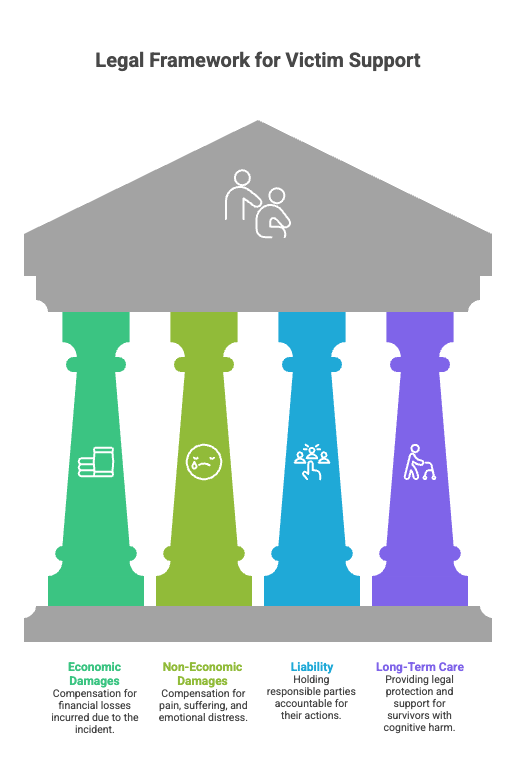
These rights are not merely procedural. They exist to preserve dignity, encourage responsible conduct, and help affected households continue serving their communities with stability and the resources they need.
Steps to Take After a Miami Head Injury Car Accident Injury
After a Miami head injury car accident, certain immediate actions can protect both wellbeing and any future legal claim. Priority is generally given to obtaining prompt medical care and reporting the accident to the appropriate authorities, as these steps establish an early record of the injury and the incident. It is also important to preserve crucial evidence, including photographs, witness information, and medical documentation, because these materials may later support a clear assessment of liability and damages.
Seek Immediate Medical Care
Prioritize immediate medical evaluation, because a head injury sustained in a Miami car accident may appear minor at first while concealing a concussion, internal bleeding, or other serious trauma. Prompt assessment protects health, supports informed caregiving, and creates a clear record of symptoms, treatment, and physician recommendations from the earliest stage.
Emergency care is often warranted when dizziness, vomiting, confusion, headache, vision changes, memory loss, or loss of consciousness appear. Even without dramatic symptoms, a thorough post-accident screening can identify developing complications before they worsen. Diagnostic imaging, neurological checks, and careful observation may guide timely treatment and reduce avoidable harm. After discharge, adherence to medical instructions remains crucial. A telehealth follow-up may help monitor recovery, address new symptoms, and encourage consistent support for the injured person and their household.
Report The Accident
At the scene, the accident should be reported to law enforcement as soon as conditions are safe, because an official report can preserve essential facts about the collision and the parties involved. Prompt notification helps officers document roadway conditions, visible injuries, and initial accounts while memories remain fresh and accurate.
Those assisting an injured person should communicate respectfully, answer questions carefully, and request identifying information for responding officers. A complete report often includes witness statements, which may clarify how the crash occurred and support later insurance discussions. If inaccuracies appear, timely follow-up may help with police report validation and correction procedures. Serving others after a serious crash includes encouraging truthful reporting, cooperation with authorities, and careful attention to official instructions. These steps can strengthen accountability and support an orderly response for everyone affected.
Preserve Critical Evidence
In the immediate aftermath of a collision, preserving vital evidence can materially affect the ability to establish how the crash occurred and whether the head injury was caused or worsened by the impact. Careful scene documentation should include photographs of vehicle damage, skid marks, roadway conditions, visible injuries, and any deployed airbags.
A service-minded response also considers the needs of others involved. Names, contact information, witness statements, and responding officer details should be gathered when possible. Medical records, discharge instructions, and follow-up evaluations should be retained to connect symptoms with the incident. Personal notes describing headaches, dizziness, confusion, or memory problems may help show how the injury developed over time. Proper chain preservation of documents, images, and damaged property can strengthen accountability and support fair recovery for all affected parties.
How a Miami Head Injury Car Accident Injury Lawyer Can Help You
Navigating a head injury claim after a Miami car accident often requires legal guidance, especially when medical evidence, insurance disputes, and questions of liability become difficult to manage. A Miami head injury car accident lawyer helps injured people pursue accountability while protecting their ability to care for their families and meet community responsibilities.
Through careful medical advocacy, counsel can organize records, coordinate with treating providers, and present the injury clearly to insurers.
- The lawyer investigates the crash, secures reports, witness statements, and expert input to build a strong liability case.
- The lawyer oversees insurer communications, counters minimizing tactics, and develops a practical settlement strategy based on documented losses.
- The lawyer explains deadlines, legal options, and court procedures so clients can make informed decisions with confidence.
This support allows those harmed to focus on treatment and daily obligations, while a structured legal approach advances fair compensation and encourages responsible conduct from negligent drivers and insurers.
Long-Term Effects of Miami Head Injury Car Accident Injuries
Head injuries from car accidents in Miami may produce lasting consequences that extend well beyond the initial medical emergency. These effects often include cognitive and memory decline, emotional and behavioral changes, and ongoing physical limitations that interfere with daily functioning and long-term independence. A clear understanding of these potential outcomes is crucial when evaluating the full impact of an injury and the need for continued care.
Cognitive And Memory Decline
Many crash victims with traumatic brain injuries experience cognitive and memory decline that persists long after the initial impact. These impairments may affect attention, processing speed, recall, organization, and the ability to complete familiar tasks safely and consistently. In service-minded families, these limitations often create practical burdens that require patience, structure, and informed support.
Medical providers frequently recommend cognitive screening to identify deficits early and track changes over time. Accurate evaluation helps guide treatment, workplace accommodations, and daily assistance. For some individuals, memory rehabilitation becomes an important part of recovery, using repetition, routines, and compensatory strategies to strengthen function. When these symptoms interfere with employment, education, or independent living, thorough documentation can help demonstrate the lasting consequences of a head injury and the need for appropriate legal and financial support.
Emotional And Behavioral Changes
In the months and years after a serious collision, emotional and behavioral changes may become some of the most disruptive long-term effects of a traumatic brain injury. A previously steady person may begin experiencing mood swings, irritability, anxiety, depression, or poor impulse control, often without fully recognizing the shift.
These changes can strain marriages, parenting, friendships, and workplace relationships, especially when loved ones misinterpret symptoms as intentional conduct rather than injury-related consequences. Social withdrawal is also common, as survivors may feel misunderstood, overwhelmed, or unable to manage ordinary interactions. Families who seek to serve and support an injured relative often benefit from understanding that these responses may reflect neurological harm. Careful documentation, compassionate communication, and appropriate professional evaluation can help protect both the survivor’s well-being and long-term stability.
Ongoing Physical Limitations
Physical limitations often persist long after the emotional and behavioral effects of a traumatic brain injury begin to surface. Survivors of Miami head injury car accidents may experience chronic pain, impaired balance, reduced coordination, and persistent fatigue that interfere with daily responsibilities. These challenges can affect personal care, employment, transportation, and the ability to support family or participate in community service.
Mobility limitations are also common, particularly when headaches, dizziness, neck injuries, or weakness accompany the brain trauma. Some individuals require rehabilitation, assistive devices, or long-term medical supervision to regain basic function. Others face lasting restrictions that diminish independence and place added demands on caregivers. Understanding these physical consequences helps families, advocates, and legal professionals respond with informed compassion, practical planning, and sustained support for those navigating through recovery after severe collisions.
Proving Liability in Miami Head Injury Car Accident Injury Cases
Establishing liability in a Miami head injury car accident case requires clear evidence that another party’s negligence caused the crash and the resulting harm. Attorneys typically gather police reports, witness statements, photographs, surveillance footage, and medical records to connect the collision to the victim’s head trauma. When facts are disputed, expert testimony from accident reconstruction experts, neurologists, or other professionals may clarify how the impact occurred and why the injury is consistent with that event.
Florida law may involve burden shifting in limited circumstances, especially when statutory violations or strong circumstantial evidence support an inference of fault. Even so, the injured person must still present a persuasive, organized case showing duty, breach, causation, and damages. Careful documentation of symptoms, treatment timelines, and functional changes can strengthen the showing. By building a fact-driven record, legal advocates place themselves in a better position to pursue accountability and support the injured person’s long-term recovery and community well-being.
Dealing With Insurance Companies After a Miami Head Injury Car Accident Injury
Once liability evidence begins to take shape, attention often turns to the insurance process, where head injury claims can quickly become complicated. Insurers may request recorded statements, broad medical authorizations, or early conversations that seem routine but can affect how injuries are evaluated. In service-minded communities, careful communication matters because protecting an injured person’s recovery also protects family stability and future caregiving needs.
Head injury cases often involve symptoms that evolve over time, which can influence settlement timing and the insurer’s valuation approach. Adjusters may rely on claim tactics designed to minimize uncertainty in the company’s favor, especially when imaging appears limited or symptoms are not immediately visible. Thorough documentation, consistent treatment, and measured responses can help preserve the full picture of harm. Legal guidance is often valuable when policy language, comparative fault arguments, or pressure to accept an early payment creates confusion. A disciplined approach supports fair treatment while keeping the focus on long-term well-being.
What to Expect During a Miami Head Injury Car Accident Injury Claim Process
A Miami head injury car accident claim often begins with an immediate medical evaluation, which helps protect both the injured person’s recovery and the record of the injury. The process then typically moves through claim investigation steps and insurance negotiation, during which evidence, liability, and damages are carefully assessed. Depending on the strength of the claim and the insurer’s response, the matter may conclude through settlement or proceed to trial.
Immediate Medical Evaluation
In the immediate aftermath of a Miami car accident, prompt medical evaluation is a vital step in both protecting health and supporting a head injury claim. Emergency providers typically follow triage protocols to identify urgent symptoms, stabilize the injured person, and determine whether hospital transport is necessary. A neurological screening may be performed to assess consciousness, memory, balance, vision, and other indicators of traumatic brain injury.
Physicians may order imaging, monitor evolving symptoms, and document all findings in the medical record. This documentation can clarify the relationship between the collision and the injury and guide treatment decisions. Early evaluation also helps injured individuals avoid minimizing symptoms that could place their well-being at risk. For families and caregivers seeking to serve others well, timely medical attention supports recovery, safety, and informed care after a serious accident.
Claim Investigation Steps
Following immediate medical evaluation, attention often turns to how the head injury claim will be examined and supported. Attorneys and support staff typically gather crash reports, medical records, imaging results, and photographs to document how the collision occurred and how the injury has affected daily life and family responsibilities.
The investigation often includes witness interviews, scene review, vehicle inspections, and preservation of electronic data when available. In more complex cases, forensic analysis may be used to link impact forces to the reported symptoms and treatment history. Professionals may also consult neurologists, accident reconstruction experts, and vocational experts to clarify long-term limitations. Throughout this stage, careful organization is vital because accurate evidence can help responsible advocates present a clear account of harm, needs, and future care considerations for others.
Insurance Negotiation Process
Negotiations with the insurance company usually begin once sufficient medical and investigative evidence has been assembled to establish the nature of the head injury, the course of treatment, and the losses resulting from the collision. Representatives then review records, evaluate liability, and measure damages against available coverage.
During this stage, insurers may raise questions, request clarifications, or apply policy tactics designed to limit exposure. A careful response helps protect the injured person’s interests while keeping communications accurate, respectful, and focused on documented needs. Updated medical information, proof of wage loss, and expert input may strengthen the claim. Settlement timelines often depend on treatment progress, the completeness of records, and the insurer’s internal review process. Consistent advocacy and organized documentation can support a fair, service-minded resolution for injured individuals and their families.
Settlement Or Trial
At the point where settlement discussions do not produce an acceptable result, a head injury car accident claim may proceed toward trial, though many cases still resolve before a courtroom decision becomes necessary. Counsel generally prepares evidence, expert testimony, and witness presentations while continuing to evaluate opportunities for a fair resolution that supports the injured person and affected family. Trial preparation often includes evaluating jury dynamics, explaining likely timelines, and organizing medical records that show the extent of cognitive, physical, and emotional harm.
If a verdict is reached, either side may review post-trial options, including motions or an appeal strategy based on legal errors or disputed findings. Throughout this stage, informed guidance helps clients make service-minded decisions, protect long-term recovery needs, and pursue accountability with dignity, patience, and practical focus.
Compensation for Miami Head Injury Car Accident Injury Damages
Accountability often begins with a clear understanding of the damages a head injury victim may be entitled to recover after a Miami car accident. In these cases, compensation seeks to address the full impact of the injury on the person’s health, stability, and ability to continue serving family, work, and community with consistency and dignity.
A careful claim may include hospital care, neurological treatment, rehabilitation, medications, diagnostic testing, and ongoing support needs. It may also consider diminished capacity to work, including lost wages and future earnings, when cognitive or physical limitations interfere with reliable employment. Attorneys and experts often document how symptoms affect concentration, memory, judgment, sleep, and daily functioning.
They may also present evidence supporting pain valuation, especially when headaches, emotional strain, and lasting limitations reduce quality of life. Strong documentation, credible medical opinions, and a disciplined legal strategy help connect the injury to measurable losses and support a fair healing process under Florida law.
Economic vs Non-Economic Damages in Miami Head Injury Car Accident Cases
In Miami head injury car accident cases, damages generally fall into two categories, economic and non-economic, each addressing a different type of loss. Economic damages typically include measurable financial harm, such as medical expenses, lost income, and future treatment costs, while non-economic losses may involve pain and suffering, emotional distress, and diminished quality of life. Proving these damages in Miami often requires medical records, employment documentation, expert opinions, and other evidence that shows both the financial impact and the personal consequences of the injury.
Economic Damage Categories
Several categories of economic damages may arise in a Miami head injury car accident case, each tied to measurable financial losses caused by the collision. These damages commonly include emergency care, hospitalization, diagnostic imaging, specialist visits, rehabilitation, medication, and medically necessary assistive devices. They may also cover transportation for treatment, home health services, and other documented out-of-pocket expenses incurred during recovery.
Economic damages also extend to income-related harm. If the injured person cannot work, compensation may address lost wages during treatment and recovery. When a head injury causes lasting impairment, a claim may include reduced earning capacity and future earnings that are reasonably expected to be lost. In service-oriented legal representation, careful documentation of bills, employment records, and expert evaluations helps present these objective losses accurately and persuasively.
Non-Economic Losses
Beyond medical bills and lost income, a Miami head injury car accident claim may also involve non-economic losses, which compensate for harm that does not appear on invoices or payroll records. These damages address the human consequences of a traumatic brain or head injury, including physical pain, emotional distress, cognitive changes, sleep disruption, and diminished enjoyment of daily life.
In serious cases, the impact on life may extend to strained family relationships, reduced independence, and an inability to participate fully in work, caregiving, ministry, or community service. Because these losses are personal and deeply felt, pain valuation considers the severity, duration, and overall effect on the injured person’s well-being. Non-economic damages recognize that service-minded individuals often measure loss not only by income but also by their diminished capacity to consistently and compassionately help others.
Proving Damages In Miami
Establishing damages in a Miami head injury car accident case requires clear proof of both economic and non-economic harm. Economic damages are usually demonstrated through records of medical expenses, rehabilitation costs, prescription needs, and lost wages during recovery. When a serious brain injury limits long-term work capacity, experts may also evaluate future earning losses and anticipated care needs.
Non-economic damages require persuasive evidence of how the injury changed daily life and the ability to serve family, work, and community. Testimony from physicians, relatives, and caregivers may help demonstrate pain, suffering, emotional distress, cognitive limitations, and loss of enjoyment of normal activities. In Miami, strong documentation, credible witnesses, and consistent treatment histories often make the difference between a disputed case and a fully supported demand for fair recovery.
When a Miami Head Injury Car Accident Injury Case Goes to Trial vs Settlement
How a Miami head injury car accident case proceeds, whether through settlement or trial, depends on the strength of the evidence, the extent of the injury, and the parties’ willingness to resolve the dispute without court intervention. Settlement is often pursued when liability is reasonably clear and medical records, imaging, and witness statements strongly support the injured person’s claim. In many matters, a fair agreement allows resources to be preserved and care needs to be met without prolonged litigation.
Trial becomes more likely when fault is disputed, damages are minimized, or insurers refuse reasonable compensation. In that setting, expert testimony may be needed to explain traumatic brain injuries, future treatment, and lost earning capacity. The process may also involve jury selection, where counsel evaluates potential jurors for fairness and attentiveness. A trial can offer accountability and a fuller presentation of harm, but it also requires more time, expense, and uncertainty for everyone involved in the dispute.
The Statute of Limitations for Miami Head Injury Car Accident Injury Cases
Whether a Miami head injury car accident case resolves through settlement or proceeds to trial, the time allowed to bring a legal claim remains a controlling issue. Florida law sets deadlines for personal injury actions, and missing them can prevent recovery even when injuries are severe and the need for accountability is clear.
For individuals and families focused on helping an injured person recover, understanding the nuances of the statute is crucial. The applicable period may depend on when the crash occurred, the parties involved, and whether related claims include wrongful death or property damage. Courts also recognize limited filing exceptions in certain circumstances, though these are narrowly applied and should not be assumed.
Evidence preservation, medical documentation, and insurance communications often become more difficult over time, which is one reason deadlines are strictly enforced. A timely claim can protect the injured person’s rights, support responsible decision-making, and help ensure that losses are evaluated for their worth rather than barred by delay.
When to Contact a Miami Head Injury Car Accident Injury Lawyer
In the aftermath of a collision, contacting a Miami head injury car accident injury lawyer as early as possible can be an important step in protecting a potential claim. Prompt action often matters when symptoms are delayed, medical records are still being created, and insurers begin requesting statements soon after the event.
Early intervention may be especially appropriate when a person experiences dizziness, confusion, headaches, memory problems, or any other signs of head trauma. It can also be wise to reach out after emergency treatment, after a diagnosis is confirmed, or when questions arise about insurance coverage, lost income, or ongoing care needs. Careful attention to legal timing helps preserve documents, witness information, and other evidence that may become harder to obtain later. For families focused on helping an injured loved one recover and serve their community, timely legal contact can support informed decisions, orderly communication, and a more stable path forward during a difficult period.
Why You Need an Experienced Miami Head Injury Car Accident Injury Lawyer
Prompt contact can help preserve a claim, but the value of that step often depends on the quality of the legal guidance that follows. In head injury cases, experience matters because symptoms may evolve, damages may be disputed, and insurers often minimize long-term consequences that affect families and communities.
An experienced Miami head injury car accident lawyer can connect medical records, expert opinions, and vocational evidence into a clear account of harm. That work supports fair recovery for treatment, lost income, and future care, including access to rehabilitation when cognitive or physical limits interfere with daily service to others. Experienced counsel also recognizes when a crash claim overlaps with medical malpractice concerns, such as delayed diagnosis or improper follow-up after emergency treatment. By identifying all responsible parties and calculating both present and future losses, seasoned representation helps protect the injured person’s stability while preserving resources needed to continue supporting loved ones and contributing meaningfully to the wider community.
How to Choose the Right Miami Head Injury Car Accident Injury Lawyer for Your Case
For a claim involving head trauma, selecting the right Miami head injury car accident lawyer requires careful attention to experience, case focus, and the ability to manage complex medical evidence. The attorney should demonstrate a consistent record in brain injury and vehicle collision matters, along with knowledge of neurologists, imaging records, and long-term care projections.
Prospective clients should evaluate communication practices through Client interviews, asking how the lawyer explains options, responds to concerns, and supports families facing difficult recovery decisions. Reviewing Fee structures is also vital because clear terms help protect household resources and prevent misunderstandings during a demanding period. A careful review of trial readiness, settlement strategy, and access to expert witnesses can further reveal whether the firm is prepared to advocate effectively. Community-minded individuals often value counsel who treats injured people with dignity, respects service-oriented goals, and pursues compensation in a manner that promotes accountability, stability, and proper future care.
About The Law Offices of Anidjar & Levine
After considering the qualities that distinguish effective legal representation in a head injury collision claim, attention naturally turns to the firm itself. The Law Offices of Anidjar & Levine is known in Miami for representing injured individuals with organized advocacy and responsive service. Its approach emphasizes clear communication, practical guidance, and consistent attention to the needs of clients and their families.
The firm’s history reflects a commitment to personal injury representation and a focus on helping people recover stability after serious accidents. In head injury cases, that commitment can matter greatly because victims often require extensive medical care, financial support, and patient legal counsel.
The firm’s attorneys and staff work to carefully build claims, thoroughly document losses, and diligently pursue accountable parties. Client testimonials often describe professionalism, accessibility, and a service-centered mindset that aligns with the values of those who value helping others. Taken collectively, these qualities present a firm, well-prepared team to serve injured Miami residents.
Frequently Asked Questions
Can Pre-Existing Conditions Affect a Head Injury Car Accident Claim?
Yes, pre-existing conditions can affect a head injury car accident claim, but they do not automatically bar recovery. Courts and insurers often examine medical history to determine whether the collision caused a new injury or a pre-existing aggravation of an earlier condition. Clear documentation, consistent treatment, and qualified medical opinions help demonstrate how the accident affected the person’s health, supporting a fair evaluation of damages and responsibility.
Are Children’s Head Injury Claims Handled Differently in Miami Car Accidents?
Yes, children’s head injury claims are handled differently in Miami car accidents. The law generally requires parental consent for settlements, and courts may review agreements to protect the child’s long-term interests. In some cases, statutory guardianship issues arise when a representative must act on the child’s behalf. Medical evaluation, future care needs, and strict procedural safeguards receive closer attention, reflecting a legal duty to serve and protect injured minors carefully.
Can Social Media Posts Hurt My Head Injury Accident Case?
Yes, social media posts can greatly damage a head injury accident case. Insurers and defense counsel may use photos, comments, or location data to dispute symptoms, credibility, or damages. Even seemingly harmless updates may create serious privacy concerns and undermine recovery claims. Careful evidence preservation is also vital, because deleting content may prompt allegations of concealment. A prudent claimant limits online activity and seeks qualified legal guidance to protect the case.
What if Head Injury Symptoms Appear Days After the Crash?
Head injury symptoms can appear days after a crash, and delayed symptoms should be treated seriously. A person should seek prompt medical evaluation, follow concussion monitoring instructions, and document new changes such as headaches, dizziness, confusion, or nausea. Early reporting helps protect health and supports accurate records. Those assisting the injured should encourage rest, observation, and timely care, because some brain injuries mend before clear signs fully emerge later.
Do I Need a Neurologist After a Miami Head Injury Car Accident?
Yes, a neurologist may be necessary after a head injury car accident, particularly when headaches, dizziness, memory problems, or delayed symptoms arise. A prompt neurological evaluation helps identify concussion, nerve damage, or more serious brain trauma that may not appear immediately. Ongoing monitoring and cognitive reassessment can guide treatment, protect long-term functioning, and support informed decisions about work, driving, and the ability to continue serving others safely.
—————————
A Miami head injury car accident claim can involve serious medical, financial, and legal consequences. Victims benefit from understanding their rights, preserving evidence, and seeking timely legal guidance. With experienced representation, they may seek compensation for medical care, lost income, and other damages resulting from the crash.
A Miami Car Accident Lawyer from the Law Offices of Anidjar & Levine provides focused support for injured individuals in Miami, helping them steer through each stage of the claims process with clarity and purpose.