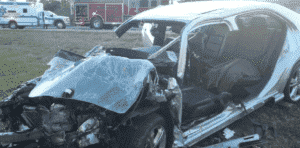
The Law Offices of Anidjar and Levine help Florida car accident victims with spine, back, and neck injuries evaluate liability, preserve evidence, and pursue insurance benefits and compensation. Claims may involve medical expenses, lost income, rehabilitation, pain, permanent impairment, and future care. Counsel can assess crash reports, witness accounts, vehicle damage, diagnostic imaging, and treatment records to connect injuries to the collision. Early legal guidance also helps protect deadlines and manage insurer communications. For additional information, visit our Florida Personal Injury Lawyer resource, which explains available legal support, claim requirements, and important case considerations.
Main Takeaways
- A Florida car accident lawyer can evaluate liability, insurance coverage, medical evidence, and compensation for spine, back, or neck injuries.
- Prompt medical evaluation helps document symptoms, diagnostic findings, treatment needs, and potential permanent impairment.
- Evidence such as crash photographs, police reports, witness statements, surveillance footage, and vehicle data can support fault and causation.
- Compensation may include reasonable medical expenses, rehabilitation, lost income, property damage, pain, suffering, and future care.
- Florida deadlines and insurance procedures matter, so preserve evidence and seek legal guidance before providing detailed statements to insurers.
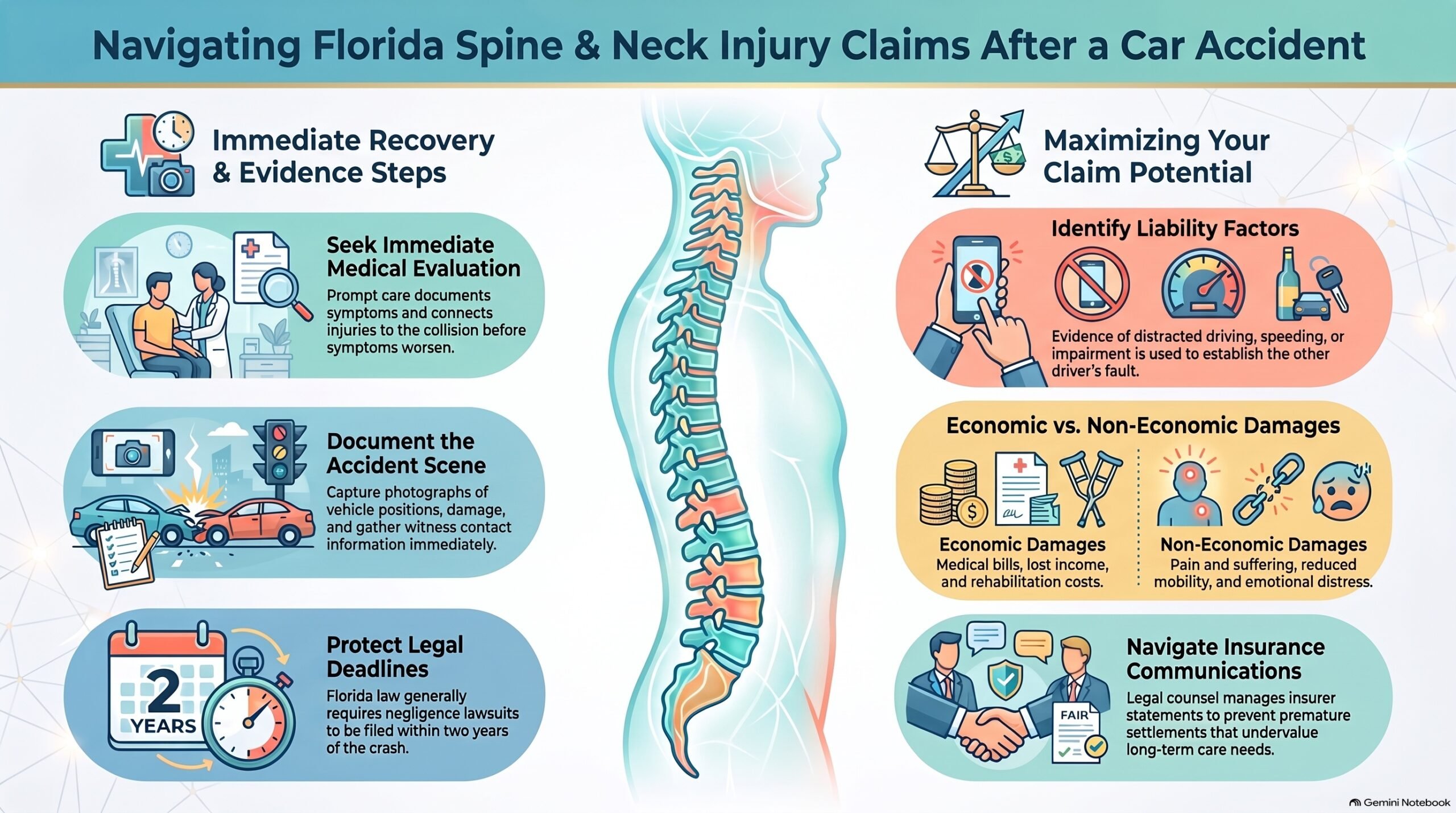


How We Can Help With Your Florida Car Accident Spine, Back & Neck Injuries Claim
A Florida car accident involving the spine, back, or neck can create substantial medical expenses, prolonged recovery, and uncertainty about an injured person’s legal rights. A legal team can help organize medical records, insurance correspondence, employment documentation, and other evidence needed to evaluate a claim. Counsel may communicate with insurers, identify disputed issues, and pursue compensation for reasonable medical care, lost income, property damage, and other legally recoverable losses.
When an insurer issues a Wrongful denial or offers an inadequate settlement, an attorney can review the policy, investigate the collision, and explain available legal options. Support may also include coordinating documentation for pain management, rehabilitation, consultations, and ongoing treatment. By handling procedural requirements and deadlines, legal professionals can reduce administrative burdens while protecting the client’s opportunity to seek relief. A careful approach remains focused on the individual’s circumstances, respectful communication, and service aimed at securing a fair evaluation of the claim through negotiation or litigation when appropriate.
OUR CONSULTATIONSARE FREE
START YOUR FREE CASE REVIEW

Understanding Florida Car Accident Spine, Back & Neck Injuries Injury Cases
Because spine, back, and neck injuries may develop gradually or involve lasting impairment, Florida car accident cases require careful evaluation of both medical evidence and legal responsibility. A case may involve emergency records, physician assessments, diagnostic studies, treatment plans, and testimony concerning functional limitations. MRI results interpretation can help clarify whether the imaging supports the reported symptoms, identifies structural damage, or indicates a preexisting condition that requires careful legal analysis. Documentation should link the injury to the collision and show how symptoms affect employment, daily activities, and future medical needs. Florida procedure also makes insurance claim timelines important. Prompt notice, complete records, and timely responses may influence negotiations and preserve available remedies, although deadlines can vary depending on the claim and the parties involved. Liability may depend on evidence such as statements, photographs, traffic records, and qualified opinions rather than assumptions. A thorough review allows counsel to present the injured person’s circumstances accurately and pursue compensation consistent with documented losses.
Common Causes of Florida Car Accident Spine, Back & Neck Injuries
Florida car accident spine, back, and neck injuries commonly result from distracted driving, speeding, reckless conduct, and impaired driving. Rear-end collisions are another frequent cause, often subjecting occupants to sudden forces that affect the neck and spine. Identifying the cause of a crash can help clarify how the injuries occurred and which parties may bear responsibility.
Distracted Driving
When drivers divert their attention from the road to a phone, navigation system, passengers, or other distractions, they may fail to recognize hazards and respond in time to prevent a collision. Cell phone distraction can involve making calls, reading notifications, adjusting apps, or composing messages while driving. Texting violations are particularly dangerous because they combine visual, manual, and cognitive distraction, leaving motorists unable to monitor traffic conditions adequately. A distracted driver may drift out of their lane, overlook a stopped vehicle, or fail to yield at an intersection. The resulting impact can place substantial force on the spine, back, and neck, causing sprains, herniated discs, fractures, or other lasting injuries. Preventing distracted driving protects motorists, passengers, pedestrians, and families who may depend on timely assistance and compassionate legal support after a crash.
Speeding And Reckless Driving
Speeding and reckless driving increase both the likelihood of a collision and the force transferred to occupants in a collision. Sudden, high-energy impacts can strain the cervical spine, thoracic spine, lower back, muscles, ligaments, and spinal discs. Resulting symptoms may include persistent pain, restricted movement, numbness, weakness, or delayed neurological complications. Florida law imposes speeding penalties, and particularly dangerous conduct may support a reckless driving charge. Evidence can include traffic citations, crash-scene measurements, vehicle data, surveillance footage, witness accounts, and officer observations. Such evidence of reckless driving may help clarify how a driver’s conduct contributed to the collision and the severity of the resulting injuries. Medical evaluation, diagnostic imaging, and consistent treatment records remain important for documenting harm. A qualified attorney can help preserve evidence, communicate with insurers, and pursue appropriate compensation for affected individuals.
Rear-End Collisions
Rear-end collisions can cause significant spine, back, and neck injuries, even when the visible vehicle damage appears minor. The sudden impact may force the head and torso to move forward and backward, causing whiplash, disc injuries, muscle strains, or aggravation of preexisting conditions. Symptoms can develop gradually, making prompt medical evaluation important for identifying injuries and documenting treatment. Rear-end fault analysis examines traffic conditions, vehicle positions, following distance, evidence of braking, photographs, witness accounts, and available surveillance footage. Establishing how the collision occurred can help clarify responsibility and support a thorough claim. Damages calculation factors may include medical expenses, future care, lost income, reduced earning capacity, pain, and functional limitations. A careful assessment helps injured individuals pursue appropriate compensation while preserving evidence that may be critical to resolving disputes.
Impaired Driving
Impaired driving is a significant cause of Florida car accidents that result in spine, back, and neck injuries. Alcohol, prescription medications, illegal substances, and fatigue can reduce reaction time, coordination, judgment, and awareness. A driver who cannot maintain lane position or respond promptly may cause a high-impact collision, such as a rear-end or head-on crash. These forces can damage vertebrae, discs, muscles, ligaments, and nerves, sometimes producing symptoms that emerge hours or days later. Law enforcement may investigate impairment through field observations, chemical testing, or an impaired breathalyzer result. A sobriety checkpoint may also identify drivers whose abilities are compromised. Individuals injured by an impaired driver should seek prompt medical evaluation, preserve accident evidence, and report symptoms accurately. Legal guidance can help protect their rights and support recovery.
Don’t Wait. Call Our Florida Personal Injury Lawyers Now!


Legal Rights of Florida Car Accident Spine, Back & Neck Injuries Injury Victims
When a Florida car accident causes spine, back, or neck injuries, victims may have legal rights to pursue compensation for medical expenses, lost income, reduced earning capacity, pain and suffering, and other accident-related losses. Florida’s no-fault insurance system may provide initial personal injury protection benefits, while serious injuries can support a claim against an at-fault driver. Evidence such as medical records, wage documentation, crash reports, and witness statements may help establish liability and damages.
- Victims may seek payment for necessary treatment, rehabilitation, medication, and future medical needs.
- A claim may address permanent impairment, disability, disfigurement, and diminished quality of life.
- Injured Workers’ Rights may protect employment-related interests when accident injuries affect job performance or leave eligibility.
- Wrongful Termination may provide an additional legal concern if an employer fires someone for exercising protected rights.
Insurance deadlines and Florida’s statute of limitations can affect recovery. A qualified attorney may evaluate coverage, preserve evidence, communicate with insurers, and pursue a fair resolution while serving the victim’s best interests.
Why Do Florida Car Accident Spine, Back & Neck Injuries Happen?
Florida car accident spine, back, and neck injuries commonly result from the forceful movement of the body during a collision. Sudden acceleration, deceleration, twisting, or direct impact can strain muscles, damage discs, and affect spinal nerves. Even when vehicles sustain only minor visible damage, occupants may sustain serious injuries because the body absorbs substantial energy.
Common causes include rear-end crashes, head-on collisions, side-impact collisions, rollovers, and collisions involving pedestrians or motorcycles. The absence of a properly positioned seat belt, defective restraints, inadequate head support, or unsafe vehicle design can increase the severity of injuries. Preexisting spinal conditions may also become aggravated by collision forces.
Liability factors often include distracted driving, speeding, impaired driving, failure to yield, unsafe lane changes, and following too closely. Road defects, poor signage, negligent vehicle maintenance, and commercial transportation practices may also contribute. Understanding how these circumstances produce injury can help communities support affected individuals and promote safer roadway practices.
Don’t Wait. Call Our Florida Personal Injury Lawyers Now!
What Should You Do After a Florida Car Accident Spine, Back & Neck Injuries?
After a car accident in Florida, an injured person should seek immediate medical care, even if symptoms initially appear minor. The individual should document the accident by preserving medical records, photographs, witness information, and other relevant evidence. Prompt consultation with a Florida lawyer can help protect legal rights and support an informed injury claim.
Seek Immediate Medical Care
Prompt medical evaluation is essential for anyone experiencing spine, back, or neck pain following a Florida car accident, even if the symptoms initially appear mild. An emergency evaluation can identify fractures, nerve involvement, spinal cord damage, or other conditions that may worsen without treatment. A physician should assess pain, mobility, numbness, weakness, dizziness, and changes in bladder or bowel control. Following medical instructions helps protect the injured person and supports a safer recovery. Symptoms may develop hours or days after a collision, so continued observation remains important even after an initial examination. Patients should report changes promptly and attend recommended follow-up appointments. Pain management updates allow providers to adjust medication, therapy, or activity restrictions as recovery progresses. Immediate care also helps prevent avoidable complications and promotes informed, compassionate support.
Document The Accident
Documenting the accident promptly can preserve important evidence concerning the collision and resulting spine, back, or neck injuries. If medically able, an injured person should photograph the vehicle’s position, roadway conditions, traffic signals, visible damage, debris, and surrounding landmarks. Emergency scene photos may also capture airbags, skid marks, weather conditions, and apparent hazards before they change. Witness names, contact information, insurance details, and the responding agency’s report number should be recorded accurately. Crash timeline notes can describe events immediately before impact, the collision itself, symptoms that followed, and any changes in pain, numbness, or mobility. Preserving damaged clothing, vehicle components, and relevant electronic records may further support an accurate account. Information should be gathered carefully without interfering with treatment, official investigations, or another person’s privacy.
Contact A Florida Lawyer
When a Florida car accident causes spine, back, or neck symptoms, consulting a qualified Florida personal injury lawyer can help protect the injured person’s legal rights and preserve evidence relevant to a potential claim. A lawyer can explain reporting deadlines, insurance procedures, and steps for documenting medical treatment without interfering with recovery. During a Florida injury intake, the legal team may review the collision report, photographs, witness information, medical records, and communications from insurers. This review can identify potential sources of compensation and help prevent statements or releases that could weaken the claim. Many firms offer a Free legal consultation, allowing an injured person or supportive family member to discuss available options without an initial fee. Prompt legal guidance also helps coordinate respectful advocacy while preserving the person’s health, privacy, and informed decision-making.
Critical Evidence in a Florida Car Accident Spine, Back & Neck Injuries Injury Case
A Florida spine, back, or neck injury claim depends on reliable evidence that connects the collision to the alleged harm and documents its severity. Key materials may include medical records, imaging, accident-scene documentation, witness accounts, and qualified expert opinions.
Careful preservation and evaluation of the following evidence can materially affect liability and compensation:
- Medical Records and Imaging: Treatment notes, diagnostic scans, prescriptions, and physician evaluations can establish the injury’s nature, progression, and related medical expenses.
- Accident Scene Documentation: Photographs, vehicle damage reports, traffic-camera footage, police records, and roadway conditions may help demonstrate how the collision occurred.
- Witness Statements and Testimony: Independent observations can clarify vehicle movements, impact conditions, and the injured person’s symptoms immediately after the crash.
- Expert Opinions and Reports: Medical and accident-reconstruction professionals may explain causation, permanency, functional limitations, and the relationship between the collision and claimed losses.
Medical Records and Imaging
Medical records and diagnostic imaging provide crucial evidence in a Florida car accident spine, back, or neck injury case by connecting the collision to the reported condition and documenting its progression. Prompt medical evaluations establish symptoms, clinical findings, treatment recommendations, and limitations in daily activities. Consistent documentation helps clarify whether pain, stiffness, numbness, or reduced mobility developed after the crash and whether symptoms persisted or worsened. Medical professionals may use MRI versus X-ray studies to evaluate different concerns, including soft-tissue damage, fractures, disc injuries, or alignment problems. Records should include imaging reports, physician notes, therapy documentation, prescriptions, and referrals. Accurate documentation supports compassionate advocacy by clearly presenting the injured person’s experience and enabling qualified professionals to assess causation, severity, prognosis, and reasonable future care needs.
Accident Scene Documentation
At the accident scene, prompt and thorough documentation can preserve crucial evidence concerning a Florida car accident spine, back, or neck injury. Photographs should capture vehicle positioning, roadway conditions, traffic controls, visible damage, debris, skid marks, lighting, and weather. Images taken from multiple distances and angles may help establish how the collision occurred and identify conditions that could have contributed to it. A photo timeline, beginning immediately after impact and continuing through vehicle removal or scene changes, can preserve details that might otherwise disappear. If safe, involved individuals should document damaged property and any visible hazards without disturbing the scene. Official incident reports, emergency response records, and scene measurements may provide additional objective information. Careful preservation of these materials can assist legal professionals in evaluating causation, liability, and the injury’s full consequences.
Witness Statements and Testimony
Witness statements can add independent accounts that clarify how a Florida collision occurred and whether the impact could have caused spine, back, or neck injuries. Drivers, passengers, pedestrians, and nearby motorists may describe vehicle positions, traffic signals, speed, sounds, and visible injuries. Their observations can help establish timing and identify conduct that contributed to the crash.
Eyewitness credibility depends on the person’s location, ability to observe, relationship to the parties, and willingness to provide a truthful account. Promptly recorded statements may preserve details before memories change. Statement consistency matters because repeated descriptions that remain materially similar can strengthen reliability, while substantial differences may create questions. Witnesses should avoid speculation and report only what they personally observed. Contact information and any available recordings should be preserved so the account can be evaluated fairly and presented accurately when serving an injured person’s interests.
Expert Opinions and Reports
When the cause or extent of a spine, back, or neck injury is disputed, expert opinions and reports can provide objective analysis of the collision, medical findings, and likely connection between the two. A qualified physician may explain diagnostic imaging, treatment needs, prognosis, and whether trauma is consistent with the reported symptoms. A biomechanical or accident reconstruction expert can evaluate vehicle damage, impact forces, and occupant movement. These opinions may clarify issues that a jury cannot assess through lay testimony alone. An Independent witness can describe visible limitations, changes in movement, or statements made after the crash, while experts place those observations in medical context. Counsel may also retain professionals to examine claims of expert negligence, unsupported conclusions, or inadequate care. Clear, well-supported reports help decision-makers evaluate liability, causation, and fair compensation.
Long-Term Effects of Florida Car Accident Spine, Back & Neck Injuries
Long-term spine, back, and neck injuries from Florida car accidents may cause chronic pain and stiffness that persist long after initial treatment. These conditions can reduce mobility and interfere with work, daily activities, and overall physical function. Ongoing medical treatment, including specialist care, rehabilitation, medication, or additional procedures, may be necessary to manage lasting symptoms and limitations.
Chronic Pain and Stiffness
Chronic pain and stiffness are common long-term effects of spine, back, and neck injuries sustained in Florida car accidents. Symptoms may persist after initial treatment, interfere with sleep, and make ordinary tasks uncomfortable. Some individuals experience recurring soreness, muscle tension, headaches, or pain that worsens after prolonged sitting or physical effort. Consistent medical evaluation can help identify contributing conditions and guide appropriate post-accident rehabilitation. Treatment may include prescribed medication, therapeutic exercises, physical therapy, and other measures selected by qualified providers. Patients should follow medical instructions and report changes rather than dismissing continuing symptoms. Detailed injury documentation, including diagnoses, treatment records, and descriptions of daily discomfort, may clarify the injury’s lasting impact. A Florida attorney can help preserve relevant evidence while pursuing compensation for ongoing medical needs, pain, and related losses.
Reduced Mobility and Function
Reduced mobility and function may develop after spine, back, or neck injuries from a Florida car accident, particularly when damage affects the joints, muscles, nerves, or spinal structures. Limitations may interfere with walking, lifting, reaching, turning, sitting, or standing for extended periods. Affected individuals may require assistance with household responsibilities, transportation, employment duties, or caregiving, reducing independence and placing additional demands on family members and other caregivers. These restrictions can also cause Loss of enjoyment when ordinary recreation, social activities, and community participation become difficult or unsafe. Documenting functional limitations helps clarify how injuries affect quality of life and future needs. A legal claim may seek resources supporting daily activities restoration, accessibility changes, lost earning capacity, and other consequences associated with diminished physical function and reduced participation in everyday life.
Ongoing Medical Treatment
Ongoing medical treatment may be necessary when spine, back, or neck injuries from a Florida car accident cause persistent pain, instability, nerve symptoms, or limited function. Care may include physical therapy, diagnostic imaging, injections, prescription medication, or expert evaluation. Medication adherence can help control symptoms and reveal whether treatment is effective, while missed doses or unauthorized changes may complicate recovery. Patients should attend follow-up appointments so providers can monitor progress, identify deterioration, and adjust the treatment plan. Treatment documentation, including medical records, referrals, bills, and work restrictions, can establish the injury’s continuing impact. Maintaining organized records also supports communication among providers and helps clarify insurance claim timelines. Consistent care demonstrates a reasonable effort to recover and may assist others evaluating the full scope of accident-related medical needs.
Proving Liability in Florida Car Accident Spine, Back & Neck Injuries Injury Cases
Proving liability in a Florida car accident involving spine, back, or neck injuries requires evidence showing that another driver’s negligence caused the collision and resulting harm. Relevant proof may include crash reports, photographs, traffic-camera footage, vehicle damage, witness statements, and applicable roadway records. Medical documentation should link diagnosed injuries to the event, while physicians’ testimony may explain how the trauma affected mobility, treatment, and daily functioning.
Prompt evidence-preservation steps can protect essential information before it disappears or is altered. These steps may include requesting public records, identifying witnesses, preserving electronic communications, and documenting the accident scene and vehicles. A careful investigation also considers whether unsafe road conditions, vehicle defects, or additional responsible parties contributed to the occurrence.
The opposing driver may assert a Comparative negligence defense, claiming the injured person helped cause the crash or worsened the injuries. Liability is evaluated through the available evidence, applicable traffic laws, and each party’s conduct. Clear, organized proof helps present the matter fairly and supports accountability.
Dealing With Insurance Companies After a Florida Car Accident Spine, Back & Neck Injuries Injury
After liability evidence has been gathered, communications with insurance companies require careful handling because an insurer’s initial settlement offer may not reflect the full impact of spinal, back, or neck injuries. Adjusters may request recorded statements, medical authorizations, or extensive documentation before the injury’s long-term consequences are understood. A claimant should provide accurate information while avoiding speculation, unnecessary admissions, or statements minimizing pain and limitations. Insurance claim delays can create financial pressure, yet accepting a premature offer may leave future treatment, rehabilitation, lost income, and permanent impairment uncompensated. An attorney can manage communications, evaluate policy coverage, and identify omissions in an insurer’s assessment. Effective settlement tactics that work include presenting organized medical records, documenting functional restrictions, calculating economic losses, and explaining how symptoms affect daily responsibilities. Written communications should remain professional and focused. A careful review of release documents is critical because signing may preclude further claims. Professional guidance helps protect injured individuals while promoting fair, informed resolution.
What to Expect During a Florida Car Accident Spine, Back & Neck Injuries Claim Process
A Florida car accident spine, back, and neck injury claim generally begins with an initial review of liability, damages, and available insurance coverage. The process then involves reviewing medical documentation, negotiating with insurers, and evaluating the strength of any settlement offer. If negotiations do not produce a fair resolution, the injured party may proceed toward trial.
Initial Claim Evaluation
During the initial claim evaluation, a Florida car accident spine, back, and neck injuries lawyer examines the collision, available evidence, medical records, and the injured person’s reported symptoms. This preliminary assessment helps identify potentially responsible parties, applicable insurance coverage, filing deadlines, and significant legal issues. Gathering evidence may include reviewing crash reports, photographs, witness accounts, vehicle damage, and communications with insurers. The lawyer may also discuss how the injuries affect employment, daily activities, and future needs without making conclusions before the facts are established. Medical documentation, including treatment records and diagnostic materials, can help connect reported conditions to the collision, although a detailed review generally occurs later. The evaluation also clarifies the claims process, potential challenges, communication expectations, and the information needed to protect the injured person’s interests.
Medical Documentation Review
Medical documentation review examines the records used to evaluate how the collision may relate to reported spine, back, and neck conditions. The review typically includes emergency department notes, primary care records, expert evaluations, therapy notes, prescriptions, and prior medical history. Treatment timeline tracking helps identify when symptoms began, how they progressed, and whether care was consistent with the reported injuries. Imaging report summaries, including findings from X-rays, CT scans, or magnetic resonance imaging, may clarify structural changes and recommended follow-up. Reviewers also compare symptoms, clinical findings, diagnoses, and treatment decisions across providers. Missing records, inconsistent descriptions, or documented preexisting conditions may require further explanation. Organized documentation enables accurate communication of medical information and helps make certain that the individual’s health concerns receive careful, respectful consideration throughout the claim process.
Insurance Negotiation Process
Through the insurance negotiation process, the injured person’s representative presents medical records, liability evidence, treatment expenses, and information concerning the impact of spine, back, or neck injuries. The insurer reviews these materials, verifies coverage, and evaluates whether the claimed treatment relates to the collision. Representatives may respond to questions, correct incomplete facts, and explain ongoing care, lost income, or functional limitations. A policy limits analysis can help identify the available coverage and clarify the practical scope of negotiations. Insurers may dispute fault, medical necessity, causation, or the amount of damages, requiring organized evidence and measured responses. Denied claim appeals may involve a written explanation, supporting documentation, and requests for reconsideration under applicable policy procedures. Throughout this process, careful communication and accurate records help protect the injured person’s interests while providing respectful service to all involved.
Settlement Or Trial
A settlement provides a negotiated resolution, while a trial places disputed issues before a judge or jury. In a Florida spine, back, or neck injury claim, the decision depends on medical evidence, liability, damages, and the claimant’s long-term needs. Counsel evaluates settlement factors such as treatment progress, diagnostic findings, projected care, lost income, insurance coverage, and the strength of available documentation. A fair offer may provide timely compensation and reduce uncertainty, but an inadequate offer may require continued litigation. Trial strategy includes preparing witnesses, organizing medical records, consulting qualified experts, and presenting clear evidence concerning causation and future limitations. The claimant generally retains authority over settlement decisions, while counsel explains risks, costs, timelines, and likely outcomes. If trial becomes necessary, preparation remains focused on obtaining accountability and resources for recovery.
Compensation for Florida Car Accident Spine, Back & Neck Injuries Injury Damages
Florida car accident victims with spine, back, or neck injuries may pursue compensation for reasonable medical expenses, lost income, reduced earning capacity, pain and suffering, and other legally recognized damages. Recovery generally depends on proving liability, documenting injuries, and connecting claimed losses to the collision.
Compensation may involve payments for emergency care, diagnostic testing, surgery, rehabilitation, prescriptions, mobility equipment, and future treatment supported by medical evidence. Mitigating pain treatment, including appropriate follow-up care and prescribed therapy, can demonstrate that an injured person acted responsibly to reduce lasting harm. Failure to follow medical recommendations may provide insurers with grounds to challenge the claim.
Available insurance may also be affected by policy limits, coverage, multiple responsible parties, and applicable sources of recovery. A careful evaluation should identify all potentially liable drivers, vehicle owners, employers, and insurers. Attorneys serving injured individuals can preserve records, obtain medical opinions, calculate documented losses, and negotiate assertively while preparing the matter for litigation if necessary. Each claim remains dependent on its facts, evidence, and Florida law.
Economic vs Non-Economic Damages in Florida Car Accident Spine, Back & Neck Injuries Cases
Economic damages may include medical expenses, lost income, rehabilitation costs, and other measurable financial losses caused by spine, back, or neck injuries. Non-economic damages address less tangible harm, such as pain, emotional distress, reduced quality of life, and loss of mobility. Establishing these losses generally requires medical records, financial documentation, expert testimony, and evidence connecting the claimed harm to the crash.
Economic Damages Explained
When a crash causes spine, back, or neck injuries, economic damages generally refer to the measurable financial losses resulting from the accident and its medical consequences. These losses may include medical bills for emergency care, diagnostic testing, hospitalization, surgery, medication, rehabilitation, and other treatment costs supported by records. Lost wages may be recoverable when pain, restrictions, or medical appointments prevent an injured person from working. If the injury limits future employment, earning capacity, or career advancement, compensation may also address future earnings. Documentation often includes pay statements, tax records, employer verification, invoices, insurance information, and medical evaluations. Florida claims may require careful analysis of causation, available coverage, and applicable legal deadlines. A qualified attorney can help organize evidence and present a clear calculation of financial losses for the injured person’s benefit.
Non-Economic Damages Valued
Although economic damages can be calculated from bills, records, and documented income losses, non-economic damages address the personal impact of spine, back, and neck injuries that cannot be measured by invoices alone. In Florida car accident cases, these damages may reflect physical pain, emotional distress, reduced mobility, sleep difficulties, and the loss of enjoyment associated with ordinary activities. The impact of pain may extend beyond treatment periods, particularly when an injured person faces persistent symptoms, limitations, or uncertainty about future function. Life disruption can also affect family relationships, household participation, recreation, and the ability to serve or support others. Valuing these losses requires consideration of the injury’s severity, duration, prognosis, and effect on daily living. Each claim remains fact-specific, and compensation should recognize the individual’s experience rather than apply an automatic formula.
Proving Injury-Related Losses
Proving injury-related losses in a Florida car accident case requires reliable evidence connecting the crash to the claimed spine, back, or neck condition and documenting its financial and personal consequences. Economic damages may include emergency care, diagnostic testing, rehabilitation, medication, lost wages, reduced earning capacity, and anticipated medical needs. Bills, employment records, expert opinions, and treatment histories help establish these amounts. Non-economic damages address pain, disability, emotional distress, loss of enjoyment, and diminished quality of life. Medical testimony, personal journals, family observations, and consistent treatment can support these less easily measured harms. Prompt preservation of evidence is crucial, including photographs, crash reports, electronic records, and damaged property. Witness credibility also matters; consistent statements and impartial testimony can strengthen the case for causation and the reliability of claimed losses.
Don’t Wait. Call Our Florida Personal Injury Lawyers Now!
When a Florida Car Accident Spine, Back & Neck Injuries Case Goes to Trial vs. Settlement
In Florida car accident cases involving spine, back, or neck injuries, the decision to pursue settlement or proceed to trial depends on the strength of the evidence, the extent of the injuries, and the parties’ willingness to accept financial risk. A settlement may provide an earlier, more predictable resolution, helping an injured person address medical expenses, lost income, and long-term care needs without the uncertainty of a courtroom. The insurance settlement timeline can vary based on treatment progress, documentation, negotiations, and insurer responsiveness.
Trial may become appropriate when liability is disputed, the insurer undervalues documented losses, or negotiations reach an impasse. Courtroom preparation steps can include organizing medical records, consulting qualified medical witnesses, preserving employment evidence, and preparing testimony concerning pain, limitations, and future needs. Trial outcomes remain uncertain, while settlement requires accepting a specific amount in exchange for finality. Legal counsel can evaluate these competing considerations and guide the injured person toward a resolution that supports recovery and serves legitimate financial needs.
Florida Laws That May Affect Your Florida Car Accident Spine, Back & Neck Injuries Case
Florida laws governing car accident claims can materially affect a case involving spine, back, or neck injuries. Florida’s no-fault system generally requires injured people to seek initial medical benefits through personal injury protection (PIP), subject to policy no-fault limits and statutory requirements. Serious injuries may permit an injured claimant to pursue additional damages from an at-fault driver.
Florida’s no-fault system typically provides initial PIP benefits, while serious spine, back, or neck injuries may support claims against at-fault drivers.
Comparative negligence can reduce compensation when evidence shows that an injured person contributed to the collision or resulting harm.
Other rules may also influence proof, damages, and insurance recovery:
- PIP coverage may address qualifying medical expenses and lost income, regardless of initial fault.
- Bodily-injury claims generally require evidence connecting the crash to diagnosed conditions, treatment, and limitations.
- Medical records, imaging, witness accounts, and expert testimony can clarify causation and future needs.
- Florida law may restrict or shape recovery for non-economic damages, depending on the claim and evidence.
A knowledgeable legal professional can carefully evaluate these issues, helping injured people pursue fair treatment while protecting their families and communities.
The Statute of Limitations for Florida Car Accident Spine, Back & Neck Injuries Injury Cases
Time limits may determine whether a person can pursue compensation for spine, back, or neck injuries after a Florida car accident. Florida generally requires a negligence lawsuit to be filed within two years of the crash, although limited exceptions may alter that deadline. Wrongful death claims usually have separate timing requirements, and claims involving government entities can require earlier notice.
A claim may also involve Florida’s no-fault insurance rules, which affect initial medical benefits and potential recovery for serious injuries. Prompt medical documentation can help establish when symptoms appeared, how treatment progressed, and whether an injury meets applicable thresholds. Understanding the basics of comparative fault is also important because a claimant’s assigned share of responsibility may reduce damages.
Navigating insurance denial should not cause a person to postpone reviewing applicable deadlines. Insurers may request statements, medical records, or other evidence while the limitations period continues running. Preserving crash reports, treatment records, wage information, and correspondence can support timely evaluation. A qualified Florida attorney can assess deadlines and exceptions before rights expire.
How a Florida Car Accident Spine, Back & Neck Injuries Lawyer Can Help You
A Florida car accident spine, back, and neck injuries lawyer can evaluate the evidence, identify potentially liable parties, and determine which sources of compensation may apply. The lawyer can also provide structured assistance to protect an injured person’s interests and support a fair resolution.
- Develop an Insurance claim strategy based on coverage, fault, damages, and available policy limits.
- Offer Medical documentation guidance so treatment records, diagnostic findings, restrictions, and prognosis clearly reflect the injury’s effects.
- Communicate with insurers, healthcare providers, and opposing representatives to reduce confusion and preserve accurate information.
- Calculate recoverable losses, including medical expenses, lost income, rehabilitation needs, and documented pain-related limitations.
When to Contact a Florida Car Accident Spine, Back & Neck Injuries Lawyer
Early legal guidance may help preserve evidence, address insurance communications, and prevent avoidable problems in a spine, back, or neck injury claim. A person should consider contacting a Florida car accident spine, back, and neck injuries lawyer soon after a collision, particularly when pain appears immediately or develops over subsequent days.
Prompt attention is important when symptoms include limited movement, numbness, tingling, headaches, Shoulder Pain, or persistent discomfort affecting sleep and daily activities. Medical evaluation should not be delayed, even when injuries initially seem minor. Records linking symptoms to the crash can be significant when insurers question causation or the severity of the condition.
Legal contact may also be appropriate when an insurer requests a recorded statement, offers a settlement, or disputes responsibility. Individuals facing missed work, reduced earnings, or medical expenses may need guidance before signing documents. Workplace Injuries, prior medical conditions, or multiple involved vehicles can further complicate claim decisions. Early consultation allows injured individuals to understand deadlines, protect their interests, and pursue responsible recovery.
Why You Need an Experienced Florida Car Accident Spine, Back & Neck Injuries Lawyer
Because spine, back, and neck injuries may involve delayed symptoms, complex medical evidence, and disputed causation, experienced legal guidance can be necessary after a Florida car accident. An experienced attorney can help injured individuals safeguard their rights while they focus on treatment, recovery, and supporting their families.
Legal counsel can evaluate accident evidence, identify potentially responsible parties, and explain how Florida’s negligence rules may affect a claim. Counsel can also develop a medical documentation strategy that connects symptoms, diagnoses, treatment, and prognosis to the collision. This organized record may help address allegations that an injury was preexisting, minor, or unrelated.
Knowledgeable representation is also valuable during negotiations. Insurance settlement tactics may include minimizing symptoms, requesting broad medical authorizations, or emphasizing early statements made before the pain became apparent. An attorney can assess settlement offers, challenge incomplete evaluations, and present damages involving medical expenses, lost income, rehabilitation, and continuing care. Skilled advocacy helps ensure that injured people and their caregivers receive fair consideration based on documented losses.
How to Choose the Right Florida Car Accident Spine, Back & Neck Injuries Lawyer for Your Case
Selecting the right Florida car accident spine, back, and neck injuries lawyer requires careful consideration of the attorney’s experience, resources, and approach to complex injury claims. A qualified lawyer should understand spinal trauma, delayed symptoms, diagnostic evidence, and the long-term effects these injuries may create. Reviewing professional credentials, relevant case experience, and disciplinary history can help identify dependable representation.
Client communication priorities should also guide the decision. The prospective client may ask how often updates are provided, who will answer questions, and whether the lawyer explains legal developments in understandable terms. Clear communication supports informed decisions and helps families participate effectively in the claims process.
Free consultation availability allows an injured person to discuss the circumstances, potential legal issues, and terms of representation before making a commitment. During that meeting, the lawyer’s preparation, responsiveness, and willingness to address concerns should be evaluated. Fee arrangements, anticipated expenses, and case responsibilities should be explained clearly before representation begins.
About The Law Offices of Anidjar & Levine
The Law Offices of Anidjar & Levine represents individuals and families pursuing compensation after serious car accident injuries, including damage to the spine, back, and neck.
The firm assists clients whose injuries may require emergency care, rehabilitation, surgery, or long-term treatment.
Its attorneys evaluate accident circumstances, medical documentation, insurance coverage, and potential sources of liability to develop an informed legal strategy.
The Client consultation process generally begins with a discussion of the collision, symptoms, treatment history, employment effects, and immediate concerns.
This information helps the legal team identify necessary evidence and explain available options without promising a particular outcome.
The firm’s local attorney experience may support effective communication with Florida courts, insurers, medical providers, and investigators.

Frequently Asked Questions
Can I Pursue a Claim if My Spine, Back, or Neck Injury Appeared Days After the Crash?
A person may pursue a claim when spine, back, or neck injuries appear days after a crash, but success depends on medical proof and legal timing. Delayed symptoms should be reported promptly because the timing of evidence can affect whether the condition is linked to the collision. The individual should seek evaluation, follow treatment, preserve records, identify witnesses, and document symptoms. Statute deadlines still apply, so timely legal guidance helps protect the claim.
What Medical Specialists Commonly Treat Accident-Related Spine, Back, and Neck Injuries?
Accident-related spine, back, and neck injuries are commonly evaluated by orthopedic surgeons, who assess bones, discs, and structural damage. Neurologists focus on nerve function, numbness, weakness, and radiating pain, while neurosurgeons may address serious spinal or nerve compression. Physical therapists develop individualized rehabilitation plans to restore movement and strength. Chiropractic care may provide conservative treatment for selected conditions, but coordination with medical professionals is crucial when symptoms persist, worsen, or involve neurological changes.
Can Preexisting Conditions Affect My Florida Car Accident Injury Claim?
Preexisting conditions can affect a Florida car accident injury claim, but they do not automatically prevent recovery. A collision may cause a preexisting condition to be aggravated, potentially making the responsible party liable for worsening symptoms, treatment, or disability. Medical records, expert opinions, and consistent documentation help distinguish prior limitations from accident-related changes. Apportionment of fault may also influence compensation, particularly when evidence shows multiple contributing causes or disputed medical findings.
What Happens if the At-Fault Driver Has No Insurance or Insufficient Coverage?
When the at-fault driver lacks insurance or has insufficient coverage, the injured person may pursue Uninsured remedies through personal injury protection, uninsured or underinsured motorist benefits, and potentially a direct lawsuit. Coverage limits determine how much insurance can contribute, while a claimant’s comparative fault may reduce recovery. Careful damage calculations should document medical costs, lost income, future treatment costs, and non-economic harm. Legal review can clarify available sources and protect valid claims.
Can Family Members Bring Claims for Emotional Distress After My Serious Injury?
Family members may bring emotional-distress claims only under limited circumstances, and eligibility depends on state law and the relationship to the injured person. A Florida wrongful death claim generally applies when the victim dies, while negligent infliction claims may arise when a relative witnesses severe injury and suffers a demonstrable impact. Courts impose strict proof requirements, including proximity, foreseeability, medical evidence, and causation. Legal counsel can assess available remedies and preserve evidence.
—————————
Spine, back, and neck injuries resulting from Florida car accidents may require extensive medical treatment, cause long-term limitations, and lead to significant financial losses.
Injured individuals should seek appropriate medical care, preserve evidence related to the accident, and understand how Florida insurance and liability laws may affect their potential recovery.
An experienced Florida Personal Injury Lawyer can assess the claim, address disputes over fault, and pursue compensation for eligible damages.
The Law Offices of Anidjar and Levine provide knowledgeable guidance and dedicated representation to help protect each client’s legal interests.