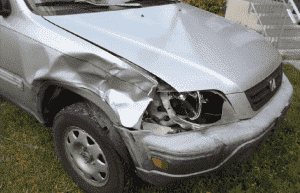
The Law Offices of Anidjar and Levine help injured victims after tire-blowout crashes determine whether negligent maintenance, defective tires, road hazards, overloading, or driver error caused the accident.
A Florida Car Accident Lawyer may preserve the damaged tire, gather police reports, medical records, photographs, repair documents, and witness statements, and address insurer tactics.
Compensation may include medical care, lost income, reduced earning capacity, pain, suffering, or wrongful death damages.
The sections below explain vital rights, evidence issues, and claim steps.
Main Takeaways
- A Florida tire blowout injury lawyer can help gather police reports, medical records, repair records, photos, and witness statements.
- Tire blowout crashes may involve driver negligence, poor maintenance, defective tires, improper installation, overloading, or hazardous road debris.
- Compensation may cover medical care, rehabilitation, lost wages, reduced earning ability, pain, suffering, and wrongful death losses.
- Preserving the damaged tire, vehicle, maintenance records, and crash evidence is crucial for proving liability.
- Florida comparative negligence rules may reduce compensation if the injured person shares fault for the crash.


How We Can Help With Your Florida Tire Blowout Car Accident Injury Claim
A tire blowout can turn an ordinary drive into a serious collision within seconds, leaving injured people with medical bills, lost income, vehicle damage, and difficult questions about liability. A Florida tire blowout car accident injury lawyer can assist by gathering records, preserving evidence, communicating with insurers, and identifying all available sources of compensation. This support allows injured clients and their families to focus on recovery while legal responsibilities are handled with care.
The firm may review police reports, medical documentation, repair records, photographs, and witness statements to build a clear claim. It can also help organize proof of financial losses, including treatment costs and missed wages. When appropriate, counsel may explain Tire safety tips and Preventive maintenance issues that relate to the claim, without shifting attention away from the injured person’s needs. Through disciplined advocacy, the lawyer seeks a resolution that promotes accountability, stability, and practical help after a preventable hardship.
OUR CONSULTATIONSARE FREE
START YOUR FREE CASE REVIEW

Understanding Florida Tire Blowout Car Accident Injury Cases
When a tire suddenly fails on a Florida roadway, the resulting accident may involve more than just driver error or poor road conditions. These cases often require careful review of vehicle behavior, crash dynamics, maintenance records, and the injuries suffered by occupants or nearby motorists. A tire blowout can cause loss of control, rollovers, multi-vehicle impacts, or secondary collisions, raising serious questions about responsibility.
Florida injury cases involving tire failures may require Tire Defect Analysis to determine whether the tire’s condition, design, age, or prior service history contributed to the crash. Investigators may also evaluate Brake Failure Hazards when a driver could not slow, maneuver, or respond safely after the tire separated.
For those committed to protecting injured people and supporting safer communities, understanding these issues is vital. A well-prepared claim connects physical evidence, medical consequences, and applicable legal duties, helping identify accountable parties and pursue appropriate compensation.
Common Causes of Florida Tire Blowout Car Accidents
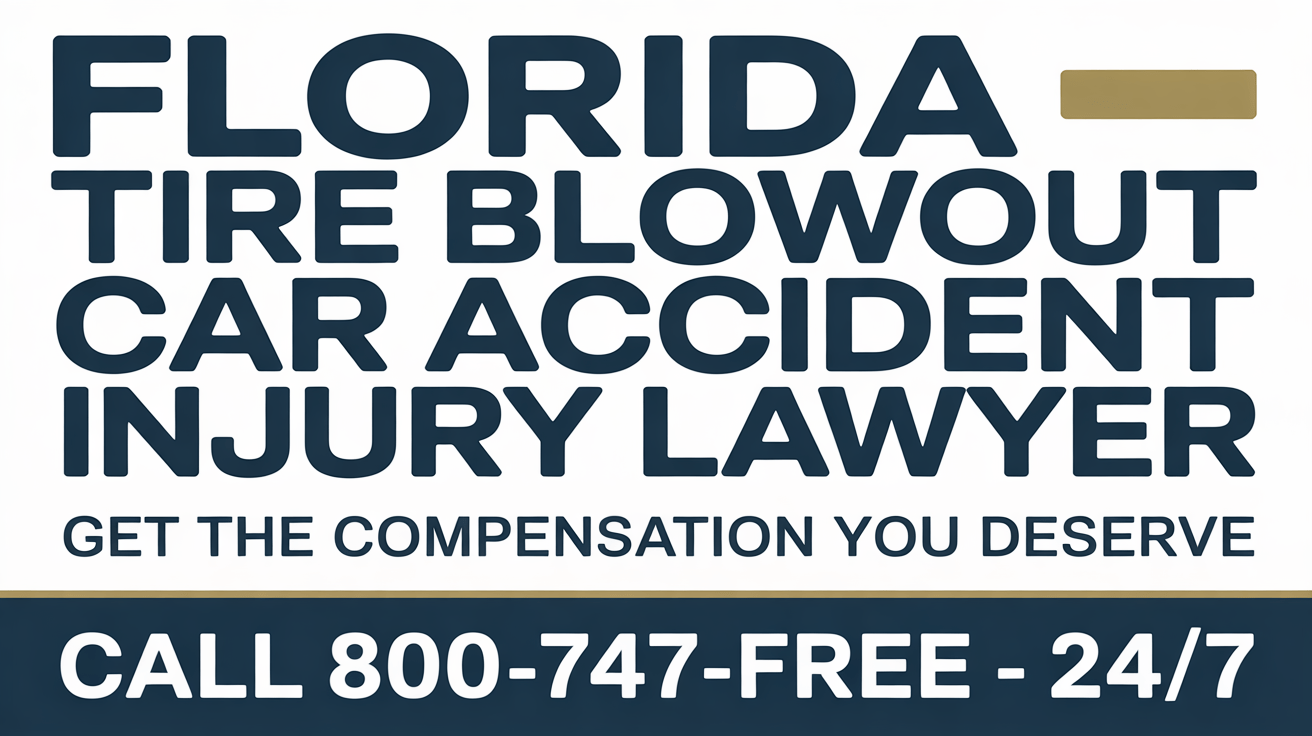
Common causes of Florida tire blowout car accidents include underinflated tires, worn tire tread, roadway debris, and overloaded vehicles. Each factor can weaken tire integrity, reduce vehicle control, and increase the risk of a sudden loss of stability at highway speeds. Understanding these causes helps clarify how preventable maintenance issues, unsafe driving conditions, and improper vehicle loading may contribute to serious injury crashes.
Underinflated Tire Pressure
Underinflated tire pressure is one of the most preventable causes of tire blowouts on Florida roads, yet it remains a frequent factor in serious car accidents. When a tire lacks proper air pressure, its sidewalls flex excessively, generating heat that can weaken the tire structure during travel. In Florida’s warm climate, this heat buildup may occur faster, especially on highways or during long trips.
Drivers responsible for passengers, clients, or community members should follow Tire safety tips, including checking pressure when tires are cold and following the vehicle manufacturer’s recommended levels. Proper inflation supports safer handling, braking, and fuel efficiency. Road hazard awareness also matters because potholes, debris, and sudden impacts can worsen pressure-related stress, increasing the risk of sudden tire failure and avoidable injuries.
Worn Tire Tread
Worn tire tread is a significant cause of tire blowouts in Florida car accidents because reduced tread depth limits a tire’s ability to grip the road, disperse water, and withstand daily driving stress. In wet or high-heat conditions, a shallow tread can increase friction, weaken tire structure, and raise the risk of sudden failure. Drivers responsible for passengers, clients, or community members should treat tread inspection as a duty of care.
Practical tire maintenance tips include regularly checking tread depth, replacing tires before they become unsafe, and reviewing wear patterns that may signal alignment or suspension issues. Safe driving habits also reduce strain on worn tires, including avoiding excessive speed, abrupt braking, and overloading. Consistent attention to the condition of the tread supports safer travel and helps prevent avoidable injuries.
Roadway Debris Hazards
When debris is left on Florida roadways, even a well-maintained tire can sustain sudden damage that can lead to a blowout and loss of vehicle control. Nails, metal fragments, broken glass, tire scraps, and unsecured cargo can puncture or cut a tire before a driver has time to respond. In these cases, careful investigation may identify whether a public entity, contractor, commercial driver, or other party failed to remove or secure hazardous materials.
Evidence such as dashcam video footage, crash scene photographs, roadway maintenance records, and witness statements can help establish how the debris contributed to the collision. A vehicle maintenance history may also show that the tire was properly serviced, helping injured people and those who serve them assess responsibility more accurately and with greater care.
Overloaded Vehicle Weight
Beyond roadway debris, excessive vehicle weight is another common factor that can place dangerous stress on tires and contribute to blowout-related crashes in Florida. When a vehicle exceeds its load capacity, tires may overheat, sidewalls may weaken, and handling can become less predictable, especially during highway travel. Proper weight distribution is important because uneven loading can force certain tires to bear disproportionate pressure.
Commercial drivers, families, and service providers should recognize that responsible loading protects passengers and others sharing the road. A careful safety inspection before travel may reveal sagging tires, visible damage, or pressure concerns linked to overloading. Consistent tire maintenance, including inflation checks and tread review, supports safer operation. When these duties are ignored, preventable tire failure may lead to serious collisions and injury claims.


Legal Rights of Florida Tire Blowout Car Accident Injury Victims
After a tire blowout causes a crash, injured victims in Florida may have the right to pursue compensation from any party whose negligence contributed to the collision.
These rights help protect families, caregivers, passengers, and others who rely on fair accountability after serious harm.
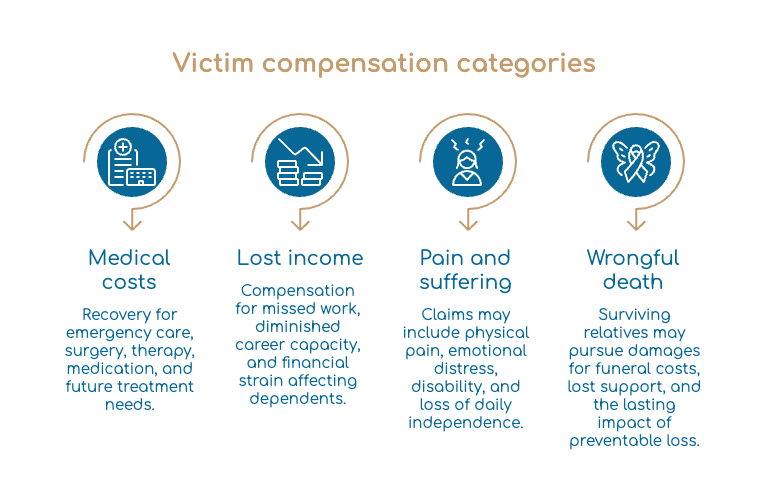
- Medical and rehabilitation costs: Victims may seek recovery for emergency care, surgery, therapy, medication, and future treatment needs.
- Lost income and reduced earning ability: Compensation may address missed work, diminished career capacity, and financial strain affecting dependents.
- Pain, suffering, and life disruption: Claims may include physical pain, emotional distress, disability, and loss of daily independence.
- Wrongful death claims: Surviving relatives may pursue damages for funeral costs, lost support, and the lasting impact of preventable loss.
Comparative negligence rules may reduce compensation if a victim shares responsibility, making careful evidence review important. Florida law encourages timely action to preserve claims and serve affected households.
Why Do Florida Tire Blowout Car Accident Injuries Happen?
Understanding legal rights also requires understanding why tire-blowout injuries occur, as the cause often determines who may be held responsible. In Florida, blowouts may result from underinflation, overloading, worn tread, road debris, excessive heat, defective design, poor installation, or negligent maintenance.
Commercial vehicles may present added risks when companies delay inspections or ignore visible tire damage. Passenger vehicles can become dangerous when owners, mechanics, retailers, or manufacturers fail to address known hazards.
Tire recall awareness is especially important, since recalled tires may separate, lose pressure, or fail under ordinary driving conditions. When a blowout occurs at highway speed, a driver may lose control, strike another vehicle, or leave the roadway. Motorcyclists face heightened danger because limited stability and exposure increase injury severity.
For that reason, Motorcycle accident prevention includes careful tire selection, routine inspection, and prompt response to defects. Identifying the cause helps clarify whether negligence, product failure, or unsafe roadway conditions contributed.
What Should You Do After a Florida Tire Blowout Car Accident Injury?
After a Florida tire-blowout car accident injury, the injured person should seek immediate medical care to protect their health and create a clear record of injuries. The accident scene should be documented with photographs, witness information, and vehicle details when it is safe to do so. A Florida lawyer may then evaluate liability, preserve evidence, and guide the injured person through the claims process.
Seek Immediate Medical Care
Following a tire blowout crash in Florida, immediate medical evaluation is important, even when injuries appear minor or symptoms seem delayed. Shock, adrenaline, and confusion can mask head trauma, spinal damage, internal bleeding, or soft tissue injuries. A prompt examination helps protect health, supports timely treatment, and creates a reliable record of the cause of injury.
Emergency treatment tips include calling 911 for serious pain, dizziness, loss of consciousness, breathing difficulty, bleeding, or suspected fractures. Injured occupants should follow paramedic guidance, accept recommended transport, and attend follow-up appointments with appropriate doctors. Caregivers and family members can support recovery by ensuring instructions are understood and medications are taken properly.
Preserve medical records, discharge papers, imaging results, prescriptions, and billing statements, as these documents may later help establish the scope of harm and necessary care.
Document The Accident Scene
When it is safe to do so, documenting the accident scene can help preserve important evidence before vehicles are moved, debris is cleared, or road conditions change. Photographs should show vehicle positions, tire damage, skid marks, roadway defects, traffic signs, weather conditions, and any visible injuries. Safety hazard identification is also important, including exposed metal, leaking fluids, scattered tire fragments, or dangerous shoulder conditions that may threaten bystanders and responders.
If witnesses remain nearby, Witness statement collection should be handled respectfully, recording names, contact information, and brief observations about the blowout, vehicle movement, or roadway hazards. Those assisting an injured person should avoid interfering with emergency personnel. Careful documentation can support an accurate account of events and help protect the interests of everyone affected.
Contact A Florida Lawyer
Why should legal counsel be contacted promptly after a Florida tire blowout accident involving injury? An attorney can help protect the injured person’s interests while allowing family members and caregivers to focus on recovery and support. Counsel may review crash facts, identify potentially responsible parties, and send preservation notices before tire, vehicle, roadway, or maintenance evidence is lost.
A lawyer can also provide an evidence-preservation checklist, helping to ensure that photographs, repair records, witness information, medical documentation, and damaged components are secured. Early guidance may prevent harmful statements to insurers or missed deadlines under Florida law. The firm may also offer help with insurance paperwork, reducing confusion during a difficult period. Prompt legal contact supports orderly communication, informed decisions, and responsible advocacy for those harmed.
Critical Evidence in a Florida Tire Blowout Car Accident Injury Case
Essential evidence often determines whether a Florida tire blowout injury claim can establish fault, causation, and damages with sufficient clarity. Essential materials may include:
- Preserving the tire
- Vehicle maintenance records
- Crash scene evidence
- Expert accident analysis
Each category can help identify whether defective manufacturing, poor maintenance, road hazards, or negligent conduct contributed to the collision.
Preserving The Tire
After a tire blowout accident in Florida, preserving the failed tire is one of the most important steps in protecting the injured person’s legal claim. The tire may reveal tread separation, punctures, sidewall damage, aging, or defects that explain why the vehicle lost control. It should be secured promptly, kept in its post-accident condition, and stored where it will not be altered, discarded, or exposed to unnecessary handling.
Photographs should document the tire, wheel, and surrounding vehicle damage before movement, when possible. Caregivers, responders, and advocates serving the injured person should understand that this evidence may guide expert analysis and accountability. Even details related to tire pressure standards and accident prevention tips may become relevant when determining whether negligence, product failure, or unsafe conduct contributed to the crash.
Vehicle Maintenance Records
Preserving the failed tire can help determine how the blowout occurred, but vehicle maintenance records often indicate whether the danger developed due to neglect, improper service, or missed warning signs. In a Florida injury claim, tire maintenance logs may reveal overdue rotations, repeated pressure problems, uneven wear, prior puncture repairs, or ignored replacement recommendations. These records can help determine whether an owner, employer, rental company, or service provider failed to act with reasonable care.
Repair invoices, fleet inspection forms, and warranty documents may also show who inspected the vehicle and what conditions were reported. Roadside inspection tips can help document visible tread wear, mismatched tires, or maintenance stickers before records disappear. Careful review of these materials supports accountability and helps protect injured people seeking responsible recovery.
Crash Scene Evidence
At the crash scene, physical evidence can show how a tire blowout caused loss of control, where the vehicle traveled, and whether other hazards contributed to the collision. Skid marks, yaw marks, gouges, debris fields, tire fragments, rim damage, and final resting positions may help preserve a clear account of events. Photographs, police reports, witness statements, roadway conditions, lighting, weather, and visible vehicle damage can also support injured people seeking fair treatment.
Prompt documentation is important because evidence can be moved, cleaned, or lost. Careful scene preservation may also counter post-accident insurance tactics that minimize impact forces or shift blame. It may further address Liability denial strategies that claim driver error, poor road conditions, or unrelated damage rather than a sudden tire failure.
Expert Accident Analysis
When a tire blowout leads to a serious crash in Florida, professional accident analysis may be necessary to explain how and why the loss of control occurred. Reconstruction experts may review skid marks, vehicle damage, tire remnants, roadway conditions, and electronic data to determine whether speed, maintenance, road hazards, or product defects contributed.
Their findings can strengthen an evidence timeline by connecting physical proof with each Witness statement and police observation. This analysis also helps clarify the causation of injury, which is important when documenting medical expenses and future care needs. For those serving injured people with diligence, expert opinions provide structure, accuracy, and credibility. They may also support insurance negotiations by presenting objective findings that reduce speculation and demonstrate how the blowout caused the crash, injuries, and resulting losses.
Long-Term Effects of Florida Tire Blowout Car Accident Injuries
The long-term effects of Florida tire blowout car accident injuries may extend well beyond the initial emergency treatment. Victims can face chronic pain complications, lasting mobility limitations, and emotional trauma that interfere with work, daily activities, and overall quality of life. These ongoing consequences often require careful medical evaluation, documented treatment plans, and legal consideration when measuring the full value of an injury claim.
Chronic Pain Complications
Chronic pain after a Florida tire blowout car accident may develop from injuries to the neck, back, shoulders, hips, or limbs, even after initial medical treatment has ended. This pain may result from nerve irritation, soft tissue damage, spinal trauma, or joint inflammation caused by the sudden loss of control and impact. When tire blowouts are caused by poor maintenance, defective tires, road hazards, or failures to meet vehicle safety standards, injured persons may face prolonged suffering that affects work, caregiving, and daily responsibilities.
Chronic pain can require ongoing medical care, medication, therapy, diagnostic testing, and careful monitoring. For service-minded individuals supporting families, clients, or communities, these complications may create significant burdens, making proper documentation and legal evaluation important after a serious Florida collision.
Lasting Mobility Limitations
Although some injuries appear to stabilize after emergency care, lasting mobility limitations after a Florida tire blowout car accident may continue to affect walking, standing, bending, lifting, driving, and other essential movements. These restrictions can interfere with employment, household responsibilities, caregiving duties, and the ability to consistently serve family or community members. Spinal injuries, fractures, joint damage, and nerve impairment may require ongoing therapy, modified work tasks, or permanent activity limits.
Assistive device needs, including braces, canes, walkers, or vehicle adaptations, should be documented through medical records and functional assessments. When limitations reduce earning capacity or independence, filing a disability claim may become necessary. Careful legal review helps connect the crash, documented impairments, and future support needs, ensuring that long-term mobility losses are not minimized during evaluation.
Emotional Trauma Effects
How emotional trauma develops after a Florida tire blowout car accident may depend on the violence of the crash, the severity of physical injuries, and the injured person’s prior mental health history. Survivors may experience anxiety, intrusive memories, irritability, or fear of riding in vehicles, particularly when sudden tire noise or highway traffic recalls the event. These symptoms can interfere with caregiving, employment, and community responsibilities. Post-traumatic sleep disruption may deepen distress, reducing concentration and patience during daily service to others.
Over time, fatigue effects can weaken emotional regulation and slow physical recovery. Families, medical providers, and legal advocates may observe withdrawal, mood changes, or avoidance of necessary travel. Early mental health evaluation can document harm, guide treatment, and support a fuller understanding of long-term losses.
Proving Liability in Florida Tire Blowout Car Accident Injury Cases
When a tire blowout leads to a serious crash, proving liability in Florida requires a careful examination of the cause of the tire failure and who had a duty to prevent it. Responsible parties may include a careless driver, vehicle owner, maintenance provider, tire retailer, or manufacturer. Investigators often review tread separation, tire age, inflation history, load weight, repair records, crash data, and roadway conditions to identify negligent conduct.
Prompt action helps protect those harmed and supports a fair search for truth. Evidence spoliation prevention may involve preserving the damaged tire, wheel, vehicle, photographs, inspection reports, and maintenance documents before they are lost or altered. Expert analysis can determine whether the blowout resulted from poor upkeep, defective design, improper installation, or hazardous operation.
Florida’s Comparative negligence rules may reduce recovery if an injured person shares fault, making accurate fault allocation crucial. Clear documentation allows advocates to serve injured individuals with diligence and integrity.
Dealing With Insurance Companies After a Florida Tire Blowout Car Accident Injury
After a Florida tire blowout crash, insurance companies often begin evaluating the claim before the injured person fully understands the cause of the accident or the extent of the losses. Adjusters may request recorded statements, broad medical authorizations, or early settlement discussions that can affect the person’s ability to secure fair compensation. Careful communication is important, particularly when the crash may involve negligent maintenance, a defective tire, or another party’s failure to act responsibly.
Those assisting an injured person should encourage preservation of documents, photographs, repair records, and the damaged tire itself. Prompt action can reduce the risk of Evidence Spoilation and help protect the truth of what occurred. Insurance carriers are expected to investigate fairly, communicate honestly, and honor valid claims. When delay, misrepresentation, or unfair pressure occurs, concerns about Bad Faith Practices may arise. A disciplined approach supports accountability while respecting the injured person’s health, dignity, and convalescence needs.
What to Expect During a Florida Tire Blowout Car Accident Injury Claim Process
A Florida tire-blowout car accident injury claim typically begins with an initial case evaluation, during which liability, damages, and available insurance coverage are assessed. The process then moves through evidence collection steps, including crash reports, vehicle inspections, medical records, and witness statements, followed by insurance claim negotiations. If a fair resolution cannot be reached, the claim may proceed toward settlement discussions or trial, depending on the facts and legal strategy involved.
Initial Case Evaluation
The initial case evaluation in a Florida tire-blowout car-accident injury claim focuses on identifying the cause of the crash, the extent of the injuries, and the parties that may bear legal responsibility. During this review, counsel may assess crash circumstances, insurance coverage, vehicle use, and whether negligence, defective components, or improper maintenance contributed to harm. Medical documentation is used to understand treatment needs, physical limitations, and the effect of injuries on daily service, caregiving, and work responsibilities.
The evaluation also includes claim timeline tracking, which helps preserve order, monitor deadlines, and support steady communication with insurers. This early assessment guides injured individuals toward informed decisions while promoting accountability, fairness, and practical support for those affected by the consequences of a sudden tire failure.
Evidence Collection Steps
When a tire blowout causes a serious crash, evidence collection often begins by preserving the vehicle, the failed tire, and any available crash-scene information before those materials are lost or altered. Investigators may inspect tread separation, sidewall damage, maintenance records, recall history, and roadway debris to identify contributing factors. Photo documentation can accurately record skid marks, impact points, weather conditions, signage, and vehicle positions.
Preserving witness testimony is also important, especially when bystanders, passengers, or first responders observed tire failure, loss of control, or hazardous road conditions. Medical records, police reports, and towing records may further support a clear timeline. Careful evidence handling allows injured individuals and their advocates to serve truth, accountability, and public safety while building a well-supported claim.
Insurance Claim Negotiations
After key evidence has been preserved and organized, insurance claim negotiations typically become the next major stage in a Florida tire blowout car accident injury claim. Insurers may review repair records, crash reports, tire photographs, witness accounts, and treatment documentation to evaluate responsibility and damages. Medical Record Requests are common, but they should remain properly limited to relevant injuries, diagnoses, care, and prognosis.
Adjusters may also raise Comparative Fault Disputes, suggesting that vehicle maintenance, driving behavior, or delayed treatment contributed to the harm. A careful response can help protect the injured person’s interests while maintaining a respectful, service-focused approach. During this stage, clear communication, complete documentation, and measured advocacy often shape how the claim is valued before the parties involved consider further legal decisions.
Settlement Or Trial
If negotiations do not fully resolve the dispute, a Florida tire-blowout car accident injury claim may proceed to litigation, where settlement discussions can continue while trial preparation begins. During this stage, attorneys may file pleadings, exchange evidence, depose witnesses, and assess expert opinions regarding vehicle maintenance, tire defects, roadway conditions, and injury causation. An insurance adjuster’s strategy may involve disputing damages, emphasizing comparative negligence, or questioning whether the tire failure caused the collision.
A fair resolution should reflect medical needs, lost income, pain, and future limitations, while also preserving accountability. Trial becomes necessary when settlement offers do not serve the injured person’s lawful interests. In court, evidence is presented to a judge or jury, which then determines fault, damages, and appropriate compensation under Florida law.
Compensation for Florida Tire Blowout Car Accident Injury Damages
How can compensation address the full impact of a Florida tire blowout accident? It can provide a structured path toward accountability, helping injured persons restore stability while those serving them pursue fair recognition of losses caused by unsafe tires, negligent maintenance, defective products, or careless driving.
In these cases, compensation may involve claims against drivers, vehicle owners, tire manufacturers, maintenance providers, or commercial carriers. Each claim requires careful documentation, including crash reports, tire inspections, service records, photographs, witness statements, and medical evidence. Comparative negligence disputes may arise when insurers argue that the injured person, another driver, or a service provider shared responsibility. Effective advocacy examines these arguments with precision, preventing unsupported blame from reducing recovery.
Insurance bad-faith claims may also arise when an insurer delays, undervalues, or wrongfully denies a valid claim. A lawyer can evaluate coverage, preserve evidence, and pursue lawful remedies designed to promote fair treatment and responsible resolution.
Economic vs Non-Economic Damages in Florida Tire Blowout Car Accident Cases
In Florida tire-blowout car accident cases, damages are generally categorized as economic or non-economic. Economic damages may include medical bills, rehabilitation costs, lost wages, and reduced earning capacity, while non-economic damages address pain, emotional distress, and loss of enjoyment of life. Proving these damage values often requires medical records, employment documentation, expert opinions, and clear evidence linking the injuries to the crash.
Medical Bills And Wages
Calculate the full financial impact of a tire blowout crash by separating economic damages, such as medical bills and lost wages, from non-economic damages, such as pain, suffering, and loss of enjoyment of life. Medical bills may include emergency care, surgery, hospitalization, rehabilitation, prescriptions, diagnostic testing, and future treatment needs. Lost wages may involve missed work, reduced hours, diminished earning capacity, and employment benefits affected by injury-related limitations.
Careful documentation helps responsible advocates protect an injured person’s stability while serving the family’s practical needs. Records from physicians, employers, insurers, and payroll providers should be organized early. An independent medical review may clarify the necessity of treatment and future costs. A comparative fault analysis may also affect recovery when tire maintenance, vehicle operation, or third-party negligence is disputed in Florida.
Pain And Emotional Distress
Many tire blowout crashes cause harm that extends beyond medical invoices and missed paychecks, making pain and emotional distress an essential part of the damages analysis. In Florida, these non-economic losses may reflect physical suffering, anxiety while riding in vehicles, sleep disruption, and the reduced ability to participate in family, work, or community responsibilities. A person who values serving others may feel particular strain when injuries limit caregiving, volunteering, or daily acts of support.
Disfigurement may also affect dignity and confidence, especially when Scarring treatment becomes necessary. During settlement negotiation, these harms are considered separately from economic losses because they address the human consequences of trauma. Careful attention to these impacts helps present a fuller view of what the crash has taken from the injured person.
Proving Damage Values
A claimant’s damage presentation in a Florida tire blowout car accident case depends on evidence that separates measurable financial losses from the personal harm that cannot be reduced to a receipt. Economic damages may include medical bills, rehabilitation costs, lost income, diminished earning capacity, vehicle damage, and necessary household assistance. Records from providers, employers, mechanics, and insurers help establish these amounts with reliable support.
Non-economic damages address pain, emotional distress, inconvenience, loss of enjoyment, and reduced quality of life. Proving these losses requires clear medical narratives, daily limitation records, and documentation of witness testimony from family, coworkers, or caregivers who observed the claimant’s changes. This organized proof assists counsel in negotiating settlement value while serving the injured person’s need for fair accountability and compassionate resolution.
When a Florida Tire Blowout Car Accident Injury Case Goes to Trial vs Settlement
When liability, causation, or the value of damages remains disputed, a Florida tire blowout car accident injury case may move toward trial rather than settlement. Settlement often becomes appropriate when evidence clearly identifies fault, medical records support the injuries, and the insurer recognizes fair compensation. A careful Negotiation strategy can help present the claim in a measured, service-focused manner, emphasizing accountability, recovery needs, and the injured person’s long-term stability.
Trial may be necessary when an insurer undervalues the claim, disputes the tire defect, challenges driver conduct, or questions whether the crash caused the injuries. In that setting, attorneys may present testimony, expert analysis, photographs, maintenance records, and a detailed calculation of damages to help a judge or jury understand the full impact. The decision to settle or proceed to trial generally depends on risk, the strength of the evidence, client goals, and whether an offer reflects the harm proven through reliable documentation and preparation.
Florida Laws That May Affect Your Florida Tire Blowout Car Accident Case
Because tire blowout crashes often involve more than one potential source of fault, several Florida laws may shape how an injury claim is evaluated. These rules help determine responsibility, available compensation, and the evidence needed to serve injured people with diligence.
Florida tire blowout claims often require careful review of fault, compensation, and key evidence.
- Comparative Negligence: Florida may reduce damages when an injured person shares fault, such as by ignoring tire warnings or driving in unsafe conditions.
- Vehicle maintenance duties: Drivers, owners, and commercial operators may be evaluated for inspection practices, tire age, tread depth, and pressure monitoring.
- Product liability principles: A manufacturer, retailer, or service provider may face scrutiny if a defective tire, improper installation, or negligent repair contributed to the crash.
- Common Defenses: Insurers may argue that road hazards, poor maintenance, overloading, or driver error caused the blowout rather than another party’s conduct.
Careful legal analysis can identify duties, preserve evidence, and support a fair resolution.
The Statute of Limitations for Florida Tire Blowout Car Accident Injury Cases
In Florida tire-blowout car-accident injury cases, the statute of limitations sets the legal deadline for filing a lawsuit after a crash. For most negligence-based injury claims, Florida generally allows two years from the date of the accident. Missing this deadline can prevent an injured person from seeking compensation through the courts, even when the harm is severe and the need for support is clear.
This deadline matters when tire failure involves unsafe maintenance, defective products, negligent driving, or roadway hazards. Evidence may fade quickly, including tire fragments, service records, witness memories, and inspection findings. Timely action also helps address Insurance Denials, which may arise when an insurer disputes causation, coverage, or damages.
Comparative Fault may also affect the case because responsibility can be divided among drivers, vehicle owners, repair shops, or manufacturers. Understanding the filing period helps preserve rights and promotes accountability for conduct that endangers the community.
How a Florida Tire Blowout Car Accident Injury Lawyer Can Help You
After a tire blowout crash, a Florida tire blowout car accident injury lawyer can evaluate the cause of the failure, identify liable parties, and protect the injured person’s claim from early mistakes. This guidance helps injured clients and families pursue accountability while preserving resources needed for care, stability, and service to others.
A tire blowout lawyer can help protect your claim, uncover responsibility, and pursue needed compensation.
- Investigating the failure: The lawyer may review tires, maintenance records, crash reports, road conditions, and expert findings to determine whether negligence, defect, or poor upkeep contributed.
- Identifying responsibility: Potential parties may include drivers, vehicle owners, tire manufacturers, repair shops, retailers, or maintenance providers.
- Assessing damages: The lawyer can document medical costs, lost income, disability, pain, future needs, and, in fatal cases, Wrongful death eligibility for surviving family members.
- Managing insurance issues: Legal representation can address insurance coverage limits, disputed liability, settlement pressure, and evidence requests while pursuing fair compensation through negotiation or litigation.
When to Contact a Florida Tire Blowout Car Accident Injury Lawyer
Timing can materially affect the strength of a tire blowout injury claim, particularly when physical evidence may be lost, vehicles may be repaired or destroyed, and insurance companies may begin shaping the record early. After a crash, an injured person should consider contacting a Florida tire blowout car accident injury lawyer as soon as medical needs are stabilized and urgent safety concerns are addressed.
Early contact may help preserve the tire, wheel, maintenance records, dash camera footage, photographs, and witness information. It may also support an orderly Insurance claim timeline, including notice requirements, communication with adjusters, and loss documentation. Prompt guidance can be especially important when multiple parties may have information about maintaining tire safety, such as drivers, vehicle owners, repair shops, rental companies, or tire manufacturers.
A timely consultation allows the injured person to understand available deadlines and practical next steps without delaying treatment, recovery, or obligations to family and community.
Why You Need an Experienced Florida Tire Blowout Car Accident Injury Lawyer
Investigating a tire blowout crash often requires more than a basic review of the police report and medical records. An experienced Florida tire-blowout car-accident injury lawyer can determine whether poor maintenance, defective tires, overloaded vehicles, unsafe repairs, or roadway hazards contributed to the collision. This careful analysis helps protect injured individuals and supports families, caregivers, and communities working to restore stability after preventable harm.
Experience also matters when insurers attempt to reduce responsibility. Carriers may rely on comparative negligence defenses, arguing that the injured driver failed to inspect the tires, drove too fast, or reacted improperly after the blowout. A knowledgeable lawyer can address these claims with evidence, expert input, and clear documentation of losses.
Counsel can also manage insurance settlement timelines, preventing delays that may pressure vulnerable people into unfair resolutions. In serious cases, skilled representation helps secure accountability, preserves essential evidence, and pursues compensation that reflects the full impact of the crash.
How to Choose the Right Florida Tire Blowout Car Accident Injury Lawyer for Your Case
The right Florida tire blowout car accident injury lawyer should have a clear record of handling motor vehicle injury claims involving mechanical failure, tire defects, maintenance disputes, and insurance defenses. A careful selection process should include reviewing prior case experience, available resources, and familiarity with accident reconstruction, product liability issues, and Florida negligence law.
Prospective clients should consider whether the lawyer demonstrates disciplined Client communication, including timely updates, clear explanations, and respectful guidance during difficult decisions. This standard matters when injured people and their families are focused on recovery, caregiving, and restoring stability after a serious crash.
The lawyer should also explain contingency fees in direct terms, including what costs may arise and when payment is owed. A suitable advocate will evaluate liability, preserve evidence, engage insurers, and pursue fair compensation professionally. This approach helps protect the injured person’s interests while supporting a service-centered path toward accountability.
About The Law Offices of Anidjar & Levine
Legal representation after a tire blowout crash requires both practical case management and a detailed understanding of Florida injury law.
The Law Offices of Anidjar & Levine serves injured motorists by evaluating liability, communicating with insurers, and pursuing compensation for medical care, lost income, and related losses.
Its approach reflects a client-focused legal strategy, designed to reduce burdens on accident victims while protecting their legal interests.
The firm assists clients with immediate case needs, including documentation, treatment coordination, and claim development.
Its attorneys may explain evidence-preservation tips, such as preserving damaged tires, photographing the vehicle, keeping repair records, and identifying witnesses.
These steps can help establish whether negligent maintenance, defective products, or careless driving contributed to the crash.
Frequently Asked Questions
Can Weather Conditions Contribute to Tire Blowout Accidents in Florida?
Yes, weather conditions can contribute to tire blowout accidents in Florida. Hurricane season often brings heavy rain, flooding, and roadway debris, increasing tire stress and impact risks. A rain-slick surface can hide hazards and reduce control after sudden tire failure. Worn tire tread further limits traction, making vehicles more vulnerable. Those assisting injured motorists should recognize these factors when evaluating fault, prevention, and roadway safety responsibilities.
Are Rental Car Companies Liable for Tire Blowout Crashes?
Yes, a Rental car company may be liable for tire blowout crashes when evidence shows maintenance negligence caused or contributed to the failure. Liability may arise if the company ignored worn tread, improper inflation, recalls, or inspection duties. Investigators typically review service records, rental history, and vehicle condition. Injured persons may bring a claim against the company when its failure to provide a reasonably safe vehicle harmed others.
Can Tire Recalls Affect My Florida Blowout Accident Claim?
Yes, a Tire Recall can materially affect a Florida blowout accident claim. It may show that a manufacturer, seller, maintenance provider, or rental company knew, or should have known, about a dangerous defect. However, Evidence Requirements remain essential, including recall notices, service records, tire inspections, crash reports, and expert analysis. Those assisting injured people should preserve the tire, document the vehicle’s condition, and promptly seek qualified legal guidance.
Do Commercial Trucks Have Special Tire Maintenance Requirements in Florida?
Yes. Commercial trucks in Florida must comply with federal trucking safety standards, including strict tire inspections, load limits, tread depth requirements, and maintenance documentation. Carriers and drivers are expected to observe compliance rules that help protect motorists, passengers, and communities. When worn, underinflated, mismatched, or damaged tires remain in service, that failure may indicate negligence. Proper records can show whether responsible parties honored their duty to operate safely.
Can Dashcam Footage Help After a Tire Blowout Accident?
Yes, dashcam footage can help after a tire blowout accident by showing vehicle movement, road conditions, driver responses, and surrounding traffic. It may provide liability proof support when insurers, investigators, or courts evaluate fault. Prompt dashcam evidence preservation is important because recordings may be overwritten or lost. For those seeking to serve injured victims responsibly, this footage can clarify events, protect truthful claims, and support fair accountability.
—————————
A Florida tire blowout car accident can leave victims facing serious injuries, financial losses, and complicated liability questions.
Legal guidance may help identify responsible parties, preserve evidence, and pursue compensation through insurance claims or litigation.
The Law Offices of Anidjar and Levine provides experienced representation for injured motorists and passengers throughout Florida, including help from a Florida Car Accident Lawyer.
Those affected should act promptly, protect their rights, and consult a qualified attorney to evaluate the claim and determine the strongest course of action.