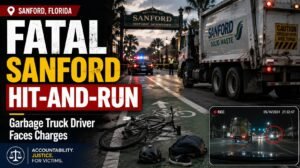
The Law Offices of Anidjar and Levine helps investigate Daytona Beach garbage truck accidents, preserve evidence, and identify potentially responsible parties, including drivers, sanitation companies, contractors, manufacturers, or governmental entities.
Legal counsel may pursue compensation for medical expenses, lost income, property damage, pain, and long-term care.
Prompt assistance can also address insurer communications, comparative-fault allegations, maintenance records, surveillance footage, and witness statements.
Learn more from a Daytona Beach Truck Accident Lawyer.
Understanding available legal protections and case-specific deadlines can help injured individuals make informed decisions about their next steps.
Main Takeaways
- A Daytona Beach garbage truck accident lawyer investigates driver conduct, vehicle maintenance, roadway conditions, and employer responsibility.
- Legal counsel helps pursue compensation for medical expenses, lost income, property damage, pain, and other recoverable losses.
- Attorneys communicate with insurers, employers, and medical providers while protecting injured people from harmful statements or agreements.
- Prompt evidence preservation may secure surveillance footage, electronic driving records, inspection reports, photographs, witness accounts, and vehicle data.
- Florida victims should seek immediate medical care, report the crash, document evidence, and understand potential comparative-fault defenses.


How We Can Help With Your Daytona Beach Garbage Truck Accident Injury Claim
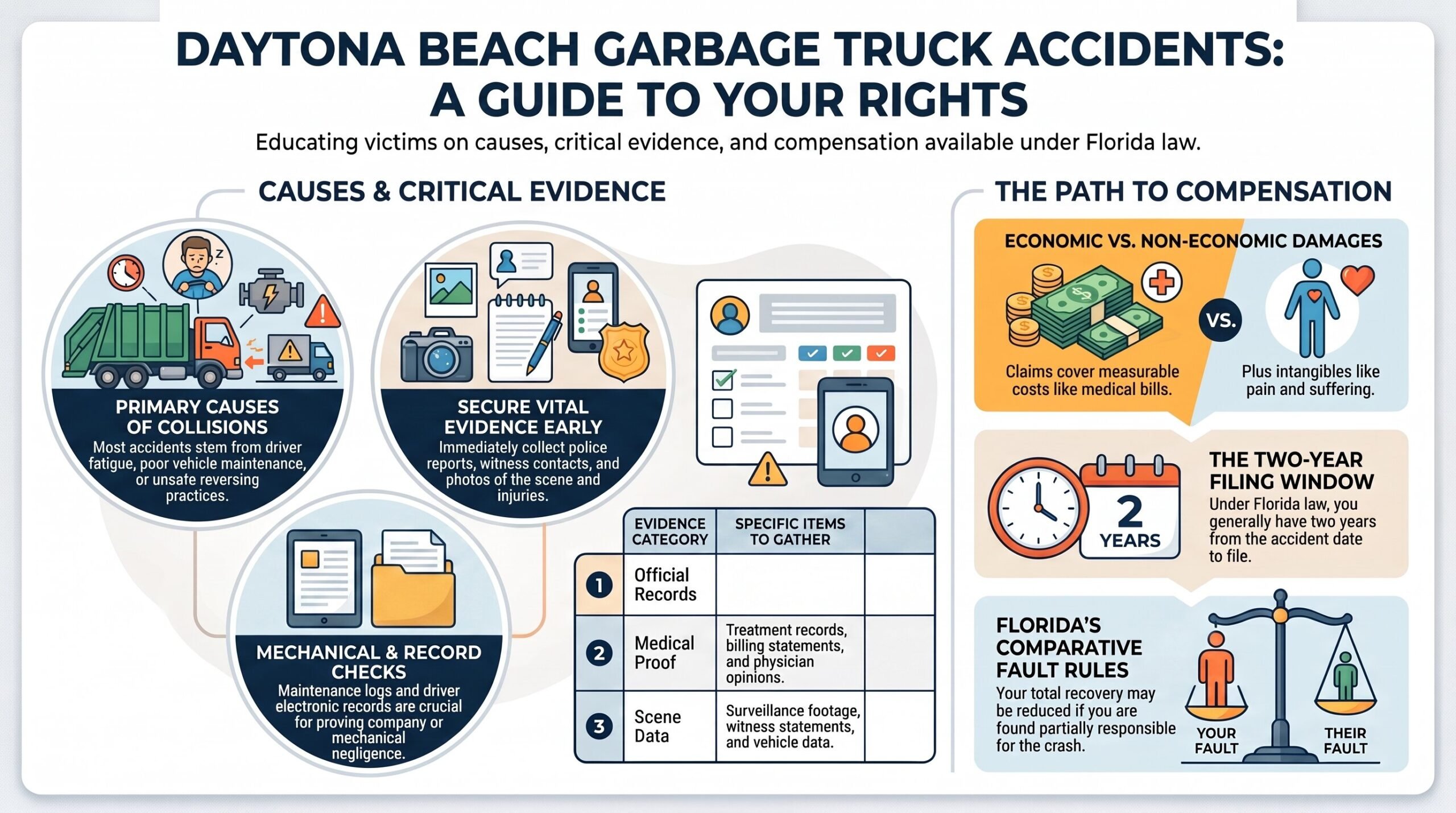
When a Daytona Beach garbage truck accident causes injuries, an experienced personal injury attorney can investigate the collision, identify all potentially responsible parties, and pursue compensation for medical expenses, lost income, property damage, and other legally recoverable losses. Counsel can communicate with insurers, employers, and medical providers while protecting the injured person from statements or agreements that could weaken the claim. The investigation may examine driver conduct, vehicle maintenance, traffic conditions, company policies, and possible Negligent hiring or inadequate supervision. Prompt evidence preservation is crucial because surveillance footage, electronic driving records, inspection reports, and vehicle data may be lost or altered over time. An attorney can coordinate with qualified professionals to evaluate injuries, future treatment needs, and the effect on employment or daily responsibilities. By organizing documentation and presenting a clear demand, counsel can help advance a fair resolution while keeping the injured individual informed and supported throughout the process. This service reflects a commitment to protecting people during difficult circumstances.
OUR CONSULTATIONSARE FREE
START YOUR FREE CASE REVIEW

Understanding Daytona Beach Garbage Truck Accident Injury Cases
Garbage truck accident injury cases in Daytona Beach often involve complex questions about driver conduct, vehicle maintenance, employer responsibility, and roadway conditions. Understanding these cases requires evaluating how the collision occurred, identifying responsible parties, and documenting the injuries and financial losses that followed. Evidence may include medical records, employment information, photographs, witness accounts, dispatch materials, and available vehicle data. Accident scene preservation can be particularly important because road conditions, vehicle positions, and physical damage may change or disappear before a complete investigation occurs. Claims may involve negligent drivers, sanitation companies, contractors, manufacturers, or governmental entities, depending on the facts and applicable deadlines. Severe injuries can create substantial treatment needs, lost income, and long-term limitations. When a fatality occurs, eligible relatives may pursue Wrongful death claims involving funeral expenses, lost support, and other legally recognized damages. Careful review helps protect the interests of injured residents and families seeking accountability while serving their communities.
Common Causes of Daytona Beach Garbage Truck Accident
Common Daytona Beach garbage truck accidents may result from driver distraction or fatigue, which can impair awareness and reaction time. Poor vehicle maintenance and unsafe reversing practices, including inadequate visibility checks, may also create significant risks. Hazardous road conditions, such as potholes, standing water, or limited visibility, can further contribute to collisions.
Driver Distraction And Fatigue
Driver distraction and fatigue are significant contributing factors in Daytona Beach garbage truck accidents, particularly during early-morning routes, congested traffic, or extended collection shifts. A distracted operator may overlook pedestrians, cyclists, changing signals, or vehicles approaching during repeated stops. Fatigue can slow reaction time, impair judgment, and reduce awareness of workers positioned near the truck. These conditions may increase rollover risks when a driver turns abruptly, misjudges a roadway, or fails to respond to uneven surfaces.
They can also contribute to side impact injuries when the truck drifts across a lane or enters an intersection without adequate observation. Employers and operators serving the community are expected to prioritize alert driving, appropriate rest, and careful route management. Evidence of distraction or fatigue may help establish responsibility after a collision and identify preventable safety failures.
Poor Vehicle Maintenance
In addition to distraction or fatigue, poor vehicle maintenance can contribute to Daytona Beach garbage truck accidents by allowing mechanical problems to develop without timely correction. Brake system failures may prevent a heavily loaded truck from stopping within a safe distance, particularly on congested streets or near collection areas. Worn tires, defective alternative components, and damaged suspension systems can also reduce stability and handling, increasing risks to workers, motorists, cyclists, and pedestrians.
Faulty safety mechanisms, including warning lights, backup alarms, and emergency shutoffs, may prevent employees or nearby individuals from recognizing hazards or responding promptly. Regular inspections, documented repairs, and adherence to manufacturer and regulatory requirements help identify these conditions before an accident occurs. When maintenance duties are neglected, responsible parties may face serious legal and public safety consequences.
Unsafe Reversing Practices
When garbage trucks reverse without adequate precautions, limited visibility and the vehicle’s size can create serious hazards for pedestrians, bicyclists, motorists, and collection workers. Drivers may fail to use spotters, warning alarms, cameras, or mirrors effectively, leaving people in areas that cannot be seen from the cab. Rushed collection schedules can encourage reversing before workers confirm that the path is clear.
Nighttime Visibility may be further reduced by darkness, glare, or poorly positioned lighting, increasing the likelihood of a collision near homes, businesses, or service locations. Traffic Signal Errors may also contribute when drivers or nearby motorists misunderstand right-of-way instructions while a truck backs into or out of an active roadway. Proper communication, deliberate handling, and adherence to safety procedures help protect everyone affected by collection operations.
Hazardous Road Conditions
Road conditions such as potholes, uneven pavement, standing water, loose gravel, and narrow shoulders can substantially increase the risk of a Daytona Beach garbage truck accident. These hazards may reduce traction, impair control, and make it difficult for collection vehicles to stop safely, particularly when trucks carry heavy loads. Drivers may also encounter construction zones, faded markings, or obstructed drainage that limit visibility and handling. Safe driving protocols require operators to adjust speed, inspect routes when possible, and remain alert to changing surface conditions.
Proper lane control is especially important on narrow roads, where sudden swerving can endanger nearby motorists, cyclists, pedestrians, and sanitation workers. When hazardous conditions contribute to a collision, investigators may examine roadway maintenance, warning signs, vehicle operation, and whether responsible parties responded appropriately to known risks.


Legal Rights of Daytona Beach Garbage Truck Accident Injury Victims
Daytona Beach garbage truck accident injury victims may have legal rights to pursue compensation for medical expenses, lost income, property damage, and pain and suffering. A careful legal review can identify responsible parties, applicable insurance coverage, and deadlines for filing a claim.
Counsel may help protect each victim’s interests while seeking a fair resolution.
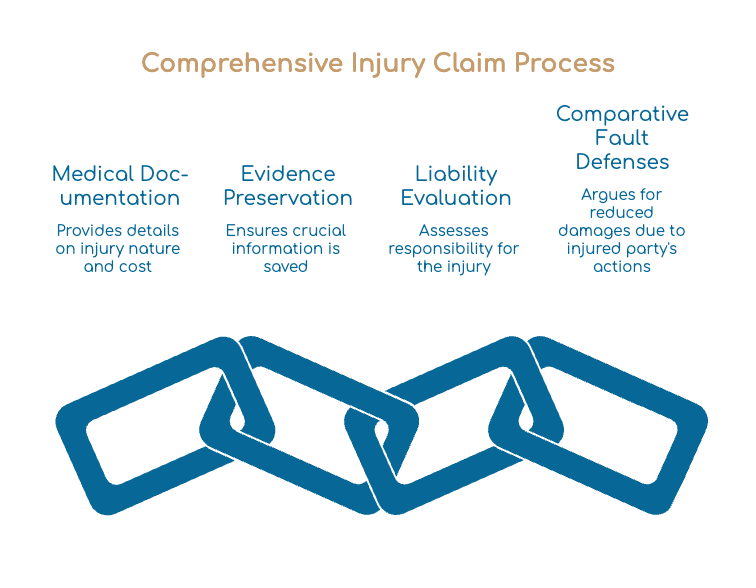
- Medical documentation: Treatment records, bills, and physician opinions can establish the nature and cost of injuries.
- Evidence preservation tips: Photographs, witness information, incident reports, vehicle data, and damaged property should be preserved promptly.
- Liability evaluation: Attorneys may examine driver conduct, employer responsibility, maintenance records, and governmental notice requirements without assuming fault.
- Comparative fault defenses: An insurer may argue that the injured person contributed to the harm, potentially reducing recoverable damages under Florida law.
Victims may also have rights to negotiate with insurers or pursue litigation when appropriate. Early guidance can support informed decisions, preserve evidence, and help families steer through the process with dignity and practical assistance.
Why Do Daytona Beach Garbage Truck Accident Injuries Happen?
Garbage truck accident injuries may occur because these vehicles operate in crowded areas, make frequent stops, and have substantial blind spots and limited handling. Drivers may fail to check mirrors, signal turns, or account for pedestrians, cyclists, and nearby motorists before moving. Mechanical defects, inadequate maintenance, defective safety equipment, and overloaded compartments can also contribute to collisions or crushing incidents. Collection crews face additional risks when riding exterior platforms, handling heavy containers, or working near reversing trucks without effective communication.
Roadway conditions, poor lighting, construction zones, and improperly placed waste bins may further restrict visibility and maneuverability. Property owners or contractors may bear responsibility when dangerous conditions contribute, potentially supporting Premises liability claims. However, insurers and defendants may raise comparative negligence defenses by alleging that an injured person ignored warnings, entered a restricted area, or acted unpredictably. Determining causation therefore requires careful review of driver conduct, vehicle condition, site conditions, training, and applicable safety procedures.
What Should You Do After a Daytona Beach Garbage Truck Accident Injury?
After a Daytona Beach garbage truck accident, the injured person should seek immediate medical care, even if symptoms initially appear minor. The accident should also be reported to the appropriate authorities and any involved employer or agency. Medical records, visible injuries, vehicle damage, and other relevant evidence should be documented promptly to support any potential claim.
Seek Immediate Medical Care
When an individual is injured in a Daytona Beach garbage truck accident, prompt medical evaluation should be treated as an immediate priority, even if the initial symptoms appear minor. Some conditions, including internal injuries, concussions, and soft-tissue damage, may worsen or remain difficult to recognize without professional assessment. A medical provider can document symptoms, recommend treatment, and establish a record of care that supports recovery. Following prescribed instructions and attending follow-up appointments may help prevent complications.
Individuals should also discuss emotional distress support with qualified providers when anxiety, sleep disruption, or trauma affects daily activities. Delaying care can create insurance claim pitfalls, including arguments that an injury was unrelated or insufficiently serious. Appropriate medical attention serves personal well-being and helps injured individuals make informed decisions while preserving their ability to assist others.
Report The Accident
Although safety and medical needs take priority, the accident should be reported promptly to the appropriate authorities. The injured person or a responsible companion should contact law enforcement and, when appropriate, the sanitation department or property owner. An official report creates a contemporaneous account of the collision and identifies the involved garbage truck, driver, and location.
Before leaving, the person should assess Scene safety and avoid entering traffic, approaching unstable equipment, or disturbing hazardous materials. If circumstances permit, witnesses should be identified, and the injured person should call witnesses to obtain names and contact information. A companion may collect photos of vehicle positions, roadway conditions, warning signs, and visible damage without interfering with responders. The person should also preserve evidence, including clothing, personal property, and relevant communications, for later review by authorized representatives.
Document Your Injuries
Prompt medical evaluation should be followed by careful documentation of every injury and related symptom. The injured person should describe pain, swelling, bruising, limited movement, dizziness, and emotional distress to medical providers, even when symptoms initially appear minor. Medical records, discharge instructions, prescriptions, and follow-up recommendations should be preserved in an organized file.
Photographing Scene Details can help connect injuries to the garbage truck accident. Images should show visible wounds, damaged clothing, roadway conditions, vehicle positions, traffic controls, and relevant hazards, if safety permits. The Importance of Gathering Witnesses should also be recognized. Names, telephone numbers, and brief accounts from bystanders or other drivers may support an accurate account of events. A written symptom journal, maintained consistently, can document changes and assist medical professionals, insurers, and legal representatives in evaluating the injury’s progression.
Critical Evidence in a Daytona Beach Garbage Truck Accident Injury Case
A Daytona Beach garbage truck accident injury case may depend on timely collection and careful preservation of evidence. The following records and accounts can help establish what occurred, identify responsible parties, and document the resulting harm:
- Police Accident Reports
- Medical Treatment Records
- Truck Maintenance Logs
- Witness Statements
Police Accident Reports
When a Daytona Beach garbage truck accident occurs, the responding police officer’s accident report may become critical evidence in an injury claim. The report typically identifies the involved parties, vehicle positions, roadway conditions, reported statements, citations, and the officer’s preliminary observations. Although it is not conclusive proof of liability, its details can help establish a timeline and direct further investigation.
The report may also preserve information that becomes difficult to obtain later, including witness names or descriptions of the truck’s movements. Attorneys may compare those facts with applicable Negligence standards when evaluating whether a driver, waste hauler, municipality, or another party breached a duty of care. The report can further inform a comparative fault analysis by documenting conduct attributed to each person involved in the collision.
Medical Treatment Records
Beyond the information contained in a police accident report, medical treatment records document the physical consequences of a Daytona Beach garbage truck collision and connect those injuries to the event. Emergency department notes, diagnostic imaging, physician evaluations, and therapy records can establish the nature, severity, and duration of harm.
They may also show whether symptoms appeared immediately, worsened over time, or required continuing care. Consistent documentation helps distinguish collision-related conditions from prior medical problems and supports credible calculations of medical expenses, lost earnings, and future treatment needs. When properly organized, these records serve as important Liability evidence, allowing a legal representative to present the injured person’s experience accurately and responsibly. They also inform settlement strategy by clarifying damages, treatment progress, and the potential need for additional medical evaluation.
Truck Maintenance Logs
Because mechanical defects may contribute to a garbage truck collision, maintenance logs can provide crucial evidence in a Daytona Beach injury case. These records may show inspection dates, reported problems, repairs, replacement parts, and the identities of personnel who performed the work. They can also reveal whether safety concerns were addressed promptly or repeatedly deferred. A review may compare the truck’s condition with manufacturer recommendations, company policies, and applicable transportation requirements.
Documentation concerning Employee training can help establish whether drivers and maintenance personnel received instruction on inspections, defect reporting, and safe operation. In addition, compliance audits may identify recurring failures in recordkeeping or preventive maintenance. Preserving these materials can assist qualified professionals in determining whether inadequate maintenance contributed to the collision and resulting injuries.
Witness Statements
Witness statements can provide important evidence in a Daytona Beach garbage truck accident injury case by documenting what individuals observed before, during, and after the collision. Independent accounts may clarify vehicle speed, traffic conditions, warning signals, driver conduct, and the timing of impact. Investigators may verify eyewitness credibility by comparing each account with physical evidence, medical records, photographs, and other testimony. Witnesses should preserve their recollections promptly, identify the precise location from which they observed events, and distinguish direct observations from assumptions. Nearby residents, pedestrians, motorists, and business employees may possess relevant information. Counsel may also assist with dashcam footage retrieval, including requests to drivers, businesses, or transportation systems that recorded the incident. Accurate statements can help protect injured individuals and support a fair determination of responsibility.
Long-Term Effects of Daytona Beach Garbage Truck Accident Injuries
Garbage truck accident injuries may cause chronic pain, reduced mobility, and lasting limitations that affect a person’s ability to work and manage daily activities. The emotional and psychological impact can also persist, including anxiety, depression, or trauma-related symptoms. Ongoing medical treatment, rehabilitation, and related financial needs may require careful planning and substantial compensation.
Chronic Pain And Mobility
After a Daytona Beach garbage truck accident, injuries to the spine, joints, muscles, or nerves may develop into chronic pain and lasting mobility limitations. Affected individuals may require ongoing medical evaluations, physical therapy, assistive devices, or changes to daily activities. Persistent symptoms can interfere with walking, lifting, standing, driving, and performing work that serves the public. Treatment records should document functional restrictions, anticipated care, and the connection between the accident and continuing impairment.
Workplace compensation may address authorized treatment and lost wages, while disability benefits may assist when limitations prevent substantial employment. Transportation safety remains important when pain or reduced movement affects vehicle operation or pedestrian awareness. Structured rehabilitation, proper body mechanics, and medical guidance can support ergonomic recovery, helping individuals protect injured areas while maintaining necessary independence and community responsibilities.
Emotional And Psychological Impact
Emotional and psychological effects may persist long after physical injuries from a Daytona Beach garbage truck accident have stabilized. Survivors may experience post-traumatic stress, including intrusive memories, heightened alertness, sleep disruption, or avoidance of places associated with the collision. Anxiety symptoms can interfere with transportation, employment, relationships, and ordinary community activities. Some individuals also develop depression, irritability, reduced concentration, or emotional distress when physical limitations alter familiar responsibilities.
These reactions are not signs of weakness; they may reflect the mind’s response to a sudden, threatening event. Compassionate support from family, counselors, and trusted community members can help survivors identify coping strategies and regain confidence. Careful documentation of symptoms may assist professionals in understanding the accident’s continuing psychological impact and in coordinating appropriate emotional support.
Ongoing Medical And Financial Needs
Long-term recovery may require continuing medical care, rehabilitation, prescription medications, and periodic evaluations even after the most visible injuries have improved. Patients may need coordinated treatment for chronic pain, limited mobility, nerve damage, or traumatic brain injuries. Physicians can document changing symptoms and recommend Pain management options that support function while reducing medication risks. Ongoing therapy, adaptive equipment, and home assistance may also create substantial expenses.
Financial planning should account for lost wages, reduced earning capacity, transportation, and future care. An attorney may help preserve medical records, employment documentation, and expert assessments needed to evaluate damages. Workers’ compensation, insurance coverage, and disability benefits claims may provide important resources, although eligibility requirements and deadlines can be strict. Families and caregivers often contribute unpaid support, making necessary documentation essential to protect long-term interests.
Proving Liability in Daytona Beach Garbage Truck Accident Injury Cases
Proving liability in a Daytona Beach garbage truck accident injury case requires establishing that the truck operator, sanitation company, government entity, or another responsible party failed to exercise reasonable care and that this failure caused the collision and resulting injuries. Evidence may include police reports, photographs, surveillance footage, eyewitness accounts, vehicle data, and medical records. Investigators may examine whether the driver was distracted, speeding, impaired, improperly trained, or operating a poorly maintained vehicle.
Trucking company policies, sanitation schedules, maintenance logs, and employment records can reveal violations of safety procedures or inadequate supervision. If a public agency owns the vehicle, notice requirements and governmental liability rules may affect the claim. Comparative negligence may also influence recovery if an injured person is alleged to have contributed to the accident. A thorough investigation should identify every potentially responsible party, preserve relevant evidence, and connect each negligent act to the documented harm without relying on speculation. Witness cooperation can strengthen an accurate account.
Dealing With Insurance Companies After a Daytona Beach Garbage Truck Accident Injury
After liability evidence has been preserved, communication with the insurance companies becomes an important part of protecting a Daytona Beach garbage truck accident injury claim. Adjusters may request recorded statements, medical authorizations, photographs, and employment information. Each response should remain accurate, limited to relevant facts, and consistent with available documentation. An injured person should avoid guessing about vehicle speed, fault, prognosis, or future treatment.
Early settlement offers may not account for continuing care, lost income, rehabilitation, or permanent limitations. Legal counsel can review policy coverage, identify responsible parties, and manage communications while the injured individual focuses on recovery and family responsibilities. Counsel may also assist with negotiation with medical bills, including disputed charges, liens, and payment demands. Maintaining organized records of treatment, expenses, correspondence, and missed work supports informed discussions. Although preserving accident evidence remains crucial, insurance negotiations should not involve altering, discarding, or speculating about records. Careful communication helps protect available compensation and promotes a fair resolution without unnecessary confrontation or delay.
What to Expect During a Daytona Beach Garbage Truck Accident Injury Claim Process
A Daytona Beach garbage truck accident injury claim typically begins with an initial case evaluation to assess liability, damages, and available legal options. The process may include gathering accident reports, medical records, witness statements, and other evidence before insurance claim negotiations begin. If the parties cannot reach a fair settlement, the matter may proceed to trial.
Initial Case Evaluation
When a Daytona Beach garbage truck accident causes injuries, the initial case evaluation establishes whether the claim has a viable legal and factual foundation. A qualified attorney typically reviews the reported circumstances, apparent injuries, responsible parties, and potential legal deadlines. This assessment helps determine whether the municipality, waste contractor, driver, or another entity may bear responsibility under applicable Florida law.
The evaluation also considers available insurance coverage and whether the damages may support a claim for medical expenses, lost income, ongoing care, and other losses. Evidence preservation is addressed at this stage so important materials are not overlooked, without undertaking the broader evidence-gathering process. Counsel may then explain possible strategies, anticipated obstacles, and the client’s responsibilities. If appropriate, representation proceeds toward insurance negotiation, litigation preparation, or another resolution serving the injured person’s interests.
Evidence Gathering Process
Once representation is established, the evidence-gathering process organizes the facts needed to evaluate liability and damages in a Daytona Beach garbage truck accident claim. Counsel may obtain crash reports, photographs, traffic-camera footage, vehicle maintenance records, driver logs, and witness statements. Medical records and billing documentation help connect injuries to the collision, establish treatment needs, and measure financial losses. Employment records can support claims involving missed work or reduced earning capacity.
An Expert witness may assess roadway conditions, vehicle operation, accident mechanics, or long-term medical effects when expertise is necessary. This investigation also preserves evidence before it is altered or lost. The collected materials support settlement valuation and prepare the claim for informed insurance negotiations, while maintaining focus on the injured person’s recovery and future needs.
Insurance Claim Negotiations
Insurance claim negotiations typically begin after the investigation establishes the accident’s circumstances, the garbage truck operator’s potential liability, and the injured person’s documented losses. An insurer reviews medical records, wage documentation, vehicle damage, and other evidence before evaluating the claim. The liability determination may consider traffic laws, maintenance records, company policies, driver conduct, and whether roadway conditions contributed to the collision.
Adjusters may request statements, authorize medical-record reviews, or question the extent of reported injuries. Witness credibility can influence how conflicting accounts are assessed, particularly when surveillance footage or official reports are incomplete. A representative may organize supporting documentation, communicate with the insurer, and address requests for additional information. Careful, accurate responses help protect the claim while ensuring that negotiations remain focused on verified harm and applicable coverage terms.
Settlement Or Trial
A settlement or trial typically follows the investigation and insurance negotiations in a Daytona Beach garbage truck accident injury claim. The injured person and legal team may evaluate the insurer’s offer against medical expenses, lost income, future care, and other documented damages. Negotiation Strategies can include presenting evidence, challenging disputed liability, and requesting compensation that reflects the claim’s full value.
If negotiations fail, the attorney may recommend filing a lawsuit and preparing for trial. Trial Risk Assessment considers the strength of available evidence, witness credibility, legal defenses, litigation costs, timing, and the possibility of receiving less than the proposed settlement. A judge or jury would determine liability and damages after hearing the evidence. Throughout the process, informed decisions should balance accountability, practical needs, and the claimant’s long-term interests.
Compensation for Daytona Beach Garbage Truck Accident Injury Damages
When a garbage truck accident causes injury in Daytona Beach, the injured person may pursue compensation for medical expenses, lost income, reduced earning capacity, property damage, and pain and suffering. The available recovery depends on evidence showing how the collision occurred, who was responsible, and how the injuries affected the claimant’s life. Relevant evidence may include medical records, employment documentation, repair estimates, photographs, witness statements, and accident reports.
A claim may involve the truck driver, a private waste company, a municipal entity, or another responsible party. Government defendants can require compliance with special notice and filing rules, making prompt legal evaluation important. If negligence resulted in a fatality, surviving family members may consider Wrongful death claims for eligible losses and related harm. A punitive damages assessment may also be appropriate when the conduct was particularly reckless or intentional, although such damages require a stronger showing than ordinary negligence. Legal counsel can help preserve evidence, identify responsible parties, and present a complete claim.
Economic vs Non-Economic Damages in Daytona Beach Garbage Truck Accident Cases
Economic damages include measurable losses such as medical expenses, lost income, property damage, and anticipated future costs. Non-economic damages address less tangible harm, including pain and suffering, emotional distress, and diminished quality of life. Calculating total compensation requires evaluating both categories and considering the accident’s immediate and long-term effects.
Economic Damages Explained
Generally, economic damages in a Daytona Beach garbage truck accident case represent the measurable financial losses caused by the collision. These losses may include emergency care, hospital services, prescriptions, rehabilitation, and other necessary medical expenses. Medical billing should be reviewed carefully to identify charges connected to the injuries and prevent overlooked balances.
Lost wages may also qualify when injuries prevent work, reduce hours, or require a career change. Future costs can include ongoing treatment, assistive equipment, and anticipated medical care supported by qualified evidence. Treatment timelines help connect services to the accident and demonstrate continuing needs. Insurance documentation, employment records, receipts, and provider statements can substantiate the claimed amounts. Careful evidence organization assists the injured person, family, and legal representatives in presenting a complete financial accounting for review by insurers or a court.
Non-Economic Damages Overview
Non-economic damages address the personal effects of a Daytona Beach garbage truck accident that do not have a fixed dollar value. They may include physical pain, emotional distress, mental anguish, disfigurement, inconvenience, and diminished enjoyment of life. These losses recognize how injuries can disrupt family relationships, community participation, independence, and daily responsibilities. Unlike medical bills or lost wages, they generally require evidence describing the claimant’s experiences, treatment, limitations, and anticipated recovery.
Testimony from the injured person, relatives, friends, and healthcare professionals may help establish the harm. Comparative fault can affect whether a claimant recovers and may influence the value assigned to these losses. During settlement discussions, counsel may use this evidence as part of a negotiation strategy designed to present the claimant’s circumstances accurately and supportively.
Calculating Total Compensation
When a Daytona Beach garbage truck accident causes injury, total compensation is typically assessed by combining economic and non-economic damages supported by the available evidence. Economic damages may include emergency treatment, ongoing medical care, rehabilitation, prescription costs, lost wages, reduced earning capacity, and necessary household assistance. Records, billing statements, employment documentation, and expert testimony help establish these measurable losses. Non-economic damages address pain, emotional distress, inconvenience, disfigurement, loss of enjoyment, and diminished quality of life.
Their valuation requires consideration of injury severity, recovery duration, permanent limitations, and effects on family and daily activities. An effective Insurance negotiation strategy presents organized proof and a defensible damages narrative. Attorneys may apply settlement valuation methods, comparable verdicts, medical projections, and applicable liability factors while accounting for disputed fault, insurance coverage, and future needs during negotiations.
When a Daytona Beach Garbage Truck Accident Injury Case Goes to Trial vs Settlement
A Daytona Beach garbage truck accident injury case may proceed to trial or resolve through settlement, depending on the strength of the evidence, the extent of the injuries, and the parties’ willingness to accept a negotiated outcome. Settlement can provide a faster, more predictable resolution, allowing an injured person to address medical needs and financial obligations without the uncertainty of courtroom proceedings. Negotiations may also preserve privacy and reduce litigation stress.
Trial may become necessary when insurers dispute liability, undervalue documented losses, or refuse reasonable negotiations. Evidence such as medical records, witness statements, photographs, vehicle data, and employment documentation can help establish the claim. Comparative negligence allegations may affect the assessment of responsibility and potential recovery. Counsel may also evaluate whether insurance bad faith concerns exist when claim handling appears unreasonable.
A trial requires preparation, testimony, exhibits, and acceptance of an uncertain verdict. Settlement requires informed consent regarding value, risks, and timing. The appropriate path depends on the individual’s needs and the case’s evidentiary strength.
Florida Laws That May Affect Your Daytona Beach Garbage Truck Accident Case
Florida laws can materially affect how a Daytona Beach garbage truck accident claim is investigated, valued, and resolved. Several rules may shape available benefits, responsibility, and evidence requirements:
- Florida No Fault Coverage: Personal injury protection may help cover medical expenses and partial lost income, regardless of initial fault, subject to policy limits and eligibility requirements.
- Comparative Negligence Rules: A person’s recovery may be reduced by the percentage of fault assigned to that person. Careful evidence review can clarify conduct by drivers, pedestrians, employers, and contractors.
- Government Claims Procedures: If a city or county vehicle is involved, sovereign-immunity provisions and notice requirements may affect how a claim proceeds. Public records and maintenance documentation may also be important.
- Commercial Vehicle Duties: State and federal safety standards may apply to inspection, loading, driver qualifications, and operating practices. Violations can support an argument concerning negligence.
These laws help protect injured residents and guide responsible claims handling. Legal counsel can evaluate applicable policies, public-entity issues, and supporting evidence while serving the claimant’s interests.
The Statute of Limitations for Daytona Beach Garbage Truck Accident Injury Cases
Under Florida law, the statute of limitations sets the deadline for filing a lawsuit after a Daytona Beach garbage truck accident causes injury. In many personal injury cases, an injured person generally has two years from the accident date to file. Missing that deadline can result in dismissal, even when medical records and other evidence support the claim.
Different deadlines may apply when the truck is owned or operated by a governmental entity. Florida’s sovereign-immunity requirements can require an earlier notice of claim and may impose additional procedural conditions. The applicable period also may depend on when the injury was discovered, the victim’s age, or whether a death occurred.
Comparative negligence rules can affect the amount recoverable, but they do not ordinarily extend the filing deadline. Similarly, truck insurance disputes may delay negotiations without pausing the limitations period. Prompt attention helps preserve legal rights and supports orderly service to injured individuals and their families while relevant evidence remains available.
How a Daytona Beach Garbage Truck Accident Lawyer Can Help You
Following a Daytona Beach garbage truck accident, legal counsel can help identify the responsible parties, preserve essential evidence, and assess the full extent of the injured person’s losses. A lawyer may coordinate with medical providers, insurers, and witnesses while protecting the client’s interests.
Legal counsel can identify responsible parties, preserve crucial evidence, and protect an injured person’s interests after a Daytona Beach garbage truck accident.
- Evidence preservation: Counsel can secure photographs, vehicle data, maintenance records, surveillance footage, and witness statements before materials disappear or become difficult to obtain.
- Medical documentation: Reviewing medical records helps connect injuries to the collision, clarify treatment needs, and calculate medical expenses, lost income, and future care costs.
- Claim management: An attorney can explain Insurance claim timelines, evaluate settlement offers, prepare required documents, and communicate with adjusters on the injured person’s behalf.
- Financial guidance: Counsel can explain potential recovery, case expenses, and attorney fees before representation proceeds, supporting informed decisions and responsible service to the injured individual.
This assistance can bring organization, accountability, and informed advocacy to a complicated claim while allowing the injured person to focus on recovery.
When to Contact a Daytona Beach Garbage Truck Accident Lawyer
When should an injured person contact a Daytona Beach garbage truck accident lawyer? Contact is generally appropriate as soon as possible after a collision, particularly when injuries, disputed responsibility, or significant property damage are involved. Early guidance can help protect the injured person’s interests while facts remain available.
Immediate medical follow-up and preserving evidence are important first steps. Medical records can document symptoms and treatment, while photographs, witness information, vehicle details, surveillance footage, and incident reports may clarify what occurred. A lawyer can identify relevant materials that should be requested or retained before they disappear.
Insurance claim deadlines and required documentation also make prompt action important. Policies and applicable law may impose time limits for reporting an accident, submitting forms, or pursuing compensation. Delays can create avoidable disputes, especially when multiple parties or a government-related entity are involved. A timely consultation allows the injured person to understand available procedures, organize records, and communicate accurately with insurers without compromising the claim or overlooking necessary protections.
Why You Need an Experienced Daytona Beach Garbage Truck Accident Lawyer
An experienced Daytona Beach garbage truck accident lawyer can provide focused guidance when injuries, disputed liability, or substantial losses complicate an insurance claim. Garbage truck crashes may involve municipal entities, private contractors, multiple drivers, and complex maintenance records. Counsel can investigate promptly, coordinate evidence preservation, and identify policies or legal duties that affect available compensation.
Legal experience also helps address Comparative negligence, which may reduce recovery when an injured person is alleged to share responsibility. A lawyer can organize medical documentation, employment records, photographs, and insurance paperwork while communicating with adjusters on the client’s behalf. These steps allow an injured person to focus on medical care and family responsibilities rather than procedural demands.
Experience is particularly valuable when witness credibility becomes contested. Counsel can compare statements with traffic footage, vehicle data, scene evidence, and official reports to present a coherent account. By serving the client’s interests with diligence and accuracy, experienced representation can promote fair treatment and protect the resources needed for recovery.
How to Choose the Right Daytona Beach Garbage Truck Accident Lawyer for Your Case
Selecting the right Daytona Beach garbage truck accident lawyer requires more than comparing advertisements or initial consultation fees. A suitable attorney should demonstrate experience handling commercial vehicle collisions, understand applicable safety regulations, and show genuine commitment to protecting injured people and their families.
During consultations, prospective clients should evaluate Client communication, including response practices, availability, and explanations of legal options. Fee transparency is equally important; the lawyer should describe billing arrangements, potential expenses, and any conditions affecting the client’s recovery. Questions about evidence preservation can reveal whether the firm will promptly secure photographs, vehicle data, maintenance records, witness statements, and relevant surveillance footage.
The attorney should also explain likely case timelines without promising a specific result. Clear discussions about investigation, negotiations, litigation, and settlement decisions help clients make informed choices. A lawyer who listens carefully, answers questions directly, and provides realistic guidance can better support a responsible, service-oriented approach throughout the claim while respecting each client’s circumstances, priorities, and need for dependable advocacy.
About The Law Offices of Anidjar & Levine
The Law Offices of Anidjar & Levine represents individuals and families pursuing compensation after serious accidents, including collisions involving garbage trucks and other commercial vehicles.
Its attorneys examine how a crash occurred, identify potentially responsible parties, and evaluate medical expenses, lost income, property damage, and other Truck accident damages.
The firm provides a legal consultation designed to clarify available options and explain the claims process.
When appropriate, its team assists with evidence preservation, including accident reports, vehicle records, photographs, witness accounts, and relevant electronic data.
These materials may help establish liability and demonstrate the effect of injuries on a client’s life.
The attorneys also handle insurance negotiation and communicate with insurers on behalf of injured clients.
Their work may include reviewing coverage, challenging inadequate settlement offers, and preparing claims for litigation when necessary.
By addressing legal and practical concerns, the firm seeks to help clients pursue informed decisions while focusing on medical recovery and family responsibilities.
Frequently Asked Questions
Can I Still Pursue a Claim if the Garbage Truck Driver Left the Accident Scene?
A person may still pursue a claim if a garbage truck driver left the accident scene. Leaving may support allegations of negligence and may constitute a separate offense, depending on applicable law. Prompt medical care, police reporting, witness identification, photographs, and Evidence Preservation are important. Records may establish the vehicle’s identity, impact, and driver conduct. Negligent Evacuation is a distinct issue and should be evaluated separately. Legal guidance can clarify deadlines and responsible parties.
What Happens if a Garbage Truck Accident Victim Dies Before Filing a Lawsuit?
If a garbage truck accident victim dies before filing a lawsuit, eligible family members or the estate may pursue a wrongful-death claim, subject to Florida’s deadlines and procedural requirements. A personal representative generally investigates damages, including medical expenses, lost support, and funeral costs. Prompt Evidence Preservation is crucial because vehicle data, surveillance footage, maintenance records, and witness accounts may disappear. Wrongful Insurance disputes can require careful coordination with insurers and experienced legal guidance.
Can Family Members File a Wrongful Death Claim After a Garbage Truck Accident?
Yes, eligible family members may file a wrongful death claim after a garbage truck accident, provided state law establishes family standing and the required wrongful death criteria. Eligibility commonly depends on the deceased person’s relationship to the claimant, financial dependence, and the appointment of a personal representative. A claim may seek funeral expenses, lost financial support, and other legally recognized damages. Prompt legal guidance helps preserve evidence and meet filing deadlines.
Are Garbage Truck Accident Settlements Taxable Under Federal or Florida Law?
Garbage truck accident settlements are not automatically taxable. Under federal tax treatment, compensation for personal physical injuries, medical expenses, and wrongful death is generally excluded from gross income, while amounts for punitive damages, interest, or emotional distress without physical injury may be taxable. Florida imposes no state individual income tax, but federal rules still apply. Insurance offsets, attorney fees, and settlement allocation can affect reporting, requiring careful professional review.
Can Undocumented Immigrants Pursue Compensation After a Daytona Beach Garbage Truck Accident?
Undocumented immigrants may pursue compensation after a Daytona Beach garbage truck accident, regardless of immigration status. Florida law generally permits injured individuals to seek damages for medical expenses, lost income, property damage, and suffering when another party caused the collision. Compensation eligibility depends on liability and documented losses, not citizenship. Legal protections also restrict improper immigration-related intimidation. Documentation requirements may include medical records, accident reports, witness information, and evidence of financial harm.
—————————
Garbage truck accidents in Daytona Beach can result in severe injuries, complex liability issues, and significant financial losses.
Victims may face medical bills, lost wages, vehicle damage, and ongoing care costs while determining who was responsible and what insurance coverage applies.
An experienced Daytona Beach Truck Accident Lawyer can investigate the crash, protect your legal rights, and pursue appropriate compensation.
The Law Offices of Anidjar and Levine can provide knowledgeable guidance and dedicated representation throughout the injury claim process.