

The Law Offices of Anidjar and Levine help evaluate whether delayed diagnosis, medication errors, surgical negligence, or communication failures caused or worsened a stroke. A West Palm Beach Personal Injury Lawyer can review medical records, imaging, treatment timelines, and expert opinions to assess duty, breach, causation, and damages. Potential claims may involve rehabilitation costs, lost income, disability, emotional distress, and long-term care. Florida pre-suit procedures and filing deadlines may affect case viability, making qualified legal guidance important.
Main Takeaways
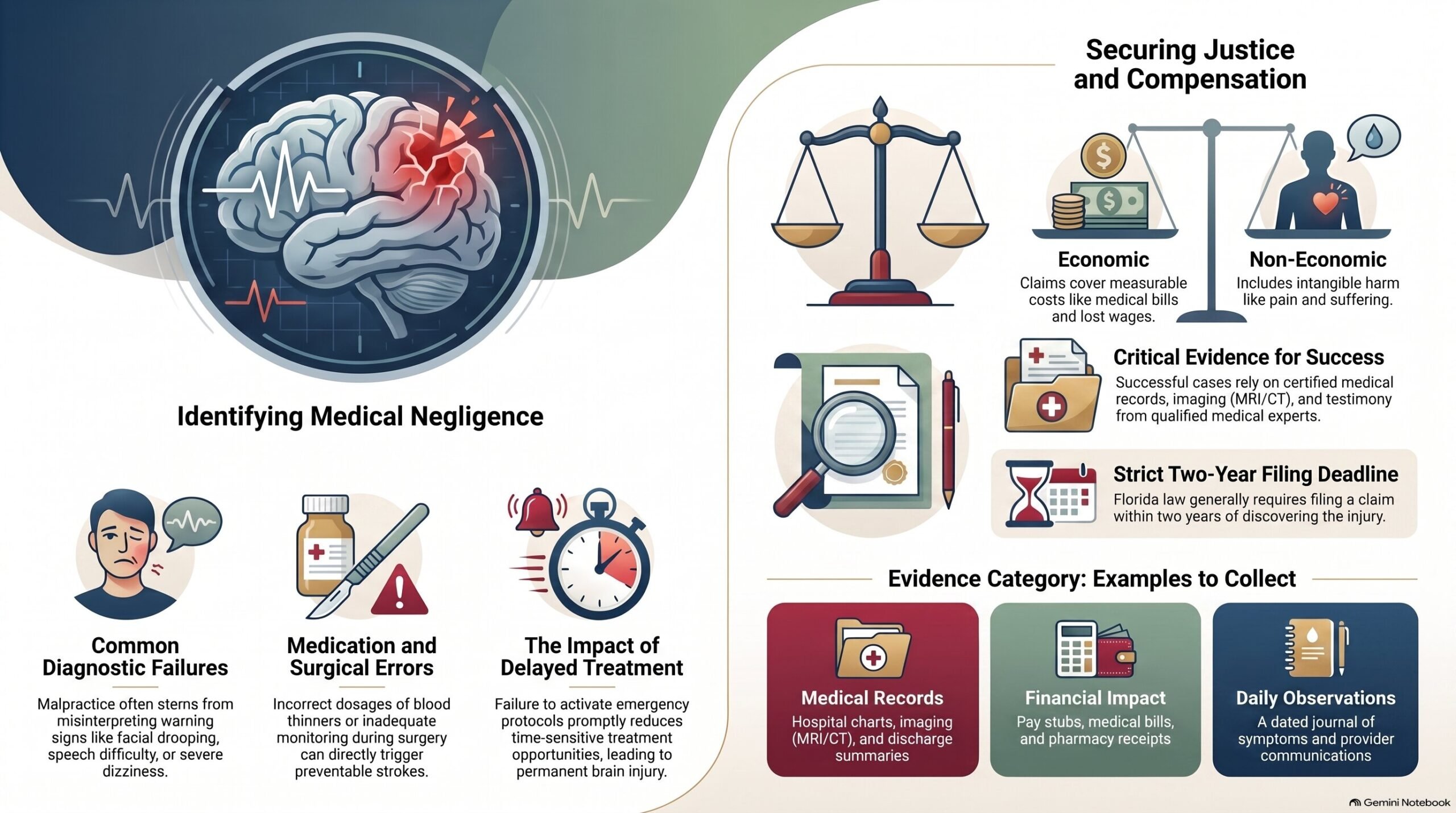
- A West Palm Beach stroke malpractice lawyer evaluates whether delayed diagnosis, medication errors, or surgical negligence contributed to the injury.
- Attorneys review medical records, treatment timelines, imaging, communications, and expert opinions to assess potential negligence and causation.
- Potential compensation may include medical expenses, rehabilitation, lost income, disability, pain and suffering, emotional distress, and long-term assistance.
- Florida malpractice claims involve strict pre-suit procedures, expert review requirements, and filing deadlines that can affect case viability.
- Preserve hospital records, medication information, imaging results, bills, appointment confirmations, and dated notes describing symptoms and provider communications.


How We Can Help With Your West Palm Beach Medical Malpractice Stroke Injuries Claim
A West Palm Beach medical malpractice stroke injuries lawyer can help evaluate whether a healthcare provider’s negligence contributed to a stroke or repaired its effects. The lawyer may organize medical records, consult qualified professionals, and identify information needed to assess a potential claim. This assistance can help families serve an injured relative’s interests while making informed decisions.
Counsel can explain statute of limitations deadlines and filing requirements that may affect whether a case proceeds. Early attention to these matters helps preserve relevant evidence and supports timely preparation without promising a particular result. The lawyer may also communicate with insurers and healthcare representatives, reducing the burden on individuals managing rehabilitation, caregiving, and related responsibilities.
Through Settlement negotiation, counsel can present documented losses and respond to proposed resolutions. Damages planning may address medical expenses, rehabilitation, lost income, future care, and other legally recognized impacts. If negotiation does not produce an appropriate resolution, the lawyer can explain available procedural options and their potential demands.
OUR CONSULTATIONSARE FREE
START YOUR FREE CASE REVIEW

Understanding West Palm Beach Medical Malpractice Stroke Injuries Injury Cases
Understanding a West Palm Beach medical malpractice stroke injuries case requires examining whether a healthcare provider’s conduct departed from accepted medical standards and contributed to the patient’s harm. The analysis may involve medical records, treatment timelines, diagnostic findings, consultations, and testimony from qualified professionals. A claim generally requires evidence of a provider-patient relationship, a breach of the applicable standard of care, and a causal connection between that breach and the stroke-related injury.
The effects of such injuries can extend beyond immediate hospitalization. Evaluation may address cognitive changes, mobility limitations, speech impairment, emotional effects, and the assistance required for daily activities. Stroke rehabilitation planning can help identify appropriate therapy, supervision, adaptive equipment, and long-term support. Financial assessment may also consider lost income, reduced earning capacity, medical treatment, and future care costs. A careful case review allows families and advocates to understand available options while preserving evidence and supporting the injured person’s dignity, recovery, and ongoing needs.
Common Causes of West Palm Beach Medical Malpractice Stroke Injuries
Common causes of stroke-related medical malpractice may include missed stroke symptoms and delayed diagnosis, which can prevent timely treatment and worsen patient outcomes. Medication errors, such as incorrect prescriptions or dosages, may also increase the risk of stroke or complications. Surgical negligence, including inadequate precautions or improper postoperative monitoring, represents another potential source of injury.
Missed Stroke Symptoms
When stroke symptoms are missed or misinterpreted, critical treatment may be delayed, increasing the risk of permanent brain injury, disability, or death. Warning signs may include sudden facial weakness, arm numbness, speech difficulty, vision changes, severe dizziness, or loss of balance. Medical personnel are expected to evaluate these symptoms carefully, obtain relevant history, and recognize possible stroke even when signs appear mild, intermittent, or atypical. Failure to perform an appropriate neurological assessment, document changes, or communicate concerns can prevent timely escalation of care. Recognizing warning signs requires consistent training and attention to patient reports and family observations. Hospitals and emergency departments should maintain emergency response planning, including clear protocols for assessment, communication, and expert consultation. When symptoms are overlooked, affected patients and families may seek legal guidance regarding potential negligence.
Delayed Diagnosis
A delayed stroke diagnosis may occur after symptoms are overlooked, attributed to another condition, or not fully evaluated during an initial medical encounter. Delays can also occur when triage fails to recognize sudden weakness, speech difficulty, facial drooping, changes in vision, or loss of balance as warning signs. Inadequate Stroke risk assessment may prevent clinicians from identifying patients who require urgent neurological evaluation. A facility may lack a clear emergency response protocol, or staff may fail to activate it promptly when symptoms develop. Communication breakdowns between emergency personnel, nurses, physicians, and diagnostic departments can further postpone imaging and expert consultation. When evaluation is delayed, time-sensitive treatment opportunities may be reduced, potentially worsening the patient’s impairment. A careful review may determine whether the delay resulted from negligent assessment, communication, or response.
Medication Errors
Medication errors may contribute to stroke injuries when the wrong drug, dosage, or timing prevents appropriate prevention or treatment. In West Palm Beach medical settings, patients may be harmed when anticoagulants, antiplatelet drugs, blood pressure medications, or other prescribed therapies are omitted, duplicated, or administered incorrectly. Medication reconciliation failures can occur when clinicians overlook a patient’s current prescriptions, allergies, kidney function, or interactions between drugs. Inadequate dosage monitoring protocols may also increase the risk of excessive bleeding or insufficient protection against clot formation. Communication breakdowns during admissions, transfers, and discharge can increase the likelihood of these errors. When a medication mistake contributes to a stroke, medical records, pharmacy information, and treatment instructions may help clarify what occurred. Legal guidance can assist families seeking accountability and support after preventable injuries.
Surgical Negligence
Surgical negligence may cause or worsen stroke injuries if a surgical team fails to identify a patient’s stroke risk, protect blood flow, or respond appropriately to complications. Preventive care may include reviewing medical history, managing blood pressure, monitoring oxygen levels, and recognizing warning signs during and after surgery. Errors involving anesthesia, positioning, clot prevention, or delayed diagnostic testing can restrict circulation or postpone treatment, increasing the potential for permanent disability. Post-surgical infection liability may arise when inadequate sterile practices or delayed treatment allows infection to contribute to clotting, sepsis, or neurological injury. Informed consent disputes may develop if providers fail to explain material stroke risks, alternatives, and expected outcomes. A careful legal review can assess whether accepted surgical standards were followed and whether negligence caused compensable harm.
Don’t Wait. Call Our Florida Personal Injury Lawyers Now!


Legal Rights of West Palm Beach Medical Malpractice Stroke Injury Victims
In West Palm Beach, stroke injury victims may have legal rights when negligent medical care causes or worsens the harm. Patient rights include receiving competent evaluation, timely treatment, accurate records, and clear explanations of material risks. Informed consent generally requires meaningful disclosure before nonemergency care, allowing patients or authorized representatives to make informed decisions.
Potentially available legal remedies may include:
- Compensation for additional medical treatment, rehabilitation, and necessary assistance
- Recovery for lost income, reduced earning capacity, and related financial effects
- Damages for pain, disability, emotional distress, and diminished quality of life
- Access to case evaluation, evidence preservation, and representation in negotiations or litigation
A medical malpractice claim typically requires evidence that a healthcare provider owed a professional duty, departed from the applicable standard of care, and caused legally recognizable injury. Florida procedural requirements can include medical-record review, pre-suit investigation, and strict filing deadlines. A qualified attorney may help protect these rights while treating the victim and family with dignity, explaining available options, and pursuing accountability without promising a particular outcome.
Why Do West Palm Beach Medical Malpractice Stroke Injuries Happen?
Stroke-related medical malpractice injuries may occur when a healthcare provider fails to recognize warning signs, delays necessary treatment, or does not follow appropriate diagnostic and monitoring procedures. These failures can arise in emergency departments, hospitals, rehabilitation facilities, or outpatient settings where timely assessment is crucial. Contributing factors may include incomplete neurological examinations, overlooked changes in speech or movement, misinterpretation of imaging, and inadequate communication during shift changes. Medication side effects can also resemble or conceal stroke symptoms, particularly when clinicians do not review prescriptions, dosages, and patient histories carefully.
In some cases, staffing shortages, insufficient supervision, or failure to follow established stroke protocols contribute to preventable harm. Caregiver documentation, including observations about confusion, weakness, or sudden behavioral changes, may be incomplete, inaccurate, or disregarded. When warning signs are not communicated or investigated, treatment may be delayed, hindering the possibility of permanent disability, impaired independence, or other serious complications for the affected patient and family.
What Should You Do After a West Palm Beach Medical Malpractice Stroke Injury?
After a suspected medical malpractice stroke injury, the patient should seek immediate medical care to address urgent complications and establish a treatment record. The patient or a family member should document diagnoses, procedures, medications, symptoms, and related medical expenses. Prompt consultation with a qualified malpractice attorney can help preserve evidence and evaluate potential legal rights.
Seek Immediate Medical Care
Immediate medical evaluation is crucial when a person experiences symptoms that may indicate a stroke, particularly if those symptoms arise during or after medical treatment. Recognize stroke signs, including sudden facial drooping, weakness or numbness on one side, speech difficulty, confusion, vision changes, severe dizziness, or an unexplained headache. The individual should receive emergency assistance without delay, even if symptoms improve or disappear. Calling 911 generally provides the fastest access to trained responders and an appropriate stroke facility. Florida emergency guidelines emphasize prompt assessment because certain treatments are time-sensitive and may reduce permanent brain harm. A bystander should note when symptoms began, keep the person safe, and avoid providing food, drink, or medication unless instructed by professionals. Immediate care prioritizes the person’s health and supports effective, compassionate assistance.
Document Your Medical Treatment
Documenting medical treatment can help preserve an accurate record of the events surrounding a suspected malpractice-related stroke injury. The patient or a designated support person should maintain copies of hospital records, medication lists, discharge instructions, imaging reports, test results, and billing statements. A dated journal can record symptoms, functional changes, conversations with providers, treatment delays, and the names of witnesses, while keeping entries factual and specific. Preserving appointment confirmations, prescription receipts, photographs of visible injuries, and written communications may clarify the progression of care. Employment records should also be retained when the injury affects attendance, duties, or income, including information relevant to a potential Wrongful discharge claim. Organized documentation can assist with insurance disputes, help caregivers communicate accurately with medical professionals, and support the patient’s ongoing recovery.
Contact a Malpractice Attorney
A consultation with a West Palm Beach medical malpractice attorney can help determine whether a stroke injury may have resulted from negligent medical care. An urgent consultation is advisable when delayed diagnosis, improper treatment, or inadequate monitoring may have worsened the patient’s condition. During an initial case review, the attorney generally examines medical records, hospital documentation, diagnostic images, treatment timelines, and available witness information. This assessment may identify whether healthcare providers failed to meet applicable standards and whether that failure caused preventable harm. Family members or caregivers can assist by organizing documents, preserving correspondence, and recording observed changes in the patient’s abilities. A qualified attorney can explain potential legal options, filing deadlines, and the evidence needed to support a claim. Prompt legal guidance also helps protect the patient’s interests while allowing caregivers to focus on recovery and support.
Critical Evidence in a West Palm Beach Medical Malpractice Stroke Injury Case
A strong medical malpractice stroke injury case depends on reliable evidence showing what occurred, when it occurred, and whether the care met accepted medical standards. Relevant materials may establish the treatment sequence, identify potential failures, and connect those failures to the resulting harm.
Important evidence commonly includes:
- Medical records and diagnostic imaging
- A documented treatment timeline
- Qualified expert witness testimony
- Proof of medical negligence and resulting injury
Medical Records and Imaging
When stroke symptoms follow a medical error, medical records and diagnostic imaging can provide critical evidence of what occurred, when it occurred, and whether appropriate treatment was provided. Hospital charts may identify reported symptoms, clinical findings, medication orders, nursing observations, and physician decisions. Medication error documentation can clarify whether an incorrect drug, an incorrect dose, or a delay in administration contributed to neurological harm. CT scans, MRI studies, angiography, and radiology reports may show bleeding, blocked vessels, or evolving brain injury. Original images and metadata can be important because summaries may omit significant details. Records also support insurance denial appeals by documenting medical necessity, functional limitations, and recommended services. A legal professional may obtain complete certified records, preserve imaging copies, and consult qualified medical experts to evaluate whether documentation reflects accepted standards of care.
Treatment Timeline Documentation
Treatment timeline documentation organizes the sequence of symptoms, evaluations, diagnoses, medication decisions, procedures, and changes in neurological status. In a West Palm Beach medical malpractice stroke injury case, this chronology can clarify whether warning signs were recognized and addressed within a reasonable time. Records may reveal gaps in the stroke timeline between emergency arrival, neurological assessment, imaging, consultation, treatment, and transfer. Careful review also examines neurodiagnostic documentation, including recorded examination findings, imaging orders, results, and responses to changing symptoms. Imaging report completeness matters because missing impressions, timestamps, or communications may obscure crucial decisions. Similarly, discharge summary accuracy helps establish the patient’s condition, prescribed medications, follow-up instructions, and unresolved risks at release. A precise timeline supports accountability and helps families seeking appropriate assistance understand how care unfolded.
Expert Witness Testimony
Expert witness testimony can be essential evidence in a West Palm Beach medical malpractice stroke injury case because qualified medical professionals can explain whether the care provided met accepted standards. These experts may clarify medical terminology, interpret records, and describe how treatment decisions relate to the patient’s condition. Their testimony can help the court understand complicated issues without replacing the fact-finder’s role. Attorneys may prepare Cross Examination Strategies to examine an opposing expert’s methods, assumptions, qualifications, and familiarity with the available documentation. Credibility Challenges may arise when an expert has limited experience, inconsistent opinions, financial connections to litigation, or testimony that conflicts with reliable records. A well-prepared expert should remain objective, acknowledge uncertainty, and communicate clearly. Such testimony supports informed evaluation while respecting the patient’s needs and the integrity of the legal process.
Proof of Medical Negligence
Proof of medical negligence in a West Palm Beach medical malpractice stroke injury case requires evidence that the healthcare provider departed from the accepted standard of care and that the departure caused or contributed to the patient’s harm. Relevant records may include emergency department notes, imaging results, medication histories, consultation requests, neurological assessments, and discharge instructions. These materials can show whether providers recognized warning signs, ordered appropriate tests, administered timely treatment, and adhered to healthcare standards. Causation proof must connect the alleged error to the stroke, delayed diagnosis, worsened disability, or other measurable injury. Expert testimony may interpret intricate medical evidence and explain what a reasonably careful provider would have done. Witness statements, timelines, and billing records can further document the injury’s consequences, treatment needs, and financial losses.
Don’t Wait. Call Our Florida Personal Injury Lawyers Now!
Long-Term Effects of West Palm Beach Medical Malpractice Stroke Injuries
Long-term stroke injuries caused by medical malpractice may result in permanent physical disabilities that limit mobility, independence, and daily functioning. Cognitive and emotional changes can also affect memory, communication, judgment, and overall quality of life. Many individuals require ongoing medical care, rehabilitation, assistive services, and related support to manage these lasting effects.
Permanent Physical Disabilities
When medical malpractice causes a stroke or delays necessary treatment, the resulting damage may produce permanent physical disabilities that substantially limit a person’s independence and quality of life. Survivors may experience paralysis, weakened limbs, impaired balance, muscle stiffness, or difficulty walking and using their hands. These limitations can affect bathing, dressing, transportation, employment, and other daily activities. A long-term prognosis depends on the injury’s severity, treatment delays, and the individual’s response to rehabilitation. Recovery Therapy Planning may include physical therapy, occupational therapy, assistive devices, home modifications, and continuing medical supervision. Family members and caregivers may provide vital support as the survivor adapts to lasting functional changes. Documenting disability-related expenses, required assistance, and medical recommendations can help clarify future needs when evaluating potential malpractice-related damages and pursuing appropriate legal remedies.
Cognitive And Emotional Changes
Stroke-related cognitive and emotional changes may persist long after the initial medical emergency, particularly when malpractice delays diagnosis or treatment. Survivors may experience memory loss, impaired judgment, reduced attention, language difficulties, depression, anxiety, irritability, or personality changes. These conditions can interfere with employment, relationships, independence, and the ability to make informed decisions. Families and caregivers may misinterpret altered behavior as unwillingness rather than a neurological consequence, creating additional strain. Patient communication can become difficult when speech, comprehension, or emotional regulation is affected. Medication side effects may further contribute to confusion, fatigue, mood changes, or concentration problems, complicating efforts to identify the stroke’s full impact. Documentation of these changes helps clarify functional losses and supports compassionate decision-making by those assisting the survivor with daily responsibilities and legal concerns.
Ongoing Medical Care
Ongoing medical care may be required to manage the lasting effects of a stroke, particularly when delayed diagnosis or treatment has caused significant neurological injury. Treatment may include follow-up visits, medication management, physical therapy, occupational therapy, speech therapy, and evaluations for swallowing, mobility, or cognitive difficulties. Rehabilitation planning should address current limitations while anticipating future needs, including adaptive equipment, transportation, home modifications, and workplace accommodations. Continued monitoring can help identify complications such as seizures, depression, blood clots, or recurrent stroke symptoms. Families may also need caregiver support options, including respite services, home health assistance, adult day programs, and skilled nursing care. Documented medical recommendations and related expenses can help demonstrate the scope of ongoing needs when evaluating a potential malpractice claim and pursuing resources for long-term recovery.
Proving Liability in West Palm Beach Medical Malpractice Stroke Injury Cases
Proving liability in a West Palm Beach medical malpractice stroke injury case requires evidence that a healthcare provider failed to meet the accepted standard of care and that the failure caused or substantially contributed to the patient’s recovery. Medical records, diagnostic results, treatment orders, and testimony may show whether warning signs were recognized and addressed promptly. Causation standards require a clear connection between the provider’s conduct and the stroke-related harm, such as delayed treatment, permanent impairment, or additional medical needs.
Expert review is often crucial because qualified physicians can explain what competent care required under comparable circumstances and whether the provider’s decisions departed from that standard. The injured patient generally must establish each element through persuasive evidence, while the defense may present alternative explanations for the outcome. A careful investigation can preserve relevant records, identify responsible parties, and clarify how the event affected the patient’s ability to work, communicate, move, or live independently.
Dealing With Insurance Companies After a West Palm Beach Medical Malpractice Stroke Injury
Once potential liability and the extent of the patient’s injuries have been documented, communications with insurance companies must be handled carefully. Representatives may request recorded statements, medical authorizations, or detailed explanations before evaluating a stroke injury claim. A patient or family member should avoid speculation, admissions, or statements that could be taken out of context.
Understanding how insurers deny claims helps identify recurring tactics, including disputing causation, minimizing future care needs, and asserting that symptoms resulted from preexisting conditions. Prompt legal review can help preserve accurate information and prevent unsupported interpretations from shaping the insurer’s position.
Proper handling of policy documentation is also critical. Relevant policies, correspondence, benefit explanations, medical records, billing statements, and coverage notices should be organized and retained. Deadlines and notice requirements must be monitored carefully because missed procedural obligations may affect available coverage or recovery options. A qualified attorney can communicate with insurers, protect the patient’s interests, and support respectful, informed advocacy throughout these communications.
What to Expect During a West Palm Beach Medical Malpractice Stroke Injury Claim Process
A West Palm Beach medical malpractice stroke injury claim typically begins with an initial case evaluation to assess liability, damages, and legal deadlines. The process may then involve gathering medical evidence, negotiating injury compensation with insurers, and preparing for trial if a fair resolution cannot be reached. Each stage requires careful documentation and strategic legal analysis to protect the injured person’s rights.
Initial Case Evaluation
How does an initial case evaluation begin in a West Palm Beach medical malpractice stroke injury claim? A legal professional typically conducts a confidential consultation to understand what occurred, when symptoms developed, and how healthcare decisions may have affected the patient. Gathering case details involves recording the treatment timeline, communications with providers, relevant diagnoses, and the family’s primary concerns, without reaching premature conclusions. The evaluation also includes an examination of injury impacts, such as physical limitations, cognitive changes, emotional challenges, caregiving needs, and financial consequences. Counsel may explain potential legal theories, filing deadlines, required proof, and possible claim outcomes in clear terms. The individual may receive guidance about preserving communications and documenting ongoing losses. This initial review helps determine whether further investigation is appropriate and establishes a practical, compassionate framework for restoring the injured patient.
Gathering Medical Evidence
Medical evidence forms the foundation of a West Palm Beach medical malpractice stroke injury claim. The legal team typically begins with Medical Record Requests directed to hospitals, physicians, emergency services, rehabilitation providers, and relevant laboratories. These records may reveal symptoms, treatment decisions, medication administration, imaging results, timing, and communications among providers. Authorization forms may be required, and obtaining complete files can take time when multiple facilities are involved.
After collection, records are organized into a clear medical timeline for review. The Expert Review Process may involve neurologists, emergency physicians, radiologists, or other qualified experts who assess whether care met applicable standards and whether a preventable delay or error contributed to the stroke injury. Additional evidence can include witness accounts, employment records, and documentation describing daily limitations. This careful preparation supports an accurate evaluation of causation and damages.
Negotiating Injury Compensation
Once the medical evidence supports liability and causation, negotiations typically begin with a detailed demand for compensation for injuries. The demand may describe the stroke’s impact, medical expenses, rehabilitation needs, lost income, and anticipated future care. Settlement negotiation strategies often involve presenting organized records, calculating economic losses, and explaining how negligence affected the injured person’s independence and quality of life. The insurer may accept, deny, or respond with a counteroffer, and each position should be evaluated against the available evidence. Insurance claim timelines vary, but delays can occur while adjusters review records, consult medical professionals, or request additional documentation. A representative may communicate with insurers, protect the claimant from premature statements, and seek terms that address both current and continuing needs. Careful negotiation can resolve the claim without unnecessary conflict while preserving the claimant’s dignity.
Preparing For Trial
If negotiations do not produce a fair resolution, the claim may proceed to trial, where the evidence is presented to a judge or jury for determination. During preparation, counsel organizes medical records, imaging, treatment histories, expert opinions, and testimony concerning the alleged negligence and resulting stroke injuries. Witness preparation helps each witness understand courtroom procedures, relevant questions, and the importance of answering truthfully without speculation. A carefully developed deposition strategy may identify inconsistencies, preserve testimony, and clarify the positions of healthcare providers and experts before trial. The injured person may need to describe symptoms, limitations, rehabilitation needs, and the effects on family responsibilities. Counsel also addresses evidentiary issues, potential defenses, and likely courtroom developments. Throughout the process, the legal team works to present the claim clearly and respectfully, supporting accountability and fair compensation.
Compensation for West Palm Beach Medical Malpractice Stroke Injuries Injury Damages
Compensation in a West Palm Beach medical malpractice stroke injury claim may address the full range of losses caused by negligent diagnosis, treatment, or delayed intervention. A careful assessment may account for emergency treatment, hospitalization, rehabilitation, prescribed medications, medical equipment, transportation, and necessary home modifications. It may also consider future therapy, attendant assistance, reduced earning capacity, and long-term care costs when the stroke creates continuing support needs. Economic recovery planning can help organize documentation, project future expenses, and identify responsible parties whose conduct contributed to the injury.
Family members and caregivers may provide important records concerning daily limitations, missed work, and changes in required supervision. Legal counsel may work with medical and financial professionals to develop evidence supporting the requested amount. The claim process may involve negotiations with insurers or litigation when fair compensation is disputed. Each case requires individualized review because the stroke’s effects, treatment course, and anticipated needs differ substantially.
Economic vs Non-Economic Damages in West Palm Beach Medical Malpractice Stroke Injuries Cases
Economic damages may cover measurable losses such as medical expenses, rehabilitation costs, lost income, and future care needs resulting from a stroke injury. Non-economic damages address less tangible harm, including pain, emotional distress, disability, and diminished quality of life. Calculating compensation generally requires evaluating both categories through medical evidence, financial records, and the injury’s lasting effects.
Economic Damages Explained
In West Palm Beach medical malpractice stroke injury cases, economic damages address the measurable financial losses caused by negligent medical care, while non-economic damages concern the personal impact of the injury. These losses may include emergency treatment, hospitalization, rehabilitation, medication, therapy, medical equipment, transportation, and anticipated future care. A thorough review of medical bills can identify charges related to the stroke, distinguish necessary services, and document amounts paid or still owed. Lost wages may also be recoverable when symptoms prevent continued employment or reduce earning capacity. A disability income calculation can evaluate past income, projected earnings, benefits, work limitations, and the expected duration of impairment. Careful records, employment documentation, expert assessments, and life-care projections help establish a reliable financial claim. Legal professionals may assist families in organizing evidence and pursuing compensation that supports necessary care and stability.
Non-Economic Damages Explained
Beyond documented financial losses, a stroke caused by negligent medical care may produce non-economic damages that reflect the injury’s personal and lasting effects. These damages can address pain, emotional distress, diminished quality of life, disfigurement, and loss of independence. They may also recognize the effect of cognitive changes, speech impairment, paralysis, or personality changes on family relationships and daily activities. Unlike medical bills or lost wages, non-economic losses lack fixed invoices, making proof of damages dependent on credible evidence. Medical records, rehabilitation observations, testimony from relatives, and statements from the injured person may help describe these effects. Jury considerations can include the severity, duration, and permanence of symptoms, as well as how the stroke altered ordinary experiences. The assessment remains case-specific and should be supported by clear, consistent evidence.
Calculating Stroke Injury Compensation
Calculating compensation in a West Palm Beach medical malpractice stroke case requires separating documented economic losses from non-economic harm. Economic damages calculation may include emergency treatment, rehabilitation, medications, assistive equipment, lost wages, reduced earning capacity, and anticipated lifetime care. Medical records, invoices, employment documentation, and expert projections help establish these losses with reasonable accuracy.
Non-economic damages address consequences that lack fixed prices, including physical pain, emotional distress, disability, loss of independence, disfigurement, and diminished quality of life. Testimony from the patient, family members, and treating professionals may help demonstrate their scope.
The impact of comparative negligence must also be evaluated. If the patient’s conduct contributed to the injury, Florida’s comparative-fault rules may reduce recoverable compensation. Attorneys and medical experts therefore assess causation, future needs, and evidence carefully while seeking a fair result for affected individuals and families.
When a West Palm Beach Medical Malpractice Stroke Injuries Injury Case Goes to Trial vs Settlement
When does a West Palm Beach medical malpractice stroke injury case proceed to trial rather than settle? A case may reach trial when the parties disagree about whether medical care fell below accepted standards, whether that care caused the stroke, or how extensively the injury affected the patient’s life. Trial also becomes more likely when settlement negotiations produce no acceptable resolution, despite documented medical evidence and meaningful efforts to serve the patient’s interests.
Settlement can provide greater predictability, privacy, and a faster path toward financial support for rehabilitation, caregiving, and related needs. However, a settlement requires the claimant to accept an agreed amount rather than pursue a potentially larger verdict. If negotiations fail, counsel may proceed with Trial Strategy Preparation, including organizing records, consulting qualified medical professionals, identifying witnesses, and preparing clear testimony about the patient’s losses.
The decision depends on the strength of the evidence, risk tolerance, projected costs, and the patient’s practical needs. Each option should be evaluated carefully, with informed guidance focused on accountability and long-term support.
Don’t Wait. Call Our Florida Personal Injury Lawyers Now!
Florida Laws That May Affect Your West Palm Beach Medical Malpractice Stroke Injuries Case
Florida medical malpractice laws establish the standards and procedures that may shape a West Palm Beach stroke injury claim. A case may depend on evidence that a healthcare provider violated the accepted standard of care and that the violation caused compensable harm.
Other legal considerations may include:
- Comparative negligence rules, which can reduce recovery if the injured person’s conduct contributed to the outcome.
- Requirements governing expert testimony, medical records, and proof of causation.
- Damage limitations or documentation standards that may affect compensation for medical care, lost income, and ongoing support.
- Florida Medicaid liens, which may require repayment from a settlement when Medicaid covered related treatment.
These rules influence negotiations, litigation strategy, and the protection of benefits needed for recovery. Counsel may also evaluate institutional responsibility, informed-consent issues, and the roles of multiple healthcare providers. Because each stroke injury case presents distinct medical and financial circumstances, careful review can help preserve evidence, clarify accountability, and support a fair resolution for the injured individual and family.
The Statute of Limitations for West Palm Beach Medical Malpractice Stroke Injury Cases
Florida’s medical malpractice statute of limitations may determine how long a person has to file a West Palm Beach stroke injury lawsuit. In many Florida cases, the deadline is generally two years after the injured person discovers, or reasonably should have discovered, the injury and its possible connection to medical negligence. An outside limit may also apply, commonly four years from the date of the alleged malpractice, although exceptions can affect that period.
A careful Medical timeline can help identify when symptoms appeared, when treatment occurred, and when a connection to negligence became reasonably apparent. Florida law also recognizes limited exceptions, including certain circumstances involving fraud, concealment, misrepresentation, or a minor’s claim. Before filing, the claimant must satisfy specific filing requirements, which may include serving a presuit notice and completing a medical investigation. Missing a deadline or required step can jeopardize an otherwise valid claim. Because timing depends on the facts, prompt attention helps preserve access to review and accountability for affected patients.
How a West Palm Beach Medical Malpractice Stroke Injuries Lawyer Can Help You
A West Palm Beach medical malpractice stroke injuries lawyer can evaluate whether a healthcare provider’s actions or omissions may have contributed to the stroke and resulting harm. The lawyer can organize medical records, treatment timelines, and witness accounts while applying Florida malpractice standards to the available evidence. This work may support:
A stroke injuries lawyer can assess potential medical negligence, organize evidence, and apply Florida malpractice standards to evaluate a claim.
- Judging negligence, including delayed diagnosis, inadequate monitoring, medication errors, or failures to respond to warning signs.
- Expert consultations with neurologists, nurses, and other experts who can explain appropriate care and potential departures from it.
- Estimating damages related to rehabilitation, lost income, ongoing treatment, disability, and necessary supportive services.
- Insurance negotiation conducted with documentation that clearly presents liability and losses.
The lawyer can also communicate with healthcare institutions and insurers, protect the client’s interests during discussions, and develop a claim supported by reliable evidence. By handling legal analysis and procedural requirements, counsel allows injured individuals and their families to focus on recovery, caregiving, and community responsibilities while pursuing accountability through appropriate legal channels.
When to Contact a West Palm Beach Medical Malpractice Stroke Injuries Lawyer
Timely contact with a West Palm Beach medical malpractice stroke injuries lawyer may protect a patient’s ability to investigate and pursue a claim. After a suspected treatment error, delayed diagnosis, medication mistake, or failure to recognize stroke symptoms, the patient or family should seek legal guidance promptly. Early Legal Options may include preserving medical records, identifying applicable deadlines, and determining whether further review is warranted before important evidence becomes unavailable.
Prompt action can also support Gathering Witnesses, including nurses, physicians, emergency responders, family members, and others who observed symptoms, communications, or changes in care. Witness recollections may become less reliable over time, particularly when a stroke caused significant disability or memory impairment. A lawyer can help organize relevant information while the patient continues receiving medical and rehabilitative support. Contact may be appropriate even when the family remains uncertain about what occurred. An initial consultation can clarify potential concerns, necessary documentation, and practical next steps without requiring an immediate decision to file a lawsuit.
Why You Need an Experienced West Palm Beach Medical Malpractice Stroke Injuries Lawyer
When a stroke injury may have resulted from negligent medical care, an experienced West Palm Beach medical malpractice stroke injuries lawyer can evaluate the circumstances and identify the legal issues that require further investigation. Stroke cases often involve complicated timelines, emergency decisions, diagnostic testing, medication management, and communication among multiple providers. A knowledgeable lawyer can examine whether accepted standards of care were followed and connect a delay or error with the resulting harm.
The legal process also requires Expert documentation challenges, including obtaining complete medical records, organizing treatment histories, and presenting medical opinions in a clear, credible manner. Counsel can coordinate qualified experts who explain causation, prognosis, and the need for continuing care. In addition, effective representation may assist with negotiating medical expenses and pursuing compensation for rehabilitation, lost income, disability, and related losses. By managing these demanding responsibilities, an experienced lawyer allows injured individuals and their families to focus on recovery while ensuring their rights and long-term interests are carefully protected.
How to Choose the Right West Palm Beach Medical Malpractice Stroke Injuries Lawyer for Your Case
Several factors should guide the selection of a West Palm Beach medical malpractice stroke injuries lawyer, including experience with delayed diagnosis, treatment errors, and other stroke-related negligence claims. The lawyer should understand how timely intervention may affect neurological outcomes and should be prepared to review medical records, imaging, treatment notes, and relevant timelines.
A prospective client may ask how similar cases were evaluated, what evidence is generally important, and whether qualified medical professionals may be consulted. Clear explanations can help families make informed decisions while focusing on the injured person’s needs. Client Communication Priorities should also be discussed, including preferred contact methods, response expectations, and who will provide case updates.
The Initial Case Timeline should identify major events, such as symptom onset, hospital visits, diagnosis, treatment, and resulting complications. Prospective clients should compare qualifications, responsiveness, case-management practices, and fee arrangements before choosing representation. A careful selection process supports accountability and service to affected families.
About The Law Offices of Anidjar & Levine
The Law Offices of Anidjar & Levine represents individuals and families pursuing compensation for injuries associated with medical negligence, including stroke-related harm.
The firm evaluates cases involving delayed diagnosis, inadequate monitoring, medication errors, and failures to provide timely treatment.
Its attorneys review medical records, consult qualified professionals, and assess whether healthcare providers departed from accepted standards of care.
A client-centered consultation allows prospective clients to explain their circumstances, identify important concerns, and learn about potential legal options.
The firm may investigate the effects of a stroke, including disability, rehabilitation needs, lost income, ongoing medical expenses, and family caregiving responsibilities.
This information can help determine the scope of a claim and the evidence required to support it.
The firm generally uses a contingency fee structure, so clients may not pay attorney fees unless the firm recovers compensation.
Case outcomes depend on the facts, applicable law, and available evidence.
A consultation can clarify deadlines, potential challenges, and appropriate next steps.

Frequently Asked Questions
Can a Stroke Malpractice Claim Affect My Eligibility for Medicare or Medicaid?
A stroke malpractice claim generally does not alter Medicare eligibility, which is primarily based on age, disability status, or specific medical conditions. However, settlement proceeds may affect Medicaid eligibility because Medicaid applies income and asset limits, varying by state and program. A beneficiary should promptly report potential recovery, avoid transferring funds, and obtain advice from a qualified attorney or benefits adviser. Proper planning can protect coverage while ensuring compliance with reporting obligations and program rules.
Will My Medical Malpractice Case Affect My Doctor’s License or Professional Reputation?
A medical malpractice case does not automatically affect a doctor’s license or professional reputation. Licensing boards may independently investigate allegations, while courts determine civil liability. Possible professional discipline outcomes depend on evidence, the physician’s conduct, and applicable regulations; sanctions may range from education requirements to license restrictions. Even an unsuccessful claim can attract attention, making reputation protection strategies important, including accurate communication, cooperation with investigations, and continued commitment to patient safety and ethical care.
Can Family Members Bring a Claim for Loss of Companionship After a Stroke Injury?
Family members may bring a loss claim after a stroke injury, but eligibility depends on state law, the relationship involved, and whether the injured person survived. A spouse may have standing for loss of companionship, while other relatives generally face stricter requirements. The claim must usually establish a link between the loss and negligent medical care and document its effect on the relationship. Because deadlines and family standing rules vary, prompt legal evaluation is required.
What Happens if the Healthcare Provider Responsible for My Stroke Is Uninsured?
An uninsured healthcare provider may still face a malpractice claim, but recovery can be difficult. Uninsured provider remedies depend on available assets, applicable employer-provided insurance, and evidence establishing negligence and causation. A legal professional can investigate collection options, including liens or payment arrangements, where permitted. Settlement alternatives may include structured payments or negotiated agreements. Prompt review is key because filing deadlines and asset transfers can limit recovery.
Can I Change Lawyers if I Am Unhappy With My Current Medical Malpractice Representation?
A client may pursue Changing Legal Counsel when representation no longer meets reasonable expectations, provided the change does not jeopardize filing deadlines or ongoing litigation. Client Dissatisfaction should first be discussed directly to address concerns about communication, strategy, or conflicts. If necessary, Attorney Termination generally requires written notice and review of the fee agreement. Attorney Withdrawal may require court approval, especially after proceedings begin. New counsel should promptly obtain the complete case file.
—————————
Stroke injuries caused by medical negligence can have severe, long-lasting effects on victims and their families.
Establishing whether a healthcare provider breached the applicable standard of care often requires a detailed review of medical records, treatment decisions, and the resulting harm.
The Law Offices of Anidjar and Levine can help eligible patients work with a West Palm Beach Personal Injury Lawyer to understand their legal rights, investigate potential malpractice, and seek appropriate compensation.
Prompt action is important because evidence can change, and Florida law sets strict deadlines for filing claims.

