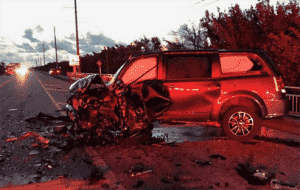
The Law Offices of Anidjar and Levine helps protect crucial evidence after a mechanical failure crash, including the vehicle, failed parts, maintenance records, and crash data before repairs alter the proof.
Such counsel investigates whether a manufacturer, repair shop, fleet owner, or driver contributed to the collision through a defect, negligent repair, or poor maintenance.
The lawyer also handles insurers, secures expert analysis, and pursues compensation for medical costs, lost income, and lasting harm.
More useful guidance from a Miami Car Accident Lawyer follows.
Main Takeaways
- Seek immediate medical care and legal guidance after a Miami mechanical failure crash to protect your health, evidence, and injury claim.
- Preserve the vehicle and failed parts, and photograph damage, warning lights, tires, leaks, and interior conditions before any repairs.
- A lawyer can gather maintenance records, recalls, black box data, witness statements, and expert inspections to prove what failed.
- Liability may involve manufacturers, parts suppliers, repair shops, inspectors, fleet owners, or maintenance providers whose negligence caused the crash.
- Compensation may cover medical bills, lost income, pain, long-term disability, emotional trauma, rehabilitation, and reduced independence.
How We Can Help With Your Miami Mechanical Failure Car Accident Injury Claim
In the aftermath of a collision caused by a vehicle defect, legal counsel can play a pivotal role in protecting an injured person’s interests. A firm serving Miami clients may guide families with steady direction, helping them act promptly, preserve records, and avoid missteps that could weaken a claim. Their work often begins with careful post-accident counseling, so victims understand immediate obligations and practical next steps.
Counsel may also coordinate a thorough vehicle inspection, gather maintenance histories, secure repair invoices, and collect witness statements that support the injured person’s account. They can communicate with insurers, organize medical documentation, and calculate losses in a disciplined manner that reflects both present hardship and future needs. Throughout the process, the legal team remains focused on service, accountability, and dignified advocacy. That support allows injured people to concentrate on recovery, caring for others, and rebuilding stability while their claim is pursued with diligence and professionalism.
Understanding Miami Mechanical Failure Car Accident Injury Cases


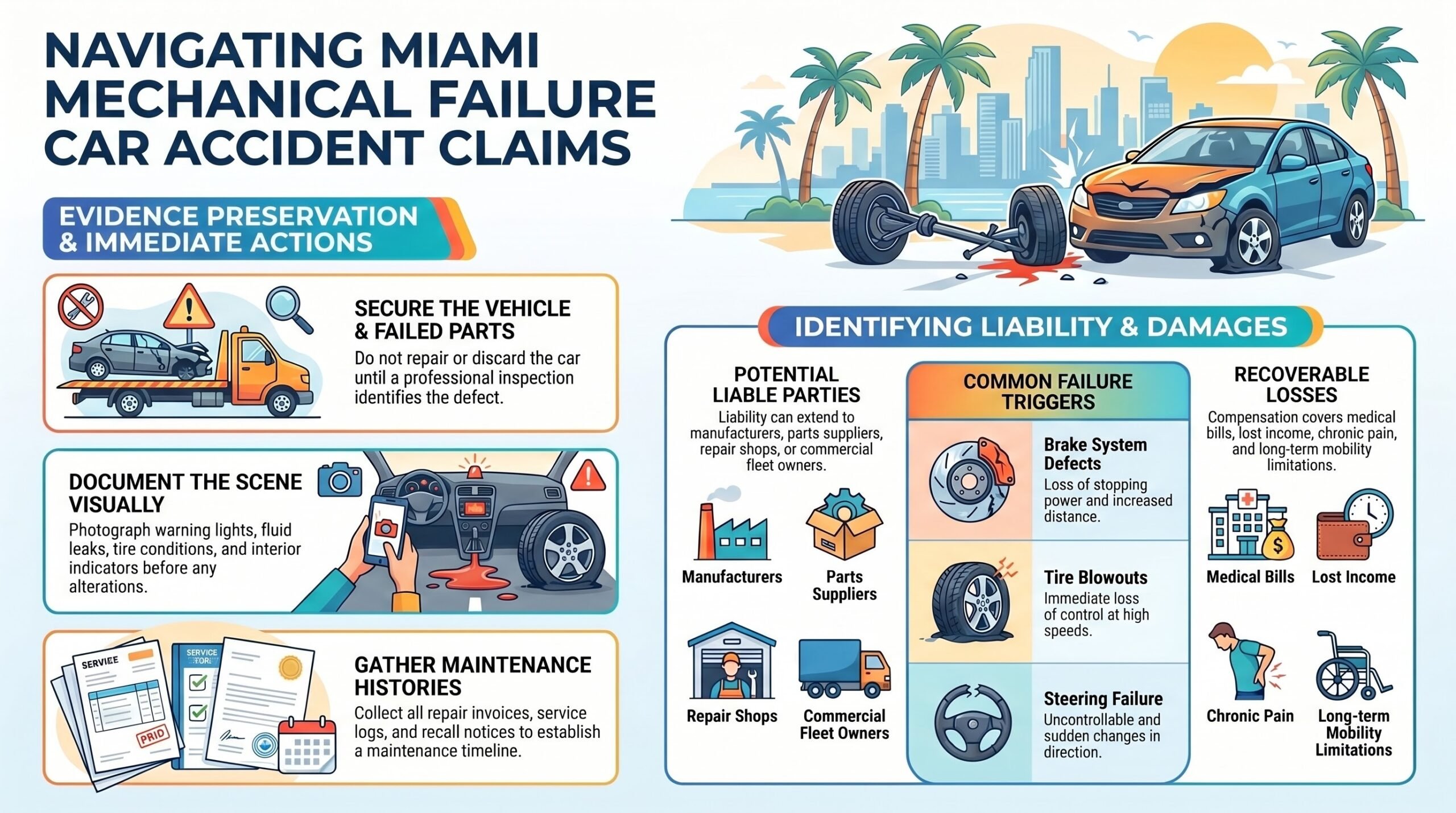
At the outset, Miami mechanical failure car accident injury cases often require a careful examination of whether a defect, poor maintenance, or a negligent repair contributed to the crash. These matters frequently involve more than driver conduct, because liability may extend to repair shops, manufacturers, parts suppliers, or other responsible parties. A thorough review of service records, repair invoices, and vehicle recalls can help clarify whether a preventable danger was overlooked.
OUR CONSULTATIONSARE FREE
START YOUR FREE CASE REVIEW

For individuals focused on protecting others from similar harm, understanding the legal framework is vital. These claims often depend on preserving the vehicle, documenting damage, and obtaining expert inspections before pivotal evidence is lost. Medical records, witness statements, and crash reports also help connect the mechanical issue to the injuries suffered. In Miami, such cases can be complicated because multiple parties may dispute fault. Careful investigation supports accountability, promotes public safety, and helps injured people pursue compensation for losses, treatment needs, and ongoing recovery.
Common Causes of Miami Mechanical Failure Car Accident
Several mechanical issues commonly contribute to car accidents in Miami, often by reducing a vehicle’s ability to stop, guide, or remain stable on the road. Among the most frequent causes are brake system defects, tire blowouts, steering component failures, and faulty vehicle maintenance, each of which can create sudden and dangerous driving conditions. A clear review of these causes helps identify how mechanical failure may lead to liability and serious injury.
Brake System Defects


Undermining a vehicle’s stopping power, brake system defects are among the most dangerous mechanical failures that can contribute to a Miami car accident. These defects may develop gradually due to neglected maintenance or appear suddenly when critical components fail under stress, placing drivers, passengers, and nearby motorists at serious risk.
Common examples include leaking brake fluid, worn pads, damaged calipers, and rotor warping, each of which can reduce braking efficiency and increase stopping distance. In some cases, a defective master cylinder or malfunctioning anti-lock braking system may cause partial or complete brake loss. Warning signs often include grinding noises, a soft brake pedal, vibration during braking, or a vehicle pulling to one side. Careful inspection, timely repair, and responsible ownership help protect everyone traveling Miami roads safely.
Tire Blowout Causes
Along with brake-related problems, tire blowouts remain a frequent mechanical failure behind serious Miami car accidents because they can cause an immediate loss of control at highway and city speeds alike. Common causes include underinflation, overloading, punctures, poor maintenance, and defective manufacturing. Tire aging also plays a major role, as rubber weakens over time, even when the tread appears acceptable.
Miami roads and climate can worsen these risks. Intense heat, heavy rain, and sudden weather effects increase internal tire stress and reduce traction, especially during long commutes or commercial travel. Worn tread, misalignment, and neglected rotations further elevate the likelihood of catastrophic failure. Drivers, fleet operators, and vehicle owners who prioritize public safety are often encouraged to inspect tires regularly, promptly replace compromised sets, and document maintenance to help protect everyone.
Steering Component Failures
Triggering a sudden and often uncontrollable change in vehicle direction, guiding component failures are a serious cause of Miami car accidents. When the steering column malfunctions or separates, a driver may lose the ability to steer accurately, especially during lane changes, curves, or emergency maneuvers. Likewise, a failed tie rod can cause a wheel to shift unpredictably, posing immediate danger to passengers, nearby motorists, cyclists, and pedestrians.
These failures may arise from defective parts, weakened materials, or design flaws that prevent the steering system from responding as intended. Even a brief loss of directional control can produce devastating consequences. For those committed to protecting others on Miami roads, understanding steering component failures supports safer choices, stronger advocacy, and a more informed response after a serious collision.
Faulty Vehicle Maintenance
Neglecting routine service is a common factor in mechanical failures in Miami car accidents, particularly when essential systems are allowed to deteriorate without timely inspection or repair. Faulty vehicle maintenance may involve worn brakes, aging tires, leaking fluids, or electrical problems that go unaddressed until a sudden failure places others at risk. Improper Lubrication can accelerate engine damage, overheat moving parts, and reduce a vehicle’s ability to respond safely in traffic. Corroded Fasteners may weaken vital connections in suspension, exhaust, or braking assemblies, increasing the likelihood of component separation during travel.
Careful maintenance protects not only the driver, but also passengers, pedestrians, and neighboring motorists. In many cases, service records, inspection histories, and repair delays help clarify whether preventable neglect contributed to a serious collision and resulting injuries.
Legal Rights of Miami Mechanical Failure Car Accident Injury Victims
Accountability is central when a crash in Miami is caused by a mechanical failure, because injured victims may have legal rights that extend beyond a claim against the other driver. Florida law may permit recovery from manufacturers, parts suppliers, repair shops, fleet owners, or other parties whose conduct contributed to the defect or dangerous condition.
Consumer protections and Recall notices can also shape liability when known hazards were ignored or hidden.
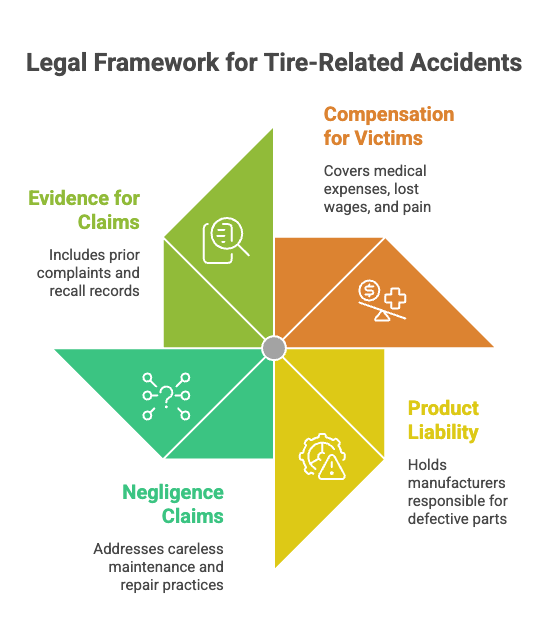
- Victims may pursue compensation for medical costs, lost income, pain, and reduced quality of life.
- Product liability principles may apply if a defective tire, brake, steering mechanism, or airbag system caused the collision.
- Negligence claims may arise from careless inspections, improper repairs, or failure to remove unsafe vehicles from service.
- Evidence of prior complaints, service records, or unmet recall obligations may strengthen a civil claim.
These rights are designed to encourage responsible conduct, protect the public, and support families and communities harmed by preventable mechanical failures.
Steps to Take After a Miami Mechanical Failure Car Accident Injury
After a Miami car accident injury, a prompt medical evaluation is vital to protect both health and any future claim. It is also important to preserve the vehicle and any related evidence, as inspections and records may help establish how the mechanical failure contributed to the collision. Early consultation with a Miami lawyer can provide guidance on liability, evidence preservation, and the proper steps to safeguard legal interests.
Seek Immediate Medical Care
In the moments following a Miami mechanical failure car accident, obtaining immediate medical care should be treated as a priority, even when injuries appear minor or delayed. A prompt, urgent evaluation can identify internal trauma, concussions, soft tissue damage, or shock before symptoms worsen and place additional burdens on loved ones and responders.
Those involved should accept assistance from paramedics at the scene and follow recommendations for hospital or clinic treatment. If emergency transport is not required, appropriate transport options may include a family member, rideshare, or ambulance, depending on symptoms and safety concerns. Medical providers can document injuries, initiate treatment, and provide guidance to support recovery and protect others who may depend on the injured person’s well-being. Care sought without delay also reduces the risk of complications and avoidable harm.
Preserve Vehicle Evidence
Once urgent medical needs have been addressed, attention should turn to preserving the vehicle and any defective parts in the condition they remained after the crash. The car should not be repaired, dismantled, or discarded until it has been thoroughly inspected and documented.
Photographs and video documentation should capture exterior damage, interior conditions, warning lights, fluid leaks, tire condition, and any broken components. If possible, maintenance records, repair invoices, and recall notices should be gathered and stored jointly. Towing and storage providers should be instructed, in writing, to avoid altering the vehicle. Effective parts preservation may include securing failed brakes, tires, guidance components, or other suspected defects in labeled containers. Careful evidence preservation supports accountability, protects the integrity of future inspections, and helps those seeking to serve injured individuals with diligence and responsibility.
Contact A Miami Lawyer
With vehicle evidence preserved, prompt consultation with a Miami lawyer can help protect legal rights and guide the next steps in a mechanical failure accident claim. Counsel can evaluate whether defective parts, poor maintenance, or negligent repairs contributed to the collision and resulting injuries.
A lawyer may also coordinate inspections, secure records, and communicate with insurers while the injured person focuses on recovery and supporting family members. Early legal guidance often prevents harmful statements, missed deadlines, and lost evidence. Many firms offer a free consultation, allowing families to understand options without immediate financial pressure. Through contingency representation, counsel is typically paid only if compensation is recovered. This structure can make quality legal help more accessible to those seeking accountability, financial stability, and resources needed to continue caring for others after a serious accident.
How a Miami Mechanical Failure Car Accident Injury Lawyer Can Help You
Evaluating the cause of a crash and identifying every liable party are central ways a Miami mechanical failure car accident injury lawyer can help. Counsel examines maintenance records, repair invoices, onboard data, and expert findings to determine whether defective parts, poor repairs, warranty disputes, or manufacturer recalls contributed to the collision.
This careful review supports accountability and helps families pursue fair recovery while protecting the broader public from preventable harm.
- Investigates vehicle defects, negligent maintenance, and repair shop errors through focused evidence collection.
- Coordinates engineers, mechanics, and accident reconstruction professionals to clarify how the failure occurred.
- Pursues claims against drivers, manufacturers, distributors, dealerships, or service providers when facts justify action.
- Negotiates with insurers and, when necessary, presents a clear case in court.
Throughout the process, the lawyer manages deadlines, preserves crucial proof, and explains options with steady professionalism. This guidance allows injured people to concentrate on recovering, caregiving, and responsibilities to others.
Long-Term Effects of Miami Mechanical Failure Car Accident Injuries
Mechanical failure car accidents can produce lasting consequences that extend well beyond the initial period of treatment and recovery. In many cases, injured individuals face chronic pain challenges and lasting mobility limitations that disrupt daily functioning, employment, and overall independence. These injuries may also result in significant emotional trauma effects, including anxiety, depression, and persistent stress that complicate long-term rehabilitation.
Chronic Pain Challenges
Persisting long after the collision itself, chronic pain is one of the most disruptive long-term effects of injuries caused by a mechanical failure car accident in Miami. Victims may experience persistent nerve pain, headaches, back pain, or soft tissue discomfort that resists ordinary recovery timelines.
These conditions often interfere with daily responsibilities, emotional balance, and the ability to care for loved ones or contribute fully at work. Pain management may require ongoing medical evaluation, medication oversight, physical therapy, or counseling support, depending on the source and severity of symptoms. Sleep disruption is also common, as pain can prevent restorative rest and gradually weaken concentration, patience, and overall well-being. When chronic pain remains untreated or underestimated, it can affect every part of a person’s life, making timely documentation and consistent treatment especially important for long-term recovery.
Lasting Mobility Limitations
For many injury victims, lasting mobility limitations become one of the most significant long-term consequences of a Miami mechanical failure car accident. Damage to the spine, joints, muscles, or nerves may reduce balance, strength, and range of motion, making ordinary movement more difficult each day.
These limitations often affect walking, standing, climbing stairs, bathing, driving, and returning to work or community service. Some individuals require ongoing rehabilitation, mobility aids, or home modifications to preserve safety and independence. Family members and caregivers may also need to adjust routines to provide practical support. Medical providers commonly evaluate whether the injured person will face permanent restrictions, future surgeries, or long-term therapy needs. Careful documentation of these limitations can help guarantee that the full extent of physical losses and daily care requirements is properly recognized.
Emotional Trauma Effects
Coping with the aftermath of a Miami mechanical failure car accident often involves more than physical recovery, as many injured individuals experience lasting emotional trauma that affects daily stability and overall well-being. Survivors may develop post-traumatic stress, anxiety, irritability, or fear when traveling, especially when routine activities resemble the crash.
These emotional effects can strain relationships, reduce work performance, and limit a person’s ability to consistently serve family, coworkers, and the broader community. Sleep disturbances are also common, leaving injured individuals fatigued, distracted, and less able to manage responsibilities safely. Without timely support, emotional injuries may deepen into depression or social withdrawal. Professional counseling, medical care, and compassionate legal guidance can help document these losses and support a fuller recovery process for injured victims and their families.
Proving Liability in Miami Mechanical Failure Car Accident Injury Cases
Establishing liability in a Miami mechanical failure car accident case requires a careful review of how the failure occurred, whether it was foreseeable, and which party had a legal duty to prevent it. Attorneys often examine maintenance logs, repair invoices, recall notices, inspection records, and expert opinions to identify the source of the defect.
Liability may rest with a vehicle owner who ignored warning signs, a repair shop that performed careless work, or a manufacturer under product liability principles. Evidence of worn brakes, tire defects, steering issues, or failed safety systems can show that reasonable care was not exercised. Regulatory compliance also matters because violations of inspection standards, maintenance requirements, or safety rules may support a negligence claim. Witness statements, crash data, and preserved vehicle components help reconstruct events with accuracy.
A thorough investigation serves injured people and their families by identifying accountable parties and building a fact-based case grounded in responsibility, prevention, and public safety for all.
Dealing With Insurance Companies After a Miami Mechanical Failure Car Accident Injury
After a Miami mechanical failure car accident, insurance communications often become a central part of the injury claim process. Insurers may request recorded statements, medical authorizations, or quick settlements before the full extent of harm is understood. A careful, service-minded approach helps protect injured people and the families who depend on them. Documentation, consistency, and restraint are crucial when responding to insurer inquiries.
Insurance representatives may appear cooperative while still using claim tactics designed to limit payouts. These efforts can include minimizing symptoms, disputing vehicle defects, or shifting blame to the injured person. In some cases, adjuster deception may involve selective questions or incomplete explanations of policy terms. Clear records, preserved repair invoices, photographs, and medical updates can support truthful communications. Legal guidance often helps injured individuals respond professionally, avoid harmful admissions, and keep the focus on accountability. Thoughtful handling of insurance contracts can serve broader goals of stability, fairness, and responsible recovery for everyone affected.
What to Expect During a Miami Mechanical Failure Car Accident Injury Claim Process
A Miami mechanical failure car accident injury claim typically begins with an initial case evaluation, followed by the collection of records, vehicle inspections, and other supporting evidence. The process then turns to determining liability, evaluating the role of defective parts, maintenance issues, or driver conduct, and negotiating with insurers or other responsible parties. If a fair resolution is not reached, the claim may proceed to settlement discussions in earnest or, when necessary, to trial.
Initial Case Evaluation
At the outset, the initial case evaluation in a Miami mechanical failure car accident injury claim focuses on determining whether the evidence supports liability, causation, and damages. During this stage, counsel typically offers a free consultation and conducts careful case screening to understand the collision, the reported vehicle problems, and the nature of the injuries. The evaluation often includes reviewing timelines, medical treatment, insurance information, repair history, and existing witness accounts. Attorneys assess whether the claim may involve a negligent driver, vehicle owner, repair provider, manufacturer, or another responsible party. They also explain legal options, anticipated deadlines, and the practical steps required to protect the injured person’s interests. For families motivated by service and accountability, this early review helps clarify whether pursuing compensation can also promote safety and responsibility in the broader community.
Evidence And Inspections
Once counsel determines that a viable claim may exist, the focus commonly shifts to preserving and examining the evidence that can explain why the vehicle failed and how that failure contributed to the collision. This stage often includes securing the vehicle, maintenance records, repair invoices, recalls, and electronic data before anything is altered or discarded.
Inspections may be arranged with engineers, mechanics, or reconstruction experts who can document worn parts, defective systems, and crash-related damage. Photographs, measurements, and forensic imaging may be used to reliably capture conditions. In many matters, experts review black-box information, service histories, and manufacturer materials to identify patterns that warrant further investigation. Careful documentation during this phase helps establish a clear factual foundation and prepares the matter for informed expert testimony later.
Liability And Negotiations
Determining liability typically becomes the next major phase of a Miami mechanical failure car accident injury claim, because the evidence must be connected to a legally responsible party. Attorneys and insurers review maintenance records, inspection reports, recall notices, and repair histories to determine whether fault lies with a driver, owner, mechanic, manufacturer, or another party.
Negotiations usually begin after liability is more clearly defined and damages are documented. During this stage, representatives evaluate the strength of the evidence, compare losses to available coverage, and assess how mechanical defects contributed to the collision. They may also respond to common settlement tactics, including efforts to shift blame or minimize the seriousness of injuries. A careful, service-minded approach helps protect the injured person’s interests while encouraging fair, informed communication among all parties involved.
Settlement Or Trial
In many Miami mechanical failure car accident injury claims, cases resolve through settlement, although some disputes proceed to trial when fault, causation, or damages remain contested. Attorneys evaluate evidence, expert opinions, medical records, and repair findings to assess value and risk. Settlement timing often depends on treatment progress, insurer cooperation, and the strength of proof linking the defect to the collision.
When negotiations do not produce a fair result, litigation may continue through discovery, motions, mediation, and trial preparation. During this stage, both sides examine witnesses, challenge technical conclusions, and present damages in a structured manner. If a trial becomes necessary, jury dynamics can influence how intricate mechanical evidence and injury testimony are received. Throughout the process, careful preparation supports informed decisions and promotes accountability, recovery, and service to affected individuals.
Compensation for Miami Mechanical Failure Car Accident Injury Damages
Accountability often begins with a careful assessment of the losses caused by a mechanical failure car accident in Miami. Compensation may be pursued when faulty brakes, tire defects, steering failures, or neglected maintenance contribute to serious harm. In many claims, identifying every responsible party is crucial, including drivers, repair shops, manufacturers, or distributors under principles of product liability.
A thorough damages claim supports recovery, promoting stability, treatment, and practical assistance for the injured person and the family members providing care. Documentation commonly includes medical records, repair findings, expert evaluations, photographs, and testimony connecting the defect to the collision. When evidence shows especially reckless misconduct, courts may consider punitive damages to deter similar behavior and protect the public. Strong legal advocacy helps preserve evidence, evaluate liability, and present a complete claim that reflects the real impact of the accident. This measured approach serves both accountability and community safety while respecting the injured person’s long-term recovery needs.
Economic vs Non-Economic Damages in Miami Mechanical Failure Car Accident Cases
In Miami mechanical failure car accident cases, damages are generally divided into economic and non-economic categories, each requiring a distinct method of proof. Economic damages usually include medical expenses, lost income, rehabilitation costs, and property damage, while non-economic losses often address pain and suffering, emotional distress, and reduced quality of life. The strength of any damage claim depends on clear documentation, credible testimony, and evidence that connects the mechanical failure and resulting injuries to the losses asserted.
Economic Damage Categories
When a mechanical failure crash causes injury in Miami, damages are generally divided into economic and non-economic categories, each serving a distinct purpose in a personal injury claim. Economic damages address measurable financial losses that can be documented through bills, records, and expert analysis. These categories often include emergency treatment, hospitalization, surgery, rehabilitation, medications, and anticipated future medical care. They also include lost wages when injuries prevent a person from working or reduce future earning capacity. In addition, property damage may cover vehicle repair or replacement and other personal items harmed in the collision.
For families and advocates seeking to help injured individuals recover stability, understanding these categories supports informed decisions and promotes fair accountability. Careful documentation often strengthens negotiations and helps ensure that recoverable financial losses are not overlooked after a serious mechanical failure.
Non-Economic Loss Valuation
Losses that cannot be tallied on a receipt often represent some of the most significant consequences of a Miami mechanical failure car accident. These damages address the human cost of injury, including physical discomfort, emotional distress, diminished enjoyment of daily activities, and the strain placed on family relationships.
Non-economic loss valuation considers how an injury changes a person’s ability to live, work, and care for others with consistency and dignity. Within this context, pain valuation is not a matter of simple arithmetic, but a structured assessment of severity, duration, and personal impact. Courts and insurers may also examine life impairment, especially when injuries limit independence, mobility, sleep, or participation in meaningful service, community involvement, and family responsibilities. Such losses often define the true weight of a serious collision.
Proving Damage Claims
Proof matters most at the damages stage, where every claimed consequence of a Miami mechanical failure car accident must be supported by competent evidence. Economic damages are typically shown through medical bills, wage records, repair estimates, and future care projections. In more substantial cases, forensic accounting helps trace income loss, diminished earning capacity, and out-of-pocket expenses with disciplined accuracy. Non-economic damages require different proof, often built through treatment history, daily limitations, and credible witness accounts describing pain, emotional distress, and loss of enjoyment.
Because service to injured people depends on reliable advocacy, careful documentation serves both fairness and accountability. Expert testimony may connect the mechanical defect to the injuries, explain the prognosis, and distinguish accident-related harm from prior conditions. When proof is organized and persuasive, damage claims stand on much stronger legal ground overall.
When a Miami Mechanical Failure Car Accident Injury Case Goes to Trial vs Settlement
In many Miami mechanical failure car accident injury claims, the path toward trial or settlement depends on the strength of the available evidence, the scope of the injuries, and the parties’ willingness to dispute liability. Trial strategy often centers on expert inspection reports, maintenance records, recall history, and testimony linking the defect to the collision and resulting harm.
Settlement dynamics usually reflect whether insurers, manufacturers, repair shops, or vehicle owners recognize meaningful exposure. When the fault appears clear, and damages are well documented, resolution may occur through negotiated compensation that supports medical care, lost income, and future needs. A case is more likely to proceed to trial when parties challenge causation, minimize injuries, or deny responsibility for defective parts or negligent maintenance. Trial may also become necessary when multiple defendants shift blame among one another. In service to injured individuals and their families, careful preparation helps counsel evaluate risk, present facts responsibly, and pursue an outcome that protects recovery and accountability.
The Statute of Limitations for Miami Mechanical Failure Car Accident Injury Cases
Even when liability and damages appear well-developed, a Miami mechanical failure car accident injury claim remains subject to filing deadlines that can determine whether recovery is available at all. Florida law sets time limits for negligence-based actions, and missing them may bar an injured person from obtaining compensation despite persuasive evidence of fault and loss.
These matters often require careful attention to the nuances of the statute, because the triggering date may depend on the accident, a later death, or another legally recognized event. In limited circumstances, comparative tolling arguments may arise when incapacity, fraud, or delayed discovery affects a claimant’s ability to proceed. Courts, however, apply tolling doctrines narrowly, and retroactive exceptions are uncommon. Service-minded families consequently benefit from understanding that preserving a claim is not only about proving mechanical failure, but also about acting within the governing period. Accurate records, prompt investigation, and awareness of procedural rules help protect community members seeking accountability and lawful recovery.
When to Contact a Miami Mechanical Failure Car Accident Injury Lawyer
Seek legal guidance as soon as a Miami car accident presents signs that a mechanical defect, failed repair, or inadequate vehicle maintenance may have contributed to the collision. Early action helps protect evidence, preserve inspection records, and support careful communication with insurers, repair facilities, manufacturers, and other involved parties.
Appropriate Post-accident timing often begins immediately after emergency needs are addressed and the medical evaluation is underway. A prompt Lawyer consultation may be especially important when brake failure, tire blowouts, handling problems, airbag defects, or prior repair work raise concerns about preventable harm. Legal contact is also advisable if a vehicle is retained for inspection, if important parts may be discarded, or if conflicting explanations emerge regarding the cause of the crash. Families focused on helping injured loved ones and safeguarding others in the community should recognize that timely legal guidance can assist with documentation, notices, and preservation steps while the factual record remains available and reliable.
Why You Need an Experienced Miami Mechanical Failure Car Accident Injury Lawyer
Mechanical-failure claims often involve a fact-intensive investigation that extends well beyond that of an ordinary car accident case. An experienced Miami mechanical failure car accident injury lawyer understands how to preserve damaged parts, obtain maintenance records, work with engineers, and identify whether negligence arose from defective manufacturing, poor repairs, or inadequate inspections. That experience helps protect injured people and their families while promoting accountability that can prevent similar harm to others.
Skilled counsel also develops effective legal strategies for dealing with insurers, repair facilities, manufacturers, and other potentially responsible parties. Mechanical-failure cases may include multiple defendants, contested causation, and technical evidence that must be presented clearly and persuasively. Strong client communication is equally important because injured individuals often need steady guidance while receiving medical care, dealing with lost income, and managing family responsibilities. With informed representation, a claimant is better positioned to pursue fair compensation, encourage safer practices, and support the broader well-being of the community after serious collisions.
How to Choose the Right Miami Mechanical Failure Car Accident Injury Lawyer for Your Case
In selecting counsel for a mechanical-failure collision claim, careful attention should be given to whether a Miami lawyer has specific experience handling cases involving defective parts, negligent repairs, or inadequate vehicle maintenance. Relevant case history often shows whether counsel can identify liable parties and build a claim grounded in service to injured individuals and their families.
A careful review of the lawyer’s approach is also important. Strong representation often includes prompt investigation, preservation of evidence, coordination of vehicle inspections, and use of expert testimony to explain how the failure occurred. It is also wise to consider communication practices, courtroom readiness, and the ability to negotiate with insurers from a position of strength. Fee structure, professional reputation, and responsiveness should be weighed as practical factors. When counsel demonstrates diligence, clarity, and respect for the client’s broader needs, the legal process is better positioned to support accountability, recovery, and meaningful assistance for others.
About The Law Offices of Anidjar & Levine
The Law Offices of Anidjar & Levine provides representation to individuals injured in Miami car accidents involving suspected mechanical failures, including claims arising from defective components, negligent repairs, and inadequate vehicle maintenance. The firm approaches these matters with disciplined case preparation, careful investigation, and a service-oriented commitment to those seeking accountability after serious collisions.
Its attorneys and staff focus on responsive communication, practical guidance, and advocacy tailored to each person’s circumstances. They examine repair records, maintenance histories, recall information, and expert findings to build claims against responsible parties. This method supports injured people and families as they pursue compensation for medical care, lost income, and related losses. Public information about the firm often highlights client testimonials that describe professionalism, accessibility, and consistent attention throughout the legal process.
The firm’s broader commitment to service is also reflected in community outreach efforts, which demonstrate an interest in supporting neighbors beyond individual cases and advancing the well-being of the larger Miami community.
Frequently Asked Questions
Can a Recalled Vehicle Affect My Accident Injury Claim?
Yes, a recalled vehicle can affect an accident injury claim by strengthening evidence that a defect contributed to the crash. Courts and insurers may examine manufacturer liability, recall notices, and the vehicle’s repair history to determine fault. A claimant who acted reasonably after learning of the recall may preserve a claim for recovery, while ignoring repair opportunities can complicate damages. Careful documentation helps protect injured parties and supports fair, informed claim evaluation.
Who Pays if a Defective Aftermarket Part Caused the Crash?
Payment may come from the aftermarket part maker, distributor, installer, or another negligent party, depending on the evidence. When product defects in the part caused the crash, manufacturer liability may apply, especially if the component was unsafe or lacked proper warnings. An insurer may pay first, then seek reimbursement from responsible parties. Careful investigation helps identify each source of compensation, protecting injured people and supporting accountability for preventable harm.
Can Black Box Data Help Prove Mechanical Failure?
Yes, black box data can help prove mechanical failure. It may preserve event data and sensor logs showing speed, braking input, throttle response, warning signals, and system malfunctions before impact. When reviewed with inspection records and expert analysis, this information can reveal whether a vehicle component failed rather than driver error causing the crash. Such evidence often supports accountability, helping injured parties pursue fair recovery and protect others from similar harm.
What if the At-Fault Vehicle Was a Commercial Truck?
If the at-fault vehicle was a commercial truck, liability may extend beyond the driver to the carrier, maintenance contractor, cargo loader, or manufacturer. A careful investigation often reviews Driver logs, inspection records, repair histories, and Cargo limits to determine whether regulatory violations or poor upkeep contributed to the failure. This broader review helps injured parties identify every responsible entity, preserve essential evidence, and pursue compensation that supports recovery and community well-being.
Are Rental Car Companies Liable for Mechanical Failure Accidents?
Yes, rental car companies may be liable for mechanical failure accidents when negligence in inspection, repair, or servicing contributed to the crash. Liability often depends on rental liability laws, the company’s duty of care, and whether maintenance records show defects that were ignored or repairs that were delayed. A careful review of contracts, service history, and accident evidence helps determine responsibility, which can support injured individuals seeking fair recovery and accountability for preventable harm.
—————————
Mechanical failure accidents in Miami often involve complex liability and insurance issues, making a careful investigation and informed legal strategy essential. Victims may benefit from acting quickly, preserving documentation, and seeking guidance from counsel experienced in defective vehicle and injury claims.
The Miami Car Accident Lawyer team at The Law Offices of Anidjar & Levine assists injured individuals by identifying the cause of the crash, protecting their legal rights, and pursuing appropriate compensation. A qualified attorney can provide the advocacy and structure these cases often require.