The Law Offices of Anidjar and Levine helps injured people document neurological symptoms, obtain imaging and specialist opinions, and connect the injury to the crash. Counsel also handles insurer communications, protects against broad medical record requests, and evaluates recovery for medical costs, lost income, future care, and pain and suffering under Florida law.
Early legal guidance is often important because symptoms may appear later, and the sections below explain the issues, evidence, and options involved.
Learn more from a Miami Car Accident Lawyer.
Main Takeaways
- Seek immediate medical care after a Miami car accident to document numbness, weakness, tingling, or burning and rule out hidden spinal or neurological injuries.
- A Miami nerve damage lawyer can investigate liability, preserve evidence, handle insurers, and help avoid undervalued or premature settlements.
- Strong claims rely on organized medical proof, including emergency records, imaging, neurologist notes, EMG testing, and documented functional limitations over time.
- In Florida, compensation may include medical bills, lost income, reduced earning capacity, pain and suffering, and future treatment needs.
- Because Florida’s no-fault rules and serious injury thresholds affect recovery options, early legal guidance helps protect benefits and evaluate liability claims.
How We Can Help With Your Miami Nerve Damage Car Accident Injury Claim
After a serious collision, a Miami car accident lawyer can provide structured guidance from the outset of a claim. Counsel typically begins by organizing records, preserving evidence, and coordinating communication with insurers, providers, and other parties so the injured person can focus on recovery and family responsibilities.
A firm also helps evaluate immediate needs with care and discipline. It may assist with documenting lost income, tracking medical expenses, and addressing post-accident finances in a manner that supports long-term stability. When appropriate, counsel can help identify therapy options, schedule independent evaluations, and gather opinions that clarify how injuries affect daily service, work capacity, and future care.


Throughout the process, the legal team prepares demand materials, monitors deadlines, and pursues fair compensation through negotiation or litigation. This structured support often serves not only the injured person, but also the household and community members who depend on that person’s strength, time, and continued presence each day.
Understanding Miami Nerve Damage Car Accident Injury Cases
In the context of motor vehicle litigation, Miami nerve damage car accident injury cases often require careful analysis because nerve injuries may present with delayed symptoms, evolving diagnoses, and consequences that extend well beyond the initial emergency evaluation.
OUR CONSULTATIONSARE FREE
START YOUR FREE CASE REVIEW

These matters frequently involve medical records, neurological findings, and functional limitations affecting work, mobility, sleep, and daily service to family or community. Objective testing may include imaging, electromyography, and nerve mapping, while physicians assess whether symptoms reflect temporary irritation, compression, or more lasting impairment. Because recovery can be uneven, documentation over time is often crucial to understanding prognosis and future care needs.
Treatment may involve specialists → clinicians, rehabilitation, medication, and coordinated pain management designed to preserve function and dignity. In a legal setting, clear evidence helps demonstrate how the injury changed the person’s capacity to live independently and continue helping others. Careful case development, therefore, → consequently supports fair evaluation of present losses, anticipated medical needs, and the broader human impact of nerve-related harm.
Common Causes of Miami Nerve Damage Car Accidents


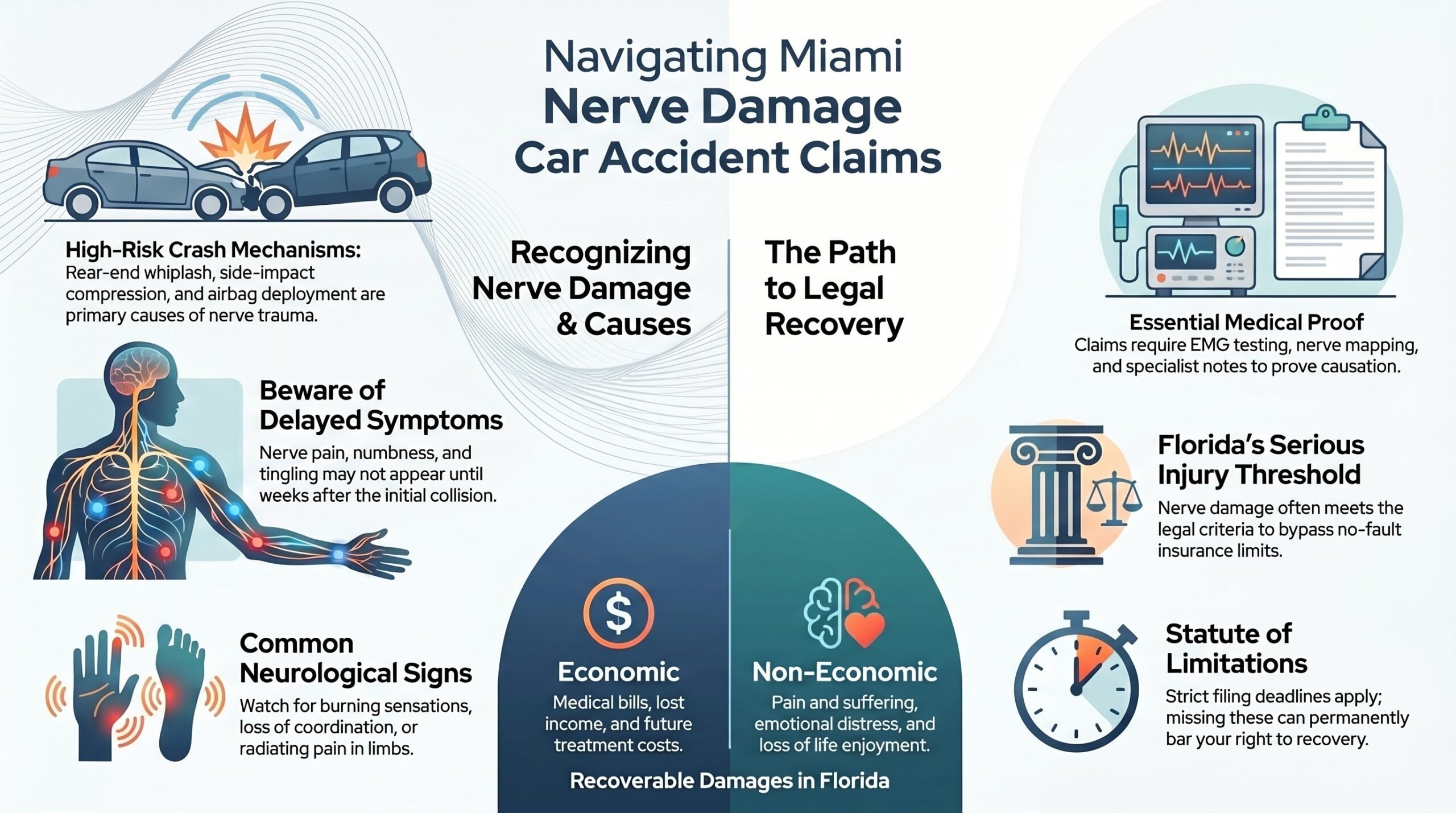
Several crash mechanisms are commonly associated with nerve damage in Miami car accidents, each involving distinct patterns of force and bodily stress. Rear-end collision trauma and side-impact crash forces often place sudden pressure on the neck, spine, shoulders, and limbs, while airbags and seatbelts may also contribute to certain nerve-related injuries under violent impact conditions. Vehicle rollovers and ejections present an even greater risk, as they frequently expose occupants to multiple points of trauma and severe bodily movement.
Rear-End Collision Trauma
Triggering a sudden forward-and-back motion of the head and neck, rear-end collisions frequently cause nerve damage even at relatively low speeds. In these events, whiplash mechanisms can overstretch soft tissues, compress cervical nerves, and aggravate existing spinal vulnerabilities. Victims may experience radiating pain, numbness, tingling, weakness, or reduced coordination that interferes with daily responsibilities and caregiving roles.
Rear impacts may also produce seatbelt trauma across the chest and shoulder, contributing to nerve irritation in the neck, clavicle, or upper extremities. Symptoms do not always appear immediately, which can delay treatment and complicate recovery. Prompt medical evaluation helps identify inflammation, disc involvement, and neurological deficits before they worsen. Careful documentation also supports informed legal review when injured individuals seek accountability, resources, and stability for themselves and those who depend on them.
Side-Impact Crash Forces
During a side-impact collision, crash forces often travel directly into the door, shoulder, pelvis, and lateral spine, creating a significant risk of nerve injury. When vehicle intrusion reduces protective space, tissues may be compressed, stretched, or torn within moments of impact.
Medical and legal professionals often examine occupant kinematics to understand how the body moved during the crash and where nerve pathways likely absorbed harmful force. In Miami side-impact cases, this mechanism can affect the brachial plexus, lumbar nerves, or peripheral nerves in the arm and leg. Even without obvious fractures, swelling, blunt trauma, and rotational loading may disrupt nerve signaling and daily function. Careful documentation of symptoms, imaging, and crash dynamics can help injured people pursue treatment, explain limitations, and support accountability for the harm caused.
Airbag And Seatbelt Injuries
Protective restraints can reduce the severity of a crash, yet airbags and seatbelts may also contribute to nerve damage when forces are violent or body positioning is unfavorable at impact. During deployment, an airbag can strike the face, chest, arms, or hands with substantial force, sometimes causing compression injuries, airbag burns, or irritation that affects nearby nerves. A seatbelt can likewise tighten abruptly across the shoulder, abdomen, or pelvis, producing seatbelt contusions and stretching soft tissues around vulnerable nerve pathways.
When symptoms such as numbness, tingling, weakness, or burning pain appear after a collision, careful medical evaluation often becomes important. Prompt documentation may help injured people obtain treatment, support recovery, and protect their ability to pursue accountability from those whose negligence contributed to the crash and resulting harm.
Vehicle Rollovers And Ejections
In rollover crashes and ejection events, the body is often subjected to violent twisting, crushing, and repeated impact that can damage nerves in the neck, back, shoulders, arms, or legs. These collisions frequently involve roof collapse, side impact, or forceful contact with the vehicle interior, all of which may stretch, compress, or sever delicate nerve pathways.
Rollover dynamics often intensify injury because occupants are thrown in multiple directions within seconds. When a person is partially or fully ejected, the risk of catastrophic nerve trauma rises sharply due to contact with pavement, glass, or other vehicles. Ejection prevention through proper seatbelt use, secure door latches, and strong roof design remains vital. Careful legal and medical review can help injured individuals pursue accountability and obtain the resources needed for treatment, rehabilitation, and long-term support.
Legal Rights of Miami Nerve Damage Car Accident Injury Victims
How can a Miami car accident victim with nerve damage protect the full range of legal rights available under Florida law? Florida law may allow recovery for medical expenses, lost income, reduced earning capacity, pain and suffering, and future care needs when another party caused the crash. These rights exist alongside no-fault insurance rules and may expand when injuries meet the serious injury threshold. Respect for Medical privacy also matters, because broad record requests can expose unrelated health information.
Florida law may protect a Miami crash victim’s right to recover damages while safeguarding medical privacy after serious nerve injuries.
Key legal protections often include:
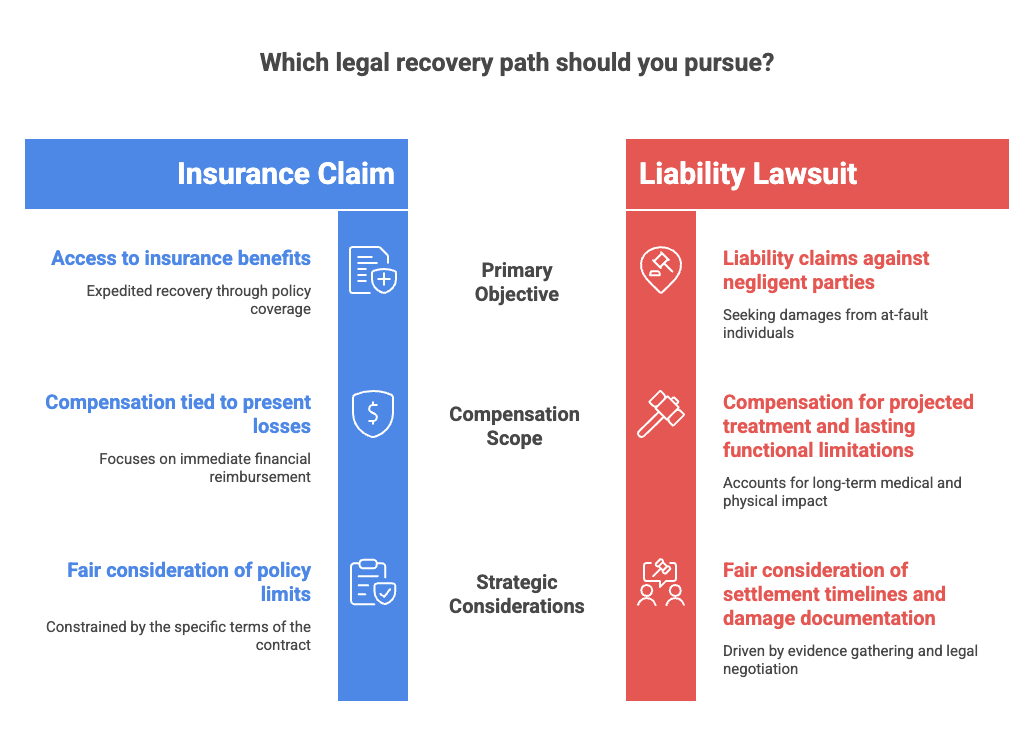
- Access to insurance benefits and, when permitted, liability claims against negligent parties
- Compensation tied to present losses, projected treatment, and lasting functional limitations
- Fair consideration of Settlement timelines, policy limits, and damage documentation
A careful legal review can help clarify comparative fault issues, preserve evidence, and evaluate insurer conduct under Florida standards. This guidance often supports families and caregivers seeking resources that promote recovery, stability, dignity, and long-term community service.
Steps to Take After a Miami Nerve Damage Car Accident Injury
After a Miami car accident involving suspected nerve damage, prompt medical care is crucial to identify the extent of the injury and create a clear treatment record. It is also important to document the accident scene by preserving photographs, witness information, and other available evidence that may support a future claim. Early contact with a Miami lawyer can help protect legal interests, guide communications with insurers, and ensure the case is handled properly.
Seek Immediate Medical Care
Prompt medical attention is vital when nerve damage is suspected following a Miami car accident, even if symptoms seem minor at first. Early examination can protect long-term health, support timely treatment, and reduce the risk of worsening complications that may affect daily functioning and the ability to help others.
An emergency evaluation allows medical professionals to identify numbness, weakness, tingling, burning sensations, or loss of coordination before those signs progress. A thorough pain assessment also helps distinguish nerve injuries from muscle strain, spinal trauma, or other hidden conditions. Physicians may recommend imaging, neurological testing, medication, or referral to a subspecialist based on presenting symptoms. Immediate care creates a clear medical record and connects the injured person with resources that promote recovery, stability, and continued service to family, community, and workplace responsibilities.
Document The Accident Scene
Preserve the scene as carefully as circumstances allow, because accurate documentation can become essential when a Miami car accident leads to suspected nerve damage. If it is safe to do so, helpful individuals should gather clear photographic documentation of vehicle positions, visible injuries, debris, skid marks, traffic signs, and weather conditions. Images taken from several angles may clarify how the collision occurred and support later evaluations.
Witness names and contact details should also be collected, since independent observations may assist those working to understand what happened. Notes should record the time, location, pain symptoms, and any numbness, tingling, or weakness that appeared after impact. When appropriate, road hazard markings, construction zones, malfunctioning signals, or obstructed views should also be documented. Careful records can support responsible recovery efforts and help protect everyone involved afterward.
Contact A Miami Lawyer
When signs of nerve damage follow a collision, contacting a Miami lawyer should be considered early, because legal guidance can help protect important rights while medical treatment and evidence collection are still underway. An attorney can evaluate liability, explain insurance obligations, and help preserve records that may support a claim for ongoing care.
A prompt legal review may also reduce avoidable mistakes when speaking with insurers or accepting early settlement offers. Many firms offer free consultations, allowing injured individuals and families to understand their options without immediate financial pressure. Because service to the community matters, language access should also be available so communication remains clear and respectful for diverse Miami residents. Timely counsel can support accountability, encourage organized recovery efforts, and help secure resources needed for treatment and future stability.
How a Miami Nerve Damage Car Accident Injury Lawyer Can Help You
In the aftermath of a serious collision, a Miami nerve damage car accident injury lawyer can provide structured legal guidance to help an injured person understand available options, preserve vital evidence, and pursue compensation for medical treatment, lost income, pain and suffering, and long-term care needs. Counsel often coordinates records, imaging, and expert opinions, including nerve mapping and pain management documentation, to present a clear account of injury severity and causation.
An attorney may also serve clients by handling indispensable tasks that reduce strain and support informed decisions:
- Investigating the crash, preserving evidence, and identifying liable parties.
- Communicating with insurers, challenging undervalued claims, and organizing medical proof.
- Calculating damages carefully, including rehabilitation costs and necessary household assistance.
Through disciplined advocacy, legal counsel helps clients meet deadlines, avoid procedural errors, and focus on recovery while the claim is developed with care, accuracy, and a commitment to securing resources that can meaningfully support health, stability, and dignity.
Long-Term Effects of Miami Nerve Damage Car Accident Injuries
Nerve damage from a Miami car accident can produce lasting consequences that extend well beyond the initial injury period. Many individuals experience chronic pain and numbness, while others face reduced mobility and loss of function that interferes with routine activities and employment. These physical limitations may also contribute to emotional strain and cognitive difficulties, making long-term recovery more complicated and medically significant.
Chronic Pain And Numbness
Often, chronic pain and persistent numbness remain long after a Miami car accident, signaling possible nerve damage that continues to interfere with normal movement, sleep, and daily function.
These symptoms may present as burning, tingling, or stabbing discomfort, or as reduced sensation in the neck, back, arms, hands, legs, or feet. When left untreated, ongoing nerve irritation can affect concentration, mood, and the ability to participate fully in work, family care, and community service. Medical providers often evaluate these complaints through clinical exams, imaging, and nerve testing to guide neuropathic management.
Treatment may include medication, targeted therapy, and sensory reeducation to help the nervous system respond more appropriately. Careful documentation is important because chronic symptoms can demonstrate the lasting impact of a collision and the need for continued medical support and legal recovery.
Mobility And Function Loss
Persistent numbness and chronic pain may also be accompanied by measurable loss of mobility and physical function after a Miami car accident. Nerve damage can weaken grip strength, limit range of motion, and reduce balance, coordination, or endurance during routine tasks and community service activities.
These limitations often affect walking, lifting, driving, and personal care, especially when injuries involve the spine, shoulders, arms, hands, hips, or legs. Some individuals require Assistive devices such as braces, canes, or walkers to complete daily responsibilities safely. Occupational therapy may help restore practical skills, adapt living spaces, and support continued independence where full recovery is not possible. Medical evaluations, documented restrictions, and consistent rehabilitation can clarify the extent of impairment and the long-term assistance a person may reasonably need in life.
Emotional And Cognitive Impact
How profoundly a serious nerve injury affects emotional health may not be apparent in the immediate aftermath of a Miami car accident. Persistent pain, disrupted sleep, and reduced independence can gradually contribute to anxiety, irritability, depression, and social withdrawal. These changes often influence family relationships, caregiving demands, and a person’s ability to continue serving others in daily life.
Cognitive effects may also emerge when chronic pain, medication use, or trauma interferes with memory, concentration, and decision-making. Over time, diminished focus can complicate work responsibilities, treatment adherence, and personal responsibilities. Supportive counseling, structured routines, and compassionate clinical care may strengthen emotional resilience. In some cases, formal cognitive rehabilitation helps mend functional skills, improve coping capacity, and promote a more stable adjustment to long-term limitations and future needs.
Proving Liability in Miami Nerve Damage Car Accident Injury Cases
Establishing liability in a Miami nerve damage car accident case requires clear proof that another party’s negligence caused the collision and directly led to the injured person’s medical condition. This often begins with police reports, photographs, witness statements, and vehicle damage analysis, all of which help show how the crash occurred and who failed to act with reasonable care under the circumstances.
Because nerve injuries may develop over time or resemble other conditions, medical causation is a central issue. Treatment records, diagnostic imaging, and physician evaluations can connect the trauma of the collision to symptoms such as numbness, weakness, or chronic pain. In many cases, expert testimony from doctors, accident reconstruction authorities, or vocational professionals strengthens the claim by explaining how the injury occurred and how it affects daily functioning. A careful presentation of facts serves injured individuals and their families by promoting accountability, supporting fair legal outcomes, and helping the court understand the full extent of harm.
Dealing With Insurance Companies After a Miami Nerve Damage Car Accident Injury
In the aftermath of a Miami car accident that causes nerve damage, dealing with insurance companies often becomes one of the most consequential parts of the claims process. Insurers may request recorded statements, broad medical authorizations, or quick settlements before the full extent of neurological harm is understood. A careful, service-minded approach helps protect both the injured person and the resources needed for proper care.
Clear documentation often carries significant weight. Medical records, physician opinions, imaging results, and consistent symptom reports can help counter efforts to minimize pain, numbness, weakness, or loss of function. Insurance representatives may dispute causation, delay communication, or issue claim denials that do not fully reflect the medical evidence. In some situations, patterns of bad faith tactics emerge, including misrepresenting policy terms or undervaluing serious injuries. Prompt review of correspondence, accurate recordkeeping, and measured responses can support a fair evaluation while preserving the dignity and well-being of those harmed and their families.
What to Expect During a Miami Nerve Damage Car Accident Injury Claim Process
A Miami nerve damage car accident injury claim typically begins with an initial evaluation of the facts, liability, and the extent of the victim’s losses. The process then centers on gathering medical evidence to document the nerve injury and support the value of the claim, followed by negotiations with the insurance company. If a fair resolution is not reached, the matter may proceed to settlement discussions in greater detail or to trial.
Initial Claim Evaluation
At the outset of a Miami car accident nerve damage injury claim, the initial evaluation typically focuses on whether the available facts, medical records, and insurance information support a viable case. During this stage, counsel generally reviews accident reports, policy limits, witness accounts, and basic injury documentation to identify liability issues and practical obstacles. Attention is also given to medical timelines, because early chronology often shapes expectations about causation, notice, and claim value.
A disciplined review helps families and advocates understand how a claim may serve the injured person while protecting financial stability. The evaluation may also consider potential settlement strategies, including whether early negotiation appears realistic or whether further investigation will likely be necessary. By clarifying strengths, weaknesses, and immediate priorities, this step establishes an informed path for responsible decision-making thereafter.
Medical Evidence Gathering
During the medical evidence-gathering phase, the claim typically turns on whether the records clearly connect the collision to the alleged nerve damage and document the extent of resulting impairment. Treating physicians, neurologists, and pain clinicians may provide notes, imaging results, and electrodiagnostic testing to identify affected nerves and measure functional loss. Consistent treatment history often helps show the progression of symptoms, including numbness, weakness, burning sensations, or reduced mobility.
Supporting materials may also include emergency records, prescription histories, therapy notes, and photographic documentation of visible injuries or assistive devices. In service to injured individuals and their families, careful collection of this evidence can clarify daily limitations, work restrictions, and future care needs. Thorough, organized medical proof often strengthens the factual foundation of a nerve damage claim.
Insurance Negotiation Process
With medical documentation in place, the insurance negotiation process generally begins when a demand package is submitted to the carrier outlining liability, the nature of the nerve injury, the course of treatment, and the claimed damages. The insurer then reviews records, evaluates coverage, and may request clarification regarding symptoms, prognosis, lost income, and future care needs. During this stage, representatives often apply policy tactics designed to limit exposure, test consistency, or delay responses, making organized documentation especially important.
Counsel typically answers inquiries, corrects misstatements, and highlights evidence showing the injury’s practical impact on daily responsibilities and service to others. Communication may continue through several rounds as both sides assess medical support and settlement timelines. Patience, accuracy, and a consistent presentation of losses help preserve credibility and protect the claim’s value.
Settlement Or Trial
If negotiations do not produce a fair resolution, a Miami nerve damage car accident claim may proceed toward settlement finalization or trial preparation, depending on the strength of the evidence and the parties’ willingness to compromise. Counsel evaluates medical records, expert opinions, future care needs, and liability issues before recommending the most service-minded path. Settlement psychology often influences timing, offers, and each side’s tolerance for risk.
When trial becomes necessary, preparation grows more rigorous and purposeful. Attorneys organize testimony, exhibits, and demonstrative evidence to explain how nerve damage affects daily functioning, work capacity, and long-term care needs. Jury dynamics also matter because jurors may respond differently to pain evidence, credibility, and financial projections. Throughout either path, the claimant is guided toward informed decisions that protect recovery, accountability, and the resources needed to continue serving others.
Compensation for Miami Nerve Damage Car Accident Injury Damages
Accountability often begins with a clear understanding of the damages a nerve injury can cause after a Miami car accident. Compensation may reflect the full impact of pain, weakness, numbness, reduced mobility, and disrupted daily function. In serious cases, long-term treatment may be needed to support nerve regeneration, restore independence, and prevent further decline.
A careful presentation of the claim can help demonstrate how the injury alters a person’s ability to care for family, remain active in the community, and continue in a meaningful occupation. Medical evaluations, treatment records, and expert opinions often clarify prognosis, limitations, and future care needs. When work capacity is affected, vocational rehabilitation may become an important part of recovery planning and case evaluation. Legal counsel commonly organizes this evidence to show the practical consequences of the injury and the resources required for a stable future. This process helps injured individuals pursue support that honors both their losses and their continued service to others.
Economic vs Non-Economic Damages in Miami Nerve Damage Car Accident Cases
In Miami nerve damage car accident cases, damages are generally divided into economic and non-economic categories, each addressing a different aspect of the claimant’s loss. Economic damages typically include measurable financial harms, such as medical expenses, rehabilitation costs, lost income, and diminished earning capacity, while non-economic losses often involve pain, suffering, and loss of enjoyment of life. Establishing the value of these damages usually requires medical records, employment documentation, expert analysis, and other evidence that connects the injury to both present and future consequences.
Economic Damage Categories
Beyond the immediate medical consequences, nerve damage car accident claims in Miami often involve two distinct forms of compensation: economic damages and non-economic damages. Economic damages address measurable financial losses tied to treatment, recovery, and reduced ability to work. These may include emergency care, hospital bills, diagnostic testing, surgery, medication, rehabilitation, assistive devices, and ongoing therapy.
They also include lost wages when an injured person cannot return to work during recovery. If nerve damage causes long-term limitations, a claim may seek compensation for diminished earning capacity and future earnings. In severe cases, economic damages may cover home modifications, transportation to appointments, and in-home support services. Careful documentation, including medical records, billing statements, employment history, and expert evaluations, helps present a clear account of these concrete losses.
Non-Economic Losses
Unlike economic damages, non-economic losses in a Miami nerve damage car accident case address the personal harm that does not appear on bills, receipts, or payroll records. These losses often include physical pain, emotional distress, reduced enjoyment of life, inconvenience, and the strain that ongoing symptoms place on relationships and daily service to family or community.
When nerve damage limits sleep, concentration, movement, or independence, the law may recognize those effects as compensable harm. Non-economic damages reflect how an injury changes a person’s lived experience, even when treatment costs are separately calculated. In this situation, pain valuation and loss assessment focus on the human consequences of trauma rather than direct financial expense. For individuals committed to helping others, these losses may also include diminished ability to care, volunteer, lead, or participate in meaningful responsibilities.
Proving Damages Value
Establishing the value of damages in a Miami nerve damage car accident case requires more than listing losses, because each category must be supported by evidence that connects the injury to measurable financial harm and to the person’s altered daily life. Economic damages are often proven through medical records, billing statements, wage documentation, rehabilitation costs, and expert opinions addressing future earning capacity and ongoing care needs.
Non-economic damages require a different showing, often built through treatment history, physician assessments, testimony from family members, and descriptions of pain, limitation, and loss of independence. Attorneys may also review comparable jury verdicts, although each case turns on its own facts. A careful presentation of damages helps insurers, judges, and juries understand the full human and financial impact while promoting accountability and meaningful support for recovery and stability.
When a Miami Nerve Damage Car Accident Injury Case Goes to Trial vs Settlement
In many Miami nerve damage car accident cases, the path toward settlement or trial depends on the severity of the injury, the strength of the medical evidence, and the extent of disagreement over liability and damages. Attorneys often evaluate treatment records, expert opinions, future care needs, and lost earning capacity before advising on settlement calculus and likely jury dynamics.
Settlement is often favored when insurers recognize substantial exposure, and the evidence presents a clear, service-oriented account of harm and ongoing limitations. It can reduce delays, control expenses, and provide injured people with faster access to rehabilitation resources, household support, and financial stability. Trial becomes more likely when insurers dispute causation, minimize pain, or challenge the connection between the collision and lasting neurological deficits. In those circumstances, a courtroom presentation may be necessary to explain intricate symptoms, establish credibility, and seek full compensation. A careful lawyer assesses risk, prepares every case thoroughly, and recommends the option most likely to protect recovery and dignity.
The Statute of Limitations for Miami Nerve Damage Car Accident Injury Cases
After a Miami car accident causes nerve damage, the time allowed to file a personal injury claim becomes a pivotal legal issue that should be evaluated without delay. Florida law imposes statute limits that govern how long an injured person has to bring a negligence action, and missing those filing deadlines can prevent recovery entirely.
In nerve damage cases, timing matters because symptoms may evolve, treatment may continue, and medical evidence must connect the collision to the lasting condition. Although the general limitations period often applies, certain facts can alter the analysis, including the injured person’s age, the identity of the defendant, or whether a wrongful death claim is involved. Insurance communications do not usually extend court filing deadlines, and ongoing negotiations rarely stop the clock. Careful attention to records, treatment dates, and accident reports supports a more orderly process, helping families protect resources and remain focused on healing and responsible future planning together.
When to Contact a Miami Nerve Damage Car Accident Injury Lawyer
Prompt legal guidance should be considered as soon as nerve-related symptoms appear, medical providers suspect lasting impairment, or an insurer begins seeking statements or quick settlement terms. Early consultation helps preserve records, clarify the medical timeline, and reduce mistakes that may affect a future claim.
Contact is also appropriate when pain, numbness, weakness, tingling, or loss of function disrupts work, caregiving, or daily service to others. A lawyer may begin gathering crash reports, treatment notes, imaging results, wage information, and witness accounts before details are lost. This step is especially important when diagnosis is delayed, symptoms worsen over time, or several providers are involved. Attention to insurance timing matters because carriers may request authorizations, recorded statements, or releases before the full extent of injury is known.
Reaching out soon after the collision and again after any significant medical change supports orderly documentation and informed decision-making while the matter remains active and deadlines approach.
Why You Need an Experienced Miami Nerve Damage Car Accident Injury Lawyer
Many nerve damage car accident claims require more than routine injury handling because the symptoms may be delayed, the diagnosis may evolve, and the effect on function may be difficult to measure early. An experienced Miami nerve damage car accident injury lawyer helps organize medical evidence, document losses, and present a clear account of how the injury disrupts daily life, work, and long-term service to others.
Experience also matters when insurers question causation, minimize pain, or argue that future limitations remain uncertain. Skilled legal representation can coordinate with treating physicians and other professionals to connect imaging, examinations, and prognosis with the collision itself. This support helps protect Client expectations by grounding the claim in realistic timelines and documented needs. It also highlights Expert credentials when intricate opinions are necessary to explain nerve trauma, permanency, and ongoing care. In serious cases, seasoned counsel strengthens accountability, promotes fair valuation, and helps injured people secure resources needed for treatment, stability, and meaningful recovery.
How to Choose the Right Miami Nerve Damage Car Accident Injury Lawyer for Your Case
Selecting the right Miami nerve damage car accident injury lawyer requires careful attention to experience, case focus, and the ability to manage medically complex evidence. A prudent review often begins with the attorney’s record in serious collision claims involving neurological injuries, expert witnesses, and long-term damages.
Potential clients should also assess the lawyer’s communication style, responsiveness, and compatibility, since a productive attorney-client relationship can support informed decisions and reduce unnecessary strain during recovery. Meaningful consultations may reveal whether counsel clearly explains options, respects the client’s goals, and approaches the matter with diligence and compassion.
Attention should also be given to Fee structures, including contingency arrangements, litigation costs, and the handling of expenses if compensation is not recovered. Independent reviews, professional standing, and trial readiness can further indicate whether an attorney is prepared to advocate effectively. Careful selection helps injured individuals pursue accountability while protecting resources needed to serve their families and communities after a devastating crash.
About The Law Offices of Anidjar & Levine
At The Law Offices of Anidjar & Levine, representation in Miami nerve-damage car accident cases is grounded in client service, thorough case preparation, and careful evaluation of medical and legal issues. The firm approaches each matter with discipline, responsiveness, and respect for the burdens injured people and their families may face after a serious collision.
The Firm’s history reflects years of advocacy for injured Floridians, with attention to both immediate needs and long-term recovery concerns. Attorneys and staff coordinate closely with clients, medical providers, and supporting professionals to document injuries, assess liability, and pursue compensation through negotiation or, when necessary, litigation. This service-centered approach is intended to reduce stress while helping clients make informed decisions at each stage of the case.
Client testimonials often describe accessible communication, consistent updates, and a commitment to practical guidance. Collectively, these qualities present a law firm focused on responsible service, careful representation, and meaningful support for those recovering from preventable harm.
Frequently Asked Questions
Can Nerve Damage Symptoms Appear Weeks After a Car Accident?
Yes, nerve damage symptoms can appear weeks after a car accident. A detached review recognizes that delayed onset is common when inflammation, swelling, or soft-tissue injury gradually affects nerves. Symptom progression may include numbness, tingling, burning pain, weakness, or reduced coordination. Because these signs can worsen over time, prompt medical evaluation benefits both the injured person and those supporting recovery, helping to ensure an accurate diagnosis, timely treatment, and proper documentation.
What Medical Specialists Treat Accident-Related Nerve Damage in Miami?
Accident-related nerve damage in Miami is commonly treated by neurologists, orthopedic experts, pain management physicians, and physiatrists. A neurology consultation helps identify the extent and source of nerve injury, while imaging and diagnostic testing guide care. Many patients also benefit from physical therapy to restore function, reduce pain, and support recovery. In more severe cases, neurosurgeons or peripheral nerve surgeons may evaluate whether procedural or surgical intervention is necessary.
Can Pre-Existing Neuropathy Affect My Injury Claim?
Yes, pre-existing conditions such as neuropathy can affect an injury claim, but they do not automatically bar recovery. An insurer may argue that symptoms existed before the crash, which can reduce compensation through comparative damages analysis. However, if the accident aggravated the condition, that worsening may still be compensable. Careful medical documentation, consistent treatment, and clear expert opinions often help distinguish prior symptoms from accident-related harm for all involved.
Are Children More Vulnerable to Nerve Damage in Car Accidents?
Yes, children are generally more vulnerable to nerve damage in car accidents. Their smaller anatomy offers less protection to nerves, muscles, and surrounding tissues during sudden impact. A developing immune response may also influence inflammation and recovery after traumatic injury. Careful medical evaluation is important because symptoms can be subtle, delayed, or difficult for a child to describe. Early assessment helps families and caregivers effectively support proper treatment and recovery.
How Long Does Nerve Regeneration Typically Take After Traumatic Injury?
Nerve regeneration after traumatic injury typically progresses slowly, often requiring months to years, depending on severity, location, and timely treatment. The axon regrowth timeline is commonly estimated at about one millimeter per day, though outcomes vary widely. Sensory recovery may begin earlier in mild injuries, while severe damage can delay or limit improvement. Care teams generally monitor function closely because early rehabilitation and consistent support often improve long-term recovery potential.
—————————
Nerve damage after a car accident can affect nearly every part of an injured person’s health, ability to work, and daily life. Building a strong claim often requires prompt medical treatment, thorough documentation, and a careful evaluation of liability and damages. With knowledgeable legal support, victims may be better positioned to protect their rights and seek fair compensation.
Miami Car Accident Lawyer services from The Law Offices of Anidjar and Levine can provide guidance through the legal process while addressing the practical and personal difficulties these cases often involve.