The Law Offices of Anidjar and Levine helps victims document numbness, weakness, burning pain, and loss of function after a crash. Counsel gathers medical records, imaging, neurological evaluations, and expert opinions to prove the injury was caused by the collision. An attorney also manages insurers, protects deadlines, values lost income and future care, and pursues compensation through settlement or trial when needed.
The sections below explain the process, evidence, and legal options in greater detail.
Learn more from a Fort Myers Car Accident Lawyer.
Main Takeaways
- A Fort Myers nerve damage car accident lawyer can review liability, insurance coverage, medical records, and deadlines after a crash.
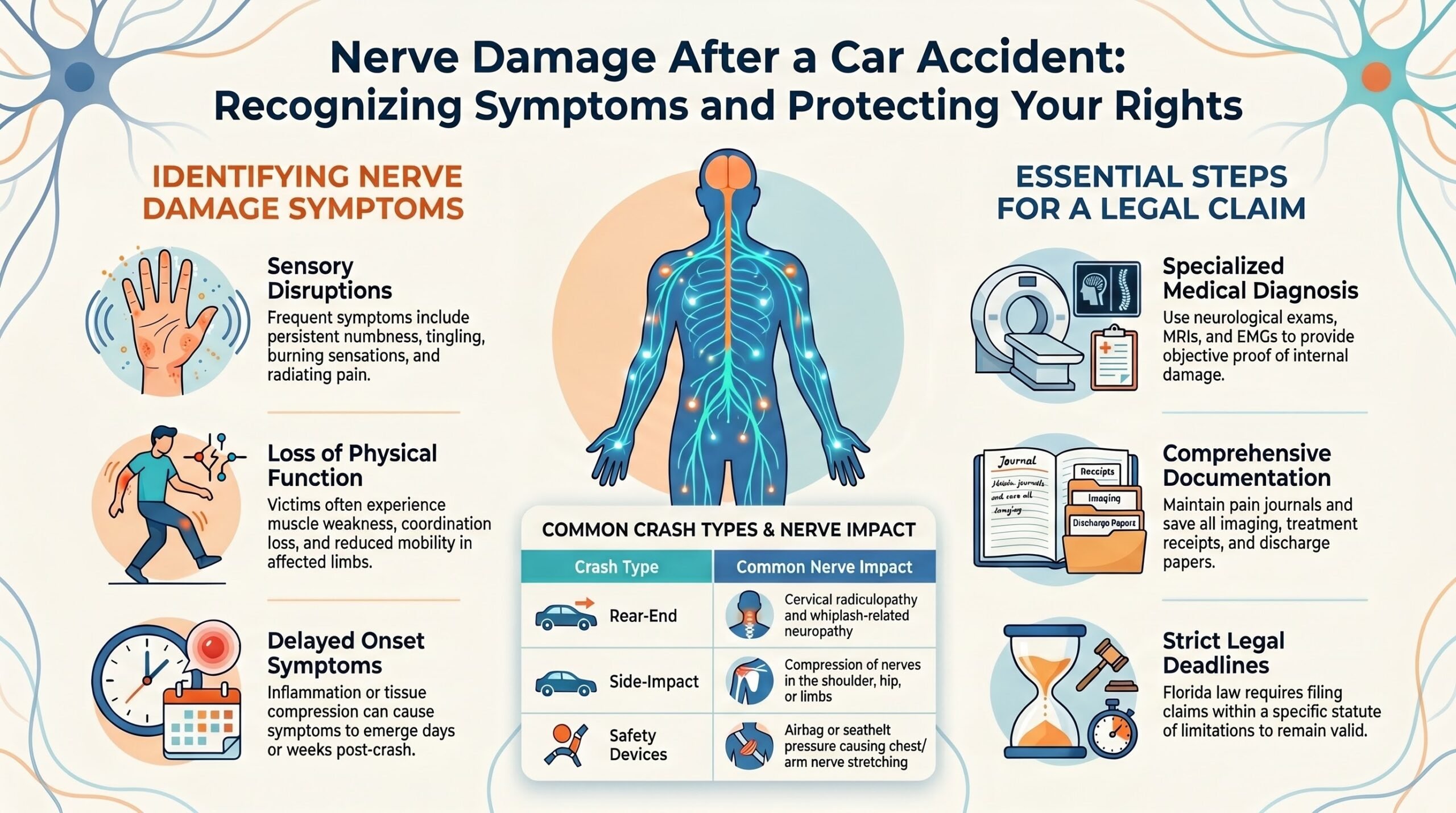
- Nerve damage symptoms may include numbness, tingling, burning pain, weakness, and loss of function, sometimes appearing days after the accident.
- Strong claims use medical evidence such as MRIs, EMGs, nerve conduction studies, neurological exams, and specialist opinions to establish causation.
- Important evidence includes police reports, crash photos, treatment timelines, wage loss records, and journals documenting pain and daily limitations.
- A lawyer handles insurer communications, preserves evidence, builds a demand package, and takes the case to trial if settlement fails.
How We Can Help With Your Fort Myers Nerve Damage Car Accident Injury Claim
At the outset, effective legal representation can make a significant difference in a Fort Myers nerve damage car accident claim by ensuring that the injury is thoroughly documented, properly valued, and clearly connected to the collision. Counsel can gather medical records, secure expert opinions, and organize evidence that demonstrates the daily impact of pain, numbness, weakness, and reduced mobility.
A firm serving injured people and their families can also handle insurer communications, prepare persuasive demand packages, and pursue fair compensation for treatment costs, lost income, and future care needs. Through patient advocacy, legal counsel helps clients stay informed and supported while major decisions are made. Through rehabilitation coordination, the team can assist with arranging appropriate providers, tracking progress, and preserving records that strengthen the claim. This structured approach allows clients to focus on recovery and service to others, while their legal representatives protect deadlines, manage negotiations, and advance the claim with diligence and integrity.
Understanding Fort Myers Nerve Damage Car Accident Injury Cases


In the context of Fort Myers motor vehicle collisions, nerve damage injury cases often require careful analysis because the symptoms may be severe, delayed, or difficult to measure through imaging alone. These claims commonly involve numbness, burning pain, weakness, tingling, or loss of function that interferes with work, caregiving, and other daily responsibilities.
OUR CONSULTATIONSARE FREE
START YOUR FREE CASE REVIEW

A careful evaluation often includes neurological examinations, treatment records, symptom timelines, and diagnostic tools such as nerve mapping. Physicians may also assess whether trauma contributed to peripheral neuropathy or aggravated a previously manageable condition. Because nerve injuries can affect mobility, sleep, emotional well-being, and the ability to serve family and community, accurate documentation is crucial.
Fort Myers nerve damage cases often hinge on demonstrating how the injury affected a person’s practical abilities and long-term needs. Clear medical evidence, consistent reporting, and informed legal guidance help present the full impact of the harm and support a claim that reflects the individual’s losses.
Common Causes of Fort Myers Nerve Damage Car Accident


Several crash mechanisms commonly contribute to nerve damage in Fort Myers car accidents, often through sudden force, compression, or violent body movement. Rear-end collision trauma, side-impact crash injuries, and high-speed vehicle accidents can place significant stress on the neck, back, shoulders, and limbs. Airbag and seatbelt force may also cause or worsen nerve-related injuries, particularly when the body absorbs substantial impact during a collision.
Rear-End Collision Trauma
Rear-end collisions frequently produce sudden, forceful motion that places significant stress on the neck, spine, and surrounding nerves. This abrupt acceleration and deceleration can overstretch soft tissues, compress nerve roots, and disrupt normal nerve signaling. In many cases, victims develop whiplash neuropathy, marked by pain, tingling, numbness, or weakness extending from the neck into the shoulders and arms.
Medical evaluation often identifies cervical radiculopathy when damaged discs or inflamed structures irritate nerves exiting the cervical spine. Even crashes at lower speeds may cause meaningful trauma, particularly for older adults or those with prior spinal conditions. Prompt diagnosis, careful treatment, and ongoing support can help injured individuals restore function and continue serving their families, workplaces, and communities. Thorough documentation also strengthens efforts to ensure accountability and secure the necessary resources.
Side-Impact Crash Injuries
Striking a vehicle from the side often exposes occupants to sharp lateral forces that the body is less prepared to absorb, making these collisions a frequent source of nerve damage after Fort Myers car accidents. When impact occurs near the passenger compartment, door intrusion may compress the shoulder, arm, hip, or leg, harming delicate nerve pathways.
Those assisting injured people often recognize that side-impact crashes can produce lasting pain, numbness, weakness, and reduced mobility. Nerves in the neck and lower back may also be stretched as the torso shifts abruptly while the head lags behind. In some cases, restraints that prevent worse harm still contribute to seatbelt neuropathy, especially across the chest or abdomen. Careful medical evaluation helps identify these injuries early, support recovery, and protect an injured person’s ability to serve others.
High-Speed Vehicle Accidents
Amplifying the force of impact, high-speed vehicle accidents often create the violent motion and crushing pressure that can injure nerves throughout the body after a Fort Myers car crash. As velocity forces rise, the body may be thrown, twisted, or compressed with enough intensity to stretch, pinch, or tear delicate nerve tissue. These injuries can affect the neck, back, shoulders, arms, legs, or hands, sometimes producing pain, numbness, weakness, or burning sensations that interfere with daily service to family and community.
In many cases, speeding consequences extend beyond visible trauma. Higher speeds reduce reaction time, increase collision severity, and make catastrophic nerve damage more likely. A careful legal evaluation may help injured individuals identify the cause of harm, document losses, and pursue resources needed for treatment, stability, and meaningful recovery.
Airbag And Seatbelt Force
In certain collisions, the very safety systems designed to reduce fatal injury can also generate enough sudden force to contribute to nerve damage. During airbag deployment, the rapid expansion of the bag may strike the face, chest, arms, or hands with substantial pressure, sometimes compressing or stretching delicate nerves.
Seatbelt tension can also play a significant role. When a restraint locks during impact, the force across the shoulder, collarbone, chest, or abdomen may injure nearby nerve pathways, particularly in severe or angled crashes. These injuries may not be immediately obvious, yet they can cause numbness, weakness, tingling, or persistent pain. For those committed to helping injured people recover, understanding how protective devices can still cause harm supports more careful evaluation, treatment, and advocacy after a Fort Myers collision.
Legal Rights of Fort Myers Nerve Damage Car Accident Injury Victims
After a Fort Myers car accident causes nerve damage, injured individuals retain important legal rights under Florida law, including the right to seek compensation for medical expenses, lost income, diminished earning capacity, pain and suffering, and other losses tied to the injury. These rights may also extend to future treatment costs, rehabilitation, and losses supported by thorough medical documentation. In some cases, victims may pursue disability benefits when nerve injuries limit work and daily function.
Florida law allows nerve injury victims to pursue compensation for medical care, lost income, future treatment, and lasting hardship.
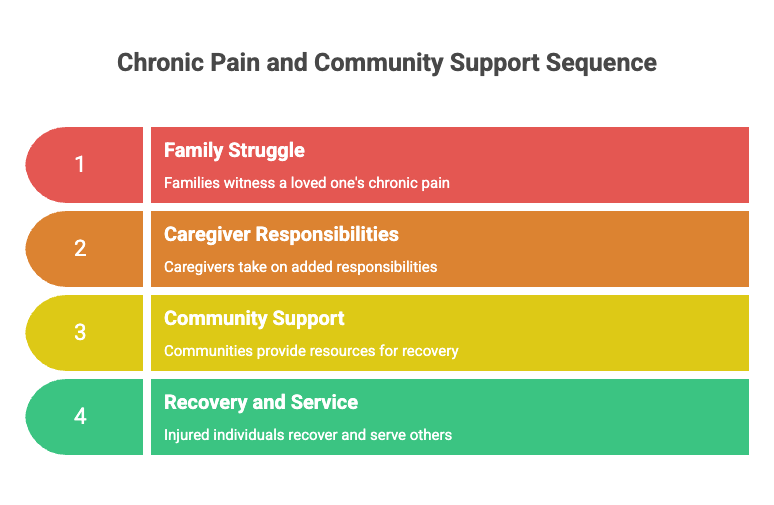
- Families often witness a loved one struggle with chronic pain, weakness, or loss of independence.
- Caregivers may bear added responsibilities while trying to preserve stability and dignity at home.
- Communities are strengthened when injured people receive resources that support recovery and continued service to others.
Florida law also protects the right to hold negligent parties accountable through insurance claims or civil litigation. When liability is established, fair compensation can help restore security, preserve access to care, and reduce the long-term burdens the injury places on households.
Steps to Take After a Fort Myers Nerve Damage Car Accident Injury
After a Fort Myers car accident involving suspected nerve damage, immediate medical care is crucial to identify the extent of the injury and begin appropriate treatment. It is also important to document evidence of injury carefully, including medical records, photographs, and any details related to the collision and the resulting symptoms. Consultation with a lawyer can then help protect the injured person’s interests and support informed decisions about a potential claim.
Seek Immediate Medical Care
At the earliest opportunity, a person involved in a Fort Myers car accident should seek prompt medical evaluation, even when symptoms appear minor or delayed. Nerve damage may not be immediately obvious, yet early assessment can identify concerning signs before complications worsen. An emergency evaluation is often appropriate after a serious collision, particularly when numbness, tingling, weakness, burning pain, or reduced mobility develops.
Timely treatment supports a prompt diagnosis and helps physicians determine whether nerves, soft tissues, or the spinal cord have been affected. Immediate care also protects the injured person’s overall well-being and strengthens the ability to make informed decisions about recovery. By acting quickly, an individual prioritizes health, reduces the risk of avoidable harm, and better preserves the capacity to continue serving family, work, and community with stability and resilience.
Document Injury Evidence
Careful recordkeeping plays a vital role when nerve damage is suspected following a Fort Myers car accident. Individuals should preserve evidence by saving discharge papers, diagnostic imaging results, prescriptions, and receipts for treatment-related expenses. A dated journal can track pain levels, numbness, weakness, sleep disruption, and limits on daily tasks, creating a clear timeline of changes.
They should also photograph wounds, bruising, swelling, medical devices, and visible mobility restrictions as recovery progresses. Images of the vehicle, roadway conditions, and any damaged personal items may further support an accurate account of the event. Family members who assist with transportation, meals, or household duties may keep brief notes describing observed limitations. Organized documentation helps medical providers understand symptoms, supports consistent care, and protects the integrity of the injured person’s account over time.
Consult A Lawyer
Once medical records and personal documentation are organized, consulting a Fort Myers car accident lawyer can help an injured person understand how nerve damage may affect a legal claim. Counsel may review treatment history, lost income, future care needs, and available insurance coverage, while also explaining the relevant statute and important filing deadlines.
During a statute consultation, an attorney may assess liability, identify supporting evidence, and outline practical next steps that protect both the injured person and those who depend on that person’s well-being. A lawyer can also explain fee structures clearly, helping families make informed decisions without added confusion. Early legal guidance often improves case preparation, preserves vital evidence, and supports a more complete presentation of damages related to pain, loss of function, and ongoing rehabilitation needs.
How a Fort Myers Nerve Damage Car Accident Injury Lawyer Can Help You
Charting a nerve damage claim after a car accident often requires legal guidance that is both strategic and informed. A Fort Myers nerve damage car accident injury lawyer evaluates medical records, coordinates supporting documentation, and works to connect the collision to the client’s symptoms through clear evidence. This often includes reviewing diagnostic findings, consulting experts, and using nerve mapping to strengthen the causal inference. Counsel also develops compensation strategies that reflect present losses, while protecting the client’s ability to meet family and community responsibilities.
Effective representation can bring order to a difficult period by handling insurers, deadlines, and negotiations with disciplined care.
The lawyer’s role often helps injured people focus on recovery and service to others, rather than conflict.
- A family may feel relief when someone assumes the legal burden.
- A caregiver may gain reassurance from organized, compassionate advocacy.
- A harmed individual may recover dignity when their voice is fully presented.
Such guidance supports accountability, stability, and practical recovery.
Long-Term Effects of Fort Myers Nerve Damage Car Accident Injuries
The long-term effects of nerve damage after a Fort Myers car accident can extend far beyond the initial injury and disrupt many areas of daily life. Chronic pain complications may persist for months or years, while losses in mobility and coordination can limit independence, employment, and routine physical activity. These injuries may also produce lasting emotional and cognitive effects, including anxiety, depression, concentration problems, and other changes that complicate recovery.
Chronic Pain Complications
Persistence often defines chronic pain after a Fort Myers car accident involving nerve damage, as symptoms may continue long after visible injuries have recovered. Damaged nerves can send ongoing pain signals, creating chronic neuropathy that affects sleep, concentration, mood, and daily responsibilities. In some cases, pain sensitization develops, causing ordinary touch or mild activity to feel unusually painful. These complications may burden households, limit consistent work performance, and increase reliance on medical care, counseling, or medication management.
A service-minded community often recognizes that lasting pain can also strain relationships, caregiving duties, and emotional resilience. Careful documentation, timely treatment, and coordinated support may help reduce worsening symptoms and clarify the injury’s full impact. Understanding chronic pain complications is crucial when evaluating long-term needs after a serious collision in Fort Myers.
Mobility And Coordination Loss
Beyond the initial trauma, nerve damage from a Fort Myers car accident may lead to lasting mobility and coordination loss that interferes with basic movement and physical stability. Individuals may struggle with walking, climbing stairs, standing from a seated position, or maintaining balance on uneven surfaces. Weakness, numbness, and delayed muscle response can increase the risk of falls and limit independence in daily activities and service to family and community.
Medical providers often use a gait assessment to identify abnormal walking patterns, reduced stride control, and compensatory movements. Treatment may include physical therapy focused on strength, balance, and proprioceptive training to improve joint awareness and safer movement. When these impairments persist, they can affect employment, household responsibilities, and the ability to consistently and safely care for others over time.
Emotional And Cognitive Impact
How nerve damage affects a person extends well past physical symptoms, often reaching emotional stability and cognitive function in ways that are difficult to predict at the outset. Survivors may experience anxiety, depression, irritability, or emotional lability, particularly when chronic pain disrupts sleep, work, and relationships. These changes can alter judgment, patience, and the ability to respond calmly in daily service to family and community.
Cognitive effects may also emerge, including poor concentration, slowed processing, memory gaps, and post-traumatic amnesia after a serious collision. Even mild deficits can interfere with decision-making, communication, and consistent follow-through. Over time, these limitations may reduce independence and strain caregiving roles. Careful medical evaluation, rehabilitation, and supportive legal guidance often help injured individuals and their families plan responsibly for long-term needs and future stability.
Proving Liability in Fort Myers Nerve Damage Car Accident Injury Cases
Establishing liability in Fort Myers nerve damage car accident injury cases requires a careful showing that another party’s negligent conduct directly caused the collision and the resulting neurological harm. This process often begins with police reports, photographs, witness statements, and vehicle damage analysis, all of which help clarify how the crash occurred and whether traffic laws were violated.
Because nerve injuries may arise from compression, stretching, or blunt trauma, proving medical causation is vital. Treating physicians, neurologists, and other experts may provide expert testimony linking symptoms, diagnostic findings, and functional limitations to the accident rather than to prior conditions or unrelated events. Attorneys may also use medical records, imaging studies, and treatment timelines to demonstrate continuity between the crash and the injury.
A well-prepared claim presents clear evidence of fault and harm, helping injured individuals pursue accountability and obtain the resources needed for treatment, rehabilitation, and meaningful support for those who depend on their care.
Dealing With Insurance Companies After a Fort Myers Nerve Damage Car Accident Injury
In the aftermath of a Fort Myers car accident, communications with insurance companies often become a vital part of a nerve damage claim. Insurers may request recorded statements, medical authorizations, and detailed descriptions of symptoms, yet careful responses are indispensable because early comments can be misunderstood or used to minimize the seriousness of nerve injuries.
A disciplined approach generally serves injured people, families, and the broader community by protecting resources needed for treatment and daily support. Claimants are often helped by keeping organized records, following claim timelines, and reviewing correspondence for policy pitfalls that may affect coverage. Medical updates should remain accurate, consistent, and limited to verified facts. It is also wise to document changes in pain, functional limitations, and provider recommendations, since nerve damage symptoms may evolve over time. When insurers question treatment needs or the extent of impairment, clear documentation and measured communication can reduce disputes and support fair consideration of losses and future care needs.
What to Expect During a Fort Myers Nerve Damage Car Accident Injury Claim Process
The process for a Fort Myers nerve damage car accident injury claim typically begins with an initial case evaluation, during which the facts of the collision and the extent of the injuries are assessed. It then moves to the collection of medical evidence and related documentation, which supports the claim during insurance negotiations and helps establish the full scope of damages. Depending on the insurer’s response and the strength of the evidence, the matter may conclude through settlement or proceed to trial.
Initial Case Evaluation
At the outset, the initial case evaluation focuses on determining how the collision occurred, whether another party may be legally responsible, and the extent to which the nerve damage has affected the injured person’s recovery, work, and daily function. During the initial interview, counsel reviews the circumstances of the crash, insurance information, and immediate concerns to identify potential avenues of accountability. This stage also establishes a clear case timeline, helping to organize events from the accident onward and preserve important deadlines. Attention is given to employment disruption, household limitations, and the broader ways the injury may hinder the person’s ability to care for others and remain active in the community. By the end of this evaluation, there is a stronger understanding of legal options, practical next steps, and the support the claim may require moving forward.
Medical Evidence Gathering
Following the initial evaluation, medical evidence gathering becomes central to a Fort Myers nerve damage car accident injury claim, as the strength of the case often depends on clear, consistent documentation of the injury and its consequences. Providers may compile treatment notes, imaging results, specialist referrals, and medication histories to show how symptoms developed over time. This medical documentation helps establish the nature, severity, and likely cause of the nerve damage. Diagnostic testing, such as MRIs, EMGs, nerve conduction studies, and neurological exams, may further confirm the extent of impairment.
Records describing pain levels, loss of function, and daily limitations can also support a fuller understanding of the harm suffered. Careful collection of these materials promotes accountability and helps injured individuals pursue recovery with dignity, clarity, and informed support.
Insurance Claim Negotiations
With medical records in place, insurance claim negotiations often become the stage where liability, damages, and the practical value of a Fort Myers nerve damage car accident injury claim are closely examined. Adjusters typically review treatment history, wage loss documentation, and projected care needs while comparing policy limits and fault evidence. Their evaluations may include claim tactics designed to reduce immediate payouts or question long-term impairment.
During this phase, careful communication and organized support can protect the injured person’s interests and preserve resources needed for continued care. Representatives often respond to information requests, clarify medical findings, and address disputed expenses in a measured manner. Settlement timelines vary based on the severity of nerve damage, the consistency of treatment, and the insurer’s willingness to evaluate losses fairly and without unnecessary delay.
Settlement Or Trial
How a nerve damage car accident claim in Fort Myers proceeds toward resolution often depends on the strength of the medical evidence, the clarity of fault, and the parties’ willingness to resolve disputed losses without court intervention. If documentation clearly connects nerve injury symptoms, treatment needs, and future limitations to the collision, settlement discussions may advance more efficiently. Settlement timelines still vary, especially when insurers question causation, long-term impairment, or the value of pain and reduced function.
When settlement efforts fail, the claim may proceed to trial, where testimony, records, and expert opinions become central. Jury dynamics can influence how damages are viewed, particularly in cases involving invisible injuries or uncertain recovery. Throughout either path, careful preparation helps present losses accurately and supports a fair outcome for the injured person and family.
Compensation for Fort Myers Nerve Damage Car Accident Injury Damages
Accountability often begins with a clear assessment of the damages caused by a serious collision. In Fort Myers nerve damage cases, compensation may address the full scope of harm when another party’s negligence disrupts a person’s health, livelihood, and ability to care for others. A careful claim commonly considers emergency treatment, diagnostic testing, specialist evaluations, medications, and ongoing nonsurgical therapies designed to restore function and reduce pain.
A thorough damages presentation may also include projected future care, adaptive equipment, transportation needs, and vocational rehabilitation when injuries limit prior work duties. Documentation from physicians, therapists, employers, and family members can help show how nerve injuries affect daily tasks, independence, and long-term stability. Legal counsel often works to connect these losses to the collision through organized evidence and informed advocacy. This process serves a broader purpose by seeking resources that support recovery, preserve dignity, and help injured individuals continue contributing to their families and communities over time.
Economic vs Non-Economic Damages in Fort Myers Nerve Damage Car Accident Cases
Fort Myers nerve damage car accident cases often require a clear distinction between economic damages, such as medical expenses, lost income, and future care costs, and non-economic damages, including pain, suffering, and diminished quality of life. Because nerve injuries can produce lasting physical limitations and ongoing discomfort, both categories may play a significant role in the overall value of a claim. Proper valuation depends on the severity of the injury, the projected financial impact, and the extent of the claimant’s long-term personal losses.
Economic Damage Categories
Distinguishing between economic and non-economic damages is vital in a Fort Myers nerve damage car accident case because each category addresses a different type of loss. Economic damages focus on measurable financial harm that can be documented and presented with clarity. These losses often include emergency treatment, hospitalization, diagnostic testing, surgery, rehabilitation, medications, and assistive devices. They may also cover transportation to medical appointments and the cost of in-home support when daily tasks become difficult.
In addition, economic damages commonly include lost wages when an injured person misses work during recovery. If nerve damage limits long-term employment, compensation may also address diminished earning capacity and future earnings. Careful documentation of these categories helps families pursue accountability, protect household stability, and secure resources needed to continue serving others well.
Non-Economic Losses
While economic damages address losses that can be calculated from bills, wage records, and other financial documents, non-economic losses concern the personal harm that does not appear on a ledger. In Fort Myers nerve damage car accident cases, these losses often include physical pain, emotional distress, reduced enjoyment of daily activities, and the strain placed on relationships and independence. Nerve injuries may affect sleep, mobility, concentration, and the ability to fully participate in family, work, or community responsibilities. This life disruption can be profound even when financial records do not reflect its full weight.
Courts and insurers recognize that pain valuation requires careful attention to the injured person’s lived experience, observed limitations, and ongoing suffering. A thorough presentation of non-economic losses helps guarantee the human consequences of injury are not overlooked.
Valuing Nerve Injury Claims
Accuracy in valuation is central to any nerve injury claim, because the full impact of this type of harm often extends beyond immediate medical treatment and lost income. Economic damages may include emergency care, surgery, rehabilitation, prescriptions, assistive devices, and reduced earning capacity. These losses are often supported by billing records, expert projections, and diagnostic findings such as nerve conduction studies.
Non-economic damages address human consequences that do not appear on invoices. Chronic pain, numbness, weakness, sleep disruption, emotional strain, and loss of daily function may substantially affect a person’s ability to care for family, work, and participate in community life. Pain mapping, physician testimony, and consistent treatment histories can help demonstrate severity. A careful valuation seeks fair compensation that reflects both measurable costs and enduring personal hardship.
When a Fort Myers Nerve Damage Car Accident Injury Case Goes to Trial vs Settlement
In many Fort Myers nerve damage car accident cases, the decision to resolve a claim through settlement or proceed to trial depends on the strength of the medical evidence, the extent of the injury, and the parties’ willingness to dispute liability and damages. Settlement is often favored when diagnostic records, treatment history, and expert opinions clearly connect the crash to lasting nerve impairment. Strong proof can increase settlement leverage, encouraging insurers to compensate fairly without risking unpredictable jury dynamics.
Trial becomes more likely when insurers deny causation, minimize symptoms, or challenge future medical needs and lost earning capacity. In those situations, presenting testimony from physicians, vocational experts, and life care planners may help a jury understand the full human and financial impact of the harm. A careful evaluation of costs, timing, and risk usually guides the path forward. The most service-minded approach seeks accountability while preserving resources needed for treatment, family support, and long-term recovery after a serious collision.
The Statute of Limitations for Fort Myers Nerve Damage Car Accident Injury Cases
After evaluating whether a nerve damage car accident claim is more likely to be resolved through settlement or require trial, attention often turns to the filing deadline governing the right to seek compensation. In Florida, this time limit can determine whether an injured person may recover for medical care, lost income, and other related harms after a collision.
Because deadlines can affect families, caregivers, and community stability, careful attention is crucial. The applicable period may vary based on the claim type, the parties involved, and the nuances of specific statutes. Certain circumstances may also create filing exceptions, including issues involving minors, delayed discovery questions, or defendants who cannot be located. Missing the deadline can prevent a court from hearing an otherwise valid case. For people focused on helping loved ones recover and restoring daily function, understanding these timing rules supports informed decisions, preserves legal rights, and promotes a more orderly path toward accountability and financial relief after serious vehicle crashes.
When to Contact a Fort Myers Nerve Damage Car Accident Injury Lawyer
Soon after a collision, contacting a Fort Myers nerve damage car accident injury lawyer is often advisable when symptoms such as numbness, tingling, weakness, radiating pain, or reduced mobility appear, as these signs may indicate injuries that require prompt medical evaluation and careful legal documentation.
Contact may also be appropriate when emergency treatment is followed by ongoing appointments, diagnostic testing, rehabilitation, or work limitations. Early intervention can help preserve records, organize correspondence, and support families who are trying to act responsibly toward everyone affected. Attention to insurance timing is also important, especially when statements, forms, or settlement discussions begin before the full extent of nerve damage is understood. A lawyer may be contacted if medical providers note possible permanent impairment, if daily tasks become harder, or if questions arise about documenting pain, treatment, and expenses. Reaching out promptly allows injured people to focus on recovery while ensuring that important information is gathered in an orderly, service-minded manner.
Why You Need an Experienced Fort Myers Nerve Damage Car Accident Injury Lawyer
For individuals coping with possible nerve damage, an experienced Fort Myers car accident injury lawyer provides value that extends well beyond filing paperwork or relaying messages to insurers. Counsel with relevant experience can identify how delayed symptoms, diagnostic uncertainty, and long-term functional limits affect both medical treatment and legal recovery after a collision.
Such representation also supports families seeking stability while caring for an injured loved one. A lawyer with Local knowledge understands regional courts, insurance practices, medical providers, and the evidence often needed to connect nerve injuries to the crash. That knowledge can strengthen case preparation, protect deadlines, and reduce avoidable setbacks. Client trust grows when communication is steady, expectations are realistic, and advocacy remains focused on the injured person’s future needs. In serious cases, experienced counsel helps pursue compensation for ongoing care, lost income, pain, and diminished quality of life, while allowing households to direct energy toward recuperation and responsible support.
How to Choose the Right Fort Myers Nerve Damage Car Accident Injury Lawyer for Your Case
Selecting the right Fort Myers nerve damage car accident injury lawyer requires close attention to experience, case focus, and the ability to address injuries that may be difficult to diagnose and prove. An effective attorney should understand medical evidence, long-term symptoms, and the practical impact of nerve damage on work, caregiving, and daily service to others.
Careful evaluation should include the lawyer’s record in serious-injury claims, communication practices, and willingness to explain legal options clearly. Client expectations should be discussed early, including timelines, documentation requirements, and how settlement decisions will be approached. Fee structures also merit review, since transparency helps injured people and their families plan responsibly during recovery.
A strong choice is often a lawyer who listens carefully, works respectfully with medical professionals, and prepares each case as though trial may become necessary. This approach supports accountability, protects the injured person’s interests, and promotes a more informed path toward financial recovery and future stability.
About The Law Offices of Anidjar & Levine
With a longstanding presence in personal injury litigation, The Law Offices of Anidjar & Levine represents individuals in Fort Myers whose car accident cases involve serious nerve damage and related losses. The firm approaches each matter with disciplined preparation, careful communication, and a service-centered commitment to protecting injured people and their families.
Its firm history reflects steady work on behalf of accident victims across Florida, with attention to medical evidence, liability issues, and the financial impact of long-term harm. In nerve damage claims, the office evaluates treatment needs, lost income, future care, and other consequences that may affect a household’s stability. This measured approach supports clients who seek accountability and practical guidance during recovery.
Publicly available client testimonials frequently describe responsiveness, professionalism, and a willingness to shoulder legal burdens so injured individuals can focus on recuperation. Through that combination of experience and client service, the firm maintains a respected role in serious auto injury representation throughout the Fort Myers community.
Frequently Asked Questions
Can Nerve Damage Symptoms Appear Days or Weeks After a Car Accident?
Yes, nerve damage symptoms can appear days or weeks after a car accident. A person may initially feel fine, yet swelling, inflammation, or tissue compression can later trigger delayed numbness and gradual paresthesia. These changes warrant prompt medical evaluation, because early documentation helps guide treatment and protect others involved in care decisions. Careful attention to emerging symptoms supports responsible service, informed advocacy, and a better opportunity for meaningful recovery and long-term stability.
What Medical Specialists Diagnose Accident-Related Nerve Damage Most Accurately?
Neurologists and physiatrists usually diagnose accident-related nerve damage most accurately, particularly when they coordinate findings with orthopedic or spine experts. A neuromuscular consultation helps determine whether symptoms arise from peripheral nerves, nerve roots, or muscle involvement. Electrodiagnostic testing, including EMG and nerve conduction studies, often provides the clearest confirmation. Their careful evaluations support timely treatment decisions, helping injured individuals receive appropriate care, functional guidance, and a more reliable path to recovery.
Can Seat Belts or Airbags Contribute to Nerve Injuries in Crashes?
Yes, seat belts and airbags can contribute to nerve injuries in crashes, though they remain essential safety devices. Seatbelt compression may irritate or compress nerves in the chest, shoulder, or abdomen during sudden restraint. Airbag deployment can cause forceful contact with the face, neck, arms, or hands, sometimes affecting nearby nerves. Careful medical evaluation helps injured people receive timely treatment, reduce complications, and better support their long-term recovery and function.
How Do Pre-Existing Conditions Affect a Nerve Damage Injury Claim?
Pre-existing conditions can affect a nerve damage injury claim by shaping causation, damages, and credibility. Insurers often argue that symptoms existed before the crash, reducing the impact of claims and limiting compensation. However, a claimant may still recover when evidence shows the collision aggravated an earlier condition or caused new harm. Careful medical records, expert opinions, and clear timelines help distinguish prior issues from accident-related worsening, supporting fair evaluation and accountability.
What Evidence Best Documents Chronic Pain From Accident-Related Nerve Damage?
The strongest evidence includes consistent medical records, diagnostic imaging, nerve conduction studies, and physician opinions linking symptoms to the accident. Courts and insurers also value pain journals that track severity, duration, triggers, and functional limits over time. Sensory mapping can document numbness, tingling, and radiating pain with precision. Testimony from therapists, caregivers, and employers may further confirm how chronic nerve pain affects daily service, work, mobility, and care.
—————————
Nerve damage after a car accident can alter a person’s health, work, and daily function for years. In Fort Myers, these claims often require clear medical evidence, prompt action, and a careful understanding of Florida injury law. A qualified Fort Myers Car Accident Lawyer can evaluate liability, document losses, and pursue appropriate compensation.
The Law Offices of Anidjar & Levine assist injured individuals by efficiently navigating the legal process, allowing them to focus on treatment, recuperation, and long-term stability.