We’ll protect your rights after a Jacksonville fleet vehicle accident by preserving evidence, securing medical documentation, and steering insurance negotiations.
Our team investigates the scene, gathers witness statements, and coordinates with reconstruction experts to establish liability.
We evaluate economic and non‑economic losses, negotiate assertively with insurers, and prepare for litigation if needed.
By leveraging extensive experience in fleet accident cases, the Jacksonville Car Accident Lawyer at Law Offices of Anidjar and Levine can help ensure a thorough claim strategy that maximizes recovery.
Continue to discover how we can further support your case.
Main Takeaways
- Choose a lawyer experienced in commercial‑vehicle and employer liability cases in Jacksonville.
- Ensure the attorney can coordinate evidence from accident reconstruction, medical records, and fleet maintenance.
- Verify the lawyer’s track record securing full compensation for medical expenses, lost wages, and rehabilitation.
- Confirm the firm promptly notifies insurers, preserves evidence, and meets statutory claim deadlines.
- Look for a lawyer who can handle multi‑party negotiations or litigation against drivers, employers, and third‑party providers.


How We Can Help With Your Jacksonville Fleet Vehicle Accident Claim
Managing a Jacksonville fleet vehicle accident claim can be overwhelming, but we streamline the process by conducting a thorough investigation, gathering vital evidence, and communicating directly with insurers to protect your rights.
We begin by reviewing your fleet coordination protocols to identify any gaps that may have contributed to the incident, then we develop a clear timeline of events supported by photographs, police reports, and witness statements.
Our team works closely with your organization to ensure that all documentation aligns with accident-prevention standards, reinforcing your commitment to safety and strengthening your claim.
We negotiate assertively with insurers, presenting a comprehensive case that establishes liability and damages, and we keep you informed at every stage.
OUR CONSULTATIONSARE FREE
START YOUR FREE CASE REVIEW

Understanding Jacksonville Fleet Vehicle Accident Cases
When a Jacksonville fleet vehicle is involved in an accident, the legal landscape differs markedly from a typical personal‑injury case because multiple parties, regulations, and insurance policies intersect.
When a Jacksonville fleet vehicle crashes, liability intertwines multiple parties, regulations, and insurance policies.
We must first identify the fleet management structure, as it dictates who bears responsibility and how claims are processed.
Understanding liability trends is essential; recent data show that corporate policies often shift risk to drivers while still protecting the company’s assets.
We examine contractual duties, state statutes, and federal transportation regulations to determine each party’s exposure.
Our approach includes a thorough review of maintenance records, driver training programs, and the vehicle’s operational history.
By mapping these factors, we can pinpoint where negligence occurred and how liability is allocated among the employer, driver, and third‑party service providers.
This in‑depth analysis enables us to build a solid case, ensuring that the injured party receives appropriate compensation while respecting the intricate legal framework governing fleet operations.
Common Causes of Jacksonville Fleet Vehicle Accidents
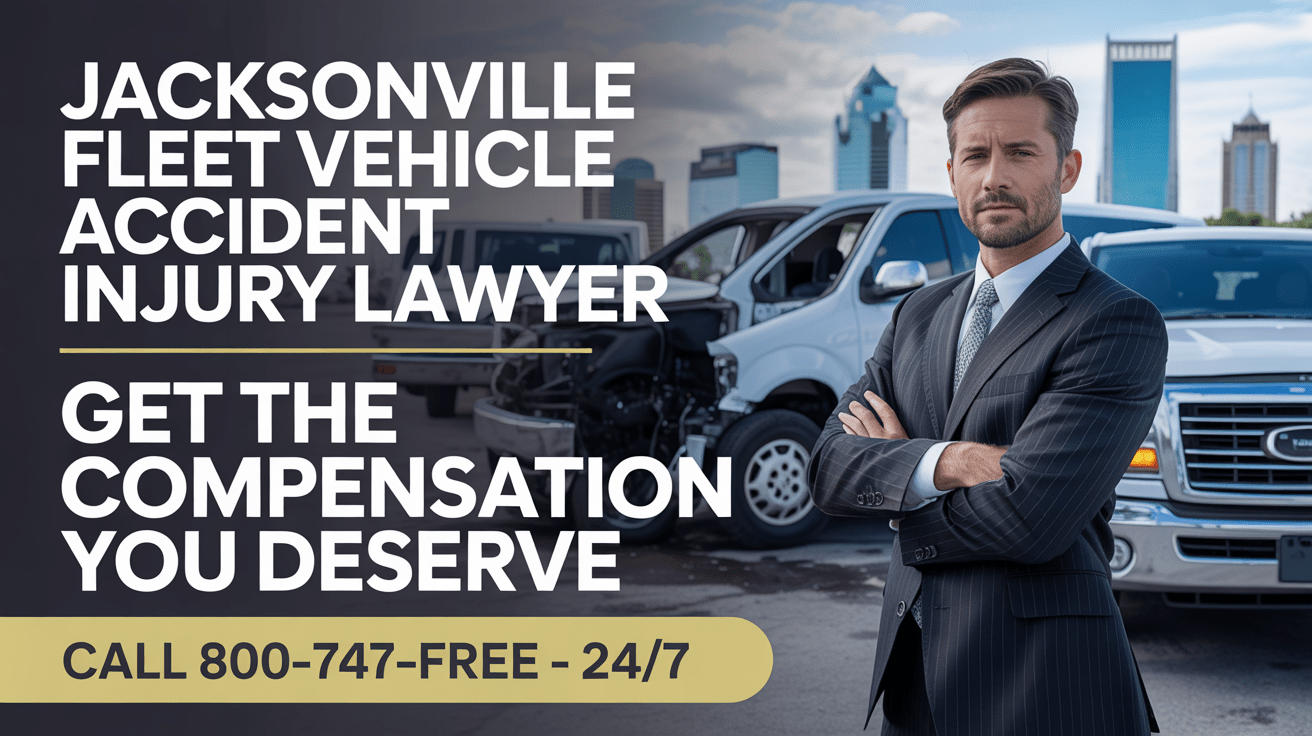
We’ve observed that distracted driving incidents, such as texting or using navigation devices, frequently lead to collisions involving fleet vehicles in Jacksonville.
Improper vehicle maintenance—neglecting routine inspections, brake service, or tire care—also creates hazardous conditions that lead to accidents.
Inadequate driver training and poor weather conditions further compound these risks, making thorough safety protocols crucial.
Distracted Driving Incidents
Frequently, distracted driving accounts for a significant share of Jacksonville fleet vehicle accidents, as drivers divert their attention to cell phones, GPS devices, or other in‑car distractions.
We see that cellphone bans, when enforced, reduce the temptation to check messages while the vehicle is in motion, yet many drivers still slip in brief glances that compromise safety.
Roadside signage reminding operators of the legal and ethical obligations to stay focused can reinforce a culture of vigilance.
By integrating clear policies, regular training, and visible reminders, we help our teams prioritize the welfare of the public and coworkers.
This proactive stance not only lowers incident rates but also demonstrates our commitment to responsible service and community protection.
Improper Vehicle Maintenance
Ensuring that every vehicle in our fleet receives timely, thorough maintenance is vital to preventing accidents caused by mechanical failure. We must adhere to strict maintenance schedules and enforce rigorous inspection protocols to safeguard drivers and the public.
When brakes, tires, or steering components are neglected, the risk of loss of control rises sharply, endangering lives and property. By documenting each service event and verifying compliance before vehicles return to duty, we eliminate costly breakdowns and uphold our responsibility to serve the community.
Regular fluid checks, tire rotations, and brake inspections become non‑negotiable checkpoints, reinforcing reliability across the fleet. This disciplined approach not only reduces liability but also reflects our commitment to safety and the highest standards of operational excellence.
Inadequate Driver Training
When drivers lack thorough training, the likelihood of fleet accidents rises dramatically, because they may not recognize hazards, react appropriately, or adhere to safe operating procedures.
We observe that insufficient supervision compounds this risk, leaving drivers without timely feedback or corrective coaching. A resilient training curriculum must address defensive driving, vehicle handling, and emergency response, ensuring each operator internalizes best practices before hitting the road.
By implementing regular assessments and scenario‑based drills, we reinforce essential skills and reduce complacency. Our commitment to serving the community drives us to hold fleet managers to rigorous standards, because well‑trained drivers protect passengers, pedestrians, and property.
Ultimately, systematic training safeguards lives and preserves public trust.
Poor Weather Conditions
Because Jacksonville’s coastal climate can shift from bright sunshine to heavy rain or dense fog within minutes, our fleet drivers must anticipate how poor weather conditions affect vehicle control and road visibility.
We stress that accurate hazard perception is crucial when slick roads, reduced traction, and limited sight lines combine with tight delivery schedules.
By consulting reliable weather forecasts before each shift, we can adjust routes, speed, and following distances to mitigate risk.
We train drivers to recognize early signs of hydroplaning, black ice, and wind‑driven debris, and we empower them to pause operations if conditions exceed safe limits.
This proactive approach protects passengers, pedestrians, and the community we serve, while preserving fleet integrity and reducing liability.


Legal Rights of Jacksonville Fleet Vehicle Accident Victims
Understanding our legal rights after a Jacksonville fleet vehicle accident is vital for protecting our interests and securing fair compensation.
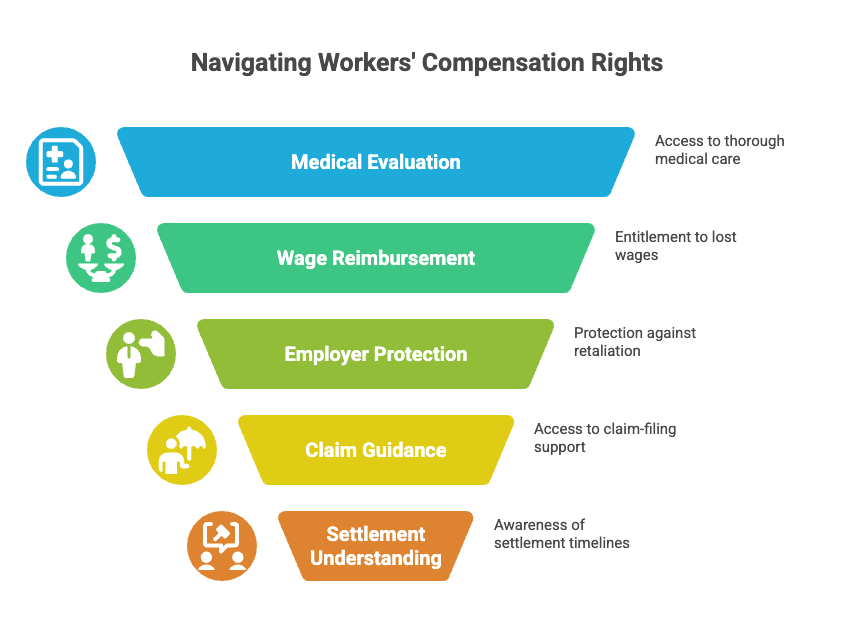
We must recognize that employee rights extend beyond workplace safety; they include the right to medical care, wage replacement, and protection against retaliation.
Settlement timelines are often dictated by insurance policies, statutory limits, and the case’s complexity, so we should act promptly to preserve evidence and meet filing deadlines.
By staying informed, we can steer negotiations with confidence and make certain that our claims are handled responsibly.
- Right to a thorough medical evaluation and timely treatment without fear of job loss.
- Entitlement to lost wages and reimbursement for out‑of‑pocket expenses.
- Protection against employer retaliation when reporting the incident.
- Access to claim-filing guidance that respects statutory deadlines.
- Understanding settlement timelines to avoid forfeiting rights due to missed filing periods.
Steps to Take After a Jacksonville Fleet Vehicle Accident
We should first secure immediate medical attention for anyone injured, then carefully document the scene and gather all relevant evidence, and finally promptly notify both the employer and the insurer to ensure proper reporting and protection of our rights.
Secure Immediate Medical Attention
When a Jacksonville fleet vehicle accident occurs, securing immediate medical attention is paramount for protecting your health and preserving vital evidence. We advise calling emergency services right away to ensure emergency transport arrives promptly to move injured parties to a qualified facility.
While awaiting responders, we conduct a brief triage assessment to identify life‑threatening conditions and prioritize care. This systematic approach helps us document injuries accurately, which later supports any legal claim.
We also request that medical personnel record all findings in a detailed report, as this documentation becomes indispensable evidence. By acting swiftly and responsibly, we safeguard the well‑being of those involved and uphold our duty to serve the community with professionalism and diligence.
Document Scene and Evidence
After a Jacksonville fleet vehicle accident, documenting the scene and preserving evidence become vital steps to protect your client’s legal rights. We advise you to begin with systematic photo cataloging, capturing vehicle positions, damage, road conditions, and any relevant signage from multiple angles. Make certain each image is timestamped and labeled for easy reference.
Simultaneously, gather witness statements while memories are fresh; record names, contact information, and concise recollections of the incident. Encourage witnesses to describe what they saw, heard, and felt, noting any statements, causation, or contributing factors.
Preserve all physical evidence, such as debris or skid marks, by marking and photographing them before removal. This thorough documentation creates a reliable evidentiary foundation that strengthens your client’s claim and supports effective advocacy.
Notify Employer and Insurer
Prompt notification of both the employer and the insurer is essential to safeguard the client’s rights and ensure compliance with corporate policies and legal obligations.
We advise the driver to initiate internal reporting as soon as safety is secured, using the company’s designated incident form and contacting the fleet manager directly.
This step guarantees that the employer can activate its risk‑management protocols, preserve evidence, and arrange necessary support for the injured employee.
Simultaneously, we facilitate third-party notification by contacting the insurance carrier, providing a concise factual summary, and any preliminary documentation.
Timely third-party notification triggers the insurer’s claim process, protects coverage limits, and prevents potential disputes.
How a Jacksonville Fleet Vehicle Accident Lawyer Can Help You
If you’re involved in a fleet vehicle accident in Jacksonville, we can immediately begin evaluating the facts, identifying liable parties, and preserving vital evidence to protect your rights.
Our team coordinates with medical professionals and accident reconstruction experts to build a solid case, and we explore mediation as an alternative to resolve disputes efficiently when appropriate. By presenting expert testimony, we demonstrate the extent of damages and liability, strengthening our negotiation position.
We also liaise with insurers to ensure that claim filings are accurate and timely, while safeguarding your interests throughout the process.
Our commitment to serving others drives us to pursue every viable avenue for compensation and justice.
- Conduct a thorough investigation and evidence preservation
- Identify all responsible parties and insurance carriers
- Utilize expert testimony to substantiate claims
- Explore mediation alternatives for swift resolution
- Negotiate assertively with insurers to maximize recovery
Long-Term Effects of Jacksonville Fleet Vehicle Accident Injuries
We recognize that chronic pain often persists long after the accident, requiring ongoing management and affecting daily activities.
We also understand that the emotional and psychological impact can be profound, leading to anxiety, depression, or post‑traumatic stress that interferes with work and relationships.
Finally, we acknowledge that many victims face long‑term mobility limitations, which may restrict their ability to perform routine tasks and necessitate adaptive accommodations.
Chronic Pain Management
Managing chronic pain after a Jacksonville fleet vehicle accident demands a thorough, evidence‑based approach that addresses both physical and psychological dimensions of injury.
We guide clients toward multimodal therapy, combining physical rehabilitation, pharmacologic options, and targeted occupational interventions to restore function while minimizing reliance on opioid medications.
We stress the importance of sleep hygiene, encouraging consistent bedtime routines, reduced screen exposure, and a sleep‑friendly environment to enhance restorative rest and reduce pain sensitivity.
By integrating these strategies, we help patients regain daily productivity and maintain the capacity to serve others effectively.
Our coordinated care plans emphasize measurable outcomes, regular reassessment, and collaborative communication with medical providers, ensuring that each step aligns with the client’s long‑term health goals and community responsibilities.
Emotional and Psychological Impact
Persistent emotional distress often follows a Jacksonville fleet vehicle accident, and its long‑term effects can be as debilitating as physical injuries.
We recognize that mental health suffers when trauma disrupts daily routines, and we must address the invisible wounds alongside visible ones.
Our guidance emphasizes early assessment, professional counseling, and evidence‑based coping strategies that restore confidence and stability.
We advise clients to engage in support groups, practice mindfulness, and maintain open communication with loved ones to mitigate anxiety and depression.
By integrating these practices into recovery plans, we help individuals rebuild resilience and protect their emotional wellbeing.
Our approach ensures that the psychological impact receives the same level of diligent attention as any physical claim, fostering a thorough recovery.
Long‑Term Mobility Limitations
When a Jacksonville fleet vehicle accident results in serious injury, the resulting mobility limitations can persist for years, profoundly affecting daily activities and professional responsibilities.
We recognize that these limitations often require assistive devices such as walkers, braces, or custom orthotics, and may necessitate adaptive vehicles equipped with hand controls or wheelchair lifts. Our guidance helps clients steer insurance claims, secure funding for necessary equipment, and coordinate with rehabilitation experts to maximize independence.
By documenting functional loss and establishing a clear link to the accident, we strengthen compensation requests that cover ongoing therapy, equipment purchases, and home modifications.
We aim to restore dignity and enable continued service to others, ensuring that long‑term mobility challenges don’t diminish one’s ability to contribute meaningfully.
Proving Liability in Jacksonville Fleet Vehicle Accident Car Accident Cases
If a fleet vehicle collides with another car, establishing liability hinges on demonstrating that the driver, the employer, or the vehicle’s maintenance provider breached a duty of care.
We examine driver conduct, including speed, distraction, and adherence to traffic laws, and scrutinize employer policies and training programs.
Corporate negligence emerges when an organization fails to enforce safe‑driving standards, neglects regular vehicle inspections, or overlooks necessary repairs. In such cases, vicarious liability may attach, holding the employer accountable for the employee’s actions performed within the scope of employment.
We gather evidence from accident reports, witness statements, and maintenance logs to trace any lapses. By linking the breach directly to the harm suffered, we build a compelling narrative that shows how the fleet’s operational shortcomings contributed to the collision. This approach guarantees we protect the injured party’s rights while holding responsible parties fully answerable.
Dealing With Insurance Companies After a Jacksonville Fleet Vehicle Accident
Guiding the claims process after a Jacksonville fleet vehicle accident requires us to act swiftly and strategically, as insurers often employ tactics that can diminish the value of a legitimate claim.
We begin by reviewing the policy tactics that the carrier may use to limit coverage, such as disputing liability or questioning the extent of damages. By documenting every communication, we protect ourselves against delayed or denied payments.
We review policy tactics, document every communication, and protect against delayed or denied payments.
We also establish clear claim timelines, noting statutory deadlines and the insurer’s internal review periods, so we can anticipate when decisions should be rendered. When a carrier offers a low settlement, we respond with a detailed demand that references medical records, repair estimates, and loss‑of‑income calculations.
If negotiations stall, we prepare to file a formal complaint or pursue litigation to ensure the client’s rights remain intact throughout the process. Our proactive approach safeguards the client’s interests and maximizes recovery.
What to Expect During a Jacksonville Fleet Vehicle Accident Claim Process
We’ll begin by guiding you through the initial claim reporting and the vital evidence‑collection guidelines that protect your rights.
Next, we’ll explain how insurance adjuster negotiations typically unfold and what factors influence the offers you receive.
Finally, we’ll outline the settlement options and the circumstances that may require litigation, ensuring you understand each step before moving forward.
Initial Claim Reporting
When a Jacksonville fleet vehicle accident occurs, we promptly gather the essential details to initiate the claim, ensuring that every piece of information is recorded accurately and efficiently.
Our team initiates timely reporting, confirming the incident with the driver, and documenting location, time, and conditions. We then issue internal notifications to the fleet manager, insurance carrier, and relevant department heads, guaranteeing that all parties are aware of the situation.
By coordinating these steps, we create a clear audit trail that supports a swift, organized response. We also advise the driver to preserve any immediate evidence and to refrain from making statements that could compromise the claim.
This structured approach minimizes delays, protects the fleet’s interests, and lays the groundwork for a thorough investigation.
Evidence Collection Guidelines
Typically, we begin evidence collection by securing the scene and documenting every relevant detail before any statements are taken.
We then establish a clear chain of custody for all physical items, ensuring each piece is labeled, sealed, and logged to preserve its integrity for later analysis.
Our team employs forensic photography to capture high‑resolution images of vehicle damage, skid marks, and surrounding conditions, providing an objective visual record that supports your claim.
We also gather electronic data, such as GPS logs and dash‑cam footage, and preserve any maintenance records that may affect liability.
Throughout the process, we communicate each step transparently, allowing you to understand how every piece of evidence contributes to a strong, defensible case.
Insurance Adjuster Negotiations
Piloting the insurance adjuster negotiations after a Jacksonville fleet vehicle accident requires a clear understanding of each stage in the claim process.
We begin by reviewing the adjuster’s initial offer, then we assess how our documented evidence strengthens claim leverage.
Throughout discussions, we maintain a professional tone and ask precise questions to uncover any hidden policy nuances.
We present a settlement strategy that aligns with the client’s recovery goals while protecting the fleet’s financial interests.
By articulating the full scope of damages and referencing comparable case outcomes, we guide the adjuster toward a fair resolution.
Our approach balances firm advocacy with collaborative problem‑solving, ensuring the client receives equitable compensation without unnecessary delay.
Settlement and Litigation Options
If a Jacksonville fleet vehicle accident leads to a disputed claim, we’ll walk you through the two primary pathways—settlement and litigation—so you know what to expect at each stage.
In settlement mediation, we facilitate dialogue between you and the insurer, aiming to reach a fair agreement without court involvement. This process often shortens timelines, reduces costs, and preserves relationships, which aligns with our commitment to serving others responsibly.
Should mediation fail, we prepare for jury litigation, presenting evidence and testimony before a judge and jury to secure the compensation you merit. Throughout both routes, we keep you informed, manage documentation, and advocate fiercely, ensuring that every procedural step advances your interests while maintaining professional integrity.
Compensation for Jacksonville Fleet Vehicle Accident Damages
Compensation hinges on clear liability and precise quantification of every loss.
Next, we assess non‑economic impacts such as pain, emotional distress, and loss of consortium, ensuring each element is documented with supporting evidence. Our team then examines the defendant’s insurance limits, recognizing that these caps can restrict recoverable amounts unless we successfully argue for punitive damages.
We pursue punitive damages when the driver’s conduct was reckless, willful, or grossly negligent, as these awards aim to punish and deter future misconduct. By meticulously calculating total damages and strategically addressing insurance constraints, we position our clients to receive the fullest compensation permissible under Florida law.
This all‑encompassing approach reflects our commitment to serving those harmed and upholding justice for victims of fleet vehicle accidents.
Economic vs Non-Economic Damages in Jacksonville Fleet Vehicle Accident Cases
We’ll explain how economic losses—such as medical bills, repair costs, and lost wages—are quantified alongside non‑economic harms like pain and suffering and the impact on future earnings.
By breaking down each component, we can show how they combine to form a thorough compensation claim.
Understanding this distinction helps us build a stronger case for fair recovery.
Economic Loss Calculation
Evaluating economic loss in Jacksonville fleet-vehicle accident cases requires a systematic approach that quantifies tangible financial impacts, distinct from intangible suffering.
We begin by documenting lost wages, calculating the exact income each injured employee would have earned during recovery, and including future earning potential if the injury limits career advancement.
Next, we assess property depreciation, estimating the reduction in value of the damaged fleet vehicle after repair or total loss, and we factor in any ancillary costs such as rental replacements.
We then compile medical expenses, rehabilitation fees, and necessary assistive devices, ensuring each line item reflects actual invoices and reasonable estimates.
Pain and Suffering
When a Jacksonville fleet vehicle accident injures a driver or passenger, the resulting pain and suffering constitute non‑economic damages that must be distinguished from the calculable economic losses we’ve already outlined.
We recognize that these harms—such as emotional distress and the loss of enjoyment of life—cannot be tallied like medical expenses, yet they profoundly affect the victim’s daily existence.
Our approach quantifies pain and suffering by evaluating the severity and duration of injuries, the impact on personal relationships, and the psychological toll endured.
By presenting detailed documentation of emotional distress alongside medical records, we help insurers appreciate the full scope of non‑economic loss.
This thorough representation guarantees that victims receive compensation that truly reflects their lived experience.
Future Earnings Impact
The resilience of a victim’s earning trajectory often hinges on the severity of injuries sustained in a Jacksonville fleet vehicle accident, and distinguishing economic from non‑economic losses is vital for a fair settlement.
We evaluate lost wages by projecting current income, adjusting for inflation, and accounting for the victim’s role in the workplace. Our analysis also considers the career trajectory, including potential promotions, bonuses, and skill development that may be forfeited.
Economic damages encompass tangible financial losses, while non‑economic harms, such as diminished quality of life, indirectly affect future earning capacity.
When a Jacksonville Fleet Vehicle Accident Case Goes to Trial vs Settlement
If a Jacksonville fleet‑vehicle accident case proceeds to trial, the stakes shift dramatically from negotiation to courtroom strategy, and we must be ready to present compelling evidence, cross‑examine witnesses, and argue complex liability issues before a judge or jury.
In this scenario, understanding jury dynamics is crucial; we assess jurors’ backgrounds, biases, and perceptions of corporate responsibility.
We also weigh settlement timing, recognizing that early offers may avoid the uncertainties of trial while preserving clients’ resources.
When we move toward trial, we prepare detailed exhibits, expert testimony, and a clear narrative that highlights the victim’s injuries and the fleet’s negligence.
Conversely, during settlement discussions, we leverage the strength of our case to secure fair compensation without prolonged litigation.
Our approach balances aggressive advocacy with strategic patience, ensuring we serve the client’s best interests while respecting the legal process.
The Statute of Limitations for Jacksonville Fleet Vehicle Accident Cases
Although the clock starts ticking the moment a Jacksonville fleet‑vehicle accident occurs, the statutory deadline for filing a claim isn’t indefinite; Florida law imposes a two‑year limitation period for personal injury actions arising from such incidents.
We must recognize that nuances of the statute can affect when the period begins, especially if the injured party is a minor or the defendant is a governmental entity, which may invoke tolling exceptions that pause the clock.
These tolling exceptions include discovery rules, where the period starts when the injury is,, and situations involving fraudulent concealment, where the clock is delayed until the deception is uncovered.
Understanding these nuances helps us protect clients’ rights and guarantees we file within the permissible timeframe.
We advise diligent documentation and prompt legal consultation to steer any tolling scenarios, thereby safeguarding the ability to pursue full compensation under Florida law.
When to Contact a Jacksonville Fleet Vehicle Accident Lawyer After a Jacksonville Fleet Vehicle Accident
The two‑year statute of limitations means we must act quickly, and the moment an accident occurs is the best time to reach out to a Jacksonville fleet‑vehicle accident lawyer. We advise immediate notification of our office so we can begin legal consultation while the evidence remains fresh.
Prompt contact allows us to guide you in gathering medical documentation, which is crucial for substantiating injuries and linking them to the collision. Early involvement also improves claim timing, ensuring that deadlines for filing and preserving witnesses are met.
We’ll explain how to preserve accident reports, photographs, and witness statements, and we’ll advise on communicating with insurers to avoid inadvertent admissions. By acting now, you protect your right to compensation and demonstrate diligence to the court.
Our team stands ready to support you, combining know‑how with a commitment to serving those affected by fleet‑vehicle incidents.
Why You Need an Experienced Jacksonville Fleet Vehicle Accident Lawyer
Because fleet‑vehicle accidents often involve multiple parties, elaborate insurance policies, and substantial liability issues, we need an experienced Jacksonville fleet‑vehicle accident lawyer to navigate the legal landscape effectively.
We recognize that protecting clients requires more than basic representation; it demands a thorough case strategy that anticipates each party’s tactic and aligns with regulatory frameworks.
By leveraging deep knowledge of commercial vehicle regulations, we can identify hidden liabilities and negotiate with insurers on our client’s behalf, preserving both financial resources and reputational integrity.
Our commitment to client trust drives us to communicate transparently, keep stakeholders informed, and adjust tactics as new evidence emerges.
We coordinate with accident investigators, medical experts, and corporate counsel to build a cohesive narrative that supports our client’s position.
This collaborative, detail‑oriented approach guarantees that the complications of fleet‑vehicle claims are managed efficiently, delivering results that reflect our professional standards and dedication to service.
How to Choose the Right Jacksonville Fleet Vehicle Accident Lawyer for Your Case
When evaluating potential counsel for a Jacksonville fleet‑vehicle accident, we should first assess the lawyer’s proven track record in handling elaborate commercial‑vehicle claims. We must verify that the attorney has successfully navigated cases involving multiple drivers, heavy‑equipment damage, and complicated liability issues.
Next, we assess familiarity with local regulations governing commercial fleets, ensuring the lawyer can anticipate statutory nuances and compliance requirements.
We also compare fee structures to ensure transparency and alignment with our budget, and confirm that contingency arrangements or hourly rates are clearly defined.
Communication style matters; we need an attorney who listens, explains options plainly, and updates us regularly.
Finally, we seek references from past clients who experienced similar fleet‑related injuries, to confirm that the lawyer’s approach balances aggressive advocacy with compassionate service.
About The Law Offices of Anidjar & Levine
Commitment to client advocacy defines The Law Offices of Anidjar & Levine, where we combine decades of litigation experience with a focused practice on elaborate personal‑injury and commercial‑vehicle claims.
We serve Jacksonville’s fleet operators and accident victims with a disciplined approach rooted in our firm history, which traces back to a small practice that grew through relentless dedication to justice.
Our team collaborates closely with each client, ensuring that every detail of a case is examined and that strategic decisions reflect both legal precedent and the client’s personal circumstances.
Client testimonials consistently highlight our responsiveness, transparency, and the tangible results we achieve in complicated vehicle‑accident disputes.
Frequently Asked Questions
Do I Need a Lawyer if My Employer’s Insurance Denies My Claim?
We recommend hiring an attorney when your employer’s insurance denies your claim, because professional counsel can navigate through intricate policy language and procedural rules.
An experienced lawyer will assess the denial, gather supporting evidence, and file an appeal denial on your behalf, increasing the likelihood of a favorable outcome.
We’ll make certain deadlines are met, negotiate with insurers, and protect your rights, allowing you to focus on recovery while we handle the legal process.
Can I Claim Damages for Emotional Distress After a Fleet Accident?
We can claim emotional damages after a fleet accident, but we must substantiate them with a thorough psychological evaluation.
Courts typically require documented evidence of anxiety, depression, or PTSD directly linked to the incident.
We should gather medical records, therapist reports, and any related expenses to support the claim.
What if the Driver Was Under the Influence but the Company Claims No Liability?
We tell you that if the driver was under the influence, the company may still face criminal liability, but it will likely argue indemnity disputes to avoid responsibility.
We explain that prosecutors can pursue charges against the corporation for negligent hiring or supervision, while the insurer may contest coverage.
We advise you to gather evidence, assess the employer’s policies, and consult counsel to protect your rights and pursue appropriate compensation.
How Are Damages Calculated for Lost Future Earning Capacity?
We calculate damages for lost future earning capacity by first projecting the victim’s future income based on age, occupation, and work history.
Then we conduct a vocational assessment to determine how the injury limits earning potential, adjusting for inflation, discount rates, and any expected career progression.
We subtract any offsetting earnings, such as disability benefits, to arrive at the net loss, which we present in a clear, documented monetary figure.
Will My Claim Be Affected if I Was Partially at Fault?
We’ll tell you that your claim can still succeed, but comparative negligence and apportionment rules will reduce the recovery proportionally to your fault.
If a jury finds you 30 % responsible, they’ll deduct that percentage from any awarded damages.
We’ll gather evidence, calculate the exact allocation, and present a clear argument that the other party’s liability outweighs yours, ensuring the final award reflects the proper fault distribution.
—————————
At the Law Offices of Anidjar and Levine, we stand ready to protect your rights and secure the compensation you merit after a Jacksonville fleet vehicle accident.
Our experienced team will steer through the intricacies of your claim, ensuring every legal avenue is explored and your interests are vigorously represented.
Trust us to apply our proficiency, dedication, and strategic approach to achieve the best possible outcome for your case, and learn more from our Jacksonville Car Accident Lawyer.