The Law Offices of Anidjar and Levine helps protect a claimant’s rights by evaluating the facts, identifying viable civil, administrative, or institutional claims, and explaining applicable legal standards.
Counsel can preserve evidence, manage communications with insurers or institutions, prepare reports and demand materials, and pursue compensation for medical care, counseling, lost income, and related harm.
Early legal guidance also helps avoid deadline mistakes and supports safety planning, confidentiality, and interview preparation.
The sections below outline these issues more fully.
Learn more by visiting a Florida Sexual Assault Lawyer.
Main Takeaways
- A Florida sexual misconduct lawyer evaluates potential civil claims, criminal exposure, and institutional liability based on the specific facts and available evidence.
- Counsel explains reporting options, including law enforcement, employer complaints, Title IX procedures, and protection orders when safety or harassment issues continue.
- Early legal help preserves evidence like messages, photos, medical records, witness accounts, and timelines before information is lost or disputed.
- An attorney manages insurer and institutional communications, prepares demand materials, and protects clients from procedural mistakes and missed deadlines.
- Lawyers also coordinate confidential case strategy, victim support resources, and preparation for interviews, statements, hearings, or related Florida court proceedings.
How We Can Help With Your Florida Sexual Misconduct Claim
When sexual misconduct causes physical, emotional, or financial harm, a Florida sexual misconduct lawyer can help evaluate the facts, identify viable legal claims, and explain the options available under state law. Counsel may gather records, preserve documentation, and coordinate with qualified professionals who support recovery and accountability. By reviewing timelines, communications, and other criminal evidence, counsel helps determine what information may strengthen a claim while respecting privacy and dignity.
A law firm serving injured people may also manage insurer contact, prepare demand materials, and pursue compensation for treatment costs, lost income, and related losses. Throughout the process, counsel can offer legal protection by addressing harassment, safeguarding sensitive information, and helping clients make informed decisions. This support allows individuals and families to focus on recovery and service to others while their claim is handled with care, professionalism, and attention to Florida requirements.
Effective representation promotes stability, accountability, and a path toward meaningful recovery.
Understanding Sexual Misconduct Cases in Florida


Why do sexual misconduct cases in Florida often require careful legal analysis at the outset? They frequently involve overlapping questions of fact, procedure, and statutory interpretation, making early evaluation critical for those seeking to protect others and uphold community safety. Florida Consent laws can affect how allegations are assessed, while victim protections may shape reporting, confidentiality, and available remedies.
OUR CONSULTATIONSARE FREE
START YOUR FREE CASE REVIEW

A clear understanding of these matters helps parties recognize both immediate risks and long-term consequences. Sexual misconduct allegations may create civil liability through claims for damages, reputational harm, or institutional negligence. They may also create criminal exposure, with penalties that can alter employment, housing, licensing, and family relationships. Because evidence, witness credibility, and timelines often determine a case’s strength, prompt legal guidance is important.
Careful review allows advocates, families, and organizations to respond responsibly, support affected individuals, and make informed decisions consistent with Florida law and the broader duty to serve others.
Common Scenarios When Sexual Misconduct Might Take Place in Florida
Sexual misconduct allegations in Florida may arise in a range of settings, each presenting distinct factual and legal concerns. Common scenarios include workplace harassment incidents, college campus encounters, nightlife situations involving alcohol, and misconduct through digital communication platforms. A careful review of the surrounding circumstances is often necessary to determine how the conduct is characterized under Florida law.
Workplace Harassment Incidents


In Florida workplaces, harassment incidents may arise in offices, retail settings, hospitality venues, healthcare facilities, and other employment environments where power imbalances, repeated contact, or inadequate oversight create conditions for misconduct. These incidents may involve supervisors, coworkers, contractors, or clients and can include unwelcome comments, repeated propositions, coercive messages, touching, or retaliation after a report is made.
A service-minded response often emphasizes safety, dignity, and fair treatment for everyone affected. Effective workplace investigation steps may include prompt reporting, documentation review, witness statement collection, policy analysis, and interim protective measures. Employers and counsel may assess whether conduct was isolated or persistent, whether authority was abused, and whether prior complaints were ignored.
Careful action can help improve employee performance, strengthen accountability, and support healthier professional environments across Florida industries and workplaces.
College Campus Encounters
Although college campuses are designed to support learning and community, they also create settings where sexual misconduct may occur during parties, residence hall interactions, study sessions, athletic activities, student organization events, or meetings between students and university personnel.
These encounters may involve classmates, roommates, teammates, faculty members, advisors, or staff, and they can raise serious concerns about consent, coercion, boundaries, or abuse of authority. Institutions are generally expected to respond through fair procedures that protect safety, preserve dignity, and promote accountability. For those serving students and families, understanding campus policies, reporting timelines, and available supportive measures can be required.
Charting Title IX often requires careful attention to documentation, witness statements, interim accommodations, and institutional obligations. Thoughtful legal guidance may help individuals protect rights while supporting respectful educational environments.
Nightlife And Alcohol
Because nightlife settings often involve crowded venues, impaired judgment, and limited visibility, they can present circumstances in which sexual misconduct may occur in Florida. Incidents may arise in bars, clubs, private events, or after-hours gatherings where alcohol lowers inhibitions and disrupts clear communication. In these environments, consent standards remain crucial, regardless of intoxication, familiarity, or social pressure.
Responsible establishments and community members often seek safer conditions through attentive staffing, intervention training, and bar policy enforcement. Risks may increase when patrons are separated from friends, escorted to isolated areas, or encouraged to consume excessive alcohol. A careful review of witness accounts, surveillance footage, and venue procedures may help clarify disputed events. Understanding these scenarios can support prevention efforts and guide compassionate responses centered on safety, accountability, and lawful conduct.
Digital Communication Misconduct
When digital communication becomes persistent, coercive, or sexually explicit without consent, it may form the basis of sexual misconduct concerns in Florida. Text messages, social media posts, private chats, and image sharing can cross Consent boundaries when one person pressures another for sexual responses, demands explicit content, or ignores clear refusals. Digital records often preserve patterns of behavior, including repeated unwanted contact, threats, or manipulation.
In service-minded communities, recognizing online coercion helps protect dignity, safety, and trust. Misconduct may involve unsolicited sexual images, repeated late-night messages, pressure to meet in person, or attempts to exploit power differences through electronic communication. A Florida sexual misconduct lawyer may assess messages, timelines, and surrounding circumstances to determine whether conduct supports civil claims, school discipline, workplace action, or criminal investigation under applicable law.
Legal Rights of Sexual Misconduct Victims in Florida
While the circumstances of each case differ, sexual misconduct victims in Florida generally have important legal rights that can help protect their safety, preserve their dignity, and support efforts to pursue justice. Florida law recognizes interests in privacy, bodily autonomy, and meaningful access to legal remedies through criminal and civil systems, as well as workplace and school procedures.
- Victims may review available Reporting Options, including law enforcement reports, Title IX complaints, and employer-based grievance channels.
- Courts may provide Protection Orders or injunctions that restrict contact, require distance, and address ongoing threats or harassment.
- Victims may also assert rights to respectful treatment, confidentiality in certain proceedings, and potential financial recovery through civil claims.
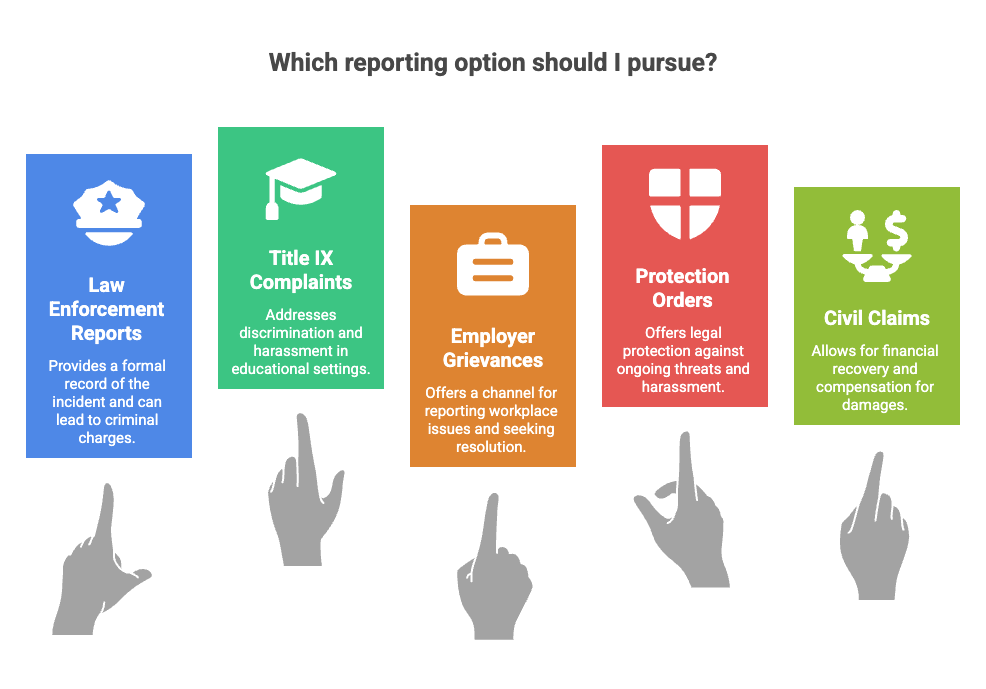
These rights are intended to serve vulnerable individuals and strengthen community accountability. A Florida sexual misconduct lawyer may help explain applicable protections, clarify deadlines, and advocate for a process that honors the victim’s voice while pursuing lawful remedies under state and federal authority.
Steps to Take After a Sexual Misconduct Incident in Florida
After a sexual misconduct incident in Florida, the first priority is to ensure immediate safety and seek assistance from law enforcement, medical providers, or trusted support resources as needed. It is also important to preserve key evidence, including clothing, messages, photographs, and medical records, because these materials may affect both criminal and civil proceedings. Early contact with Florida counsel can help a person understand available legal options, protect important rights, and avoid missteps during a highly sensitive process.
Ensure Immediate Safety
Because immediate safety is the first priority, a person affected by sexual misconduct in Florida should move to a secure location as soon as possible and seek help from a trusted individual, security personnel, or law enforcement if danger remains present. If injuries, pain, or shock are present, Immediate medical attention should be sought through emergency responders, a hospital, or a local clinic equipped to provide compassionate care.
Supportive assistance can also include contacting a crisis hotline, a campus resource office, a workplace supervisor, or a community advocate who can help coordinate transportation, shelter, and medical services. When the threat has not ended or others may be at risk, the individual should report to authorities promptly so protective measures can be considered and additional harm may be prevented for everyone involved.
Preserve Key Evidence
Once personal safety and urgent medical needs have been addressed, attention should turn to preserving evidence that may help document the sexual misconduct incident in Florida.
Helpful steps include saving clothing, bedding, photographs, messages, emails, and social media communications in their current condition. Digital evidence should be copied, backed up, and stored securely to reduce the risk of deletion or alteration. A written timeline of events, including dates, times, locations, and descriptions of the persons involved, can support later review. If others observed relevant conduct or disclosures, witness statements may provide valuable context and corroboration.
Medical records, receipts, transportation logs, and workplace or school reports may also help establish surrounding circumstances. Careful preservation promotes accuracy, supports accountability, and may assist those working to protect others from similar harm in the future.
Contact Florida Counsel
When legal guidance is sought promptly, a Florida attorney can help evaluate potential civil claims, explain applicable deadlines, and identify practical steps to protect the individual’s rights. Early consultation also supports informed decisions about reporting options, documentation, and communication with institutions or insurers.
Counsel may provide confidential legal advice tailored to the facts, while helping preserve privacy and reduce avoidable mistakes. An attorney can coordinate with Victim support resources, including counselors, advocates, and community organizations that promote safety, stability, and access to care. This coordinated approach may strengthen both personal recovery and the legal process.
By contacting Florida counsel without unnecessary delay, the individual is better positioned to understand available remedies, fulfill procedural requirements, and pursue accountability in a careful, respectful, and service-minded manner.
How a Florida Sexual Misconduct Lawyer Can Help You Initiate a Case
Although the first steps after sexual misconduct can feel uncertain, a Florida sexual misconduct lawyer provides structure by evaluating the facts, identifying viable legal claims, and explaining the procedural requirements for initiating a case.
Counsel begins by creating a Confidential case framework, advising on evidence protection, and outlining a legal strategy that respects the client’s goals and capacity to proceed.
- An attorney reviews reports, communications, records, and witness information to determine whether civil claims, institutional liability, or related actions may be filed in Florida courts.
- Counsel manages deadlines, notice requirements, and filing standards, helping prevent avoidable errors while preserving the integrity of the matter from the outset.
- A lawyer also coordinates victim support resources, prepares the client for interviews or statements, and communicates with involved parties when direct contact would be burdensome.
This guided process allows service-minded individuals to pursue accountability in an orderly manner, with informed decisions and careful attention to procedural safeguards throughout.
Long-Term Effects of Sexual Misconduct Trauma
Sexual misconduct trauma may produce lasting emotional and psychological effects, including anxiety, depression, and persistent distress that can continue well beyond the initial event. It may also disrupt a person’s ability to form or maintain healthy relationships, as trust challenges often affect communication, intimacy, and a sense of safety with others. In many cases, these long-term effects extend to work and daily functioning, limiting concentration, consistency, and overall stability.
Emotional And Psychological Impact
Because trauma often extends far beyond the immediate event, the long-term emotional and psychological effects of sexual misconduct can disrupt nearly every aspect of a person’s life. Survivors may experience persistent anxiety, depression, shame, intrusive memories, sleep disturbance, and difficulty concentrating, all of which can impair daily functioning and emotional stability over time.
In many cases, recovery requires careful Trauma disclosure within safe environments, combined with consistent therapist support and practical coping strategies tailored to the individual’s needs. Effective care often emphasizes social stigma avoidance, helping survivors seek assistance without added fear, judgment, or isolation. Service-oriented professionals should recognize that these effects may remain hidden yet profoundly influence behavior, decision-making, and overall well-being.
A trauma-informed response can promote dignity, stability, and meaningful progress toward long-term emotional recovery and renewed personal strength.
Relationship And Trust Challenges
The emotional injuries associated with sexual misconduct often extend into a survivor’s closest personal connections, where trust, safety, and communication may become greatly impaired. Partners, relatives, and friends may observe withdrawal, guarded behavior, or heightened sensitivity around Consent boundaries. These responses are not signs of weakness, but common effects of trauma that can alter attachment, intimacy, and confidence in others.
In many cases, survivors struggle to evaluate whom they can trust, especially when their credibility has been questioned or minimized. Reporting obstacles may also deepen isolation, as fear of disbelief can discourage honest disclosure. Supportive, informed relationships can assist trauma recovery by respecting personal limits, avoiding pressure, and responding with patience. Thoughtful advocacy often begins by recognizing that recovery in relationships requires consistency, safety, and reliable respect over time.
Work And Daily Functioning
Although trauma may first appear in emotional and relational ways, its long-term effects often disrupt employment, household responsibilities, and ordinary daily functioning. Survivors may struggle to sustain concentration, meet deadlines, or manage daily workplace routines consistently. Fatigue, hypervigilance, sleep disturbance, and intrusive memories can weaken performance and increase absenteeism, even in caring professionals committed to serving others.
At home, simple tasks such as meal preparation, budgeting, transportation, and child care may become difficult to organize or complete. Over time, these disruptions can threaten income, housing, and overall independence. Supportive intervention often includes counseling, medical care, workplace accommodations, and functional stability planning tailored to the survivor’s needs. Such measures can help restore structure, protect dignity, and strengthen the capacity to participate safely and reliably in daily life.
What to Expect During a Florida Sexual Misconduct Claim Process
The Florida sexual misconduct claim process generally begins with filing the initial complaint, followed by an investigation to collect statements, records, and other relevant evidence. As the matter proceeds, hearings and related legal procedures may determine how the allegations are reviewed, what rights each party may exercise, and which standards will apply. The process may conclude with a range of outcomes and penalties, depending on the strength of the evidence, the governing rules, and the specific facts presented.
Filing The Initial Complaint
When a Florida sexual misconduct claim begins, filing the initial complaint typically marks the first formal step in placing the allegations before the appropriate civil, criminal, administrative, or institutional authority. At this stage, a claimant or reporting party generally identifies the accused party, outlines the misconduct alleged, and submits available supporting information through the required channel.
A lawyer may help ensure the complaint is clear, timely, and consistent with governing procedures. Early attention to Evidence preservation strategies and witness statement timelines can help protect critical information and reduce avoidable disputes about dates, communications, or notice. The filing itself often triggers formal acknowledgment, basic procedural instructions, and deadlines for additional submissions. For those seeking to protect others and encourage accountability, this step establishes an organized foundation for the claim and may support safer institutional responses.
Investigation And Evidence Gathering
Several investigative steps usually follow the filing of a sexual misconduct complaint in Florida, each designed to evaluate the allegations, preserve relevant evidence, and determine whether further legal, administrative, or institutional action is warranted. Investigators often begin with witness interviews, written statements, and the collection of communications, records, photographs, or surveillance materials. They may organize evidence timelines to compare accounts, identify inconsistencies, and clarify sequence, context, and opportunity.
In matters involving physical proof, forensic documentation may be requested to support an objective review. Proper chain-of-custody procedures help protect the integrity of items when they are collected, stored, and transferred. Institutions, employers, or counsel may also review policies, prior reports, and reporting obligations. Throughout this stage, careful documentation serves the broader goals of safety, accountability, informed decision-making, and respectful treatment for everyone affected by the complaint.
Hearings And Legal Procedures
After an investigation moves forward, hearings and related legal procedures in a Florida sexual misconduct matter typically focus on evaluating the evidence, applying institutional or legal standards, and allowing each side an opportunity to respond to the allegations.
These proceedings may occur in a school, workplace, licensing board, or court setting, depending on the claim. Parties are usually notified of the hearing format, deadlines, and rules governing submissions, testimony, and representation. Decision-makers often examine documents, statements, and witness credibility while considering whether procedures were followed fairly. Confidentiality concerns may shape how records are shared, how testimony is handled, and who may attend.
Legal counsel often helps participants prepare organized responses, preserve procedural rights, and present information respectfully. A careful process promotes fairness, accountability, and informed decision-making for all involved participants.
Potential Outcomes And Penalties
Possible outcomes and penalties become the next focus once hearings and related procedures are complete, or a case reaches a decision point. In Florida, case resolutions may include dismissal, negotiated plea terms, diversion eligibility, or a trial verdict based on available evidence.
When a finding of guilt occurs, Criminal consequences can include incarceration, fines, counseling requirements, registration duties, and long-term supervision. The sentencing range often depends on the charged offense, prior record, aggravating facts, and any harm established in court. Separate from criminal court, civil liability may expose a person or institution to monetary damages and other court-ordered relief.
There is also probation risk, where strict reporting rules, travel limits, treatment compliance, and no-contact conditions must be followed carefully. Legal guidance helps individuals understand obligations and protect future opportunities.
Compensation for Florida Sexual Misconduct Damages
When sexual misconduct causes profound physical, emotional, and financial harm, Florida law may permit a survivor to pursue compensation for those losses through a civil claim. Recovery often depends on careful damage proof and thorough evidence documentation, including medical records, counseling notes, witness statements, employment information, and other materials that show how the misconduct altered daily life. A lawyer may help organize those facts so the legal process supports accountability and informed decision-making.
| Loss experienced | Human impact | Helpful support |
|---|---|---|
| Medical treatment | Pain, fear, disruption | Records, physician opinions |
| Counseling needs | Ongoing emotional strain | Therapy notes, evaluations |
| Lost work time | Income instability | Payroll documents |
| Safety measures | Changed routines, anxiety | Receipts, incident reports |
| Family relationships | Trust and caregiving burdens | Statements from loved ones |
Economic vs Non-Economic Damages in Florida Sexual Misconduct Cases
Florida sexual misconduct cases often involve both economic damages, such as medical expenses, therapy costs, lost wages, and other measurable financial losses, and non-economic damages, including pain and suffering, emotional distress, and loss of enjoyment of life. The value of these categories depends on several Florida compensation factors, including the severity of the harm, the duration of its effects, and the strength of the supporting evidence.
A clear distinction between economic and non-economic damages helps frame how compensation may be assessed in a civil claim.
Economic Damage Categories
Although damages in sexual misconduct cases are often discussed as a single concept, Florida law generally separates them into economic and non-economic categories for purposes of evaluating the full extent of harm. Economic damages concern measurable financial losses tied to the misconduct and its aftermath.
These categories often include past and future medical expenses, counseling costs, prescription expenses, lost wages, reduced earning capacity, and other out-of-pocket losses. Attorneys commonly rely on medical records, billing statements, employment documents, and expert assessments to show the amount and likely duration of these costs. In appropriate cases, economic damages may also cover relocation expenses, security measures, and necessary support services when those expenditures can be linked to the underlying conduct.
Careful documentation helps courts, insurers, and advocates pursue resources that support stability, accountability, and meaningful recovery for affected individuals.
Non-Economic Harm Examples
Beyond measurable financial losses, sexual misconduct cases in Florida often involve substantial non-economic harm that reflects the personal and psychological effects of the conduct. These damages may include Emotional distress, anxiety, humiliation, fear, and loss of personal dignity, all of which can affect daily functioning and relationships. Survivors may also experience sleep disruption, depression, social withdrawal, or difficulty trusting others, especially in family, workplace, educational, or caregiving settings where safety and service should prevail.
Non-economic harm can appear in reduced enjoyment of life, strain within marriages or households, and the burden of ongoing trauma responses. In a service-minded community, recognizing these harms supports compassionate advocacy and informed legal action. A careful legal review helps identify the full human impact, beyond bills or wages, while respecting the survivor’s experience and need for stability.
Florida Compensation Factors
When compensation is evaluated in a sexual misconduct case, the analysis generally separates economic damages from non-economic damages to reflect both tangible losses and personal harm. Economic damages may include medical treatment, counseling costs, lost wages, diminished earning capacity, and other documented expenses tied to the misconduct. Non-economic damages address pain, emotional distress, loss of dignity, and reduced quality of life, which often require careful testimony and corroborating records.
Florida courts and insurers may weigh severity, duration of harm, credibility of witnesses, and the strength of documentation when valuing both categories. A useful overview of victim rights often highlights the importance of timely reporting, informed advocacy, and privacy protections. Practical evidence-preservation tips, such as retaining messages, medical records, and expense logs, can support a clearer, more service-minded claim evaluation process.
When a Florida Sexual Misconduct Case Goes to Trial vs Settlement
In Florida, a sexual misconduct allegation may conclude through a negotiated settlement or proceed to trial, depending on the strength of the evidence, the parties’ positions, and the legal risks involved. Counsel evaluates Trial strategy, evidence credibility, settlement leverage, and negotiation goals before recommending a course that protects the client and respects the broader interests of justice.
Settlement may be appropriate when facts are disputed yet manageable, privacy concerns are substantial, and both sides seek a controlled resolution. It can reduce cost, limit public exposure, and provide certainty for those focused on recovery and service to others. Trial becomes more likely when liability is strongly contested, damages are significant, or one party believes a judge or jury will view the record favorably. At that stage, witness preparation, documentary support, and consistent testimony often shape outcomes.
A careful legal assessment helps determine whether compromise or courtroom litigation best serves the case and all affected parties.
The Statute of Limitations for Florida Sexual Misconduct Cases
Time limits often shape Florida sexual misconduct cases as much as trial posture or settlement strategy, because the statute of limitations can determine whether a claim may be filed at all. Florida law applies different filing periods depending on the alleged conduct, the age of the harmed person, and whether the matter proceeds as criminal or civil. Some offenses may be prosecuted many years later, while certain civil claims must be brought within defined periods.
These rules can also interact with tolling provisions, delayed discovery arguments, and facts involving incapacity or concealment. In matters involving children, Florida law may provide expanded opportunities for accountability, reflecting a public interest in protecting vulnerable people and supporting community safety. Evidentiary deadlines should not be confused with limitation periods, because each serves a different procedural function.
A careful review of dates, records, and applicable statutes helps determine whether legal action remains available under Florida law in a specific case.
When to Contact a Sexual Misconduct Lawyer in Florida
Why early legal guidance matters often becomes clear only after evidence begins to fade, memories become less precise, or contact between the parties creates additional risk. In Florida, a person may consider contacting a sexual misconduct lawyer as soon as an incident occurs, when reporting options seem unclear, or when immediate steps are needed to preserve records, messages, medical information, and witness accounts for later review.
Prompt legal contact may also be appropriate when an employer, school, landlord, or other institution begins an internal process that could affect statements, deadlines, or access to documents. Early advice can help address Confidentiality concerns, communications with investigators, and decisions about formal complaints or civil claims. It may also be important when someone fears workplace retaliation, social pressure, or continued contact with the accused.
Seeking timely guidance supports informed choices, protects personal well-being, and helps responsible individuals respond in a measured, service-minded way to sensitive legal circumstances.
Why You Need an Experienced Florida Sexual Misconduct Lawyer
Early legal contact can protect options, but the value of that step often depends on the quality of counsel involved. An experienced Florida sexual misconduct lawyer understands how these cases develop, where procedural mistakes arise, and how prompt action can preserve a client’s position. That experience helps protect Victim Rights while reducing avoidable delays and confusion.
Experienced counsel also strengthens case preparation through disciplined Evidence Collection, careful witness coordination, and accurate interpretation of Florida law. Sexual misconduct matters often involve sensitive facts, institutional responses, and parallel civil or criminal concerns. A seasoned lawyer can address each issue with discretion, maintain compliance with filing rules, and anticipate challenges from opposing parties or insurers. This level of guidance supports accountability, encourages informed decisions, and helps individuals pursue outcomes that serve both personal recovery and broader community safety. In high-stakes matters, legal experience is not a luxury. It is often a practical safeguard.
How to Choose the Right Sexual Misconduct Lawyer for Your Case in Florida
How can a person identify the right legal advocate when allegations or injuries involve facts that are highly sensitive, heavily disputed, and subject to strict procedural demands?
The selection process should focus on judgment, discretion, and proven experience with trauma-informed representation in Florida courts. A qualified lawyer will clearly explain confidentiality limits, outline likely timelines, and communicate with steadiness that supports informed decision-making.
Careful evaluation should also include the lawyer’s approach to assessing interview credibility, because witness statements, inconsistencies, and context often shape the strength of a case. Attention should be given to the firm’s evidence preservation strategy, including digital records, medical documentation, school or workplace reports, and third-party communications. A person may also review courtroom experience, negotiation history, responsiveness, and professional reputation.
The right advocate demonstrates preparation, respect, and a disciplined commitment to protecting rights while pursuing accountability, safety, and just outcomes for those affected and the broader community alike.
About The Law Offices of Anidjar & Levine
When sensitive allegations require disciplined legal guidance, The Law Offices of Anidjar & Levine presents a client-focused practice committed to careful case evaluation, strategic advocacy, and respectful communication throughout the legal process in Florida.
The firm is recognized for approaching serious claims with diligence, discretion, and a strong sense of professional responsibility. Its attorneys examine facts closely, explain legal options clearly, and prepare responses tailored to each client’s circumstances and goals.
This method supports informed decision-making while preserving dignity during stressful proceedings.
The practice also emphasizes confidentiality protections, helping clients address private matters with greater security and trust.
In matters involving harm, trauma, or disputed conduct, the firm understands the importance of coordination with Victim support services when appropriate, so clients can pursue legal remedies while receiving broader assistance.
Through consistent accessibility, organized case management, and principled advocacy, The Law Offices of Anidjar & Levine offers representation that serves both individual needs and the interests of justice.
Frequently Asked Questions
Can I Switch Lawyers During a Sexual Misconduct Case in Florida?
Yes, a person generally may switch lawyers during a sexual misconduct case in Florida. Options for substitute counsel depend on timing, case status, and any fee obligations to prior counsel. If litigation is pending, the court approval process may require a motion to withdraw or substitute counsel, especially near hearings or trial. Careful transition planning helps protect the client’s interests, supports orderly proceedings, and promotes fair service to all involved parties.
Will Pursuing a Claim Affect My Immigration Status in Florida?
Pursuing a claim in Florida does not automatically affect immigration status, but individual facts can create Immigration consequences. A person serving others should understand that disclosures, criminal allegations, or prior violations may draw agency attention and, in some cases, contribute to removal proceedings. Careful legal review is critical before filing. Coordinated advice from immigration counsel and civil counsel helps protect rights, reduce risk, and support informed, community-minded decision making.
Can I File Anonymously in a Florida Sexual Misconduct Lawsuit?
Yes, a person may sometimes file anonymously in Florida, but court approval is usually required. Judges weigh privacy, safety, and the public’s right to open proceedings before allowing an anonymous complaint. File protection measures, such as sealing limited records, may also be available when justified. Because anonymity is not automatic, careful legal guidance helps protect the claimant while preserving the case’s strength and service to others.
Are Communications With My Florida Sexual Misconduct Lawyer Confidential?
Yes, communications with a Florida lawyer are generally confidential under the Attorney-Client Privilege, provided they are made for legal advice and kept private. Email Confidentiality also usually applies, though secure practices are wise because forwarding or sharing messages can weaken protection. Certain exceptions exist, such as plans for future crimes or threats. Careful, honest communication helps counsel protect the client’s interests and support informed, responsible service to others.
What if the Person Responsible Has No Money to Pay Damages?
If the responsible person lacks funds, recovery may still be possible through insurance claims, structured payments, or asset investigation. An attorney may pursue the collection of damages by identifying wages, property, or other reachable resources, while also evaluating whether Bankruptcy protection could limit recovery. Even when immediate payment seems unlikely, a judgment can preserve the survivor’s rights and create future opportunities to collect, helping support accountability, stability, and long-term service to those harmed.
—————————
Sexual misconduct claims in Florida demand careful legal analysis, timely action, and a clear understanding of a victim’s rights.
A qualified attorney can assess the facts, protect important evidence, and pursue accountability through the appropriate legal channels.
By recognizing when misconduct occurs and seeking experienced representation, victims may place themselves in a stronger position to recover damages and move forward.
The Law Offices of Anidjar and Levine provides guidance tailored to the circumstances of each case, and a Florida Sexual Assault Lawyer may help evaluate available legal options.