Law Offices of Anidjar and Levine can assess the facts, explain civil and workplace remedies, and help protect a survivor’s safety, privacy, and evidence.
Counsel may guide reporting to human resources or law enforcement, preserve messages, records, and witness information, and address concerns about retaliation.
Potential claims may involve the offender and, in some cases, the employer for negligent hiring, supervision, retention, or response.
The sections below outline the process, rights, and practical next steps.
Learn more from a Florida Sexual Assault Lawyer.
Main Takeaways
- A Florida coworker sexual assault lawyer can assess facts, explain legal options, and help protect your safety, privacy, and dignity after the incident.
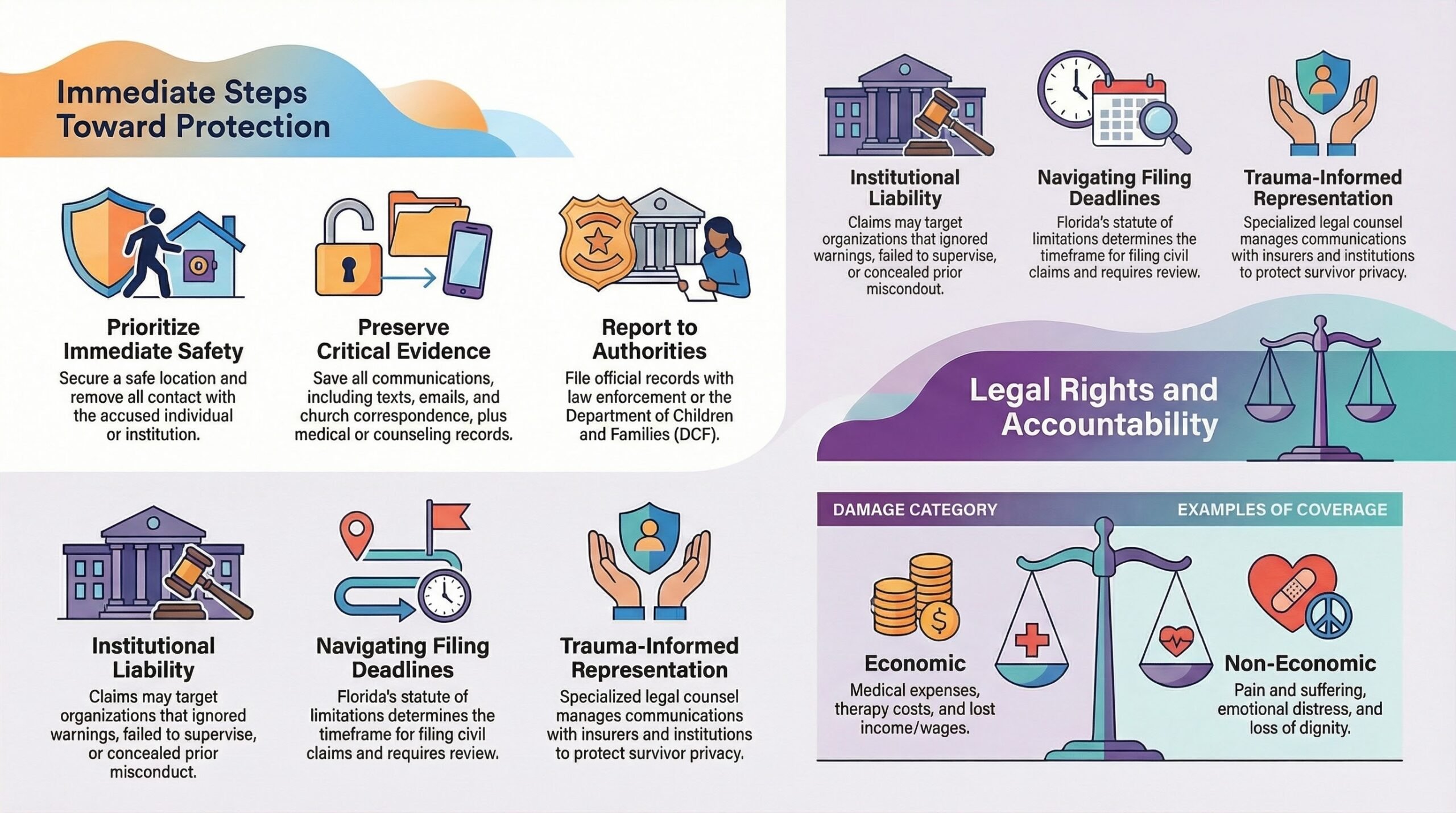
- Immediate priorities include getting to a safe location, limiting contact with the coworker, and seeking medical care or crisis advocacy support.
- Preserve evidence quickly by saving messages, emails, photos, call logs, clothing, medical records, and a written timeline of events.
- Reporting to human resources, a supervisor, or law enforcement can create a formal record and support workplace and legal protections.
- A lawyer can pursue claims against the offender and potentially the employer for negligence, retaliation, lost income, medical costs, and pain and suffering.


How We Can Help With Your Florida Coworker Sexual Assault Claim
When an employee is sexually assaulted by a coworker, a Florida sexual assault lawyer can assess the facts, explain the victim’s legal options, and take immediate steps to protect critical evidence. Counsel can help a survivor pursue accountability with care, discretion, and a steady focus on safety, dignity, and practical next steps.
Legal support often begins with documenting incident details, preserving communications, identifying witnesses, and securing records before they are lost or altered. An attorney can also guide clients through Workplace reporting options, including internal complaints, human resources procedures, and other formal notices that may affect later claims. Throughout the process, counsel can communicate with employers, request preservation of evidence, and help reduce unnecessary contact with the accused coworker.
If retaliation, intimidation, or privacy concerns arise, the lawyer can respond promptly and strategically. This assistance allows survivors and those supporting them to focus on recovery, service, and informed decision-making while the claim is handled professionally.
OUR CONSULTATIONSARE FREE
START YOUR FREE CASE REVIEW

Understanding Coworker Sexual Assault Cases in Florida
Although these matters often arise in a workplace setting, coworker sexual assault cases in Florida may involve both criminal conduct and separate civil liability. Florida law may permit an injured person to seek accountability from an individual offender and, in some circumstances, from an employer whose negligent hiring, supervision, retention, or response contributed to the harm.
These cases often require careful review of employment records, internal reports, witness statements, digital communications, and applicable company policies. A civil claim differs from a criminal prosecution because it seeks financial recovery for losses such as medical care, counseling, lost income, and pain and suffering. Legal guidance may also address Workplace retaliation, including adverse treatment after reporting misconduct or participating in an investigation.
Throughout the process, victim confidentiality remains an important concern, especially when sensitive medical, employment, and personal information is involved. A measured, informed approach can help protect rights, preserve dignity, and support meaningful accountability under Florida law.
Common Scenarios When Coworker Sexual Assault Might Take Place in Florida
Coworker sexual assault in Florida may arise in several workplace-related settings where professional boundaries are weakened or oversight is limited. Common examples include office parties and employer-sponsored events, after-hours work travel, and isolated workplace areas where an employee may be left alone with a coworker. In some cases, supervisor-influenced encounters may also create circumstances in which pressure, authority, and limited accountability increase the risk of misconduct.
Office Parties And Events
Office parties and employer-sponsored events can create conditions in which professional boundaries weaken, alcohol is present, and supervision is less structured than during the regular workday. In Florida workplaces, these gatherings may increase the risk of sexual assault by coworkers in settings that appear social but remain work-related.
Organizations committed to service and safety often address this risk by creating safer workplace events, including limits on alcohol, visible supervision, and clear behavioral expectations. Employers should also maintain accessible reporting harassment procedures so employees understand how to seek help promptly and without retaliation.
When misconduct occurs at a holiday party, celebration, or team function, the surrounding circumstances may still support employer responsibility. Careful policies, staff training, and immediate response measures can help protect employees and reinforce a respectful workplace culture for everyone.
After-Hours Work Travel
Work-related travel can present similar risks, particularly after scheduled meetings end and employees remain alone in hotels, restaurants, rideshares, or other unfamiliar settings. In these circumstances, professional boundaries may weaken when a coworker seeks private contact under the guise of convenience, networking, or continued discussion. What begins as Workplace harassment, including persistent comments or unwanted invitations, can escalate into assault when the targeted employee is away from regular support systems.
A service-minded response focuses on safety, documentation, and prompt reporting. Travel records, text messages, surveillance footage, and witness statements from hotel staff, drivers, or colleagues may help clarify what occurred. Employers that require travel should maintain clear reporting channels, lodging safeguards, and post-event transportation policies, as these measures can reduce harm and support employees who face misconduct.
Isolated Workplace Areas
Although many assaults occur outside public view, isolated workplace areas can create conditions in which a coworker is able to exploit limited visibility, reduced supervision, and restricted access to immediate help. Storage rooms, loading docks, stairwells, parking structures, maintenance corridors, and secluded break areas may present heightened risk, especially when employees work alone or move through them routinely.
Organizations committed to protecting others often address these spaces through lighting, surveillance, controlled access, staffing practices, and regular safety reviews. Workplace anti harassment policies should clearly define prohibited conduct, reporting duties, and response procedures for incidents occurring in remote areas.
Confidential reporting options can support affected employees who fear retaliation or embarrassment, while prompt investigations and trauma-informed support services help preserve dignity, safety, and accountability within the workplace.
Supervisor-Influenced Encounters
When a supervisor exerts authority over schedules, assignments, evaluations, or continued employment, that imbalance can create circumstances in which sexual assault by a coworker or superior becomes harder to resist, report, or avoid. In Florida workplaces, a supervisor may pressure an employee into private meetings, after-hours travel, or one-on-one tasks, then use professional leverage to silence objections. The risk can increase when promises of advancement or threats of discipline shape the encounter. Fear of workplace retaliation often discourages prompt reporting, especially where the perpetrator controls access to hours, desirable duties, or references. In these matters, careful documentation, Witness testimony, and prompt legal guidance can help clarify what occurred. A thorough review may also reveal whether management ignored warning signs, failed to protect staff, or enabled ongoing abuse through inaction.


Legal Rights of Coworker Sexual Assault Victims in Florida
Because Florida law recognizes both criminal and civil remedies for sexual assault, a coworker sexual assault victim may have important legal rights that extend beyond the workplace itself. These rights can support safety, dignity, and accountability while preserving the ability to serve family, community, and professional obligations.
Florida law may protect coworker sexual assault victims through legal rights that promote safety, dignity, accountability, and personal stability.
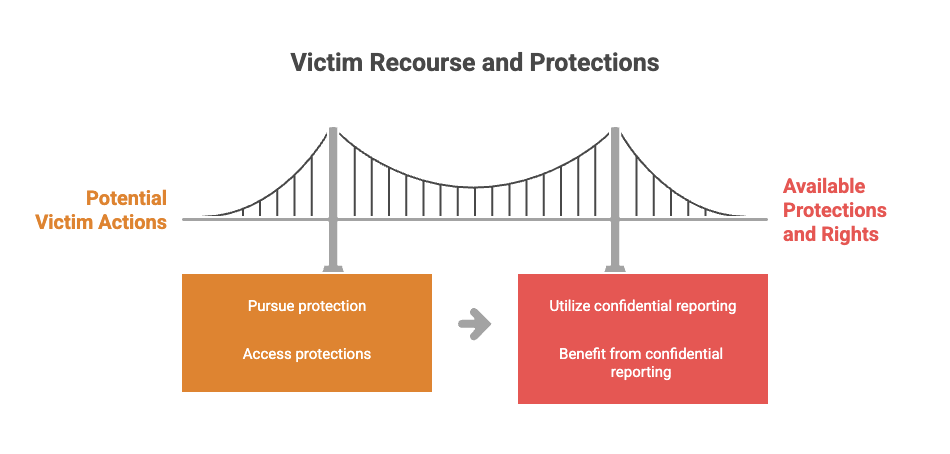
- Florida victims may pursue protection through law enforcement involvement, civil claims, and employer-based remedies, depending on the facts and available evidence.
- Many employees also have access to confidential reporting options, which may allow concerns to be raised without immediate public disclosure.
- State and federal employment laws may provide workplace retaliation defenses when an employer punishes a victim for reporting misconduct, participating in an investigation, or opposing unlawful behavior.
- A victim may also have rights related to privacy, reasonable workplace accommodations, and compensation for losses tied to physical, emotional, and financial harm.
These legal protections vary, but they can offer a meaningful framework for justice and continued stability.
Steps to Take After a Coworker Sexual Assault Incident in Florida
After a coworker’s sexual assault incident in Florida, the priority is to seek immediate safety and obtain necessary medical attention. The incident should then be reported to law enforcement, workplace management, or other appropriate authorities as soon as possible, in accordance with the circumstances. It is also important to preserve important evidence, including clothing, messages, photographs, and medical records, because these materials may support both criminal and civil proceedings.
Seek Immediate Safety
Most importantly, immediate safety should be the first priority following a coworker’s sexual assault incident in Florida. The affected person should move to a safe location away from the alleged offender and seek support from a trusted individual, if available. If urgent danger remains, emergency medical or law enforcement assistance may be necessary to preserve physical safety and stabilize the situation.
Attention should also be given to emotional security. Trauma disclosure may feel overwhelming, so any communication should occur only when the person feels safe and supported. Practical steps can include arranging transportation home, contacting a crisis advocate, or requesting temporary separation from the coworker. These early actions help protect wellbeing and may later support access to workplace protections designed to reduce further harm while maintaining dignity, stability, and personal agency.
Report The Assault
Once immediate safety has been addressed, reporting the assault can help create a formal record and open access to workplace, medical, and legal protections in Florida. The incident may be reported to a supervisor, human resources representative, or designated compliance officer through established Workplace reporting procedures. If criminal conduct occurred, contacting local law enforcement may also be appropriate.
A survivor may request a written incident report and ask that the employer document responsive actions. Clear reporting can support internal accountability, reduce risk to others, and connect the individual with counseling, leave options, or other assistance. If anyone observed relevant conduct or surrounding events, witness statements may strengthen the report and clarify timelines. Prompt, accurate reporting often helps organizations and authorities respond more effectively while respecting the survivor’s dignity and well-being.
Preserve Key Evidence
Because evidence can affect both workplace investigations and legal claims, preserving relevant materials should begin as soon as it is safely possible. A person may save text messages, emails, social media communications, call logs, photographs, medical records, and security footage. Clothing or other physical items should be stored without washing or altering them.
A written timeline can help document dates, times, locations, and any immediate effects. Names and contact information for coworkers or other observers should also be recorded so that witness statements can be obtained later. If employer devices or deleted data are involved, Digital forensics may help recover important information.
Careful preservation supports those working to protect others, strengthens credibility, and allows attorneys, investigators, and advocates to evaluate the incident with greater accuracy and fairness for everyone involved.
How a Florida Coworker Sexual Assault Lawyer Can Help You Initiate a Case
When a workplace sexual assault occurs, a Florida coworker sexual assault lawyer can help initiate a case by evaluating the facts, identifying potential legal claims, and explaining the steps required to preserve evidence and protect the victim’s rights.
Counsel may also address concerns about Workplace retaliation and seek protective orders when immediate safety issues exist.
- The lawyer reviews reports, messages, witness accounts, and employer policies to determine whether civil, administrative, or criminal avenues should be pursued.
- The lawyer explains filing deadlines, notice requirements, and documentation needs, helping the victim make informed decisions that support accountability and service to others.
- The lawyer communicates with employers, insurers, and investigators, reducing unnecessary pressure while preserving accurate records and limiting harmful misstatements.
- The lawyer prepares the initial complaint, organizes supporting evidence, and develops a strategy tailored to the workplace setting and the victim’s immediate legal objectives.
This guidance creates structure, protects legal interests, and supports a careful, principled beginning.
Long-Term Effects of Coworker Sexual Assault Trauma
Coworker sexual assault trauma can produce enduring emotional and psychological effects, including anxiety, depression, and persistent fear that interfere with daily functioning. These consequences may also disrupt workplace performance and professional relationships, and strain trust, communication, and stability in personal relationships. In some cases, survivors experience lasting physical symptoms, such as sleep disturbances, chronic pain, and other stress-related health concerns that continue long after the incident.
Emotional And Psychological Impact
Although the physical event may end quickly, the emotional and psychological effects of sexual assault by a coworker often persist for months or years. Survivors may experience profound mental health effects, including anxiety, depression, shame, and persistent fear. PTSD symptoms can arise through intrusive memories, nightmares, hypervigilance, and emotional numbness, disrupting daily stability and long-term well-being.
Many individuals also face intense stress linked to perceived Workplace retaliation, even before any report is made. This fear can deepen isolation and complicate trauma coping efforts. Trusted clinical support, structured counseling, and informed advocacy often help survivors process what occurred and regain a sense of safety. In service-focused communities, recognizing these invisible injuries is vital because compassionate intervention can reduce suffering and support a more durable path toward recovery and renewed personal dignity.
Workplace And Relationship Struggles
The effects of sexual assault by a coworker often extend beyond internal trauma and into a person’s ability to function at work and maintain stable personal relationships. Survivors may struggle with concentration, trust, attendance, and confidence, especially when the perpetrator remains nearby or holds authority. Ordinary interactions can become charged with fear, and concerns about retaliation and harassment may discourage reporting or cooperation with supervisors.
Outside work, the trauma can strain family ties, friendships, and intimate partnerships. A survivor may become withdrawn, guarded, or highly sensitive to perceived risks, making communication more difficult. Consent and boundaries may require renewed attention, as safety and autonomy become central concerns. Compassionate support, informed workplace policies, and respectful legal guidance can help restore stability, dignity, and long-term functioning after profound betrayal.
Lasting Physical Symptoms
Emerging over months or even years, lasting physical symptoms of coworker sexual assault trauma can disrupt daily functioning long after the initial event. Survivors may experience chronic headaches, gastrointestinal distress, fatigue, muscle tension, and sleep disturbance, often without an obvious medical cause. These conditions can affect concentration, attendance, and the ability to maintain consistent performance in service-centered roles.
Effective Trauma recovery often requires coordinated medical care, counseling, and practical support from employers and advocates. In some cases, workplace accommodations such as modified schedules, remote work options, reduced exposure to triggering environments, or protected leave may help stabilize health and preserve employment. A careful legal and clinical assessment can clarify how persistent symptoms relate to the assault, document ongoing harm, and support access to appropriate remedies and protective measures under applicable law.
What to Expect During a Florida Coworker Sexual Assault Claim Process
A Florida coworker sexual assault claim typically begins with an initial case evaluation, during which the facts, potential legal claims, and available options are carefully assessed. The process often continues with formal reporting and investigation, supported by evidence and documentation that may strengthen the claim. Depending on the circumstances, the matter may proceed to settlement negotiations or, if necessary, to trial.
Initial Case Evaluation
Many individuals begin a Florida coworker sexual assault claim with an initial case evaluation, where an attorney reviews the reported conduct, the available evidence, and the relationship between the incident and the workplace. During this meeting, counsel may assess timelines, potential legal theories, and whether civil remedies appear available under Florida law. The discussion often includes Trauma documentation, medical records, communications, photographs, and witness statements that may support the account and clarify damages.
A careful evaluation also helps identify immediate concerns affecting safety, employment status, and emotional well-being. The attorney may explain confidentiality, fee arrangements, and the general path of a claim so the individual can make informed decisions. This early step is intended to provide structure, preserve relevant information, and support a purposeful response grounded in dignity, service, and accountability.
Reporting And Investigation
When a report is made, the process typically shifts from preliminary assessment to evidence preservation and fact-finding. In Florida workplace sexual assault matters, an employer, agency, or legal representative may begin interviews, review internal policies, and coordinate with law enforcement or human resources, depending on the circumstances and reporting channel used.
Claimants are often informed about confidentiality rules, available support resources, and the scope of the inquiry. Investigators generally seek consistent timelines, identify witnesses, and evaluate whether immediate safety measures are needed to protect staff and the broader workplace community.
A lawyer may help the reporting party understand communications, procedural expectations, and protections against workplace retaliation. Throughout this stage, professionalism, prompt action, and careful compliance with applicable rules can influence how the matter proceeds and whether accountability is pursued effectively.
Evidence And Documentation
During the evidence and documentation stage, the strength of a Florida coworker’s sexual assault claim often depends on the quality, timing, and preservation of available information. Individuals are often encouraged to organize incident details, including dates, locations, communications, and any immediate reports made to supervisors, human resources, or law enforcement.
Helpful materials may include medical records, photographs, workplace complaints, and contemporaneous notes that reflect observed changes or specific events. Witness testimony can support credibility when coworkers or others observed interactions, disclosures, or surrounding circumstances. Digital records, such as emails, text messages, access logs, and security footage, may help establish patterns, timelines, or corroborating context.
Careful documentation serves not only the legal process but also broader efforts to promote accountability, workplace safety, and respectful treatment for others within Florida employment settings.
Settlement Or Trial
Although a Florida coworker sexual assault claim may ultimately resolve through settlement, some matters proceed to trial if liability, damages, or disputed facts cannot be resolved through negotiation. During settlement discussions, counsel evaluates evidence, assesses witness credibility, and estimates recoverable losses while Pursuing Negotiations that protect the claimant’s interests and dignity.
If a meaningful resolution is not achieved, Trial Preparation becomes crucial. Attorneys organize exhibits, prepare testimony, address evidentiary issues, and develop arguments regarding employer responsibility, negligent supervision, or unsafe workplace conditions. The claimant may participate in depositions, mediation, and pretrial conferences, each of which requires patience and careful guidance.
A trial may offer accountability when settlement efforts fail, but it also involves uncertainty, longer timelines, and public proceedings. Throughout either path, informed legal strategy can help survivors seek justice and promote safer workplaces.
Compensation for Florida Coworker Sexual Assault Damages
Evaluating compensation for Florida coworker sexual assault damages requires a careful review of both the harm suffered and the evidence available to support the claim. Courts and insurers may examine wrongful intent, emotional distress, and the strength of the proof of damages when valuing a case. In some cases, punitive damages may be awarded if the conduct demonstrates extreme misconduct and a conscious disregard for others.
| Factor | What is reviewed | Why it matters |
|---|---|---|
| Conduct | Reports, witness accounts | Shows severity |
| Harm | Medical and counseling records | Connects trauma |
| Evidence | Messages, policies, timelines | Supports damages proof |
A service-minded legal approach often focuses on accountability, safety, and the restoration of dignity through lawful remedies. Documentation can include treatment notes, employer complaints, investigative records, and testimony describing lasting effects. Strong presentation of facts helps demonstrate the full impact of the assault while keeping attention on survivor welfare and community protection. Careful preparation also encourages fair discussions of resolution.
Economic vs Non-Economic Damages in Florida Coworker Sexual Assault Cases
Florida coworker sexual assault cases may involve both economic damages, such as medical expenses, lost wages, and therapy costs, and non-economic damages, including pain and suffering, emotional distress, and loss of enjoyment of life. This distinction is important because each category addresses a different type of harm and may require different forms of supporting evidence. In Florida, proving these damages often depends on records, witness testimony, and documentation that connects the assault to the resulting financial and personal losses.
Economic Damages Examples
When a coworker’s sexual assault claim results in measurable financial loss, those losses are generally classified as economic damages. In Florida, common examples include emergency care, hospital bills, follow-up treatment, prescription costs, counseling invoices, transportation to appointments, and documented out-of-pocket expenses. Proving financial losses often requires organized records, including receipts, invoices, wage statements, tax documents, and employer attendance reports.
Economic damages may also include reduced earnings due to missed work, job separation, reduced hours, or lost opportunities for advancement. Wage reimbursement examples can involve salary lost during medical leave, used sick time, forfeited bonuses, and commissions that would likely have been earned. In some cases, claimants may also seek costs for relocation, security measures, or vocational rehabilitation when those expenses are directly tied to the workplace assault and its financial consequences.
Non-Economic Harm Types
Although economic damages focus on measurable financial loss, non-economic damages address the personal harm that does not appear on bills, pay records, or receipts. In Florida coworker sexual assault cases, these harms often include emotional distress, mental anguish, humiliation, fear, and the loss of dignity that can affect daily living, relationships, and a person’s sense of safety.
Such damages recognize that service-oriented individuals may continue to support their families, coworkers, or their communities while carrying invisible wounds. Non-economic harm can also involve sleep disruption, anxiety, depression, social withdrawal, and damage to intimacy or trust. Trauma recovery may require time, stability, and compassionate support, even when no exact dollar amount captures the experience. These categories reflect the law’s effort to value human well-being, personal integrity, and the lasting consequences of abuse beyond financial loss alone.
Proving Damages In Florida
Establishing damages in a Florida coworker sexual assault case requires more than describing the harm suffered, because each category of loss must be supported by reliable evidence. Economic damages may include medical bills, counseling costs, lost wages, diminished earning capacity, and other out-of-pocket expenses tied to the assault.
Non-economic damages address harms that are less visible but equally serious, including pain, emotional distress, humiliation, anxiety, and loss of enjoyment of life. Courts and insurers often evaluate testimony from mental health providers, family members, and coworkers when measuring these losses.
Strong evidence preservation can help connect treatment, employment changes, and financial impact to the incident. Workplace reporting records, personnel files, and contemporaneous communications may also strengthen proof. Careful documentation allows advocates to pursue accountability while supporting the survivor’s recovery and long-term stability.
When a Florida Coworker Sexual Assault Case Goes to Trial vs Settlement
Because each Florida coworker sexual assault case turns on the available evidence, the extent of the harm, and the willingness of the parties to resolve the matter, the path toward settlement or trial is rarely predictable at the outset. Early case review often focuses on liability, witness credibility, employer knowledge, and documentation, all of which shape Trial Preparation and Settlement Timing.
A case may settle when the facts are strong, damages are well supported, and the defense seeks to limit public exposure, litigation costs, or reputational harm. Settlement can provide faster financial support and reduce the burden of repeated testimony, which may help those focused on restoration and service to others. Trial becomes more likely when fault is disputed, crucial evidence is contested, or the parties disagree sharply on compensation and accountability. In that setting, careful Trial Preparation includes discovery, expert evaluation, motion practice, and witness organization. Even then, Settlement Timing can shift as new evidence emerges or courtroom risks become clearer.
The Statute of Limitations for Florida Coworker Sexual Assault Cases
Whether a case resolves through settlement or proceeds to trial, filing deadlines under Florida law can determine whether any civil claim may be heard at all. In coworker sexual assault matters, the applicable limitation period may depend on the legal theory asserted, the survivor’s age at the time of abuse, and whether related criminal conduct affects timing.
A careful overview of filing deadlines helps workplaces, families, and advocates support survivors without losing sight of procedural requirements. Florida law can impose different deadlines for intentional tort claims, negligence claims against employers, and actions involving childhood sexual abuse. Because facts shape which statute applies, accurate records are vital.
Practical Evidence preservation tips include saving written communications, incident reports, medical records, photographs, witness names, and employment documents in a secure form. Prompt documentation may assist those working to protect others, strengthen accountability efforts, and preserve access to the courts before statutory time limits expire under applicable Florida law.
When to Contact a Coworker Sexual Assault Lawyer in Florida
When should a person contact a coworker sexual assault lawyer in Florida? Contact should be made as soon as possible after the incident, once any immediate medical and safety needs have been addressed. Early legal guidance can help a person understand reporting options, protect important rights, and make informed decisions that honor personal well-being and the needs of others affected.
Prompt action also supports Immediate reporting, when appropriate, and strengthens evidence preservation. A lawyer may advise on documenting communications, preserving electronic records, identifying witnesses, and avoiding steps that could unintentionally harm a claim. Contact is also important if an employer minimizes complaints, delays action, or if workplace retaliation begins or appears likely.
Even when a person is uncertain about filing a formal complaint, an early consultation can clarify available paths and connect the individual with survivor support resources. Timely advice helps create structure, accountability, and a safer course forward for everyone involved.
Why You Need an Experienced Florida Coworker Sexual Assault Lawyer
Although a person may comprehend that legal help is important following an assault by a coworker, the value of retaining a seasoned Florida coworker sexual assault lawyer is often far greater than it first appears. Experienced counsel can protect legal rights, clarify reporting options, and address immediate concerns involving safety, employment, and accountability.
A knowledgeable attorney also understands how workplace misconduct claims intersect with civil law, employer policies, and possible criminal proceedings. This experience helps ensure the preservation of evidence, including electronic records, witness statements, medical documentation, and internal complaints, before critical evidence is lost or altered.
Effective legal representation can reduce procedural errors, handle communications with employers and insurers, and build a clear, persuasive claim that reflects the full scope of harm. For those devoted to protecting others and encouraging safer workplaces, experienced counsel can also support broader institutional accountability. In many cases, skilled representation strengthens a survivor’s ability to seek justice, stability, and meaningful change after serious harm.
How to Choose the Right Coworker Sexual Assault Lawyer for Your Case in Florida
Selecting the right Florida coworker sexual assault lawyer requires a careful review of experience, judgment, and the ability to manage sensitive workplace claims with discretion and precision. A qualified attorney should understand employment law, civil litigation, and the unique challenges survivors face when reporting misconduct in professional settings.
Careful evaluation often begins with a legal consultation, where communication style, responsiveness, and strategic thinking can be assessed. The lawyer should explain procedures clearly, prioritize Client confidentiality, and demonstrate a disciplined approach to evidence review, including records, witness statements, and employer communications. Strong representation also reflects trauma-informed advocacy, which helps protect a survivor’s dignity while advancing the case effectively.
Those seeking justice in service of personal recovery and workplace accountability may benefit from choosing counsel with a record of ethical practice, courtroom readiness, and respectful client care. In these matters, skill and compassion should work in concert, consistently and without compromise.
About The Law Offices of Anidjar & Levine
In matters involving allegations of sexual assault by a coworker, The Law Offices of Anidjar & Levine provides legal representation grounded in careful case assessment, client confidentiality, and a disciplined approach to workplace-related claims.
The firm evaluates each matter on its facts, explains available legal options, and works to protect the dignity and interests of those seeking justice.
Its attorneys are known for maintaining clear communication and offering confidential consultations that help individuals understand possible civil remedies.
The firm approaches sensitive workplace cases with compassionate legal support, recognizing that clients may be balancing trauma, employment concerns, and family responsibilities.
Through organized investigation, evidence review, and strategic advocacy, the practice seeks accountability from responsible parties while respecting the needs of the person harmed.
For people motivated by care for themselves and others, the firm presents a structured, service-oriented model of representation.
This approach reflects a commitment to professional integrity, responsiveness, and meaningful legal guidance throughout the claims process.
Frequently Asked Questions
Can I File Anonymously in a Florida Coworker Sexual Assault Lawsuit?
Yes, a person may sometimes file anonymously in a Florida coworker sexual assault lawsuit, but court approval is usually required. Judges weigh privacy options against the public’s right to open proceedings, and anonymous filing is not automatic. A survivor may request the use of initials or aliases, sealed records, or protective orders. Thoughtful legal guidance helps protect dignity, support accountability, and ensure the case proceeds with proper regard for all parties.
Will Reporting Assault Affect My Immigration Status or Work Visa?
Reporting an assault does not automatically harm immigration status or a work visa, though specific facts can affect the risk. A person may have options for visa protection, especially when cooperating with law enforcement or facing abuse-related circumstances. Employers must also avoid workplace retaliation for good faith reporting. Because immigration consequences can be case-specific, careful guidance from an immigration attorney and an employment lawyer is often necessary to protect both legal status and safety.
Can I Sue if the Assault Happened at a Work-Sponsored Event?
Yes, a person may sue if the assault occurred at a work-sponsored event. Liability often depends on workplace event liability principles, including whether the employer controlled the event, knew of risks, or failed to provide reasonable safeguards. A claim may also involve employer negligence if warning signs were ignored or prior misconduct was overlooked. Careful legal review helps identify responsible parties and supports informed action to protect others from similar harm.
Are Remote Workplace Harassment and Assault Claims Handled Differently in Florida?
Yes, remote workplace harassment and assault claims in Florida are often handled under the same core laws, though digital evidence and employer oversight can affect outcomes. An employer’s Workplace Duty still requires reasonable measures for prevention, response, and protection. Reporting Standards remain important, especially when incidents occur through email, messaging platforms, or virtual meetings. Careful documentation, timely reporting, and prompt internal action generally strengthen efforts to protect affected workers and support accountability.
What if the Coworker Who Assaulted Me No Longer Works There?
An employee may still pursue legal action even if the coworker no longer works there. An employer can remain liable if it failed to prevent, address, or properly investigate the assault, or allowed Workplace retaliation afterward. The individual offender may also face personal liability. Because Statute deadlines can quickly limit claims, prompt reporting, evidence preservation, and legal review are important steps to protect others and support accountability through appropriate channels.
—————————
Florida coworker sexual assault claims require prompt action, careful documentation, and a clear understanding of both employment and personal injury law.
Victims may have important legal options against responsible parties, including employers in certain circumstances. An experienced attorney can evaluate the facts, protect the victim’s rights, and pursue appropriate compensation.
The Law Offices of Anidjar and Levine assists clients throughout Florida by providing informed guidance, strategic advocacy, and focused representation during a difficult and legally intricate process.
Learn more by speaking with a Florida Sexual Assault Lawyer.