A Florida prison guard sexual abuse lawyer, including the Law Offices of Anidjar and Levine, assists survivors by evaluating potential civil claims, protecting confidential communications, and preserving records, medical evidence, and witness information.
Counsel may help address reporting, PREA-related issues, internal grievances, retaliation concerns, and possible claims under Section 1983 or state tort law.
Prompt legal guidance from a Florida Sexual Assault Lawyer can support safety, documentation, and compliance with deadlines while reducing added stress.
The sections below explain relevant rights, steps, and case considerations in greater detail.
Main Takeaways
- A Florida prison guard sexual abuse lawyer evaluates civil rights and state law claims arising from staff sexual misconduct, coercion, harassment, or assault.
- Counsel helps preserve evidence, including medical records, grievances, witness names, clothing, bedding, and a detailed written timeline.
- Lawyers guide survivors through PREA reports, internal grievances, outside complaints, and strategies to reduce retaliation and protect safety.
- Legal claims may involve constitutional violations, Section 1983 deliberate indifference, and state tort remedies for damages and accountability.
- Trauma-informed representation helps survivors understand deadlines, institutional duties, compensation options, and next steps while protecting confidentiality.


How We Can Help With Your Florida Prison Guard Sexual Abuse Claim
When a person has been sexually abused by a prison guard in Florida, legal counsel can help evaluate the facts, identify potential civil claims, and take immediate steps to preserve critical evidence. Attorneys may coordinate documentation, secure records, and protect communications so survivors can make informed decisions without unnecessary delay.
A capable legal team also provides Confidential victim support and trauma-informed representation throughout each stage of the claim. That service may include arranging safe reporting channels, communicating with agencies on the survivor’s behalf, and reducing avoidable retraumatization during interviews or in response to document requests. Counsel can assess damages, explain available remedies, and develop a strategy tailored to the person’s safety, privacy, and long-term recovery goals.
By handling deadlines, correspondence, and evidence preservation, attorneys create space for medical care, counseling, and trusted community support. This structured assistance helps survivors pursue accountability with dignity, while those around them remain better equipped to serve, protect, and respond responsibly.
OUR CONSULTATIONSARE FREE
START YOUR FREE CASE REVIEW

Understanding Prison Guard Sexual Abuse Cases in Florida
Prison-guard sexual abuse cases in Florida arise from alleged misconduct by correctional officers or other staff who exploit their authority to engage in nonconsensual sexual contact, coercion, harassment, or related acts against incarcerated individuals. These matters require careful review because the power imbalance within correctional settings can undermine meaningful choice and complicate reporting.
Florida cases often turn on institutional authority, available evidence, witness credibility, and governing Consent standards. In many situations, the law recognizes that an incarcerated person’s ability to agree freely may be severely limited by dependence on staff for safety, movement, services, and basic needs. This dynamic can support findings of inmate coercion even when overt force is disputed.
A thorough understanding of these claims helps advocates, families, and community servants identify potential violations, preserve documentation, and seek accountability through appropriate legal channels. Professional guidance may also assist in reviewing civil remedies, constitutional issues, administrative findings, and the lasting harm caused by abuse within custodial environments.
Common Scenarios When Prison Guard Sexual Abuse Might Take Place in Florida
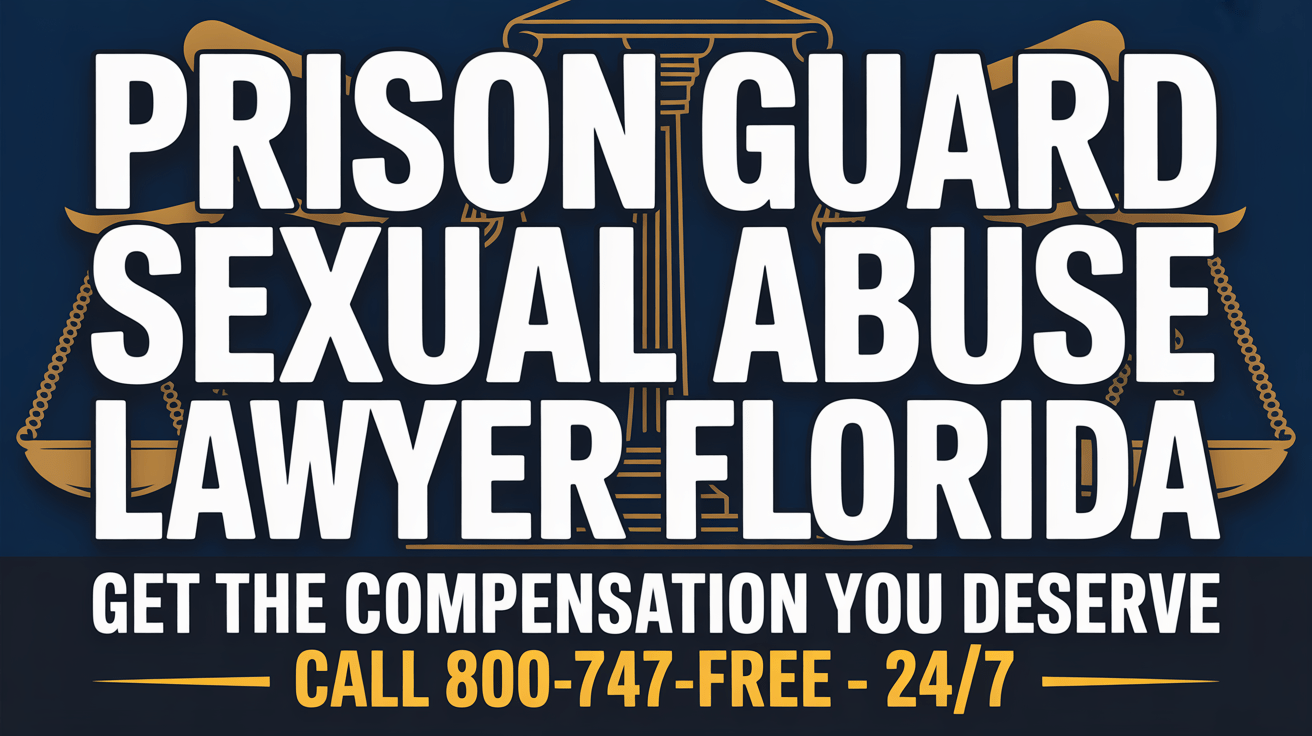
Prison guard sexual abuse in Florida may arise in settings where supervision is limited or authority is difficult to challenge. Common scenarios include cell searches and isolation, medical visits and transport, and periods such as night shifts or lockdowns when oversight may be reduced. In some cases, threats, intimidation, or compliance-related promises may be used to exploit an inmate’s vulnerability and maintain control.
Cell Searches And Isolation
Although correctional staff may describe cell searches and temporary isolation as routine security measures, these circumstances can create conditions in which sexual abuse is more likely to occur without witnesses or immediate intervention. In some Florida facilities, allegations arise when officers exploit privacy during inappropriate patdowns, involuntary strip searches, or repeated entries into a prisoner’s cell under limited supervision.
Isolation units can heighten vulnerability because detained individuals may fear retaliation, lack access to reporting channels, or remain separated from supportive peers and advocates. A service-minded review of these incidents often considers timing, staffing patterns, camera coverage, prior complaints, and whether search procedures departed from policy. When misconduct occurs in these settings, careful documentation and prompt reporting may help protect the affected person and support broader efforts to promote safety, accountability, dignity, and lasting institutional reform statewide.
Medical Visits And Transport
When incarcerated individuals are taken to infirmaries, outside clinics, or hospitals, the movement and reduced supervision associated with medical visits and transport can create opportunities for sexual abuse by correctional staff. During these transfers, privacy barriers, isolated hallways, transport vehicles, and treatment rooms may limit the presence of witnesses and increase vulnerability. Service-minded advocates often examine whether escort assignments, restraint practices, or deviations from protocol created conditions for misconduct.
They also consider Evidentiary timing, because delayed reporting can affect surveillance preservation, witness identification, and physical documentation. In these situations, prompt retrieval of medical records may help establish timelines, document injuries, confirm appointments, and compare staff accounts with clinical observations. Careful review of transport logs, body camera policies, visitor records, and hospital security procedures can support accountability and protect those harmed from further exploitation.
Night Shifts And Lockdowns
Often, night shifts and institutional lockdowns create conditions in which sexual abuse by correctional staff may be harder to detect and easier to conceal. Reduced movement, fewer witnesses, and limited supervisory presence can increase vulnerability for incarcerated people, especially when housing units remain closed for extended periods.
In these settings, careful observation becomes crucial for those seeking to protect others and support accountability. Identifying patterns, such as repeated isolation, irregular rounds, or unexplained access to cells, may help clarify how misconduct occurs. Documenting assaults through medical records, incident logs, witness statements, and preserved communications can strengthen later investigations.
A Florida prison guard sexual abuse lawyer may examine staffing schedules, surveillance gaps, and lockdown procedures to determine whether institutional practices enabled abuse and whether additional safeguards should have been implemented.
Threats to Compliance
Because correctional staff may control housing assignments, disciplinary reports, access to medical care, and other basic conditions of confinement, threats can become a powerful tool for coercing sexual compliance. In Florida facilities, an abused person may face retaliation threats involving segregation, transfer, loss of privileges, or false accusations if demands are refused.
These circumstances often involve disciplinary intimidation, in which authority is used to instill fear rather than to maintain safety. Even if a person initially appears to submit, compliance with coercion does not constitute lawful or ethical consent under any custodial standard. Consent withdrawal may occur at any moment, and any continued sexual contact remains abusive.
Those who advocate for incarcerated people should recognize that silence, delayed reporting, and inconsistent accounts may reflect survival responses to power, dependency, and credible fear within confinement settings.


Legal Rights of Prison Guard Sexual Abuse Victims in Florida
Although incarceration limits many freedoms, it does not eliminate a person’s legal right to bodily integrity, personal safety, and freedom from sexual abuse by correctional staff. Florida victims retain enforceable protections under the Constitution, federal civil rights law, and prison standards addressing post-incident reporting and evidence preservation. These rights exist to protect human dignity and support accountable care within correctional institutions.
Key legal rights commonly include:
- Freedom from cruel and unusual punishment
- Access to internal grievance and investigative processes
- Protection against retaliation for good-faith complaints
- Medical and mental health care after abuse
- The ability to pursue civil claims for damages
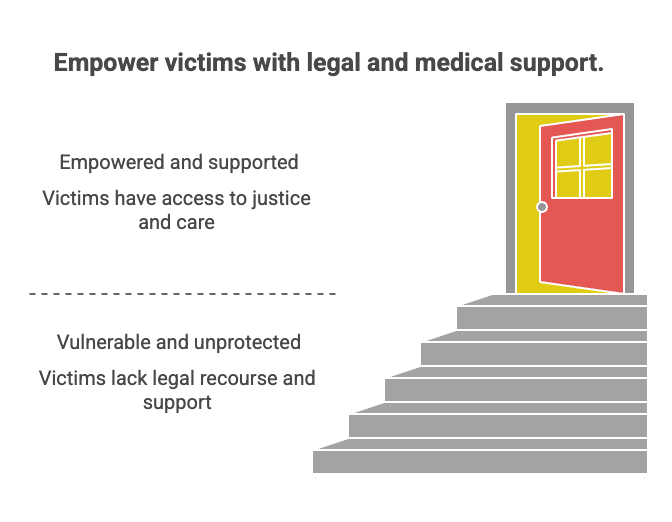
A victim may also have rights under the Prison Rape Elimination Act, state tort law, and Section 1983 when officials acted with deliberate indifference. Legal advocates often serve by helping survivors understand available remedies, deadlines, and institutional duties, while promoting safety, transparency, and meaningful accountability for serious misconduct.
Steps to Take After a Prison Guard Sexual Abuse Incident in Florida
After a prison guard sexual abuse incident in Florida, the immediate priorities generally include securing personal safety, making a formal report, and protecting any available evidence. A careful response may help limit further harm, create an official record of the abuse, and preserve information that could support later legal or administrative action. These initial steps often play a significant role in protecting the victim’s rights and strengthening any future claim.
Ensure Immediate Safety
The first priority is to secure the survivor’s immediate physical safety by creating distance from the guard involved and seeking contact with a trusted staff member, medical unit, supervisor, or outside reporting authority as soon as possible. If necessary, relocation to another housing area should be requested to reduce further risk and preserve stability.
Immediate medical attention may address injuries, support emotional stabilization, and create a confidential setting for urgent care needs. Any clothing or personal items connected to the incident should be left undisturbed when possible, while the survivor focuses on safety and treatment first. Those assisting should remain mindful that Mandatory reporting deadlines may affect subsequent action, and that securing protective orders can be an important safeguard. The central objective at this stage is protection, calm decision-making, and compassionate preservation of well-being.
Report The Abuse
Where possible, the abuse should be reported promptly through every available channel, including the facility’s internal grievance process, the Prison Rape Elimination Act reporting system, supervisory staff outside the accused guard’s chain of command, and appropriate outside law enforcement or oversight agencies. Timely reporting can protect others, create an official record, and improve access to medical care, mental health services, and Victim support resources.
If the survivor fears retaliation, trusted advocates, attorneys, family members, or community organizations may assist with filing reports and requesting protection. Confidential reporting options may be available through PREA hotlines, ombudsman offices, inspectors general, or designated victim service providers. When possible, names, dates, locations, and witnesses should be identified clearly. Consistent follow-up is often necessary to confirm that reports were properly received and reviewed.
Preserve Key Evidence
Because physical and documentary evidence can deteriorate quickly, preserving it as early as possible is often critical to any future criminal, administrative, or civil case involving prison guard sexual abuse in Florida. Any clothing, bedding, photographs, medical records, grievance forms, and electronic messages should be secured without alteration. If possible, dates, times, locations, and names should be recorded in a clear written account while memories remain fresh.
Witness statements may help confirm patterns, opportunities, or prior complaints involving the same guard. Medical examinations and forensic collections should be requested promptly, and all materials should be handled to protect the chain of custody. Those assisting survivors should encourage careful documentation, respectful storage, and prompt delivery of evidence to appropriate investigators, attorneys, or oversight authorities for review and accountability.
How a Florida Prison Guard Sexual Abuse Lawyer Can Help You Initiate a Case
Accountability often begins with a careful legal assessment, and a Florida prison guard sexual abuse lawyer can guide that process from the outset. Counsel may review available records, identify responsible parties, explain filing deadlines, and outline lawful options for reporting abuse through civil or administrative channels. This early direction helps survivors and supportive advocates proceed with order, dignity, and purpose.
A lawyer may assist by focusing on several crucial steps:
- evaluating facts and preserving documentation
- advising on confidential reporting procedures
- Coordinating Witness cooperation with sensitivity
- preparing a clear claim supported by evidence
- developing an initial courtroom strategy
Through these actions, legal counsel helps establish a foundation for a credible case. The attorney may also communicate with agencies, request records, and reduce procedural barriers that often discourage action. For those motivated by justice and the protection of others, this guidance can support informed decisions and meaningful accountability within Florida correctional settings and related institutions.
Long-Term Effects of Prison Guard Sexual Abuse Trauma
Prison guard sexual abuse can produce enduring emotional and psychological harm, including anxiety, depression, post-traumatic stress, and profound distrust of authority. It may also result in lasting physical consequences, such as chronic pain, untreated injuries, sexually transmitted infections, and other health complications that require ongoing care. Over time, these effects can disrupt daily life by impairing sleep, relationships, employment, and a person’s ability to function with stability and independence.
Emotional And Psychological Harm
Although the physical injuries of sexual abuse may recover over time, the emotional and psychological harm often persists long after the abuse has ended. Survivors may experience trauma symptoms such as chronic fear, intrusive memories, depression, anxiety, shame, mistrust of authority, and difficulty forming safe relationships. These effects can disrupt rehabilitation, impair decision-making, and undermine a person’s sense of dignity and security.
For those seeking accountability and meaningful support, documenting suffering is often crucial. Consistent records from counseling, grievances, and behavioral changes may help demonstrate the depth and duration of harm. Care providers, advocates, and legal professionals who serve this population should recognize that psychological trauma can remain severe even when it is not outwardly visible. In many cases, recovery requires long-term counseling, stable support, and trauma-informed intervention.
Lasting Physical Consequences
Beyond the psychological injuries that often remain after abuse, many survivors also face lasting physical consequences that can affect daily functioning and long-term health. Trauma-related injuries may include chronic pain, gastrointestinal problems, sleep disruption, headaches, reproductive harm, sexually transmitted infections, and complications linked to untreated wounds or repeated assaults. In custodial settings, delayed medical attention can worsen these conditions and increase the risk of permanent impairment.
Some survivors also develop stress-driven physical disorders, including elevated blood pressure, weakened immunity, and persistent fatigue, which may continue long after the abuse ends. Compassionate legal advocacy often recognizes that these harms warrant careful documentation and informed medical evaluation. Attention to physical evidence, treatment history, and prognosis can help support accountability while also encouraging access to care that promotes long-term restoration for survivors.
Impact On Daily Life
When sexual abuse occurs in a correctional setting, its long-term effects often extend into nearly every part of a survivor’s daily life. Ordinary tasks may become difficult because trust, concentration, and sleep are often disrupted for years. Many survivors develop daily fear routines, carefully monitoring their surroundings, avoiding contact, and limiting activities to reduce perceived danger. These patterns can interfere with employment, education, medical care, and healthy relationships.
Victim retraumatization may also arise during searches, institutional interviews, or later interactions with authority figures. Emotional numbness, shame, irritability, and hypervigilance can diminish a person’s ability to engage with family, faith communities, or service providers. For those seeking to help, understanding these daily burdens is essential to offering informed support, consistent respect, and practical pathways toward safety, healing, and restored stability.
What to Expect During a Florida Prison Guard Sexual Abuse Claim Process
A Florida prison guard sexual abuse claim process typically begins with reporting the abuse and an initial investigation by the appropriate authorities. From there, the matter often moves to evidence collection, which may include medical records, witness statements, institutional reports, and other supporting documentation. Once a legal claim is filed, the process may lead to settlement negotiations, court proceedings, and various forms of compensation depending on the facts and available evidence.
Reporting And Initial Investigation
Because the reporting stage often shapes the strength and direction of a Florida prison guard sexual abuse claim, careful documentation and prompt action are usually crucial from the outset. In many cases, inmate reporting begins through internal grievance channels, outside hotlines, medical staff, or legal counsel, depending on safety concerns and institutional procedures.
During the initial investigation, officials and advocates generally review whether alleged conduct involved consent violations, abuse of authority, or retaliation. They may note video evidence, witness statements, incident logs, and prior complaints when evaluating immediate protection needs. The process often includes preliminary interviews, notice to supervisory personnel, and referrals to appropriate oversight bodies. For those committed to protecting vulnerable people, understanding these early steps helps support accountability, preserve dignity, and encourage informed, timely action.
Evidence Collection Process
Following the initial report and preliminary review, the evidence collection process usually determines how thoroughly a Florida prison guard sexual abuse claim can be evaluated. Investigators typically seek records, medical findings, incident reports, housing logs, and communications that may confirm timing, location, and staff involvement. Careful video preservation can be especially important because surveillance footage may be overwritten quickly.
A structured Witness interview process often follows, involving the reporting individual, nearby incarcerated people, medical personnel, and other staff members. Statements are compared for consistency, context, and signs of retaliation or concealment. Physical evidence, photographs, and treatment documentation may also be gathered and secured. Throughout this stage, accurate documentation and prompt preservation efforts help protect vulnerable individuals, support accountability, and provide a clearer factual foundation for further review by advocates and authorities.
Filing The Legal Claim
Preparation becomes critical when the matter moves from investigation to formally filing a legal claim in a Florida prison guard sexual abuse case. Counsel generally reviews deadlines, jurisdiction, and available records before drafting the complaint and identifying responsible parties. This stage often requires organized evidence of wrongful conduct, including reports, medical records, witness statements, and institutional documentation.
Once filed, the claim enters a structured process governed by court rules and notice requirements. The survivor may be asked to verify facts, preserve evidence, and avoid actions that could complicate attorney-client confidentiality issues. Service of process, preliminary motions, and agency responses may follow. Throughout the filing process, legal representatives typically explain each step in clear terms, helping families, advocates, and community supporters understand how disciplined preparation can promote accountability and protect the integrity of the case.
Possible Outcomes And Compensation
Although no two cases resolve in exactly the same manner, a Florida prison guard sexual abuse claim may lead to several outcomes, including settlement, court judgment, institutional discipline, or referral for criminal review. Compensation may include medical costs, counseling expenses, pain and suffering, and other losses tied to the abuse. In some matters, policy changes or staff termination may also follow.
A careful liability investigation often shapes the result. Evidence preservation can strengthen a claim by protecting records, witness statements, surveillance footage, and medical findings. When the proof is strong, defendants may seek a settlement to avoid a trial. If a settlement is not reached, a court may decide liability and damages. Throughout the process, advocates often encourage informed choices that support accountability, safety, and access to resources for recovery and long-term recovery.
Compensation for Florida Prison Guard Sexual Abuse Damages
In civil actions arising from prison guard sexual abuse in Florida, compensation may be available for both the direct and lasting harm caused by the misconduct. Counsel often strengthens claims through careful documentation of evidence, corroborating records, and witness statements, as well as strategic settlement negotiations. This process helps survivors seek accountability while supporting informed, service-minded decisions throughout litigation.
| Consideration | Purpose |
|---|---|
| Medical records | Support injury-related claims |
| Incident reports | Establish misconduct timeline |
| Witness accounts | Corroborate survivor statements |
| Expert opinions | Explain trauma effects |
| Case valuation | Guide settlement review |
Florida claims may involve suits against individual wrongdoers and, in some cases, responsible institutions when legal standards are met. Courts and insurers may evaluate credibility, available proof, the severity of misconduct, and whether the abuse caused continuing harm. Prompt legal review is often important because deadlines, notice requirements, and immunity issues can affect recovery. A well-prepared claim can help secure meaningful relief and reinforce institutional responsibility.
Economic vs Non-Economic Damages in Florida Prison Guard Sexual Abuse Cases
Florida prison guard sexual abuse cases may involve both economic damages, such as medical expenses, therapy costs, and lost income, and non-economic damages, including pain and suffering, emotional distress, and loss of dignity. This distinction is important because each category addresses a different type of harm and may require different forms of supporting evidence. The value of these damages often depends on medical records, expert opinions, and the specific facts showing how the abuse affected the victim’s life.
Economic Damages Explained
Economic damages address the measurable financial losses that can result from prison guard sexual abuse, while non-economic damages compensate for harms that do not come with a fixed dollar amount, such as pain, emotional distress, and loss of dignity. In Florida cases, economic damages may include medical treatment, counseling costs, prescription expenses, lost wages, reduced earning capacity, and other documented out-of-pocket losses.
Records, invoices, employment files, and expert opinions often help establish these amounts with clarity. Where evidence shows wrongful intent, separate claims may also examine punitive damages, although those serve a different legal purpose. Questions of agency liability and employer responsibility can affect whether an institution, contractor, or supervising entity may be held liable for financial harm caused by abuse or negligent oversight. Accurate valuation supports informed, service-minded legal advocacy.
Non-Economic Losses Overview
Although financial records can document certain consequences of prison guard sexual abuse, non-economic losses address the profound personal harm that often cannot be measured through bills or wage statements. In Florida civil claims, these losses commonly include emotional distress, humiliation, fear, loss of dignity, and lasting trauma that may alter relationships, sleep, concentration, and daily functioning.
Because these harms affect the whole person, they remain important within a complete damages calculation. A careful presentation may explain how abuse changed the survivor’s sense of safety, trust, and personal worth. Courts and counsel may also consider credibility assessment when evaluating testimony about pain, anxiety, and other invisible injuries. For those committed to serving vulnerable people, recognizing non-economic losses reflects respect for human dignity and the full impact of institutional abuse on survivors and communities.
Proving Damage Value
In practice, proving damage value in a Florida prison guard sexual abuse case requires more than a general description of harm. Counsel typically separates economic damages, such as medical treatment, counseling costs, and lost earning capacity, from non-economic damages, including trauma, humiliation, and lasting psychological injury. Records, billing statements, and employment evidence help quantify financial loss with care and precision.
Non-economic damages often depend on the credibility of witnesses, consistent reporting, and thorough documentation of emotional effects. Expert testimony from mental health professionals may explain diagnosis, prognosis, and future treatment needs in the service of a fair valuation. In severe cases, punitive damages may be pursued to address intentional misconduct and institutional disregard. These factors also shape settlement negotiations, where clear evidence strengthens advocacy for accountability and meaningful recovery for survivors.
When a Florida Prison Guard Sexual Abuse Case Goes to Trial vs Settlement
Determining whether a Florida prison guard sexual abuse case proceeds to trial or resolves through settlement depends on several case-specific factors, including the strength of the evidence, the extent of the harm, the credibility of witnesses, and the willingness of the parties to accept legal risk.
In evaluating criminal vs. civil paths, counsel may assess how investigative findings, records, expert opinions, and institutional policies affect settlement leverage. A strong factual record may encourage defendants to resolve claims privately, especially when testimony is consistent, and documentation supports patterns of misconduct or neglect. Trial may become more likely when liability is disputed, damages are contested, or public accountability is a central goal.
Settlement can provide faster compensation, reduced stress, and greater privacy, while a trial can offer broader fact-finding and a formal judgment. Those serving survivors often focus on the option that best protects dignity, promotes safety, and advances meaningful institutional change. Each course requires careful preparation, realistic expectations, and informed legal guidance throughout.
The Statute of Limitations for Florida Prison Guard Sexual Abuse Cases
When must a survivor act to preserve a legal claim arising from prison guard sexual abuse in Florida? Florida law sets filing deadlines that can vary depending on the legal theory, the survivor’s age, and whether the claim proceeds in civil court or involves related criminal conduct. Because these deadlines can be strict, delay may jeopardize accountability and access to remedies intended to protect vulnerable people.
In evaluating timeliness, courts may consider when harm was discovered, whether official misconduct concealed the abuse, and how imprisonment affected reporting. Consent and evidence are often disputed, especially where a power imbalance makes true agreement legally impossible. Institutional retaliation, fear, and trauma may also delay disclosure, yet they do not automatically stop the limitations period.
Some claims against government entities can involve additional notice requirements and shorter timelines. A careful review of the facts, records, and governing statutes is required to determine whether a Florida prison guard’s sexual abuse claim remains legally viable.
When to Contact a Prison Guard Sexual Abuse Lawyer in Florida
Prompt legal guidance is advisable after any suspected sexual abuse by a prison guard in Florida, particularly because early action can protect evidence, clarify reporting options, and reduce the risk that filing deadlines or institutional procedures will undermine a claim.
Contact may be appropriate immediately after an incident, after repeated misconduct, or when warning signs suggest exploitation, coercion, retaliation, or threats. A survivor, family member, advocate, or trusted supporter may seek urgent legal guidance when medical care is needed, written reports are ignored, or records, messages, and witness information could be lost. A Confidential consultation can also help when internal grievance systems feel unsafe or confusing, or when transfer, isolation, discipline, or immigration concerns create additional pressure. Timely outreach serves both personal protection and broader accountability, helping preserve facts that may support a future civil claim. Even when uncertainty remains about what occurred, early communication with counsel can help individuals understand available steps and make informed decisions.
Why You Need an Experienced Florida Prison Guard Sexual Abuse Lawyer
Because claims involving sexual abuse by prison staff often intersect with correctional policies, governmental immunity issues, mandatory reporting rules, and strict evidentiary demands, an experienced Florida prison guard sexual abuse lawyer can provide guidance that is both legally informed and strategically sound. Such representation helps protect survivors’ rights, preserve critical documentation, and address institutional resistance that may obstruct accountability.
Experienced counsel also understands how trauma affects reporting, memory, and participation in legal proceedings. That knowledge supports careful case development through evidence witness interviews, coordination with investigators, and communication with agencies or courts. In matters involving vulnerable individuals, legal guidance may also help connect survivors with Expert trauma counseling and other supportive services that strengthen recovery while respecting dignity.
A well-prepared lawyer can assess damages, identify responsible parties, and present facts in a manner that serves justice, promotes institutional reform, and helps protect others from similar abuse. This experience often shapes outcomes for survivors and communities alike.
How to Choose the Right Prison Guard Sexual Abuse Lawyer for Your Case in Florida
Although many attorneys handle personal injury or civil rights matters, selecting the right Florida prison guard sexual abuse lawyer requires careful attention to experience, resources, and professional judgment. A qualified attorney should demonstrate a clear record with institutional abuse claims, including litigation against correctional agencies, and knowledge of reporting barriers inside prisons and jails.
Careful evaluation should include the lawyer’s Evidence strategy, approach to witness protection, and ability to coordinate trauma support for survivors and families. Strong victim advocacy often appears in how counsel communicates, explains options, and respects privacy while pursuing accountability. It also helps to review courtroom experience, investigative capacity, and access to medical or forensic experts when needed.
Those seeking to serve and protect vulnerable people should look for counsel who acts with discipline, integrity, and persistence. The right lawyer will balance compassion with rigorous case preparation, helping advance both an individual claim and the broader interest of institutional reform across Florida.
About The Law Offices of Anidjar & Levine
When survivors and families seek experienced counsel in Florida, The Law Offices of Anidjar & Levine presents a client-focused practice with experience handling serious personal injury and civil litigation matters.
The firm is recognized for attentive service, clear communication, and disciplined case preparation, qualities that matter in sensitive abuse claims involving correctional settings.
Its attorneys approach each matter with respect for human dignity and a strong commitment to Prisoner rights.
They examine available facts, identify responsible parties, and pursue accountability through careful legal strategy.
The firm also understands the importance of evidence preservation, including records, witness statements, medical documentation, and institutional communications that may support a civil claim.
For people seeking to protect vulnerable individuals and promote safer institutions, the firm offers a structured and responsive legal process.
Through informed advocacy and consistent client support, The Law Offices of Anidjar & Levine works to help survivors and families pursue justice, answers, and meaningful recovery under Florida law.
Frequently Asked Questions
Can Family Members Help Report Prison Guard Sexual Abuse in Florida?
Yes, family members can help report prison guard sexual abuse in Florida by contacting prison administrators, the Florida Department of Corrections, law enforcement, or advocacy organizations on the survivor’s behalf. Their assistance often strengthens evidence preservation by documenting injuries, communications, and witness information. Attention to report timeframes is also important because delays may affect investigations. Families who act promptly and carefully can support accountability, protect the survivor, and advance informed intervention.
Are Prison Surveillance Videos Available as Evidence in Abuse Claims?
Yes, prison surveillance videos may be available as evidence in abuse claims, provided they are promptly requested and handled in accordance with proper evidence-preservation procedures. Their usefulness often depends on retention policies, camera coverage, and the reliability of the chain of custody. Legal advocates and families serving affected individuals should act quickly because delayed requests can result in deletion, disputes over alterations, or challenges to authenticity during administrative investigations or civil litigation.
Can Abuse Occur During Inmate Transport or Medical Visits?
Yes, abuse can occur during inmate transport or medical visits, where supervision may be limited, and isolation can increase risk. Such incidents may involve improper contact, coercion, or threats by staff or others. Documentation, witness accounts, transport logs, and medical records can become important Evidence in a Courtroom. Facilities should support Confidential Reporting so that concerns are raised promptly, protected from retaliation, and thoroughly investigated to safeguard inmates and uphold institutional accountability and public trust.
What if Multiple Prison Staff Members Were Involved or Witnessed It?
If multiple staff members were involved or witnessed the abuse, each person may face scrutiny for direct misconduct, failure to intervene, or concealment. Multiple offenders can increase civil liability, especially where collective witnesses remained silent or enabled harm. Confidential reporting should be used promptly to protect evidence and support accountability. A careful investigation can identify individual roles, preserve testimony, and strengthen efforts to serve the victim through lawful institutional reform.
Can Former Inmates File Claims After Release From a Florida Facility?
Yes, former inmates can file claims after release from a Florida facility, provided the statute of limitations has not expired. Their ability to proceed often depends on timely documentation, available evidence, and compliance with post-release procedures. A careful legal review helps determine whether administrative requirements were satisfied and whether additional witnesses or records support the claim. Prompt action is important because delay can weaken evidence and limit available remedies.
—————————
Prison guard sexual abuse claims in Florida demand careful legal analysis, timely action, and a clear understanding of victim rights.
A qualified attorney can evaluate the facts, preserve evidence, and pursue accountability through the appropriate legal channels.
The Florida Sexual Assault Lawyer at Law Offices of Anidjar & Levine can provide guidance tailored to these serious cases.
With experienced legal support, victims may be better positioned to protect their interests, seek justice, and move forward with greater security and confidence.