The Law Offices of Anidjar and Levine assists deepfake sexual abuse victims in Florida by preserving screenshots, metadata, account links, and witness information before content is changed or removed.
Counsel may prepare takedown demands, coordinate with platforms, assess claims of privacy, defamation, harassment, or exploitation, and seek injunctions or other relief.
Prompt legal guidance from a Florida Sexual Assault Lawyer can help limit further circulation, document losses, and identify responsible parties.
The sections below explain common scenarios, victim rights, and the steps that may follow under Florida law.
Main Takeaways
- A Florida deepfake sexual abuse lawyer can preserve evidence, identify responsible parties, and act quickly to limit further distribution of fabricated explicit content.
- Counsel may send takedown demands, prepare legal notices, and pursue injunctions or protective orders against websites, platforms, or individuals.
- Legal analysis may include privacy, defamation, harassment, exploitation, and related civil or criminal issues under Florida and federal law.
- Common cases involve revenge porn fabrications, fake social media profiles, workplace harassment, and dating app schemes using altered sexual images or videos.
- Victims should document screenshots, links, messages, metadata, and witnesses immediately before content is deleted, changed, or spreads further.
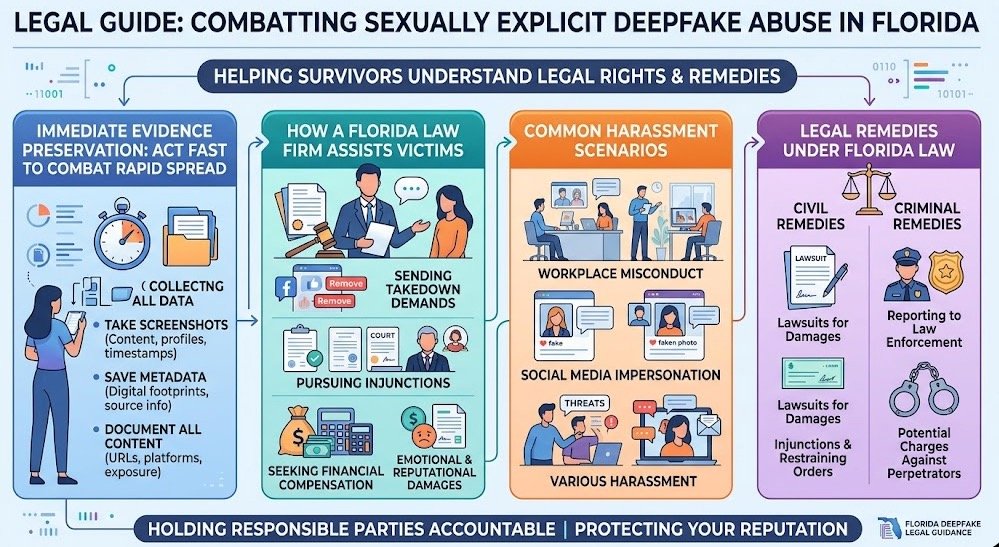
How We Can Help With Your Florida Deepfake Sexual Abuse Claim
When an individual discovers that sexually explicit deepfake content has been created, shared, or used to cause harm, prompt legal action may be necessary to protect privacy, reputation, and personal safety. A law firm serving Florida clients can provide structured guidance, helping victims respond with clarity, discipline, and purpose during a deeply disruptive event.
Counsel may begin by preserving records, identifying platforms, and coordinating evidence cleanup to limit further circulation. Attorneys can prepare notices, demand removals, and communicate with websites, social media services, and other parties that possess or distribute the material. They may also advise on digital privacy measures to reduce further exposure while protecting important documentation.


Throughout the process, legal counsel can organize facts, assess available remedies, and develop a plan tailored to the victim’s immediate and long-term needs. This support allows affected individuals and their families to focus on safety, stability, and the restoration of personal dignity while experienced advocates manage the legal response with care.
Understanding Deepfake Sexual Abuse Cases in Florida
OUR CONSULTATIONSARE FREE
START YOUR FREE CASE REVIEW

Why do deepfake sexual abuse cases in Florida demand careful legal analysis from the outset? These matters often involve fabricated sexual images or videos that can spread rapidly, damage reputations, and create serious emotional harm. A disciplined review helps determine available civil remedies, possible criminal implications, and immediate protective steps under Florida law and related federal standards.
Effective case evaluation usually begins with preserving Digital evidence, identifying sources, and documenting publication, distribution, and resulting losses. Because manipulated media can appear authentic, expert testimony may be needed to explain how the content was created or altered, or to trace it to responsible parties. Counsel also considers privacy rights, defamation issues, harassment concerns, and the risk of continued dissemination.
In service to those affected, victim support and safety planning are important parts of a responsible legal response. These measures help protect wellbeing, reduce further exposure, and support informed decisions while legal options are carefully and promptly assessed.
Common Scenarios When Deepfake Sexual Abuse Might Take Place in Florida


Deepfake sexual abuse in Florida may arise in several recurring contexts, each presenting distinct legal and personal consequences. Common examples include revenge porn fabrications, social media impersonation, workplace harassment schemes, and dating app deception, where manipulated sexual content is used to intimidate, exploit, or mislead. Identifying these scenarios helps clarify how this misconduct can occur and why prompt legal evaluation may be necessary.
Revenge Porn Fabrications
How often does a former partner or rejected acquaintance exploit synthetic media to fabricate explicit images or videos for retaliation? In Florida, revenge porn fabrications may arise when private photographs are harvested, altered, and circulated to punish, coerce, or silence a target. These acts violate consent boundaries and can damage safety, employment, family relationships, and community standing.
Service-minded readers should recognize several cautionary myths. A victim’s prior relationship, past intimacy, or shared photographs does not authorize fabricated sexual content. Neither apology demands nor breakup disputes justify manipulation through deepfake abuse.
Evidence may include threatening messages, edited files, unusual metadata, witness accounts, and sudden reputational harm. Prompt preservation of communications, platform records, and device data can support protective action, civil claims, and informed legal guidance for injured individuals and families.
Social Media Impersonation
Social media impersonation presents another common setting in which synthetic sexual abuse may occur in Florida. Offenders may create fake profiles, copy photographs, and circulate altered sexual images or videos while posing as the targeted person. This conduct can mislead friends, family members, community groups, and potential romantic contacts, causing wrongful identification and serious reputational harm.
In some cases, a deceptive account may solicit intimate images or meetings from others through consent fraud, falsely suggesting that the target invited sexual attention. Service-minded advocates often recognize that this scenario can isolate victims, damage trust, and spread quickly across multiple platforms. Careful legal review may help document the impersonation, preserve digital evidence, identify responsible parties, and support efforts to remove harmful content while protecting the dignity and safety of those affected.
Workplace Harassment Schemes
Although workplace misconduct often appears less public than online impersonation, employment settings can provide a powerful opportunity for synthetic sexual abuse to be used as a form of harassment, coercion, or retaliation in Florida. A supervisor, coworker, contractor, or client may circulate fabricated intimate images or recordings to intimidate a target, undermine credibility, or pressure compliance. Such schemes may accompany discrimination, hostile environment conduct, blackmail, or retaliation after complaints.
They can also damage professional standing, future employment prospects, and emotional well-being. In service-oriented workplaces, victims may fear disruption to clients, teams, or vulnerable populations, which can deepen silence. Legal review often examines reporting history, security practices, and response times under employer negligence standards. These facts may also shape workplace liability claims where leadership ignored warning signs, failed to investigate, or permitted repeated misuse of digital tools.
Dating App Deception
Dating app deception presents another common setting in which deepfake sexual abuse may occur in Florida, often through fast-moving interactions built on limited verification and misplaced trust. In these situations, a person may use altered images, fabricated videos, or cloned voices to gain intimacy, coerce explicit exchanges, or threaten exposure unless demands are met. Such conduct can escalate quickly into consent violations, reputational harm, and ongoing digital harassment.
Service-minded readers should recognize that victims often face confusion, shame, and fear about reporting what occurred. Careful documentation, platform reporting, and early legal guidance may help preserve evidence and limit further distribution. Access to victim support resources is also important, as practical assistance and informed advocacy can strengthen safety planning, emotional recovery, and decisions about civil or criminal remedies under Florida law.
Legal Rights of Deepfake Sexual Abuse Victims in Florida
When a person in Florida becomes the target of sexually explicit deepfake content, that individual may have important legal rights under both civil and criminal law. Florida law may recognize claims tied to privacy invasion, defamation, intentional infliction of emotional distress, and misuse of a person’s likeness. Consent laws matter because a fabricated sexual image distributed without permission can violate personal autonomy and dignity.
Depending on the facts, prosecutors may also pursue criminal charges involving harassment, stalking, extortion, or unlawful dissemination of explicit material.
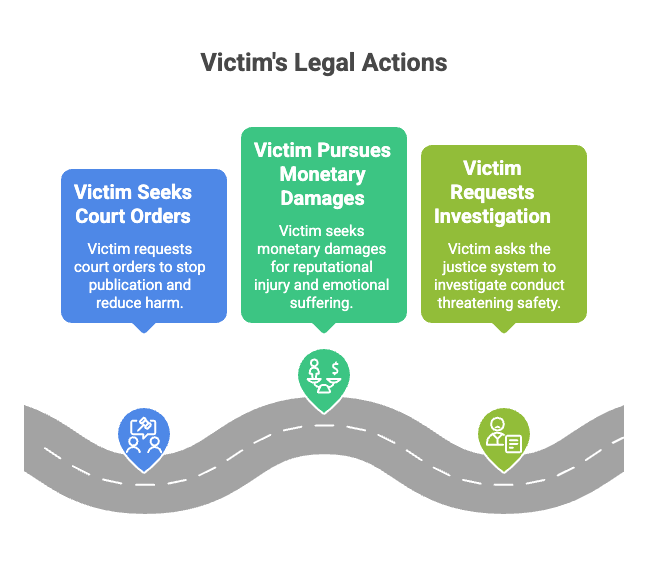
In Florida, sexually explicit deepfakes may trigger civil remedies and criminal consequences when consent, safety, and personal dignity are violated.
- A victim may seek court orders to stop further publication and reduce ongoing harm.
- A victim may pursue monetary damages for reputational injury, emotional suffering, and related losses.
- A victim may ask the justice system to investigate conduct that threatens safety, employment, or family stability.
These rights reflect a broader commitment to protecting vulnerable people, honoring truth, and supporting those who work to restore safety, respect, and community trust.
Steps to Take After a Deepfake Sexual Abuse Incident in Florida
After a deepfake sexual abuse incident in Florida, the initial response can greatly affect both personal protection and any future legal action. Crucial measures generally include preserving digital evidence, reporting the abuse to relevant platforms or authorities, and seeking legal guidance as early as possible. A structured approach helps protect the victim’s interests and supports efforts to stop further distribution or misuse.
Preserve Digital Evidence
In the immediate aftermath of a deepfake sexual abuse incident, preserving digital evidence is a crucial first step because online content can be altered, deleted, or redistributed within minutes. Helpful responders should save screenshots, profile names, URLs, dates, messages, and platform details as part of careful Incident documentation. A clear victim timeline should note when the material appeared, where it spread, and any known interactions.
Original files, device data, and metadata should remain unchanged whenever possible. Copies should be stored securely, with file names and timestamps intact, so that later Digital forensics review can evaluate authenticity and dissemination. Any transfer of evidence should be logged to protect the chain of custody and preserve reliability. This disciplined approach supports informed legal guidance, protects vulnerable individuals, and helps those assisting them act with order, care, and integrity.
Report The Abuse
Prompt reporting should follow the preservation of digital evidence, because timely notice can limit further distribution and create a formal record of the abuse. Affected individuals should notify platform administrators, school officials, employers, or other relevant institutions when the manipulated content threatens personal security, employment, education, or reputation. Clear Reporting authority contacts should be organized in advance, so trusted supporters can assist efficiently.
Reports to local law enforcement or cybercrime units may be appropriate when extortion, stalking, harassment, or impersonation is involved. Victim safety planning should remain central throughout each report, especially when the offender may retaliate or escalate online targeting. Those assisting should document when reports were made, whom they reached, and any case numbers received. Consistent follow-up can support removal efforts and strengthen coordinated community response over time.
Seek Legal Guidance
When sexually explicit deepfake material has been created, shared, or used to threaten a person, legal guidance can help clarify rights, preserve options, and reduce harmful missteps. An attorney may evaluate civil remedies, potential criminal violations, and immediate protective steps based on the facts and available evidence.
Counsel can also assist with documenting harm, identifying responsible parties, and communicating with platforms, schools, employers, or law enforcement in a careful, service-minded manner. In some situations, Protective Injunctions may help address threats, stalking, or ongoing harassment. A lawyer may also pursue Court-Ordered Removal when appropriate, seeking to limit further distribution and reduce continuing damage. Prompt legal advice often strengthens the response, supports informed decision-making, and helps affected individuals move forward with greater stability, safety, and dignity.
How a Florida Deepfake Sexual Abuse Lawyer Can Help You Initiate a Case
Although the harm caused by deepfake sexual abuse can feel immediate and overwhelming, a Florida deepfake sexual abuse lawyer can help an affected person begin a case by identifying viable legal claims, preserving vital evidence, and outlining the procedural steps required under state and federal law.
Counsel often starts with a careful factual review, then advises on evidence preservation and digital reporting to platforms, schools, employers, or law enforcement when appropriate.
- An attorney may collect screenshots, metadata, account links, and witness statements before harmful content is altered or removed.
- The lawyer can assess privacy, defamation, harassment, exploitation, or related claims, and explain which forum best serves the person’s goals.
- Counsel may prepare notices, file pleadings, coordinate with investigators, and seek protective orders or injunctions to limit further distribution.
This structured approach helps affected individuals act promptly, protect others from similar misconduct, and pursue accountability through a lawful, organized, and service-minded process.
Long-Term Effects of Deepfake Sexual Abuse Trauma
Deepfake sexual abuse can produce lasting emotional distress, as victims may experience persistent anxiety, humiliation, and a reduced sense of safety long after the material appears. It can also damage personal relationships, with trust often strained among family members, intimate partners, friends, and professional contacts. In addition, ongoing reputational harm may affect employment prospects, community standing, and social interactions, particularly when manipulated content continues to circulate online.
Lasting Emotional Distress
Because the harm often continues long after the altered image or video is created, victims of sexual deepfake abuse may experience lasting emotional distress that affects nearly every part of daily life. Many struggle with persistent anxiety, sleep disruption, panic symptoms, shame, and difficulty concentrating. These effects can interfere with judgment, personal safety, and the ability to complete routine responsibilities.
Over time, unresolved trauma may contribute to depression, hypervigilance, social withdrawal, and loss of confidence in public settings. Some individuals require therapy support to process fear, restore stability, and manage intrusive thoughts. Others need practical assistance during workplace recovery, especially when professional performance declines or exposure concerns remain. A careful legal response can complement mental health care by helping victims pursue accountability, protect dignity, and regain a sense of control and security.
Damaged Personal Relationships
When sexually explicit deepfake material circulates, the resulting trauma can materially disrupt personal relationships and weaken trust across a victim’s support system. Family members, intimate partners, friends, and colleagues may struggle to understand the violation, leading to distance, conflict, and social withdrawal. Victims may become guarded, fearful of judgment, or reluctant to seek comfort, which can erode healthy communication over time.
Those who serve affected individuals should recognize that practical steps, including evidence preservation, can help restore a sense of control while legal options are evaluated. In some cases, defamation lawsuits may address false depictions, but the relational damage often requires sustained support, patience, and informed advocacy. Consistent, trauma-aware responses from trusted people can help rebuild safety, reinforce dignity, and strengthen connections that deepfake abuse has severely disrupted.
Ongoing Reputational Harm
Beyond the strain placed on close relationships, sexually explicit deepfake abuse often causes reputational damage that persists long after the initial circulation of the material. Even when family, employers, or community members learn that the images are fabricated, suspicion can linger and distort how the person is treated. This form of Online Defamation may affect employment, professional licensing, volunteer roles, and public standing.
The long-term consequences are often intensified by search engine indexing, repeated sharing, and the difficulty of restoring Victim Privacy once intimate falsehoods spread online. A person may withdraw from civic life, advocacy work, or leadership opportunities to avoid renewed exposure. In service-oriented communities, these harms can limit the individual’s ability to help others, while also undermining trust that took years to build and sustain.
What to Expect During a Florida Deepfake Sexual Abuse Claim Process
A Florida deepfake sexual abuse claim process typically begins with filing the initial claim and identifying the parties and allegations involved. It then focuses on gathering and preserving digital evidence while also addressing the legal procedures that may govern deadlines, court filings, and evidentiary requirements. As the matter progresses, potential outcomes and remedies may include injunctive relief, monetary damages, and other measures to address the alleged harm.
Filing The Initial Claim
Although the facts of a deepfake sexual abuse case may feel overwhelming, filing the initial claim in Florida generally begins with a structured review of the evidence, the identity of the responsible party, and the scope of the harm involved. Counsel typically assesses whether civil claims, criminal complaints, or platform-based digital reporting should proceed first. Early attention to evidence preservation helps protect the integrity of the claim and supports later verification by courts, law enforcement, or service providers.
The initial filing stage often includes drafting a formal complaint, identifying defendants when possible, and outlining damages such as reputational injury, emotional distress, or financial loss. Florida procedures may also require venue analysis, service planning, and requests for immediate protective relief. Careful filing can position the matter for accountability, safety, and a meaningful legal response.
Gathering Digital Evidence
Once a Florida deepfake sexual abuse claim has been filed or prepared for filing, attention generally turns to preserving and collecting digital evidence in a manner that supports authenticity and later use in court or investigative proceedings. This often includes saving altered images, videos, messages, metadata, account information, and records showing when content appeared, changed, or spread online.
Service-minded advocates often encourage careful documentation to reduce further harm and strengthen factual accuracy. An incident timeline may be assembled from screenshots, upload dates, platform reports, and communication logs. Eyewitness statements can also help confirm how the material was discovered, viewed, or shared. Chain-of-custody concerns are addressed by securely storing copies and limiting alterations. Technical experts may later assess manipulation markers, source files, and distribution patterns to support reliable identification.
Understanding Legal Procedures
In Florida, the legal process for a deepfake sexual abuse claim typically begins with an initial case evaluation, during which counsel reviews the available evidence, identifies potential defendants, and considers which civil or criminal remedies may apply. Attorneys then assess jurisdiction, preserve digital records, and prepare filings that comply with procedural rules and deadlines.
As the matter advances, parties may exchange information through discovery, address Evidentiary Challenges involving authenticity, authorship, and platform data, and participate in hearings on preliminary issues. Counsel may coordinate with forensic experts, law enforcement, or service providers to clarify technical facts and protect affected individuals. Courtroom Procedures can include motions, sworn testimony, and judicial review of digital exhibits.
Throughout the process, clear communication and careful documentation help those seeking accountability proceed in an informed, orderly, and service-minded manner.
Potential Outcomes And Remedies
Case outcomes in a Florida deepfake sexual abuse claim can vary markedly, depending on the available evidence, the identity of the responsible parties, and the scope of the harm involved. A claimant may pursue protective orders, content removal, negotiated settlements, or trial-based relief. In some matters, Criminal exposure may arise for creators, distributors, or others who knowingly exploit manipulated intimate images.
Potential remedies often include injunctions, preservation orders, forensic investigations, and claims for civil damages for emotional distress, reputational injury, lost income, and treatment costs. When organizations failed to respond reasonably, broader liability may be examined. A careful legal strategy can also support referrals to counselors, victim advocates, and law enforcement, helping affected individuals protect others while seeking accountability, safety, and meaningful relief through Florida’s legal system.
Compensation for Florida Deepfake Sexual Abuse Damages
For victims of deepfake sexual abuse in Florida, compensation may include damages for emotional distress, reputational harm, lost income, and the costs associated with removing or limiting the spread of the fabricated content. Courts may also consider digital evidence, victim support needs, legal filing expenses, and services that promote emotional recovery.
| Category | Potential compensation |
|---|---|
| Reputation | Harm mitigation, correction efforts |
| Employment | Lost wages, opportunities |
| Safety | Security planning, monitoring |
| Treatment | Counseling, therapeutic care |
A careful claim presentation helps decision-makers understand the scope of injury and the practical burdens imposed on the affected person. Compensation can support restoration efforts, reinforce dignity, and provide resources for ongoing protection from continued circulation. In service-oriented advocacy, the objective is not merely financial relief, but a structured response that helps victims regain stability, preserve community standing, and move forward with informed, compassionate assistance and meaningful accountability.
Economic vs Non-Economic Damages in Florida Deepfake Sexual Abuse Cases
In Florida deepfake sexual abuse cases, damages are often divided into economic losses and non-economic harm, each requiring a different method of analysis. Economic loss categories may include medical expenses, counseling costs, lost income, and other measurable financial consequences, while non-economic damages address injuries such as emotional distress, reputational harm, and loss of dignity. Proving the amount of damages typically depends on records, expert opinions, and other evidence that establish both the financial impact and the seriousness of personal harm.
Economic Loss Categories
Analyzing damages in a Florida deepfake sexual abuse claim generally begins with a clear separation between economic and non-economic losses, because each category serves a different legal purpose and requires different forms of proof. Economic losses concern measurable financial consequences tied to the misconduct.
These categories may include Lost Wages from missed work, reduced earning capacity, therapy and psychiatric treatment costs, relocation expenses, digital security services, and reputation repair efforts when reasonably necessary. In some cases, Property Damage may also apply, such as harm to devices, accounts, or paid platforms that are affected during image theft, manipulation, or distribution. Courts and insurers usually expect records, invoices, employment documents, expert opinions, and other objective evidence that can verify the amount and cause. Careful documentation helps advocates present a claim that supports accountability and practical recovery for those harmed.
Non-Economic Harm Valuation
Beyond measurable financial loss, non-economic damages address the personal harm caused by deepfake sexual abuse, including humiliation, emotional distress, anxiety, loss of privacy, and damage to personal relationships that may not appear on a bill or invoice. In Florida cases, these emotional damages recognize the human impact of a privacy invasion and the disruption it causes in daily life, dignity, and trust.
Courts may consider how the fabricated content affects reputation, sleep, concentration, social functioning, and a person’s sense of safety. Expert testimony can help explain trauma-related symptoms and the lasting consequences of exposure, even when direct economic loss is limited. This category of recovery reflects a service-centered legal purpose, seeking accountability while honoring the injured person’s well-being, stability, and ability to continue participating in family, work, and community life.
Proving Damage Amounts
Establishing the amount of damages requires more than identifying the categories of harm, because Florida deepfake sexual abuse cases often involve both measurable financial loss and serious personal injury that is harder to quantify. Economic damages may include lost income, counseling costs, security expenses, and reputational harm tied to employment disruption. Records, invoices, expert opinions, and evidence authentication help connect those losses to the wrongful conduct.
Non-economic damages address humiliation, anxiety, loss of dignity, and damage to relationships. Because these injuries do not appear on a ledger, attorneys often rely on treatment notes, witness testimony, and the victim’s documented daily struggles to present a clear picture. In some matters, Defamation damages may overlap with privacy-based claims, requiring careful proof so courts can assign fair, support-centered compensation without duplication or speculation.
When a Florida Deepfake Sexual Abuse Case Goes to Trial vs Settlement
Determining whether a Florida deepfake sexual abuse case proceeds to trial or resolves through settlement depends on several practical and legal factors, including the strength of the evidence, the extent of the harm, the defendant’s willingness to accept responsibility, and the parties’ tolerance for public litigation.
When liability appears clear and damages are well documented, settlement may better serve the injured person by reducing delay, privacy concerns, and emotional strain. Settlement timelines can vary, but they are often shorter than full litigation and may allow quicker access to funds for counseling, digital cleanup, and other restorative needs. A trial may become necessary when fault is disputed, harmful content remains online, or the defense refuses fair compensation.
Jury trial risks also shape strategy, because jurors may react unpredictably to technological evidence, privacy injuries, and reputational harm. Careful counsel evaluates leverage, costs, witness credibility, and the client’s service-oriented goals before recommending either path in a case.
The Statute of Limitations for Florida Deepfake Sexual Abuse Cases
Whether a deepfake sexual abuse claim is resolved through settlement or trial, the filing deadline can control whether the case may proceed at all. In Florida, the applicable statute of limitations may depend on the legal theory asserted, the plaintiff’s age, the nature of the harm, and whether related conduct also supports criminal charges. Careful review of each claim is critical because civil and criminal timelines may differ considerably.
Courts may examine when the harmful deepfake was created, published, discovered, or reasonably discoverable. Those timing issues can affect privacy, defamation, intentional tort, and other claims arising from manipulated sexual content. Evidence preservation is especially important because online files, metadata, platform records, and witness accounts may disappear quickly.
In some matters, prosecutors may also analyze elements of criminal intent, which can influence parallel proceedings without changing civil deadlines. A disciplined, service-minded approach helps protect rights, preserve proof, and promote accountability for injured individuals and affected communities.
When to Contact a Deepfake Sexual Abuse Lawyer in Florida
Often, the prudent time to contact a deepfake sexual abuse lawyer in Florida is as soon as manipulated sexual content is discovered, threatened, or suspected, because early legal guidance can help limit further distribution and preserve critical evidence. Prompt action may support evidence preservation, protect records, and help affected individuals, families, and advocates respond in a careful, service-oriented manner.
Contact may also be appropriate when platforms fail to remove content, when an offender attempts extortion, or when reputational, professional, or emotional harm begins to affect daily life. Legal counsel can help assess statute timelines, identify immediate steps, and coordinate with trusted supporters who seek the person’s safety and dignity. Even when uncertainty remains about the creator, scope of sharing, or available claims, early consultation can clarify options and reduce avoidable delay.
In many situations, waiting allows digital material to spread, accounts to disappear, and documentation to weaken, which may complicate later efforts to pursue accountability and meaningful relief.
Why You Need an Experienced Florida Deepfake Sexual Abuse Lawyer
Because deepfake sexual abuse cases can involve fast-moving digital evidence, anonymous actors, and overlapping civil and criminal issues, an experienced Florida deepfake sexual abuse lawyer may provide essential guidance that general legal assistance may not. Such counsel can coordinate Evidence Preservation, advise on Digital Reporting, and help protect a survivor’s rights while harmful content is challenged.
Experienced representation also matters because these cases often require quick action across platforms, law enforcement channels, and civil remedies. A knowledgeable lawyer may identify responsible parties, seek removal of manipulated material, and pursue accountability without compromising future claims. Effective counsel often works in a service-oriented manner, connecting individuals and families with Victim Support resources, safety planning, and informed next steps.
This assistance can reduce confusion and help communities respond with care, dignity, and practical action. In a setting where delay can worsen harm, informed legal guidance may support protection, recovery, and meaningful advocacy for those affected across Florida communities statewide.
How to Choose the Right Deepfake Sexual Abuse Lawyer for Your Case in Florida
Selecting the right deepfake sexual abuse lawyer in Florida requires careful attention to experience, responsiveness, and familiarity with digital evidence issues. A qualified attorney should understand how manipulated images spread online, how platforms preserve records, and how privacy harms affect victims, families, and communities seeking justice and protection.
When evaluating counsel, a person should review prior case handling, communication practices, and knowledge of Criminal vs civil remedies. Strong representation often includes prompt action to secure evidence, clearly explain legal options, and coordinate with forensic experts when needed. It is also important to ask whether the lawyer can identify victim support options, including counseling referrals, protective measures, and resources that promote safety and dignity.
A careful selection process helps ensure the lawyer can pursue accountability while respecting the client’s goals. In matters involving sensitive digital abuse, professionalism, compassion, and disciplined advocacy remain essential qualities for effective representation in every stage.
About The Law Offices of Anidjar & Levine
Many individuals confronting deepfake sexual abuse in Florida seek legal counsel that combines prompt action with careful attention to privacy, evidence preservation, and client safety.
The Law Offices of Anidjar & Levine presents a client-centered approach shaped by responsiveness, professionalism, and respect for the sensitive nature of these matters.
The firm is recognized for its Ethical Intake Practices, which help potential clients share concerns in a structured, respectful setting. Its team emphasizes clear communication, careful case evaluation, and timely guidance on preserving digital evidence and documenting harm.
Through Confidential Client Advocacy, the firm works to protect personal information while pursuing appropriate legal remedies under Florida law.
This includes coordination with investigators, consultation with qualified experts, and sustained attention to each client’s well-being throughout the legal process.
For individuals motivated by protection, accountability, and service to others, the firm offers a disciplined framework for addressing harmful synthetic media with seriousness and care.
Frequently Asked Questions
Can Schools Discipline Students for Creating Deepfake Sexual Images Off-Campus?
Yes, schools can sometimes impose student discipline for creating deepfake sexual images off campus, particularly when the conduct substantially disrupts school operations, targets students or staff, or violates specific policies. Courts often examine the connection to the school environment, the severity of harm, and constitutional speech protections. Families and educators should review district rules, state law, and recent case developments carefully before responding, seeking informed legal guidance when necessary.
Do Florida Employers Have Policies Addressing Coworker-Created Sexual Deepfakes?
Yes, many Florida employers maintain policies that can address coworker-created sexual deepfakes, even when older handbooks do not name them specifically. Such conduct often falls under anti-harassment, technology use, privacy, and workplace misconduct rules. Employers focused on protecting others should review workplace liability risks, strengthen reporting requirements, and ensure prompt investigation, preservation of digital evidence, and corrective action. Clear training and updated policies remain critical for prevention.
Can Social Media Platforms Remove Deepfake Sexual Content Without a Court Order?
Yes, social media platforms can remove deepfake sexual content without a court order. Their terms of service usually permit platform moderation when material violates policies on nonconsensual sexual imagery, harassment, or deception. They often act on user reports, internal review, and available evidentiary standards, which are lower than courtroom requirements. This allows faster intervention to reduce harm, preserve safety, and support affected individuals while legal processes remain available if needed.
Are Minors Charged Differently for Creating Sexual Deepfakes in Florida?
Yes. In Florida, minors may be handled through the juvenile system rather than adult court, but charges can still be serious when sexual deepfakes involve exploitation, harassment, or child sexual material. Juvenile sentencing focuses more on rehabilitation, supervision, and services, though transfer to adult prosecution is sometimes possible. Schools, caregivers, and professionals may also face mandatory reporting duties when a minor creates or distributes harmful sexualized content involving another child.
Can Anonymous Creators of Sexual Deepfakes Be Identified Through Subpoenas?
Yes, anonymous creators of sexual deepfakes can often be identified through a court subpoena and digital forensics. Service providers, platforms, and internet companies may be compelled to produce account records, IP logs, payment data, and device information. Investigators may then correlate that material with forensic findings to trace authorship. Outcomes depend on the preservation of evidence, platform cooperation, and whether the creator used sophisticated methods to conceal their identity effectively.
—————————
Deepfake sexual abuse can cause severe reputational, emotional, and financial harm, and Florida victims may have important legal remedies available.
Prompt action, careful preservation of evidence, and informed legal guidance can strengthen a claim and help limit further damage.
A qualified Florida deepfake sexual abuse lawyer can assess the facts, explain available options, and pursue appropriate relief.
The Florida Sexual Assault Lawyerr team at the Law Offices of Anidjar & Levine provides experienced representation for individuals seeking accountability and protection after this serious form of digital abuse.