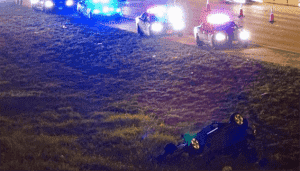
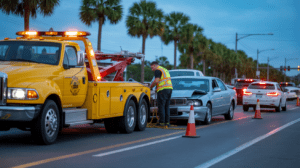
The Law Offices of Anidjar and Levine can help organize evidence, investigate fault, evaluate insurance coverage, and present claims involving several drivers or insurers.
A Florida Car Accident Lawyer may handle cases requiring police reports, photographs, witness statements, medical records, traffic footage, and vehicle damage analysis.
Counsel may address comparative negligence, disputed accounts, policy limits, PIP, bodily injury, and uninsured motorist coverage.
Early legal guidance can protect deadlines and strengthen recovery efforts, with additional details explained below.
Main Takeaways
- A Florida multi-vehicle accident lawyer can investigate fault among drivers, insurers, witnesses, and competing crash accounts.
- Evidence may include police reports, vehicle photos, medical records, surveillance footage, dash camera video, and witness statements.
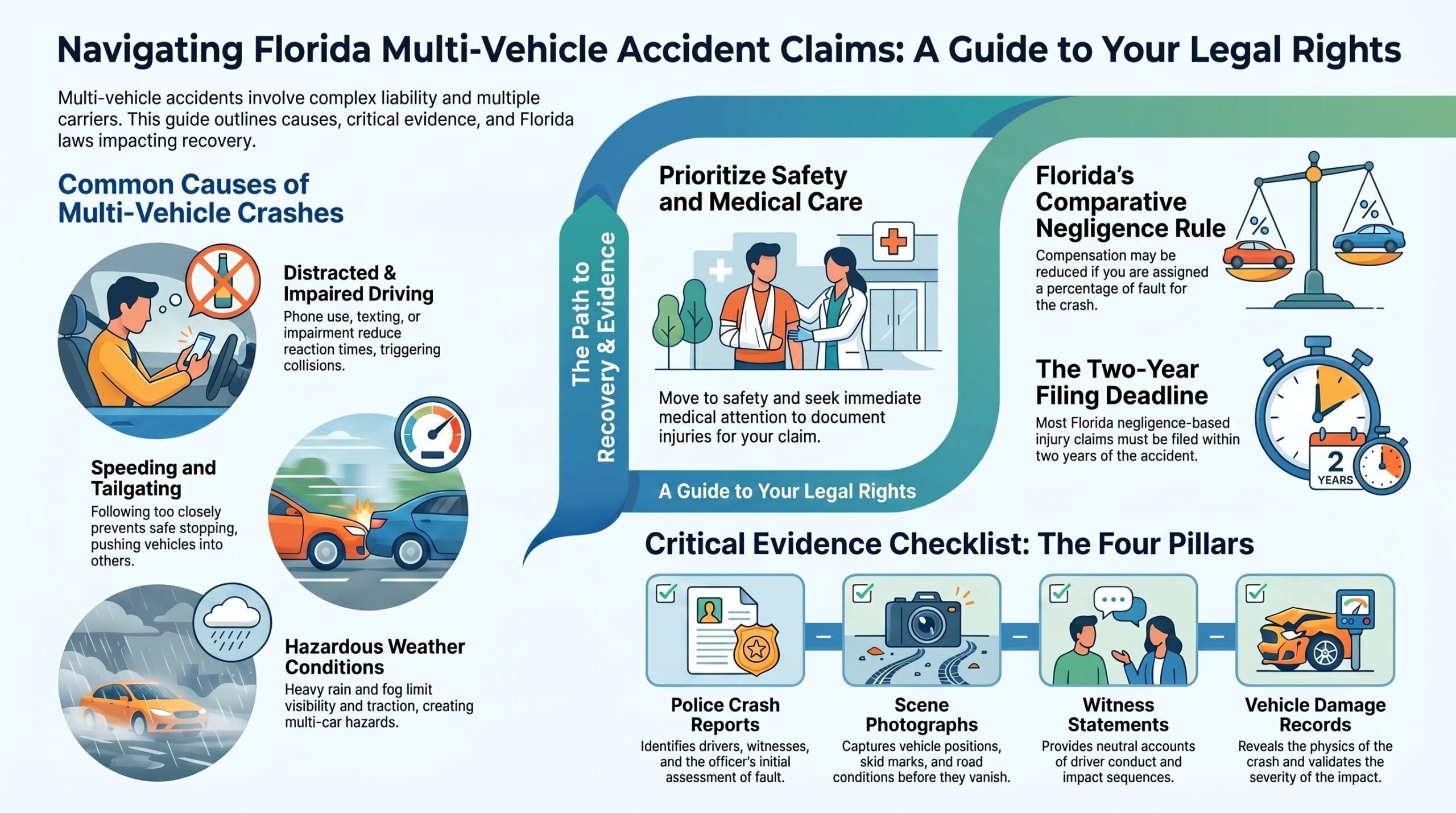
- Florida comparative negligence can reduce compensation if you are assigned partial fault for the collision.
- Insurance coverage may involve PIP, bodily injury, uninsured motorist, underinsured motorist, or commercial policies.
- Prompt medical care and documentation help connect injuries to the crash and support your injury claim.


How We Can Help With Your Florida Multi-Vehicle Car Accident Injury Claim
After a multi-vehicle collision in Florida, an injury claim may involve several drivers, insurers, witnesses, and competing accounts of how the crash occurred. A lawyer can help organize the claim with discipline, protecting the injured person’s interests while promoting a fair process for all involved. This support often begins with Evidence Preservation, including vehicle photographs, crash reports, medical records, surveillance footage, and witness statements.
Counsel may also communicate with insurance companies, identify available coverage, and evaluate how Florida’s Comparative Negligence rules may affect recovery. In collisions involving several vehicles, fault can be divided among multiple parties, making careful analysis crucial.
A legal team can work with accident reconstruction professionals, review medical needs, and accurately document losses. By managing deadlines, negotiations, and claim presentation, counsel helps reduce confusion and allows the injured person and family to focus on recovery, responsibilities, and service to others with greater stability.
OUR CONSULTATIONSARE FREE
START YOUR FREE CASE REVIEW

Understanding Florida Multi-Vehicle Car Accident Injury Cases
Understanding how these cases develop helps explain why organized legal support can be important in a Florida multi-vehicle accident claim. These matters often involve several injured people, multiple drivers, separate insurers, and competing accounts of what occurred. Each participant may have a different interest, which can affect statements, settlement positions, and the sharing of records. Careful review is required to identify all responsible parties and preserve evidence that may help protect the injured person’s rights.
Florida’s comparative negligence system can reduce compensation when an injured person is assigned a share of fault. For that reason, accurate documentation and consistent advocacy are critical. Insurance coverage also becomes a central issue because available policy limits may be divided among several claimants. A lawyer’s role includes evaluating damages, communicating with insurers, and helping ensure that the claim is presented with discipline, fairness, and respect for those harmed.
Common Causes of Florida Multi-Vehicle Car Accidents
Multi-vehicle accidents in Florida often result from preventable conduct and hazardous roadway conditions that quickly affect several drivers. Common causes include distracted driving, speeding and tailgating, impaired driving, and poor weather conditions, each of which can reduce reaction time and increase crash severity. Identifying the contributing factors is crucial because liability may be shared among multiple parties.
Distracted Driving
When a driver’s attention shifts away from the road, even for a few seconds, the risk of a multi-vehicle collision can increase substantially. Phone distraction, including calls or app use, may prevent timely recognition of changes in traffic. Texting hazards are especially serious because they combine visual, manual, and cognitive distraction, leaving surrounding motorists vulnerable.
Multitasking drivers may overlook signals, lane movements, or stopped vehicles, creating chain reactions that affect several families at once. Even with car navigation, focus can become unsafe when a driver studies directions rather than observing nearby traffic. For those committed to serving injured people, understanding distraction helps identify preventable conduct and support accountability. Careful investigation of records, witness statements, and vehicle data may reveal whether inattention contributed to the crash and resulting harm.
Speeding And Tailgating
As traffic volume rises on Florida roads, speeding and tailgating can quickly turn a single mistake into a collision involving several vehicles. When drivers exceed safe speeds, they reduce reaction time and increase stopping distance, especially near traffic lights, lane merges, or sudden slowdowns. Tailgating compounds this danger because one abrupt brake can trigger a chain reaction, striking vehicles from behind and pushing them into adjacent lanes or intersections.
These crashes may endanger passengers, roadway workers, cyclists, and others committed to pedestrian safety. Careful motorists, emergency responders, and community advocates understand that responsible spacing protects everyone sharing the road. In injury claims, investigators often examine skid marks, vehicle damage, camera footage, and witness accounts to determine whether excessive speed or unsafe following distance contributed to preventable harm.
Impaired Driving
Impaired driving creates hazards that extend beyond those posed by speeding and tailgating because it affects judgment, coordination, perception, and reaction time simultaneously. In Florida traffic, one impaired driver may drift between lanes, miss braking cues, or enter an intersection improperly, causing several vehicles to collide in rapid sequence. Alcohol checkpoints, sobriety testing, and DUI investigations often help determine whether drunk driving contributed to a crash.
These findings may support injured people, families, and advocates seeking accountability and safer roads. Impairment may involve alcohol, illegal drugs, prescription medication, or a dangerous combination of substances. For those committed to serving crash victims, careful review of police reports, witness statements, and chemical test evidence can clarify fault and preserve crucial claims after a serious multi-vehicle collision.
Poor Weather Conditions
Poor weather conditions can turn routine Florida traffic into a chain-reaction hazard, particularly during heavy rain, tropical storms, fog, or sudden wind events. Reduced visibility, slick pavement, and standing water can limit a driver’s ability to stop safely, increasing the risk of rear-end impacts and multi-vehicle collisions. Responsible motorists slow down, increase following distance, and use headlights to help protect passengers, pedestrians, and emergency responders.
Proper vehicle maintenance also matters because worn tires, weak brakes, and faulty wipers can worsen an already dangerous situation. In congested traffic, frustration may escalate into road rage, leading to unsafe lane changes or aggressive braking. When drivers fail to adjust to weather conditions, their choices may place many others in harm’s way and create legal accountability after a crash.


Legal Rights of Florida Multi-Vehicle Car Accident Injury Victims
When several vehicles are involved in a Florida collision, injured victims may have legal rights that extend beyond a single at-fault driver. These rights may include seeking compensation for medical care, lost income, diminished earning capacity, pain, and related losses. Insurance coverage disputes often arise when multiple policies, exclusions, or coverage limits affect recovery. Fault apportionment strategies may also influence how responsibility is divided among drivers, vehicle owners, employers, or other liable parties.
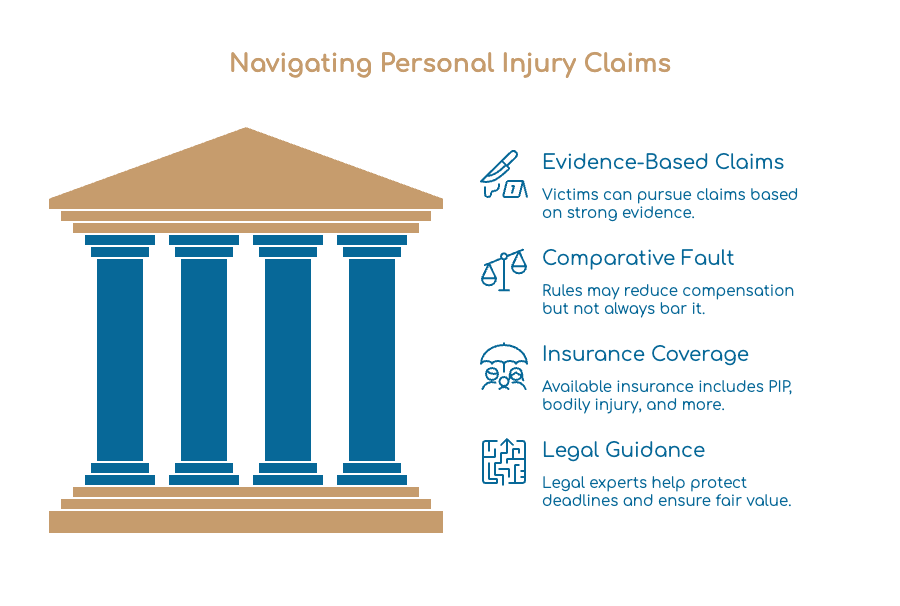
In multi-vehicle Florida collisions, recovery may depend on fault allocation, available coverage, and each liable party’s role.
- Victims may pursue claims against each responsible party based on evidence.
- Comparative fault rules may reduce, but not always bar, compensation.
- Available insurance may include PIP, bodily injury, uninsured, or underinsured coverage.
- Legal guidance can help protect deadlines, records, and fair claim value.
For those committed to serving injured people, these rights reflect accountability, restoration, and practical support after serious harm. Each claim requires careful review of facts, injuries, and applicable Florida law.
Why Do Florida Multi-Vehicle Car Accident Injuries Happen?
Why do multi-vehicle accidents in Florida so often result in serious injuries? These crashes usually involve chain reactions, multiple impact points, and limited time for drivers to avoid danger. On crowded highways, a single collision can quickly force nearby vehicles to make sudden stops, swerve, or collide again. The resulting injuries may be severe because occupants can be struck from several directions.
Common causes include distracted driving, speeding, impaired operation, unsafe lane changes, and following too closely. Mechanical problems also contribute, and brake failure may be caused by poor maintenance, defective parts, or overloaded vehicles. Environmental and infrastructure issues can increase the risk, including heavy rain, reduced visibility, construction zones, and road design flaws that create unsafe merging patterns or inadequate sight lines.
For those committed to protecting injured people, understanding these causes helps clarify how negligence may develop. It also supports careful evaluation of responsibility when several drivers, vehicle owners, companies, or public entities may have contributed.
What Should You Do After a Florida Multi-Vehicle Car Accident Injury?
After a Florida multi-vehicle car accident injury, the injured person should prioritize immediate safety, including moving away from danger when possible and seeking medical attention. Accident evidence, such as photographs, witness information, and police reports, may become essential when liability is disputed among several drivers. Legal guidance can help protect the injured person’s rights, preserve important evidence, and address insurance issues more accurately.
Prioritize Immediate Safety
In the immediate aftermath of a Florida multi-vehicle car accident, safety must take priority over fault, property damage, or insurance concerns. Drivers and passengers who are able should move to a secure location, away from moving traffic, leaking fluids, smoke, or unstable vehicles. Those who remain near the roadway should maintain awareness of traffic hazards, use hazard lights when available, and avoid standing between damaged vehicles.
Injured persons should not be moved unless they face immediate danger, such as fire or oncoming traffic. Basic first aid steps may include checking responsiveness, controlling visible bleeding with clean pressure, and keeping injured individuals calm until emergency responders arrive. A responsible bystander may call 911, report the crash location clearly, and provide concise information about visible injuries and hazards.
Gather Accident Evidence
Once everyone is safe and emergency assistance has been requested, evidence of the accident should be gathered as carefully as the circumstances allow. Photographs may capture vehicle positions, road conditions, traffic signals, skid marks, debris, and visible injuries. Names, contact details, insurance information, license plate numbers, and witness statements should be recorded accurately.
A person assisting others should avoid assigning blame, guessing about fault, or altering the scene unless safety requires movement. Police officers should be informed of known facts, including the direction of travel and observed hazards. Medical documentation should begin promptly, because early records may connect injuries to the collision and support later evaluation. Preserving damaged property, dash camera footage, and written notes can also assist any legal strategy developed after the immediate response is complete.
Seek Legal Guidance
Careful evidence collection can help clarify what occurred, but legal guidance may be needed to determine how that evidence should be used in a Florida multi-vehicle injury claim. An attorney can review police reports, medical records, witness accounts, and vehicle damage to identify responsible parties and protect the injured person’s rights. This support is especially important when several insurers dispute fault or attempt to reduce compensation.
Prompt legal consultation can also help address Insurance claim deadlines, which may affect recovery if missed. Counsel may advise on Florida evidence preservation, including securing surveillance footage, electronic data, and expert inspections before key proof is lost. By seeking qualified guidance, an injured person and supporting family members can make informed decisions while focusing on treatment, stability, and responsible care for others.
Critical Evidence in a Florida Multi-Vehicle Car Accident Injury Case
In a Florida multi-vehicle car accident injury case, vital evidence can clarify fault, confirm the sequence of impacts, and support the injured party’s claim for damages. Important materials often include: 1. Police Crash Reports, 2. Witness Statements, 3. Scene Photographs, and 4. Vehicle Damage Records. Each item may help establish how the collision occurred, which drivers contributed to it, and whether the claimed injuries align with the available facts.
Police Crash Reports
When several vehicles are involved in a Florida crash, the police crash report often becomes one of the most important starting points for determining how the collision occurred. It may identify drivers, vehicles, locations, road conditions, citations, diagrams, and the officer’s initial observations. In multi-vehicle claims, this report can help organize confusing facts and support a careful review of fault.
Traffic signal evidence may be noted when red lights, turn arrows, or intersection controls contributed to the sequence of impacts. However, the report is not always complete, and errors can affect an injured person’s recovery. Legal review may uncover gaps before insurance adjuster tactics shift blame unfairly. For those committed to helping injured people, preserving and analyzing this record is an indispensable early step.
Witness Statements
Because multi-vehicle collisions often unfold in seconds, witness statements can provide critical details that are not captured in a police crash report. Neutral observers may describe vehicle positions, traffic signals, sudden lane changes, following distances, or driver conduct before impact. These accounts can help clarify fault when several drivers, passengers, and insurers present conflicting versions of events.
In service to injured persons and families, careful collection of witness information supports a more accurate understanding of what occurred. Statements may also assist when dealing with insurance, negotiating settlements, and proving damages alongside medical documentation. A consistent witness account can strengthen credibility, especially when injuries develop over time or liability is disputed. Preserving names, contact information, and recorded statements early helps confirm that important memories do not fade.
Scene Photographs
After a multi-vehicle collision, scene photographs can preserve physical evidence that may disappear within hours. Images of vehicle positions, skid marks, debris fields, traffic signals, road conditions, weather, lighting, and visible injuries may help explain how the crash unfolded. In Florida claims involving several drivers, these photographs can support witness statements and clarify disputed accounts before memories fade.
They may also connect the impact sequence to medical documentation, helping show why specific injuries required treatment. When gathered promptly and organized carefully, photographs can assist attorneys, insurers, and investigators in evaluating fault and damages. During insurance negotiations, clear scene images may reduce confusion, discourage unfounded blame, and promote a fair assessment of responsibility. This evidence can serve injured people by strengthening their path toward recovery and accountability.
Vehicle Damage Records
Along with scene photographs, vehicle damage records can provide important insight into how force moved through each vehicle in a Florida multi-vehicle collision. These records may include repair estimates and appraisals, total-loss evaluations, parts invoices, tow yard reports, and insurer inspection notes. When reviewed jointly, they help clarify points of impact, secondary collisions, speed indicators, and whether claimed injuries align with the crash dynamics.
They may also reveal prior damage, improper repairs, or disputed causation, which can affect liability and compensation. For injured people and those assisting them, accurate documentation supports careful decisions about whether to file insurance claims, pursue additional coverage, or challenge an unfair valuation. Preserving these records early helps attorneys, adjusters, and experts serve the truth with organized, reliable evidence throughout the case.
Long-Term Effects of Florida Multi-Vehicle Car Accident Injuries
Multi-vehicle car accident injuries in Florida may create long-term consequences that extend well beyond initial treatment. Chronic pain conditions, emotional trauma recovery, and ongoing medical costs can affect a victim’s health, employment, and financial stability for months or years. These lasting effects often become central issues when evaluating the full scope of damages in an injury claim.
Chronic Pain Conditions
A chronic pain condition may develop when injuries from a Florida multi-vehicle car accident continue to affect the body long after the initial crash trauma has stabilized. Persistent neck, back, joint, or nerve pain may limit mobility, disrupt employment, and reduce the injured person’s ability to care for family or community responsibilities. These conditions often require coordinated treatment, including physical therapy, expert evaluations, diagnostic testing, and Medication management tailored to functional needs.
Careful medical documentation is critical, as it records symptom patterns, treatment response, work restrictions, and the long-term impact of pain on daily life. In multi-vehicle claims, consistent records may help clarify causation where several impacts, drivers, or insurers are involved, supporting a more accurate evaluation of ongoing care needs and damages.
Emotional Trauma Recovery
Physical pain after a serious crash often exists alongside psychological harm, especially when the accident involved multiple vehicles, violent impacts, or uncertainty about who caused the collision. Survivors may experience PTSD symptoms, including intrusive memories, sleep disruption, avoidance of driving, irritability, or heightened fear in traffic. These effects can interfere with caregiving, employment, family responsibilities, and service to others.
Emotional trauma recovery often requires consistent evaluation, patient support, and appropriate therapy options, such as trauma-focused counseling, cognitive behavioral therapy, or supervised group treatment. Family members, medical providers, and legal advocates may help identify changes in mood, behavior, or functioning. Careful documentation of psychological harm can also clarify how the crash affected daily life, personal stability, and the injured person’s ability to serve others.
Ongoing Medical Costs
The financial impact of serious crash injuries often continues long after emergency treatment, especially when a person needs surgery, expert care, rehabilitation, medication, or assistive equipment. In multi-vehicle collisions, these expenses may grow as injuries reveal lasting complications, including nerve damage, chronic pain, or reduced mobility.
Care providers, legal advocates, and family supporters may help preserve Treatment Documentation that shows the need, frequency, and projected cost of ongoing care. Accurate records can strengthen an Insurance Settlement by connecting future medical needs to the crash rather than unrelated conditions. This documentation may include physician notes, therapy plans, diagnostic results, prescriptions, and estimates for home modifications or mobility devices. Careful planning helps injured individuals seek resources for continued treatment while maintaining dignity, stability, and access to necessary care.
Proving Liability in Florida Multi-Vehicle Car Accident Injury Cases
In the aftermath of a multi-vehicle collision, proving liability in Florida often requires a careful review of each driver’s conduct, the sequence of impacts, and the evidence connecting specific actions to specific injuries. Investigators may examine police reports, crash reconstruction findings, witness statements, vehicle damage, traffic camera footage, and medical records to identify how negligence contributed to harm.
Florida’s comparative negligence system can assign fault among multiple drivers, making precise documentation crucial. A driver who followed too closely, changed lanes unsafely, ignored traffic signals, or failed to reduce speed may share responsibility. Legal counsel may also evaluate whether roadway conditions, commercial vehicle policies, or distracted driving played a role.
Clear liability analysis supports fair Insurance negotiations and can influence settlement timelines. When evidence is organized and causation is well supported, injured persons are better positioned to pursue compensation that reflects medical needs, lost income, and the broader impact of the crash.
Dealing With Insurance Companies After a Florida Multi-Vehicle Car Accident Injury
Managing insurance communications after a Florida multi-vehicle car accident requires caution because several insurers may attempt to limit their policyholder’s exposure while disputing fault among other drivers. Injured individuals often receive calls seeking recorded statements, broad medical authorizations, or quick explanations of events before the full facts are known. These requests can affect how losses are evaluated, especially when responsibility is shared or contested.
Medical documentation should be organized, complete, and consistent, as insurers frequently compare treatment records with accident reports and claims of injury. Gaps in care, unclear diagnoses, or missing bills may be used to question the seriousness of harm. Insurance coverage also requires careful review, including bodily injury limits, personal injury protection, uninsured motorist benefits, and any applicable commercial policies. A lawyer can help manage insurer contact, protect sensitive information, and support fair evaluation. This approach serves injured people by reducing confusion, preserving dignity, and encouraging accountability among all involved carriers.
What to Expect During a Florida Multi-Vehicle Car Accident Injury Claim Process
A Florida multi-vehicle car accident injury claim typically begins with an initial case evaluation, where the facts, injuries, damages, and available insurance coverage are reviewed. The process then turns to a detailed fault investigation, followed by insurance claim negotiations involving multiple drivers, carriers, and potential liability disputes. If a fair resolution cannot be reached, the claim may proceed toward settlement discussions, formal litigation, or trial.
Initial Case Evaluation
What happens during the initial case evaluation can shape the direction of a Florida multi-vehicle car accident injury claim from the outset. During this meeting, the attorney reviews the injured person’s account, available records, insurance information, and immediate medical concerns. Client communication is established early, so responsibilities, deadlines, and preferred contact methods are clear.
The lawyer may provide a documentation checklist, requesting crash reports, medical bills, photographs, repair estimates, witness details, and correspondence from insurers. Legal fees are also explained, including contingency arrangements and potential case costs. While no result can be guaranteed, settlement expectations may be discussed in careful terms, based on injuries, coverage limits, and known facts. This evaluation helps the legal team serve the client responsibly, with organized planning and informed guidance.
Fault Investigation Process
After the initial evaluation, the fault investigation process often begins with a careful review of how the multi-vehicle collision occurred, which drivers may have contributed to the crash, and what evidence supports or challenges each account. Investigators may examine police reports, roadway conditions, vehicle damage, photographs, medical records, and available video footage to establish a reliable sequence of events.
Driver interviews can help clarify lane positions, speeds, signals, distractions, and sudden movements before impact. Witness statements may also assist those seeking to serve injured people with fairness and accuracy. Because Florida claims involve insurance deadlines, evidence preservation should occur promptly. A thorough fault review may identify shared responsibility among several drivers, supporting a clearer understanding of liability before any further claim action proceeds.
Insurance Claim Negotiations
Once fault and damages are reasonably documented, insurance claim negotiations may begin with each insurer reviewing liability, coverage limits, medical expenses, lost income, and the severity of the injuries. In multi-vehicle cases, adjusters often compare Liability proof among several drivers, witnesses, and reports before assigning responsibility. Strong medical documentation helps link the injuries to the crash and supports the need for necessary care.
A careful settlement strategy may account for available policies, comparative negligence arguments, and the injured person’s long-term needs. Claim timelines can vary, especially when insurers request additional records or dispute their insured’s role. Throughout this stage, clear communication, organized evidence, and patient advocacy help protect the injured person while encouraging fair, respectful evaluation by all carriers involved in the claim.
Settlement Or Litigation
When negotiations do not produce a fair resolution, a Florida multi-vehicle car accident injury claim may move toward litigation, where fault, damages, and insurance responsibilities are tested through formal legal procedures. Settlement remains possible, but counsel may file a lawsuit to preserve rights, compel evidence, and clarify each party’s role. Discovery can include records, witness testimony, crash analysis, and medical documentation.
Effective Insurance negotiation strategies remain important, even after filing, because insurers may reassess risk as facts develop. If resolution appears likely, negotiating medical liens can help protect the injured person’s recovery while honoring providers and benefit plans. Litigation may involve mediation, hearings, or trial preparation. Throughout the process, careful advocacy supports accountability, orderly decision-making, and service to those harmed by negligent driving.
Compensation for Florida Multi-Vehicle Car Accident Injury Damages
Because multi-vehicle collisions often involve competing accounts of fault, compensation for Florida car accident injury damages may depend on a careful review of liability, insurance coverage, and the full extent of the injured person’s losses. Each driver’s conduct, available policy limits, and applicable Florida insurance rules can affect the recovery process. Careful documentation helps establish the connection between the crash and the harm suffered, especially when several insurers dispute responsibility.
An attorney may evaluate police reports, witness statements, vehicle damage, treatment records, and medical expense proof to support a timely and accurate claim. The insurance claim timeline can be influenced by ongoing medical care, insurer investigations, and disagreements over comparative fault. For those serving injured individuals and families, the goal is to protect access to lawful recovery while maintaining orderly communication with insurers. A well-prepared claim can help prevent undervaluation and encourage fair consideration of documented losses.
Economic vs Non-Economic Damages in Florida Multi-Vehicle Car Accident Cases
In Florida multi-vehicle car accident cases, damages are generally divided into economic and non-economic losses. Economic damages may include medical bills, lost income, property damage, and future care costs, while non-economic damages may address pain, suffering, emotional distress, and reduced quality of life. Proving these losses requires clear evidence, including records, expert opinions, and documentation connecting the injuries to the accident.
Economic Damage Categories
Although every collision claim depends on its specific facts, economic damages in a Florida multi-vehicle car accident case generally refer to the measurable financial losses caused by the crash. These losses may include ambulance charges, emergency treatment, hospitalization, surgery, rehabilitation, prescriptions, medical equipment, and future care needs supported by medical expense proof. They may also include vehicle repair or replacement costs, towing, storage fees, rental transportation, and other necessary out-of-pocket expenses.
When injuries prevent a person from working, Lost earnings documentation may help establish missed wages, reduced income, or diminished earning capacity. In complex crashes involving multiple drivers, careful records help identify which losses are attributable to the collision. Organized documentation also assists insurers, attorneys, and courts in evaluating claims fairly and supporting responsible resolution efforts.
Non-Economic Damage Examples
While economic damages focus on documented financial losses, non-economic damages address the personal harm that cannot be measured by invoices, receipts, or wage records alone. In Florida multi-vehicle car accident cases, these losses may include physical pain and suffering, reduced enjoyment of daily life, scarring, disfigurement, and lasting limitations on movement or independence.
Emotional distress may also arise when an injured person experiences anxiety, depression, sleep disruption, or fear of traveling after the collision. These damages recognize that a crash can affect dignity, relationships, family responsibilities, and the ability to serve others in meaningful ways. Because several vehicles and parties may be involved, the human impact can be especially intricate. Non-economic damages help account for burdens that financial records alone cannot fully express after serious roadway trauma.
Proving Accident Losses
Because damages must be supported by reliable proof, a Florida multi-vehicle car accident claim often depends on carefully linking each loss to the collision and the responsible parties. Economic damages may include emergency care, rehabilitation, lost income, vehicle repairs, and future medical needs. Medical documentation helps establish the nature, duration, and cost of treatment, while employment records and invoices confirm financial harm.
Non-economic damages, such as pain, emotional distress, and reduced quality of life, require credible testimony, provider notes, and consistent evidence of daily limitations. In cases involving several drivers, a liability timeline can show how each impact contributed to injury and loss. This evidence also supports insurance negotiation, allowing advocates to present a disciplined claim that respects the injured person’s needs and promotes fair accountability.
When a Florida Multi-Vehicle Car Accident Injury Case Goes to Trial vs Settlement
In a Florida multi-vehicle car accident injury case, the decision to settle or proceed to trial often depends on the strength of the evidence, the number of parties involved, and the extent of disputed liability. Settlement may serve injured individuals efficiently when liability is reasonably clear, medical documentation is complete, and insurance negotiation produces an offer that reflects the harm sustained. A careful Damages appraisal helps determine whether proposed compensation addresses treatment needs, lost income, impaired mobility, and other proven losses.
Trial becomes more likely when fault disputes remain unresolved, insurers undervalue the claim, or multiple defendants attempt to shift responsibility. In that setting, attorneys may present crash analysis, witness testimony, medical records, and financial evidence before a judge or jury. For those committed to helping injured people regain stability, the goal is not conflict for its own sake, but a fair result that recognizes responsibility and supports meaningful recovery.
Florida Laws That May Affect Your Florida Multi-Vehicle Car Accident Case
After a serious multi-vehicle collision, Florida law can shape nearly every stage of an injury claim, from insurance coverage and fault allocation to filing deadlines and recoverable losses. These rules help injured people seek stability while guiding caregivers, families, and advocates who support them.
- No-fault insurance: Florida generally requires injured motorists to use personal injury protection benefits first, regardless of who caused the crash.
- Comparative Negligence: Fault may be divided among several drivers, and a claimant’s recovery can be reduced if their own conduct contributed to the collision.
- Evidence duties: Police reports, medical records, witness statements, vehicle damage, and roadway conditions may affect how responsibility is evaluated.
- Statute Timeframes: Legal deadlines and claim procedures can influence strategy, although specific filing limits require careful review based on the facts.
Understanding these laws allows an injured person’s representative to preserve evidence, evaluate liability, and pursue compensation with diligence and purpose.
The Statute of Limitations for Florida Multi-Vehicle Car Accident Injury Cases
Legal deadlines are among the most important Florida rules affecting a multi-vehicle car accident injury case, as a missed filing date can limit or bar the injured person’s ability to pursue compensation. In Florida, most negligence-based injury claims from motor vehicle crashes must be filed within two years of the date of the accident. Wrongful death claims generally follow a separate two-year period, measured from the date of death.
Multi-vehicle collisions may involve layered investigations, shared fault, and multiple insurers, yet these issues do not pause the filing deadline in most circumstances. Comparative negligence basics remain important because fault allocation can affect recovery, but the claim must still be filed in a timely manner. An overview of insurance deadlines is also necessary, since policy notice requirements, personal injury protection claims, and insurer communications may involve shorter time limits. Careful attention to these deadlines supports accountability, preserves evidence, and helps protect the injured person’s legal rights.
How a Florida Multi-Vehicle Car Accident Injury Lawyer Can Help You
When several drivers, passengers, insurers, and witnesses are involved, a Florida multi-vehicle car accident injury lawyer can help identify the responsible parties and organize the evidence needed to support a claim. This guidance allows injured people and their families to focus on recovery, caregiving, and community responsibilities.
- The lawyer may review crash reports, medical records, vehicle damage, and witness statements to clarify how the collision unfolded.
- The lawyer may provide Evidence preservation tips, including saving photographs, repair estimates, dashcam footage, and written communications.
- The lawyer may address Insurance adjuster tactics, such as early-settlement pressure, recorded-statement requests, or attempts to shift blame among drivers.
- The lawyer may coordinate with experts, healthcare providers, and insurers to present damages in a careful, organized manner.
Through this work, the lawyer helps protect the injured person’s interests while promoting a fair process for all parties affected by the crash.
When to Contact a Florida Multi-Vehicle Car Accident Injury Lawyer
Because multi-vehicle collisions often involve disputed fault and competing insurance positions, an injured person should consider contacting a Florida multi-vehicle car accident injury lawyer as soon as medical needs are addressed and basic safety concerns are resolved. Early contact helps ensure that important responsibilities are not overlooked while the injured person focuses on recovery, family needs, and the welfare of others affected by the crash.
Prompt action is especially important when several drivers, passengers, commercial vehicles, or insurers are involved. Statute of limitations deadlines may limit the time available to bring a claim, and waiting too long can put a valid case at risk. Evidence preservation, including vehicle damage, roadway conditions, dash camera footage, witness information, and police records, is often time-sensitive. A timely consultation can help identify necessary steps, protect communications with insurers, and organize available documentation before facts become unclear or records are lost. Acting early supports a more orderly and responsible claims process.
Why You Need an Experienced Florida Multi-Vehicle Car Accident Injury Lawyer
Early contact with counsel is only the first step; the quality of that representation can greatly affect how a multi-vehicle injury claim is investigated, evaluated, and pursued. Experienced counsel understands how quickly fault can become disputed when several drivers, insurers, witnesses, and commercial entities are involved. Careful legal guidance helps preserve evidence, coordinate expert review, and identify every responsible party, which serves injured people seeking stability and fair recovery.
A skilled Florida multi-vehicle car accident injury lawyer also understands the practical demands of negotiation and litigation. Counsel can assess insurance layers, medical damages, comparative fault arguments, and settlement value with discipline. A sound mediation strategy may help resolve the claim efficiently while still protecting the injured person from unfair pressure.
If trial becomes necessary, experienced representation can manage filings, evidentiary issues, and appeal timelines. This level of preparation supports accountability, protects rights, and allows the injured person to focus on recovery and family responsibilities.
How to Choose the Right Florida Multi-Vehicle Car Accident Injury Lawyer for Your Case
How should an injured person evaluate legal counsel after a multi-vehicle crash in Florida? Selection should begin with experience handling layered liability, multiple insurers, commercial vehicles, and disputed fault. A qualified lawyer should demonstrate a disciplined approach to evidence, including police reports, witness accounts, medical records, vehicle data, and accident reconstruction when appropriate.
Client communication is equally important. The lawyer should explain rights, responsibilities, and case developments in clear terms, while setting realistic expectations. An injured person should ask how calls are returned, who manages the file, and how often updates are provided.
Careful evaluation should also include resources, trial readiness, and familiarity with Florida insurance rules. Settlement timelines should be discussed honestly, since intricate crashes may require extended investigation and medical documentation. The right attorney supports the client’s recovery by meeting deadlines, addressing insurer tactics, and pursuing fair compensation with professionalism, persistence, and respect for those affected by the collision.
About The Law Offices of Anidjar & Levine
The Law Offices of Anidjar & Levine represents injured clients throughout Florida, including those harmed in complicated multi-vehicle car accidents involving disputed fault, serious injuries, and multiple insurance carriers.
The firm focuses on careful case preparation, clear communication, and attentive service for people facing medical, financial, and personal disruption after a crash.
Through Local Case Intake, the firm evaluates accident details, available evidence, insurance issues, and the client’s immediate needs.
This process helps identify responsible parties, preserve important documentation, and guide the next steps with purpose.
Its attorneys and staff provide Client-Centered Support by keeping clients informed, coordinating case development, and addressing concerns that often arise during recovery.
The firm’s approach reflects a service-minded commitment to advocacy, accountability, and practical assistance.
By handling legal burdens with diligence, The Law Offices of Anidjar & Levine allows injured individuals and families to focus on restoring health while their claims move forward.
Frequently Asked Questions
Can Weather Radar Data Help Prove Fault in a Florida Pileup?
Yes, weather radar data can help prove fault in a Florida pileup by showing rain intensity, visibility conditions, and storm timing near the crash scene. Investigators may compare this data with Eyewitness Statements, vehicle speeds, braking evidence, and the Police Report to assess whether drivers acted reasonably. For those serving injured parties, such evidence can clarify negligence, support fair accountability, and guide responsible decisions during claims or litigation.
Are Rental Car Companies Liable in Multi-Vehicle Crashes?
Rental car companies are usually not liable for multi-vehicle crashes solely because they own the vehicle. Liability may arise if negligent maintenance, improper rental procedures, or statutory violations contributed to the collision. Investigators also assess driver conduct, insurance coverage, and any contributory negligence affecting recovery. Those serving injured parties should review rental agreements, maintenance records, police reports, and coverage documents to determine whether the company bears responsibility alongside other at-fault drivers.
How Are Uber or Lyft Passengers Compensated After Chain-Reaction Crashes?
Uber or Lyft passengers may be compensated through the at-fault driver’s insurance, the rideshare company’s coverage, or applicable uninsured motorist benefits. Chain-reaction crashes often create insurance coverage issues, particularly when several drivers share fault. Ride-share policies may provide meaningful protection when the trip is active. A careful investigation helps identify responsible parties, preserve evidence, and ensure injured passengers receive the support needed to recover and continue serving others responsibly.
Can Vehicle Recalls Affect a Multi-Vehicle Accident Claim?
Yes, vehicle recalls can affect a multi-vehicle accident claim when a recalled defect may have contributed to the crash or worsened injuries. Investigators may examine the scope of recall, repair history, manufacturer notices, and component performance. Evidence preservation is essential because altered or destroyed vehicles can limit fault analysis. Those assisting injured people should ensure that records, photographs, and inspection reports are promptly secured to support accountability among drivers, manufacturers, and other responsible parties.
Do Tourists Injured in Florida Crashes Need Local Lawyers?
Tourists injured in Florida crashes often benefit from local counsel because claims depend on state procedures, venue rules, and insurance practices. Tourist claims may involve out-of-state medical care, travel disruption, and coordination with unfamiliar agencies. Attorneys with jurisdiction knowledge can preserve deadlines, address liability disputes, and secure evidence of injury, such as crash reports, witness statements, and treatment records. This support helps injured visitors pursue fair recovery while responsibly protecting their legal interests.
—————————
Multi-vehicle crashes in Florida often involve complicated liability issues, serious injuries, and multiple insurance carriers.
Injured victims benefit from prompt legal guidance, careful review of evidence, and a clear strategy for pursuing compensation.
A qualified Florida Car Accident Lawyer can protect a claimant’s rights, manage communications, and identify all responsible parties.
The Law Offices of Anidjar and Levine provides experienced representation for accident victims seeking accountability and fair recovery after a collision.