The Law Offices of Anidjar and Levine help injured victims manage complex claims involving high-speed collisions, multiple vehicles, disputed fault, and insurance coverage issues.
Legal support may include evidence preservation, medical documentation, insurer communication, deadline protection, and pursuit of compensation for treatment, lost income, reduced earning capacity, rehabilitation, and long-term limitations.
Careful case management also addresses comparative negligence and future damages. Learn more from a Daytona Beach Car Accident Lawyer.
Main Takeaways
- A Daytona Beach interstate car accident lawyer can manage insurance communications, deadlines, evidence preservation, and disputed fault issues.
- Interstate crashes often involve high speeds, multiple vehicles, commercial traffic, severe injuries, and complex liability questions.
- Key evidence may include police reports, traffic camera footage, witness statements, vehicle damage, medical records, and black box data.
- Compensation may cover hospital care, rehabilitation, medication, lost income, reduced earning capacity, and necessary household assistance.
- Florida comparative negligence rules may reduce recovery, making accurate fault analysis and documentation especially important.


How We Can Help With Your Daytona Beach Interstate Car Accident Injury Claim
A Daytona Beach interstate car accident injury claim can involve serious medical issues, disputed fault, insurance coverage questions, and strict filing requirements. A law firm can provide steady guidance by organizing the claim, protecting deadlines, and communicating with insurers, medical providers, and opposing parties. This support allows injured people and their families to focus on care, recovery, and service to those who depend on them.
Legal help often begins with Documenting Crash Evidence, including photographs, witness information, police reports, vehicle damage, medical records, and available video footage. Careful evidence review helps identify responsible parties and respond to allegations that may reduce compensation.
Counsel also assists with Calculating Future Damages, including ongoing treatment, diminished earning capacity, rehabilitation needs, and long-term limitations. By presenting a complete picture of damages, the claim can reflect both immediate losses and future burdens. Skilled representation seeks fair compensation while maintaining order, dignity, and accountability throughout the process.
OUR CONSULTATIONSARE FREE
START YOUR FREE CASE REVIEW

Understanding Daytona Beach Interstate Car Accident Injury Cases
On Daytona Beach interstates, car accident injury cases often involve high speeds, multiple vehicles, commercial traffic, and complex questions about fault. These claims require careful evaluation because injuries may be severe, treatment may extend for months, and financial losses can affect the injured person’s ability to serve family, coworkers, and the community.
A central issue is the Apportionment of Fault, which determines how responsibility is allocated among drivers, vehicle owners, employers, and other parties involved. This assessment may influence available compensation and requires a disciplined review of evidence, statements, records, and applicable law.
Medical Documentation is equally important. Clear records can connect the collision to diagnosed injuries, treatment plans, work restrictions, pain levels, and future care needs. Consistent documentation helps present the full human and economic impact of the crash. In these cases, organized proof and timely action support accountability, fair evaluation, and informed decision-making after an interstate collision.
Common Causes of Daytona Beach Interstate Car Accident
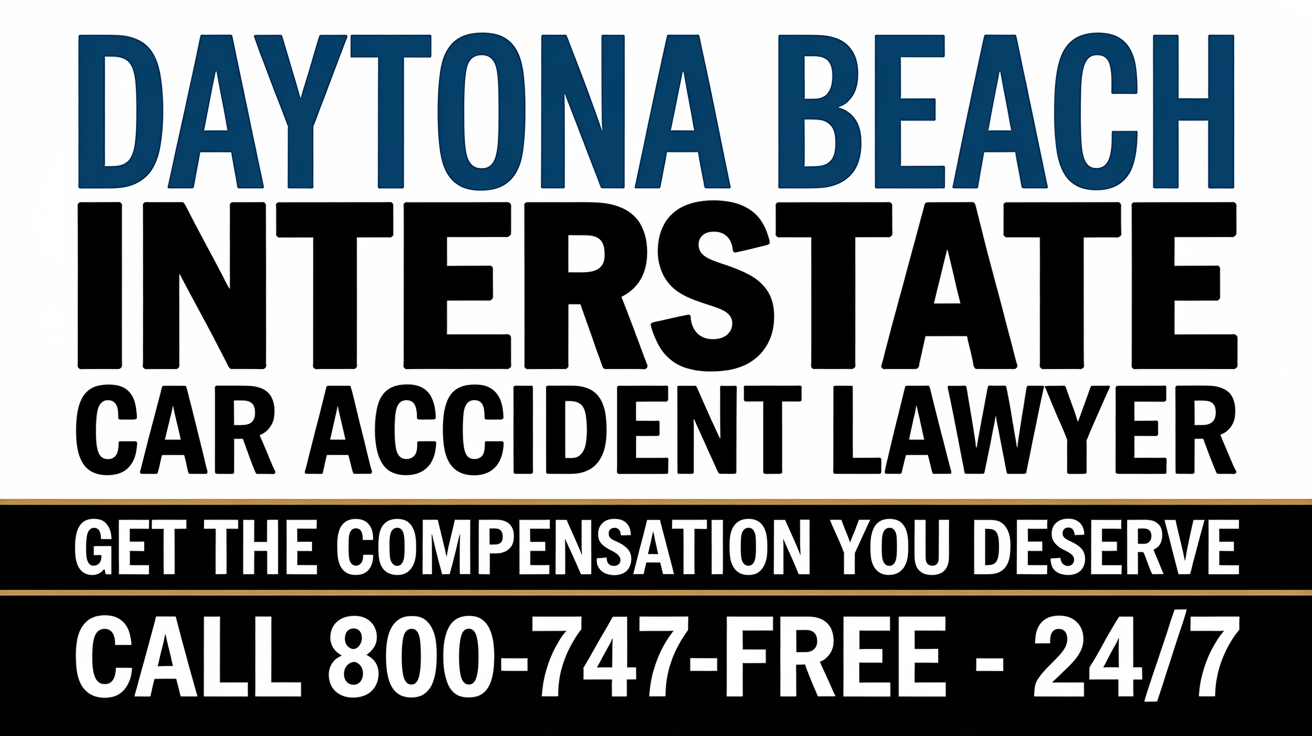
Interstate collisions in Daytona Beach often result from preventable driving behaviors that create serious risks at high speeds. Common causes include distracted driving, speeding and tailgating, impaired driving, and unsafe lane changes, each of which can reduce reaction time and increase crash severity. Understanding these factors helps clarify how liability may arise after an interstate accident.
Distracted Driving
Distracted driving frequently contributes to serious interstate collisions in Daytona Beach, particularly when drivers divert their attention from fast-moving traffic, lane changes, and sudden slowdowns. Even a brief lapse can prevent a driver from recognizing brake lights, road debris, merging vehicles, or emergency responders assisting others. Cell Phone Diversion remains a significant concern because calls, navigation adjustments, and notifications compete with the attention required for safe interstate travel.
Texting While Driving is especially dangerous because it combines visual, manual, and cognitive distractions at times when careful judgment is critical. For those committed to protecting others, recognizing distraction as preventable is important. Attorneys reviewing these crashes may examine phone records, witness statements, vehicle data, and roadway evidence to determine whether inattention contributed to victims’ injuries and losses.
Speeding And Tailgating
Speeding and tailgating often create severe hazards on Daytona Beach interstates, where traffic speeds are high and reaction time is limited. When drivers exceed safe limits, they reduce the time available to notice slowing vehicles, lane changes, or roadway obstructions. Tailgating compounds this danger by eliminating proper Traffic lane spacing, making rear-end and chain-reaction collisions more likely.
These behaviors may reflect aggressive driving, especially when motorists weave through traffic, pressure other drivers, or ignore safe following distances. For those committed to serving injured people, understanding these causes helps identify preventable conduct and support accountability. Careful review of crash reports, witness statements, and roadway conditions may reveal whether excessive speed or an unsafe following distance contributed to the collision and the resulting harm to victims and their families.
Impaired Driving
When drivers operate a vehicle under the influence of alcohol, drugs, or impairing medications, the risk of a serious interstate crash increases sharply. On busy Daytona Beach routes, reduced judgment, delayed reaction time, and poor coordination can prevent a driver from responding safely to traffic conditions. Drunk driving may lead to devastating injuries for occupants, nearby motorists, and families who depend on them.
Law enforcement may use alcohol testing and roadside sobriety evaluations to assess impairment after a suspected crash or traffic stop. These findings can also influence civil claims, insurance disputes, and related investigations. Although DUI penalties address criminal accountability, injured people may still need compensation for medical care, lost income, and long-term support. Careful evidence review helps identify impairment and protect those harmed.
Unsafe Lane Changes
Although lane changes are routine on interstate highways, unsafe merging or lane changes can quickly cause a serious Daytona Beach car accident. Drivers who fail to check blind spots, misjudge speed, or move without adequate spacing place nearby motorists at immediate risk. On busy routes such as I-95 and I-4, limited reaction time can prevent surrounding drivers from avoiding a sideswipe or rear-end collision, or a multi-vehicle crash.
Unsafe lane changes may involve signaling violations, abrupt lane departures, or drifting due to distraction or fatigue. These actions can be especially dangerous near entrance ramps, construction zones, and heavy traffic patterns. Careful investigation may help identify unsafe merging, witness statements, vehicle damage, and roadway evidence. For those serving injured individuals, recognizing these factors supports accountability and promotes safer interstate travel.


Legal Rights of Daytona Beach Interstate Car Accident Injury Victims
After an interstate collision in Daytona Beach, injured victims may have vital legal rights involving medical benefits, lost income, property damage, and compensation for pain and suffering. These rights often depend on timely documentation, careful claim presentation, and a clear understanding of Florida law.
Legal guidance can help protect vulnerable people while supporting families, caregivers, and community members who serve them during recovery.
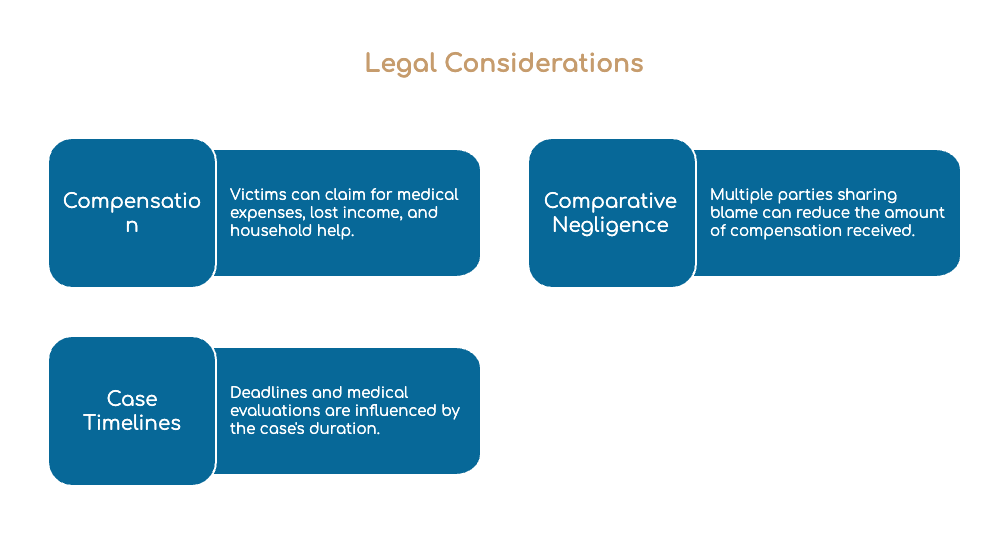
- Victims may seek compensation for hospital care, rehabilitation, medication, reduced earning capacity, and necessary household assistance.
- Comparative negligence may affect recovery when more than one party shares fault, making a thorough review of the evidence vital.
- Case timelines can influence filing deadlines, insurance negotiations, medical evaluations, and the ability to preserve witness testimony.
A Daytona Beach interstate car accident claim may also involve communication with insurers, repair estimates, and documentation of ongoing limitations. When handled carefully, the legal process can provide structure, accountability, and meaningful support for injured individuals seeking stability after serious harm.
Why Do Daytona Beach Interstate Car Accident Injuries Happen?
Understanding legal rights also requires examining the conditions that commonly lead to serious interstate injuries in Daytona Beach. Interstate crashes often arise from speeding, unsafe lane changes, tailgating, distracted driving, fatigued operators, and impaired judgment. Heavy tourist traffic, commercial trucks, motorcycles, and sudden congestion near exits can increase the risk of severe impacts. Poor weather, limited visibility, roadway debris, and construction zones may further reduce reaction time, placing cautious drivers and passengers in danger.
These collisions can cause traumatic injuries because interstate speeds leave little margin for error. When a negligent driver lacks adequate insurance, uninsured motorist claims may become central to protecting an injured person’s recovery. In fatal cases, families may later seek Wrongful death settlements to address financial losses and accountability. Understanding these causes helps legal professionals, caregivers, and community advocates recognize how preventable conduct can cause lasting harm to victims who relied on others to exercise reasonable care.
What Should You Do After a Daytona Beach Interstate Car Accident Injury?
After a Daytona Beach interstate car accident injury, the injured person should seek immediate medical care, even when symptoms appear minor. The crash should be reported to law enforcement so that an official record documents the location, parties involved, and initial findings. If it can be done safely, gathering evidence such as photographs, witness information, and insurance details may help preserve important facts.
Seek Immediate Medical Care
Medical treatment should be the first priority for anyone injured in a Daytona Beach interstate car accident, even when symptoms appear minor at the scene. Prompt evaluation helps identify concussions, internal injuries, spinal trauma, and soft tissue damage that may worsen without care. It also creates medical records that connect the injury to the collision, supporting future claims and responsible advocacy for the injured person’s needs.
Following all treatment instructions, attending appointments, and documenting symptoms demonstrates diligence and protects health. These steps also help in Surviving insurance tactics, because insurers may argue delayed care means the injury was unrelated or less serious. When conditions are complex, hiring expert witnesses may help explain diagnosis, treatment, and long-term limitations. Immediate care therefore serves both recovery and accountability.
Report The Crash
Once injuries are addressed and the scene is secure, the crash should be reported to law enforcement as soon as possible. On Daytona Beach interstates, an official report helps protect the injured person, other motorists, and the broader public. Officers can coordinate emergency needs, manage traffic hazards, and record necessary facts before accounts become unclear. A prompt report also supports documenting injuries, especially when symptoms worsen after the initial response.
Those assisting an injured person should provide accurate information, avoid speculation, and ensure the officer is aware of any visible pain or the need for medical transport. Reporting also helps preserve eyewitness accounts, as officers may identify drivers, passengers, or bystanders with relevant observations. This process creates a reliable foundation for insurance review, legal evaluation, and responsible accountability after a serious interstate collision.
Gather Evidence Safely
When it can be done without increasing danger, evidence should be gathered carefully at the scene of a Daytona Beach interstate crash. Injured persons, helpers, or witnesses may photograph vehicle positions, road conditions, skid marks, debris, traffic signs, weather, and visible injuries. They should remain in a secure location, avoid traffic lanes, and follow law enforcement directions.
Names, phone numbers, license plates, insurance details, and witness statements can support after-crash documentation. Dashcam footage, nearby business cameras, and emergency response records may also become important. Evidence protection requires the preservation of damaged property, medical records, repair estimates, and communications with insurers. No one should interfere with responders or move objects unless safety requires it. Careful collection serves the injured person, assists investigators, and supports fair accountability later.
Critical Evidence in a Daytona Beach Interstate Car Accident Injury Case
Alternative evidence in a Daytona Beach interstate car accident injury case can help establish fault, causation, and the extent of damages. Alternative evidence may include:
- Police crash reports and traffic camera footage
- Witness statements from drivers, passengers, or bystanders
- Vehicle damage evidence, including photographs and repair assessments
Police Crash Reports
After an interstate collision in Daytona Beach, the police crash report often becomes one of the first structured records of what occurred. It may identify drivers, passengers, insurers, roadway conditions, citations, witness information, and the officer’s preliminary observations. A person assisting an injured victim may request copies of police reports through the appropriate law enforcement agency, then review the details for accuracy and any missing information.
Although the report can guide an investigation, its use in court may depend on Florida evidence rules, including limits on hearsay and opinions. For that reason, attorneys often compare the report with medical records, vehicle damage, witness statements, and emergency response notes. Careful review helps preserve facts, correct errors, and support a responsible claim process focused on the injured person’s needs.
Traffic Camera Footage
Because interstate collisions often unfold in seconds, traffic camera footage may provide an objective view of vehicle movement, lane changes, braking, weather, congestion, and the timing of impact. For an injured person and those assisting in the recovery process, this footage can help clarify how the crash occurred and whether another driver, a commercial carrier, or roadway conditions contributed to the harm.
Prompt requests are important because public agencies and private systems may retain recordings for limited periods. Legal teams may coordinate traffic camera requests with dashcam video preservation, vehicle data review, and medical records retrieval to build a consistent timeline of evidence. When properly obtained and authenticated, video can support liability analysis, damages evaluation, and negotiations with insurers, while helping protect the injured person’s right to fair compensation.
Witness Statements
When an interstate crash involves several vehicles or conflicting accounts, witness statements can help establish what happened before, during, and after the collision. Neutral observers may describe lane changes, braking, speeding, distracted driving, unsafe merging, or road conditions that affected the sequence of events. Their accounts can support Accident reconstruction by providing details not captured in official reports or camera footage.
Attorneys often evaluate eyewitness credibility by reviewing the witness’s location, opportunity to observe, consistency, and lack of personal interest in the outcome. Promptly identifying witnesses is important because memories may fade and contact information may become unavailable. In a Daytona Beach interstate injury case, reliable statements can strengthen a claim, clarify responsibility, and help ensure injured persons receive just consideration through a careful, service-focused legal process.
Vehicle Damage Evidence
In a Daytona Beach interstate car accident injury case, vehicle damage evidence can reveal how the collision occurred, the severity of the impact, and which party’s account is most consistent with the physical facts. Crushed panels, broken glass, paint transfer, intrusion points, and airbag deployment may help reconstruct the sequence of events. This evidence can also support fault causation by showing whether a vehicle was struck from behind, sideswiped, or pushed into another lane.
When reviewed with photographs, repair estimates, black box data, and Surveillance evidence, damage patterns may confirm or challenge witness statements. Careful preservation of the vehicles before repairs or disposal protects the injured person’s ability to present a complete claim and helps responsible advocates pursue fair accountability for the harm caused.
Long-Term Effects of Daytona Beach Interstate Car Accident Injuries
Daytona Beach interstate car accident injuries can produce lasting consequences, including chronic pain complications that limit mobility, employment, and daily function. Emotional trauma may also persist, affecting sleep, concentration, and overall quality of life long after the collision. Ongoing medical costs, rehabilitation expenses, and future care needs often become central issues when evaluating the full impact of an injury claim.
Chronic Pain Complications
Following a serious interstate collision, chronic pain may become one of the most disruptive long-term complications an injury victim faces. Persistent neck, back, shoulder, or nerve pain can limit mobility, reduce earning capacity, and interfere with daily caregiving responsibilities. For individuals committed to serving others, these limitations may be especially burdensome, as pain can restrict dependable work, volunteer efforts, and family support.
Medical documentation is critical to show how ongoing pain affects function, treatment needs, and future costs. Physicians may recommend therapy, injections, surgery, or long-term prescriptions, each carrying potential medication side effects that must be considered. A Daytona Beach interstate car accident lawyer may use this evidence to develop settlement negotiation strategies that reflect continued care, diminished productivity, and the lasting burden of chronic pain.
Emotional Trauma Effects
Physical pain is not the only long-lasting outcome of an interstate collision, as many injury victims also experience emotional trauma that affects judgment, steadiness, and daily functioning. After a serious crash, post-accident symptoms may include fear of driving, sleep disruption, irritability, intrusive memories, and withdrawal from family or work. These reactions can be intensified when traumatic brain injuries alter mood, concentration, or impulse control.
In some cases, untreated distress develops into anxiety disorders, depression, or post-traumatic stress, limiting a person’s ability to serve, care for others, or meet responsibilities. Emotional recovery often requires structured support, patient advocacy, and careful documentation of how psychological harm changes everyday life. Recognizing these effects helps ensure that injury claims accurately and with dignity reflect the full human impact of interstate collisions.
Ongoing Medical Costs
Severe interstate crash injuries often create medical needs that continue long after emergency treatment ends. Victims may require surgeries, rehabilitation, medication, mobility equipment, follow-up imaging, or in-home assistance. These costs can burden families and caregivers who are already working to support recovery with patience and dignity. A careful review of the Insurance claim timeline helps identify when expenses arise and whether future treatment has been properly documented.
Medical providers, life-care planners, and financial records may clarify the probable cost of ongoing care. This information can shape a settlement negotiation strategy that accounts for both present bills and anticipated needs. Without a complete evaluation, compensation may fall short, leaving injured people without necessary resources to maintain stability, independence, and appropriate medical support over time after serious trauma.
Proving Liability in Daytona Beach Interstate Car Accident Injury Cases
Because interstate crashes often involve high speeds, multiple vehicles, and conflicting accounts, establishing liability in a Daytona Beach car accident injury case requires a thorough review of the facts. Investigators may examine police reports, crash-scene photographs, vehicle damage, traffic-camera footage, black box data, witness statements, and medical records to determine how the collision occurred and who acted negligently.
Evidence preservation is especially important when roadway conditions, vehicle positions, or electronic data may change or disappear quickly. Prompt action can help protect information that supports an injured person’s claim and clarifies responsibility.
Florida’s Comparative negligence rules may also affect recovery when more than one party shares fault. A driver, trucking company, vehicle owner, or other responsible party may be evaluated based on specific conduct, such as speeding, unsafe lane changes, distraction, or failure to maintain control. Careful liability analysis helps ensure injured individuals are treated fairly and responsibly.
Dealing With Insurance Companies After a Daytona Beach Interstate Car Accident Injury
Once liability evidence begins to demonstrate how an interstate collision occurred, insurance companies often become central to the injury claim process. Their representatives may request statements, medical authorizations, repair information, or employment details, often while the injured person is still receiving care. Careful communication is important because incomplete remarks or broad releases can affect how injuries and losses are evaluated.
A Daytona Beach interstate car accident lawyer may assist by reviewing insurer requests, preserving evidence, records, photographs, treatment notes, and crash documentation before information is shared. This support helps protect the injured person’s position while allowing necessary claim materials to move forward.
Negotiating medical bills, coverage issues, and reimbursement demands also requires attention to policy language, lien rights, and the full impact of the injury. For individuals dedicated to serving their families and communities, organized insurance communication can reduce confusion and help ensure that recovery needs are presented accurately, respectfully, and thoroughly.
What to Expect During a Daytona Beach Interstate Car Accident Injury Claim Process
A Daytona Beach interstate car accident injury claim typically begins with an initial case evaluation, where the facts, injuries, and available insurance coverage are reviewed. The process often continues with accident investigation steps, including evidence collection, witness review, and liability analysis before insurance claim negotiations begin. If negotiations do not result in a fair settlement, the claim may proceed toward litigation, where a court may determine fault and compensation.
Initial Case Evaluation
During an initial case evaluation, a Daytona Beach interstate car accident lawyer examines the facts needed to determine whether an injury claim has legal and financial value. This review typically addresses the client’s injuries, medical care, employment impact, available insurance coverage, and the circumstances reported by involved parties. The lawyer may identify immediate Evidence preservation strategies, including safeguarding photographs, medical records, repair estimates, and written communications.
This early guidance helps protect information that may later support accountability and fair compensation. The evaluation also considers Insurance negotiation tactics, such as gauging policy limits, fault issues, and potential defenses before discussions with insurers begin. For individuals focused on serving family, patients, students, or the community, this step provides structure, informed direction, and a measured path forward after a serious interstate collision.
Accident Investigation Steps
Investigating an interstate collision begins with a careful review of how the crash occurred, who may be legally responsible, and what evidence can confirm the sequence of events. A legal team may examine police reports, scene photographs, vehicle damage, roadway conditions, surveillance footage, and witness accounts. This process also includes identifying Overlooked Crash Evidence, such as debris patterns, electronic vehicle data, maintenance records, or nearby commercial camera recordings.
In serious Daytona Beach interstate crashes, prompt investigation helps preserve information before it is lost, repaired, or forgotten. Attorneys may also monitor early communications from insurers, especially when Insurance Delay Tactics could interfere with timely fact gathering. A thorough investigation supports injured individuals by building an accurate record, promoting accountability, and helping ensure that those harmed receive informed guidance.
Insurance Claim Negotiations
After the initial investigation identifies liability and damages, insurance claim negotiations typically become the next major stage in a Daytona Beach interstate car accident injury claim. During this phase, the injured person’s representative may submit medical records, wage information, vehicle loss details, and evidence of how the crash affected daily functioning in family, work, and community.
Adjusters often review fault, treatment consistency, and future care needs before making an offer. Careful organization supports Surviving Legal Deadlines because missed notice requirements or delayed submissions can weaken the claim. Practical Pain Documentation Tips include recording symptoms, appointments, limitations, and medication effects in a consistent journal. Clear records help explain losses without exaggeration. Negotiations require patience, accurate valuation, and disciplined communication with insurers throughout each exchange.
Settlement Or Litigation
When insurance negotiations do not produce a fair resolution, the claim may proceed toward settlement refinement or formal litigation. At this stage, counsel reviews liability evidence, medical documentation, wage loss records, and future care needs to determine whether continued negotiation serves the injured person’s interests. Careful evaluation of settlement offers helps identify proposals that fall short of full compensation while still considering the value of timely resolution.
If litigation becomes necessary, pleadings, discovery, depositions, and expert review may follow. Trial strategy planning then guides how evidence is organized, witnesses are prepared, and damages are presented. Throughout the process, the goal remains service-centered: pursuing accountability, protecting the claimant’s dignity, and seeking resources that support recovery, family stability, and responsible reintegration into daily life after a serious interstate collision.
Compensation for Daytona Beach Interstate Car Accident Injury Damages
Because interstate collisions often involve high speeds, commercial vehicles, and severe impact forces, compensation for Daytona Beach interstate car accident injury damages may extend well beyond immediate medical bills. A claim may require careful documentation of emergency care, follow-up treatment, rehabilitation needs, medication costs, assistive devices, and future medical recommendations. When injuries disrupt family responsibilities, caregiving roles, employment, or community service, those losses should be presented accurately and with dignity.
A Daytona Beach interstate car accident lawyer may also address disputes involving Insurance coverage denial, delayed payment, or attempts to shift fault. Strong evidence, including crash reports, medical records, witness statements, and expert opinions, can support a fair demand. In serious cases, pain settlement valuation must reflect the injury’s lasting effect without exaggeration or omission. The goal is to pursue compensation that helps the injured person regain stability, meet ongoing needs, and continue serving others with restored security and reasonable peace of mind.
Economic vs Non-Economic Damages in Daytona Beach Interstate Car Accident Cases
In Daytona Beach interstate car accident cases, damages are commonly divided into economic losses and non-economic harms. Economic losses require proof through records such as medical bills, wage statements, and repair estimates, while pain and suffering must be valued through the severity and lasting impact of the injuries. Interstate crash claims often require careful documentation, because the full measure of compensation depends on both financial evidence and credible proof of personal harm.
Proving Economic Losses
Economic losses after a Daytona Beach interstate car accident must be proven with clear documentation, credible records, and a direct connection to the crash. These losses may include medical bills, rehabilitation costs, lost wages, reduced earning capacity, vehicle repair expenses, and other measurable financial burdens. Attorneys often gather invoices, employment records, tax documents, repair estimates, and expert evaluations to establish the full extent of harm.
Insurance claim timing can affect whether evidence is preserved, deadlines are met, and benefits are pursued without unnecessary delay. Florida comparative negligence may also influence recovery if fault is shared, making accurate proof especially important. Careful documentation helps protect injured people and supports fair accountability, allowing those who serve victims to present losses accurately, consistently, and professionally in negotiations or litigation.
Valuing Pain Suffering
Although financial records can show the cost of treatment or missed work, pain and suffering requires a different form of evaluation in Daytona Beach interstate car accident cases. Non-economic damages may reflect physical discomfort, emotional distress, loss of mobility, disrupted sleep, and reduced ability to serve family, work, or community. Attorneys often compare these harms with Economic damages documentation, including medical billing records, diagnostic findings, therapy notes, and wage information, to present a complete picture of loss. The evaluation may also consider injury severity, recovery length, permanency, and daily limitations. Because pain is personal, credible evidence matters. Consistent medical care, clear descriptions of symptoms, and statements from close observers can help demonstrate how the crash changed ordinary life in meaningful and lasting ways.
Interstate Crash Claims
Pain and suffering damages are only one part of the broader financial analysis required after an interstate collision in Daytona Beach. Economic damages may include ambulance bills, hospital care, rehabilitation, prescriptions, lost income, reduced earning capacity, and vehicle replacement. These losses are usually supported by records, invoices, wage statements, and professional evaluations.
Non-economic damages address harm that is harder to measure, including physical discomfort, emotional distress, inconvenience, and loss of daily function. A careful claim also considers Florida Insurance requirements, available policy limits, and whether additional coverage may apply. Comparative Fault can reduce recovery when multiple drivers share responsibility, making evidence preservation vital. For those serving injured people, organized documentation, witness accounts, and medical follow-up help present a complete, reliable picture of damages after a serious interstate crash.
When a Daytona Beach Interstate Car Accident Injury Case Goes to Trial vs Settlement
When an interstate crash claim in Daytona Beach cannot be resolved through negotiation, the case may proceed toward trial, where liability, damages, and the credibility of the evidence are tested before a judge or jury. Settlement often remains appropriate when the available proof clearly supports compensation, and the insurer acts in good faith. Trial may become necessary when fault is disputed, injuries are minimized, or losses are undervalued despite well-documented harm.
A careful legal evaluation considers medical records, crash reports, witness accounts, expert opinions, and future care needs. Insurance negotiation tactics may include delaying, selectively reviewing records, or applying pressure to accept less than the claim is worth.
For those committed to helping injured people regain stability, evidence preservation tips include securing photographs, vehicle data, medical documentation, repair records, and communication logs. Whether resolving the matter by settlement or presenting it at trial, the goal remains accountability and fair recovery.
Florida Laws That May Affect Your Daytona Beach Interstate Car Accident Case
Because interstate collisions often involve serious injuries and multiple sources of insurance coverage, several Florida laws may directly affect the value and direction of a Daytona Beach car accident case. These rules help injured people, families, insurers, and legal advocates evaluate responsibility with fairness, accuracy, and service-minded care.
- Liability proof: A claimant must connect the other driver’s conduct to the crash, often through police reports, witness statements, medical records, and roadway evidence.
- Comparative negligence: Florida law may reduce compensation when an injured person shares fault, making careful investigation necessary before assigning blame.
- Reporting requirements: Serious crashes generally must be reported to law enforcement, especially when injuries, deaths, or significant property damage occur.
Coverage issues may also shape recovery. Uninsured motorists coverage can be important when an at-fault driver lacks adequate insurance. Careful review of policies, crash facts, and medical documentation can support a responsible path toward resolution.
The Statute of Limitations for Daytona Beach Interstate Car Accident Injury Cases
After considering fault, insurance coverage, and reporting duties, an injured person must also account for the legal deadline that controls the right to file a lawsuit. In Florida, most negligence claims arising from interstate car accidents must be filed within two years of the crash date. Missing this deadline can bar recovery, even when injuries are severe, and liability appears clear.
This limitation period also matters when related issues remain unresolved, such as Uninsured motorists coverage, delayed medical treatment, or ongoing discussions with insurers. Time can affect the availability of records, witness recollections, and evidence needed to address Comparative negligence defenses. Families and caregivers who support an injured person should encourage prompt organization of medical bills, crash reports, employment records, and communication from insurance companies. When service to others includes protecting their legal options, awareness of this deadline is critical. Certain exceptions may apply, but they are limited and should not be assumed.
How a Daytona Beach Interstate Car Accident Lawyer Can Help You
How can legal representation change the course of an interstate car accident claim in Daytona Beach? A lawyer can organize the claim, protect the injured person’s interests, and help pursue compensation with disciplined attention to facts. This support is especially valuable when injuries affect a person’s ability to work, care for family, or continue serving the community.
A Daytona Beach interstate car accident lawyer may assist by:
- Gathering Personal Injury Proofs, including medical records, crash reports, witness statements, and expert evaluations.
- Developing an Insurance Claim Strategy that addresses liability disputes, policy limits, and insurer delay tactics.
- Calculating damages for medical care, lost income, pain, vehicle loss, and long-term recovery needs.
Through careful preparation, counsel can present a claim that is complete, credible, and supported by evidence. This allows injured individuals to focus on recovery, stability, and continued responsibility to those who depend on them.
When to Contact a Daytona Beach Interstate Car Accident Lawyer
When injuries, vehicle damage, or disputed fault arise from an interstate crash, contacting a Daytona Beach interstate car accident lawyer early can help preserve evidence and protect the claim from avoidable mistakes. Prompt guidance is especially important when medical treatment is ongoing, insurance adjusters request statements, or commercial vehicles, multiple drivers, tourists, or public agencies may be involved.
Families should also seek legal guidance quickly after fatal collisions, as Wrongful death claims often require careful documentation, timely notices, and respectful coordination among surviving relatives. Delays can lead to evidence preservation mistakes, including lost dashcam footage, repaired vehicles, erased trucking records, or missing witness details.
A lawyer should be contacted before accepting a settlement, signing broad releases, or providing recorded statements that may affect recovery. Early action supports accountability, helps injured people focus on recovery, and allows families to serve their loved ones’ interests with diligence, steadiness, and informed care.
Why You Need an Experienced Daytona Beach Interstate Car Accident Lawyer
Early legal involvement can protect a claim, but the quality of that representation often determines how effectively the case is investigated, valued, and presented. Interstate crashes in Daytona Beach may involve multiple vehicles, commercial carriers, roadway hazards, and overlapping insurance issues. An experienced lawyer understands how to identify responsible parties, preserve evidence, and evaluate losses with care for the injured person’s long-term needs.
These cases often require review of Negligent maintenance, trucking compliance, driver logs, black box data, and vehicle inspections. Without focused legal knowledge, important facts may be missed or lost. Skilled counsel can coordinate investigators, medical documentation, and expert analysis, helping ensure that the harm suffered is fully explained.
This support allows injured individuals and families to focus on healing, stability, and service to one another while the legal process is handled with discipline. Experience also helps anticipate defense arguments, challenge incomplete reports, and pursue fair accountability under Florida law.
How to Choose the Right Daytona Beach Interstate Car Accident Lawyer for Your Case
Choosing the right Daytona Beach interstate car accident lawyer begins with evaluating whether the attorney has direct experience handling serious highway collision claims, including cases involving commercial vehicles, multi-car crashes, disputed liability, and elaborate insurance coverage. A qualified lawyer should understand how interstate conditions, federal trucking rules, accident reconstruction, and medical documentation affect recovery efforts.
The selection process should also consider Client communication, since injured individuals and their families often need consistent guidance while managing treatment, transportation, employment concerns, and caregiving responsibilities. A dependable attorney explains legal options clearly, provides timely updates, and remains accessible when important decisions arise.
Prospective clients should review the fee structure before signing any agreement, including whether the lawyer works on a contingency basis and what costs may be deducted from a settlement or verdict. Careful attention to experience, communication practices, and financial terms helps families choose representation that supports service, stability, and responsible advocacy.
About The Law Offices of Anidjar & Levine
The Law Offices of Anidjar & Levine represents injured individuals and families in Daytona Beach and throughout Florida, including those affected by serious interstate car accidents.
The firm focuses on helping clients pursue accountability after crashes that cause physical harm, financial strain, and disruption to family life.
Its attorneys evaluate each case with attention to evidence, liability, insurance coverage, and damages.
Their Legal Team Experience includes handling complex collisions involving speeding, distracted driving, commercial vehicles, and multi-car incidents on major roadways.
By reviewing police reports, medical records, witness statements, and Car Accident Statistics, the firm works to build claims that reflect the full impact of each loss.
The firm also emphasizes responsive service, allowing clients to focus on recovery while legal professionals manage communications, deadlines, and negotiations.
Through structured advocacy and consistent guidance, The Law Offices of Anidjar & Levine supports those seeking justice after preventable interstate accidents.
Frequently Asked Questions
Can Out-Of-State Drivers File Claims After a Daytona Beach Interstate Crash?
Yes, out-of-state drivers may file claims after a Daytona Beach interstate crash if Florida law permits recovery. Out-of-state notice requirements, claim deadlines, insurance cooperation, and jurisdiction rules may affect the process. A claimant should report the collision promptly, preserve records, and respond to insurer requests. When injuries or service-related losses are involved, careful legal guidance helps protect rights, coordinate benefits, and pursue fair compensation.
Which Interstate Highways Near Daytona Beach Have the Most Car Accidents?
I-95 and I-4 typically see the most serious car accidents near Daytona Beach, especially where commuter, tourism, and freight traffic converge. I-4 congestion hotspots near interchanges increase rear-end and lane-change collisions, while I-95 experiences high-speed crashes during peak travel periods. Although A1A is not an interstate, A1A overlap crashes near beach access routes also affect emergency response, requiring careful service to injured residents, visitors, and families.
Can Tourists Hire a Daytona Beach Lawyer After Returning Home?
Yes, tourists may hire a Daytona Beach lawyer after returning home, and they should act promptly to protect evidence and deadlines. Post-visit guidance can help injured visitors understand medical records, insurance communications, and Florida procedures. Remote legal help often allows consultations, document review, and case updates without travel. A qualified attorney may coordinate local filings, support fair claim handling, and diligently serve the client’s interests.
Do Interstate Work Zones Affect Accident Claims in Daytona Beach?
Yes, interstate work zones can materially affect accident claims in Daytona Beach. Investigators may examine traffic signage, lane closure procedures, speed reductions, worker safety measures, and driver compliance. Liability may involve motorists, contractors, government entities, or maintenance companies, depending on negligence. For those serving injured persons, careful preservation of evidence, including photographs, reports, and witness accounts, is crucial. Work-zone conditions often complicate fault analysis and may influence compensation.
Are Rental Car Crashes Handled Differently After Accidents on the Daytona Beach Interstate?
Rental car crashes may be handled differently because multiple contracts and insurers can affect responsibility. Rental coverage, the driver’s personal policy, credit card benefits, and the rental company’s terms may all require review. Investigators serving injured parties should promptly secure witness statements, crash reports, photographs, and rental agreements. Liability still depends on negligence, road conditions, and damages, but claim coordination is often more intricate than with privately owned vehicles.
—————————
Interstate car accidents in Daytona Beach can cause serious injuries, financial strain, and complex legal questions.
A qualified attorney can evaluate liability, preserve evidence, manage communications with insurers, and pursue compensation for medical care, lost income, and related losses.
Prompt legal guidance may protect important rights and strengthen a claim.
The Law Offices of Anidjar and Levine provides experienced representation for injured clients seeking accountability after a Daytona Beach interstate collision.
To learn more, contact a Daytona Beach Car Accident Lawyer.