The Law Offices of Anidjar and Levine helps injured victims prove fault after red-light, rolling-turn, or right-of-way crashes. A Daytona Beach Car Accident Lawyer may preserve traffic camera footage, review police reports, obtain witness statements, analyze vehicle damage, and address comparative negligence defenses. Legal support can also help document medical care, lost income, pain, mobility limits, and future treatment needs.
The sections below explain how these claims are evaluated, built, and pursued under Florida law.
Main Takeaways
- A Daytona Beach lawyer can investigate how a traffic signal violation caused the crash and resulting injuries.
- Key evidence may include police reports, witness statements, traffic camera footage, signal timing data, and vehicle damage.
- Common causes include red-light running, rolling right turns, distracted driving, speeding, impairment, and poor visibility.
- Pedestrians and cyclists face heightened risks when drivers ignore signals or fail to scan crosswalks and intersections.
- Legal help can address insurance coverage, comparative negligence defenses, and claims for fair compensation.


How We Can Help With Your Daytona Beach Failure To Obey Traffic Signal Accident Injury Claim
When a driver fails to obey a traffic signal, the resulting crash can leave an injured person facing medical bills, lost income, vehicle damage, and uncertainty about liability. A Daytona Beach accident lawyer can provide organized support by investigating the collision, preserving evidence, reviewing police reports, obtaining witness statements, and evaluating available insurance coverage. This work helps establish how the violation caused the injury and what losses should be included in the claim.
A lawyer may also calculate damages with care, including treatment costs, future medical needs, lost wages, pain, and reduced daily functioning. When misconduct is especially reckless, punitive damages may also be considered under Florida law. Effective representation includes a focused Negotiation strategy, designed to present the claim clearly, respond to insurer objections, and pursue fair compensation without unnecessary delay. With steady guidance, the legal team helps the injured person maintain personal stability while continuing to fulfill family, work, and community responsibilities.
OUR CONSULTATIONSARE FREE
START YOUR FREE CASE REVIEW

Understanding Daytona Beach Failure To Obey Traffic Signal Accident Injury Cases
Although traffic signal violations may appear straightforward, these accident injury cases often require careful analysis of timing, visibility, driver conduct, and roadway conditions. In Daytona Beach, an injury claim may depend on whether a driver failed to stop, entered an intersection unlawfully, or ignored a protected turn indication. Traffic Signal Basics help establish what each road user was required to do at the moment of impact, including motorists, pedestrians, cyclists, and service vehicles responding to community needs.
Liability is generally evaluated under Florida Negligence Standards, which consider whether a person acted with reasonable care under the circumstances. Evidence may include signal sequencing data, police reports, witness accounts, vehicle damage, and medical documentation.
A careful review can distinguish a clear violation from a disputed intersection event. For injured individuals and those assisting them, understanding these legal elements supports informed decisions, preserves important evidence, and promotes accountability after a serious traffic signal accident.
Common Causes of Daytona Beach Failure To Obey Traffic Signal Accident
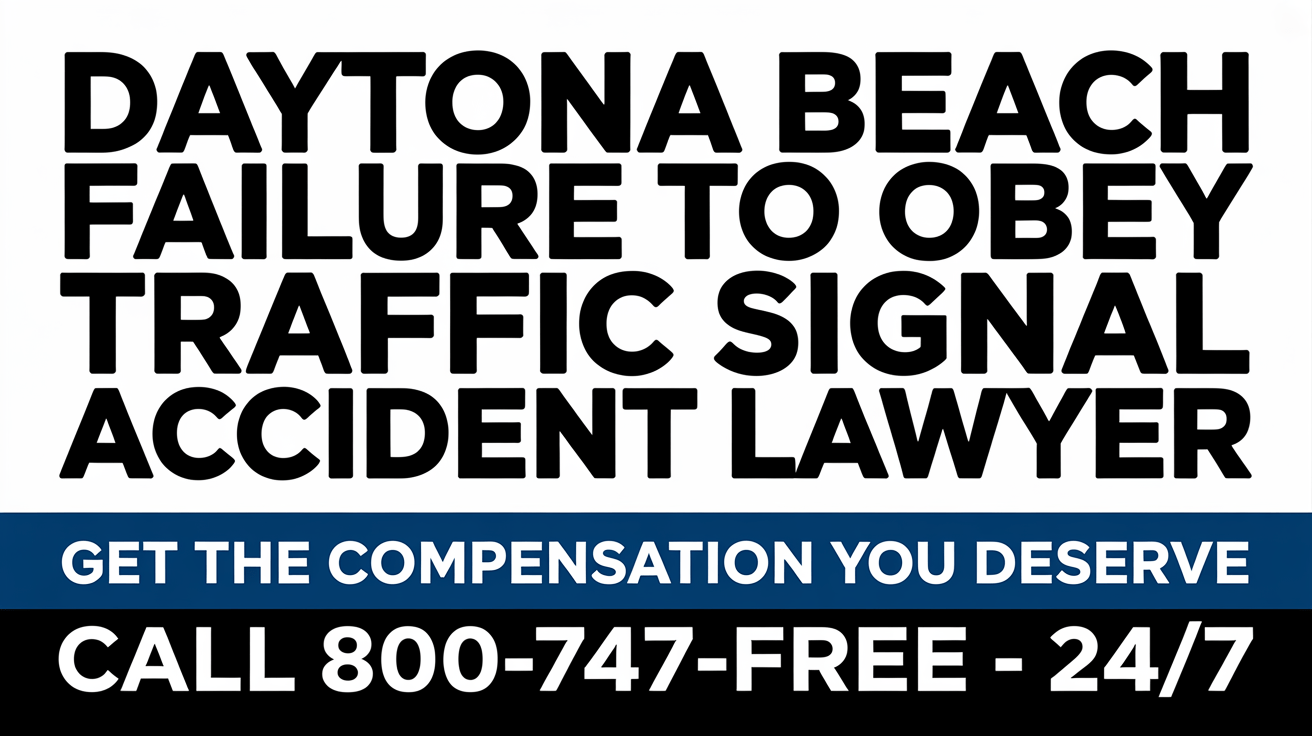
Failure to obey traffic signals in Daytona Beach often results from predictable driver behaviors and roadway conditions. Common causes include distracted driving, speeding through intersections, impaired driving, and poor weather conditions, each of which can reduce reaction time and increase collision risk. Identifying these factors is vital for evaluating fault, liability, and the circumstances surrounding an intersection accident.
Distracted Driving
Because traffic signals require constant attention and timely judgment, distracted driving is a frequent cause of failure-to-obey-traffic-signal accidents in Daytona Beach. Drivers who glance away from the roadway may miss a red light, delayed signal change, or pedestrian movement. Distracted driving risks increase when attention is divided between traffic conditions and in-vehicle tasks.
Phone use habits, including checking notifications or adjusting navigation, can reduce the awareness needed to respond lawfully at intersections. The dangers of texting are especially significant because it combines visual, manual, and cognitive distractions. For individuals committed to protecting others, preventing distracted driving requires purposeful choices, such as silencing devices, planning routes before departure, and allowing passengers to assist. These measures support safer decisions and reduce preventable harm at controlled intersections.
Speeding Through Intersections
Speeding through intersections presents another common cause of failure-to-obey traffic signal accidents in Daytona Beach, particularly when drivers misjudge signal timing or attempt to clear an intersection before a light turns red. Higher speeds reduce the time available to observe changing signals, yield to crossing traffic, or recognize a pedestrian right of way. This conduct can place careful road users, including children, older adults, cyclists, and service providers traveling between appointments, in serious danger.
Limited intersection visibility may further increase risk, especially near parked vehicles, turning lanes, signage, or heavy traffic congestion. When a driver enters too fast, even a lawful green or yellow signal may become hazardous. Investigations often examine speed, braking distance, signal phase, roadway design, and witness accounts to determine responsibility.
Impaired Driving
Impaired driving is a significant factor in Daytona Beach failure-to-obey traffic signal accidents, as alcohol, controlled substances, and certain medications can reduce a driver’s judgment, reaction time, and ability to recognize traffic control devices. When impaired motorists approach intersections, they may misread red lights, disregard stop signals, or fail to yield to pedestrians and other vehicles.
These decisions can create severe collisions, especially in areas with heavy foot traffic, where Pedestrian injuries may result from a single delayed response. Intersection safety depends on attentive driving, lawful decision-making, and respect for signals designed to coordinate traffic flow. Attorneys evaluating these cases may review police reports, toxicology findings, witness statements, and traffic camera footage to determine whether impairment contributed to the crash and the resulting harm to victims and families.
Poor Weather Conditions
When heavy rain, coastal fog, or sudden storms reduce visibility in Daytona Beach, drivers may have greater difficulty seeing traffic lights, stop signals, lane markings, and vehicles already entering an intersection. Wet pavement can lengthen stopping distances, while glare from headlights or reflected signal lights may create confusion at busy crossings. In these conditions, careful drivers slow down, increase following distance, and remain prepared to yield.
However, Distracted driving can prevent a motorist from noticing a changing signal until it is too late. Intersection speeding also becomes more dangerous, because reduced traction limits the ability to stop before a red light or avoid a crossing vehicle. For victims, weather does not automatically excuse unsafe conduct, and responsible investigation may determine whether reasonable care was ignored.


Legal Rights of Daytona Beach Failure To Obey Traffic Signal Accident Injury Victims
A failure to obey a traffic signal in Daytona Beach can leave injured victims with significant legal rights under Florida law, particularly when another driver ran a red light, ignored a stop signal, or failed to yield as required. These rights may include seeking compensation for medical care, lost income, reduced earning capacity, pain, and other proven losses.
Traffic signal violations can give injured Daytona Beach victims important rights to pursue compensation under Florida law.
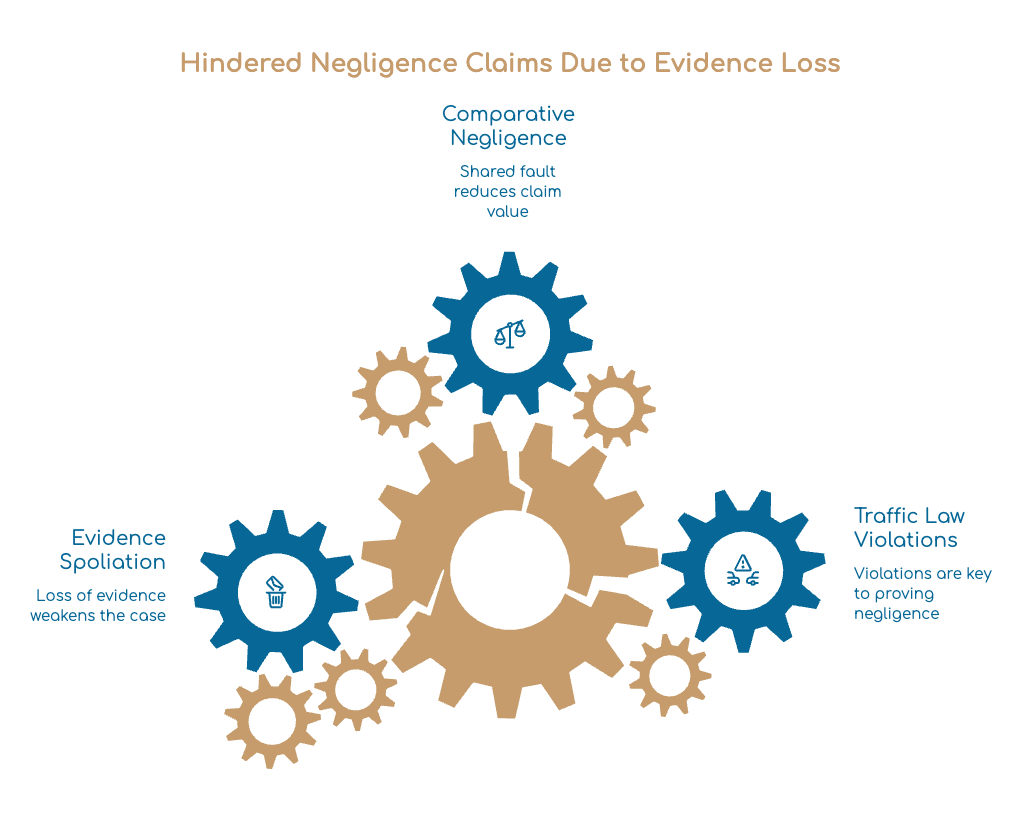
- Victims may pursue a negligence claim when evidence shows that the other motorist violated traffic laws and caused preventable harm.
- Legal protection may also involve responding to Comparative negligence defenses, especially when insurers argue that the injured person shared fault.
- Prompt action can help preserve crash reports, video footage, witness statements, and vehicle data, reducing the risk of Spoliation of evidence.
For those committed to serving injured community members, these rights support accountability, orderly claims handling, and fair recovery after serious traffic signal accidents.
Why Do Daytona Beach Failure-To-Obey-Traffic-Signal Accident Injuries Happen?
Many Daytona Beach failure-to-obey-traffic-signal accident injuries occur because drivers make unsafe decisions at intersections, where traffic signals control the movement of vehicles, pedestrians, and cyclists. Red-light running, rolling right turns, distracted driving, speeding, and impatient lane changes can turn a controlled crossing into a serious hazard. Intersection safety myths, such as assuming a yellow light always allows safe entry, often encourage risky conduct.
Injuries also occur when drivers misjudge visibility, fail to scan crosswalks, or ignore turning conflicts. Pedestrian risk factors include limited crossing time, poor lighting, impaired drivers, and vehicles blocking sight lines. Cyclist risk factors include narrow lanes, driver inattention, dooring near intersections, and confusion over shared road duties. Common injury myths, including the belief that low-speed crashes rarely cause lasting harm, may cause communities to underestimate these incidents. Careful compliance with signals helps protect vulnerable road users and supports public safety.
What Should You Do After a Daytona Beach Failure-to-Obey-Traffic-Signal Accident Injury?
After a Daytona Beach failure-to-obey-traffic-signal accident injury, the injured person should seek immediate medical care to identify and treat any injuries. The crash scene should be documented with photographs, witness information, and relevant details when it is safe to do so. An accident lawyer may then help evaluate liability, preserve evidence, and protect the injured person’s legal rights.
Seek Immediate Medical Care
Following a Daytona Beach accident caused by failing to obey a traffic signal, injured individuals should seek medical care as soon as possible, even if symptoms seem minor at first. Prompt evaluation helps identify concussions, internal injuries, fractures, or soft tissue damage that may worsen without treatment. Emergency responders, urgent care clinics, and hospital staff can provide assessment, pain management, and referrals for continued care.
Immediate safety planning may include arranging transportation, notifying a trusted family member, and carefully following discharge instructions. Florida emergency resources, including 911 and local medical facilities, are available to support injured people during crucial moments. Consistent treatment also creates medical records that may help clarify the nature and timing of injuries after the collision. Delays can complicate recovery and future care decisions.
Document The Crash Scene
At the crash scene, careful documentation can help preserve important details before vehicles are moved, debris is cleared, or traffic conditions change. An injured person, or a companion acting on that person’s behalf, should record visible evidence when it is safe to do so. Photographs should include traffic signals, lane markings, skid marks, debris fields, vehicle damage, and surrounding businesses or intersections.
Documenting vehicle positions can help show how the collision occurred and whether a driver failed to obey a signal. Notes should identify weather, lighting, traffic flow, and any Scene safety hazards, such as broken glass or leaking fluids. Witness names and contact information should be gathered respectfully, without pressuring anyone. These efforts can support emergency responders, insurers, and others working to accurately understand the incident.
Contact An Accident Lawyer
When injuries arise from a Daytona Beach traffic signal failure-to-comply accident, contacting an accident lawyer can help protect the injured person’s rights before insurance issues become more difficult to manage. Counsel may review liability, preserve evidence, and guide communication with insurers, allowing the injured person and supportive family members to focus on care.
An attorney can also evaluate Car crash documentation, including photographs, witness information, police reports, and vehicle damage records, to determine whether another driver’s signal violation caused the harm. Careful medical bill tracking may further support a claim by showing treatment costs, follow-up needs, and financial strain. Prompt legal guidance can help ensure deadlines are met, damages are properly presented, and the injured person receives informed support throughout the recovery process.
Critical Evidence in a Daytona Beach Failure To Obey Traffic Signal Accident Injury Case
Critical evidence in a Daytona Beach failure-to-obey-traffic-signal injury case may determine whether liability can be clearly established and damages properly supported. Key materials often include: 1. traffic camera footage, 2. police crash reports, and 3. witness statements, along with vehicle damage evidence that may confirm impact points and vehicle movement. Each source should be preserved and reviewed promptly, as delays can affect availability, accuracy, and the strength of the injury claim.
Traffic Camera Footage
In a Daytona Beach failure-to-obey-traffic-signal accident-injury case, traffic camera footage can provide a direct, time-sensitive record of how the collision occurred. This footage may show vehicle positions, lane use, speed patterns, and whether a driver entered the intersection after the signal changed. When reviewed carefully, it can help clarify red-light timing and identify possible traffic law violations without relying solely on memory. Because many camera systems overwrite recordings quickly, prompt preservation requests are often critical. An attorney may seek footage from city systems, nearby businesses, or private security cameras facing the roadway. For injured people and those serving their needs, this evidence can support fair accountability, strengthen negotiations, and help guarantee that decisions are based on reliable visual information.
Police Crash Reports
A police crash report can serve as an important foundation in a Daytona Beach failure-to-obey-traffic-signal accident-injury case because it documents the responding officer’s initial findings shortly after the collision. The report may identify the drivers, vehicles, locations, signal controls, roadway conditions, and any citations issued for suspected signal violations. Through careful analysis of traffic violations, attorneys can compare the officer’s observations with physical evidence, vehicle damage, and applicable traffic laws.
These records also help clarify Intersection liability factors, including lane position, right-of-way rules, timing, and reported contributing causes. While not always conclusive, the report provides an organized starting point for evaluating fault and supporting an injured person’s claim. Accurate review of this document helps protect those seeking fair recovery after preventable harm.
Witness Statements
When a collision occurs at a Daytona Beach intersection, witness statements can provide essential insight into how the traffic signal was operating and which driver had the right-of-way. Neutral observers may describe the color of the light, traffic flow, driver behavior, or whether a vehicle entered after the signal changed. Their accounts can help injured parties, insurers, and legal representatives understand events more fairly and with greater care.
Eyewitness credibility often depends on vantage point, attentiveness, consistency, and absence of personal interest. A prompt written statement may preserve details before memory fades, supporting a clearer evaluation of fault. Investigators may compare multiple accounts to identify agreement or conflict. In cases of failure to obey traffic signals, reliable witness information can help those harmed by promoting accurate, responsible decisions.
Vehicle Damage Evidence
Vehicle damage evidence can help clarify how a Daytona Beach failure-to-obey-traffic-signal accident occurred, particularly when drivers give conflicting accounts of the light cycle or right-of-way. Impact location, crush patterns, broken lighting, and transferred paint may show which vehicle entered the intersection first and the direction of travel at the collision. Photos and scarring on bumpers, doors, quarter panels, and roadway surfaces can support a careful reconstruction when reviewed with police reports and witness statements.
Repair estimates may also help document the severity of impact and connect property damage to claimed injuries. When preserved promptly, this evidence assists insurers, attorneys, and courts in fairly evaluating fault. It also supports injured individuals seeking accountability while helping promote safer conduct for the broader Daytona Beach community.
Long-Term Effects of Daytona Beach Failure To Obey Traffic Signal Accident Injuries
Failure to obey a traffic signal in Daytona Beach can cause injuries that extend far beyond the initial crash, including chronic pain complications that require long-term medical care. Some victims may face lasting mobility limitations, affecting their ability to work, drive, or manage daily activities. Ongoing emotional trauma may also develop, particularly when the accident involves severe injury, sudden impact, or prolonged recovery.
Chronic Pain Complications
Although the immediate injuries from a Daytona Beach failure-to-obey-traffic-signal accident may appear to be the primary concern, chronic pain can become one of the most disruptive long-term complications. Persistent neck, back, shoulder, or nerve pain may persist after visible wounds have healed, affecting sleep, concentration, caregiving duties, and the ability to serve others consistently. Medical documentation is critical because pain is often disputed when imaging appears normal or symptoms fluctuate.
A sound Compensation strategy may include treatment records, expert opinions, prescription history, and testimony describing daily limitations. Without clear evidence, insurers may issue a claims denial, arguing that pain is unrelated, exaggerated, or preexisting. Careful legal evaluation helps connect ongoing pain to the crash and supports fair recovery for future repair, reduced capacity, and personal hardship.
Lasting Mobility Limitations
Beyond chronic pain, some victims of a Daytona Beach failure-to-obey-traffic-signal accident may face lasting mobility limitations that change how they walk, work, drive, and complete ordinary tasks. Fractures, spinal injuries, joint damage, and nerve trauma can reduce strength, balance, and range of motion for months or permanently. These limitations may require mobility aids such as canes, walkers, braces, or wheelchairs, along with home modifications and vehicle adjustments.
For caregivers, employers, and community members, understanding these restrictions helps promote safety, dignity, and practical support. Long-term rehabilitation may include physical therapy, occupational therapy, gait training, and medical monitoring to preserve independence. When mobility loss affects earning capacity or daily care needs, documentation of treatment, limitations, and future support requirements becomes crucial in evaluating accident-related losses.
Ongoing Emotional Trauma
Crash-related trauma can persist long after physical injuries from a Daytona Beach failure-to-obey-traffic-signal accident have begun to recover. Survivors may experience anxiety, sleep disruption, depression, or fear of driving through intersections. These symptoms can affect work, caregiving, and community involvement, limiting a person’s ability to serve others with confidence. Post-crash support may include counseling, medical evaluation, peer assistance, and structured coping strategies that promote stability.
Emotional recovery often requires time, patience, and consistent care from trusted professionals and family members. Victim advocacy also plays a significant role by helping injured individuals understand available resources, document psychological harm, and pursue accountability. When emotional trauma is recognized early, survivors are better positioned to regain function, restore purpose, and move forward with measured confidence after a serious collision.
Proving Liability in Daytona Beach Failure To Obey Traffic Signal Accident Injury Cases
When a driver fails to obey a traffic signal in Daytona Beach, proving liability often depends on showing how that violation directly caused the collision and resulting injuries. Evidence may include traffic camera footage, dashcam recordings, police reports, witness statements, vehicle damage patterns, and electronic data from involved vehicles. Intersection signal proof can help establish which driver had the right of way, whether a red light was ignored, or whether a turn was made unlawfully.
A careful investigation also considers roadway design, signal timing, visibility, weather, and driver conduct prior to the impact. These details may strengthen a claim or clarify disputed facts. Comparative fault defenses may arise when the opposing party argues that the injured person was speeding, distracted, or otherwise contributed to the crash. By organizing reliable evidence and addressing such claims, a legal evaluation can identify responsible parties, support injured victims, and promote accountability after a serious traffic signal collision.
Dealing With Insurance Companies After a Daytona Beach Failure To Obey Traffic Signal Accident Injury
Following a Daytona Beach failure-to-obey-traffic-signal accident, insurance companies often begin evaluating fault, damages, and potential defenses before the injured person fully understands the claim’s value. Their representatives may request statements, records, or authorizations that, if handled carelessly, can affect the outcome. A service-minded legal advocate helps protect the injured person’s dignity by ensuring communications remain accurate, complete, and fair.
Effective claim documentation should include crash reports, witness statements, photographs, repair estimates, wage-loss details, and medical records documenting the nature and progression of injuries. Careful policy interpretation is also important, since coverage limits, exclusions, and available benefits may shape recovery options.
A focused Negotiation strategy considers liability evidence, treatment needs, future limitations, and the insurer’s likely arguments. By managing insurer contact with discipline, counsel can help prevent undervaluation, reduce confusion, and support a resolution that reflects the full impact of the accident.
What to Expect During a Daytona Beach Failure To Obey Traffic Signal Accident Injury Claim Process
A Daytona Beach failure-to-obey-traffic-signal accident-injury claim typically begins with an initial case evaluation, in which liability, injuries, and available insurance coverage are assessed. The process then moves into evidence collection, including crash reports, medical records, witness statements, and traffic signal information, followed by negotiations with the insurance company. If a fair settlement is not reached, the claim may proceed to a lawsuit, with a timeline shaped by court deadlines, discovery, and the complexity of the disputed issues.
Initial Case Evaluation
During the initial case evaluation, a Daytona Beach accident lawyer reviews the facts surrounding a crash caused by a failure to obey a traffic signal to determine liability, damages, and the strength of a potential injury claim. This meeting allows the injured person to explain how the collision occurred, describe medical treatment, and identify practical needs affecting daily life.
The lawyer considers whether another driver disregarded a red light, failed to yield, or otherwise violated traffic duties. Injury costs, lost income, vehicle damage, and future care needs may be discussed to estimate the claim’s value. The evaluation also addresses available insurance coverage, filing deadlines, and possible obstacles. Clear guidance at this stage helps prepare the claimant for insurance negotiations while promoting responsible advocacy for recovery, accountability, and community safety after serious roadway harm.
Evidence Collection Process
Once the initial case evaluation identifies the main issues in dispute, the evidence collection process begins with a focused effort to preserve proof of how the traffic signal crash occurred and how it affected the injured person. This stage may include obtaining the police report, traffic signal timing data, intersection photographs, video footage, witness statements, and vehicle damage documentation.
Medical records, diagnostic results, treatment plans, and work restriction notes also help show the extent of harm. A careful representative may act quickly to preserve evidence before cameras overwrite footage, debris is removed, or witnesses become harder to locate. Organized documentation supports a truthful account and helps avoid delays as the claim develops. Each item collected should serve the injured person’s need for accountability, recovery, and informed decision-making.
Insurance Claim Negotiations
After the evidence is organized, insurance claim negotiations typically begin with a demand package that explains liability, documents the injured person’s losses, and requests compensation supported by medical records, wage information, photographs, and other proof. The insurer reviews the materials, compares them with policy limits, and may dispute fault, treatment needs, or the value of pain and suffering.
Claim valuation requires careful attention to emergency care, ongoing therapy, lost income, future limitations, and the broader impact on daily service, family duties, and community responsibilities. A settlement strategy may include responding to low offers with documented counterarguments, clarifying disputed facts, and emphasizing the consequences of violating a traffic signal. Negotiations can take time, but organized presentation and measured advocacy help protect the claimant’s interests.
Possible Lawsuit Timeline
If negotiations do not resolve the claim, a lawsuit may become necessary to preserve the injured person’s right to pursue compensation through the court system. The process typically begins with filing a complaint, followed by service on the defendant and a formal response. Discovery then allows both sides to exchange records, obtain testimony, and evaluate fault, injuries, and damages.
A careful Negotiation strategy may continue during this stage, because stronger evidence can create settlement leverage before trial. Mediation is often scheduled, giving the parties a structured opportunity to resolve the dispute without requiring a judge or jury to decide the outcome. If settlement remains unavailable, pretrial motions and trial preparation follow. Each phase should be handled with discipline, accuracy, and respect for the injured person’s long-term needs.
Compensation for Daytona Beach Failure To Obey Traffic Signal Accident Injury Damages
When a driver fails to obey a traffic signal in Daytona Beach, the resulting collision can cause injuries that justify compensation under Florida law. A claim may seek recovery of treatment costs, rehabilitation needs, lost income, reduced earning capacity, and other losses related to the crash. Medical bill documentation is important because it helps connect each expense to the injury, showing insurers or a court why payment is warranted.
A lawyer may also assess records, witness statements, crash reports, and medical opinions to measure the full effect of the harm suffered. This process can include calculating pain damages by reviewing the severity of injuries, length of recovery, physical limitations, and impact on daily responsibilities.
For injured people and families focused on recovery and serving others, fair compensation can provide stability while medical care continues. Careful presentation of damages supports accountability and helps ensure that negligent signal violations do not shift the burden onto victims.
Economic vs Non-Economic Damages in Daytona Beach Failure To Obey Traffic Signal Accident Cases
In Daytona Beach failure-to-obey-traffic-signal accident cases, damages are generally separated into economic and non-economic losses. Economic damages may include medical bills, lost income, and repair costs, while non-economic losses address pain, suffering, and diminished quality of life. Proving these damages requires organized records, credible evidence, and a clear connection between the crash and the claimed harm.
Economic Damages Explained
After a Daytona Beach crash caused by a driver’s failure to obey a traffic signal, economic damages are the measurable financial losses directly tied to the accident. These losses may include emergency treatment, hospital bills, rehabilitation, medication, medical equipment, lost wages, reduced earning capacity, vehicle repair, towing, rental costs, and other documented out-of-pocket expenses.
Attorneys and support professionals often organize records, invoices, employment data, and expert opinions to present a clear financial picture. Failure analysis methods may help connect the traffic violation to the collision, supporting the claim for repayment of necessary costs. Insurance negotiation strategies can then be used to address disputed charges, delayed payments, or undervalued claims. This careful process helps injured individuals pursue resources needed to restore stability and continue serving their families and communities.
Non-Economic Losses
Although financial records can show many accident-related costs, non-economic losses address the personal harm that does not appear on an invoice. In Daytona Beach failure-to-obey-traffic-signal cases, these losses may include pain, reduced mobility, loss of enjoyment of daily routines, and strain on family relationships. Emotional distress can also arise when an injured person faces anxiety, sleep disruption, or fear of traveling through intersections after a crash.
These harms matter because they affect dignity, independence, and the ability to serve family, work, and community. Florida law may allow recovery for such impacts when they are tied to the accident. Punitive damages are separate and may be considered only in rare cases involving intentional misconduct or gross negligence, not ordinary carelessness.
Proving Your Damages
Proving damages in a Daytona Beach failure-to-obey-traffic-signal accident case requires evidence connecting the collision to both measurable financial losses and personal, non-economic harm. Economic damages may include medical bills, rehabilitation costs, lost income, reduced earning capacity, property damage, and other documented expenses. These records help establish the financial burden placed on an injured person and support a clear demand for compensation.
Non-economic damages require careful proof through medical evaluations, treatment notes, witness statements, photographs, and personal accounts of pain, emotional distress, and daily limitations. Consistent documentation helps show how the injury affected dignity, independence, family responsibilities, and service to others. Strong proof creates Negotiation leverage during insurance discussions and strengthens the claim if litigation becomes necessary. Accurate evidence helps pursue fair recovery.
When a Daytona Beach Failure To Obey Traffic Signal Accident Injury Case Goes to Trial vs Settlement
When a Daytona Beach failure-to-obey-traffic-signal accident injury case cannot be resolved through negotiation, the claim may proceed to trial, where liability, damages, and witness credibility are evaluated under formal court procedures. Settlement often remains preferable when evidence is strong, medical losses are well documented, and both sides can reach a fair resolution without extended litigation. Trial may become necessary when insurers undervalue injuries, dispute causation, or rely on Comparative fault defenses to shift blame onto the injured person.
A lawyer’s insurance dispute strategy may include preserving traffic camera footage, preparing treating physicians, analyzing crash reconstruction evidence, and presenting the human impact of the collision with care and accuracy. For clients focused on recovery, family stability, and service to others, the decision between settlement and trial should reflect both practical risk and the need for accountability. Each path requires disciplined preparation, clear evidence, and a measured assessment of likely outcomes.
Florida Laws That May Affect Your Daytona Beach Failure To Obey Traffic Signal Accident Case
Whether a Daytona Beach failure-to-obey-traffic-signal accident case is resolved through settlement or proceeds to trial, Florida law governs how fault, compensation, and insurance obligations are evaluated. These rules help injured people, families, and advocates understand how responsibility is measured after a serious intersection crash.
- Florida statutes require drivers to obey traffic control devices, including signals, lane markings, and signs. Running an Intersection red light may support a finding that a driver breached a legal duty.
- Florida’s comparative negligence rules can reduce compensation when more than one person contributed to the collision. Evidence may show speeding, distraction, or improper turns, which may affect liability apportionment.
- Insurance laws may affect the available recovery, including personal injury protection benefits and, when applicable, bodily injury coverage. A careful review of policies, crash reports, witness accounts, and signal timing records can clarify the path forward.
These laws promote accountability while supporting fair treatment for those harmed by unsafe driving conduct.
The Statute of Limitations for Daytona Beach Failure To Obey Traffic Signal Accident Injury Cases
After a Daytona Beach failure-to-obey-traffic-signal accident, the statute of limitations determines how long an injured person has to file a lawsuit for damages. In Florida, personal injury claims generally must be filed within two years from the crash date. Missing this deadline may bar recovery, even when liability appears clear and injuries are serious.
This time limit encourages prompt action, preserves evidence, and supports fair accountability for harmed drivers, passengers, cyclists, or pedestrians. Medical records, witness statements, traffic camera footage, and repair documentation can become harder to secure as time passes. Early attention also allows Damages calculation methods to reflect treatment needs, lost income, pain, and long-term limitations.
The deadline can also influence Settlement negotiation strategy, because insurers know when legal rights are close to expiring. Families caring for an injured loved one should track important dates carefully and avoid delays when considering whether civil action may be necessary.
How a Daytona Beach Failure To Obey Traffic Signal Accident Lawyer Can Help You
Timely legal action is only one part of protecting an injury claim, because a Daytona Beach failure-to-obey-traffic-signal accident lawyer can also manage the evidence, liability analysis, and insurance issues that often determine the value of a case. Legal guidance helps injured people focus on recovery, family duties, and service to others while their claims are handled with discipline.
- A lawyer may direct the preservation of evidence, including crash reports, signal timing data, witness statements, vehicle damage records, and available video footage.
- Counsel can evaluate fault, compare driver conduct against traffic laws, address disputed accounts, and identify all available insurance coverage.
- An attorney may develop a settlement strategy that reflects medical care, lost income, pain, future needs, and the broader impact on daily responsibilities.
Through organized advocacy, the lawyer presents the claim clearly, responds to insurer challenges, and seeks fair compensation grounded in documented facts and lawful accountability.
When to Contact a Daytona Beach Failure To Obey Traffic Signal Accident Lawyer
When injuries follow a traffic signal violation, legal guidance should be sought as soon as the injured person’s immediate medical needs are addressed. Early contact helps preserve information that may assist those caring for the injured person, including family members, advocates, or community helpers coordinating support. Witness names, intersection details, photographs, and medical documentation can become harder to gather as time passes.
A lawyer should also be contacted when the injured person is Curious about Fault, especially if multiple drivers, pedestrians, or cyclists are involved, or if conflicting statements are involved. Prompt review can help clarify the circumstances without placing unnecessary burdens on someone already recovering.
Those who Need Local Resources after a Daytona Beach crash may also benefit from timely direction. Legal contact can help identify appropriate records, reporting steps, and communication boundaries with insurers. Reaching out early allows the injured person’s support network to act responsibly, protect important information, and maintain focus on recovery.
Why You Need an Experienced Daytona Beach Failure To Obey Traffic Signal Accident Lawyer
Because traffic signal violations often involve disputed timing, visibility, and driver conduct, an experienced Daytona Beach failure-to-obey-traffic-signal accident lawyer can provide crucial guidance in the early stages of a claim. Counsel can examine crash reports, camera footage, witness accounts, roadway design, and signal sequencing to determine how the violation occurred and who may be legally responsible.
A lawyer also helps injured individuals and families protect their ability to serve, work, and care for others while pursuing fair compensation. Proper handling of Insurance claim timelines is essential, because missed deadlines or incomplete documentation can weaken an otherwise valid case. Experienced representation can coordinate medical records, proof of lost income, and liability evidence in a clear, organized manner.
When insurers challenge fault or minimize injuries, informed advocacy becomes especially important. Practical settlement negotiation tips, supported by strong evidence and accurate damages analysis, may help prevent premature resolutions and support a result that reflects the full impact of the collision.
How to Choose the Right Daytona Beach Failure To Obey Traffic Signal Accident Lawyer for Your Case
Selecting the right Daytona Beach failure-to-obey-traffic-signal accident lawyer requires careful attention to experience, case strategy, and familiarity with local traffic patterns and court procedures. A qualified attorney should understand how signal violations occur, how liability is disputed, and how injured clients can be supported with diligence and respect.
The selection process should include reviewing prior results, communication practices, and willingness to investigate promptly. Evidence preservation is especially important, as traffic camera footage, vehicle damage, witness statements, and police reports may become harder to secure with time. A lawyer who acts quickly can help protect facts that serve both the injured person and the broader interest in safer roads.
Prospective clients should also consider whether the attorney can explain Trial strategy in practical terms, including settlement evaluation and courtroom preparation. Clear guidance, steady advocacy, and compassionate service can help injured individuals make informed decisions during a difficult recovery period.
About The Law Offices of Anidjar & Levine
For those seeking representation after a traffic signal accident in Daytona Beach, The Law Offices of Anidjar & Levine offers legal support focused on personal injury claims, liability analysis, and client service.
The firm assists injured individuals and families by reviewing crash evidence, identifying responsible parties, and pursuing compensation for medical expenses, lost income, and related losses.
Its attorneys understand how failure to obey traffic signals can affect drivers, passengers, pedestrians, and service-minded community members who rely on safe roads.
Their work may include applying Comparative negligence rules when fault is disputed, particularly when multiple parties contributed to the collision.
In cases involving commercial vehicles, Trucking liability analysis may be necessary to examine driver conduct, company policies, maintenance records, and insurance coverage.
The firm’s approach emphasizes communication, careful preparation, and advocacy designed to reduce burdens on clients while supporting their recovery, stability, and ability to continue serving others.
Frequently Asked Questions
Can Traffic Signal Timing Records Help Prove a Daytona Beach Accident Claim?
Yes, traffic signal timing records can help prove an accident claim by showing which direction had the legal right of way at a precise moment. Traffic Signal Evidence may confirm whether a driver entered against a red light or failed to yield. Dispatch Log Records can further support timing, response, and witness accounts. When carefully reviewed, these records help injured persons, advocates, and service-minded professionals pursue accurate accountability.
Do Red-Light Camera Tickets Affect My Failure-To-Obey-Signal Case?
Red-light camera tickets can affect a failure-to-obey-signal case, but they are not always decisive. They may support liability, identify timing issues, or reveal evidence of distraction, yet admissibility and accuracy must be reviewed. The record should also be compared with officer reports, witness accounts, and emergency vehicle priority data. A careful evaluation helps protect injured persons, aids truthful service to the community, and ensures responsibility is assigned fairly.
What if the Traffic Light Was Malfunctioning During the Crash?
If the traffic light was malfunctioning, the malfunctioning signal may materially affect liability. Investigators would examine maintenance records, signal timing data, witness statements, video footage, and police observations as evidence of fault. A driver may still be expected to act cautiously, often treating the intersection as a stop. Those serving injured parties should preserve evidence quickly, because proving the defect, notice, and driver conduct can determine responsibility and available compensation.
Can Pedestrians File Claims After Accidents Caused by Traffic Signal Violations?
Yes, pedestrians may file claims after traffic signal violation accidents when driver misconduct or unsafe conditions caused harm. An Evidence notice can help preserve camera footage, signal records, and witness accounts. Comparative negligence may affect recovery if pedestrian conduct contributed. Insurance coverage should be reviewed for bodily injury benefits and other available sources. Settlement options may serve injured persons by addressing medical costs, lost income, and future care needs.
Are Bicyclists Protected in Failure-To-Obey-Signal Accident Cases?
Bicyclists are generally protected when another road user ignores a traffic signal, especially when the cyclist’s right of way is clear under applicable traffic laws. A claim may address medical care, lost income, and related harm. Comparative negligence standards may reduce recovery if the bicyclist also acted unsafely, but they do not automatically bar relief. Careful review of evidence helps determine responsibility and supports fair treatment for injured cyclists.
—————————
A failure to obey a traffic signal can lead to an accident in Daytona Beach and create serious medical, financial, and legal challenges.
Victims may have the right to pursue compensation when another driver’s negligence caused their injuries.
An experienced Daytona Beach Car Accident Lawyer can investigate the crash, preserve evidence, address insurers, and pursue a fair recovery.
The Law Offices of Anidjar and Levine provides focused legal guidance to help injured clients protect their rights and move forward with confidence.