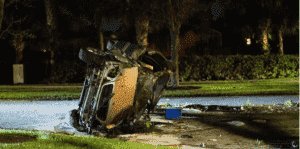
The Law Offices of Anidjar and Levine can explain how a collision type—such as a rear-end, side-impact, or head-on crash—may affect evidence, liability, and insurance coverage. Vehicle damage, roadway conditions, witness accounts, and medical records can help clarify how the crash occurred and document injuries. Florida law may allow compensation for proven losses when another party’s negligence contributed, though comparative fault and policy terms can affect recovery. Learn more from a Naples Personal Injury Lawyer. The sections below outline relevant legal and practical considerations.
Main Takeaways
- Naples car accident lawyers assess collision types, including rear-end, side-impact, head-on, sideswipe, and single-vehicle crashes.
- Collision type can guide the investigation into vehicle movements, impact forces, possible causes, and relevant insurance coverage.
- Photographs, vehicle damage, roadway evidence, witness accounts, and police reports may help clarify how a crash occurred.
- Medical records and expert analysis can connect collision mechanics with injuries, treatment needs, and potential long-term effects.
- Liability and compensation depend on the specific evidence, responsible parties, injuries, and applicable insurance coverage.
How We Can Help With Your Naples Car Accident Collision Types Injury Claim
When a collision in Naples causes injuries, the type of crash can affect how fault is established, what evidence matters, and which insurance policies may apply. A legal team can help an injured person pursue a claim while reducing the administrative burden during recovery. Counsel may review available records, communicate with insurers, organize supporting documentation, and explain practical options without promising a particular outcome.
A careful review can also identify deadlines and preserve evidence needed to support the claim. Claim filing deadlines vary according to the parties and circumstances, so prompt legal guidance can help prevent avoidable delays. The attorney may assess medical expenses, lost income, and other documented losses, then evaluate settlement proposals against the available evidence. Before accepting an offer, the claimant can receive an explanation of settlement tax implications and any terms that affect future rights. Clear advice allows injured people to make informed decisions, protect their interests, and focus on their health and responsibilities to family and community.
Understanding Naples Car Accident Collision Types Injury Cases


Understanding the collision type is an important first step in evaluating a Naples car accident injury case, because the way a crash occurred can shape the evidence, fault analysis, and insurance coverage involved. A careful review identifies how vehicles made contact, where they were positioned, and what forces may have affected occupants. These details help clarify the injuries reported and the records needed to assess them.
OUR CONSULTATIONSARE FREE
START YOUR FREE CASE REVIEW

Collision classifications may include rear-end, side-impact, head-on, sideswipe, and single-vehicle crashes. Each pattern can leave different physical evidence, such as vehicle damage, debris, or marks on the roadway. Vehicle design may also affect how impact forces reach occupants, while roadway geometry can influence the available space and direction of travel.
For injured people and those supporting them, accurate classification helps direct attention to relevant documentation, including photographs, medical records, and witness accounts. It also provides a structured basis for examining responsibility and potential coverage. A thorough, evidence-based assessment can support fair treatment and informed decisions throughout the claim process.
Don’t Wait. Call Our Florida Personal Injury Lawyers Now!
Common Causes of Naples Car Accident Collision Types


Naples car collisions commonly result from distracted driving, speeding, and other reckless behavior that reduces a driver’s ability to respond safely. Impaired driving can further compromise judgment and reaction time, increasing the risk and severity of a crash. Failure to yield also causes collisions, particularly at intersections and when drivers merge or turn.
Distracted Driving
How quickly can a moment of inattention lead to a serious collision? In Naples, a driver who looks away from traffic, even briefly, may miss a changing signal, a vehicle stopping ahead, or a person crossing the road. Phone Distraction includes texting, reading notifications, or handling a device while driving. These actions divert a driver’s eyes and hands from the task of operating a vehicle.
Cognitive Distraction can occur without a device. A driver absorbed in a conversation, a stressful thought, or a navigation decision may overlook hazards even while facing the road. Such lapses can contribute to rear-end, intersection, and sideswipe collisions, placing passengers and other road users at risk. Recognizing these common behaviors can help families and communities encourage attentive driving and support those affected by preventable crashes.
Speeding and Reckless Driving
When drivers exceed safe speeds or ignore traffic laws, they have less time to respond to hazards and may lose control. In Naples, Speed Limit Violations can increase collision force and make injuries more severe, especially where traffic is dense or road conditions change quickly. Reckless conduct may also include tailgating, unsafe passing, abrupt lane changes, and other Aggressive Actions that place nearby drivers, passengers, cyclists, and pedestrians at risk. These actions can contribute to rear-end crashes, sideswipes, and intersection collisions. Drivers are expected to adjust their speed to traffic, visibility, and roadway conditions, not merely follow posted limits when circumstances require greater caution. Identifying the conduct that preceded a crash can clarify how it occurred and help injured people seek accountability and assistance.
Impaired Driving
Impaired driving can undermine a driver’s judgment, coordination, and ability to respond to changing traffic conditions. Alcohol, illegal drugs, and some prescription medications may affect perception and reaction time, increasing the risk of a collision. In Naples, impaired drivers can endanger passengers, pedestrians, and other motorists, leaving injured people and families to manage serious consequences.
After a crash, investigators may review toxicology results, witness statements, and Field sobriety testing to assess whether impairment contributed. These findings can help establish relevant facts, though each case depends on the available evidence. Florida law may also permit dram shop liability claims in limited circumstances involving alcohol service to certain individuals. A careful review can identify responsible parties and clarify potential options for those seeking accountability and support after an impaired-driving collision.
Failure to Yield
Failure to yield occurs when a driver does not give another road user the right of way required by traffic laws or road conditions. In Naples, these collisions may happen when motorists turn across oncoming traffic, enter a roadway from a driveway, or proceed through an intersection without checking for pedestrians and cyclists. Yield sign violations can create sudden conflicts, especially where visibility is limited or traffic moves quickly. Drivers must also understand intersection right-of-way and respond appropriately to signs, signals, and other vehicles already in the junction. Failing to yield can cause side-impact crashes, injuries, and significant disruption for those involved. Careful observation, reduced speed, and patient decision-making can help protect all road users. Establishing how a collision occurred may require reviewing witness accounts and roadway evidence.
Legal Rights of Naples Car Accident Collision Types Injury Victims
The legal rights of injury victims in Naples depend on how a collision occurred, the losses it caused, and the evidence available to establish responsibility. Florida law allows injured people to seek compensation when another party’s negligence contributed to a crash. Understanding available protections can help victims make informed decisions while preserving their ability to support family members and others who rely on them.
Florida injury victims may seek compensation when another party’s negligence causes a crash, subject to the evidence and circumstances.
- Pursue damages: A claim may address medical expenses, lost income, reduced earning capacity, and pain and suffering, subject to applicable law and proof.
- Review insurance coverage: Policy terms, deadlines, and Insurance policy exclusions can affect which benefits are available and how a claim proceeds.
- Account for shared fault: Under comparative negligence rules, a victim’s compensation may be reduced according to that person’s share of responsibility; certain statutory limits may also apply.
- Preserve evidence: Medical records, photographs, witness details, and crash reports can help clarify liability and document losses.
Legal guidance can explain deadlines and options. Each case turns on its facts, coverage, and governing law.
Why Do Naples Car Accident Collision Types Cause Injuries?
Understanding why different collision types cause injuries can help Naples crash victims connect a wreck’s circumstances to the harm they suffered. The direction and force of impact influence how occupants move inside a vehicle and which body parts absorb stress. In a frontal collision, rapid deceleration may strain the neck, chest, and lower body. A rear-end crash can cause abrupt head and neck movement, while a side impact may expose occupants to intrusion near the doors. Rollover crashes can involve repeated impacts and changing forces that increase the risk of serious trauma.
Impact biomechanics examines how these forces affect the human body. Injury outcomes also depend on vehicle design, including restraint systems, structural protection, and airbag performance. Occupant position, seat belt use, vehicle size, and collision speed can further shape the harm. Even crashes with similar damage may produce different injuries because people and circumstances differ. Understanding these factors can help explain why a particular collision caused specific physical consequences.
What Should You Do After a Naples Car Accident Collision Types Injury?
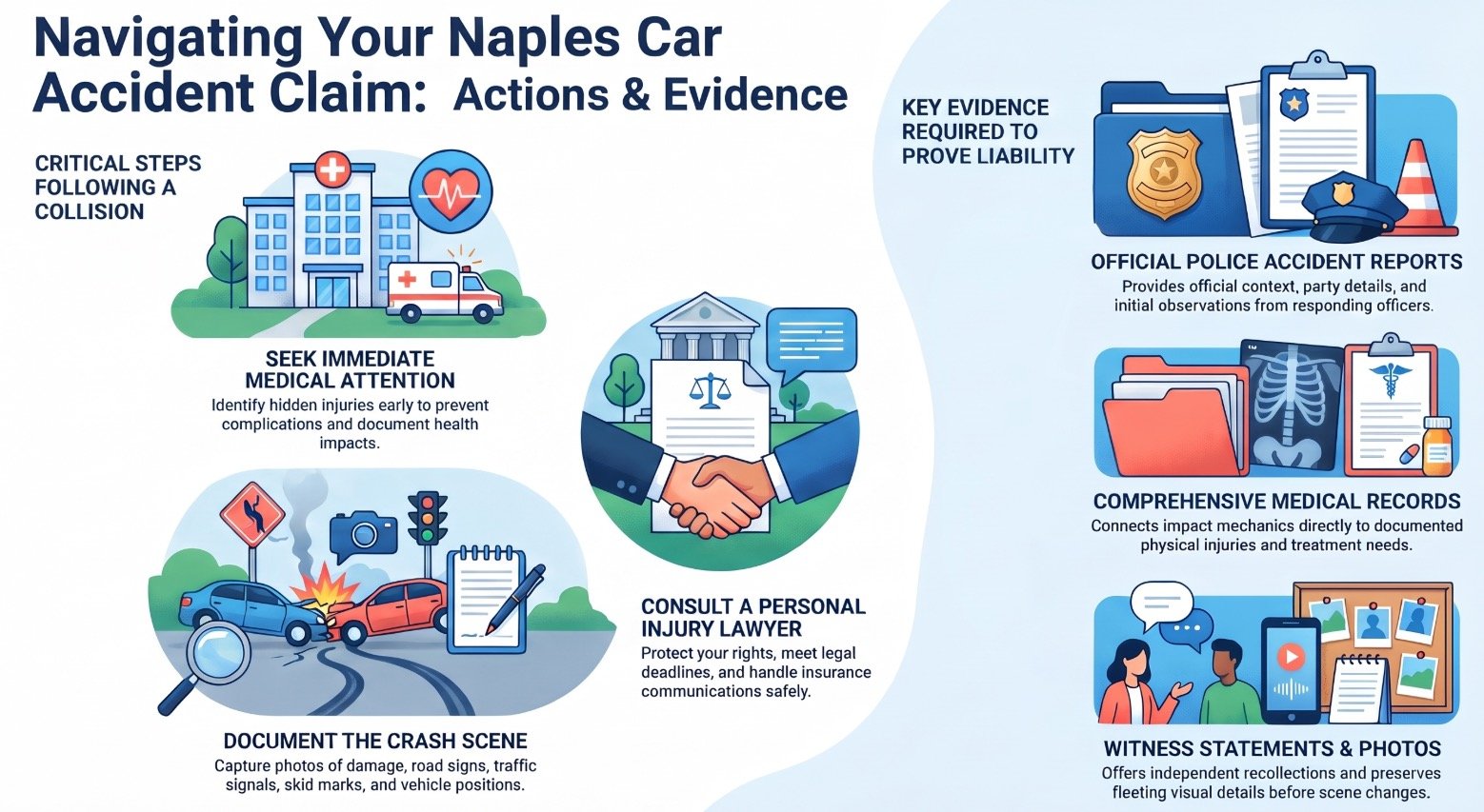
After a Naples car accident, injured individuals should seek prompt medical care, even if their symptoms initially appear minor. They should document the collision by recording details, preserving evidence, and obtaining relevant reports. Consulting a Naples car accident lawyer can help clarify legal options and protect their interests.
Seek Medical Care
Because some car accident injuries are not immediately apparent, anyone involved in a Naples collision should seek medical care as soon as possible, even if symptoms seem minor. Prompt evaluation can identify conditions that may worsen without treatment, including head, neck, and internal injuries. Anyone experiencing severe pain, difficulty breathing, confusion, loss of consciousness, or significant bleeding should call 911 or go to an Emergency room. For less severe symptoms, urgent care may provide timely assessment, although a medical professional can advise whether emergency treatment is necessary. Following the clinician’s instructions and attending recommended follow-up appointments can support recovery and help prevent complications. People involved in the collision should explain their symptoms accurately and mention any changes over time. Timely care protects their health and helps them make informed treatment decisions.
Document the Collision
Documenting the collision helps preserve details that may be hard to recall and supports later insurance or legal inquiries. When conditions permit, photographs should show vehicle damage, nearby road signs, traffic signals, skid marks, debris, and the broader scene. Vehicle positioning can clarify where each car stopped and how the roadway was arranged after impact. Notes should record the time, location, weather, visibility, and any witness statements, without guessing about uncertain facts. A simple diagram can show travel lanes and the direction of impact, helping explain how the vehicles approached one another. Names and contact information for witnesses may assist with later fact-finding. Copies of relevant records and original images should be kept securely. Careful, accurate documentation can support a clearer account of the event and help others assess what occurred.
Contact a Naples Lawyer
Once the scene is documented and immediate medical needs are addressed, an injured person may contact a Naples car accident lawyer to discuss options. A lawyer can review the collision circumstances, explain potential legal steps, and identify records that may help clarify responsibility and losses. During an Initial Consultation, the person can describe the injuries, treatment, insurance communications, and any concerns about returning to work or meeting expenses. The lawyer may also explain deadlines and the compensation process without promising a particular outcome. Before deciding whether to proceed, the injured person should ask about the Fee Structure, including potential costs and how fees are calculated. Clear communication helps both sides assess whether representation is appropriate. Seeking informed guidance can also support a fair process and help the person focus on recovery.
Critical Evidence in a Naples Car Accident Collision Types Injury Case
A Naples car accident injury claim may depend on evidence that clarifies how the collision occurred and documents its effects. Essential records and accounts can help establish the sequence of events, responsibility, and the extent of harm.
The following evidence is often important:
- Crash scene photographs
- Police accident reports
- Medical records
- Witness statements
Crash Scene Photographs
Photographs taken at a Naples crash scene can preserve details that may disappear before an investigation is complete. Images can document vehicle positions, visible damage, debris, skid marks, road conditions, and nearby traffic controls. Multiple Photo angles help show how vehicles relate to one another and whether damage patterns may support a particular collision sequence. Clear images of license plates and identifying features can also help distinguish vehicles involved. Scene lighting matters because shadows, glare, or darkness may obscure important details. When safe, photographs taken from several distances and directions can provide useful context without disturbing evidence. These records may help injured people, insurers, and legal professionals evaluate the event. Careful documentation can also support a fair review of responsibility and help ensure relevant facts aren’t overlooked.
Police Accident Reports
How can a police accident report help clarify a Naples car accident injury case? It provides an official account of the collision, including its location, time, involved parties, witness statements, and observations by responding officers. These details may help explain how different vehicle movements contributed to a crash and identify questions requiring further investigation.
Report accuracy matters because an error or omission may affect how the incident is understood. A report is not a final determination of fault, and its statements may need comparison with photographs, witness accounts, and other available evidence. Prompt access to records can help preserve relevant information and support a careful review. For individuals seeking to protect others from preventable harm, a reliable account may also help identify unsafe conduct and inform appropriate legal steps after a collision.
Medical Records
Beyond the police report’s account of the collision, medical records can document the injuries a person sustained and the care received afterward. Emergency department notes, diagnostic imaging, treatment plans, and follow-up evaluations may help explain how the collision affected a person’s health. Consistent documentation can also show whether symptoms changed over time and what care clinicians recommended. Accurate records may help insurers, attorneys, and medical professionals evaluate the claimed injuries and related expenses. Patients can support reliable documentation by clearly describing symptoms, attending recommended appointments, and reviewing bills for errors. Prompt record retention matters because older files may become harder to obtain over time. Provider coordination can help ensure that relevant records from hospitals, physicians, therapists, and other treating professionals are collected and considered together. Careful handling of this evidence supports a fair assessment while respecting the patient’s privacy and needs.
Witness Statements
Witness statements can provide an independent account of a Naples car accident and help clarify how the collision occurred. People who saw the crash may describe vehicle movements, traffic signals, road conditions, or events immediately before impact. Their observations can help establish the sequence of events and support or challenge other evidence, including medical records and physical damage.
Witness credibility depends on factors such as the person’s vantage point, ability to observe, consistency, and potential bias. A clear, timely account may be more reliable than a recollection recorded long after the collision. Statement preservation is consequently important. Secure contact information, written accounts, photographs, and recorded interviews promptly, before memories fade or witnesses become hard to locate. Careful documentation can help those evaluating an injury claim understand the evidence and reach a fair, informed assessment of responsibility.
Long-Term Effects of Naples Car Accident Collision Types Injuries
Injuries from car collisions may cause chronic pain that persists long after initial treatment ends. Some people experience lasting mobility limitations that interfere with work and daily activities. Emotional trauma may also continue, affecting well-being and recovery.
Chronic Pain
Chronic pain can develop after a Naples car accident, even when initial injuries appear manageable. Soft-tissue damage, fractures, or nerve irritation may cause persistent discomfort that continues after the immediate recovery period. Symptoms can fluctuate and may worsen with activity, stress, or changes in weather. Ongoing pain can also affect concentration, mood, and daily routines, while sleep disruption may leave an injured person fatigued and less able to meet work or family responsibilities.
A medical professional can assess the source of symptoms and recommend appropriate Pain management, which may include medication, physical therapy, or other supervised care. Consistent documentation of symptoms, treatment, and related expenses can help clarify the injury’s effects over time. When pain follows a collision, timely evaluation and continued care can support recovery and provide a clearer record of its impact.
Lasting Mobility Limitations
Persistent pain after a Naples car accident can also limit a person’s ability to walk, stand, bend, or perform routine tasks. Injuries to the spine, hips, knees, or legs may reduce strength and range of motion, making everyday activities difficult. Some individuals require ongoing rehabilitation, mobility aids, or adaptive equipment to move safely at home and in the community. These limitations can affect a person’s ability to work, attend medical appointments, or provide care for family members. Accessible transportation may be necessary when driving or using standard public transit is no longer practical. A careful medical evaluation can identify functional restrictions and guide treatment planning. Documentation of mobility challenges may also help establish the long-term impact of collision injuries when pursuing compensation for necessary care, equipment, and related expenses.
Emotional Trauma
A serious Naples car accident can leave emotional effects that persist long after physical injuries begin to recover. Survivors may experience anxiety, sleep disruption, irritability, or fear when driving and traveling near the collision location. These responses can interfere with work, family responsibilities, and community involvement, even when visible injuries have recovered.
Post-traumatic stress may develop after a severe crash, particularly when a person faced immediate danger or witnessed serious harm. Persistent symptoms warrant assessment by a qualified mental health professional. Counseling and other appropriate care can support Emotional Recovery and help survivors regain confidence in daily activities. Family members and caregivers can assist by listening without judgment, respecting individual needs, and encouraging professional support. Recognizing psychological harm as part of the injury can help guarantee that affected people receive appropriate care and practical assistance throughout recovery.
Don’t Wait. Call Our Florida Personal Injury Lawyers Now!
Proving Liability in Naples Car Accident Collision Types Injury Cases
Proving liability in a Naples car accident case requires showing how the collision occurred and which party’s conduct caused the injuries. Evidence may include photographs, vehicle damage, road conditions, witness accounts, and police reports. Each detail can help establish whether a driver failed to yield, followed too closely, sped, or otherwise acted carelessly. A careful investigation also considers the specific collision type, since a rear-end crash, sideswipe, or intersection impact may involve different facts and safety duties.
In complicated cases, Traffic reconstruction can help explain vehicle movement, impact points, and timing. Biomechanical analysis may assess whether the forces involved are consistent with the reported injuries. These methods should be supported by reliable records and qualified professional opinions. Medical documentation can link the injuries to the crash and describe how they affect daily life. Preserving evidence promptly is important because vehicles may be repaired, scenes change, and witnesses’ recollections fade. A clear, evidence-based account supports fair accountability and helps injured people pursue appropriate remedies.
Dealing With Insurance Companies After a Naples Car Accident Collision Types Injury
After a Naples car accident, insurance companies may review the collision type, available evidence, and reported injuries before deciding how to handle a claim. They may consider vehicle damage, medical documentation, witness accounts, and whether the reported harm matches the crash. Injured people can protect their interests by keeping copies of bills, treatment records, photographs, and correspondence, while ensuring that statements about the event remain accurate and consistent.
Insurers may request recorded statements or ask for authorization to obtain medical information. Before responding, a claimant may benefit from understanding the request, its purpose, and any potential effect on the claim. Answer questions about fault, prior conditions, or the extent of an injury carefully and truthfully, without speculation. Policy limits can also affect the amount of coverage available, regardless of injury severity. A lawyer may help explain communications, identify relevant coverage, and support a fair evaluation while the injured person focuses on recovery and family responsibilities.
What to Expect During a Naples Car Accident Collision Types Injury Claim Process
A Naples car accident injury claim typically begins with an initial case evaluation to assess liability, injuries, and potential damages. Evidence collection and insurance negotiations then help establish the facts and determine an appropriate resolution. The claim may conclude through a settlement or, when necessary, further legal proceedings.
Initial Case Evaluation
During an initial case evaluation, a Naples car accident lawyer reviews the collision, the reported injuries, and the available evidence to assess potential legal claims. The lawyer considers how the crash occurred, including whether it involved a rear-end impact, a side collision, or another type of accident. This Liability Assessment examines each party’s possible responsibility under applicable Florida law and identifies issues that may affect a claim. The lawyer also reviews the reported harm, treatment needs, and potential effects on the injured person’s daily life. Claim Valuation involves estimating recoverable losses, such as medical expenses, lost income, and pain and suffering, based on the information then available. The evaluation clarifies legal options, likely challenges, and practical next steps, helping the injured person make informed decisions while pursuing fair accountability.
Evidence Collection
Evidence collection helps establish how a Naples car accident occurred, who may be responsible, and how the collision affected the injured person. The process may begin with photographs of vehicle damage, road conditions, traffic signs, and visible injuries. Police reports, witness names, and contact details can provide additional context about the crash. Medical records help document diagnoses, treatment, and how injuries affect daily activities.
Timely evidence preservation can be important because physical conditions may change and records may become harder to obtain. Surveillance footage from nearby businesses, homes, or traffic cameras may capture events before or during the collision, but recordings are sometimes deleted quickly. A lawyer may identify relevant sources and request that materials be retained. Organized evidence can help clarify disputed facts and support an accurate account of the injured person’s needs throughout the claim process.
Insurance Negotiations
How an insurer evaluates a Naples car accident claim depends on the available evidence, the injuries involved, and the parties’ accounts of the collision. During negotiations, the adjuster may review medical records, repair estimates, witness statements, and lost-income documentation. The insurer may request additional information or question how the collision caused specific injuries. Clear, consistent records can help address these inquiries and support a fair assessment.
A Settlement strategy considers the strength of the evidence, the likely costs of continued negotiations, and the claimant’s documented losses. The applicable policy limits also affect the funds available from the insurer, though they do not determine the full value of the harm. A representative can communicate with the adjuster, explain the basis for the requested compensation, and help protect the injured person’s interests during negotiations.
Claim Resolution
Resolving a Naples car accident injury claim typically involves confirming the collision’s cause, documenting injuries and related losses, and determining which insurance policies may apply. After reviewing the evidence, the injured person and insurer may negotiate a settlement based on medical expenses, lost income, and other supported damages. Settlement timelines vary based on injury severity, treatment duration, disputed facts, and the insurer’s response. A claim may take longer when injuries remain uncertain or liability is contested. Before accepting an offer, the claimant should carefully review the proposed amount and release terms. A release typically ends the right to pursue additional compensation for the same collision, even if costs arise later. Clear records and careful review help ensure the resolution reflects documented needs and protects the claimant’s interests while supporting a fair, orderly process.
Compensation for Naples Car Accident Collision Types Injury Damages
Compensation after a Naples car accident depends on the collision type, the injuries sustained, and the losses those injuries cause. A rear-end crash, intersection collision, or sideswipe may cause different injuries and leave different evidence, but each claim still requires a clear connection between the accident and the harm suffered. Medical records, treatment plans, and professional assessments can help establish the nature and extent of an injured person’s condition.
Recoverable compensation may account for medical care, rehabilitation, and future treatment needs. It may also address lost wages when injuries prevent a person from working, as well as diminished earning capacity if lasting limitations affect future employment. The value of a claim depends on documented losses, injury severity, and how the injury affects daily responsibilities.
A careful evaluation can help ensure the claim reflects the support an injured person needs. By presenting reliable evidence and considering long-term consequences, claimants can pursue a fair resolution while protecting their ability to care for themselves and others.
Economic vs Non-Economic Damages in Naples Car Accident Collision Types Cases
In Naples car accident cases, economic damages are calculated from documented losses such as medical expenses, lost income, and future care costs. Non-economic damages address less measurable effects, including pain, emotional distress, and reduced quality of life. Establishing both categories requires evidence connecting the collision to the claimed losses.
Economic Damage Calculations
A car accident claim in Naples may include both economic and non-economic damages, which compensate for distinct forms of harm. Economic damages represent measurable financial losses caused by a collision. Their calculation may include medical bills, rehabilitation costs, prescription expenses, vehicle repair or replacement, and wages lost during recovery. When injuries limit a person’s ability to work, an assessment may account for reduced future earnings, supported by employment records, medical opinions, and relevant financial evidence. Household assistance may also be considered when injuries prevent routine tasks, including the reasonable cost of replacement services. Receipts, invoices, pay records, and expert evaluations can help establish the amount and connection of each claimed expense to the crash. Careful documentation allows insurers, attorneys, and courts to evaluate these losses consistently and to pursue compensation grounded in evidence.
Non-Economic Losses
Beyond documented financial costs, non-economic damages address the personal effects of a car accident, such as physical pain, emotional distress, and loss of enjoyment of daily activities. These losses recognize that a collision may affect a person’s well-being beyond medical bills or reduced income. Pain and suffering can include ongoing discomfort, anxiety, and disruption to ordinary routines. Loss of enjoyment may arise when injuries limit hobbies, family activities, or other meaningful parts of life. In Naples car accident cases, the nature and severity of these effects vary with the collision and the individual’s circumstances. Non-economic damages are distinct from economic losses because they do not represent a specific bill or measurable financial expense. Their purpose is to account for the human consequences of an injury while recognizing the value of daily function and personal well-being.
Proving Collision-Related Damages
Establishing collision-related damages requires evidence connecting the accident to both measurable financial losses and personal harm. Economic damages may include medical bills, rehabilitation costs, lost wages, and reduced earning capacity. Damage documentation, such as invoices, employment records, and treatment notes, helps show the amount and cause of each loss. When injuries require continuing care, medical opinions and cost estimates can support claims for future expenses.
Non-economic damages address effects that do not have a fixed price, including pain, emotional distress, and limits on daily activities. Consistent treatment records, personal accounts, and family members’ observations may help explain these effects. Evidence should connect each claimed loss to the collision and reflect its duration and severity. Careful, organized proof lets decision-makers assess the full impact while supporting fair compensation and a responsible claim resolution.
When a Naples Car Accident Collision Types Injury Case Goes to Trial vs Settlement
When settlement negotiations don’t produce a fair resolution, a Naples car accident injury case may go to trial. A judge or jury then reviews the evidence, hears witness testimony, and decides whether compensation is warranted and, if so, in what amount. Trial preparation may include organizing medical records, consulting qualified experts, preparing witnesses, and developing a clear account of how the collision affected the injured person. This work helps the court evaluate the claim fairly and understand the practical consequences of the injuries.
Settlement remains an option before or during trial. The parties may resolve the case when evidence, likely costs, and the needs of those affected support an acceptable agreement. Settlement timing can affect how quickly an injured person receives compensation, while a trial may take longer and carry an uncertain outcome. The decision depends on the facts, the strength of available evidence, and the injured person’s priorities. Careful guidance can help assess each path and pursue a resolution that supports recovery and future needs.
Don’t Wait. Call Our Florida Personal Injury Lawyers Now!
Florida Laws That May Affect Your Naples Car Accident Collision Types Case
Florida law can shape how a Naples car accident injury claim is evaluated, from determining who may be responsible to setting deadlines for filing a lawsuit. Several rules affect the evidence, available benefits, and how losses are allocated.
Understanding them helps injured people make informed decisions while supporting fair outcomes for everyone involved.
- PIP coverage: Florida’s no-fault system generally requires drivers to carry personal injury protection. PIP coverage may pay a portion of medical expenses and lost income, subject to policy limits and eligibility requirements.
- Comparative negligence: Under Florida’s modified comparative negligence rule, an injured person’s compensation may be reduced by their share of fault. Recovery is generally barred if that share exceeds 50 percent.
- Evidence and responsibility: Police reports, witness accounts, vehicle damage, and medical records can help establish how a collision occurred and who contributed to it.
- Insurance requirements: Florida law sets minimum insurance requirements, but available coverage can vary. Reviewing applicable policies can clarify potential sources of compensation and help each party respond responsibly.
The Statute of Limitations for Naples Car Accident Collision Types Injury Cases
Because filing deadlines can determine whether an injury claim proceeds, the statute of limitations is an important consideration after a Naples car accident. Florida law generally gives an injured person two years from the date of a negligence-based crash to file a lawsuit. Missing this Filing deadline may prevent recovery in court, regardless of the seriousness of the injuries or the type of collision.
Some circumstances can affect how the period is calculated. The Discovery rule may matter when an injury or its connection to the crash was not reasonably apparent at first, although its application depends on the facts and governing law. Other exceptions may apply in limited situations, including claims involving minors or defendants whose conduct affects the time limit.
Prompt attention to these deadlines helps preserve the opportunity to seek compensation and support those who depend on the injured person. Because dates and exceptions can depend on the facts, keep records of the crash, treatment, and injury discovery carefully. A delay can carry lasting consequences.
How a Naples Car Accident Collision Types Lawyer Can Help You
After a Naples car accident, the collision type and available evidence can shape how an injury claim is investigated and pursued. A lawyer can clarify responsibility, organize documentation, and accurately present the injured person’s losses. This work can also support fair treatment of others affected by the crash, including passengers and family members.
- Collision analysis: Counsel reviews photographs, vehicle damage, reports, and witness accounts to assess how the impact occurred.
- Evidence coordination: The lawyer gathers relevant records and works with qualified professionals when technical analysis is needed.
- Claim Strategy: Counsel evaluates liability, injury documentation, and available coverage to develop a reasoned approach to negotiations or litigation.
- Attorney Advocacy: The lawyer communicates with insurers, challenges unsupported conclusions, and explains the client’s position using the available evidence.
When to Contact a Naples Car Accident Collision Types Lawyer
Timely legal guidance can help preserve evidence and clarify available options following a collision in Naples. A driver may contact a lawyer soon after a crash, particularly when injuries, disputed fault, or significant vehicle damage complicate the situation. An early consultation can help identify practical next steps while details are fresh and records are easier to locate.
Prompt contact may be especially useful after a multi-vehicle collision, rear-end impact, side-impact crash, or rollover. Witness accounts, photographs, repair estimates, and medical documentation can help explain how the collision occurred and how it affected those involved. A lawyer can also clarify deadlines and explain what information may be relevant before the injured person responds to insurers.
Attorney Availability can vary, so someone seeking help for themselves or a family member may want to ask about scheduling, communication, and what documents to gather. You don’t need to wait until you know every fact to contact us; initial questions can help determine whether legal guidance is appropriate.
Why You Need an Experienced Naples Car Accident Collision Types Lawyer
An experienced Naples car accident lawyer can assess how a collision’s type may affect fault, injury, and the evidence available. A rear-end impact, side-impact crash, or multi-vehicle collision can each raise distinct issues about driver conduct and the sequence of events. An attorney familiar with these cases can identify relevant records, preserve physical evidence, and explain how the crash circumstances relate to a client’s losses.
In complicated cases, Collision Reconstruction may help clarify vehicle movements, impact points, and timing. An experienced lawyer can work with qualified professionals to evaluate such findings and compare them with witness accounts, photographs, and official reports. Vehicle Compatibility may also matter when differences in vehicle size, structure, or safety features affect damage patterns and injury analysis.
A careful investigation can protect injured people’s interests while supporting a fair review of responsibility. By addressing collision-specific evidence and legal questions, counsel can help clients pursue accountability and seek fact-based compensation.
How to Choose the Right Naples Car Accident Collision Types Lawyer for Your Case
Choosing the right Naples car accident lawyer requires more than reviewing general experience, because collision types can raise distinct questions about fault, evidence, and injury. A rear-end crash, intersection collision, or sideswipe may require different investigative steps. Attorney Selection should consequently include a review of the lawyer’s experience with the specific crash circumstances and the evidence commonly used to establish responsibility.
A prospective client can ask how the lawyer evaluates police reports, photographs, witness accounts, vehicle damage, and available medical records. Clear explanations of the claim process and a realistic discussion of possible challenges can help someone make an informed decision. Communication practices also matter, particularly when an injured person needs timely updates or assistance understanding required documents.
Lawyers should explain fee structures in writing, including how they handle legal fees and case expenses. Comparing these terms alongside relevant experience and responsiveness can help identify suitable representation. Careful selection supports a fair review of the claim and helps the injured person focus on recovery and family responsibilities.
About The Law Offices of Anidjar & Levine
With offices serving clients across Florida, The Law Offices of Anidjar & Levine represents people pursuing compensation after car accidents and other serious injuries. The firm assists clients with claims involving collisions, medical expenses, lost income, and other documented losses. Its attorneys and staff work to explain legal options, manage case communications, and pursue outcomes supported by the available evidence.
The firm’s history reflects a practice focused on representing injured people and helping them navigate the claims process. The firm’s work includes investigating accident circumstances, reviewing records, and communicating with insurers on clients’ behalf. Each case requires attention to individual circumstances, applicable deadlines, and the evidence needed to establish responsibility and damages.
Community involvement also shapes the firm’s public presence. Through service and outreach efforts, the firm supports organizations and initiatives intended to benefit Florida residents. For people seeking to help others, this commitment reflects the importance of accessible guidance and responsible advocacy. The firm’s approach centers on informed decisions, clear communication, and diligent representation.
Frequently Asked Questions
What Are the Main Types of Car Collisions, Such as T-Bone, Rear-End, and Sideswipe Crashes?
The main types of car collisions include T-bone, rear-end, sideswipe, head-on, and backing-up crashes. T-bone collisions occur when one vehicle strikes the side of another, often at an intersection. Rear-end crashes happen when a vehicle hits the vehicle ahead, while sideswipes occur when vehicles strike each other along their sides. Head-on collisions occur when opposing vehicles strike front to front. Backing-up collisions occur when a reversing vehicle hits another vehicle, a person, or a nearby object.
Which Collision Types Are Most Likely to Cause Vehicle Rollovers?
Side-impact collisions, high-speed single-vehicle crashes, and impacts that force a vehicle off the road are most likely to cause rollovers. SUVs, vans, and other vehicles with higher centers of gravity face greater risk, especially during abrupt maneuvers or loss of control. Rollover Risk Factors also include excessive speed and sharp turns. Vehicle Tripping Hazards, such as curbs, soft shoulders, and uneven ground, can catch tires and initiate a rollover, increasing injury risks for occupants and responders.
How Do Multi-Vehicle Pileups Differ From Chain-Reaction Collisions?
Multi-vehicle pileups involve several vehicles colliding in a concentrated sequence or area, often amid limited visibility or hazardous road conditions. Chain-reaction collisions describe a specific progression in which one impact propels vehicles into others, sometimes across multiple moments. The terms can overlap, but a pileup may include separate impacts without a single initiating sequence. Determining pileup liability requires evidence about timing, driver actions, and road conditions; crash reconstruction can help clarify how impacts unfolded.
Can a Low-Speed Parking-Lot Collision Cause Serious Injuries?
Yes. A low-speed parking-lot collision can cause serious injuries, particularly when occupants are unprepared, struck at an angle, or have existing health conditions. Injury symptoms such as neck pain, headaches, dizziness, or numbness may appear hours or days later. Anyone involved should seek prompt medical evaluation, even if discomfort initially seems minor. Timely assessment can identify hidden injuries, guide appropriate treatment, and create reliable medical records that support informed decisions about recovery and care.
How Do Underride and Override Collisions Happen?
Truck underride collisions happen when a passenger vehicle slides beneath a truck’s trailer, often during a rear-end or side impact. The trailer’s height and inadequate or damaged guards can let the smaller vehicle slide underneath, increasing the risk of serious injury. Vehicle override occurs when a larger or elevated vehicle rides over a smaller one, commonly after a forceful collision. Understanding these mechanisms helps responders identify hazards and support affected people effectively.
—————————
The Law Offices of Anidjar and Levine can help injured people in Naples understand their rights after a collision and evaluate their legal options. Prompt action may preserve evidence, clarify how the crash occurred, and support a well-documented injury claim. Because deadlines and insurance issues can affect recovery, victims should speak with an experienced Naples Personal Injury Lawyer as soon as possible. A careful review of the circumstances can help determine the appropriate next steps.