A Brandon car accident collision lawyer at The Law Offices of Anidjar and Levine can assess how a crash happened and explain what evidence may support an injury claim. Front, rear-end, side-impact, and rollover collisions can involve different forces, but collision type alone does not establish fault or injury severity. Crash reports, photographs, witness accounts, medical records, and insurance documents can help clarify what happened and the losses. Florida no-fault benefits and claims against another driver depend on coverage, evidence, and legal requirements. Learn more from a Brandon Personal Injury Lawyer. The following sections explain important considerations.
Main Takeaways
- A Brandon car accident lawyer can explain how front-end, rear-end, side-impact, angled, sideswipe, and rollover collisions differ.
- Collision type may help reconstruct events, but it does not alone establish fault or prove injury severity.
- Liability reviews may consider vehicle damage, crash reports, photographs, witnesses, roadway conditions, and available video.
- Florida PIP may cover eligible medical expenses and lost wages, subject to policy limits and legal requirements.
- Preserve evidence, seek prompt medical care, and consult a lawyer about deadlines, coverage, and potential claims.
How We Can Help With Your Brandon Car Accident Collision Types Injury Claim
After a Brandon car accident, the collision type can affect how fault is established and what evidence may support an injury claim. A careful legal review can help an injured person understand available options and make informed decisions during a difficult period.
Counsel may begin with a Case Assessment, reviewing the crash report, medical records, photographs, witness accounts, and insurance communications. This process can identify unanswered questions, relevant deadlines, and documentation needed to support the claim. The attorney can also explain how applicable rules may affect recovery without promising a particular result.
A thoughtful Claim Strategy is then developed around the person’s circumstances and documented losses. Counsel may communicate with insurers, organize supporting materials, evaluate settlement proposals, and prepare for further legal proceedings if needed. Clear guidance can reduce avoidable confusion and help protect the client’s interests while medical care continues.
Don’t Wait. Call Our Florida Personal Injury Lawyers Now!
Understanding Brandon Car Accident Collision Types Injury Cases


Understanding a Brandon car accident injury case begins with identifying how the vehicles collided, since crash dynamics can affect the evidence used to assess fault and injury causation. Front, rear, side-impact, and rollover collisions produce different forces and may lead to distinct injury patterns. The collision type helps organize the investigation, but it does not establish responsibility or prove the extent of harm on its own.
OUR CONSULTATIONSARE FREE
START YOUR FREE CASE REVIEW

A careful review may consider photographs, vehicle damage, roadway evidence, medical records, and witness accounts. Collision biomechanics can help explain how movement and force may have affected occupants, while vehicle safety features may influence the available evidence and injury assessment. Each conclusion should be supported by reliable information rather than assumptions based solely on the apparent severity of damage.
For injured people and their supporters, clear explanations can make a complicated claim easier to understand. A focused assessment connects the collision details with documented injuries and the evidence relevant to evaluating the case.
Common Causes of Brandon Car Accident Collision Types
Common Brandon car accident collision types often result from distracted driving, speeding, or reckless behavior that reduces a driver’s ability to respond safely. Impaired driving can further compromise judgment and reaction time, increasing the likelihood of a serious crash. Unsafe lane changes may also cause collisions when drivers fail to check surrounding traffic or signal clearly.
Distracted Driving


Distracted driving is a frequent cause of car accidents in Brandon because it diverts a driver’s attention from the road, traffic signals, and nearby vehicles. Phone distraction may involve texting, reading messages, or taking calls while driving. Even a brief glance away can prevent a driver from noticing a changing signal, a pedestrian, or a vehicle slowing ahead. Dashboard distractions, including navigation systems, music controls, and other in-car devices, can also pull attention away from driving. Eating, adjusting personal items, or interacting with passengers may further reduce awareness. These behaviors can contribute to rear-end collisions, intersection crashes, and other incidents that place motorists and passengers at risk. Identifying distraction as a possible cause can help injured people understand what evidence may be relevant when seeking accountability and support.
Speeding and Reckless Driving
Speeding and reckless driving can turn routine travel in Brandon into a serious collision, particularly when drivers exceed safe speeds, weave through traffic, or disregard signals and right-of-way rules. These choices reduce reaction time and increase the force of impact, raising the likelihood of severe injuries and extensive property damage. Speed Limit Violations may prevent drivers from stopping safely when traffic slows or road conditions change. Aggressive Actions, including unsafe passing and abrupt lane changes, can place nearby motorists, cyclists, and pedestrians at risk. Such conduct may contribute to rear-end crashes, sideswipes, intersection collisions, or loss-of-control wrecks. Investigators may review vehicle damage, witness accounts, roadway conditions, and available records to determine how speed or unsafe actions contributed. Careful documentation can clarify responsibility and support injured people seeking fair compensation and recovery assistance.
Impaired Driving
Impaired driving can make Brandon roads dangerous when alcohol, drugs, or certain medications affect a driver’s judgment, coordination, or reaction time. These substances may limit a person’s ability to assess hazards and respond safely, increasing the risk of a collision. Impairment is not always obvious, and drivers may underestimate how much their abilities have changed. Law enforcement may use DUI checkpoints and alcohol impairment testing to identify suspected impaired drivers and support public safety. After a crash, investigators may review test results, witness accounts, and other available evidence to determine whether impairment contributed to the event. People injured in these collisions may face medical expenses, lost income, and lasting physical effects. Careful documentation and timely legal guidance can help affected individuals understand their options and pursue appropriate compensation while focusing on recovery.
Unsafe Lane Changes
Unsafe lane changes can cause serious collisions when a driver moves between lanes without checking surrounding traffic or signaling clearly. In Brandon, these actions may force nearby motorists to brake suddenly, swerve, or collide with another vehicle. Drivers can reduce this risk by completing Blind spot checks before changing lanes and using turn signals early enough to communicate their intentions. A signal does not grant the right of way, so the driver must also confirm there is enough space and that the adjacent lane is clear. Failure to take these precautions can lead to sideswipe crashes, loss of control, or multi-vehicle collisions, particularly in congested traffic. When a lane-change crash occurs, investigators may review driver conduct, witness accounts, vehicle damage, and available roadway or camera evidence to determine how the collision happened.
Legal Rights of Brandon Car Accident Collision Types Injury Victims
After a collision, injured people in Brandon may have legal rights regardless of how the crash occurred, including in rear-end, side-impact, head-on, and multi-vehicle accidents. Florida no fault coverage may pay certain medical expenses and lost wages through personal injury protection, subject to policy limits and eligibility requirements. When losses exceed available benefits, an injured person may pursue compensation from an at-fault driver if the legal threshold is met.
Potential rights and steps include:
- Seeking prompt medical care and keeping records of treatment, expenses, and work absences.
- Reporting the crash to insurers and reviewing policy terms, including uninsured motorist coverage.
- Consulting a qualified attorney to assess liability, deadlines, and available claims.
Victims may seek damages for qualifying medical costs, lost income, and pain and suffering. Each claim depends on the evidence, insurance coverage, and applicable law. Careful documentation can help clarify the extent of harm and support a fair resolution. Those who help injured neighbors can encourage timely care and informed decisions without promising outcomes.
Why Do Brandon Car Accident Collision Types Injuries Happen?
Brandon car accident injuries occur when the force or direction of a collision places more stress on the body than it can withstand. The body may keep moving after a vehicle stops suddenly, causing occupants to strike interior surfaces or experience rapid head and neck movement. Injury severity depends on several factors, including collision speed, impact angle, occupant position, and whether restraints were used.
Collision force can affect occupants differently in rear-end, head-on, side-impact, and rollover crashes. A side impact may expose occupants to limited space between the vehicle and the point of contact, while a rollover can cause repeated changes in motion. Vehicle deformation may absorb some energy, but it can also intrude into the passenger compartment and increase the risk of harm. Airbags and seat belts reduce certain risks, yet they cannot prevent every injury. Understanding these causes helps communities recognize why careful driving, safer roads, and responsible vehicle design matter.
What Should You Do After a Brandon Car Accident Collision Types Injury?
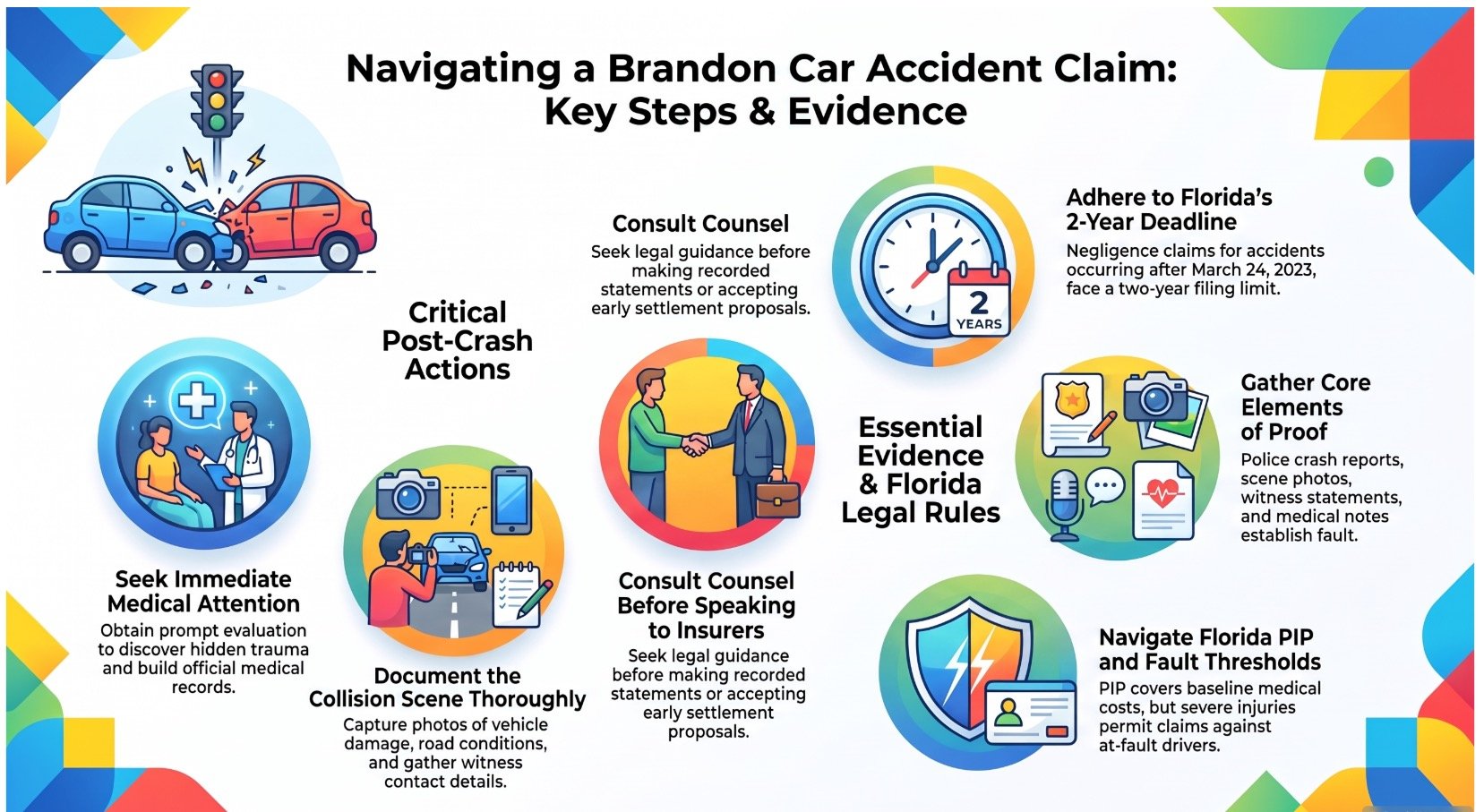
After a Brandon collision injury, prompt medical attention can identify urgent conditions and create a treatment record. The injured person should document the crash by preserving photographs, witness details, and relevant records. Consulting a lawyer may help clarify legal options and protect the person’s interests.
Seek Medical Attention
Even when a collision appears minor, anyone injured in a Brandon car accident should seek prompt medical attention. Some injuries, including concussions and internal trauma, may not cause immediate symptoms. A medical professional can assess the person’s condition, identify concerns, and recommend appropriate treatment. Prompt care may also reduce the risk of worsening injury.
The injured person should describe all symptoms accurately, including pain, dizziness, confusion, or changes that develop later. Following the provider’s instructions can support recovery and help prevent complications. Follow-up appointments let clinicians monitor progress and adjust care as needed. Medication management is also important; patients should understand dosage directions, possible side effects, and potential drug interactions. If symptoms become severe or change suddenly, urgent care may be necessary. Prompt medical attention can help injured people regain stability and better care for themselves and others.
Document the Collision
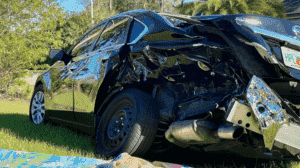
Once you address immediate safety and medical needs, documenting the collision can help preserve accurate information about what happened. If conditions allow, the injured person or a trusted companion should photograph vehicle positions, road conditions, traffic signs, visible injuries, and damage from several angles. Images of Vehicle Damage Patterns may help clarify the direction and force of impact. Also record witness names and contact details, along with the responding officer’s information and incident number. A written account made soon after the event can capture details that may fade, including weather, traffic flow, and the sequence of events. Keep receipts, medical records, and repair estimates in one place. These materials may support later Collision Reconstruction and help others assess how the crash happened, while preserving a clear, organized record of its effects.
Contact a Lawyer
When injuries, disputed fault, or significant vehicle damage complicate a Brandon collision, a car accident lawyer can clarify the next steps. A lawyer can review collision details, medical records, photographs, and insurance communications to explain potential options and deadlines. Prompt advice may help preserve evidence and prevent statements or settlement decisions from undermining a claim. An injured person can ask whether the firm offers a Free consultation and what information to bring, such as the crash report, treatment records, and repair estimates. The lawyer should also explain contingency fees, how they are calculated, and which costs may remain the client’s responsibility. Choosing counsel who communicates clearly and treats everyone respectfully can support informed decisions while letting the injured party focus on recovery and, when possible, responsibilities to others.
Critical Evidence in a Brandon Car Accident Collision Types Injury Case
Evidence can help establish how a collision occurred, who may be responsible, and the extent of an injury.
Essential records and accounts may include:
- Police crash reports and scene photographs
- Witness statements
- Medical records documenting injuries and treatment
Together, these materials can provide a clearer basis for evaluating a Brandon car accident injury claim.
Police Crash Reports
How can a police crash report help clarify the collision types involved in a Brandon car accident? The report may identify whether vehicles collided head-on, from the rear, at an angle, or in a sideswipe, and record the officer’s observations about contributing circumstances. It can also list drivers, passengers, witnesses, roadway conditions, and citations, giving an injured person and those assisting them a starting point for understanding the event. A report is not a final determination of fault, and its statements may be incomplete or disputed. Report access procedures vary, so an authorized person should request the document from the appropriate agency and review it carefully. If you find factual errors, you may request amendments through that agency, though changes are not guaranteed. Legal guidance can help preserve relevant records and assess their significance.
Scene Photographs
Scene photographs can help clarify the collision types involved in a Brandon car accident by documenting vehicle positions, damage patterns, skid marks, debris, traffic controls, and roadway conditions. These images may show whether a vehicle struck another directly, was sideswiped, or left the roadway, helping explain how the crash unfolded. Clear Camera Angles can capture the scene from several directions and provide context that close-up damage images alone may not show. Photographs of signs, signals, lane markings, and visibility conditions may also help identify factors relevant to injury claims. Photo Metadata, including timestamps and location details when available, can assist in establishing when and where images were taken. Preserving original files and avoiding edits can support their reliability. Careful documentation helps injured people and those assisting them assess evidence fairly and accurately.
Witness Statements
Witness statements can clarify how a Brandon car accident unfolded by describing vehicle movements, traffic signals, road conditions, and events immediately before or after impact. Independent observers may help establish the sequence of events when drivers provide conflicting accounts. Their descriptions can also identify conduct that may have contributed to a collision, such as speeding, an unsafe turn, or failure to yield. Witness credibility depends on factors including the observer’s location, visibility, attention, and possible relationship to those involved. Statement consistency across interviews and with other available evidence can strengthen an account, while meaningful differences may require careful review. Promptly recording contact information and preserving each witness’s original words can reduce the risk of memory fading. Respectful, neutral questions help protect accuracy and support a fair assessment of responsibility.
Medical Records
Medical records can provide essential evidence in a Brandon car accident injury case by documenting the nature, timing, and progression of a person’s injuries. Treatment notes, diagnostic images, prescriptions, and rehabilitation records may help show how a collision affected an injured person and whether symptoms changed over time. Prompt medical attention also creates a clearer record of reported concerns and the care received.
Medical record organization helps ensure relevant documents are complete, dated, and readily available for review. Records from emergency departments, primary care providers, and specialized clinicians may each contribute important details. Consistent Provider Communication can clarify treatment plans, follow-up recommendations, and limitations affecting daily activities. Accurate records allow legal professionals to assess the evidence responsibly and explain the documented impact of the injury. Careful handling of sensitive information also supports the injured person’s dignity and informed participation throughout the claims process.
Long-Term Effects of Brandon Car Accident Collision Types Injuries
Injuries from different collision types may cause lasting effects that continue well beyond the initial recovery period. Some people experience chronic pain or mobility limitations that interfere with work and daily activities. Emotional trauma may also persist, affecting well-being and requiring ongoing support.
Chronic Pain
Chronic pain can persist long after a Brandon car accident, even when visible injuries have recovered. It may follow fractures, soft-tissue damage, nerve irritation, or other collision-related trauma. Symptoms can vary in intensity and may affect a person’s ability to concentrate, maintain routines, or participate in family and community responsibilities. Sleep disruption is also common, as discomfort may make it difficult to fall asleep or remain rested. These effects can place strain on relationships and increase emotional stress.
A medical professional can assess ongoing symptoms and recommend appropriate Pain management, which may include medication, therapeutic care, or other individualized measures. Consistent documentation of symptoms, treatment, and daily effects can clarify the recovery course. Timely evaluation may also identify complications and support informed decisions about care and available legal options.
Mobility Limitations
After a Brandon car accident, mobility limitations may continue even after the initial injuries have recovered. Spinal, joint, or limb damage can affect walking, balance, strength, and coordination. These restrictions may make routine activities, including bathing, preparing meals, or returning to work, more difficult. The extent of limitation depends on the injuries and the person’s recovery.
Medical professionals may recommend rehabilitation, home modifications, or Adaptive equipment such as braces, walkers, and wheelchairs. Accessible transportation can help individuals attend medical appointments, maintain employment, and participate in community life. Family members and caregivers may assist with daily tasks while respecting the individual’s independence and preferences. Documenting ongoing restrictions, treatment needs, and related expenses can clarify the practical effects of an accident injury and support informed discussions about recovery resources and potential compensation.
Emotional Trauma
Emotional trauma can persist long after a Brandon car accident, even when physical injuries have begun to recover. Survivors may experience anxiety, sleep disruption, intrusive memories, or fear of driving, particularly after severe collisions. These responses can interfere with work, relationships, and daily responsibilities, limiting a person’s ability to support family members or participate in community life. Post-traumatic stress may develop gradually, so changes in mood, concentration, or behavior merit careful attention. A qualified mental health professional can assess symptoms and recommend counseling or other appropriate care. Consistent support from relatives and friends may also help, as long as it respects the survivor’s needs and pace. Emotional recovery is not always linear; ongoing treatment and practical assistance can help survivors regain stability while they address the lasting effects of the crash.
Don’t Wait. Call Our Florida Personal Injury Lawyers Now!
Proving Liability in Brandon Car Accident Collision Types Injury Cases
Proving liability in a Brandon car accident case requires evidence showing how the collision occurred and who failed to act with reasonable care. Investigators may review police reports, photographs, vehicle damage, witness statements, and available video to establish the sequence of events. These records can clarify whether a driver was speeding, distracted, impaired, or failed to yield.
Impact analysis can help explain the crash’s direction and force, while physical evidence may support or challenge accounts of how it happened. Medical records also connect reported injuries to the collision and document the care required. A careful review considers each driver’s conduct under applicable liability standards, rather than assuming fault based on the type of collision alone.
When multiple factors contributed, evidence may show how responsibility should be assessed among those involved. Preserving relevant records and identifying witnesses promptly can support a fair evaluation. This process helps injured people pursue accountability while enabling their community to understand the circumstances and prevent similar harm.
Dealing With Insurance Companies After a Brandon Car Accident Collision Types Injury
Because the type of collision can affect how an insurer evaluates a claim, injured people should document the crash and their losses before discussing a settlement. Photographs, witness details, medical records, repair estimates, and a copy of the police report can help clarify how the impact occurred and what harm followed. Insurers may ask for recorded statements or broad medical authorizations. Before responding, an injured person should understand the request and avoid guessing about facts or minimizing symptoms.
Carefully reviewing the policy, liability evidence, and documented losses can help you determine whether an offer reflects the available information. If an insurer raises a Claim denial, the injured person should request the reasons in writing and examine whether the decision addresses the collision circumstances and supporting records. Settlement delays may arise while the insurer reviews information, but prompt, organized responses can reduce avoidable confusion. A lawyer can communicate with the insurer, protect the injured person’s interests, and help ensure settlement discussions account for documented losses.
What to Expect During a Brandon Car Accident Collision Types Injury Claim Process
A Brandon car accident injury claim typically begins with a case evaluation, including the collision circumstances, injuries, and potential liability. Evidence is then collected to support the claim, followed by negotiations with the insurance company over responsibility and compensation. If the parties reach an agreement, the claim may be resolved through a settlement; otherwise, further legal action may be considered.
Initial Case Evaluation
Early case evaluation helps determine how the collision occurred, which injuries may be linked to it, and what evidence is needed to support a claim. During a preliminary consultation, a legal professional may ask about the crash, the treatment received, and how the injuries affect daily responsibilities. An Intake questionnaire can organize key details, including the date, location, collision type, involved parties, and insurance information. This initial review helps identify questions requiring further attention and assess whether the circumstances may support a personal injury claim. The evaluation also allows the injured person to understand the general process, possible challenges, and responsibilities involved in pursuing compensation. No outcome can be guaranteed at this stage. Clear, accurate answers help the legal team provide informed guidance and determine appropriate next steps while respecting the claimant’s needs.
Evidence Collection
Once the initial evaluation identifies issues requiring further review, evidence collection helps clarify how the collision occurred and how it affected the injured person. Relevant materials may include photographs of vehicle damage, roadway conditions, traffic signals, and visible injuries. Witness statements and official reports can provide additional accounts of the event. Medical records and treatment documentation may help establish the nature and extent of harm.
Evidence preservation is important because vehicles may be repaired, physical conditions can change, and electronic records may be overwritten. When available, digital forensics can help examine data from vehicle systems, phones, or surveillance footage, subject to applicable privacy and legal requirements. A careful collection process organizes these materials, records their sources, and maintains their reliability. This information can help clarify disputed facts and support a thorough review of the injury claim.
Insurance Negotiations
After reviewing the available evidence, insurance negotiations typically focus on liability, documented injuries, and the losses associated with the collision. The insurer may request records, question how the crash occurred, or assess whether another party shares responsibility. A claimant’s representative can organize supporting information, address requests, and explain how medical expenses, missed work, and other documented effects relate to the collision. Any proposed terms should be evaluated against the available evidence and applicable policy limits. If the insurer disputes responsibility or minimizes supported losses, clear documentation and measured responses can help keep discussions focused. Keep communication accurate and professional, especially when questions arise about treatment or recovery. A lawyer may also identify bad faith tactics and explain available protections, helping the injured person make informed decisions throughout negotiations without pressure or premature concessions.
Claim Resolution
Claim resolution in a Brandon car accident injury case depends on the evidence, the parties’ positions, and the extent of the documented losses. After reviewing collision reports, medical records, witness statements, and financial documentation, the insurer may make an offer, request further information, or dispute responsibility. A claimant can evaluate any proposal against current expenses, anticipated treatment, lost income, and other supported losses. Settlement timelines vary based on recovery, investigation needs, and negotiation progress. If the parties reach an agreement, Release agreements generally require the claimant to accept payment in exchange for ending covered claims. Review the terms carefully before signing, since a release may limit future recovery. When negotiations do not resolve the dispute, available options may include filing a lawsuit. Careful documentation supports informed decisions and fair outcomes.
Compensation for Brandon Car Accident Collision Types Injury Damages
Compensation after a Brandon car accident depends on the injuries sustained, the collision’s circumstances, and the evidence establishing fault and loss. A claim may address reasonable medical expenses, including emergency care, surgery, medication, rehabilitation, and necessary follow-up treatment. Records from healthcare providers help document the connection between the crash and the injuries, while bills and treatment plans support the amount requested.
Depending on the collision and available coverage, compensation may also include lost income when injuries prevent a person from working, as well as vehicle-related losses. Estimates, invoices, and photographs of the damage can support vehicle repair costs. If the vehicle cannot be used during repairs, rental car reimbursement may be sought when justified by the policy or responsible party’s liability.
The injured person’s account, witness statements, police reports, and other reliable evidence can help establish how the collision occurred. Careful documentation allows insurers and decision-makers to evaluate the claim fairly and determine compensation consistent with the proven injuries and losses.
Economic vs. Non-Economic Damages in Brandon Car Accident Collision Types Cases
Economic damages may include medical expenses, lost income, and costs related to vehicle or property damage after a collision. Non-economic losses can involve pain, emotional distress, and reduced quality of life. Evaluating both categories requires reviewing available evidence and considering how the injuries affect the claimant’s daily life and future needs.
Economic Damage Categories
After a Brandon car accident, damages generally fall into two categories: economic losses and non-economic harm. Economic damages cover measurable financial costs linked to the collision. Medical expense categories may include emergency care, hospital stays, surgery, medication, rehabilitation, and future treatment supported by medical evidence. Records, invoices, and provider statements help document these expenses and connect them to the injuries.
Lost income calculations may account for missed work, reduced hours, and diminished earning capacity when injuries affect a person’s ability to perform job duties. Pay stubs, tax records, employer statements, and professional assessments can help establish the amount and duration of lost earnings. Other recoverable costs may include transportation to appointments, necessary household assistance, and vehicle-related expenses, depending on the circumstances and applicable law. Careful documentation helps clarify the financial impact and supports an accurate claim.
Non-Economic Losses
Non-economic losses address the personal effects of a Brandon car accident that do not have a direct dollar value. They may include physical discomfort, emotional distress, and changes to a person’s daily life. Pain and Suffering can describe the physical pain and mental strain associated with injuries, treatment, and recovery. These effects may continue after medical care ends or interfere with ordinary responsibilities.
Loss of Enjoyment may apply when injuries prevent someone from participating in activities, relationships, or routines that previously mattered to them. A person may experience reduced independence, disrupted sleep, or difficulty maintaining family and community commitments. These losses are distinct from measurable expenses such as medical bills or lost wages. Recognizing their impact helps present a fuller account of how a collision affects an injured person and those who depend on them.
Calculating Both Damage Types
A Brandon car accident claim may include both measurable financial losses and personal harm without a fixed price. Economic damages can include medical bills, lost income, rehabilitation costs, and transportation or replacement-service expenses. Vehicle repair valuation helps establish reasonable repair costs, while diminished resale value may reflect a vehicle’s reduced market worth after repairs. Receipts, wage records, repair estimates, and professional assessments can support these calculations.
Non-economic damages address harms such as pain, emotional distress, and limitations on daily activities. Because these losses lack a direct price, evidence may include treatment records, personal accounts, and testimony from people familiar with the injured person’s circumstances. A careful assessment considers how the collision affected both immediate needs and longer-term well-being. Clear documentation of each category helps present a complete, balanced account of the losses.
When a Brandon Car Accident Collision Types Injury Case Goes to Trial vs Settlement
Whether a Brandon car accident injury case settles or goes to trial depends on the strength of the evidence, the extent of the injuries, and the parties’ willingness to agree on fair compensation. Settlement can provide a more predictable resolution and may reduce the time and expense associated with court proceedings. Settlement timing often depends on whether the injured person’s medical condition and future care needs are sufficiently understood to assess losses responsibly.
If the parties cannot reach an acceptable agreement, a case may proceed to trial. Each side presents evidence, examines witnesses, and asks the judge or jury to evaluate responsibility and damages. The process can take longer and involves uncertainty because the decision-maker determines the outcome. Jury deliberation follows the presentation of evidence and closing arguments.
The choice between settlement and trial depends on the case. Careful review of records, witness accounts, and documented losses can clarify your options. Counsel can explain the potential benefits and risks, helping an injured person make an informed decision while pursuing fair accountability.
Florida Laws That May Affect Your Brandon Car Accident Collision Types Case
Beyond the decision to settle or proceed to trial, Florida law can shape how a Brandon car accident collision case is evaluated. These rules influence available benefits, fault assessments, and the evidence needed to support an injured person’s claim.
Florida law shapes available benefits, fault assessments, and the evidence needed to evaluate a Brandon car accident claim.
- Florida no fault insurance generally requires drivers to seek initial medical benefits through personal injury protection coverage, subject to policy limits and eligibility requirements.
- A person may pursue compensation beyond those benefits when injuries meet Florida’s legal threshold, such as significant or permanent impairment. Medical records and professional evaluations can help establish the extent of harm.
- Under comparative negligence principles, compensation may be reduced according to an injured person’s share of responsibility. Careful review of collision reports, witness accounts, and other evidence can clarify each party’s contribution.
These laws help organize the issues that arise after different collision types, from rear-end impacts to intersection crashes. A clear, accurate account of events can support fair consideration of the injured person’s needs and help protect the interests of others affected by the collision.
The Statute of Limitations for Brandon Car Accident Collision Types Injury Cases
Because filing deadlines can affect the right to seek compensation, injured people should identify the applicable statute of limitations soon after a Brandon car accident. In Florida, most negligence claims for injuries arising from accidents occurring on or after March 24, 2023, must be filed within two years. For accidents before that date, the prior four-year period may apply. The collision date generally starts the clock, though the facts and claim type can affect the calculation.
Missing the Filing deadline may prevent an injured person from pursuing compensation in court, regardless of the seriousness of the harm or the willingness to serve others through responsible action. Certain deadline exceptions may apply, including circumstances involving minors, a defendant’s absence from Florida, or delayed discovery of an injury. These rules are fact-specific and do not automatically extend the time to file. Wrongful death claims and claims against government entities may follow different deadlines and notice requirements. Promptly confirming the governing period helps preserve legal rights and supports informed decisions.
Don’t Wait. Call Our Florida Personal Injury Lawyers Now!
How a Brandon Car Accident Collision Types Lawyer Can Help You
After a Brandon car accident, a lawyer can help identify how the collision occurred and determine which parties may be legally responsible. An attorney can review crash reports, photographs, witness accounts, and medical records to clarify how the impact happened and document the resulting harm. This careful assessment can support fair treatment for injured people and help protect others from preventable risks.
A careful review of crash evidence can clarify responsibility, document injuries, and support fair treatment after a Brandon car accident.
A lawyer may also:
- Compare evidence with applicable traffic laws and assess whether another driver, employer, or vehicle owner may share responsibility.
- Organize records of medical care, lost income, property damage, and other losses relevant to a claim.
- Communicate with insurers, respond to disputes, and explain available options in clear terms.
Through claim strategy planning, counsel can identify useful evidence, evaluate potential challenges, and present a supported demand for compensation. This guidance helps clients make informed decisions while allowing them to focus on recovery and family responsibilities. A lawyer’s work can also encourage accountability and safer conduct on local roads.
When to Contact a Brandon Car Accident Collision Types Lawyer
Prompt legal guidance can help preserve evidence and clarify available options when a collision causes injuries, disputed fault, or significant property damage. A driver may benefit from contacting a Brandon car accident collision types lawyer soon after receiving medical care, especially if the crash involved multiple vehicles, a commercial truck, a motorcycle, or a complex intersection. An early attorney consultation can help you identify time-sensitive steps, such as preserving photographs, witness details, repair records, and relevant communications.
Legal input may also be appropriate when an insurer requests a recorded statement, makes a settlement offer, or questions the extent of an injury. Before signing documents or accepting payment, an injured person can seek clarification about potential consequences and applicable deadlines. A case-specific legal strategy should reflect the collision circumstances, available documentation, and the person’s recovery needs. Prompt contact helps individuals make informed decisions while protecting their ability to pursue a claim and meet responsibilities to family, work, and community.
Why You Need an Experienced Brandon Car Accident Collision Types Lawyer
An experienced Brandon car accident collision types lawyer can assess how the crash occurred, identify potentially responsible parties, and explain how the collision type may affect a claim. This analysis can help preserve evidence and clarify which facts require further investigation. Rear-end, side-impact, head-on, and multi-vehicle crashes may each raise different questions about driver conduct, vehicle damage, and the sequence of events.
Attorney experience matters when reviewing accident reports, medical records, witness accounts, and available photographs or video. A lawyer can organize these materials, address disputed details, and communicate with insurers while the injured person focuses on recovery and other responsibilities. Careful preparation may also help prevent important losses, such as missed work or continuing treatment needs, from being overlooked.
Local representation can offer familiarity with Brandon-area roads, procedures, and community resources. By explaining legal options clearly, counsel can support informed decisions and help an injured person pursue fair compensation without losing sight of family, work, or service commitments.
How to Choose the Right Brandon Car Accident Collision Types Lawyer for Your Case
Choosing the right Brandon car accident collision types lawyer requires more than picking a nearby firm; the lawyer should have experience investigating the crash’s specific circumstances. A rear-end collision, sideswipe, or intersection impact may involve different evidence and liability questions. The lawyer should explain how prior cases relate to the client’s collision and identify practical steps to preserve records, photographs, and witness accounts.
Reviewing Attorney Credentials can help assess a lawyer’s licensing, relevant practice focus, and professional standing. Prospective clients should also ask who will handle the case, how the lawyer provides updates, and whether the lawyer can clearly explain risks and options. These considerations matter to people seeking accountability while protecting their ability to support family or community responsibilities.
Before signing an agreement, the client should understand the Fee Structure, including any contingency percentage, case expenses, and possible costs if no recovery is obtained. Comparing written terms and asking direct questions supports an informed decision.
About The Law Offices of Anidjar & Levine
The Law Offices of Anidjar & Levine represents people injured in car accidents, including rear-end collisions, sideswipes, and intersection crashes. The firm helps clients understand their legal options and pursue compensation for collision-related losses. Its work may include reviewing crash records, communicating with insurers, and preparing claims based on available evidence.
Firm history and attorney credentials can help prospective clients assess whether a law office fits their needs. The firm was established in Florida and represents injured people in personal injury matters. Its attorneys handle accident claims and draw on legal experience to evaluate liability, damages, and procedural requirements. Individuals considering representation can ask who would manage their case, about the lawyer’s experience with similar collision types, and how the firm provides updates.
The firm’s role includes explaining legal processes in clear terms and addressing client concerns with care. Each case depends on its facts, and outcomes are not guaranteed. Prospective clients should review engagement terms before choosing counsel.

Frequently Asked Questions
What Are the Different Types of Car Accidents?
Car accidents include Rear-end collisions, side-impact crashes, head-on collisions, sideswipes, single-vehicle crashes, and rollovers. Rear-end impacts occur when one vehicle strikes another from behind, while side-impact crashes involve force against a vehicle’s side. Head-on collisions often produce severe injuries because vehicles move toward each other. Sideswipes happen when vehicles traveling side by side make contact. Single-vehicle crashes may involve fixed objects, and rollovers occur when a vehicle tips onto its side or roof.
How Do Weather Conditions Affect Collision Risks in Brandon?
Weather can increase collision risks in Brandon by reducing traction, limiting visibility, and increasing stopping distances. Brandon rain-related crash risks include hydroplaning, sudden braking, and loss of control on wet roads, particularly when drivers travel too quickly or follow too closely. Fog and visibility hazards can obscure vehicles, pedestrians, and traffic signals, leaving less time to respond. Drivers who slow down, increase following distance, and use appropriate lights help protect everyone sharing the road.
Can a Collision Involve Multiple Types of Impact?
Yes. A collision can involve several types of impact, either in rapid succession or as vehicles move in different directions. A Multiple Impact Sequence may begin with a rear-end strike, followed by a vehicle being pushed into another car or a fixed object. Combined Collision Patterns can make the event more difficult to reconstruct. Careful documentation of vehicle positions, damage, and witness accounts can help clarify how the impacts occurred and support those affected.
What Vehicle Safety Features May Reduce Collision Injuries?
Vehicle safety features may reduce collision injuries by limiting occupant movement, preventing certain crashes, and improving protection during impact. Airbags, when paired with properly worn seat belts, can reduce the risk of serious head and chest injuries. Electronic stability control helps drivers maintain direction during sudden driving actions or on slippery roads. Crumple zones absorb crash energy, while automatic emergency braking may reduce impact speed. These systems support safer travel and community well-being.
How Are Collision Types Classified in Accident Reports?
Accident reports classify collision types by vehicles’ movements, points of contact, and the sequence of events. Accident report coding commonly distinguishes head-on, rear-end, sideswipe, angle, and single-vehicle crashes. Impact direction categories may identify where a vehicle was struck, such as the front, rear, or side, and whether the collision involved a fixed object. Consistent classification helps investigators, safety agencies, and service providers assess risks and direct appropriate support.
—————————
The type of collision can affect how a Brandon car accident injury claim is investigated, but each case depends on its specific facts, evidence, and injuries. Victims may benefit from prompt medical care, careful documentation, and advice from a qualified lawyer before addressing insurance offers. Brandon Personal Injury Lawyer The Law Offices of Anidjar and Levine can review the circumstances, explain available legal options, and help pursue compensation where supported by the evidence and Florida law.