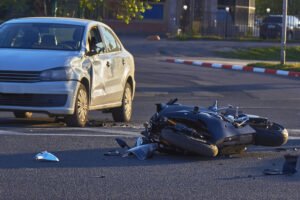
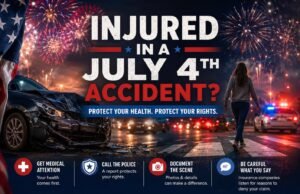
A Clearwater car accident collision types lawyer at The Law Offices of Anidjar and Levine can help you understand how a rear-end, side-impact, head-on, or rollover crash may have caused your injuries. We investigate the collision, preserve evidence, review medical and repair records, and assess whether another party’s negligence supports a claim. Florida law may allow compensation for medical expenses, lost income, and other recognized losses, though shared fault can affect recovery. Learn more from a Clearwater Personal Injury Lawyer. The information below explains your rights, available evidence, and when legal guidance may help.
Main Takeaways
- A Clearwater car accident lawyer can assess how a rear-end, side-impact, head-on, or rollover crash may have caused your injuries.
- Collision type alone does not establish fault; evidence such as vehicle damage, photos, witness accounts, and available video can help.
- Seek prompt medical care, follow treatment recommendations, and keep records of symptoms, appointments, bills, and missed work.
- Preserve crash reports, original photos, repair documents, insurance communications, and witness contact information.
- Florida law may allow recovery for legally recognized losses caused by another driver; a lawyer can review liability and available evidence.
How We Can Help With Your Clearwater Car Accident Collision Types Injury Claim
We help injured drivers and passengers pursue Clearwater car accident claims by investigating how the collision occurred, identifying the parties who may be responsible, and gathering evidence to support the claim. We’ll listen to your concerns, explain your options, and help you make informed decisions while you focus on your recovery and responsibilities.
Our team reviews available records, communicates with insurers, and organizes documentation related to your losses. We assess Claim eligibility by considering the circumstances, applicable deadlines, and evidence connecting the collision to your injuries. Because every case is different, we’ll discuss the strengths and limitations of your claim without promising a particular result.


Clear communication from your attorney can help you understand what to expect at each stage. We’ll answer your questions, provide meaningful updates, and explain requests for information in clear terms. When others depend on you, managing a claim can feel demanding. We’ll work to reduce that burden and pursue a fair resolution with care, diligence, and respect.
Understanding Clearwater Car Accident Collision Types Injury Cases
OUR CONSULTATIONSARE FREE
START YOUR FREE CASE REVIEW

Understanding the collision type can clarify how an injury occurred and what evidence may support a Clearwater car accident claim. Each crash presents distinct questions about vehicle movement, occupant position, and the forces involved. We can examine these details to help you understand how the collision may relate to your injuries.
In a side-impact crash, the location and severity of vehicle damage may help explain how force reached an occupant. Medical records and witness accounts can add context, while photographs may preserve details that change over time. Rollover Dynamics also matter because a vehicle’s rotation and contact with the roadway can affect how occupants move and sustain harm. We can review available evidence without assuming that every person experiences the same injuries.
A careful assessment helps us identify relevant facts and explain them clearly to you. By understanding the collision pattern, we can better evaluate the connection between the crash, your injuries, and the support you may need as you recover.
Don’t Wait. Call Our Florida Personal Injury Lawyers Now!
Common Causes of Clearwater Car Accident Collision Types


Clearwater collisions often stem from distracted driving, speeding, or other reckless behavior. Impaired driving and unsafe lane changes can also cause serious crashes by limiting a driver’s judgment or leaving others too little room to react. We’ll explain how these common causes contribute to different collision types and the injuries that may follow.
Distracted Driving
Distracted driving occurs when a motorist’s attention shifts from the road to a phone, navigation system, passenger, or other task. Even a brief lapse can prevent a driver from noticing a vehicle, pedestrian, or changing traffic conditions. Phone distraction may involve texting, calls, or checking notifications, while dashboard distractions can include adjusting entertainment systems or entering directions while moving. These behaviors can contribute to rear-end, side-impact, and other collisions on Clearwater roads.
We encourage drivers to set directions before traveling, silence notifications, and pull over safely when they need to respond or adjust controls. Passengers can also help by managing navigation and other tasks. When a distracted driver causes a crash, we can help you understand your options, preserve relevant evidence, and pursue accountability. Seeking prompt guidance may help protect your interests and support those affected by the collision.
Speeding And Reckless Driving
When drivers exceed safe speeds or disregard traffic laws, they have less time to react and may cause severe collisions on Clearwater roads. Speeding can increase impact force, while aggressive lane changes, tailgating, and ignoring signals put everyone nearby at risk. We can help you understand how driver conduct may have contributed to a crash and what evidence could support your account. Police reports, witness statements, photographs, and vehicle data may help establish what happened. Speed enforcement measures, including traffic patrols and citations, seek to discourage dangerous behavior, but violations still occur. Florida law may impose reckless driving penalties when conduct shows a willful or wanton disregard for safety. If another driver’s choices injured you, we can explain your options and help you pursue accountability while considering those affected.
Impaired Driving
Alcohol, cannabis, prescription medications, and other substances can impair judgment, coordination, and reaction time, increasing the risk of a serious crash on Clearwater roads. When an impaired driver causes a collision, people traveling nearby may suffer injuries that disrupt their health, work, and family responsibilities. We can help you understand how investigators assess suspected impairment, including observations, chemical testing, and Field sobriety tests. DUI checkpoints may also identify drivers who shouldn’t be behind the wheel, but a checkpoint alone doesn’t establish fault in a crash. Evidence must connect impairment to the collision and show how the driver’s conduct caused harm. If you or someone you love has been injured, we can review available records, explain your options, and pursue accountability while you focus on recovery and caring for those who depend on you.
Unsafe Lane Changes
Unsafe lane changes can cause sideswipe or multi-vehicle crashes when a driver moves over without checking mirrors, signaling, or yielding to traffic already in the lane. In Clearwater, heavy traffic and sudden slowdowns can make these errors especially dangerous. Drivers should check mirrors and blind spots, use lane-change signals well before moving, and wait until the adjacent lane is clear. Blind Spot Monitoring can provide an additional warning, but it doesn’t replace careful observation or safe judgment. When a driver changes lanes carelessly, nearby motorists may have little time to brake or swerve away, putting passengers and other road users at risk. We can help injured people understand how investigators assess lane changes, vehicle positions, and available evidence. Prompt documentation may support a clearer account of what happened and help protect a claim.
Legal Rights of Clearwater Car Accident Collision Types Injury Victims
The type of collision—whether a rear-end crash, side-impact collision, or rollover—doesn’t determine your legal rights by itself. We can help you understand the protections available after another driver’s negligence injures you. Florida law may allow you to seek compensation for medical expenses, lost income, and other legally recognized losses, subject to applicable deadlines and evidence.
The type of collision alone doesn’t determine your rights; Florida law may allow compensation for injuries caused by another driver’s negligence.
Your rights may include:
- Seeking payment from an at-fault driver and applicable insurance coverage.
- Pursuing a claim even if you share some responsibility; Comparative negligence may reduce recovery.
- Reviewing uninsured motorists coverage when the responsible driver lacks insurance.
- Requesting records and preserving evidence that supports your account.
- Consulting counsel before accepting a settlement or signing a release.
We’ll explain your options clearly, so you can make informed decisions while focusing on recovery and the people who depend on you. Document expenses promptly, follow medical advice, and avoid statements that could misrepresent what happened. A lawyer can assess deadlines, coverage, and claim value based on your circumstances. Each case turns on its facts and applicable law.
Why Do Clearwater Car Accident Collision Types Injuries Happen?
Why do car accident injuries vary so widely in Clearwater? The answer depends on how a collision unfolds and how each person’s body responds. A rear-end crash may strain the neck, while a side-impact collision can expose occupants to concentrated force. Head-on crashes often involve substantial speed changes, increasing the risk of serious harm.
Impact biomechanics helps explain how force travels through a vehicle and affects its occupants. Speed, vehicle size, impact angle, and whether a person is restrained can all shape injury patterns. Even a seemingly minor crash may cause lasting pain because the body absorbs forces that vehicle damage alone doesn’t reveal.
Vehicle safety design also matters. Airbags, seat belts, head restraints, and structural features can reduce certain risks, but they can’t prevent every injury. Age, health, seating position, and the presence of children or older adults may further shape outcomes. Understanding these factors helps us recognize why collision injuries differ and support those affected with care and accurate information.
Don’t Wait. Call Our Florida Personal Injury Lawyers Now!
What Should You Do After a Clearwater Car Accident Collision Types Injury?
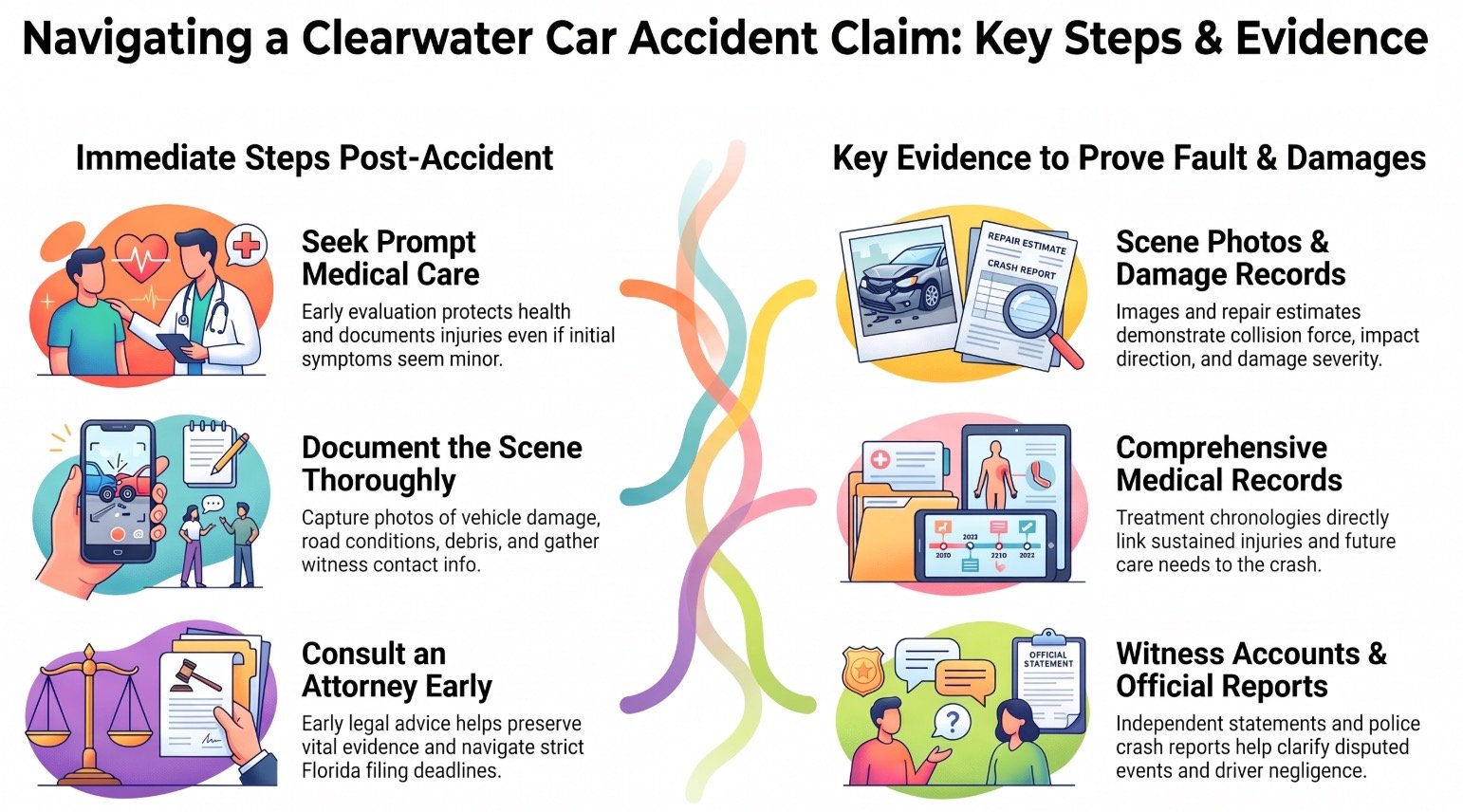
After a Clearwater collision, seek medical care promptly, even if your injuries seem minor. We can document the crash by recording details, photographing the scene, and gathering witness information. We should also contact a lawyer to understand our options and protect our rights.
Seek Medical Care
Even if a Clearwater car accident seems minor, seek medical care as soon as possible. Some injuries, including concussions and internal bleeding, may not cause immediate symptoms. Prompt evaluation helps us identify problems early and protect our health, even when we feel able to continue our day.
Call 911 for severe pain, difficulty breathing, loss of consciousness, or other urgent symptoms. For less serious concerns, contact a doctor or visit an urgent care center. Medical triage can help determine how quickly we need treatment and where to receive it. Follow the clinician’s instructions, attend recommended appointments, and ask about expert referrals if symptoms persist or require focused care.
Document the Collision
How can we preserve useful evidence from a Clearwater car accident? Once it’s safe and you’ve received needed medical care, we can record what happened before details fade. Photograph vehicle damage, road conditions, traffic signs, signals, debris, and visible injuries. Capture wide views showing the scene’s layout, then take closer images of important details. If witnesses are willing, ask for their names and contact information, and note what they observed without suggesting answers. Write down the time, location, weather, direction of travel, and sequence of events while your memory remains clear. Keep medical records, repair estimates, and any relevant messages organized. Collision diagramming can help explain vehicle positions and movement. Skid mark analysis may also clarify braking and impact evidence. Careful documentation supports accurate reporting and helps protect others from future harm.
Contact a Lawyer
When should we contact a lawyer after a Clearwater car accident? Reach out as soon as you can, especially if you’ve suffered injuries, face disputed fault, or feel pressure from an insurer. Early guidance can help us preserve evidence, understand deadlines, and avoid statements that could weaken a claim.
Before calling, we can organize collision records, photographs, witness details, medical bills, and insurance correspondence. We should share accurate information and ask how the lawyer will protect our interests while we focus on recovery and responsibilities to those who depend on us.
Ask whether the firm offers a Free Consultation and confirm Attorney Availability for questions and important decisions. Before choosing counsel, review fees, communication practices, and experience with similar crashes. A timely, informed conversation can help us pursue fair compensation without losing sight of recovery and serving our community.
Critical Evidence in a Clearwater Car Accident Collision Types Injury Case
Strong evidence can help us establish how a Clearwater collision occurred and how it caused your injuries. We’ll look for scene photographs, vehicle damage records, witness statements, and medical documentation. Each source can support a different part of your claim, so preserving records promptly matters.
- Crash scene photographs: Images of vehicle positions, road conditions, traffic signs, and visible injuries can help document the scene.
- Vehicle damage records: Repair estimates, inspection reports, and photographs of the damage may help show the collision’s force and direction.
- Witness statements: Names, contact details, and timely accounts from people who saw the crash can help clarify disputed events.
- Medical documentation: Examination notes, test results, treatment records, and follow-up care can connect injuries to the collision.
- Related records: Police reports, insurance communications, and available video footage may provide additional context.
Crash Scene Photographs
Photographs taken at a Clearwater crash scene can preserve details that may disappear once vehicles move and debris is cleared. When it’s safe, we can document the scene promptly, capturing roadway conditions, traffic signs, signals, skid marks, debris, and the vehicles’ positions. These images may help us explain how a collision occurred and support a clear account of your injuries and losses.
We should take wide views to show the scene’s layout, then closer images of relevant details. Different Camera Angles can reveal distances and perspectives that a single image may miss. We should also preserve original files and Photo Metadata, which may help establish when and where images were taken. If you’re injured or assisting someone, prioritize safety and medical care; we can help identify and organize useful evidence afterward.
Vehicle Damage Records
Beyond scene photographs, vehicle damage records can help us assess how a Clearwater collision occurred and how the impact may relate to your injuries. Repair estimates, invoices, and inspection reports can document where damage appeared, how extensive it was, and what repairs were necessary. We can compare these records with the vehicles’ positions and the reported sequence of events to evaluate whether the evidence supports your account. Keep original estimates, final bills, parts lists, and communications with repair shops or insurers. If the vehicle was declared a total loss, preserve the valuation and salvage documents as well. Records may also help establish diminished value after repairs, which can affect the financial harm you’ve suffered. By organizing this evidence, we can present a clearer, more complete claim and advocate for fair treatment.
Witness Statements
Witness statements can clarify how a Clearwater collision unfolded, especially when the drivers’ accounts differ. We can help you identify people who saw the crash, including passengers, nearby drivers, pedestrians, and workers at neighboring businesses. Their observations may explain traffic signals, vehicle movements, road conditions, or events immediately before impact. Prompt interviews matter because memories can fade, and witnesses may become difficult to locate.
Witness credibility depends on what a person could see and hear, how consistently they describe events, and whether other evidence supports their account. We’ll consider possible bias without dismissing a witness unfairly. Careful statement preservation can protect important details. We may record interviews with permission, document contact information, and preserve written or recorded accounts. By treating witnesses respectfully, we can gather reliable evidence and support a fair assessment of responsibility.
Medical Documentation
Medical records can link the injuries you suffered in a Clearwater car accident to the collision and document how they affect your health. We can help you gather records from emergency departments, physicians, therapists, and other providers so reliable evidence supports your account of the crash’s effects. Prompt, consistent care may also help show when symptoms began and how they changed. A clear treatment chronology can identify appointments, diagnoses, prescribed care, and recovery periods, while explaining any gaps in treatment. We can review bills, test results, referrals, and provider notes for accuracy and completeness. Provider coordination can clarify conflicting information and ensure each clinician’s findings are considered. With organized documentation, we can clearly present your needs and support a fair evaluation of your injuries, treatment, and future care needs.
Long-Term Effects of Clearwater Car Accident Collision Types Injuries
As we assess your recovery, we’ll consider how a Clearwater car accident injury may cause chronic pain and lasting limits on mobility. Some injuries also lead to emotional trauma that affects daily life and well-being. We’ll explain how these long-term effects can shape your treatment needs and legal claim.
Chronic Pain
Chronic pain can persist long after a Clearwater car accident’s visible injuries have recovered, affecting sleep, mobility, work, and daily routines. When pain continues, we can help you understand how the collision may have contributed and what records can document its effects. Neck, back, and joint injuries may cause ongoing discomfort, while nerve damage can produce burning, tingling, or sensitivity. These symptoms may interfere with your ability to serve your family, workplace, or community as you did before the crash.
A healthcare provider can assess symptoms and recommend Pain management options suited to your condition. Track pain levels, treatment, and sleep disruption, as these details may help explain how your injuries affect daily life. We can review relevant medical documentation and discuss how your ongoing losses may relate to a claim.
Lasting Mobility Limits
When a Clearwater car accident damages the bones, joints, or nerves involved in movement, mobility limits can persist after initial treatment ends. You may experience Joint stiffness, reduced range of motion, or gait impairment that makes walking, standing, and climbing stairs difficult. These limitations can affect work, caregiving, and daily tasks, including activities that help you serve your family and community. We encourage you to follow your treatment plan and report changes in your movement to your medical providers. Rehabilitation, assistive devices, or additional care may help you regain function or adapt safely. Keep records of appointments, restrictions, and related expenses. If another party’s negligence caused the collision, we can help you understand how lasting mobility limits may factor into a claim for compensation, including future treatment and support needs.
Emotional Trauma
Physical recovery may not address every lasting effect of a Clearwater car accident; emotional trauma can also disrupt sleep, concentration, relationships, and daily routines. We may notice anxiety, low mood, or fear when driving, even after physical injuries improve. Emotional triggers, such as traffic noise, intersections, or emergency vehicles, can bring back distressing memories and make ordinary tasks difficult. Recognizing these responses helps us seek appropriate support rather than dismissing them as temporary stress.
Trauma therapy can help us process the collision, develop coping strategies, and gradually regain confidence. A qualified mental health professional can assess symptoms and recommend care suited to each person’s needs. Documenting treatment, symptoms, and effects on work or caregiving creates a clearer record of the accident’s lasting impact. Seeking help supports recovery and helps you care for others.
Don’t Wait. Call Our Florida Personal Injury Lawyers Now!
Proving Liability in Clearwater Car Accident Collision Types Injury Cases
Proving liability after a Clearwater car accident starts with showing how another party’s conduct caused the collision and your injuries. We examine the events leading up to impact, identify the people or entities involved, and connect the evidence to the harm you’ve suffered.
Negligence standards generally require proof that someone owed you a duty of care, failed to meet it, and caused injuries that resulted in measurable losses. We may review crash reports, photographs, vehicle damage, witness statements, and available video. Medical records can help establish how the collision affected your health and daily responsibilities.
Some liability disputes involve conflicting accounts, multiple drivers, unsafe road conditions, or questions about whether a party acted reasonably. We assess these issues carefully and explain what the evidence supports. When needed, we consult qualified experts to clarify collision mechanics or injury-related questions. Our goal is to build a clear, evidence-based account of responsibility so you can pursue a fair resolution and focus on your recovery and the people who depend on you.
Dealing With Insurance Companies After a Clearwater Car Accident Collision Types Injury
After establishing that another party caused your Clearwater car accident, we can help you navigate the insurance process and protect your claim. Insurers may request statements, records, and details about your injuries. We’ll help you respond accurately while keeping your rights and recovery needs in view.
Strong Claim documentation can include medical records, repair estimates, photographs, witness information, and proof of missed work. We’ll organize relevant materials and communicate with the insurer so important facts aren’t overlooked. You shouldn’t have to manage these demands alone while focusing on treatment or supporting your family.
We can also review settlement offers and explain policy interpretation, including coverage limits, exclusions, and the terms that may affect available benefits. An insurer’s assessment may not reflect the full impact of your injuries, so we’ll examine the evidence before advising you about a response. Our goal is to help you make informed decisions and pursue fair treatment without sacrificing the resources you need to move forward.
What to Expect During a Clearwater Car Accident Collision Types Injury Claim Process
We’ll begin by evaluating your claim and gathering evidence to establish how the collision occurred and how it affected you. We’ll then negotiate with the insurance company, using the available documentation to support your demand. If negotiations don’t produce a fair resolution, we’ll explain whether settlement or trial is the next step.
Initial Claim Assessment
What should you expect during an initial claim assessment? We’ll listen to your account, clarify your concerns, and explain how the claim process may apply to your collision and injuries. Our goal is to help you make informed decisions while protecting your ability to focus on recovery and the people who depend on you.
We’ll conduct a Liability screening to evaluate who may bear responsibility under the circumstances you describe. We’ll also complete a coverage review to examine available insurance and potential limits that could affect recovery. These early assessments help us identify practical options, important deadlines, and issues that may require attention. We’ll discuss the strengths and uncertainties openly, without promising a particular result. You can ask questions, and we’ll explain the next steps clearly. This conversation will establish a focused plan to move your claim forward responsibly.
Evidence Collection
After we assess the claim’s initial issues, we’ll gather and preserve evidence that may clarify how the Clearwater collision occurred and how it affected you. We may collect the crash report, photographs, witness statements, medical records, and repair documentation. These materials can help establish the sequence of events and connect your injuries to the collision. Evidence preservation matters because vehicle damage, road conditions, and electronic data may change or disappear. We’ll identify relevant sources promptly and take reasonable steps to protect them. When available, digital forensics may help recover information from vehicle systems, phones, or surveillance footage, subject to applicable privacy rules. We’ll also organize the evidence and note any gaps that require follow-up. This careful work supports a reliable account of what happened and helps us advocate for your needs.
Insurance Negotiations
After we organize the evidence, we’ll negotiate with the insurance companies involved in your Clearwater car accident claim. We’ll present a clear account of how the collision occurred, the injuries you sustained, and the financial losses you’ve faced. Our team will communicate with adjusters on your behalf, respond to information requests, and assess each offer against the documented facts. We’ll also review applicable Policy limits, since coverage can affect the resources available for your claim. If an insurer delays, misrepresents evidence, or otherwise uses bad faith tactics, we’ll document its conduct and explain your options. Throughout negotiations, we’ll keep you informed and help you make decisions that reflect your needs. We’ll work to protect your interests while you focus on your health, family, and responsibilities.
Settlement or Trial
If negotiations don’t produce a fair offer, we’ll help you consider whether to continue discussions or take your Clearwater car accident injury claim to trial. We’ll review the evidence, medical records, lost income, and likely future needs to assess the offer against your documented losses. Our Settlement strategy will reflect the collision’s circumstances and your priorities, including the time and uncertainty of litigation. If a trial may better serve your interests, we’ll explain the process, potential outcomes, and decisions you’ll need to make. Through trial preparation, we’ll organize records, consult qualified experts when appropriate, and prepare you to answer questions clearly. We’ll keep you informed at each stage and help you weigh options carefully, so you can pursue fair compensation while focusing on your recovery and responsibilities.
Compensation for Clearwater Car Accident Collision Types Injury Damages
The compensation available after a Clearwater car accident depends on the collision, the injuries it caused, and the losses you can document. We’ll review how the crash occurred, whether it involved a rear-end impact, side collision, or rollover, and how those details relate to your injuries. Medical records, photographs, witness accounts, and repair reports can help establish what happened and support your claim.
Florida’s comparative negligence rules may reduce your recovery if you share responsibility for the crash. We’ll assess the evidence carefully and respond to arguments that could unfairly shift blame. You can help by preserving records, following medical advice, and avoiding statements that speculate about fault.
Settlement timelines vary with injury severity, treatment progress, disputed liability, and insurer cooperation. We’ll explain each step and keep you informed as the claim develops. Our goal is to pursue a fair resolution that recognizes the harm you’ve suffered and helps you meet your needs, while treating everyone involved with care and respect.
Economic vs. Non-Economic Damages in Clearwater Car Accident Collision Types Cases
We distinguish economic damages, such as medical expenses, lost income, and property damage, from non-economic losses like pain, emotional distress, and reduced quality of life. The losses you may claim can depend on the collision and how it affected you. We’ll explain how records, expert opinions, and other evidence can help establish the extent and value of your damages.
Economic Damage Categories
After a Clearwater car accident, economic damages cover measurable financial losses from the collision, while non-economic damages address harms such as pain and emotional distress. When we assess a claim, we document each financial loss and connect it to the crash. Recoverable costs may include emergency care, hospital treatment, medication, rehabilitation, and medical equipment. Keep invoices, receipts, and insurance statements so we can support these expenses with clear records. Lost wages may apply if your injuries prevent you from working, while diminished earning capacity may reflect a reduced ability to earn income in the future. We can also consider repair or replacement costs for a damaged vehicle and other necessary transportation expenses. Careful documentation helps us present a reliable account of your losses and pursue compensation that supports your recovery and responsibilities to others.
Non-Economic Losses
Beyond bills and lost income, a Clearwater car accident can cause non-economic losses that affect your daily life and well-being. These harms don’t come with a receipt, but they can be deeply consequential. Pain and Suffering may include physical discomfort, emotional distress, anxiety, or disrupted sleep after a collision. Loss of Enjoyment can arise when injuries prevent you from taking part in family activities, hobbies, community service, or other meaningful parts of life. We recognize that these effects can also change how you relate to loved ones and meet responsibilities. Unlike economic damages, non-economic losses don’t have a fixed dollar value, so their impact requires careful consideration. Compensation may address these personal consequences alongside financial losses, recognizing how an injury has affected your health, independence, and ability to serve others.
Proving Your Damages
Proving damages in a Clearwater car accident case requires evidence that connects the collision to your financial losses and personal harm. We can organize Damages documentation to show how a specific crash affected your health, income, and daily responsibilities. Economic damages may include medical bills, rehabilitation costs, lost wages, and future care expenses. Keep invoices, payment records, treatment notes, and repair estimates so we can support each amount you claim.
Non-economic damages address pain, emotional distress, and reduced enjoyment of life. We can use medical records, your account, and statements from people who have observed changes in your routines to explain these effects. Loss valuation considers the nature, duration, and impact of your injuries rather than relying on a fixed formula. By presenting clear evidence, we can help insurers or a court assess the full harm and pursue fair compensation.
When a Clearwater Car Accident Collision Types Injury Case Goes to Trial vs Settlement
A Clearwater car accident injury case may settle when the parties agree on fault and the compensation needed to address the injuries, lost income, and other documented losses. We can help you assess an offer against the evidence and your recovery needs, rather than accept a figure that leaves important expenses unaddressed. Settlement timing may depend on medical progress, the exchange of records, and whether both sides can negotiate in good faith. Resolving a claim without trial can reduce uncertainty and let you focus on recovering and supporting those who depend on you.
If the parties cannot reach a fair agreement, we may present the case to a judge or jury. At trial, each side offers evidence and testimony, and the jury evaluates the claims before reaching a decision. Jury deliberation can add time and uncertainty, so we prepare carefully while continuing to evaluate reasonable settlement opportunities. We’ll explain your options, discuss potential risks, and help you choose the path that best serves your interests and long-term well-being.
Florida Laws That May Affect Your Clearwater Car Accident Collision Types Case
Because Florida law can shape both fault and compensation, we’ll assess how it applies to your Clearwater car accident case. Understanding these rules helps you make informed decisions and protect the people who depend on you.
- No-fault coverage: Florida drivers generally turn first to personal injury protection (PIP) for eligible medical expenses and lost wages, regardless of who caused the crash.
- Serious injuries: You may pursue a claim against the at-fault driver when your injuries meet Florida’s legal threshold for serious injury.
- Comparative negligence: If you share responsibility, Florida’s modified comparative negligence rule may reduce your recovery. You generally can’t recover damages if you’re found more than 50% at fault.
- Insurance requirements: Drivers must carry required PIP and property-damage liability coverage, but policy limits may not fully address your losses.
- Evidence and fault: Crash reports, witness accounts, and medical records can help establish how a collision occurred and support your claim.
We’ll explain how these laws affect your options and help you carefully evaluate your next steps.
The Statute of Limitations for Clearwater Car Accident Collision Types Injury Cases
Florida law sets strict deadlines for filing a car accident injury lawsuit, and missing the applicable deadline can prevent you from recovering compensation in court. For most negligence claims arising from crashes on or after March 24, 2023, you generally have two years from the accident date to file. Earlier accidents may fall under the prior four-year limit, so the date matters.
Filing deadlines can differ when a claim involves a government entity, a wrongful death, or another legal basis. Claims against government agencies may require notice and have shorter procedural deadlines. We encourage you to confirm which rules apply rather than assume every collision follows the same timeline.
Some deadline exceptions may pause or extend the filing period, such as when an injured person is a minor or legally incapacitated. These exceptions are limited and depend on the facts and applicable law. Acting promptly helps preserve records and gives you time to understand your options. If you’re supporting others affected by a crash, timely action can protect their ability to seek accountability and compensation.
How a Clearwater Car Accident Collision Types Lawyer Can Help You
Meeting the filing deadline is only one part of pursuing a car accident claim; we can also help you build and manage the case. We’ll investigate the collision, preserve relevant records, and explain your options so you can make informed decisions while focusing on your recovery and responsibilities.
Meeting the filing deadline is only one step; careful investigation and case management can help you make informed decisions while you focus on recovery.
Our work may include:
- Reviewing police reports, photographs, medical records, and witness accounts.
- Using Collision Pattern Analysis to assess how vehicle positions and damage relate to the reported events.
- Seeking an Impact Force Assessment to clarify how the crash may have affected occupants.
- Identifying potentially responsible parties and evaluating available insurance coverage.
- Organizing evidence and communicating with insurers to support a fair resolution.
We’ll coordinate with qualified professionals when technical questions require further review, and we’ll keep you informed about important developments. By carefully managing legal tasks, we can help protect your interests and pursue compensation for documented losses. Our goal is to handle your claim with diligence and respect for those affected.
When to Contact a Clearwater Car Accident Collision Types Lawyer
When should you contact a Clearwater car accident collision types lawyer? Contact us as soon as you can after a crash, especially if someone is injured, fault is disputed, or multiple vehicles were involved. Early guidance can help us preserve photographs, witness details, and other information before it becomes difficult to obtain. It can also help you understand important deadlines and respond carefully to requests from insurers.
Contact us promptly if you’re unsure which collision details matter or how to document the harm. You don’t need to wait until treatment ends or every fact is settled to ask questions. A Free consultation gives us an opportunity to hear what happened, discuss possible next steps, and explain what information may be useful. Before choosing counsel, review an attorney’s credentials and ask about experience handling cases like yours. Acting early can help protect your ability to pursue a claim while allowing you to focus on your recovery and responsibilities to those who depend on you.
Why You Need an Experienced Clearwater Car Accident Collision Types Lawyer
An experienced Clearwater car accident collision types lawyer can identify how the crash occurred and what evidence may support your claim. We can examine vehicle damage, road conditions, witness accounts, and available records to clarify whether the collision involved a rear-end impact, sideswipe, or another pattern. This careful review can help connect the facts to the harm you suffered.
Attorney Experience matters when insurers dispute fault or minimize injuries. We can organize documentation, communicate with insurers, and explain how Florida law may apply, so you can focus on your recovery and your responsibilities to the people who depend on you. Our work also helps preserve evidence and present your account accurately.
Local knowledge helps us understand Clearwater roads, traffic patterns, and relevant court procedures. We can assess how local conditions may relate to the crash without relying on assumptions. With informed legal support, you can make decisions based on clear information and pursue fair consideration of your losses.
How to Choose the Right Clearwater Car Accident Collision Types Lawyer for Your Case
Choosing the right Clearwater car accident lawyer for a collision-type claim starts with evaluating the attorney’s experience, communication, and approach to evidence. Look for counsel who understands how different crashes, including rear-end, intersection, and sideswipe collisions, affect liability and injury claims. Ask how the lawyer has handled similar cases and what evidence may help establish what happened.
Attorney qualifications matter, but so does the ability to explain legal options clearly. We want direct answers, realistic expectations, and updates that help us make informed decisions while we focus on recovery and our responsibilities to others. During a consultation, ask who will manage the case, how often you’ll hear from the legal team, and what steps come next.
We should also review Fee structures before signing an agreement. Ask whether payment depends on a recovery, which costs may be deducted, and how expenses are handled if the case doesn’t succeed. Comparing these details helps us choose representation aligned with our needs.
About The Law Offices of Anidjar & Levine
At The Law Offices of Anidjar & Levine, we represent people injured in car accidents and help them understand their legal options. We understand a collision can leave you facing medical expenses, missed work, and uncertainty about what comes next. Our team explains the process, answers your questions, and pursues a claim based on the facts and applicable law.
Our firm’s history reflects a commitment to helping injured people and families seek accountability after serious accidents. We approach each case with care, recognizing that your needs and circumstances are specific to you. Our attorneys have experience handling injury claims, evaluating evidence, and communicating with insurers. We use that knowledge to assess how a crash occurred, identify potential sources of compensation, and guide you through important decisions.
When you contact us, we’ll listen to your concerns and discuss possible next steps. We aim to provide clear information and steady support while you focus on your recovery and family.
Frequently Asked Questions
Can I Recover Compensation if I Was a Passenger in a Clearwater Car Accident?
Yes, you may recover compensation if you were injured as a passenger in a Clearwater car accident. We can help you identify every responsible driver and pursue payment for medical expenses, lost income, pain, and other documented losses. Passenger Injury Claims may involve one driver or Multiple Driver Liability, depending on how the crash occurred. We’ll review the evidence, insurance coverage, and deadlines so you can make informed decisions and protect your rights.
What Happens if an Uninsured Driver Caused My Clearwater Collision?
If an uninsured driver caused your Clearwater collision, we can help you identify available insurance and compensation options. Your Personal Injury Protection may cover certain medical expenses and lost wages, regardless of fault. If you carry Uninsured Motorist Coverage, it may cover injuries when the at-fault driver lacks insurance. We’ll review your policy, document your losses, and explain your claim options so you can make informed decisions and protect your recovery.
Can a Car Accident Claim Include Damage to Personal Belongings Inside My Vehicle?
Yes, your car accident claim may include personal belongings damaged in the collision, such as a phone, laptop, child safety seat, or clothing. We can help you document each item with photographs, receipts, repair estimates, and proof of ownership. Personal belongings reimbursement may depend on the responsible party’s insurance coverage and applicable law. For damaged electronics valuation, we’ll consider the item’s age, condition, replacement cost, and available repair options before evaluating your losses.
Do I Need to Report a Clearwater Car Accident Involving Only Property Damage?
Yes, you may need to report a Clearwater crash involving only property damage. We recommend promptly notifying law enforcement if the collision blocks traffic, involves an unattended vehicle, or appears to cause at least $500 in damage. Florida reporting deadlines and police notification rules can depend on the circumstances, so verify current requirements with the Florida Highway Patrol or local police. Exchange information, document the scene, and report the crash to your insurer to help protect everyone involved.
Can I Reopen My Claim if My Injuries Worsen After Settlement?
You may reopen a claim after your injuries worsen, but a signed Settlement Release usually prevents further recovery for the same accident. We recommend reviewing the release before contacting the insurer, because its terms and applicable law determine whether any exception applies. If you haven’t signed a final release, you may still negotiate compensation for documented Worsening Injuries. We can help you assess your options and protect your ability to obtain appropriate care and support.
—————————
The type of collision can affect how we investigate your Clearwater car accident claim, document your injuries, and identify responsible parties. We’ll review the available evidence, explain your legal options, and handle communications with insurers. If you’ve been hurt, contact us promptly to discuss your circumstances and help protect your interests. The Law Offices of Anidjar and Levine will work to pursue compensation supported by the facts and applicable law. Learn more about working with a Clearwater Personal Injury Lawyer.