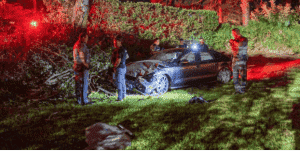
A Naples car accident at-fault parties lawyer can investigate how a collision occurred and identify drivers, employers, vehicle owners, or other entities that may share responsibility. The Law Offices of Anidjar and Levine can review police reports, photographs, witness accounts, medical records, vehicle damage, and roadway conditions. Florida comparative negligence rules can affect how damages are allocated and may limit recovery based on an injured person’s share of fault. Legal support can also help preserve evidence, communicate with insurers, and explain deadlines and available options. Learn more from a Naples Personal Injury Lawyer. The following sections outline important considerations.
Main Takeaways
- A Naples car accident lawyer can investigate which drivers, employers, vehicle owners, or other entities may share responsibility.
- Under Florida law, liability depends on each party’s duty, conduct, and contribution to the collision.
- Police reports, photographs, witness accounts, medical records, and roadway evidence can help assess fault.
- Florida comparative negligence may affect how responsibility and compensation are allocated among parties.
- Ask a lawyer about experience, communication, deadlines, and next steps during a free consultation.
How We Can Help With Your Naples Car Accident At-Fault Parties Injury Claim
When a Naples car accident involves multiple potentially responsible parties, identifying who caused the crash and establishing each party’s share of liability can be essential to pursuing compensation. A law firm can help injured people manage the claim process while keeping their recovery needs at the center of its work. The legal team may gather available records, communicate with insurers, organize medical documentation, and track deadlines so clients can focus on treatment and daily responsibilities.
Careful Case preparation supports a clear, well-documented presentation of the losses and circumstances surrounding the collision. Counsel can review evidence, identify missing information, and explain practical options in language clients can understand. A considered Legal strategy can guide negotiations and help determine whether further action is appropriate, based on the available facts and the client’s goals.
Throughout the process, the firm can provide updates, answer questions, and coordinate necessary steps. This steady support helps clients make informed decisions without adding avoidable burdens during a difficult period.
Don’t Wait. Call Our Florida Personal Injury Lawyers Now!
Understanding Naples Car Accident At-Fault Parties Injury Cases


Understanding a Naples car accident injury case involving multiple at-fault parties begins with examining how the collision occurred and what each person or entity may have contributed. A careful review considers the injured person’s losses, the available evidence, and how responsibility may be shared. Potentially responsible parties can include drivers, employers, vehicle owners, or other entities, depending on their connection to the incident. Each claim requires facts that support a legal duty, a failure to meet that duty, and a resulting injury.
OUR CONSULTATIONSARE FREE
START YOUR FREE CASE REVIEW

The process also accounts for the practical effects of an injury on the person and those who depend on them. Medical needs, lost income, and transportation disruption can disrupt household routines and limit access to vital services. Post-collision family support can help relatives coordinate care and maintain daily responsibilities while recovery continues. Clear documentation of expenses, treatment, and routine changes helps explain the crash’s full impact. Understanding these issues allows a claim to address both financial losses and the support needed for recovery.
Common Causes of Naples Car Accident At-Fault Parties
Common causes of Naples car accidents include distracted driving, speeding, and other reckless behavior that can prevent drivers from responding safely to changing road conditions. Impaired driving may also compromise judgment and reaction time, increasing the likelihood of a collision. Failure to yield is another frequent factor, particularly at intersections and when merging.
Distracted Driving


Distracted driving frequently causes collisions in Naples and may make a driver responsible for resulting injuries and losses. When attention is diverted from traffic, a driver may miss pedestrians, cyclists, or changing road conditions. Phone Distraction includes texting, reading messages, or handling calls while driving. These actions can take a driver’s eyes, hands, or focus off the road, even for a brief trip. Dashboard distraction can occur when a driver adjusts navigation, climate controls, or entertainment systems instead of monitoring surrounding traffic. Passengers and other in-car activities can also compete for attention. When a collision occurs, evidence such as witness accounts, vehicle data, or phone records may help establish whether distraction contributed. Identifying the cause can help injured people seek fair compensation and promote safer roads for the community.
Speeding and Reckless Driving
When drivers exceed safe speeds or disregard traffic laws, they can create serious risks for others on Naples roads. Speed Limit Violations reduce the time available to respond to traffic changes and increase collision force. Reckless conduct may include unsafe passing, tailgating, weaving between lanes, or failing to yield. Aggressive Driving can endanger passengers, pedestrians, cyclists, and other motorists, even without a crash. When a collision follows, investigators may examine vehicle damage, witness accounts, roadway conditions, and available records to determine whether a driver’s choices contributed to the event. Establishing responsibility can help injured people pursue appropriate compensation and address a crash’s effects. Careful review also supports fair treatment of everyone involved and reinforces the importance of safe, lawful driving throughout the community.
Impaired Driving
Impaired driving can make a motorist less able to judge distance, respond to hazards, and maintain control of a vehicle. Alcohol, cannabis, prescription medications, and other substances may affect coordination, attention, or decision-making. Even when a driver appears composed, impairment can reduce the ability to react safely to changing road conditions.
After a collision, evidence may include officer observations, witness accounts, toxicology results, and field sobriety tests. These details can help clarify whether impairment contributed to the crash, although each case depends on its specific facts. A driver found responsible may face criminal penalties and civil liability for resulting injuries and losses.
Prevention measures, including public education and ignition interlocks for qualifying drivers, can help reduce repeat offenses. Careful investigation supports accountability, helps injured people pursue appropriate compensation, and promotes safer roads for the broader community.
Failure to Yield
Failure to yield can cause serious collisions when a driver disregards another road user’s right of way. In Naples, these crashes may occur when motorists turn left across oncoming traffic, enter a roadway without checking for approaching vehicles, or fail to stop for pedestrians in marked crossings. Drivers must follow posted signs and signals and assess conditions before proceeding. Intersection visibility can be limited by parked vehicles, landscaping, weather, or roadway design, making careful observation crucial. Traffic signal timing may also affect how drivers interpret changing lights, but it does not excuse entering an intersection when it is unsafe. Investigators may review witness accounts, vehicle damage, roadway conditions, and signal records to determine whether a driver failed to yield. Establishing responsibility can help injured people seek appropriate support and hold the responsible party accountable.
Legal Rights of Naples Car Accident At-Fault Parties Injury Victims
Even if a driver is found partly or fully responsible for a Naples car accident, an injured person may still have important legal rights. Responsibility does not automatically eliminate access to medical care, insurance benefits, or legal advice.
Understanding available options can help an injured person protect personal interests while supporting fair treatment for everyone affected.
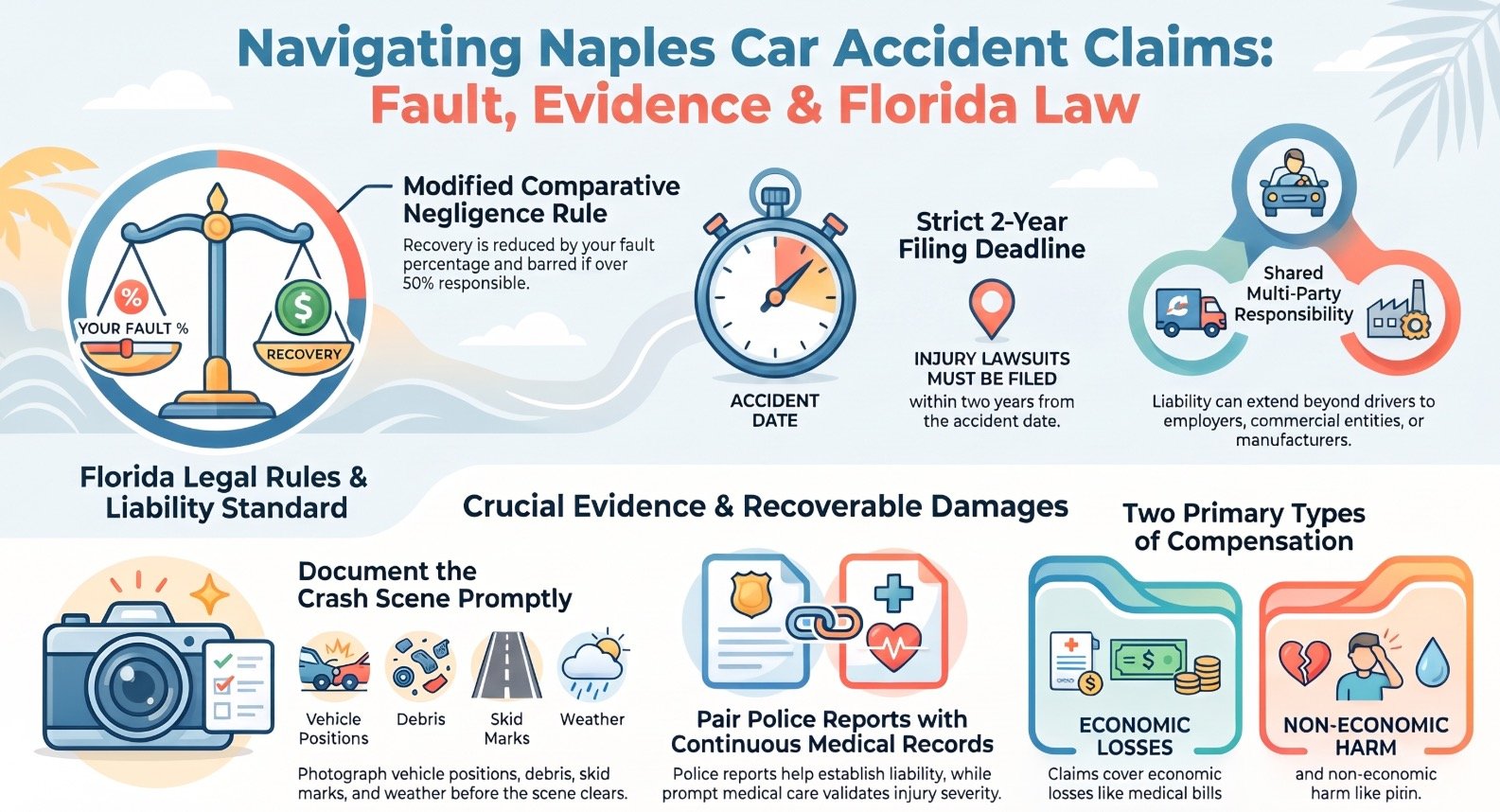
- Under Florida’s Comparative negligence rules, a person’s recoverable damages may be reduced based on their share of fault. Current law can bar recovery when the person is more than 50 percent responsible, subject to exceptions.
- The injured driver may seek applicable personal injury protection benefits, which can help cover medical expenses and lost income.
- A claim may be available against another responsible party whose conduct contributed to the collision or resulting injuries.
- If included in the policy, uninsured motorist coverage may provide benefits when an at-fault driver lacks adequate insurance, subject to policy terms.
Prompt medical attention, accurate records, and advice from a qualified attorney can clarify deadlines, coverage, and potential claims.
Why Do Naples Car Accident At-Fault Parties Injuries Happen?
In Naples, car accident injuries can occur when a driver’s choices or circumstances contribute to a collision, though the person assigned fault is not necessarily the only party responsible. Common causes include speeding, distracted driving, impaired judgment, unsafe lane changes, and failure to yield. These actions can reduce reaction time or make it difficult to avoid another vehicle, a pedestrian, or a cyclist. Weather, heavy traffic, and limited visibility may also increase risk, particularly when drivers fail to adjust their behavior to conditions.
Some collisions involve factors beyond a driver’s conduct. Road design, including confusing intersections, inadequate signs, or poorly maintained surfaces, can contribute to crashes. Vehicle defects, such as faulty brakes or defective tires, may also prevent a vehicle from responding as intended. In some cases, multiple factors combine, and responsibility may involve more than one driver or another party. Understanding these causes helps explain how injuries occur and why careful review of the circumstances matters to those affected and the wider community.
What Should You Do After a Naples Car Accident At-Fault Party Injury?
After a Naples car accident, injured individuals should seek prompt medical care, even if their symptoms initially seem minor. They should document the scene by recording relevant details, photographing damage, and, when possible, gathering witness information. Contacting a lawyer can help clarify potential claims and preserve important evidence.
Seek Medical Care
Seek prompt medical care after a Naples car accident, even if injuries seem minor or symptoms appear later. A medical professional can evaluate visible injuries and identify conditions that may not be immediately apparent, such as concussion or soft-tissue damage. An injured person should describe all symptoms accurately and explain when they began, allowing the provider to recommend appropriate testing and treatment. Following the care plan supports recovery and helps prevent complications. Follow-up appointments let clinicians monitor progress, reassess symptoms, and adjust treatment as needed. Medication management is also important; patients should follow instructions, disclose existing prescriptions, and ask about possible side effects or interactions. Consistent care helps injured people protect their health while they meet family, work, and community responsibilities as recovery progresses.
Document The Scene
Documenting the scene can preserve important evidence about how a Naples car accident occurred and who may be responsible. If it is safe, the injured person or a companion can use a phone to Photograph Vehicle Positions before vehicles are moved. Images may show damage, debris, skid marks, traffic signals, signs, and nearby road conditions. Record Weather Conditions, including rain, glare, visibility, and whether the pavement was wet or dry. Written notes can capture the time, location, direction of travel, and sequence of events while details remain fresh. Witness names and contact information may also help clarify what happened. These records can support an accurate account and help protect everyone affected by the collision. Documentation should never delay emergency care or require anyone to enter traffic or approach an unsafe vehicle.
Contact A Lawyer
A lawyer can help an injured person assess potential responsibility for a Naples car accident and understand the steps that may protect a claim. Prompt legal guidance can clarify how driver conduct, vehicle ownership, or other circumstances may affect liability. An injured person can bring photographs, witness details, medical records, and insurance correspondence to an initial discussion. These materials may help counsel identify questions requiring further investigation and explain applicable deadlines.
A free consultation offers an opportunity to discuss the incident, possible next steps, and the lawyer’s approach without an immediate commitment. Before choosing representation, the injured person can ask about Attorney Availability, communication practices, and experience handling accident claims. Timely contact may help preserve evidence and reduce avoidable errors. A lawyer can also explain how pursuing fair compensation may support recovery and the needs of those who depend on the injured person.
Critical Evidence in a Naples Car Accident At-Fault Parties Injury Case
Establishing who caused a Naples car accident often depends on preserving evidence that clarifies how the collision occurred and documents resulting injuries.
Crucial evidence may include:
- Crash scene documentation
- Police accident reports
- Medical records
- Witness statements
Carefully reviewing these materials can help assess fault and support an injury claim.
Crash Scene Documentation
What happens at a crash scene can shape how fault is evaluated later. Careful documentation can preserve details that may otherwise disappear as vehicles move and roadways are cleared. When safe, photographs should show the full scene, vehicle damage, traffic controls, road conditions, and visible debris. Photograph Vehicle Positions from several angles to record spacing, direction, and location in relation to lanes or intersections. Preserve Skid Marks by photographing their length, direction, and position before weather or cleanup alters them. Images should include wide views and close details, with dates and locations recorded when possible. Witnesses may also note what they observed while memories remain fresh. These steps can clarify how the collision occurred, support a fair assessment of responsibility, and protect the interests of those affected.
Police Accident Reports
Police accident reports can provide an important early record of a Naples collision and the circumstances surrounding it. Officers may document the date, location, involved drivers, vehicle details, witness statements, road conditions, and observations made at the scene. These details can help identify potential at-fault parties and guide further investigation, but the report does not determine legal responsibility. Report access may depend on agency procedures and applicable eligibility requirements. Parties should verify how to obtain the report and review it carefully for factual accuracy. If an error or omission appears, report corrections may be requested through the agency that prepared the document, supported by relevant information. Prompt, accurate reporting can also help preserve a reliable account for insurers, investigators, and others seeking a fair resolution.
Medical Records
When a Naples car accident causes injuries, medical records can provide vital evidence about the harm suffered and its connection to the collision. Treatment notes, diagnostic images, test results, and billing statements can document symptoms, medical findings, and the care required. These materials may help clarify when a provider identified an injury and whether treatment followed a consistent course. Record preservation is important because missing records can make it harder to assess the full impact of an injury. Patients may request copies and retain appointment summaries, discharge instructions, and related correspondence. Provider coordination can help ensure records from hospitals, physicians, therapists, and other treating professionals are collected and organized. Accurate, complete documentation supports a careful review of damages and helps those evaluating an at-fault party’s responsibility understand the medical evidence without overstating what it proves.
Witness Statements
Alongside medical records, witness statements can help establish how a Naples car accident occurred and which parties may have contributed to it. Independent observers may describe vehicle speed, traffic signals, road conditions, and actions taken immediately before impact. Their accounts can help clarify disputed details and identify conduct relevant to fault.
Witness Credibility depends on factors such as the observer’s opportunity to see the collision, distance from the scene, and any relationship to those involved. Investigators may also consider whether a witness recorded their account promptly, before memories changed or outside information influenced recollection. Statement Consistency with physical evidence, photographs, and other accounts can strengthen its value, while meaningful differences may require further review. Careful documentation preserves useful information and supports a fair assessment of responsibility, helping injured people seek accountability without overstating what any single witness can establish.
Long-Term Effects of Naples Car Accident At-Fault Parties Injuries
Injuries from a Naples car accident may cause chronic pain and discomfort that persist long after initial treatment. Some people also experience lasting mobility limitations that affect daily activities and independence. Emotional distress and cognitive changes may further complicate recovery and require ongoing care.
Chronic Pain and Discomfort
Chronic pain can persist long after a Naples car accident, even when the initial injuries appear to have recovered. Ongoing soreness, headaches, nerve sensitivity, or stiffness may disrupt concentration and daily responsibilities. Symptoms can fluctuate, making it hard to predict when discomfort will worsen or how long it will last. Sleep disruption may further affect energy, mood, and the ability to meet work or family obligations.
A consistent medical record can help document the nature and duration of these effects. Treatment may include medication, therapeutic care, or other Pain management approaches recommended by qualified providers. Individuals who support others may also need to adjust caregiving duties while symptoms are evaluated and treated. When another party’s negligence caused the collision, records of continuing pain and related care may help establish the injury’s lasting impact in a legal claim.
Lasting Mobility Limitations
When a Naples car accident causes lasting damage to the back, joints, or limbs, mobility limitations may continue after initial treatment ends. Injured individuals may have difficulty walking, climbing stairs, standing for extended periods, or completing routine tasks without assistance. These restrictions can affect employment, caregiving responsibilities, and participation in community life. Rehabilitation, home modifications, and adaptive equipment may help preserve independence and support safer movement. Some individuals also require Accessible transportation for medical appointments, work, or necessary errands when driving or using standard transit is no longer practical. The extent of these needs depends on the injuries, recovery progress, and available support. Documenting mobility challenges and related expenses can help clarify the lasting impact of a collision when at-fault parties are held accountable for the resulting harm.
Emotional and Cognitive Effects
Beyond physical and mobility challenges, a Naples car accident may also lead to lasting emotional or cognitive effects. Some injured people experience post-traumatic stress, including intrusive memories, heightened alertness, or fear of driving. These symptoms may interfere with work, family responsibilities, and community service. Others develop anxiety, depression, sleep disruption, or concentration difficulties that make routine decisions and tasks harder to manage. Cognitive changes can follow a head injury, but emotional distress may also affect attention and memory. A qualified health professional can assess symptoms, recommend treatment, and monitor progress over time. Consistent care may help individuals regain stability and participate more fully in daily life. Documenting these effects and their impact on functioning can also help clarify the extent of an injury when responsibility and compensation are evaluated.
Don’t Wait. Call Our Florida Personal Injury Lawyers Now!
Proving Liability in Naples Car Accident At-Fault Party Injury Cases
Proving liability in a Naples car accident case requires evidence showing that another party’s negligence caused the collision and resulting injuries. Establishing this connection often begins with collecting police reports, photographs, witness statements, and medical records. These materials can clarify how the crash occurred and document the resulting harm.
Investigators may examine vehicle damage, roadway conditions, traffic signals, and available video footage. Accident reconstruction can help explain vehicle movements and identify factors that contributed to the impact. When multiple parties may share responsibility, evidence must also address comparative negligence, which can affect how Florida law allocates fault. A careful review helps distinguish supported conclusions from assumptions.
Promptly preserving relevant evidence can strengthen an accurate account of events. Witnesses may become harder to locate, and physical evidence can change or disappear. By organizing reliable records and consulting qualified professionals when needed, injured people and their families can support a fair determination of responsibility. Clear proof also helps ensure each party’s conduct is assessed consistently and that the collision’s consequences are understood.
Dealing With Insurance Companies After a Naples Car Accident At-Fault Party Injury
After a Naples car accident, injured people may face insurance adjusters seeking statements, records, or settlement discussions before responsibility and damages are clear. Careful communication can protect the injured person’s interests while allowing the insurer to review the matter. Adjusters may request recorded statements, medical authorizations, or details about prior conditions. Before responding, claimants should understand what is being requested and avoid speculation or comments that could be misunderstood.
Insurer tactics may include questioning injury severity, disputing fault, or making an early offer before treatment needs are known. A prompt offer may not reflect future care, lost income, or other documented losses. Claimants should preserve correspondence, retain relevant records, and avoid signing a release without understanding its effect. Policy limits can also restrict available compensation, even when losses are substantial. An attorney can explain coverage, review communications, and help ensure information is presented accurately. This support can help injured people focus on recovery while pursuing fair treatment and protecting their ability to help others.
What to Expect During a Naples Car Accident At-Fault Parties Injury Claim Process
A Naples car accident injury claim typically begins with a review of the incident, medical records, and available insurance coverage. The investigation then identifies potentially responsible parties and gathers evidence to support liability and damages before negotiations begin. If the parties cannot reach a settlement, the claim may proceed to trial.
Initial Claim Review
When a Naples car accident claim involves multiple potentially responsible parties, the initial review examines the crash circumstances, available evidence, and each party’s possible role in causing the injuries. This early assessment helps establish whether a claim may proceed and what information is needed to support it. Initial claim eligibility may depend on the reported injuries, treatment records, applicable filing deadlines, and the relationship between the collision and the harm reported. The review also considers available insurance documents and policy terms through coverage verification, while avoiding assumptions about the final outcome. Medical bills, photographs, witness accounts, and official reports can help clarify the scope of losses and identify missing documentation. A careful review supports an organized process, allowing injured people to focus on recovery while their representatives evaluate the claim responsibly and clearly communicate next steps.
Identifying At-Fault Parties
Identifying at-fault parties requires examining how each person or entity may have contributed to the collision and resulting injuries. This review may consider the drivers involved, vehicle owners, employers, manufacturers, or other parties whose conduct or responsibilities affected road safety. In collisions involving work vehicles, Commercial Vehicle Liability may extend beyond the driver to a company responsible for hiring, training, supervision, or vehicle maintenance. A defective component may also raise questions about a manufacturer’s role. Government Entity Liability may arise when a public agency’s roadway design, maintenance, or traffic control decisions contributed to the crash, subject to applicable legal requirements. Identifying the responsible parties helps clarify who may owe duties to injured people and supports a claim that accounts for each person’s needs and the broader community’s interest in safer roads.
Negotiations And Evidence
Once the potentially responsible parties are identified, negotiations and evidence review help determine how liability and damages may be addressed. A careful evidence preservation plan can protect records that clarify how the collision occurred and who may bear responsibility. Relevant materials may include photographs, vehicle damage reports, witness statements, medical records, and available electronic data. Because evidence can be lost or altered, timely collection and organized documentation are important. Each party’s insurer may review the facts, assess the claimed losses, and request supporting information. A sound Demand strategy presents the available evidence, explains the basis for liability, and documents the injured person’s financial and personal losses. Clear, accurate communication helps everyone involved evaluate the claim fairly and efficiently. The process may require further investigation when accounts conflict or responsibility remains disputed.
Settlement Or Trial
After reviewing the evidence and liability issues, a Naples car accident injury claim may proceed toward settlement or trial. During settlement discussions, the parties assess documented losses, future care needs, and the strength of available evidence. An agreement can resolve the claim without a courtroom hearing, but parties should review any proposed terms carefully before accepting them. If negotiations do not produce an acceptable resolution, the case may proceed to trial. Each side presents evidence, examines witnesses, and argues over fault and damages. Courtroom testimony may include accounts from the injured person, witnesses, and qualified experts. The judge or jury evaluates the evidence under applicable law. If jurors decide the case, they deliberate after the presentations, and their verdict determines liability and any damages awarded.
Compensation for Naples Car Accident At-Fault Parties Injury Damages
When another party’s negligence causes a car accident in Naples, injured people may seek compensation for losses supported by the evidence. A claim may address reasonable medical expenses, including emergency care, follow-up appointments, medication, rehabilitation, and treatment expected to be necessary in the future. Health care provider records can help establish the connection between the collision and the injuries.
Compensation may also account for Lost income when injuries prevent a person from working or reduce the ability to earn wages. Documentation such as pay records, employer statements, and medical restrictions may support these losses. Property damage can include repair costs or vehicle replacement when a damaged car cannot be safely or economically restored. Receipts, repair estimates, and valuation information may help show the amount sought.
Each claim depends on its specific facts, available documentation, and applicable law. A careful assessment can help injured people pursue recovery while preserving resources and stability for their families and communities.
Economic vs Non-Economic Damages in Naples Car Accident At-Fault Parties Cases
In Naples car accident cases, damages generally include economic losses, such as medical expenses and lost income, and non-economic losses, such as pain and reduced quality of life. Each category reflects a different impact of the collision and may require distinct evidence. Clear records and supporting documentation help establish the extent and value of the losses claimed.
Economic Damages
Economic damages compensate injured people for measurable financial losses caused by a car accident, such as medical expenses, lost income, and the cost of future care. These losses may include emergency treatment, rehabilitation, prescription medication, and necessary medical equipment. Records such as bills, receipts, and treatment plans can help establish the amount and connection to the collision.
You may be able to recover lost wages if injuries prevent you from working during recovery. If an injury limits future employment or reduces a person’s ability to earn, diminished earning capacity may also be considered. Calculating these losses can require employment records, wage statements, medical opinions, and evidence of expected career progression.
A careful assessment helps identify documented expenses and anticipated financial needs. Naples counsel may review the evidence, consult qualified professionals, and present a supported compensation claim.
Non-Economic Damages
Beyond measurable financial losses, non-economic damages may compensate an injured person for the physical pain, emotional distress, and disruption to daily life caused by a car accident. These losses differ from medical bills or lost income because they reflect personal effects that don’t have a fixed price. In Naples, an injured person may seek compensation for Pain and suffering, including ongoing discomfort, anxiety, or the strain of recovery. Loss of enjoyment may also be considered when injuries limit hobbies, family activities, or other meaningful parts of daily life. Such harm can affect a person’s independence and ability to contribute at home, work, or in the community. Florida law may allow recovery for these damages when the circumstances support them, alongside economic losses arising from the collision.
Proving Your Losses
To recover compensation from an at-fault party, an injured person must support both financial losses and the personal effects of the collision with credible evidence. Economic damages may include medical bills, rehabilitation costs, vehicle-related expenses, and Lost income. Pay records, tax documents, invoices, and treatment records can help establish the amount and connection to the crash. When injuries limit future work, medical opinions and vocational assessments may support a claim for diminished earning capacity.
Non-economic damages address effects that do not have a direct price, such as pain, emotional distress, and reduced ability to participate in daily activities. Consistent treatment notes, personal records, and statements from people familiar with the injured person’s life may help describe these changes. Clear, organized evidence enables a fair assessment, supports accountability, and helps injured individuals protect their well-being and responsibilities.
Don’t Wait. Call Our Florida Personal Injury Lawyers Now!
When a Naples Car Accident At-Fault Parties Injury Case Goes to Trial vs. Settlement
A Naples car accident injury claim may settle or go to trial, depending on the evidence, the parties’ positions, and the disputed value of the losses. Settlement allows the injured person and the responsible parties or insurers to negotiate a resolution without a courtroom decision. A written agreement typically sets the payment and ends the covered claims, providing a defined outcome while avoiding the time and uncertainty of trial. Negotiations may continue as medical records, witness accounts, and other evidence clarify the extent of the harm.
If the parties cannot agree, the case may proceed to trial. Each side presents evidence and cross-examines witnesses, and testimony helps explain how the collision occurred and affected the injured person. The judge or jury evaluates the evidence and determines responsibility and damages. Jury deliberations follow closing arguments when a jury hears the case. A trial can provide a formal decision, but the outcome is uncertain, and preparation may require substantial time and resources.
Florida Laws That May Affect Your Naples Car Accident At-Fault Parties Case
Florida law can shape how fault is assigned and what compensation may be available after a Naples car accident. Several rules may affect an injured person’s claim and the responsibilities of drivers, insurers, and other parties. Understanding them can help people make informed decisions while protecting the interests of those who depend on them.
- Florida no-fault: Drivers generally turn first to personal injury protection coverage for specified medical expenses and lost income, regardless of who caused the crash. Serious injuries may permit a claim against an at-fault party.
- Comparative negligence: A person’s compensation may be reduced by their share of responsibility. Florida’s modified comparative negligence rule generally bars recovery when that person is more than 50 percent at fault.
- Evidence of fault: Police reports, witness accounts, photographs, and vehicle data may help establish how the collision occurred.
- Shared responsibility: More than one driver or entity may contribute to a crash, and liability may be allocated among responsible parties.
These rules can affect claim strategy and potential recovery.
The Statute of Limitations for Naples Car Accident At-Fault Parties Injury Cases
Beyond fault and compensation rules, filing deadlines can determine whether an injured person can pursue a claim against responsible parties. In Florida, a person injured in a car accident generally has two years from the crash date to file a negligence lawsuit. This deadline applies even when several drivers or other parties may share responsibility, so identifying each potential defendant does not extend the time available.
A timely Claim Filing preserves the opportunity to seek compensation through the courts. If the deadline passes, a court may dismiss the case, leaving the injured person without a legal remedy. Different time limits may apply when a government entity is involved, and notice requirements can arise well before a lawsuit is filed.
Deadline Exceptions are limited and depend on specific circumstances, such as a defendant’s concealment or a claimant’s legal incapacity. Because exceptions are fact-specific, injured people should promptly confirm the applicable deadline and keep records that establish when the collision occurred.
How a Naples Car Accident At-Fault Parties Lawyer Can Help You
When multiple parties may have contributed to a collision, a Naples car accident at-fault parties lawyer can help identify responsible individuals or entities and assess the evidence linking each to the crash. This work can support injured people seeking fair compensation while promoting accountability and safer practices.
A lawyer may assist by:
- Gathering crash reports, photographs, witness accounts, and available video to clarify how the collision occurred.
- Examining driver conduct, vehicle maintenance, road conditions, and company policies for possible sources of responsibility.
- Coordinating with qualified experts who can interpret technical evidence and explain its relevance to the claim.
- Communicating with insurers and opposing parties, presenting documented losses, and addressing disputes about fault.
Local Representation can help confirm that the investigation reflects relevant community conditions and procedures. Counsel can also develop a Case Strategy suited to the facts, applicable law, and the client’s needs. By organizing evidence and explaining available options, a lawyer can help clients make informed decisions and pursue a resolution that recognizes their injuries and supports their recovery.
When to Contact a Naples Car Accident At-Fault Parties Lawyer
Early legal guidance can help preserve evidence and clarify which parties may bear responsibility for a Naples car accident. Contacting counsel soon after a collision can help you review the scene, vehicle damage, witness accounts, and available records before details become hard to verify. Early Consultation may also help an injured person understand reporting deadlines and avoid statements or agreements that could affect a claim.
Prompt contact is especially important when injuries require ongoing care, multiple vehicles were involved, or a commercial driver or employer may share responsibility. A lawyer can identify the information needed to assess these circumstances and explain practical next steps without delaying medical attention.
Attorney Selection merits thoughtful consideration, including whether the lawyer handles injury claims involving disputed fault and multiple parties. A timely discussion allows the prospective client to ask about communication, fees, and the process. Those seeking to protect family members or assist others should prioritize accurate records and informed decisions from the outset.
Why You Need an Experienced Naples Car Accident At-Fault Parties Lawyer
An experienced Naples car accident at-fault parties lawyer can help determine how to evaluate responsibility when a collision involves disputed facts or multiple potential defendants. A careful investigation may reveal whether a driver, vehicle owner, employer, manufacturer, or another party contributed to the crash. This analysis can help injured people pursue accountability while letting them focus on recovery and their families’ needs.
Evidence may include police reports, witness statements, photographs, vehicle data, and maintenance records. Local road hazards, such as obstructed signs or unsafe pavement, may also warrant examination. In some cases, vehicle defects or negligent repairs may have played a role. An experienced lawyer can identify relevant evidence, assess how state law applies, and coordinate with qualified professionals when technical questions arise. Clear documentation can support a fair evaluation of damages and responsibility. By addressing complex liability issues methodically, counsel can help ensure those affected receive informed guidance and that responsible parties are held accountable.
How to Choose the Right Naples Car Accident At-Fault Parties Lawyer for Your Case
Choosing the right Naples car accident at-fault parties lawyer requires more than reviewing a firm’s advertising or general experience. A careful selection process helps injured people find counsel prepared to identify responsible parties and pursue fair accountability.
Prospective clients can review lawyer credentials, including Florida licensure, relevant trial experience, and a record of handling cases with disputed fault or multiple defendants. They may ask how the lawyer investigates collisions, gathers evidence, and evaluates insurance coverage. These questions can reveal whether the attorney’s approach fits the case’s needs.
Client Communication also matters. A lawyer should explain the process clearly, respond within reasonable timeframes, and provide updates as the claim develops. During an initial consultation, clients can assess whether the attorney listens carefully, answers questions directly, and respects their priorities. Fee arrangements and potential costs should be explained before representation begins. Comparing these factors can help people choose counsel who combines sound judgment with a commitment to serving clients responsibly.
About The Law Offices of Anidjar & Levine
For those evaluating legal representation after a collision, The Law Offices of Anidjar & Levine is a Florida personal injury firm that handles car accident claims. Its attorneys represent injured people and families seeking accountability after crashes, including cases involving disputed fault or multiple potentially responsible parties.
Firm history provides context for evaluating a legal provider, but prospective clients should also consider the firm’s current services, communication practices, and experience with relevant claims. The firm describes its work as focused on helping clients pursue compensation and understand the legal process. Outcomes depend on the facts, available evidence, and applicable law; no particular result can be guaranteed.
Community involvement is another consideration for people who value service beyond individual cases. The firm has publicized charitable and community activities in Florida. Those seeking representation can review these efforts alongside independent information about the firm, then ask direct questions about case strategy, fees, and updates. Clear answers can help clients decide whether the firm’s approach aligns with their needs and priorities.
Frequently Asked Questions
Can I Pursue a Claim if the At-Fault Driver Was Uninsured?
Yes, an injured person may pursue compensation even if the at-fault driver lacks insurance. Uninsured motorist coverage may pay for eligible losses, subject to the policy’s limits and terms. Personal injury protection can help cover medical expenses and certain lost income, regardless of fault. If coverage is unavailable or insufficient, other potential sources may exist. A prompt review of the crash report, insurance policies, and evidence can clarify available options and deadlines.
What Happens if Multiple Drivers Share Responsibility for the Crash?
When multiple drivers share responsibility, each driver’s degree of fault may affect the compensation available to an injured person. Under Florida’s comparative fault rules, a claimant’s recovery is generally reduced by their own share of responsibility, while recent statutory changes may bar recovery if they are more than 50 percent at fault. Apportioning damages among multiple drivers depends on evidence, applicable liability rules, and each party’s proven contribution to the crash.
Can a Passenger File a Claim Against the Driver of Their Vehicle?
Yes, a passenger may file a claim against the driver of their vehicle when Driver Negligence caused or contributed to the crash. Passenger Injury Claims may seek compensation for medical expenses, lost income, and other legally recognized losses. The passenger generally must establish that the driver breached a duty of care and that this breach caused the injuries. Available insurance coverage, comparative fault rules, and filing deadlines can affect recovery, so prompt legal guidance may help protect the claim.
Will My Car Accident Case Affect My Immigration Status?
A car accident claim generally does not, by itself, change a person’s immigration status. Immigration Status Protections may apply regardless of citizenship, but individual circumstances and any pending immigration matters warrant careful review by a qualified attorney. Accident Claim Eligibility usually depends on factors such as fault, injury, and insurance coverage, not immigration status. Seeking medical care and preserving evidence can help protect the injured person’s health and legal interests.
Can I Recover Damages if the At-Fault Driver Dies After the Crash?
A surviving injured person may still recover damages if the at-fault driver dies after a crash. Driver’s estate liability may allow a claim against the driver’s estate, subject to available assets, insurance coverage, and applicable state law. The injured person should promptly notify the estate’s personal representative and insurer, preserve evidence, and follow filing requirements. A separate wrongful death claim deadline applies when the crash caused a fatality, and it may differ by jurisdiction.
—————————
Determining who caused a Naples car accident can affect insurance claims, compensation, and the steps needed to protect an injured person’s rights. A careful review of the collision, available evidence, and applicable Florida law can help clarify responsibility and identify potential sources of recovery. The Law Offices of Anidjar and Levine can explain the legal process and discuss available options. Learn more from a Naples Personal Injury Lawyer. Prompt guidance may help preserve important evidence and support informed decisions throughout the claim.