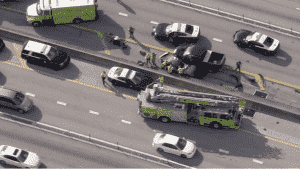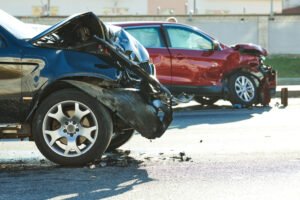
The Law Offices of Anidjar and Levine can help Florida car accident victims with internal organ or burn injuries investigate liability and pursue compensation. These injuries may require emergency treatment, surgery, rehabilitation, and long-term monitoring, while causing lost income, scarring, disability, or chronic pain. A Florida Personal Injury Lawyer can preserve crash evidence, coordinate medical documentation, communicate with insurers, and assess future losses. Potential claims may involve negligent drivers, defective vehicle components, or wrongful death. The following information explains available legal protections and important case considerations.
Main Takeaways
- A Florida car accident lawyer can investigate internal organ and burn injuries, preserve evidence, and identify all potentially responsible parties.
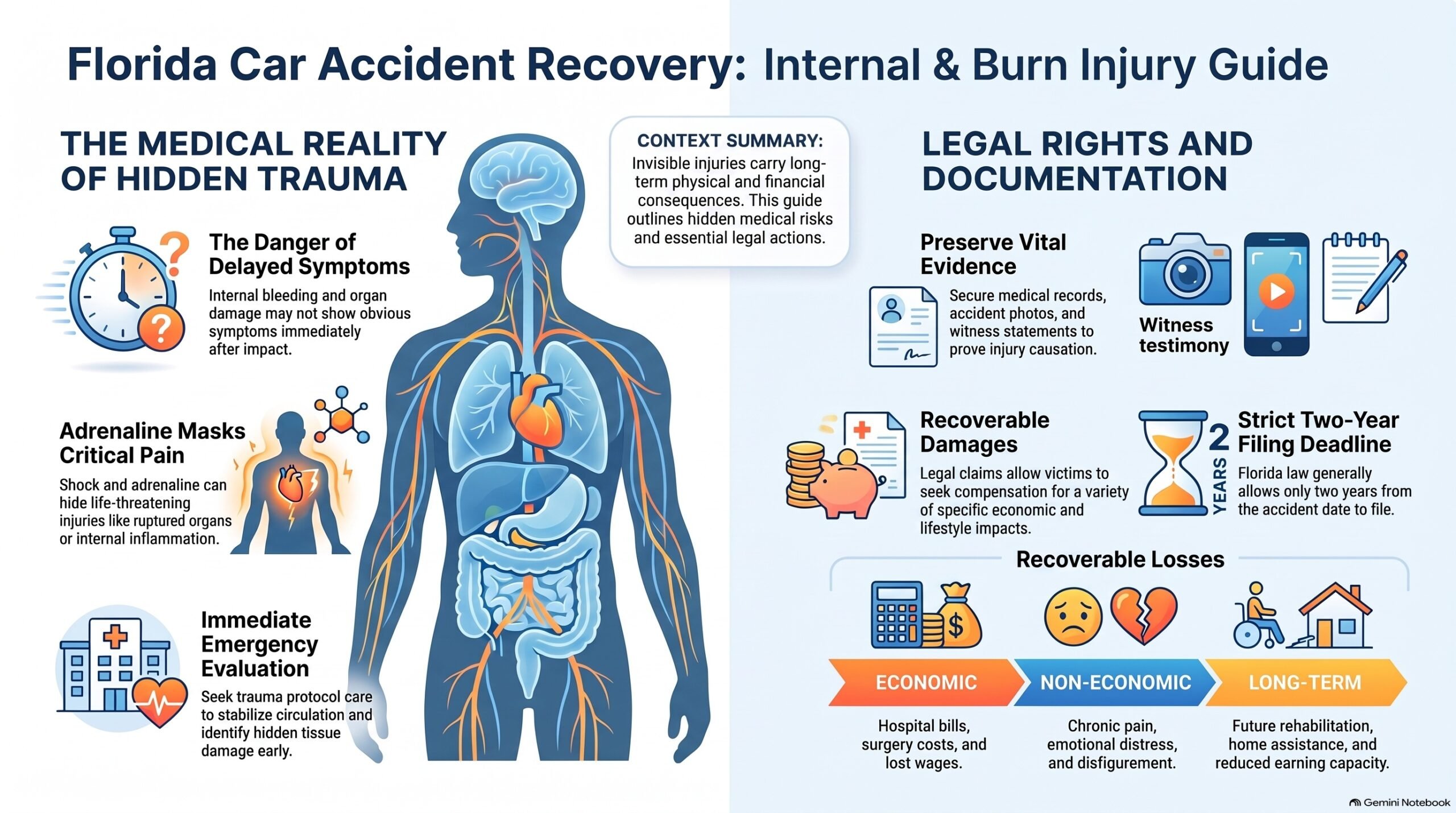
- Immediate medical evaluation is essential because internal bleeding, organ damage, burns, and complications may develop without obvious symptoms.
- Potential compensation may include medical expenses, rehabilitation, lost income, reduced earning capacity, pain, scarring, and long-term care.
- Evidence such as medical records, collision reports, photographs, witness statements, vehicle damage, and expert opinions can support an injury claim.
- Florida deadlines, comparative-fault rules, product liability, workers’ compensation, and wrongful-death laws may affect available legal remedies.


How We Can Help With Your Florida Car Accident Internal, Organ & Burn Injuries Claim
When a Florida car accident causes internal organ damage or burn injuries, the resulting claim may involve extensive medical treatment, long-term impairment, and substantial financial losses. A qualified legal team can help injured individuals and families pursue accountability while protecting their ability to focus on recovery. Attorneys may investigate the collision, preserve relevant evidence, identify responsible parties, and communicate with insurers on the client’s behalf. They can also coordinate medical documentation and evaluate losses, including treatment expenses, lost income, rehabilitation needs, and reduced earning capacity. When a defective vehicle component, fuel system, or other product contributed to the injuries, a Product Liability claim may provide an additional avenue for compensation. If the injuries prove fatal, counsel may assist eligible relatives with a Wrongful Death action and related damages. Throughout the process, legal professionals can explain available options, meet Florida filing requirements, and advocate for a resolution that reflects the harm sustained without making promises about a particular outcome.
OUR CONSULTATIONSARE FREE
START YOUR FREE CASE REVIEW

Understanding Florida Car Accident Internal, Organ & Burn Injuries Injury Cases
Understanding these cases begins with recognizing that internal organ and burn injuries may not be fully apparent immediately after a Florida collision. A Florida injuries overview should consequently address delayed symptoms, diagnostic testing, treatment requirements, and the potential effect on a person’s daily life. Internal injuries can involve bleeding, organ damage, or complications that require continuing medical observation. Burn injuries may require specialized care, procedures, rehabilitation, and careful documentation of pain, scarring, and functional limitations.
A burn severity assessment helps establish the nature and extent of tissue damage, while medical records can connect the injury to the collision and identify necessary future care. Case evaluation may also consider lost income, medical expenses, emotional effects, and the need for assistance with ordinary activities. Attorneys serving injured individuals typically review evidence, consult qualified medical professionals, and explain available legal options. Prompt attention helps preserve relevant records and supports a complete, accurate understanding of the person’s injuries and recovery needs.
Common Causes of Florida Car Accident Internal, Organ & Burn Injuries
Common causes of internal organ and burn injuries in Florida car accidents include high-speed collisions, which can generate severe blunt-force trauma. Vehicle fires and airbag deployment may cause burns or other significant injuries, particularly when occupants cannot exit quickly or are positioned improperly. Distracted driving crashes also contribute to this harm by reducing reaction time and increasing the likelihood of violent impacts.
High-Speed Collisions
High-speed collisions generate extreme force that can cause internal bleeding, organ damage, and severe burn injuries even when external wounds appear limited. Sudden deceleration may compress the chest and abdomen, rupture blood vessels, or damage the liver, spleen, kidneys, and other life-critical organs. Occupants can also suffer fractures, traumatic brain injuries, and deep tissue burns from impact with restraints, dashboards, or deployed airbags. Emergency symptoms may develop gradually, making prompt medical evaluation crucial for restoring injured individuals. Investigators often use skid marks analysis, vehicle deformation, roadway evidence, and witness accounts to assess speed and impact dynamics. A post-collision shockwave can intensify injuries across multiple vehicles and affect bystanders. Accurate documentation helps families, healthcare providers, and advocates identify necessary support while preserving evidence relevant to accountability and compensation.
Vehicle Fires
Vehicle fires can transform a collision into a rapidly escalating emergency, causing severe burns, smoke inhalation, and internal injuries within minutes. Leaking gasoline, ruptured fuel lines, damaged batteries, electrical shorts, and overheated engines are common causes. A fire may spread through the passenger compartment before occupants can escape, while toxic smoke can impair breathing and judgment. Emergency responders typically prioritize extinguishing flames, evacuating occupants, and treating airway injuries, burns, and possible organ trauma. Afterward, medical records, fire department reports, photographs, witness statements, and property damage documentation may help establish how the incident occurred. Investigators may also examine manufacturing defects, maintenance failures, roadway conditions, or collision dynamics. When suspicious circumstances exist, arson investigations can determine whether deliberate ignition contributed to the fire and resulting injuries.
Airbag Deployment Injuries
When an airbag deploys during a collision, its rapid expansion can cause injuries even as it prevents more severe impacts with the steering wheel, dashboard, or windshield. Deployment may produce facial abrasions, burns, hearing damage, or fractures involving the hands, arms, and ribs. A close seating position, improper posture, or an unbelted occupant can increase the risk. Even with proper vehicle safety design, the airbag works with the seatbelt, not as a substitute for it. The seatbelt impact may cause bruising or internal injuries, while the combined force of modern restraint systems can affect the chest and abdomen. Medical evaluation may identify organ trauma that is not immediately apparent. Effective occupant protection depends on correctly fitted restraints, functioning sensors, and timely investigation when deployment appears defective or causes unexpected harm.
Distracted Driving Crashes
Distracted driving crashes occur when a driver’s visual, manual, or cognitive attention shifts away from the roadway, reducing the ability to recognize hazards and respond appropriately. Phone distraction, including calls, notifications, navigation, and social media, can cause delayed braking, lane departures, and high-speed impacts. Texting collisions are particularly dangerous because they combine visual and manual distraction, often leaving the vehicle uncontrolled for several seconds. Resulting forces may cause blunt trauma to the abdomen, organ damage, fractures, or burns when fuel ignites after a collision. Establishing crash liability may require reviewing phone records, vehicle data, witness accounts, traffic footage, and police findings. A careful investigation can clarify whether negligent distraction contributed to the injuries and identify responsible parties. Prompt medical evaluation and compassionate legal guidance help affected individuals pursue treatment, accountability, and appropriate compensation.
Don’t Wait. Call Our Florida Personal Injury Lawyers Now!


Legal Rights of Florida Car Accident Internal, Organ & Burn Injuries Injury Victims
Florida car accident victims who suffer internal organ damage or burn injuries may have legal rights to pursue compensation from the party responsible for the collision. A claim may address emergency care, surgery, rehabilitation, lost income, reduced earning capacity, pain, and ongoing medical needs. Evidence can include medical records, collision reports, witness statements, and expert evaluations.
Florida car accident victims with internal organ damage or burn injuries may seek compensation for medical expenses, lost income, and ongoing care.
Victims should consider four important protections:
- The right to seek damages through an insurance claim or personal injury lawsuit.
- The right to consult counsel before providing recorded statements or accepting a settlement.
- The right to pursue Workers’ Compensation eligibility when employment-related circumstances apply.
- The right to understand Wrongful death procedures when injuries result in a fatality.
Florida deadlines and comparative-fault rules can affect recovery, so prompt legal assessment is important. Attorneys may help preserve evidence, communicate with insurers, and accurately present the victim’s losses. Supportive guidance can also help families protect necessary resources while pursuing accountability and fair compensation.
Why Do Florida Car Accident Internal, Organ & Burn Injuries Happen?
Internal organ and burn injuries in Florida car accidents commonly result from the extreme forces, heat, and debris generated during a collision. A sudden impact can compress the abdomen or chest, damaging organs, blood vessels, and internal tissues without visible wounds. Seat belts, steering wheels, airbags, and shattered vehicle components may intensify these injuries. Fires, fuel ignition, hot surfaces, and chemical exposure can produce burns that extend beyond the skin’s surface.
Hidden trauma signs may remain difficult to recognize immediately, particularly when adrenaline masks pain. Consequently, delayed symptom timelines can allow bleeding, organ dysfunction, or infection to progress before diagnosis. Inflammatory complications may develop as injured tissues swell, reducing blood flow and impairing normal organ function. Burns also carry lasting risks, including nerve damage, mobility limitations, and scar healing effects that alter appearance or movement. Understanding these injury mechanisms helps communities support affected individuals and recognize why thorough medical evaluation and compassionate legal guidance may become important after a collision.
What Should You Do After a Florida Car Accident Internal, Organ & Burn Injuries?
After a Florida car accident, an injured person should seek immediate medical care, even when internal injuries or burns are not immediately apparent. Medical records, photographs, witness information, and other evidence should be preserved to document the injuries and their effects. Consulting a Florida injury lawyer can help protect the individual’s rights and address potential compensation claims.
Seek Immediate Medical Care
Prompt medical evaluation is essential when a person experiences internal organ or burn injuries in a car accident, even if symptoms initially appear minor or absent. Internal bleeding, organ damage, shock, and serious burns may worsen without obvious warning. The injured person should request emergency services or receive transportation to an emergency department rather than attempting to drive. Emergency trauma protocol allows trained professionals to stabilize breathing, circulation, and other urgent conditions. Immediate symptom screening can identify pain, swelling, dizziness, difficulty breathing, abdominal tenderness, confusion, or changes in consciousness that require prompt treatment. Burns should be protected from further contamination, while clothing stuck to damaged skin should not be removed. Medical instructions should be followed carefully, and delayed symptoms should be reported without hesitation to protect the person’s health and recovery.
Document Injuries and Evidence
Following a Florida car accident, the injured person or a designated representative should document visible injuries, medical findings, and surrounding evidence as soon as reasonably possible. Photographs may capture burns, swelling, bruising, surgical sites, damaged clothing, vehicle conditions, roadway hazards, and relevant weather or lighting. Images should be taken from multiple distances without interfering with emergency treatment. Witness names, contact information, statements, and the crash location should be recorded when circumstances permit. A written timeline can preserve symptoms, treatment dates, prescribed limitations, and changes in physical condition. Understanding how medical records describe internal organ injuries, diagnostic testing, procedures, and prognosis helps maintain an accurate account. Useful evidence collection tips include preserving discharge papers, bills, medication information, employer records, and damaged personal items. Original materials should remain secure and organized.
Contact a Florida Injury Lawyer
When should legal counsel be contacted? A Florida injury lawyer may be contacted promptly after a crash, particularly when internal organ or burn injuries require emergency care, surgery, prolonged monitoring, or rehabilitation. Early guidance can help preserve evidence, identify responsible parties, and prevent insurance statements from being misunderstood or used against the injured person. Counsel can also explain Hospital discharge steps, including follow-up appointments, medication instructions, warning signs, and referrals for doctors. These records may demonstrate continuing medical needs and support a complete claim. The injured person or a designated representative should gather medical records, bills, photographs, witness information, police reports, and insurance documentation. A lawyer can coordinate with healthcare providers and insurers while the individual focuses on recovery and supporting family members. Immediate legal consultation is especially important before signing releases or accepting settlement offers.
Critical Evidence in a Florida Car Accident Internal, Organ & Burn Injuries Case
Important evidence can establish the nature, severity, and financial impact of internal organ and burn injuries after a Florida car accident.
Essential materials include:
- Medical records
- Diagnostic imaging
- Accident scene evidence
- Injury documentation
Together, these records can connect the injuries to the collision and support an accurate evaluation of liability and damages.
Medical Records
Medical records provide essential evidence in a Florida car accident case involving internal organ or burn injuries because they document the nature, severity, and progression of the injuries. Emergency department notes, physician evaluations, treatment plans, medication histories, and hospitalization records can establish when symptoms appeared and how providers responded. Records may also connect the injuries to the collision, identify necessary care, and describe limitations affecting employment or daily activities. Preserving complete copies helps prevent gaps that could weaken an injury claim. A legal team may coordinate this process with requesting accident police reports and gathering witness statements, creating a fuller account of the event and its consequences. Authorization forms, billing records, and follow-up documentation can further support claims for damages, while consistent medical reporting may clarify the ongoing need for treatment and assistance.
Diagnostic Imaging
Diagnostic imaging can reveal internal injuries and burn-related damage that may not be fully apparent during an initial examination after a Florida car accident. Emergency physicians may order contrast enhanced scans to identify bleeding, organ trauma, fractures, or airway complications associated with burns. Imaging timing can affect what appears on a study, because swelling, internal bleeding, and tissue damage may develop or become more visible over time. Documentation of each examination, including the body region studied and clinical reason for testing, helps establish the progression of medical conditions. A radiologist’s findings, along with CT or MRI interpretation by qualified experts, may clarify whether a soft tissue injury involves muscles, ligaments, nerves, or internal structures. Preserving imaging files and reports can assist medical professionals and legal representatives in evaluating the need for treatment and assessing lasting impairment.
Accident Scene Evidence
At an accident scene, photographs, vehicle positions, roadway conditions, and witness accounts can provide important evidence in a Florida car accident involving internal organ or burn injuries. Photographic scene documentation may capture skid marks, traffic signals, debris, vehicle damage, fire patterns, and hazards that later change or disappear. Witness statement collection should identify individuals who observed the collision, vehicle movements, impact sequence, lighting, weather, or smoke conditions. Their contact information and contemporaneous descriptions can help preserve independent accounts before memories fade. Investigators may also obtain available surveillance footage, dispatch records, incident reports, and roadway measurements. Careful preservation of this evidence supports a fair evaluation of fault, safety conditions, and the forces involved, while respecting the needs of injured people and those working to serve them.
Injury Documentation
Because internal organ and burn injuries may worsen or become apparent after a collision, prompt and thorough injury documentation is crucial evidence in a Florida car accident case. Medical evaluation should occur promptly, even when symptoms initially seem minor. Physicians’ records can establish diagnoses, imaging results, treatment plans, prognosis, and the relationship between injuries and the crash. Patients should follow medical instructions, attend appointments, and accurately report any changes in symptoms. Digital photos can document visible burns, bruising, swelling, surgical wounds, and the progression of recovery, provided they include dates when possible. Treatment receipts, medication records, work restrictions, and personal pain journals may further demonstrate the injury’s effects. Witness statements can corroborate immediate symptoms, visible injuries, and changes in functioning. Organized documentation helps attorneys, insurers, and courts evaluate damages and support fair compensation.
Don’t Wait. Call Our Florida Personal Injury Lawyers Now!
Long-Term Effects of Florida Car Accident Internal, Organ & Burn Injuries
Long-term effects of internal organ and burn injuries may include chronic pain, reduced mobility, and lasting disability that interfere with work and daily activities. Organ damage can also lead to ongoing complications that require monitoring, treatment, or additional medical procedures. Permanent scarring and psychological trauma may further affect a person’s physical function, appearance, and quality of life.
Chronic Pain And Disability
Internal organ and burn injuries from a Florida car accident can produce chronic pain and permanent disability long after visible wounds have been treated. Persistent discomfort may limit walking, lifting, sleeping, concentration, or participation in family and community responsibilities. Scarring, nerve damage, and reduced mobility can also affect employment and independence without necessarily creating obvious outward limitations. Medical professionals may recommend pain management options such as medication, physical therapy, counseling, injections, or carefully monitored rehabilitation. A documented treatment plan can help establish how symptoms affect daily activities and future earning capacity. Long-term disability planning may involve workplace accommodations, vocational evaluation, assistive equipment, and anticipated care expenses. Supportive relatives and caregivers may assist with appointments and household tasks while the injured person pursues recovery and evaluates legal remedies for accident-related losses.
Organ Function Complications
When a Florida car accident damages an internal organ, impaired function may continue after emergency treatment and affect a person’s health, independence, and ability to work. Kidney, liver, lung, or intestinal injuries may require ongoing medication, dietary restrictions, monitoring, or additional procedures. Complications can include reduced filtration, breathing limitations, digestive disruption, infection, and recurring inflammation. Physicians may assess organ performance through imaging, laboratory testing, and functional evaluations rather than relying on a scar diagnosis alone. These records help establish whether impairment is temporary, progressive, or permanent. Long-term survival outcomes may depend on the organ affected, treatment timing, preexisting conditions, and access to follow-up care. A person may need assistance with transportation, household responsibilities, employment changes, and coordination of medical services while adapting to diminished organ function and its ongoing demands.
Permanent Scarring And Trauma
Permanent scarring and trauma may remain after internal organs have stabilized, creating lasting physical limitations and visible changes that affect daily life. Scars can restrict movement, cause persistent pain, alter sensation, and require continuing medical oversight. Burn injuries may also produce contractures, itching, sensitivity, or disfigurement, while traumatic memories can contribute to anxiety, depression, and avoidance of necessary activities. Rehabilitation planning should address physical recovery, emotional support, occupational needs, and strategies for safely resuming family, community, or service-related responsibilities. Physicians may recommend compression garments, physical therapy, reconstructive procedures, laser therapy, or other burn scar treatments based on severity and location. Documentation of treatment, limitations, and prognosis helps establish the long-term effect of an accident. Legal guidance can assist injured individuals in pursuing compensation for care, rehabilitation, lost capacity, and diminished quality of life.
Proving Liability in Florida Car Accident Internal, Organ & Burn Injuries Injury Cases
Establishing liability in a Florida car accident involving internal-organ or burn injuries requires evidence connecting the other driver’s negligent conduct to both the collision and the resulting medical harm. Relevant proof may include crash reports, photographs, traffic-camera footage, vehicle damage, witness statements, and testimony from accident reconstruction professionals. Medical records should document emergency treatment, diagnostic findings, surgeries, rehabilitation, and the relationship between the injuries and the crash. Physicians may explain how internal bleeding, organ damage, or burns developed and why continuing care is necessary. The injured person’s prompt reporting of symptoms and compliance with treatment can also strengthen causation evidence. Evidence preservation steps should begin immediately, including securing electronic data, preserving damaged vehicles and clothing, and identifying witnesses before memories fade. Counsel may also examine Insurance denial strategies to anticipate disputed fault or causation without compromising the injured person’s interests. A carefully organized case helps decision-makers evaluate responsibility and supports a fair resolution for those requiring substantial assistance.
Dealing With Insurance Companies After a Florida Car Accident: Internal, Organ & Burn Injuries Injury
Insurance companies often respond to Florida car accident claims involving internal organ or burn injuries by scrutinizing fault, medical causation, and the extent of claimed losses. An adjuster may request extensive records, question treatment gaps, or suggest that symptoms resulted from a preexisting condition. These Insurance adjuster tactics can make serious injuries appear less connected to the collision than medical evidence demonstrates.
Claimants and their families should provide accurate information, preserve medical documentation, and avoid recorded statements or settlement discussions without informed guidance. Internal bleeding, organ damage, scarring, infection, and long-term treatment may not be fully apparent immediately, making premature conclusions particularly harmful. Insurers may also use claim-denial strategies based on alleged policy exclusions, disputed liability, delayed notice, or assertions that damages are insufficiently proven.
A careful review of coverage, medical opinions, bills, employment records, and future-care needs helps protect an injured person’s interests. Representatives serving accident victims can communicate professionally with insurers while ensuring that vital evidence and legitimate losses are not overlooked.
What to Expect During a Florida Car Accident Internal, Organ & Burn Injuries Injury Claim Process
A Florida car accident internal organ or burn injury claim typically begins with an initial medical evaluation to identify hidden injuries and establish necessary treatment. The injured party then files an insurance claim supported by medical records, accident reports, photographs, witness statements, and other evidence. Depending on liability, damages, and insurer negotiations, the matter may conclude through settlement or proceed to litigation.
Initial Medical Evaluation
When internal organ or burn injuries are suspected after a Florida car accident, the initial medical evaluation focuses on identifying conditions that may not be immediately visible. Medical personnel assess breathing, circulation, abdominal tenderness, neurological responses, skin damage, and signs of internal bleeding. Treatment urgency depends on the severity of observed symptoms and the risk of rapid deterioration. Diagnostic imaging, including ultrasound, CT scans, or X-rays, may reveal organ trauma, fractures, fluid buildup, or hidden burns requiring specialized care. Clinicians also record vital signs, examination findings, treatment decisions, and visible injuries, creating essential injury documentation. Because some conditions develop gradually, symptom tracking remains important after discharge. The injured person should promptly report any increasing pain, dizziness, swelling, difficulty breathing, fever, or changes in alertness for reassessment and continued medical care.
Insurance Claim Filing
Following an accident involving internal organ or burn injuries, the injured person or legal representative typically begins the Florida claim process by notifying the applicable insurers and providing basic information about the collision, medical treatment, and documented injuries. The insurer assigns an adjuster to review eligibility, policy terms, and reported losses. Claimants may receive documentation requests, authorization forms, recorded interview requests, and questions regarding treatment or work limitations. Coverage limitations, deductibles, and policy exclusions can affect available compensation, particularly when multiple policies apply. Claim timelines vary according to medical progress, insurer investigations, and settlement discussions. Prompt, accurate communication helps prevent avoidable delays. Counsel may assist with protecting legal rights, evaluating settlement offers, and responding to unfair treatment, including bad-faith denials. Claimants should avoid accepting releases before understanding their future medical and financial needs.
Evidence And Documentation
Strong evidence and organized documentation form the foundation of an internal organ or burn injury claim after a Florida car accident. The injured person should preserve all relevant records, including emergency reports, diagnostic tests, treatment plans, and hospital records, that establish the nature and progression of the harm. Photo documentation should capture vehicle damage, visible burns, road conditions, and injuries when medically appropriate. Surveillance video from nearby businesses, traffic systems, or residences may clarify how the collision occurred, so prompt preservation requests can be important. Witness statements should include names, contact information, and specific observations rather than assumptions. Employment records and expense receipts can document missed work, transportation, medication, and necessary care. A consistent timeline linking symptoms, treatment, and related expenses helps present information clearly to insurers and legal professionals.
Settlement Or Litigation Options
Settlement or litigation may resolve a Florida car accident claim involving internal organ or burn injuries, depending on the available evidence, insurance coverage, medical prognosis, and disputed issues of fault. During insurance negotiation, the injured person’s representative may present medical records, expert opinions, wage documentation, and projected treatment costs to support a demand. Insurers may accept, counter, or deny the proposal, often requiring careful evaluation of policy limits and comparative fault. A settlement can provide earlier compensation and reduce uncertainty, but it may not reflect future surgeries, rehabilitation, scarring, or permanent impairment unless damages are thoroughly assessed. If negotiations fail, trial strategy options may include filing suit, conducting discovery, presenting medical testimony, and proving liability and damages before a jury. Legal guidance helps protect the injured person’s interests throughout either path.
Compensation for Florida Car Accident Internal, Organ & Burn Injuries Injury Damages
Compensation for internal organ and burn injuries after a Florida car accident may include medical expenses, lost income, reduced earning capacity, pain and suffering, disfigurement, and other legally recognized losses. A careful review may identify the need for emergency treatment, surgery, hospitalization, rehabilitation, prescription medication, follow-up care, and anticipated future treatment. Medical cost recovery can require organized records, physician opinions, employment documentation, and evidence connecting each expense to the collision. Damages proof may also include photographs, expert testimony, personal accounts, and documentation of permanent scarring, organ impairment, or continuing limitations. When an insurer disputes liability or minimizes the injury, an insurance denial should be evaluated against the policy, medical evidence, and applicable Florida law. Families may also pursue wrongful death damages when internal trauma or severe burns result in a fatality, subject to statutory requirements and eligible survivors’ rights. Legal guidance can help preserve evidence, identify responsible parties, and present a comprehensive claim focused on restoring necessary support for affected individuals and families.
Economic vs Non-Economic Damages in Florida Car Accident Internal, Organ & Burn Injuries Cases
Economic damages may include medical expenses, rehabilitation costs, lost income, and future care associated with internal organ or burn injuries. Non-economic damages address pain, emotional distress, disfigurement, reduced quality of life, and other personal harms that lack fixed financial values. Establishing injury-related losses generally requires medical documentation, financial records, expert testimony, and evidence connecting the losses to the car accident.
Economic Damages Explained
Two categories of damages may arise when a Florida car accident causes internal organ or burn injuries: economic and non-economic. Economic damages represent measurable financial losses resulting from the collision and associated medical needs. They may include emergency treatment, hospitalization, surgeries, medication, rehabilitation, medical equipment, transportation, and anticipated future care. Documented invoices, insurance statements, physician evaluations, and treatment records can help establish these amounts. Lost wages documentation may support compensation for income missed during recovery, including verified employment records and payroll information. When injuries impair a person’s ability to work, future earnings calculations may address reduced earning capacity, career limitations, and expected income over time. Careful evidence collection enables an attorney to present a reliable assessment of damages and assist injured individuals in seeking appropriate financial support for their recovery and ongoing needs.
Non-Economic Damages Valued
Non-economic damages address the physical pain, emotional distress, scarring, disfigurement, and diminished quality of life that may follow internal organ or burn injuries. Unlike medical bills or lost wages, these losses lack fixed prices. Florida evaluations may consider pain severity factors, including treatment intensity, recovery duration, permanency, visible scarring, functional limitations, and the injury’s effect on daily independence. Burn injuries involving repeated procedures or lasting disfigurement may warrant greater compensation, as may organ damage causing continuing discomfort or lifestyle restrictions. A settlement value range depends on the seriousness of the injury, the prognosis, disputed liability, available insurance, and the individual’s long-term needs. Each assessment remains fact-specific rather than formulaic. Counsel may seek compensation that recognizes suffering and helps affected individuals access support, stability, and meaningful recovery after a collision.
Proving Injury-Related Losses
When a collision causes internal organ injuries or burns, proving related losses requires clear evidence linking each claimed expense or hardship to the accident. Economic damages may include emergency treatment, surgery, medication, rehabilitation, travel, lost wages, and reduced future earning capacity. Medical documentation should identify diagnoses, the necessity of treatment, prognosis, and anticipated costs, while employment records can verify income losses. Non-economic damages address pain, disfigurement, emotional distress, loss of enjoyment, and diminished quality of life. Because these harms lack fixed prices, consistent testimony from the injured person, family members, coworkers, and treating professionals can establish their daily effects. Witness statements may also clarify visible limitations or changes in behavior. Organized records, expert opinions, and a credible timeline help distinguish accident-related losses from preexisting conditions and support a fair, fully documented damages claim.
When a Florida Car Accident Internal, Organ & Burn Injuries Injury Case Goes to Trial vs Settlement
A Florida car accident case involving internal organ damage or serious burns may be resolved through settlement or proceed to trial, depending on the strength of the evidence, the disputed issues, and the parties’ willingness to accept a fair valuation. Settlement can provide a defined recovery sooner, reduce uncertainty, and spare an injured person from testimony about painful treatment and permanent limitations. Effective settlement negotiation tactics may include presenting medical documentation, expert opinions, projected care needs, and evidence of how injuries affect daily responsibilities and future service to others. Trial may become necessary when liability, causation, injury severity, or financial losses remain sharply contested. A jury trial strategy typically involves organizing medical evidence, clearly explaining complex injuries, and presenting credible witnesses who can describe the accident’s lasting consequences. Counsel may also prepare the injured person and family members for questioning while preserving dignity and accuracy. The decision should reflect informed guidance, practical needs, and a commitment to meaningful accountability.
Don’t Wait. Call Our Florida Personal Injury Lawyers Now!
Florida Laws That May Affect Your Florida Car Accident Internal, Organ & Burn Injuries Case
Florida law may affect nearly every aspect of an internal organ or burn injury claim, including liability, available insurance coverage, filing deadlines, and recoverable damages.
Several legal principles deserve careful attention:
- Comparative negligence rules may reduce compensation when an injured person shares responsibility for the crash.
- Florida’s no-fault system may require initial treatment through personal injury protection coverage.
- Bodily injury liability insurance, uninsured motorist coverage, and medical payment benefits may provide additional resources, depending on policy terms.
- Evidence of medical expenses, future care, lost earnings, and lasting impairment can influence the damages awarded.
Other laws may govern defective vehicles, negligent maintenance, commercial drivers, government defendants, or wrongful conduct involving alcohol. Serious burns and internal injuries often require coordinated medical documentation because symptoms, treatment needs, and functional limitations may develop over time. Counsel serving injured individuals can evaluate these issues while preserving evidence and communicating with insurers. Statute tolling exceptions may apply in limited circumstances, but they require fact-specific legal analysis and should not be assumed.
The Statute of Limitations for Florida Car Accident Internal, Organ & Burn Injuries Injury Cases
Although serious internal organ and burn injuries may require months or years of treatment, Florida law generally imposes a strict deadline for filing a car accident injury lawsuit. In many cases, Florida’s statute of limitations allows two years from the accident date to bring a negligence claim. Certain circumstances may shorten or extend that period, including claims involving government entities, delayed discovery, or specific insurance requirements. Fatal accidents are governed by separate deadlines, and Wrongful death claims generally must be filed within two years of the person’s death.
Missing the applicable deadline can permanently bar recovery, regardless of the severity of the medical condition or the strength of the available evidence. Comparative negligence may also affect compensation when an injured person shares responsibility for the collision, although that issue differs from the filing deadline. Prompt preservation of medical records, diagnostic findings, photographs, witness information, and treatment documentation supports informed legal evaluation. Early attention helps protect the injured person’s ability to seek appropriate relief.
How a Florida Car Accident Internal, Organ & Burn Injuries Lawyer Can Help You
Effective legal representation can help an injured person pursue compensation after a Florida car accident involving internal organ damage or burn injuries.
A lawyer can serve the injured person by:
- Investigating the collision, preserving evidence, and identifying responsible parties.
- Coordinating medical documentation concerning surgeries, organ impairment, scarring, rehabilitation, and future care.
- Calculating damages, including medical expenses, lost income, reduced earning capacity, pain, and diminished quality of life.
- Handling negotiations and litigation while protecting the client from unfair settlement pressure.
Counsel can also evaluate whether an insurer’s conduct supports an Insurance Bad Faith claim when coverage is improperly delayed, denied, or undervalued. Detailed evidence may strengthen Burn Scar Claims by establishing the severity, permanence, visibility, and personal consequences of disfigurement. A lawyer may consult physicians, economists, vocational professionals, and life-care planners to present a complete damages assessment. Through organized advocacy, legal counsel can help families pursue accountability and preserve resources needed for treatment, recovery, and long-term support. This service can be especially valuable when injuries affect independence, employment, caregiving responsibilities, or the ability to serve others.
When to Contact a Florida Car Accident Internal, Organ & Burn Injuries Lawyer
After a collision involving suspected internal organ damage or burn injuries, legal counsel should generally be contacted as soon as the injured person’s immediate medical needs are addressed. The injured person should seek urgent treatment, even when symptoms appear minor, because internal bleeding, organ trauma, and burn complications can worsen without warning. Early legal guidance may help the family avoid insurance mistakes, such as recorded statements or premature settlements that fail to reflect the full impact of the injury. Counsel can also help protect medical records by identifying relevant providers, preserving bills, and maintaining a clear timeline of diagnosis and treatment. Contact is especially important when hospitalization, surgery, rehabilitation, scarring, or permanent limitations are possible. The injured person or a supportive family member should track long-term costs, including future care, lost income, transportation, and necessary household assistance. Prompt attention allows necessary information to be organized while evidence remains available and deadlines have not expired.
Why You Need an Experienced Florida Car Accident Internal, Organ & Burn Injuries Lawyer
An experienced Florida car accident internal, organ, and burn injuries lawyer can evaluate the full medical, financial, and legal consequences of injuries that may not be immediately apparent. Such injuries can require prolonged treatment, reconstructive procedures, rehabilitation, and ongoing care, leading to costs that exceed initial estimates. Legal counsel can organize medical documentation, consult appropriate experts, and connect the collision to the client’s condition when insurers dispute causation.
Experienced representation also helps address insurance denials, incomplete investigations, and attempts to minimize compensation. A lawyer can identify available sources of recovery, calculate lost income and future expenses, and protect the injured person from settling before the long-term effects are understood. During settlement negotiations, counsel can present evidence in a structured, persuasive manner while preserving the option to litigate.
If a fair resolution remains unavailable, informed courtroom strategy can support trial preparation and advocacy. This service enables injured individuals and their families to pursue accountability while focusing on medical recovery and critical responsibilities.
How to Choose the Right Florida Car Accident Internal, Organ & Burn Injuries Lawyer for Your Case
When selecting a Florida car accident internal, organ, and burn injuries lawyer, an injured person should evaluate the attorney’s experience with complex trauma cases, insurance disputes, and long-term damages. The lawyer should understand how internal injuries may remain undetected, how organ damage can develop, and how burns may require extended treatment, reconstruction, or rehabilitation.
A prospective client should ask about the attorney’s process for Medical documentation review, including coordination with physicians and analysis of diagnostic records, treatment histories, and projected care. Experience with burn severity assessment is also important because burn depth, scarring, nerve damage, and functional limitations can greatly affect compensation.
The lawyer should communicate clearly, explain potential strategies, and demonstrate respect for the injured person’s medical, financial, and personal concerns. A careful evaluation should include trial experience, resources for investigating the circumstances of the crash, responsiveness, and a fee agreement that is understood before representation begins. These qualities help confirm informed decisions and consistent advocacy for those facing difficult recoveries.
About The Law Offices of Anidjar & Levine
The Law Offices of Anidjar & Levine represents individuals pursuing compensation for serious injuries caused by Florida car accidents, including internal organ damage and burn injuries.
Its attorneys assist injured people and families seeking accountability, medical support, and financial recovery after collisions.
During the Client intake process, the firm gathers information about the crash, available insurance, medical treatment, employment effects, and potential evidence.
This preliminary review helps identify urgent concerns and determine whether legal representation may serve the individual’s interests.
A case evaluation may examine liability, injury severity, future care needs, lost income, and applicable deadlines under Florida law.
The firm’s approach includes communicating with insurers, coordinating evidence collection, consulting appropriate professionals, and presenting claims supported by documented losses.
When a fair resolution is not available, attorneys may pursue litigation on the client’s behalf.
Individuals can seek information about their rights, potential remedies, and the steps involved in protecting a claim through a confidential consultation with the firm.

Frequently Asked Questions
Can Internal Injuries Appear Days After a Florida Car Accident?
Yes, internal injuries can appear days after a Florida car accident. Delayed internal bleeding, hidden organ damage, and symptom onset may develop gradually, even when initial discomfort seems minor. Warning signs can include increasing abdominal pain, swelling, dizziness, fainting, weakness, vomiting, blood in urine, or difficulty breathing. A person experiencing these symptoms should obtain emergency medical evaluation immediately. Prompt diagnosis protects health, documents the injury, and helps provide appropriate support for affected individuals and families.
Will My Health Insurance Cover Treatment for Accident-Related Organ Injuries?
Health insurance may cover medically necessary treatment for accident-related organ injuries, subject to the policy’s terms, exclusions, deductibles, and network requirements. Health insurance eligibility should be confirmed promptly, and the patient should preserve medical records linking the injuries to the collision. The coverage claim process may require accident details, itemized bills, physician documentation, and coordination with automobile or liability insurers. Insurers may investigate responsibility before issuing payment or seeking reimbursement.
Can I Pursue Compensation if I Was Not Wearing a Seat Belt?
A person may pursue compensation even if they were not wearing a seat belt, although recovery may be reduced. Under Florida’s Comparative Negligence principles, a court may assign partial fault for injuries worsened by the failure to buckle up. Seat Belt Liability generally requires evidence connecting the omission to specific harm, rather than assuming it caused every injury. Medical records, crash evidence, and expert testimony can clarify responsibility and support a fair claim for damages.
How Are Burn Scars and Disfigurement Medically Evaluated?
Burn scars and disfigurement are medically evaluated through clinical examination, photographs, and functional testing. Documentation photos record location, size, color, texture, and changes over time. Medical grading may classify severity according to established scar characteristics and healing complications. Providers assess scar depth, tissue involvement, pain, sensitivity, and risk of contracture. A functional assessment determines whether scarring restricts movement, affects strength, impairs daily activities, or requires reconstructive treatment and ongoing care.
Can Family Members Recover Damages When a Victim Dies From Accident Injuries?
Family members may recover damages when a victim dies from accident injuries, provided state law recognizes the claim and establishes wrongful death eligibility. Typically, a personal representative brings the action for qualifying surviving relatives. Surviving relatives’ damages may include medical and funeral expenses, lost financial support, lost companionship, and emotional suffering, depending on statutory requirements. Eligibility and recoverable losses vary by relationship, dependency, and the circumstances causing death.
—————————
Internal organ and burn injuries caused by Florida car accidents may require extensive treatment, prolonged recovery, and significant financial resources.
Victims may have legal options for pursuing compensation for medical expenses, lost income, pain and suffering, and future care needs.
The Law Offices of Anidjar and Levine can evaluate the circumstances, identify potentially responsible parties, and protect an injured person’s interests throughout the claims process.
Consulting an experienced Florida Personal Injury Lawyer promptly can help preserve evidence and support informed decisions about available legal remedies.