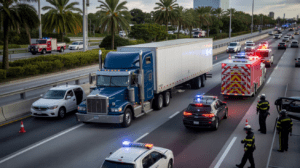
The Law Offices of Anidjar and Levine helps injured victims manage liability issues, insurance disputes, medical documentation, and compensation claims after serious highway crashes.
These cases often involve high speeds, multiple vehicles, commercial carriers, disputed fault, and intricate evidence, including crash reports, witness statements, photos, vehicle data, and medical records.
Legal support may include filing claims, preserving evidence, communicating with insurers, negotiating, mediating, or litigating.
To learn more, visit a Florida Car Accident Lawyer. The following sections explain essential rights, evidence, deadlines, and case considerations.
Main Takeaways
- A Florida interstate car accident injury lawyer helps manage insurance issues, evidence, deadlines, negotiations, and litigation after serious highway crashes.
- Interstate crashes often involve high speeds, multiple vehicles, commercial carriers, overlapping insurance coverage, and complex liability disputes.
- Key evidence may include crash reports, medical records, witness statements, photos, surveillance footage, vehicle data, and commercial carrier records.
- Injured people may seek compensation for medical costs, lost income, pain, emotional harm, future care, and other accident-related losses.
- After an interstate crash, seek medical care, report the collision, document damages, and avoid statements that may affect your claim.


How We Can Help With Your Florida Interstate Car Accident Injury Claim
After an interstate collision, an experienced Florida car accident injury lawyer can provide structured guidance through the legal, insurance, and evidentiary issues that often follow a serious crash. Legal counsel may coordinate medical documentation, identify responsible parties, and communicate with insurers so injured individuals can focus on recovery and family responsibilities. In service to clients, the lawyer’s role includes careful case assessment, deadline monitoring, and preparation for negotiation or litigation when required.
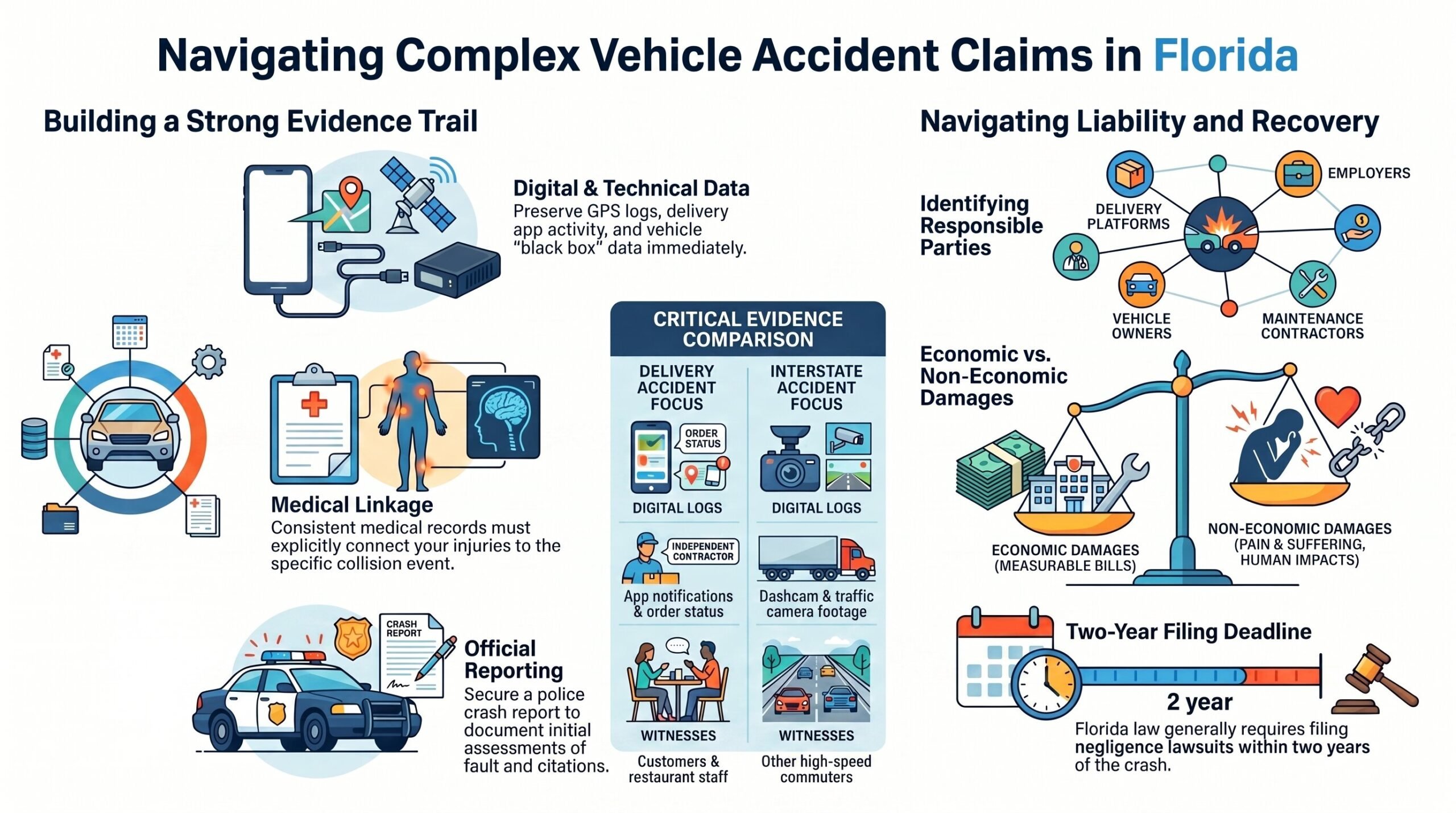
Evidence preservation is often central to a strong claim. Counsel may seek crash reports, witness statements, vehicle data, photographs, surveillance footage, and records from commercial carriers when applicable. When an insurance dispute arises, representation can help address denied claims, undervalued losses, or requests for statements that may affect compensation. Through organized advocacy, a lawyer can clearly present damages, protect the client’s interests, and support a process aimed at a fair resolution under Florida law.
OUR CONSULTATIONSARE FREE
START YOUR FREE CASE REVIEW

Understanding Florida Interstate Car Accident Injury Cases
When a crash occurs on a Florida interstate, the resulting injury case may involve higher speeds, multiple vehicles, commercial carriers, and overlapping insurance issues. These claims often require careful review of medical records, police reports, roadway evidence, vehicle damage, and available insurance coverage. A lawyer may assess liability, identify responsible parties, and measure losses connected to treatment, income disruption, and long-term care needs.
Because interstate collisions can affect families, employers, responders, and communities, the legal process should be handled with diligence and respect for those harmed. Negotiation tactics may include presenting organized evidence, addressing coverage disputes, and responding firmly to attempts to reduce valid claims.
In some matters, car crash mediation provides a structured setting where parties can discuss resolution with a neutral mediator. The goal is to pursue fair compensation while reducing unnecessary conflict, preserving accountability, and supporting injured individuals as they work toward recovery with dignity and stability.
Common Causes of Florida Interstate Car Accidents
Florida interstate car accidents often arise from preventable conduct and roadway conditions that increase the risk of severe injury. Common causes include distracted interstate driving, speeding and tailgating, impaired driver accidents, and hazardous weather conditions. Understanding these factors helps explain how liability may be assessed in intricate injury claims.
Distracted Interstate Driving
Because interstate traffic moves at high speeds and leaves little room for error, distracted driving is a significant cause of serious crashes on Florida highways. Phone use, navigation adjustments, eating, or reaching for objects can divert attention long enough to prevent a driver from recognizing changing traffic conditions. Even brief inattention may lead to unsafe Lane changes, missed signals, or delayed responses to vehicles slowing ahead.
For injured motorists and families seeking to serve and protect others, understanding distraction helps identify preventable conduct that endangers the public. Evidence may include phone records, witness accounts, dash-camera footage, and vehicle data showing a loss of focus before impact. A careful review of these details can support accountability and help promote safer driving practices throughout Florida’s interstate system.
Speeding And Tailgating
Speeding and tailgating often turn routine interstate travel into a severe crash risk, especially where traffic volume changes quickly or vehicles merge at highway speeds. When a driver exceeds a safe speed, there is less time to recognize hazards, adjust to congestion, or respond to sudden braking. Tailgating increases that danger by reducing the space needed to stop safely and avoid chain-reaction collisions.
Florida interstates require careful judgment, steady attention, and respect for following distance rules, particularly near entrance ramps, construction zones, and heavy commuter corridors. Lane discipline issues can intensify these crashes when drivers weave, pass aggressively, or block faster traffic without regard for safety. For those serving injured victims, these behaviors often help explain fault, preventable harm, and the need for accountability.
Impaired Driver Accidents
When alcohol, drugs, or certain medications affect a driver’s judgment, an interstate trip can become dangerous within seconds. Impaired drivers may drift between lanes, misjudge speed, brake late, or fail to recognize stopped traffic. On Florida interstates, these errors can harm families, workers, and public servants traveling to assist others. Investigations often examine Alcohol testing, officer observations, prescription records, and witness statements to determine whether impairment contributed to the crash.
Dashcam evidence may also show erratic movement, unsafe passing, or delayed reactions before impact. For injured people, accurate proof helps identify responsibility and supports claims for medical care, lost income, and long-term recovery needs. Legal review can preserve evidence quickly, coordinate with investigators, and protect victims from unfair blame after a serious impaired driving collision on Florida highways.
Hazardous Weather Conditions
Driver behavior is not the only factor that can lead to a serious collision on a Florida interstate trip, as hazardous weather conditions frequently reduce visibility, traction, and stopping distance. Heavy rain, dense fog, sudden thunderstorms, and standing water can make lane markings difficult to see and increase the risk of hydroplaning. These conditions also reduce the visibility of road hazards, limiting a driver’s ability to identify stalled vehicles, debris, or slowed traffic ahead.
When crashes occur during severe weather, Emergency response timelines may be affected by flooding, congestion, or reduced travel speeds for police, firefighters, and medical personnel. Those who assist injured motorists should recognize how weather, roadway design, and driver decisions may combine to create preventable harm on Florida interstates and support safer travel practices for everyone.


Legal Rights of Florida Interstate Car Accident Injury Victims
After an interstate crash in Florida, injured victims have specific legal rights that may include access to medical benefits, compensation for lost income, and the ability to pursue damages from an at-fault party. These rights can support recovery when injuries disrupt work, caregiving, and daily stability. Under Florida law, Comparative Fault may affect compensation if responsibility is shared, making accurate evidence and careful claim presentation important.
In severe cases, families may also have rights under Wrongful Death laws when a loved one dies because of another party’s negligence.
- A parent may need income replacement to continue providing food, housing, and care.
- A spouse may seek accountability while supporting an injured partner through treatment.
- A family may need legal remedies after losing companionship, guidance, and support.
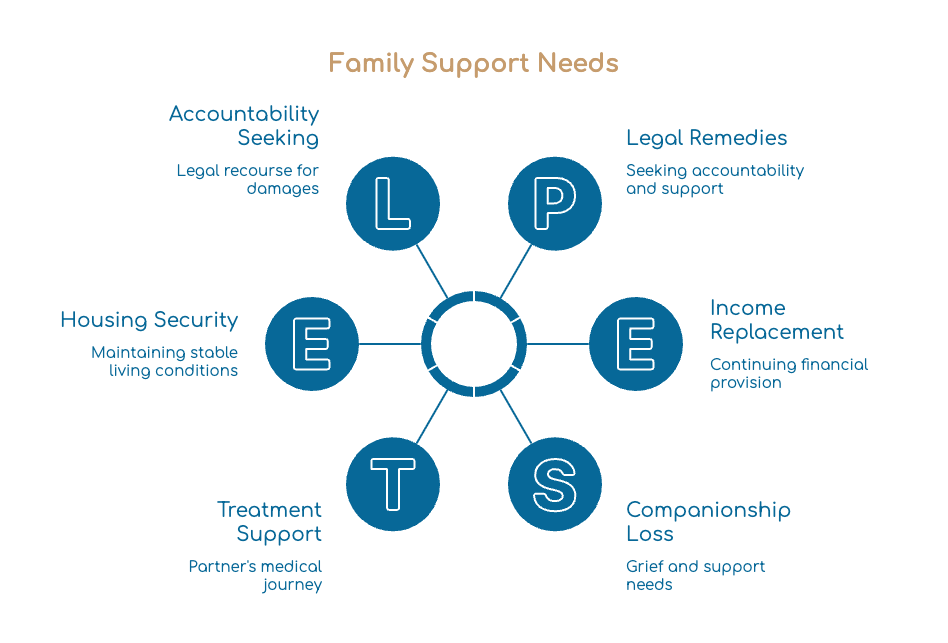
Victims and families may also seek damages for medical costs, pain, emotional harm, and future needs, helping restore dignity after serious interstate collisions.
Why Do Florida Interstate Car Accident Injuries Happen?
On Florida interstates, car accident injuries often happen because high speeds, dense traffic, distracted driving, and unsafe lane changes leave little time to react. Major corridors such as I-95, I-75, I-4, and Florida’s Turnpike carry commuters, tourists, commercial vehicles, and emergency traffic, creating conditions where one careless decision can affect many lives.
Serious injuries may result from rear-end collisions, sideswipes, rollovers, underride crashes, and multi-vehicle impacts. Fatigued drivers, impaired motorists, road construction, poor weather, and aggressive driving can make these events more severe. Common evidence of injury may include medical records, crash reports, vehicle damage, witness statements, photographs, and electronic data, all of which can help explain how the harm occurred.
Because interstate crashes often involve multiple insurers or out-of-state drivers, insurance claim timelines may become complicated. Understanding why these injuries happen helps responsible parties, caregivers, advocates, and legal professionals focus on accountability, prevention, and meaningful support for injured people and their families.
What Should You Do After a Florida Interstate Car Accident Injury?
After a Florida interstate car accident injury, the injured person should seek immediate medical care, even if symptoms appear minor at first. The crash should also be reported to law enforcement, creating an official record that may become important in any insurance or legal claim. Clear documentation of medical treatment, vehicle damage, lost wages, and other losses can help preserve evidence and support the value of the claim.
Seek Immediate Medical Care
When a crash occurs on a Florida interstate, prompt medical evaluation should be a priority for every injured person, even when symptoms appear minor at the scene. Paramedics, emergency rooms, or urgent care providers can identify injuries that may not be immediately obvious, including concussions, internal trauma, spinal damage, or soft tissue injuries.
Timely emergency treatment also helps improve the person’s health, reducing the risk that an untreated condition will worsen after leaving the crash location. For those assisting an injured person, encouraging medical care reflects a responsible commitment to safety and recovery. Medical records may also support the preservation of evidence by documenting the timing, nature, and seriousness of injuries. Delays in care can create uncertainty, making it harder to connect injuries to the interstate collision later.
Report The Crash
If the injured person is able to do so safely, the crash should be reported to law enforcement as soon as possible. On a Florida interstate, prompt reporting helps secure Emergency response for anyone in danger and creates an official record of what occurred. The caller should provide the location, direction of travel, lane information, visible hazards, and any known injuries, while remaining clear of moving traffic.
When officers arrive, cooperation should be calm, accurate, and limited to observed facts. Assumptions about fault should be avoided, as the investigation will address responsibility. A police report may later assist insurers, attorneys, and caregivers in understanding the event. Proper scene documentation by responding officers can preserve important details while allowing injured people to receive attention and protection without unnecessary delay.
Document Your Damages
Although medical care and safety remain the immediate priorities, an injured person should begin documenting damages as soon as it is reasonable to do so. Careful records can help protect the truth of what occurred and support those working to serve the injured person’s needs. Documentation may include photographs of vehicle damage, visible injuries, roadway conditions, and personal property losses.
The person should also preserve medical records, discharge instructions, prescriptions, mileage to appointments, and all bills related to medical expenses. Wage statements, employer letters, and notes about missed work may show income loss. A written journal describing pain, limitations, and daily challenges can provide useful context. These materials may also assist with proving liability by connecting injuries, losses, and evidence to the interstate crash.
Critical Evidence in a Florida Interstate Car Accident Injury Case
Critical evidence in a Florida interstate car accident injury case often determines how liability, damages, and insurance disputes are evaluated. Police crash reports, traffic camera footage, witness statements, and medical treatment records can establish what happened, who was responsible, and how the injuries affected the victim’s life.
- A delayed record may weaken an otherwise valid claim.
- A missing witness may leave a family without answers.
- A clear medical history may protect the injured person’s future.
Police Crash Reports
When a serious collision occurs on a Florida interstate, the police crash report often becomes one of the first structured records of what happened. It may identify drivers, passengers, vehicles, insurers, roadway conditions, citations, and the officer’s preliminary assessment of contributing factors. For injured people and those assisting them, this report can guide early decisions about medical documentation, insurance notice, and preservation of other evidence.
A Florida interstate car accident injury lawyer may review the report for accuracy, omissions, and consistency with witness statements or digital evidence. Because reports can contain mistakes, they should not be treated as the final word on fault. Proper evidence authentication may later be needed to confirm related records, photographs, measurements, or officer notes used to support a claim.
Traffic Camera Footage
Beyond the details contained in a police crash report, traffic camera footage may provide objective visual evidence of how a Florida interstate collision unfolded. Cameras operated near ramps, toll areas, express lanes, or transportation corridors may capture vehicle speed, lane position, braking patterns, and impact sequence. This evidence can assist those working to protect injured travelers by clarifying fault and preserving accountability.
Video overlay analysis may compare timestamps, roadway markings, and vehicle movement to reconstruct crucial moments before impact. However, footage may be limited by angle, distance, weather, or resolution. Driver identification issues can also arise when glare, tinted windows, or obstructed views prevent clear confirmation of who was behind the wheel. Requests to preserve prompts are often necessary because recordings may be erased quickly.
Witness Statements
Although physical evidence may show where vehicles came to rest, witness statements can explain what occurred in the seconds leading up to a Florida interstate collision. Independent testimony from nearby drivers, passengers, road workers, or pedestrians may identify unsafe lane changes, sudden braking, distracted driving, or aggressive merging. Attorneys may evaluate witness reliability by considering visibility, distance, attention, consistency, and possible bias.
A clear statement timeline is also important because recollections made soon after the crash may preserve details before confusion or outside influence sets in. These accounts can support service to injured individuals by helping decision-makers understand conduct, responsibility, and preventable harm. When matched with photographs, crash reports, vehicle damage, and electronic data, witness statements may become powerful corroborating evidence in a carefully prepared interstate injury claim for fair compensation.
Medical Treatment Records
Medical treatment records often provide the most direct link between a Florida interstate crash and the injuries claimed afterward. These records may include emergency reports, diagnostic imaging, physician notes, prescriptions, therapy plans, and surgical summaries. Together, they help show when symptoms began, how injuries progressed, and whether treatment was consistent with the reported collision. Careful review may also reveal Missed Evidence, such as delayed diagnoses, referrals, or complaints that were not highlighted earlier.
For those serving injured people, accurate records support fair evaluation and protect against unsupported challenges. They can clarify causation, damages, future care needs, and work restrictions. In many cases, organized medical documentation becomes central to settlement strategy, allowing counsel to present losses clearly, respond to insurance disputes, and pursue compensation that reflects the person’s documented condition.
Long-Term Effects of Florida Interstate Car Accident Injuries
Florida interstate car accident injuries may create long-term consequences that extend well beyond the initial medical treatment. Chronic pain conditions, traumatic brain injuries, and lasting physical limitations can affect daily functioning, while reduced earning capacity may create serious financial strain. These outcomes often require careful documentation, medical evaluation, and legal analysis to determine the full value of an injury claim.
Chronic Pain Conditions
After a serious interstate collision, chronic pain may become one of the most disruptive long-term consequences of a car accident injury. Persistent neck, back, shoulder, or nerve pain can limit mobility, interfere with employment, and reduce a person’s ability to care for family or serve the community. Medical providers may rely on pain severity assessments, imaging, therapy records, and functional evaluations to document the condition and guide treatment.
Long-term care can include physical therapy, injections, surgery consultations, and carefully monitored prescriptions. Because medication side effects may affect alertness, digestion, or daily functioning, treatment decisions often require close supervision. In Florida injury claims, thorough documentation of ongoing pain helps show how the collision continues to affect health, work capacity, and future needs.
Traumatic Brain Injuries
A head injury can create lasting complications that are not always visible immediately after an interstate collision. Traumatic brain injuries may affect memory, concentration, balance, mood, sleep, and judgment, limiting a person’s ability to manage daily responsibilities safely. Symptoms can evolve over weeks, making prompt medical evaluation and continued monitoring crucial.
Serious cases may require neurorehabilitation planning, including neurologists, therapists, case managers, and community resources working toward functional improvement. Families often become central to recovery, providing transportation, medication oversight, appointment coordination, and emotional stability.
Caregiver support can reduce isolation and help maintain consistent treatment routines. In Florida interstate accident claims, documentation of cognitive changes, therapy needs, and home assistance may be important when assessing the long-term impact of a traumatic brain injury.
Reduced Earning Capacity
When an interstate collision causes lasting physical or cognitive limitations, the injured person may lose the ability to perform the same work, maintain prior hours, or advance in a chosen career. Reduced earning capacity reflects this long-term financial harm, including diminished wages, lost promotions, and restricted employment options. In Florida claims, attorneys may evaluate work history, education, medical restrictions, and vocational evidence to measure the difference between pre-accident potential and post-injury capacity.
When a crash occurs during job-related travel, workers’ compensation eligibility may also affect available benefits and recovery strategy. Careful analysis is important because future medical needs, ongoing therapy, medication, and adaptive equipment can further limit employability. A well-supported claim helps protect stability, dignity, and the ability to continue serving family and community responsibly.
Proving Liability in Florida Interstate Car Accident Injury Cases
Establishing liability in a Florida interstate car accident case requires a careful review of how the collision occurred, which drivers violated traffic laws, and whether unsafe conduct contributed to the injuries. Interstate crashes often involve high speeds, abrupt lane changes, following too closely, distracted driving, fatigue, or improper merging. A thorough investigation may include crash reports, witness statements, vehicle damage patterns, roadway conditions, traffic camera footage, and electronic data from vehicles or commercial carriers.
Comparative fault analysis is important because Florida law may reduce recovery when an injured person shares responsibility for the crash. Each party’s conduct must be measured carefully, with attention to timing, visibility, distance, and reasonable driver behavior.
An effective expert testimony strategy may involve accident reconstruction professionals, medical professionals, or trucking safety experts who can clearly explain complex facts. Strong liability proof helps identify accountable parties and supports a fair presentation of the harm caused by the collision.
Dealing With Insurance Companies After a Florida Interstate Car Accident Injury
After a serious interstate collision, insurance companies often begin promptly investigating quickly, sometimes before the injured person fully recognizes the extent of the injuries or losses. Adjusters may request recorded statements, medical authorizations, or early settlement discussions, each of which can affect the overall value of a claim. A careful response helps protect the injured person’s rights while preserving correct information for later evaluation.
In Florida interstate injury matters, insurers may represent different drivers, commercial carriers, or related businesses, and each may focus on reducing financial exposure. Negotiation tactics can include disputing medical causation, minimizing pain limitations, or arguing that preexisting conditions explain the resulting harm. Policy limits handling also requires close attention, especially when multiple injured parties or layered insurance policies are involved.
A lawyer can communicate with insurers, review coverage, and help ensure that settlement discussions reflect documented injuries, long-term needs, and available insurance resources, while maintaining a service-focused commitment to the person’s recovery and stability.
What to Expect During a Florida Interstate Car Accident Injury Claim Process
A Florida interstate car accident injury claim typically begins with the initial claim filing, followed by careful evidence collection to establish liability and damages. The process may then involve negotiations with the insurance company, during which medical records, crash reports, and financial losses are reviewed. If a fair settlement cannot be reached, the claim may proceed toward litigation, requiring a more formal presentation of the injured party’s case.
Initial Claim Filing
Typically, the initial claim filing begins when an injured person notifies the appropriate insurance carriers and provides basic information about the interstate crash, the vehicles involved, the location of the collision, and the reported injuries. This notice may involve the injured person’s personal injury protection carrier, the at-fault driver’s insurer, or other applicable coverage sources.
Careful filing helps preserve benefits, clarify communication channels, and establish an organized route for service to meet the injured person’s needs. Medical records and insurance documentation are usually identified early because they help confirm treatment dates, claimed losses, policy limits, and coverage obligations. During this stage, accurate statements are important, as insurers may review all reported details. Legal guidance may help ensure the filing is complete, timely, and consistent with Florida requirements.
Evidence Collection Steps
Once the claim has been opened, evidence collection often becomes the next important phase in a Florida interstate car accident injury claim. Investigators may gather crash reports, roadway photographs, witness statements, medical records, and surveillance footage from nearby businesses or traffic systems. When commercial vehicles or severe impacts are involved, counsel may act quickly to preserve vehicle blackbox information before it is overwritten or lost.
In appropriate cases, legal teams may also seek to obtain cell phone data to determine whether distraction contributed to the collision. These steps help establish fault, document injuries, and protect the injured person’s ability to pursue fair recovery. Careful evidence handling also serves the broader goal of accountability by encouraging safer conduct among other travelers sharing Florida’s interstate highways.
Insurance Company Negotiations
After evidence has been organized and the extent of injuries becomes clearer, insurance company negotiations often begin with a demand package submitted to the at-fault driver’s insurer or another responsible carrier. This package may summarize liability, medical treatment, wage loss, and future care needs in a clear, service-focused manner. Adjusters review records, compare damages with Policy Limits, and may question causation, treatment duration, or the value of non-economic harm.
Coverage Disputes can arise when multiple vehicles, commercial carriers, or out-of-state policies are involved. Some matters involve Denied Claims, requiring careful review of the insurer’s stated reasons and supporting documents. A Wrongful Denial may be challenged through organized responses, additional proof, and persistent communication aimed at fair evaluation before any further claim decisions are considered.
Settlement Or Litigation
When negotiations do not produce a fair resolution, a Florida interstate car accident injury claim may move toward a more formal evaluation of settlement options or litigation. Counsel may compare Settlement vs trial by reviewing liability evidence, medical documentation, projected care needs, wage loss, and the willingness of each party to resolve the matter responsibly. This assessment helps protect the injured person while supporting a process grounded in fairness.
Insurance negotiation tactics can include delayed responses, disputed injuries, low initial offers, or arguments about shared fault. If these efforts prevent a just outcome, litigation may provide structure through pleadings, discovery, depositions, mediation, and, when necessary, trial. A careful legal strategy allows advocates to diligently serve the injured, preserve evidence, and pursue compensation through appropriate channels under Florida law.
Compensation for Florida Interstate Car Accident Injury Damages
Because interstate crashes often involve high speeds, multiple vehicles, and serious injuries, compensation in a Florida car accident claim may cover a broad range of damages. A careful evaluation considers the injured person’s treatment needs, vehicle damage, time away from work, and the long-term effect of physical limitations. Attorneys often coordinate medical expense documentation, crash reports, witness statements, and repair estimates to present a clear account of the harm caused.
Effective insurance claim strategies are important when several insurers, commercial carriers, or out-of-state drivers are involved. Each policy may have different coverage limits, notice requirements, and defenses. A lawyer may help identify available coverage, respond to insurer requests, and challenge attempts to undervalue the claim. This process supports fair recovery while allowing injured individuals and their families to focus on recovery, stability, and continued service to those who depend on them after a serious interstate collision in Florida.
Economic vs Non-Economic Damages in Florida Interstate Car Accident Cases
In Florida interstate car accident cases, damages are generally divided into economic losses and non-economic harms. Economic damages may include medical expenses, lost wages, and property damage, while non-economic damages address pain, suffering, emotional distress, and loss of enjoyment of life. Proving these values often requires clear records, credible testimony, and careful documentation connecting each loss to the accident.
Economic Damages Explained
Economic damages measure the financial losses that follow a Florida interstate car accident, including medical bills, lost income, reduced earning capacity, rehabilitation costs, property damage, and other out-of-pocket expenses. These losses are usually proven through records, invoices, wage statements, tax documents, repair estimates, and expert financial assessments. For injured people, accurate calculation helps support that recovery efforts are supported and that families are not left carrying preventable burdens.
In fatal crashes, Wrongful death damages may include funeral costs, lost support, and related financial losses allowed under Florida law. Because interstate crashes often involve multiple insurers, commercial vehicles, or out-of-state parties, the insurance dispute process can become intricate. Careful documentation, timely notice, and organized evidence help protect a claim’s value and promote a fair resolution.
Non-Economic Damages Explained
Non-economic damages address the personal, human losses that do not appear on receipts, wage records, or repair estimates after a Florida interstate car accident. These damages may include pain, emotional distress, loss of enjoyment of life, inconvenience, disfigurement, and the strain placed on family relationships. In severe crashes, especially those involving truck accident liability, the harm may affect daily routines, independence, caregiving roles, and a person’s ability to serve family or community.
Wrongful death claims may also involve non-economic losses, including the loss of companionship, guidance, and protection suffered by surviving relatives. Florida law recognizes that these injuries are real, even when they are not measured by invoices. Their role is to acknowledge personal suffering beyond direct financial expense.
Proving Damage Values
After a serious Florida interstate crash, proving the value of damages requires more than identifying the injuries or losses involved. Each category must be supported with credible records, expert opinions, and careful calculations. Economic damages may include hospital bills, rehabilitation costs, lost income, reduced earning capacity, vehicle damage, and Future Medical expenses. Non-economic damages require evidence showing pain, emotional distress, disfigurement, loss of enjoyment, or daily limitations.
A well-prepared claim connects medical findings to the collision, explains how the harm affects service, family duties, and work, and anticipates comparative negligence defenses. Insurers may argue that another driver, road conditions, or the injured person contributed to the crash. Clear documentation, witness statements, and professional evaluations help establish fair value and protect the injured person’s right to recovery under Florida law.
When a Florida Interstate Car Accident Injury Case Goes to Trial vs Settlement
In Florida interstate collision cases, the decision to settle or proceed to trial often depends on liability disputes, injury severity, insurance coverage, and each party’s willingness to negotiate in good faith. Settlement may serve injured persons efficiently when evidence is strong, damages are well documented, and insurers offer compensation that reasonably reflects medical needs, lost income, and lasting limitations. It can reduce delay, uncertainty, and emotional strain, allowing resources to be directed toward recovery and family stability.
Trial becomes more likely when fault is contested, damages are undervalued, or an insurer refuses fair resolution. At that stage, counsel may focus on trial strategy planning, including witness preparation, expert testimony, exhibits, and themes that present the injured person’s experience with dignity. Juror credibility factors, such as consistency, medical documentation, and honest communication, may affect how testimony is received. Careful case evaluation helps determine the path that best supports a just outcome.
Florida Laws That May Affect Your Florida Interstate Car Accident Case
Because interstate crashes often involve multiple vehicles, commercial carriers, or out-of-state drivers, Florida law can play a significant role in determining fault, available compensation, and the deadlines that control a claim. Florida Traffic Laws guide issues such as safe lane changes, following distance, speeding, impaired driving, and duties after a collision. When violations contribute to a crash, they may support evidence of negligence.
Florida’s Comparative Fault Rules may also affect recovery. If an injured person shares responsibility, compensation can be reduced by that percentage, and serious fault may limit recovery. Insurance requirements, commercial vehicle regulations, and evidence rules may further shape the case, especially when trucking companies, rideshare drivers, or tourists are involved.
- A careful legal review can protect families facing sudden medical and financial strain.
- Clear fault analysis may help injured people regain stability with dignity.
- Enforcing safety rules serves the broader community by encouraging responsible highway conduct after devastating interstate collisions.
The Statute of Limitations for Florida Interstate Car Accident Injury Cases
Fault rules and insurance issues are only part of a Florida interstate car accident case, since strict filing deadlines can determine whether an injured person may pursue compensation at all. In Florida, most negligence claims arising from motor vehicle crashes must be filed within 2 years of the accident. This deadline may apply to serious interstate crashes involving Intersection liability, lane-change collisions, Pedestrian crosswalks, or related parking-lot injuries connected to the broader travel event.
The filing period serves an important public purpose. It encourages timely action, preserves evidence, and supports fair resolution for injured people and families seeking accountability. Delays may cause records to disappear, witnesses to become unavailable, and legal rights to expire. Certain claims, including those involving government vehicles or wrongful death, may involve different notice requirements or deadlines. Careful attention to timing helps protect the injured person’s opportunity to seek lawful recovery.
How a Florida Interstate Car Accident Injury Lawyer Can Help You
After an interstate crash, a Florida car accident injury lawyer can help identify the applicable insurance coverage, preserve essential evidence, and evaluate whether the injured person has a viable claim for compensation. This work often includes reviewing crash reports, medical records, vehicle damage, witness accounts, and carrier policies involving commercial vehicles or uninsured motorists. Evidence preservation is especially important on interstate highways, where roadway debris, surveillance footage, and electronic vehicle data may disappear quickly.
- Helping an injured person feel heard when pain, bills, and uncertainty become overwhelming.
- Supporting families who must care for a loved one while facing lost income and difficult decisions.
- Pursuing accountability so that responsible parties, not vulnerable victims, bear the financial burden.
A lawyer may also communicate with insurers, calculate damages, assess comparative fault arguments, and prepare a claim for negotiation or litigation. This guidance can allow the injured person and caregivers to focus on recovery, stability, and service to one another.
When to Contact a Florida Interstate Car Accident Injury Lawyer
Timing can affect the strength of an interstate accident claim, especially when evidence, insurance deadlines, and medical documentation begin developing right away. A Florida interstate car accident injury lawyer should be contacted as soon as possible after emergency needs are addressed. Early communication allows injured individuals, families, or caretakers to understand what actions may protect the claim while they focus on recovery and responsibilities to others.
Prompt legal contact is especially important when crashes involve commercial trucks, multiple vehicles, out-of-state drivers, disputed fault, or serious injuries. Evidence preservation may require timely action before vehicles are repaired, roadway conditions change, or electronic data becomes unavailable. Witness contact should also occur quickly, while memories remain clear and contact information can still be verified.
A lawyer may also help ensure medical records, insurance communications, and claim-related documents are organized from the start. Waiting too long can create avoidable gaps that may affect fair evaluation later.
Why You Need an Experienced Florida Interstate Car Accident Injury Lawyer
Because interstate crashes often involve complicated facts and overlapping insurance issues, experienced legal guidance can be important to the direction and value of a claim. A Florida interstate car accident injury lawyer can help identify responsible drivers, commercial carriers, maintenance contractors, or other parties whose conduct contributed to the collision. This careful review supports a fuller presentation of damages, including medical treatment, lost income, vehicle loss, and long-term care needs.
Experience also matters when insurers question liability, delay communication, or issue Insurance coverage denials. Counsel can evaluate policy language, coordinate available benefits, and respond with documented evidence. When injured people depend on transportation for work, treatment, or family responsibilities, rental reimbursement requests may also require organized support and timely follow-up.
By managing these issues, an attorney helps protect the injured person’s position while allowing that person, and those assisting them, to focus on recovery, service, and practical stability after a serious interstate crash.
How to Choose the Right Florida Interstate Car Accident Injury Lawyer for Your Case
Selecting the right Florida interstate car accident injury lawyer begins with evaluating whether the attorney has specific experience handling serious highway collisions, multi-vehicle crashes, and disputed insurance claims. These cases often involve commercial carriers, out-of-state drivers, intricate medical evidence, and multiple insurance policies, so focused knowledge is essential. A careful selection process should include reviewing case results, professional reputation, and the lawyer’s ability to investigate quickly and preserve evidence.
Client communication is also an important factor. Injured individuals and families need counsel who provides clear updates, explains legal options, and responds with respect and consistency. Because many people are already managing physical recovery and financial stress, a lawyer’s service-oriented approach can help reduce confusion during a difficult period.
Prospective clients should also ask about contingency fees, case expenses, and the expected timeline. A transparent fee structure allows families to make informed decisions while pursuing accountability and fair compensation.
About The Law Offices of Anidjar & Levine
For individuals injured in a Florida car accident, The Law Offices of Anidjar & Levine offers legal representation focused on protecting clients’ rights and pursuing compensation for crash-related losses.
The firm assists those affected by interstate collisions, including drivers, passengers, pedestrians, and families facing serious disruption after a preventable crash.
Its legal team evaluates each claim through a structured Client Intake Process, gathering accident details, medical information, insurance records, and available evidence.
This careful review helps identify liable parties and the full scope of damages.
Through Case Strategy Planning, attorneys assess legal options, deadlines, settlement opportunities, and litigation needs with attention to each client’s circumstances.
The firm’s work reflects a service-centered approach, supporting injured people while managing legal demands that can burden recovery.
By handling communication with insurers, evidence development, and claim presentation, The Law Offices of Anidjar & Levine seeks to provide steady guidance and accountable advocacy after Florida interstate car accidents.
Frequently Asked Questions
Can Tourists File Florida Interstate Accident Claims After Returning Home?
Yes, tourists may file Florida interstate accident claims after returning home, provided That Jurisdiction rules support the Florida court’s authority over the crash and the parties involved. They should act promptly, because a Time limit controls how long an injury claim remains valid. Service-minded representatives can help gather records, coordinate medical documentation, and communicate with insurers remotely. Early guidance preserves evidence, protects rights, and supports fair recovery for injured visitors.
Which Florida Interstates Have the Highest Accident Rates?
I-95, I-4, I-75, and I-10 are commonly identified among Florida interstates with elevated accident rates. Peak crash patterns often occur near major urban corridors, including those in Miami, Orlando, Tampa, Jacksonville, and Fort Lauderdale. These routes carry heavy commuter, commercial, and tourist traffic, increasing the risk of congestion in congested areas statewide. Those serving injured travelers should recognize these highways as priority locations for careful documentation, timely reporting, and informed safety guidance after collisions.
Do Interstate Accident Claims Differ From City Street Crashes?
Yes, interstate accident claims often differ from city street crashes because speeds are higher, injuries may be more severe, and multiple vehicles or commercial carriers may be involved. Comparative fault rules can affect recovery when drivers share responsibility. Evidence preservation is especially important, including vehicle data, dashcam footage, cargo records, and roadway conditions. Those assisting injured people should act promptly, document losses carefully, and coordinate reliable support.
Can Weather Conditions Affect My Florida Interstate Accident Case?
Yes. Weather impact can substantially affect an interstate accident case by influencing fault, evidence, and insurance evaluation. Rain, fog, standing water, high winds, and limited visibility may require drivers to reduce speed, increase following distance, and exercise reasonable caution. If a driver ignores these conditions, liability may increase. Investigators may review weather reports, roadway conditions, dashcam footage, and witness statements to determine whether each motorist acted responsibly.
Are Rental Car Companies Involved in Interstate Accident Claims?
Yes, rental car companies may be involved in interstate accident claims, depending on contract terms, vehicle maintenance, and insurance coverage. Rental Company Liability may arise if negligent maintenance, improper registration, or unsafe vehicle conditions contributed to harm. Interstate Insurance Policies can affect coverage priority across states. Those assisting injured individuals should review rental agreements, police reports, and insurance notices carefully to ensure responsible parties are identified and claims are handled diligently.
—————————
Florida interstate car accident injury claims can involve intricate evidence, multiple insurance policies, and serious financial consequences.
Victims benefit from prompt legal guidance that protects their rights, preserves essential records, and supports the pursuit of fair compensation.
An experienced Florida Car Accident Lawyer can evaluate liability, manage communications, and build a focused claim.
The Law Offices of Anidjar and Levine can provide informed representation for injured parties seeking accountability after a serious interstate collision.