The Law Offices of Anidjar and Levine assists injured individuals after neighborhood or city street collisions by preserving evidence, evaluating fault, and handling communications with insurers.
Counsel may review police reports, medical records, photographs, witness statements, and roadway conditions to identify liability and document damages.
Prompt guidance from a Miami Car Accident Lawyer can help protect claims involving medical expenses, lost income, and ongoing care needs under Florida law.
The sections below outline essential steps, rights, and considerations that often shape these cases.
Main Takeaways
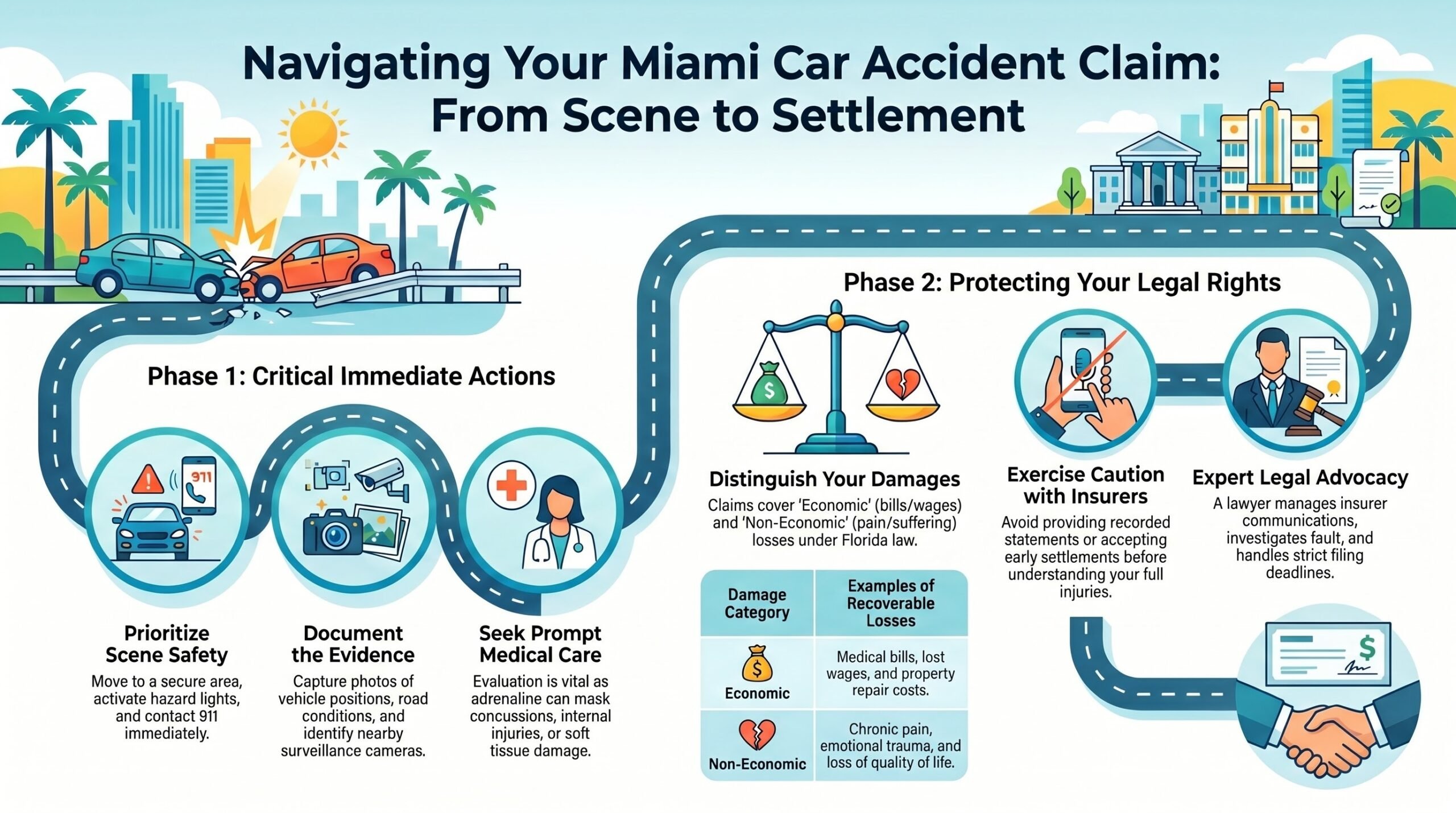
- Prioritize safety after a Miami local road crash by moving to a secure area, calling 911, and avoiding movement of seriously injured people.
- Document the scene with photos, witness information, time, location, road conditions, and possible surveillance sources to preserve critical evidence.
- Seek prompt medical care, because concussions, internal injuries, and soft tissue damage may appear later and medical records support your claim.
- A Miami car accident injury lawyer investigates fault using police reports, medical records, vehicle damage, roadway conditions, and digital evidence.
- Be cautious with insurers, report the crash promptly, and avoid early settlements or recorded statements before understanding your injuries and legal options.


How We Can Help With Your Miami Local Road Car Accident Injury Claim
Find your way through the aftermath of a crash with informed legal support, as a Miami car accident lawyer can help injured individuals evaluate the strength of a local road accident claim, identify liable parties, and pursue the compensation available under Florida law. From the outset, counsel provides organized guidance, allowing injured people to focus on recovery and family responsibilities while legal matters proceed with care.
A Miami car accident lawyer may gather records, preserve evidence, communicate with insurers, and present a clear demand supported by documented losses. This assistance often reduces confusion and helps clients make decisions that protect both their interests and the well-being of those who depend on them.
When appropriate, counsel may also explore Traffic mediation as a practical path toward resolution.
Throughout the process, the lawyer explains options, addresses concerns about Settlement timelines, and maintains steady advocacy designed to secure fair results through preparation, professionalism, and consistent attention.
OUR CONSULTATIONSARE FREE
START YOUR FREE CASE REVIEW

Understanding Miami Local Road Car Accident Injury Cases
In the context of local road collisions in Miami, injury cases often involve a close review of how the crash occurred, which parties may bear legal responsibility, and whether the injured person meets Florida’s requirements to pursue compensation beyond no-fault benefits.
These matters commonly require analysis of police reports, medical records, witness statements, roadway design, and applicable insurance coverage. Attorneys and claims professionals may examine traffic patterns, visibility, lane use, and posted controls to determine how the incident affected drivers, passengers, cyclists, or others nearby. Particular attention is often given to the nature and seriousness of the injuries, the need for ongoing care, and the degree to which daily functioning has been disrupted.
When pedestrian safety is implicated, investigators may also assess crosswalk markings, signal timing, and surrounding conditions. A careful legal evaluation helps families, caregivers, and community-minded individuals understand available options, protect important evidence, and pursue outcomes that support recovery, accountability, and long-term stability after a local road injury.
Common Causes of Miami Local Road Car Accidents
Several recurring factors contribute to road car accidents in Miami, and each presents distinct safety and legal concerns. Distracted driving risks, speeding on local roads, and impaired driving incidents frequently increase the likelihood of serious collisions. Poor road conditions also play a significant role, particularly when hazards such as inadequate maintenance or unclear signage reduce a driver’s ability to respond safely.
Distracted Driving Risks
Often, distracted driving plays a central role in local road accidents in Miami because even a brief lapse in attention can prevent a driver from recognizing traffic changes, pedestrians, or sudden stops ahead. On neighborhood streets, distractions commonly arise from texting, navigation adjustments, conversations, eating, and interactions with passengers.
Although smartphone bans aim to reduce preventable collisions, compliance remains inconsistent, and visual, manual, or cognitive distraction still undermines safe driving. Pedestrian distraction also increases danger, particularly near crosswalks, schools, bus stops, and residential intersections where vigilance is crucial. Drivers who divide attention may overlook right-of-way duties, delayed braking, or turning hazards.
From a public safety perspective, reducing distraction protects families, visitors, cyclists, and pedestrians, while supporting a more attentive driving culture that serves the broader Miami community each day.
Speeding On Local Roads
Accelerating beyond posted limits, speeding on local roads markedly increases the likelihood and severity of Miami car accidents by reducing the time available to react to traffic signals, turning vehicles, pedestrians, and sudden stops. Excessive speed also lengthens stopping distance and narrows a driver’s field of awareness, making neighborhood streets especially hazardous for families, cyclists, and older adults. Poor speed perception can cause motorists to misjudge curves, intersections, and the movement of nearby vehicles, leading to preventable collisions.
Consistent speed enforcement serves the broader public by encouraging safer habits and reinforcing respect for shared roadways. When drivers follow posted limits, they help protect vulnerable road users and support a safer community. Local road safety depends on patience, attentiveness, and a willingness to put others’ well-being first each day.
Impaired Driving Incidents
Undermining safe travel, impaired driving incidents remain a persistent cause of Miami local road accidents because alcohol, drugs, and certain medications can weaken judgment, slow reaction time, and reduce coordination. Drivers experiencing impaired awareness may misjudge distance, ignore traffic signals, or fail to notice pedestrians and cyclists in time to prevent harm.
Communities focused on protecting others recognize that these crashes are often preventable through education, responsible choices, and consistent substance regulation. When a motorist drives while affected by intoxicants, the risk extends beyond that individual to families, neighbors, emergency responders, and everyone sharing the road. Careful investigation after a collision may reveal evidence of intoxication, prescription misuse, or delayed perception. Addressing impaired driving supports public safety, accountability, and a broader commitment to preserving life throughout Miami neighborhoods.
Poor Road Conditions
Beyond driver-related misconduct, such as impairment, poor road conditions also contribute to Miami local road car accidents by creating hazards that can interfere with safe vehicle operation, even when a motorist is attentive. Uneven pavement, missing signage, malfunctioning signals, and obstructed sightlines may reduce reaction time and increase the likelihood of collisions, especially on heavily traveled neighborhood routes.
Standing water is another serious concern, making drainage maintenance crucial during Miami’s frequent rainstorms. When streets flood, or debris remains uncleared, vehicles may hydroplane, skid, or strike hidden defects. In some cases, public agencies or contractors may bear responsibility if known hazards were neglected for an unreasonable period. Evidence of repairs, inspections, and notices can be important in claims, including pothole lawsuits, when injured individuals seek accountability and safer conditions for the broader community.


Legal Rights of Miami Local Road Car Accident Injury Victims
Many Miami drivers injured on local roads have important legal rights that arise immediately after a collision. Florida law may allow recovery for medical expenses, lost income, property damage, and other legally recognized losses when another party caused the harm. These protections help injured people seek accountability while preserving resources needed to support family and community.
- The right to pursue compensation from negligent drivers and other responsible parties
- The right to challenge unfair claim denials and Insurance disputes
- The right to understand policy benefits, coverage limits, and comparative fault issues
- The right to address Medical liens so that settlement funds are distributed properly
- The right to legal representation during negotiations or litigation
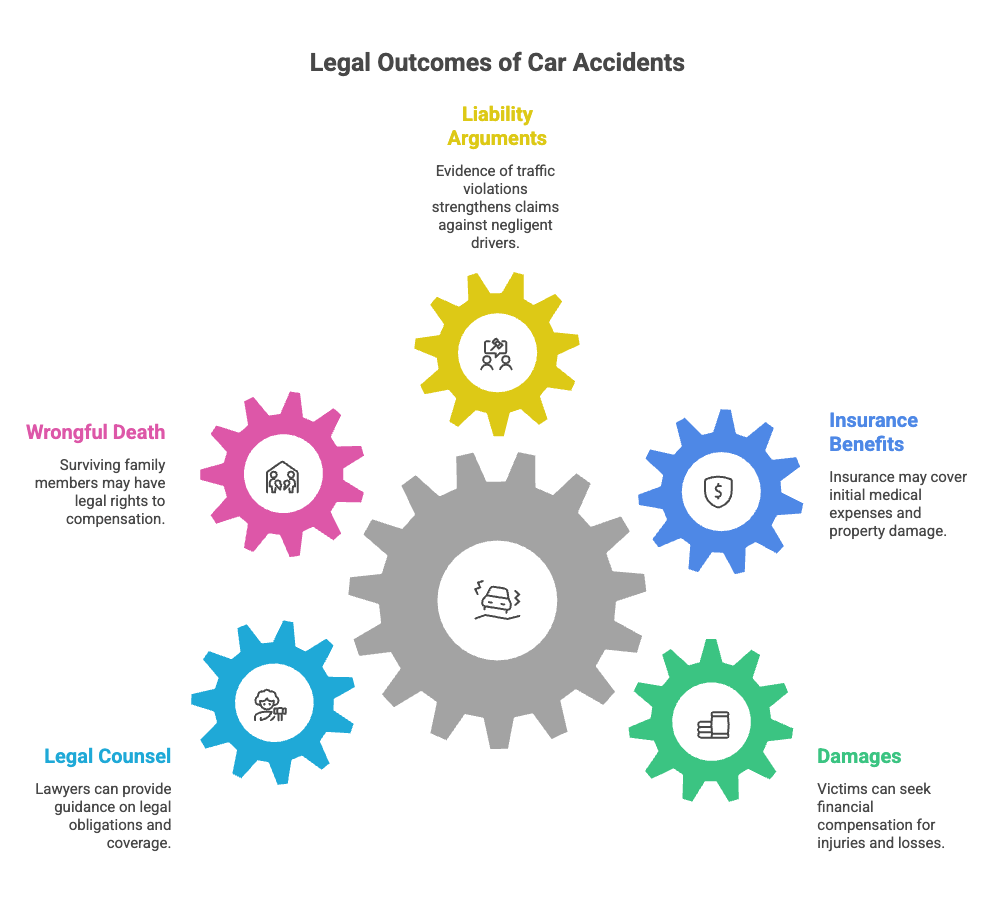
In serious cases, victims may also assert claims for pain, suffering, and diminished quality of life, subject to Florida requirements. When roadway defects contributed to the crash, additional claims may exist against public or private entities, though strict legal standards often apply there.
Steps to Take After a Miami Local Road Car Accident Injury
After a Miami local road car accident injury, the immediate priority is to make certain safety by moving to a secure location when possible and contacting emergency services. The scene should then be documented carefully, including vehicle damage, road conditions, visible injuries, and any available witness information. Prompt medical care is also crucial, both to protect the injured person’s health and to create a clear record of the harm sustained.
Ensure Safety First
At the scene of a Miami local road car accident, safety should be the immediate priority. Those involved should assess injuries, remain calm, and move to a safer location when possible, especially if traffic or fire creates additional danger. Hazard lights should be activated, and occupants should stay away from moving vehicles.
A practical safety checklist helps guide responsible action during stressful moments. Emergency services should be contacted promptly, using prepared emergency contacts if a driver is unable to call. If anyone appears seriously injured, movement should be avoided unless an urgent threat exists. Bystanders who wish to serve others can assist by directing people away from hazards, offering reassurance, and waiting for responders. Attention to immediate protection preserves well-being, limits further harm, and supports an orderly response focused on care.
Document The Scene
Once immediate dangers have been addressed, careful documentation of the accident scene should begin as soon as conditions allow. This step helps preserve facts that may later assist insurers, attorneys, and others working to support those affected. Clear scene photos should capture vehicle positions, visible damage, skid marks, traffic signs, roadway conditions, weather, and any debris.
A person may also record the time, location, and identifying information for involved drivers, passengers, and responding officers. When possible, respectful witness statements can provide valuable independent accounts of what occurred. Notes should remain factual, brief, and organized, avoiding speculation or arguments at the scene. If surveillance cameras from nearby homes or businesses may have captured the collision, their locations should also be noted promptly. Accurate documentation often strengthens later claims and promotes fair accountability.
Seek Medical Care
In the hours following a Miami local road car accident, prompt medical evaluation should be a priority, even when injuries appear minor or symptoms have not yet fully developed. Adrenaline can conceal pain, while internal injuries, concussions, and soft tissue damage may emerge later and worsen without timely care.
Medical providers can identify urgent conditions, begin treatment, and create records that support recuperation and insurance documentation. Those assisting injured individuals should encourage honest symptom reporting, careful adherence to discharge instructions, and attendance at all follow-up appointments. Consistent care also helps physicians monitor complications and adjust treatment when needed. By seeking medical attention without delay, injured people protect their health, strengthen the credibility of their claims, and place themselves in a better position to continue serving their families and communities.
How a Miami Local Road Car Accident Injury Lawyer Can Help You
On Miami’s local roads, a car accident injury lawyer can provide crucial guidance from the outset by evaluating the facts of the collision, identifying potentially liable parties, and explaining the injured person’s legal options under Florida law. Counsel often helps injured people pursue accountability while protecting their capacity to care for family and community through organized, service-minded representation.
A lawyer may assist by:
- Gathering crash reports, witness statements, and video evidence
- Coordinating Medical advocacy with providers and insurers
- Calculating damages, including lost income and treatment costs
- Developing a thoughtful Settlement strategy for negotiations
- Managing filings, deadlines, and insurer communications carefully
This support can reduce confusion during a demanding period and allow the injured person to focus on recovery and immediate responsibilities. When insurers dispute fault or minimize losses, legal counsel can present clear documentation, challenge weak assumptions, and seek fair compensation through negotiation or litigation, as circumstances require under Florida procedure.
Long-Term Effects of Miami Local Road Car Accident Injuries
Miami local road car accident injuries often extend well beyond the initial medical response, creating complications that can affect daily function for months or years. Many injured individuals face chronic pain challenges and lasting emotional trauma, both of which may interfere with work capacity, personal stability, and overall quality of life. These ongoing effects are often accompanied by significant financial burdens, as ongoing treatment, lost income, and related expenses place additional pressure on long-term recovery.
Chronic Pain Challenges
Persistence often defines chronic pain after a local road collision, as symptoms may continue long after fractures mend and visible injuries fade. Victims may experience recurring neck, back, nerve, or joint pain that limits mobility, sleep, and their ability to serve family and community.
Such conditions often require ongoing Pain management, including medical evaluation, physical therapy, medication oversight, and lifestyle adjustments. Chronic fatigue may also develop when persistent discomfort disrupts rest and drains physical stamina. Even routine tasks, employment duties, and household responsibilities can become difficult over time. For those seeking to protect and support others, understanding these limitations is crucial when planning care, documenting losses, and pursuing fair legal recovery.
A careful legal review may help connect prolonged symptoms to the collision and clarify the resources needed for long-term support.
Lasting Emotional Trauma
Uncertainty often shadows the emotional aftermath of a local road collision, even when physical injuries begin to stabilize. Survivors may continue experiencing fear, sleep disruption, irritability, and withdrawal from family, work, or community responsibilities. These reactions can persist for months, especially when reminders of traffic, noise, or sudden movement trigger intense distress.
In many cases, post-traumatic stress alters concentration, confidence, and a person’s sense of safety in familiar places. Children, caregivers, and those who regularly serve others may struggle silently as they attempt to maintain daily support for loved ones. Early recognition matters because untreated emotional injuries can deepen isolation and reduce overall well-being. Consistent clinical evaluation, compassionate support, and reliable access to therapy often play a central role in helping injured individuals rebuild stability, trust, and functional independence over time.
Financial Recovery Burdens
Stability often becomes difficult to restore after a local road collision when injury-related costs continue long after emergency treatment ends. Ongoing rehabilitation, follow-up appointments, medication, and adaptive equipment may create mounting medical debt, especially when recovery limits a person’s ability to work. Families that prioritize caring for others often face difficult choices as resources are redirected toward basic needs and treatment obligations.
Financial strain may deepen when wage loss extends for weeks or months, reducing household income while expenses rise. Some individuals cannot return to prior duties, and others must accept reduced hours or different employment entirely. Transportation needs, home modifications, and unpaid caregiving can add further pressure. In these circumstances, informed legal guidance may help injured people pursue compensation that supports stability, preserves dignity, and protects long-term well-being for dependents.
Proving Liability in Miami Local Road Car Accident Injury Cases
Establishing liability in a Miami local road car accident injury case requires a careful review of how the collision occurred, who breached a duty of reasonable care, and whether that breach directly caused the injured party’s losses. This process often begins with police reports, photographs, vehicle damage, roadway conditions, and medical records that connect the event to documented harm.
Attorneys and fact finders also examine traffic laws, driver conduct, and the timing of each action before impact. Statements from witnesses may strengthen or weaken a claim, making witness credibility an important factor in determining what most likely happened. In many cases, liability is not assigned to a single person. Florida’s comparative negligence principles may reduce recovery if an injured party is found partly responsible for the crash. A thorough presentation of evidence helps clarify fault, supports fair accountability, and promotes outcomes that respect the needs of injured individuals, families, and the broader community they serve.
Dealing With Insurance Companies After a Miami Local Road Car Accident Injury
After a local Miami car accident, communication with insurance companies often becomes a central part of the injury claim process. Insurers may appear cooperative, yet their priorities usually center on limiting financial exposure rather than fully addressing an injured person’s losses and ongoing needs.
Careful communication is consequently vital. Statements should remain accurate, measured, and limited to known facts, because adjuster tactics can include seeking recorded comments that minimize injuries or shift responsibility. Medical records, repair estimates, wage information, and photographs often help support a fair presentation of damages. Prompt notice to the insurer matters, but a rushed acceptance of early settlement offers may not serve the injured person or the family, depending on the extent of recovery.
Attention should also be given to policy language, deadlines, and correspondence, since claim denials may arise from disputed coverage, incomplete documentation, or inconsistent statements. A disciplined, service-minded approach protects the record and promotes accountability when dealing with insurers after serious collisions.
What to Expect During a Miami Local Road Car Accident Injury Claim Process
A Miami local road car accident injury claim typically begins with the initial filing, followed by the collection of evidence and a formal investigation into liability and damages. It often proceeds into insurance settlement talks, where documentation, medical records, and other supporting materials influence the outcome. If a fair agreement is not reached, the matter may proceed to a lawsuit, with resolution through negotiation, mediation, or trial.
Initial Claim Filing
In Miami local road accident cases, the initial claim filing typically begins with a prompt report to the insurer, supported by basic facts about the collision, the parties involved, and the injuries alleged. This opening step helps preserve rights and creates an orderly path for assistance.
A careful Filing timeline is important because delays may affect benefits, communication, and procedural requirements. A basic Documentation checklist often includes contact information, policy details, date and location of the crash, vehicle identification, medical provider information, and notice of missed work. Clear, accurate reporting supports efficient claim handling and reduces preventable disputes. Those assisting injured individuals often encourage timely submissions, respectful communication, and organized records, so the process can move forward with greater stability, transparency, and attention to the needs of all involved parties.
Evidence And Investigation
Evidence-gathering becomes a central feature of a Miami local road car accident injury claim once the matter moves beyond the initial notice stage. Attorneys and investigators typically collect police reports, photographs, medical records, repair estimates, and witness statements to build a clear factual record. In service to injured people and their families, careful forensic preservation helps protect vehicle data, roadway markings, surveillance footage, and physical debris before conditions change.
A thorough investigation may also involve scene inspections, timeline reconstruction, and digital forensics of phones, event data recorders, navigation systems, and nearby cameras. Medical documentation is reviewed to connect injuries to the collision and to identify how daily responsibilities have been affected. When evidence is organized early and examined methodically, the claim is better positioned for accurate evaluation and accountable decision-making later.
Insurance Settlement Talks
Once the factual record has been assembled, insurance settlement talks usually begin with a structured review of liability, injuries, medical treatment, and financial losses. During this stage, the insurer evaluates documentation, compares accounts, and may request clarification before making an initial offer. Effective claim negotiation often requires careful attention to policy terms, medical updates, wage loss records, and projected care needs. A service-minded approach helps injured people respond with patience, accuracy, and respect while still protecting fair compensation.
Discussions may involve several rounds of offers and counteroffers, especially when future treatment or disputed fault affects valuation. Settlement deadlines can also influence timing, because insurers, providers, and claimants may need prompt responses to preserve options. Throughout this phase, organized communication and realistic expectations support a more informed and constructive resolution process for everyone involved.
Lawsuit And Resolution
For many injured motorists, a lawsuit becomes the next stage when settlement discussions do not produce a fair result or when liability, damages, or policy limits remain contested. During litigation, counsel gathers records, takes depositions, and consults experts to present a clear account of harm and responsibility.
Courts then manage deadlines, motions, and discovery, while both sides continue evaluating resolution options. Settlement timelines may shift as new evidence appears or medical treatment progresses. If negotiation still fails, trial preparation intensifies, with witness organization, exhibit review, and careful attention to Jury dynamics. A judge or jury will then assess fault and damages based on the evidence. Throughout this process, effective legal guidance helps injured people protect their interests, pursue accountability, and secure resources that support recovery, stability, and continued care.
Compensation for Miami Local Road Car Accident Injury Damages
Pursuing compensation after a car accident on a Miami local road requires a careful assessment of both the immediate losses and the longer-term effects of the injury. A thorough claim often considers medical needs, rehabilitation demands, disrupted household responsibilities, and the person’s ability to continue serving family, work, and community. Accurate documentation helps establish the full impact of the collision and supports fair recovery.
Legal counsel typically gathers records, expert opinions, and witness statements to present a complete picture of harm. This process may include pain valuation, projected treatment costs, and future lost earnings when injuries limit long-term employment capacity. Attorneys also review insurance coverage, liability evidence, and timelines that affect recovery options. By carefully organizing evidence and advocating with discipline, they help injured people pursue compensation that reflects the real consequences of the crash. The goal is not excess, but accountability, stability, and resources that support mending and continued service to others.
Economic vs Non-Economic Damages in Miami Local Road Car Accident Cases
In Miami local road car accident cases, damages are generally divided into economic and non-economic categories, each serving a distinct role in a claim. Economic damages address measurable financial losses such as medical expenses, lost income, and property damage, while non-economic losses concern pain, suffering, and other intangible effects of the injury. The value of either category often depends on the quality of the evidence presented, including records, expert opinions, and documentation of the injury’s impact on daily life.
Economic Damages Explained
Under Florida law, economic damages refer to the measurable financial losses arising from a Miami local road car accident, while non-economic damages address the more subjective personal harm that does not come with a fixed price. Economic damages focus on documented costs that can be verified through records, invoices, and employment information. These losses often include medical bills, rehabilitation expenses, prescription costs, property damage, transportation to treatment, and lost wages caused by missed work or reduced earning capacity.
In service to injured individuals and their families, a careful review of financial records helps identify the full extent of recoverable losses. A Miami car accident lawyer may use pay statements, repair estimates, and provider invoices to present a clear claim. Accurate calculation supports fair compensation and promotes stability during physical recovery and financial hardship.
Non-Economic Losses Overview
Intangible harm often constitutes the most disruptive consequence of a Miami local road car accident, even though it cannot be measured by invoices or payroll records. Non-economic losses encompass human suffering that extends beyond financial costs and affects daily life, relationships, and personal dignity.
These damages may include physical pain, emotional distress, anxiety, loss of enjoyment of life, and other nonphysical impacts that alter a person’s ability to serve family, work, or community. Unlike medical bills or wage statements, these harms reflect lived experience rather than direct monetary outlay. In serious cases, lasting discomfort or trauma can affect sleep, concentration, mobility, and companionship. A careful discussion of pain valuation helps distinguish these losses from economic damages, while recognizing that their significance often becomes central to understanding the full effect of a collision.
Proving Damage Value
Precision becomes essential when the value of a Miami local road car accident claim must be established through both measurable financial loss and more subjective personal harm. Economic damages are commonly shown through medical bills, wage records, repair estimates, and expert appraisals that define present and future costs with credible support. Non-economic damages require a different showing, often relying on treatment notes, testimony from family members, and professional opinions describing pain, emotional distress, and reduced quality of life.
A careful presentation of both categories helps insurers, judges, and juries understand the full human and financial impact of the collision. This balanced proof also strengthens settlement negotiations, because a well-documented claim reflects service to injured individuals and families who seek accountability, stability, and resources needed for recovery and continued community care.
When a Miami Local Road Car Accident Injury Case Goes to Trial vs Settlement
Many Miami local road car accident injury claims resolve through settlement, but some proceed to trial when liability is disputed, damages are contested, or an insurer refuses to offer fair compensation. In many cases, settlement negotiations allow the parties to address medical costs, lost income, and future care needs efficiently, helping injured people and their families regain stability and continue serving their communities.
A case may move toward a jury trial when evidence is sharply conflicting, witnesses are challenged, or the insurer minimizes long-term harm. Trial can provide a structured forum for presenting records, expert testimony, and the full human impact of the collision. However, trial usually requires more time, expense, and uncertainty than settlement. Careful legal evaluation often focuses on whether a negotiated resolution adequately reflects fault, losses, and ongoing needs. When settlement offers remain inadequate, proceeding to court may become the most responsible path to pursue accountability and meaningful recovery for the injured person.
The Statute of Limitations for Miami Local Road Car Accident Injury Cases
Whether a Miami local road car accident injury claim ends in settlement or proceeds to trial, it remains subject to filing deadlines imposed by Florida law. These deadlines determine how long an injured person has to bring a civil action, and missing them can prevent recovery regardless of the harm suffered. For families and community-minded individuals, understanding the timeline helps preserve the ability to pursue accountability and needed support.
Florida law generally sets a limited period for negligence claims arising from motor vehicle collisions, although the exact facts of a case matter. Certain circumstances may pause the running of time, and the law recognizes some toll exceptions in narrowly defined situations. Claims involving government entities may require added notice rules and shorter procedural steps. Because deadlines can affect evidence, witness availability, and access to compensation, careful attention to dates remains crucial. A timely filing protects legal rights and supports an orderly path toward resolution for all involved.
When to Contact a Miami Local Road Car Accident Injury Lawyer
Consulting a Miami local road car accident injury lawyer soon after a collision is often advisable when injuries, disputed fault, insurance resistance, or significant financial losses are present. Early legal contact can help preserve records, identify witnesses, and clarify obligations under post-accident timelines, especially when medical treatment, missed work, or vehicle damage begins affecting a household’s ability to care for others.
Appropriate timing of contact also matters when an insurer requests statements, offers a quick settlement, or questions the severity of harm. Prompt guidance may support careful documentation of expenses, treatment progress, and communications, reducing the risk of avoidable mistakes. Families focused on protecting loved ones and meeting community responsibilities often benefit from seeking guidance before deadlines approach or evidence becomes harder to obtain. Reaching out is also prudent after collisions involving multiple vehicles, pedestrians, government entities, or uninsured drivers, because these situations may require immediate attention and organized responses to emerging legal and insurance issues.
Why You Need an Experienced Miami Local Road Car Accident Injury Lawyer
Early contact with counsel can protect a claim, but the value of representation often depends on the lawyer’s experience with Miami local road accident cases. An experienced attorney understands local traffic patterns, common crash causes, and the evidence needed to show fault and damages with clarity and discipline.
Seasoned representation also helps injured people avoid harmful assumptions about Insurance myths, recorded statements, and quick offers that may undervalue care needs. A lawyer familiar with local insurers and courts can organize medical records, assess lost income, and present a claim that reflects both immediate losses and long-term effects. Experience matters when questions arise about shared fault, policy limits, and Settlement timelines, because delays or omissions can weaken recovery.
In matters involving service to family and community, effective legal guidance supports accountability and financial stability. It also allows injured individuals to focus on recuperation while counsel manages negotiations, documentation, and procedural demands with consistency, precision, and strong professional judgment throughout.
How to Choose the Right Miami Local Road Car Accident Injury Lawyer for Your Case
When selecting counsel after a local road collision, several practical factors help identify a lawyer well-suited to the case. A careful review often begins with relevant experience, local knowledge, and a record of handling negotiations, insurance disputes, and litigation involving similar injuries. Community-minded individuals may also value a lawyer who communicates clearly and treats clients, witnesses, and service providers with respect.
Attorney compatibility should also be examined, because a productive working relationship can support timely decisions and accurate case preparation. A prospective client may consider responsiveness, explanation style, and willingness to answer questions without pressure. Fee transparency is equally important, as clear terms regarding contingency arrangements, costs, and case expenses reduce confusion later. It is also prudent to review professional reputation, client feedback, and courtroom readiness. By weighing these factors carefully, an injured person can choose counsel able to protect legal interests while supporting recovery and long-term stability.
About The Law Offices of Anidjar & Levine
Client-focused representation defines The Law Offices of Anidjar & Levine, a firm that serves injured individuals in Miami with attention to both immediate legal needs and the broader consequences of a car accident. The practice emphasizes accessible counsel, responsive communication, and practical guidance for those facing medical bills, lost income, and difficult recovery periods.
Its firm history reflects steady growth built on advocacy for injured clients and a commitment to dependable service. Attorneys and staff investigate collisions, gather evidence, negotiate with insurers, and, when necessary, prepare matters for litigation. This approach supports clients who seek accountability and fair compensation while managing personal and family responsibilities.
Client testimonials often highlight attentiveness, professionalism, and a willingness to answer questions promptly. For people who value service, dignity, and consistent support, the firm presents itself as a resource focused on protecting legal rights and helping injured individuals move forward with greater stability after serious roadway collisions.
Frequently Asked Questions
Can Tourists File Miami Car Accident Injury Claims After Returning Home?
Yes, tourists can often file Miami car accident injury claims after returning home, provided they comply with Florida deadlines and procedural requirements. Such claims may involve jurisdictional challenges, especially when parties, witnesses, and insurers are located in different states or countries. Strong medical documentation is crucial for linking injuries to the collision and supporting claims for damages. Prompt legal guidance helps preserve evidence, protect rights, and promote fair recovery for those harmed.
How Are Child Car Seat Injuries Handled in Accident Claims?
Child car seat injuries are handled by examining negligence, crash forces, medical evidence, and whether errors in seat positioning or installation contributed to the harm. Adjusters and courts assess driver conduct, product defects, and caregiver actions with careful attention to the child’s best interests. Claims may include treatment costs, future care, and pain-related damages. When families seek accountability, thorough documentation helps responsible parties provide the support and long-term protection children need.
Can Dashcam Footage From Nearby Vehicles Support My Case?
Yes, dashcam footage from nearby vehicles can support a claim by showing vehicle positions, speeds, signals, and road conditions. Its value depends on its relevance, the authenticity of the footage, and whether the recording clearly captures the incident. Privacy concerns may affect how footage is obtained and shared, especially if bystanders or private property appear. A careful review helps preserve reliable evidence, strengthen accountability, and support fair outcomes for all parties involved in service.
What if the At-Fault Driver Was Using a Rental Car?
If the at-fault driver was using a rental car, liability usually depends on the driver’s negligence and available insurance coverage. The rental company may bear responsibility only in limited circumstances, such as negligent maintenance or improper entrustment of the vehicle. A careful review of the rental agreement, policy terms, and applicable state law helps identify all sources of recovery. This approach supports fair compensation while protecting the interests of everyone affected by the collision.
Are Rideshare-Related Local Road Accidents Handled Differently in Miami?
Yes, rideshare-related local road accidents are often handled differently in Miami because coverage depends on the driver’s app status and company policy layers. Rideshare liability may involve the driver, the platform, or third parties, complicating claims and service-focused case planning. Driver background checks are generally separate from crash liability, yet they may matter if negligent hiring or retention becomes relevant during a thorough legal review of the collision.
—————————
In Miami local road car accident injury cases, prompt action and informed legal guidance can markedly affect the outcome of a claim. Victims may face medical expenses, lost income, and difficult insurance disputes, all of which require careful attention.
A Miami Car Accident Lawyer from The Law Offices of Anidjar and Levine assists injured individuals by evaluating claims, protecting their rights, and pursuing appropriate compensation. With experienced representation, accident victims are better positioned to address immediate challenges and move forward with greater stability.