A Florida Sexual Assault Lawyer at Law Offices of Anidjar and Levine helps survivors protect their rights, preserve evidence, and evaluate civil claims against the therapist and any business whose negligence contributed to the abuse.
Counsel can manage insurer and business communications, identify reporting options, and pursue compensation for physical harm, emotional distress, therapy costs, and related losses.
Early legal guidance also helps avoid mistakes, protect privacy, and meet Florida deadlines.
The sections below explain these issues in greater detail.
Main Takeaways
- A Florida massage therapist sexual assault lawyer provides confidential, trauma-informed guidance focused on safety, privacy, evidence preservation, and practical legal options from the start.
- A civil claim may pursue damages for physical harm, emotional distress, therapy costs, lost income, and other losses tied to the assault.
- Liability may extend beyond the therapist to spas, clinics, or employers for negligent hiring, supervision, retention, or ignoring prior complaints.
- Important evidence can include appointment records, intake forms, texts, surveillance footage, business policies, witness statements, and documented trauma symptoms.
- After reaching safety, survivors can consider reporting to law enforcement, licensing boards, and support resources while preserving communications and avoiding direct contact.


How We Can Help With Your Florida Massage Therapist Sexual Assault Claim
When a person suffers sexual assault during a massage appointment in Florida, legal guidance can play a crucial role in protecting that individual’s rights and identifying all available avenues for recovery. A law firm serving survivors can provide structured assistance from the first consultation onward, with careful attention to Client confidentiality and immediate safety concerns.
Its role may include listening respectfully, explaining practical options, and organizing documents such as appointment records, communications, billing statements, and witness information. Counsel can coordinate victim support resources, including referrals that encourage emotional recovery and stability during a difficult period. Attorneys may also handle communications with insurers and involved businesses, helping reduce added stress while preserving important evidence.
Throughout the process, the focus remains on informed decision-making, compassionate service, and steady advocacy. This measured approach helps survivors pursue accountability, protect their privacy, and move forward with greater security, dignity, and support in the aftermath.
OUR CONSULTATIONSARE FREE
START YOUR FREE CASE REVIEW

Understanding Massage Therapist Sexual Assault Cases in Florida
Because these claims arise in a setting where clients are especially vulnerable, understanding massage therapist sexual assault cases in Florida requires careful attention to both the facts of the misconduct and the legal duties owed by the therapist, the facility, and any related business entity.
These matters often involve civil liability, professional licensing standards, reporting obligations, and questions about negligent hiring, supervision, or retention. A careful review may assess consent, boundaries, documentation, witness statements, employment relationships, and prior complaints that should have alerted management to risk. Florida law may allow injured parties to pursue compensation for physical harm, emotional distress, therapy costs, and other losses connected to the abuse.
An informed response also recognizes the importance of Victim support resources and trauma-informed care approaches throughout the legal process. Service-minded advocates generally seek accountability while reducing further harm, preserving dignity, and helping survivors access medical care, counseling, and practical guidance as claims move forward.
Common Scenarios When a Massage Therapist’s Sexual Assault Might Take Place in Florida
Massage therapist sexual assault in Florida may occur in several recurring circumstances that raise serious legal and safety concerns. These situations can include inappropriate draping practices, unwanted sexual contact during treatment, and the use of private room isolation to reduce oversight. Misconduct may also arise during after-hours appointments, when normal workplace safeguards and supervisory protections are often diminished.
Inappropriate Draping Practices
Although proper draping is a basic safeguard in any professional massage setting, inappropriate draping practices may signal conduct that crosses clear ethical and legal boundaries. In Florida, warning signs may include exposing areas unrelated to treatment, failing to secure sheets during repositioning, or ignoring a client’s request for additional coverage.
Such conduct can undermine dignity, create Client privacy concerns, and suggest a disregard for established standards of care. Facilities committed to service, respect, and safety typically require clear protocols, supervision, and Consent boundaries training to help prevent violations. When draping is handled carelessly or selectively, the issue may reflect more than poor technique.
It may indicate an environment where patient trust is not adequately protected, and where vulnerable individuals are placed at unnecessary risk during what should be a professional therapeutic session.
Unwanted Sexual Contact
When a therapist initiates unwanted sexual contact during a session, the conduct may involve intentional touching of a client’s breasts, genitals, buttocks, or other intimate areas without a legitimate therapeutic purpose or clear consent. Such behavior can constitute a serious breach of Consent boundaries and of the professional standards owed to every person seeking care.
In Florida claims, evidence may include client statements, treatment records, draping violations, and witness testimony from staff or others who observed concerning conduct before or after the appointment. Unwanted sexual contact may also be linked to therapist negligence, especially where a business ignored prior complaints, failed to supervise personnel, or overlooked obvious warning signs. A careful legal review can help survivors, families, and community advocates understand accountability, protect others, and support safer therapeutic environments for all.
Private Room Isolation
In private treatment rooms, isolation can create conditions in which boundary violations are harder to detect, report, or interrupt. When a client is alone with a massage therapist behind closed doors, opportunities for oversight may be limited, and signs of misconduct may go unnoticed. This environment can undermine Consent boundaries, especially if a practitioner exploits trust, silence, or a client’s uncertainty about appropriate touch.
Facilities that prioritize service and accountability often reduce these risks through clear client safety protocols, visible reporting channels, and professional room access policies. Windows in doors, check-in procedures, and informed consent practices can strengthen transparency without compromising legitimate privacy. When isolation is misused, the resulting harm may involve not only physical intrusion but also emotional distress, confusion, and reluctance to seek further care or support.
After-Hours Appointment Misconduct
Because appointments scheduled outside normal business hours may involve reduced staffing, limited supervision, and fewer client safeguards, they can create conditions in which misconduct is more difficult to prevent or detect immediately. In Florida, after-hours sessions may occur when a therapist offers flexibility, but the absence of coworkers or managers can weaken accountability and increase vulnerability for clients seeking care.
Risk factors may include locked facilities, dim conditions, altered check-in procedures, or departures from standard documentation. In these settings, respecting boundary consent becomes especially important, as any pressure, unexpected touching, or personal questioning may signal serious misconduct. Providers and facilities committed to safeguarding privacy should also maintain clear reporting channels, visible policies, and post-session follow-up. These measures support safety, encourage prompt intervention, and help protect those receiving therapeutic services after hours.


Legal Rights of Massage Therapist Sexual Assault Victims in Florida
Although the aftermath of sexual assault during a massage session can leave victims uncertain about their options, Florida law provides clear legal rights designed to protect their safety, dignity, and ability to pursue justice.
These rights recognize that consent boundaries must be respected at all times, and any violation may create both criminal exposure and civil liability for the therapist.
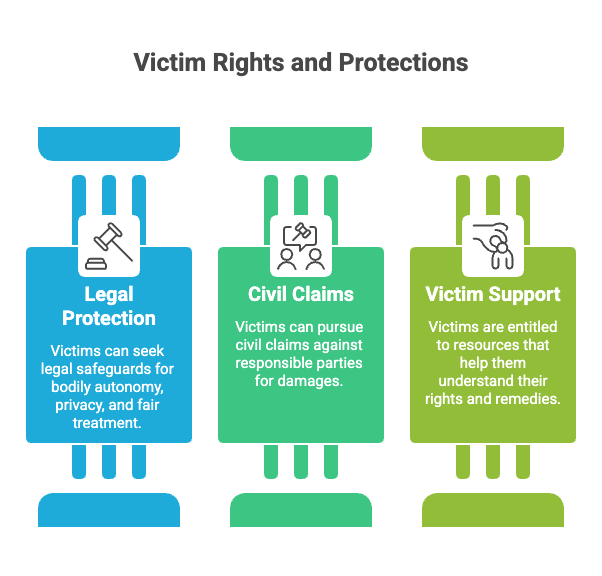
- Victims may seek protection through the legal system, including rights tied to bodily autonomy, privacy, and fair treatment.
- They may pursue civil claims against responsible parties when negligent hiring, supervision, or misconduct contributed to the assault.
- They are entitled to victim support resources that help them understand available remedies and legal protections.
Florida law also values evidence preservation because documentation, communications, and facility records can affect accountability. In many cases, survivors have the right to request compensation for medical care, counseling, pain and suffering, and other losses arising from the abuse.
Steps to Take After a Massage Therapist’s Sexual Assault Incident in Florida
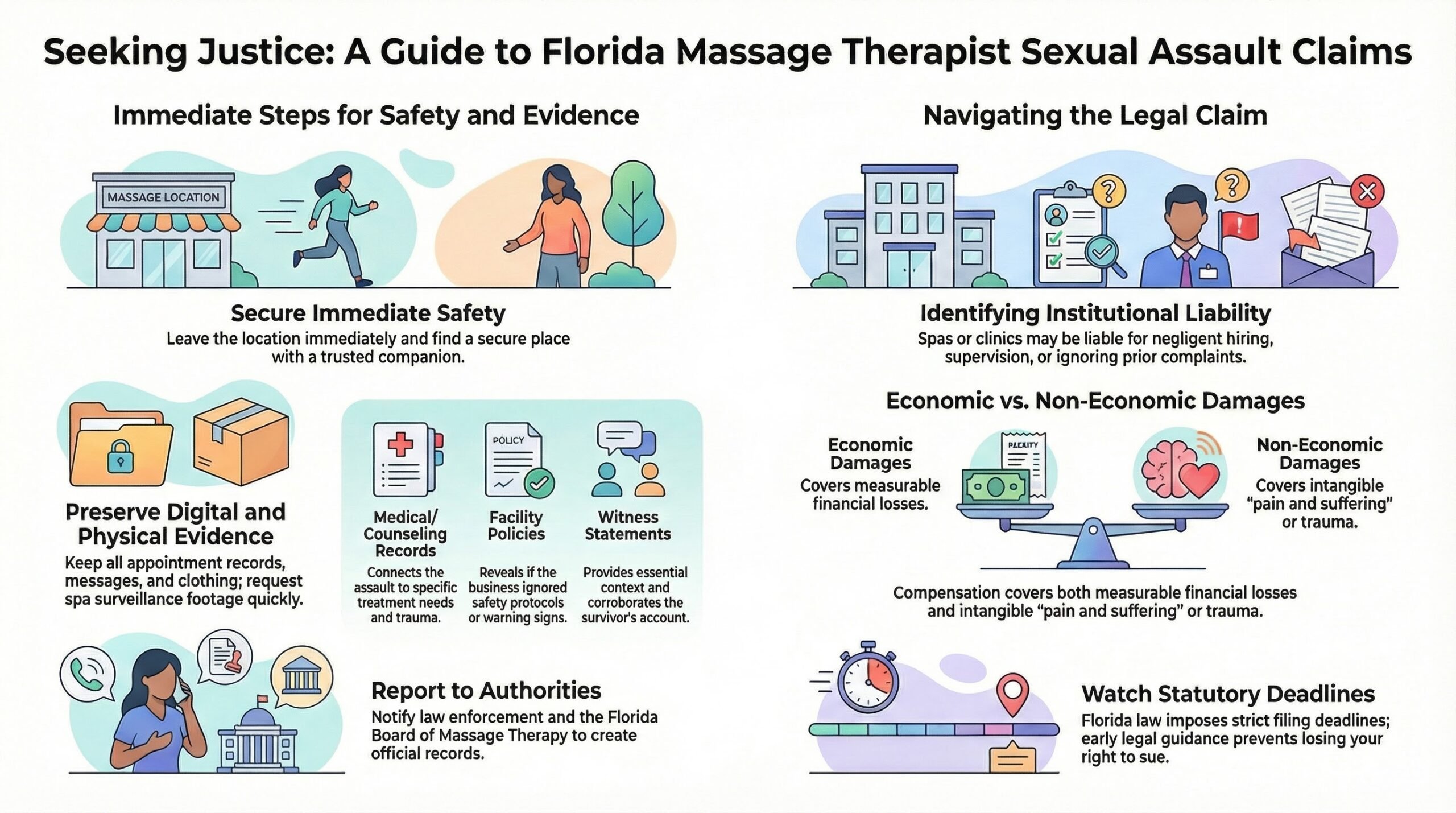
After a massage therapist’s sexual assault incident in Florida, immediate safety should be secured by leaving the location, contacting a trusted person, or seeking emergency assistance when necessary. The assault should then be reported to law enforcement, the massage establishment, and any applicable licensing or regulatory authority, as prompt reporting can support both safety and accountability.
Important evidence, including clothing, messages, appointment records, and medical documentation, should be preserved carefully, as these materials may be important in any criminal or civil proceeding.
Ensure Immediate Safety
Prioritize immediate safety by leaving the location as soon as possible and moving to a secure place, such as a nearby business, vehicle, or the home of a trusted person. If possible, the individual should contact a reliable person who can remain present, provide transportation, or help create distance from the assailant. Immediate safety planning may also include locking doors, changing locations, and avoiding any private meetings related to the incident.
Once safe, attention should shift to physical and emotional stabilization. Clean clothing, water, and a quiet environment may help reduce distress. A trusted companion can offer calm support rooted in trauma-informed care, respecting the person’s choices and pace. If further guidance is needed, community advocates, crisis centers, and local support groups may help identify safe next steps and supportive resources.
Report The Assault
Once the person is in a safe setting, reporting the assault can help preserve key evidence, create an official record, and support any later criminal, licensing, or civil action. In Florida, a report may be made to local law enforcement, adult protective services when appropriate, or the Florida Board of Massage Therapy. These reporting options allow authorities to assess immediate risk, begin an investigation, and help protect others from harm.
If the person feels overwhelmed, a trusted advocate, crisis counselor, or attorney may assist with making the report and explaining the next steps. Clear documentation of what was experienced, including the date, location, and the massage therapist’s identity, can improve accuracy when speaking with officials. Support resources may also assist with coping with trauma while the person considers which reporting options are most appropriate.
Preserve Key Evidence
A careful effort to preserve evidence may strengthen any criminal report, licensing complaint, or civil claim arising from a massage therapist’s sexual assault incident in Florida. Survivors should avoid deleting messages, emails, appointment records, receipts, or call logs connected to the session. Clothing, linens, and personal items may also hold important forensic value and should be stored carefully.
If possible, a written account should be created promptly, noting dates, times, locations, names, and specific statements or actions. Witness statements from employees, clients, or companions may help confirm surrounding circumstances. Requests to preserve camera footage from reception areas, hallways, parking lots, or nearby businesses can be important because recordings are often erased quickly. Medical records, photographs of injuries, and transportation records may further support a thorough and service-minded pursuit of accountability.
How a Florida Massage Therapist Sexual Assault Lawyer Can Help You Initiate a Case
For many survivors, initiating a legal claim can feel overwhelming, particularly when the misconduct occurred in a setting built on trust and privacy. A Florida massage therapist sexual assault lawyer can guide the process with structure, discretion, and focus. Counsel typically begins by explaining legal options, deadlines, and potential defendants, while prioritizing the victim’s privacy and safeguarding evidence from the outset.
A Florida massage therapist sexual assault lawyer can help survivors protect privacy, preserve evidence, and pursue accountability with clarity and care.
A lawyer may assist by:
- Conducting a confidential case review, identifying available records, witnesses, and reporting avenues.
- Preserving communications, intake forms, surveillance footage, and business policies that may support the claim.
- Coordinating with investigators and experts, preparing filings, and managing insurer or defense contact.
This support helps survivors move forward without carrying every burden alone. Through careful preparation, an attorney can reduce procedural obstacles and create a clearer path toward accountability. Early legal guidance also helps prevent mistakes that could weaken a claim or delay important protective action under Florida law.
Long-Term Effects of Massage Therapist Sexual Assault Trauma
Massage therapist sexual assault can produce significant emotional and psychological harm, including anxiety, depression, and persistent trauma-related symptoms that affect daily functioning. It may also disrupt a person’s ability to form and maintain healthy relationships, as trust issues often extend to intimate partners, medical providers, and other authority figures. In addition, lasting physical symptoms, such as sleep disturbances, chronic pain, and heightened stress responses, may continue long after the assault occurred.
Emotional And Psychological Harm
Although physical injuries may recover over time, the emotional and psychological harm caused by sexual assault during a massage session can persist for years and affect nearly every part of a survivor’s life. Survivors may experience anxiety, depression, panic symptoms, shame, sleep disruption, and intrusive memories that interfere with work, caregiving, and daily functioning.
Supportive care often begins with trauma disclosure in a setting that prioritizes dignity, control, and informed choice. Appropriate therapy options may include trauma-focused counseling, psychiatric care, and community-based advocacy. Practical safety planning can help survivors regain stability and reduce fear in everyday routines.
Over time, healthy coping strategies, including structured support, grounding techniques, and consistent medical follow-up, may strengthen resilience and improve overall emotional well-being, while honoring each survivor’s pace and needs.
Relationship And Trust Issues
Because sexual assault by a trusted care provider can distort a survivor’s sense of safety, long-term relationship and trust issues often emerge in both personal and professional settings. A massage therapist’s violation of consent may undermine confidence in caregivers, employers, intimate partners, and institutions that should provide protection and support.
Over time, survivors may become guarded, skeptical, or reluctant to rely on others, even when assistance is genuinely offered. Difficulty recognizing healthy professional boundaries can also develop, especially when prior abuse occurred within a setting associated with care and recovery. In service-oriented environments, these effects may interfere with teamwork, communication, and the ability to seek help without fear of exploitation.
Compassionate legal advocacy can help validate these harms, reinforce accountability, and support a survivor’s efforts to rebuild trust gradually and safely.
Lasting Physical Symptoms
Even after the assault has ended, survivors may continue to experience persistent physical symptoms that reflect the body’s prolonged response to trauma. These effects can include chronic pain, headaches, gastrointestinal distress, muscle tension, fatigue, sleep disruption, and heightened startle responses. Such symptoms may appear intermittently or remain constant, often interfering with work, caregiving, and daily functioning.
In service-oriented communities, understanding these reactions can support compassionate and informed advocacy. Reporting delays are common when survivors fear disbelief, workplace retaliation, or renewed exposure to harm. Nonetheless, timely medical attention may assist with treatment, documentation, and evidence preservation. Legal advocates often recognize that visible and invisible injuries can shape the value of a case during compensation negotiations. A careful, survivor-centered response can help recover health, preserve dignity, and strengthen accountability under Florida law.
What to Expect During a Florida Massage Therapist Sexual Assault Claim Process
A Florida massage therapist’s sexual assault claim process typically begins with an initial case evaluation, during which the facts are reviewed, and the legal options are identified. The process then focuses on gathering evidence and documentation, followed by filing the claim in the appropriate forum and within the applicable deadlines. Depending on the strength of the evidence and the parties’ positions, the matter may conclude through settlement or proceed to trial.
Initial Case Evaluation
Begin with a confidential consultation in which a Florida attorney reviews the reported misconduct, the setting in which it occurred, and any available evidence, such as messages, appointment records, medical records, or witness information. During this initial case evaluation, counsel typically explains legal options, outlines potential claims, and assesses whether the facts suggest individual or institutional liability under Florida law.
The discussion often addresses immediate safety concerns, available victim support resources, and practical guidance on coping with trauma, while maintaining professional sensitivity and discretion. Attorneys may also describe expected timelines, communication practices, and the general sequence of a civil claim, so the person seeking help can make informed decisions. This early review is intended to clarify rights, identify priorities, and establish a structured path toward accountability, protection, and compassionate legal service.
Evidence And Documentation
Because the strength of a Florida massage therapist’s sexual assault claim often depends on timely proof, the evidence and documentation stage focuses on preserving records that can corroborate the reported misconduct and establish when, where, and how it occurred. Relevant materials may include appointment confirmations, intake forms, billing records, surveillance footage, text messages, emails, photographs, and witness accounts.
Prompt collection of medical documentation can help connect reported injuries, trauma symptoms, or psychological effects to the incident. Careful notes describing dates, locations, statements, and observable conditions may also support the patient’s credibility. In many situations, advocates and counsel encourage organized recordkeeping so facts remain clear and consistent over time. This stage is intended to protect the integrity of the account and provide a reliable foundation for the steps that follow later.
Filing The Claim
Once records and supporting materials have been preserved, the next step is filing the claim through the appropriate legal and administrative channels. Counsel typically identifies potential defendants, confirms jurisdiction, and prepares notices or pleadings that describe the misconduct and resulting harm. Attention to Statute deadlines is crucial because missed dates can limit a survivor’s ability to pursue accountability and protect others from similar abuse.
During the filing process, attorneys often organize medical documentation, therapy records, witness information, and employment or licensing details related to the massage therapist or facility. They may also coordinate reports to law enforcement, professional boards, or insurers when appropriate. A careful filing process helps establish credibility, preserve rights, and create a clear foundation for the claim. This measured approach supports informed advocacy, community safety, and responsible service to those affected.
Settlement Or Trial
Although many civil claims resolve before a courtroom verdict, a Florida massage therapist’s sexual assault case may proceed through settlement negotiations, mediation, or trial, depending on the evidence, the parties involved, and the survivor’s objectives.
During settlement discussions, counsel evaluates liability, damages, evidence collection, and witness credibility to determine whether a fair resolution is possible. Mediation may offer a structured setting where both sides, guided by a neutral third party, explore terms without a public trial. If negotiations fail, the case can proceed to trial, where testimony, documents, expert opinions, and institutional records are carefully examined.
The court or jury then decides responsibility and damages. Throughout this stage, legal representatives often emphasize accountability, protection of others, and informed decision-making, helping survivors pursue a path that reflects their needs and supports community safety.
Compensation for Florida Massage Therapist Sexual Assault Damages
When a massage therapist’s sexual misconduct causes physical, emotional, and financial harm, Florida law may permit a survivor to seek compensation for the full scope of those damages. In many cases, careful medical documentation helps connect the abuse to treatment needs, trauma symptoms, and related losses. This process can also identify resources that promote recovery, stability, and long-term support for survivors and their families.
| Consideration | Why It Matters |
|---|---|
| Medical records | Help demonstrate injury and treatment needs |
| Counseling history | Shows ongoing emotional impact and recovery efforts |
| Witness statements | Can support credibility and context |
| Facility policies | May reveal ignored warnings or unsafe practices |
A civil claim may seek funds for care, therapy, medication, transportation to appointments, and other necessary services. It may also address the broader harm the misconduct caused in daily life, relationships, and the survivor’s ability to continue serving others. Strong evidence often improves the ability to present a complete, credible claim.
Economic vs Non-Economic Damages in Florida Massage Therapist Sexual Assault Cases
In Florida massage therapist sexual assault cases, damages generally fall into two categories, economic and non-economic, each addressing different forms of harm. Economic damages typically include measurable financial losses such as medical expenses, counseling costs, lost income, and other out-of-pocket consequences, while non-economic damages concern pain and suffering, emotional distress, and related intangible injuries. Establishing either form of damages requires clear evidence, and Florida claims often depend on medical records, treatment history, employment documentation, and credible testimony to support the asserted extent of the losses.
Economic Damages Overview
Because civil recovery in Florida massage therapist sexual assault cases often turns on the nature of the losses sustained, damages are generally divided into economic and non-economic categories. Economic damages concern measurable financial harm. They may include emergency care, follow-up treatment, counseling expenses, prescription costs, transportation to appointments, and lost wages or diminished earning capacity when work is interrupted.
In some matters, relocation expenses, security costs, or other out-of-pocket losses may also be claimed if supported by the facts. Careful Evidence preservation and complete medical documentation often help establish the amount, timing, and necessity of these losses. Billing records, employment files, tax information, and expert opinions can further support a clear damages presentation. A disciplined assessment of economic losses can assist survivors and those helping them pursue practical, accountable civil remedies under Florida law.
Non-Economic Losses Explained
Although financial records often document the direct cost of harm, non-economic damages address the personal consequences of sexual assault that do not appear on bills or pay stubs. In Florida massage therapist sexual assault cases, these losses may include pain, humiliation, fear, loss of dignity, and disruption of personal relationships. They also reflect trauma that affects sleep, concentration, trust, and daily functioning.
A detached legal analysis recognizes that violations of Consent and boundaries can alter a person’s sense of safety long after the event ends. Non-economic losses thus acknowledge human suffering in a fuller way, beyond wages or medical expenses alone. While witness statements may help describe changed behavior or emotional withdrawal, the focus remains on the lived impact of the misconduct and the need for compassionate accountability and community-centered recovery.
Proving Damages In Florida
Proving damages in a Florida massage therapist sexual assault case requires more than identifying categories of harm; it requires evidence that connects the misconduct to measurable financial losses and documented personal suffering. Economic damages may include medical treatment, counseling expenses, lost wages, and reduced earning capacity, each supported by invoices, employment records, and expert opinions.
Non-economic damages address pain, trauma, Emotional distress, humiliation, and loss of enjoyment of life, often proven through mental health records, survivor statements, and testimony from family members. A careful calculation of damages considers both present and future consequences, especially when recovery requires ongoing therapy or career changes. By organizing proof with care and credibility, legal advocates can present a claim that reflects the survivor’s losses and supports meaningful accountability, renewal, and community protection for others.
When a Florida Massage Therapist Sexual Assault Case Goes to Trial vs Settlement
When a Florida massage therapist’s sexual assault case proceeds through the civil system, the decision to resolve it by settlement or take it to trial usually depends on the strength of the available evidence, the extent of the survivor’s damages, and the willingness of the parties to accept risk. Settlement may offer privacy, faster relief, and reduced stress for those seeking accountability while continuing to serve their families and communities.
Trial may become necessary when liability is disputed, damages are minimized, or meaningful settlement terms are refused. In those situations, counsel evaluates witness credibility, documentary proof, expert opinions, and likely jury response. Effective trial strategies also consider how the defense may challenge consent, memory, reporting delays, or causation. A carefully prepared case can encourage fair negotiations, even on the eve of trial. However, a verdict carries uncertainty, expense, and public exposure. Each path should be weighed with care, guided by evidence, informed judgment, and the survivor’s broader goals for recovery and protection.
The Statute of Limitations for Florida Massage Therapist Sexual Assault Cases
Because filing deadlines can determine whether a civil claim may proceed at all, the statute of limitations is a critical issue in Florida massage therapist sexual assault cases. Florida law may impose different deadlines depending on the facts, the survivor’s age, and whether the claim is brought against an individual, a business, or both. Careful attention to these rules helps protect access to accountability and resources that may support recovery and community safety.
The distinction between criminal and civil matters is also important. A criminal prosecution is brought by the state and follows separate rules of procedure, while a civil lawsuit seeks compensation and institutional accountability. In either setting, evidence preservation remains necessary because records, surveillance footage, employment files, and witness memories can fade or disappear over time. Consequently serves both legal and practical purposes.
Understanding the applicable deadline can help survivors and those supporting them act in ways that preserve options and promote responsible, informed decision-making.
When to Contact a Massage Therapist Sexual Assault Lawyer in Florida
How soon legal guidance should be sought often depends on the survivor’s immediate safety, the need to preserve evidence, and the possibility that the massage therapist or business may continue posing a risk to others. Prompt consultation can help a survivor understand options without delay, especially when memories are fresh and documents, communications, appointment records, and surveillance footage may still be available for Evidence preservation.
Early contact may also assist with questions involving Consent laws, confidentiality, and whether a report should be made to law enforcement, licensing authorities, or other agencies responsible for State reporting. In addition, a timely legal review can clarify practical issues such as Insurance coverage, employer responsibility, and steps that may protect future clients from harm. Even when uncertainty exists about what occurred or whether enough proof is available, seeking guidance soon after the incident can help a survivor make informed decisions that support personal recovery and community safety and accountability.
Why You Need an Experienced Florida Massage Therapist Sexual Assault Lawyer
Although civil claims arising from sexual misconduct during a massage may appear straightforward, these matters often involve complex questions of liability, licensing standards, evidentiary proof, and institutional responsibility that require experienced legal analysis. An experienced Florida lawyer helps survivors pursue accountability while protecting dignity through trauma-informed care and clear communication.
Such representation is essential because these cases may involve the therapist, spa owner, staffing agency, property operator, or other entities with separate duties and defenses. Counsel can promptly address evidence preservation, identify witnesses, secure business records, and evaluate whether surveillance footage, employment files, or prior complaints support the claim. Knowledge of statutory requirements also matters, including notice issues, filing deadlines, and regulations governing massage establishments and professional conduct.
An experienced attorney can further analyze insurance coverage, anticipate efforts to deny responsibility, and present a coherent case that serves both the survivor’s interests and the broader goal of protecting others from preventable harm.
How to Choose the Right Massage Therapist Sexual Assault Lawyer for Your Case in Florida
When selecting counsel for a massage therapist sexual assault case in Florida, a survivor should focus on attorneys who handle sexual abuse and serious personal injury matters with documented experience, strong case development practices, and a trauma-informed approach to client communication.
The right lawyer will explain options clearly, respect Confidentiality and Privacy, and maintain steady communication throughout the case. A careful review of prior verdicts, settlements, and courtroom experience can help measure capability. Survivors may also look for firms that understand Evidence Handling Techniques, including the preservation of messages, intake forms, surveillance footage, billing records, and witness statements.
An attorney should coordinate respectfully with medical providers, counselors, and investigators while minimizing unnecessary stress on the client. It is also wise to evaluate responsiveness, professional reputation, and willingness to prepare for trial if a fair resolution is not offered. Choosing counsel with discipline, compassion, and proven litigation skills can strengthen accountability efforts and support meaningful recovery and long-term stability.
About The Law Offices of Anidjar & Levine
For survivors seeking legal representation in Florida, The Law Offices of Anidjar & Levine presents a plaintiff-focused practice that handles serious injury and sexual assault matters with close attention to case preparation, client communication, and accountability.
The firm is known for a structured approach that emphasizes service, dignity, and informed decision-making at every stage of a claim.
Its attorneys evaluate allegations carefully, gather supporting evidence, and explain legal options in plain terms so clients and families can act with confidence.
During an initial strategy meeting, the firm can assess timelines, liability, damages, and potential next steps without losing sight of the survivor’s wellbeing.
Attorney-client confidentiality remains a central safeguard, helping survivors speak openly while preserving privacy and trust.
The Law Offices of Anidjar & Levine also maintains a responsive model of representation, which supports timely updates, coordinated advocacy, and a clear focus on pursuing justice through civil action in Florida courts.
Frequently Asked Questions
Can I Report Misconduct Anonymously Against a Massage Therapist in Florida?
Yes, misconduct against a massage therapist in Florida can often be reported anonymously, though anonymity may limit investigation details and follow-up. Through anonymous reporting options, a person may contact the Florida Department of Health or other appropriate authorities as part of the Florida complaint process. Those seeking to protect others should provide clear facts, dates, and supporting information. Formal complaints with identifying details may strengthen the case and improve accountability and public safety.
Are Florida Massage Establishments Required to Conduct Employee Background Checks?
Florida massage establishments are generally expected to follow Florida employer duties, which often include verifying licensure and reviewing an applicant’s history, but state law does not impose a universal criminal screening mandate for every hire. In certain circumstances, ownership structures or local rules may create additional requirements. Prudent employers commonly conduct criminal screening to protect clients, support safe care, and reduce risk, even when not expressly required in every situation.
Can Surveillance Footage From a Spa Support My Sexual Assault Claim?
Yes, surveillance footage from a spa can support a sexual assault claim, especially when it shows movements, timing, staff access, or policy violations. However, CCTV limitations often prevent cameras from capturing private treatment rooms, so footage may only corroborate events occurring nearby. Digital consent records, entry logs, witness statements, and medical documentation can strengthen the claim. Prompt preservation requests are important because many systems overwrite footage within days or weeks.
What Licensing Board Oversees Massage Therapists Accused of Misconduct in Florida?
Florida massage therapists are overseen by the Florida Board of Massage Therapy, under the Department of Health. Allegations of misconduct may be reported through the department, which manages the Florida discipline process and investigates license violations. The Board complaint process generally includes filing a written complaint, review by investigators, and possible Board action. This process helps restore clients, uphold professional standards, and support accountable care throughout the state.
Can a Massage Therapist Lose Their License After a Sexual Assault Allegation?
Yes, a massage therapist can lose a license after a sexual assault allegation if investigators find sufficient evidence of misconduct. License discipline may include suspension, revocation, or restrictions, depending on the facts and the board’s findings. However, the professional is entitled to due process rights, including notice and an opportunity to respond. Those procedures help protect the public while ensuring fair, careful review of serious allegations and maintaining professional accountability.
—————————
Victims of massage therapist sexual assault in Florida may have important legal options, and timely action can protect both their rights and potential claims.
A qualified attorney can evaluate the facts, explain available remedies, and pursue accountability against all responsible parties.
The Law Offices of Anidjar and Levine assists survivors with focused legal guidance and determined advocacy, including support from a Florida Sexual Assault Lawyer.
Careful representation can help secure compensation, support recovery, and reinforce the principle that sexual abuse in professional settings will not be tolerated.