The Law Offices of Anidjar and Levine assists victims of AI-generated sexual image abuse in Florida with preserving screenshots, metadata, links, and communications while developing a strategy to stop further circulation.
Counsel may evaluate reporting options to platforms, employers, schools, and law enforcement, and assess possible civil remedies or criminal exposure under Florida law.
Legal support also helps identify creators, distributors, or amplifiers of harmful content and seek injunctions or damages.
The following sections explain these issues, outline reporting steps, and provide available protections, as well as additional legal resources through a Florida Sexual Assault Lawyer.
Main Takeaways
- A Florida lawyer can assess AI-generated sexual image abuse, identify responsible parties, and create a strategy to stop further harm quickly.
- Preserve evidence immediately with screenshots, URLs, usernames, timestamps, messages, and original files before posts are deleted or altered.
- A lawyer can coordinate takedown requests, platform reports, workplace or school complaints, and law enforcement reporting when threats or extortion exist.
- Florida victims may pursue civil remedies like injunctions, removal orders, and damages, while some conduct may also trigger a criminal investigation.
- Early legal guidance helps protect privacy, avoid amplifying harmful content, and organize a clear timeline across platforms, counties, or states.
How We Can Help With Your Florida AI-Generated Sexual Image Abuse Claim
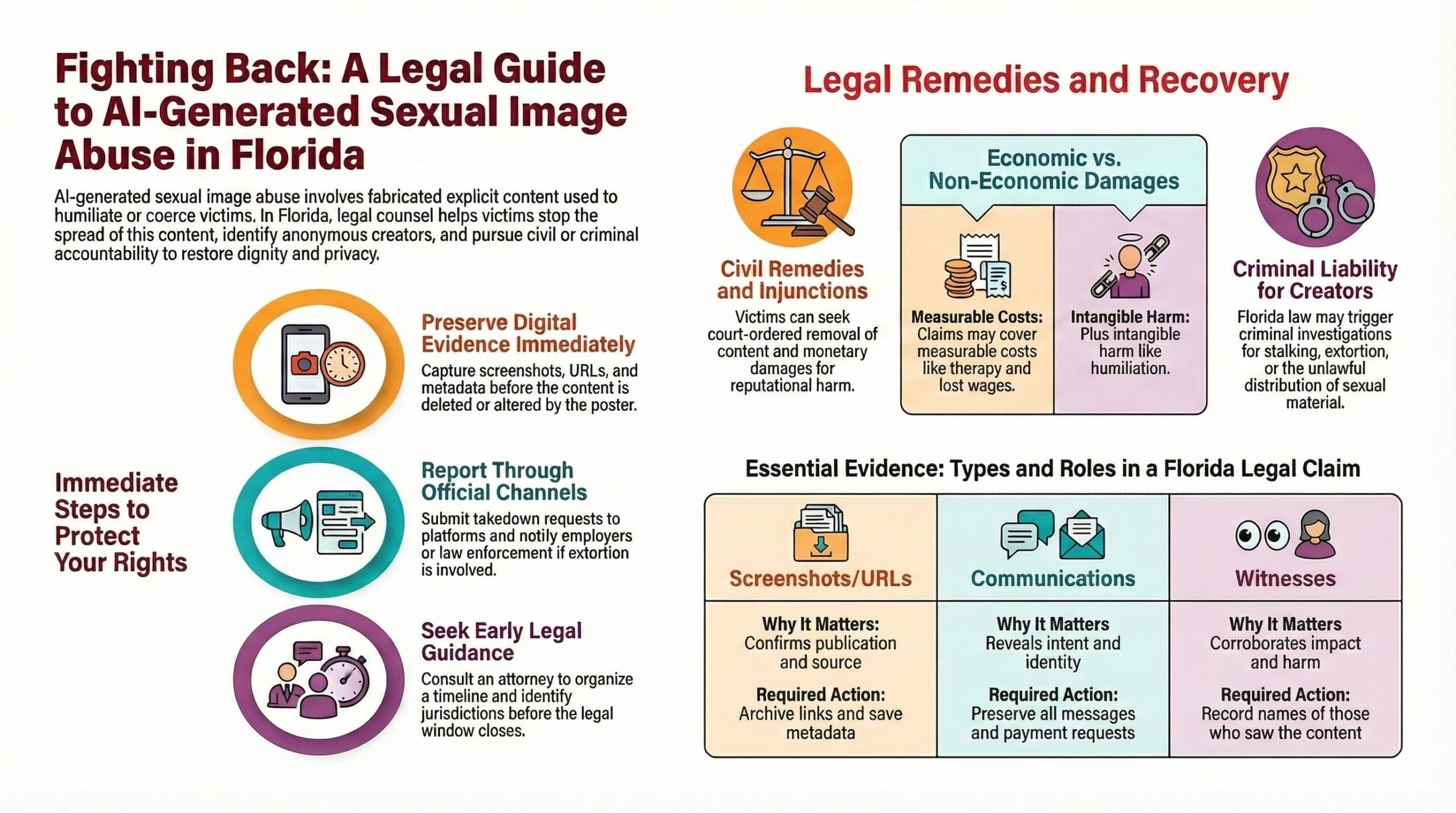
When a person in Florida becomes the target of AI-generated sexual image abuse, legal counsel can help assess the facts, identify the parties responsible, and develop a strategy to limit further harm. Attorneys may coordinate the immediate preservation of evidence, document online activity, and advise on secure communication practices to prevent damaging material from being unintentionally amplified.


A service-minded legal team can also provide Victim support by connecting individuals with trusted community resources and helping families understand practical next steps. Counsel may explain reporting options to platforms, schools, employers, and law enforcement, while preparing clear submissions that protect privacy and credibility. When harassment, intimidation, or unwanted contact escalates, attorneys can evaluate whether restraining orders or other court protections may be appropriate.
They may also engage websites or intermediaries to seek removal, reduce circulation, and press for responsible action. Throughout the process, counsel remains focused on dignity, safety, accountability, and the restoration of stability for the affected person.
Understanding AI-Generated Sexual Image Abuse Cases in Florida
Because these matters often combine emerging technology with traditional privacy and harassment concerns, understanding AI-generated sexual image abuse cases in Florida requires careful attention to how the content was created, distributed, and used to harm the targeted person.
These cases generally involve fabricated or altered sexual imagery that falsely depicts an individual without meaningful consent. Legal analysis often examines identity misuse, intent to intimidate, reputational damage, and whether the material was shared to exploit, coerce, or embarrass.
Florida claims may involve civil remedies alongside Criminal penalties, depending on the facts, available evidence, and applicable statutes. Important evidence can include metadata, platform records, communications, screenshots, and proof linking a creator or distributor to the harmful content.
OUR CONSULTATIONSARE FREE
START YOUR FREE CASE REVIEW

Victim protections may include court orders, takedown efforts, privacy advocacy, and coordinated steps to preserve evidence while limiting further circulation. A careful, service-oriented legal approach can help affected individuals seek accountability, dignity, and practical relief through available legal channels.

Common Scenarios When AI-Generated Sexual Image Abuse Might Take Place in Florida
AI-generated sexual image abuse in Florida may arise in several recurring contexts, each presenting distinct legal and personal consequences. Common examples include social media impersonation, revenge porn, deepfakes, workplace harassment incidents, and online dating deception, where fabricated sexual content may be used to humiliate, coerce, or mislead another person. Identifying how these scenarios occur can help clarify the nature of the misconduct and the legal issues that may follow.
Social Media Impersonation


Although social media platforms are designed for communication and self-expression, they can also be used to facilitate sexual image abuse through impersonation. In Florida, a person may create a false profile using another individual’s name, photographs, or likeness, then post or send AI-generated sexual content as if it were authentic. Such conduct can mislead employers, schools, faith communities, and family members, causing immediate reputational harm.
For those seeking to protect and serve others, recognizing warning signs is important. Sudden account activity, unfamiliar messages, and manipulated images may indicate a privacy violation requiring prompt action. Preserving screenshots, URLs, metadata, and account records can help document evidence of cyberbullying. Careful reporting to platforms, counsel, and appropriate authorities may support removal efforts and further protective steps under Florida law.
Revenge Porn Deepfakes
Revenge porn deepfakes present another common setting in which sexual image abuse may occur in Florida, often following a breakup, personal dispute, or rejected advance. In these matters, a person may use artificial intelligence to fabricate explicit images or videos and distribute them to humiliate, control, or isolate another individual. Some situations also involve online extortion, where threats of publication are used to demand money, contact, or silence.
A careful response often includes preserving evidence, submitting online removal requests, and considering victim safety planning to reduce further harm.
Florida law may provide civil remedies, and certain conduct may expose a wrongdoer to criminal charges. Early legal guidance can help affected individuals protect their dignity, document misconduct, and take practical steps to support safety, accountability, and meaningful recovery.
Workplace Harassment Incidents
In workplace harassment incidents, fabricated sexual images may be used to intimidate, embarrass, or retaliate against an employee in ways that threaten both professional standing and personal privacy. Such abuse may arise from supervisors, coworkers, or third parties seeking influence, silence, or control in the workplace.
In Florida workplaces, these incidents may surface during promotion disputes, disciplinary conflicts, rejected advances, or hostile office dynamics. False images can be circulated through email, messaging platforms, or internal networks, causing reputational harm and severe emotional strain. Employers may have duties to investigate complaints, preserve evidence, and prevent further dissemination. Affected individuals often need guidance regarding confidentiality remedies, internal reporting channels, and legal options. They may also require protection from retaliation for reporting, especially when misconduct is tied to power imbalances or institutional neglect.
Online Dating Deception
A service-minded response focuses on safety, documentation, and timely action. Evidence preservation basics include saving screenshots, usernames, timestamps, payment requests, and platform links before content disappears. Digital reporting options may include in-app complaints, law enforcement reports, and submissions to platform safety teams. Careful guidance can help affected individuals protect dignity, support accountability, and reduce ongoing reputational and emotional harm.

Legal Rights of AI-Generated Sexual Image Abuse Victims in Florida
Although the law is still developing in response to synthetic sexual imagery, victims in Florida may have significant legal rights when an AI-generated sexual image is created, shared, or used to harass, exploit, or defame them.
Depending on the facts, those rights may arise under privacy, defamation, harassment, and exploitation laws, with potential Criminal Liability and Civil Remedies available to protect dignity and community safety.
- Victims may seek protection when false sexual depictions damage their reputation, interfere with employment, or invade their private lives.
- Civil Remedies may include monetary damages, court orders requiring removal, and injunctions against further publication or use.
- Criminal Liability may apply when conduct involves stalking, extortion, threats, child exploitation, or unlawful distribution of sexual material.
- Victims may also have rights to pursue accountability from creators, distributors, or others who knowingly amplify harmful content.
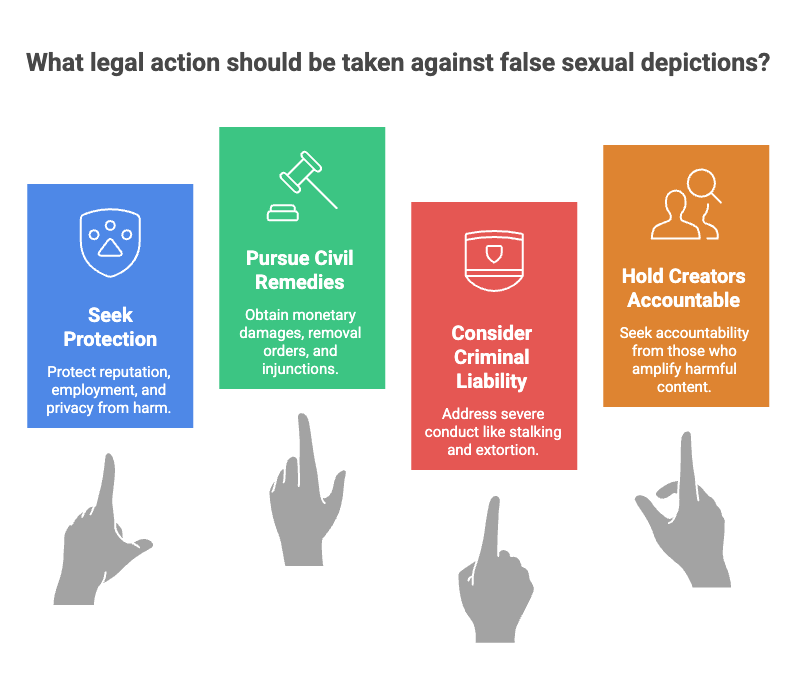
These rights can support personal recovery, deter future abuse, and reinforce respect for human worth and service to others.
Steps to Take After an AI-Generated Sexual Image Abuse Incident in Florida
After an AI-generated sexual image abuse incident in Florida, prompt and deliberate action can help protect a victim’s rights and support any future claim. Important early measures often include preserving digital evidence, reporting the abuse to relevant platforms or authorities, and documenting all related communications and postings. Legal guidance may then help assess available remedies, protect privacy interests, and determine the most effective course of action.
Preserve Digital Evidence
When AI-generated sexual image abuse is discovered, preserving digital evidence should become an immediate priority because online content can be altered, deleted, or redistributed within minutes. Helpful preservation measures include taking clear screenshots, saving URLs, recording usernames, and noting dates, times, and platform details for thorough incident documentation. Whenever possible, original files should be downloaded without editing, and metadata should be retained to support authenticity and timeline verification.
A careful record may also include message threads, account profiles, payment requests, and any signs of digital watermarking that could identify the source or distribution path. Evidence should be stored in secure, backed-up locations, with copies organized chronologically. Those assisting affected individuals should avoid unnecessary interaction with the content, as preserving its original state can strengthen later legal evaluation and protective planning efforts.
Report The Abuse
Once available evidence has been preserved, the next step is to report the abuse through the appropriate channels as quickly as possible. Prompt reporting can limit further distribution, support online takedowns, and create an official record for future action. Relevant Reporting options may include the hosting platform, social media services, school administrators, workplace compliance personnel, and local law enforcement when threats, stalking, extortion, or identity misuse are involved.
Those assisting an affected person should encourage careful preservation of documents throughout the reporting process, including confirmation emails, case numbers, and moderator responses. They should also connect the individual with victim support resources, such as counselors, advocacy organizations, and crisis services, to help reduce isolation and promote safety. Clear, timely reporting often strengthens protective efforts and improves coordinated community response.
Seek Legal Guidance
Why legal guidance should be sought early becomes clear as soon as an incident involves AI-generated sexual image abuse in Florida. Prompt counsel helps a victim understand available civil and criminal remedies, preserve evidence, and avoid mistakes that could weaken later claims. An attorney can identify jurisdictional options when content crosses county, state, or platform boundaries, and can coordinate with law enforcement and online services.
Legal guidance also supports careful service to others affected by the abuse, including family members, employers, or schools that may need accurate information. Counsel can document timeline accuracy, assess takedown requests, and advise on privacy protections during reporting. Early advice often strengthens strategy, reduces harmful exposure, and positions the victim to promptly pursue accountability, safety, and meaningful relief under Florida law.
How a Florida AI-Generated Sexual Image Abuse Lawyer Can Help You Initiate a Case
How can a Florida AI-generated sexual image abuse lawyer assist at the outset of a case? Counsel can provide immediate structure, protect the person harmed, and help supporters act responsibly. Early guidance often centers on Evidence preservation, the creation of a digital timeline, the assessment of criminal liability, and appropriate federal reporting when platforms or agencies may be involved.
Early counsel brings structure, protects the harmed person, and guides evidence preservation, legal assessment, and responsible reporting.
- The lawyer identifies relevant files, messages, links, and account records, then advises how to preserve them without alteration.
- The lawyer organizes dates, usernames, uploads, and contacts into a clear digital timeline that supports later legal action.
- The lawyer evaluates whether state or federal laws may apply, including possible criminal liability for creators, distributors, or collaborators.
- The lawyer coordinates notices to platforms, law enforcement, and agencies, including federal reporting when warranted, while reducing unnecessary exposure.
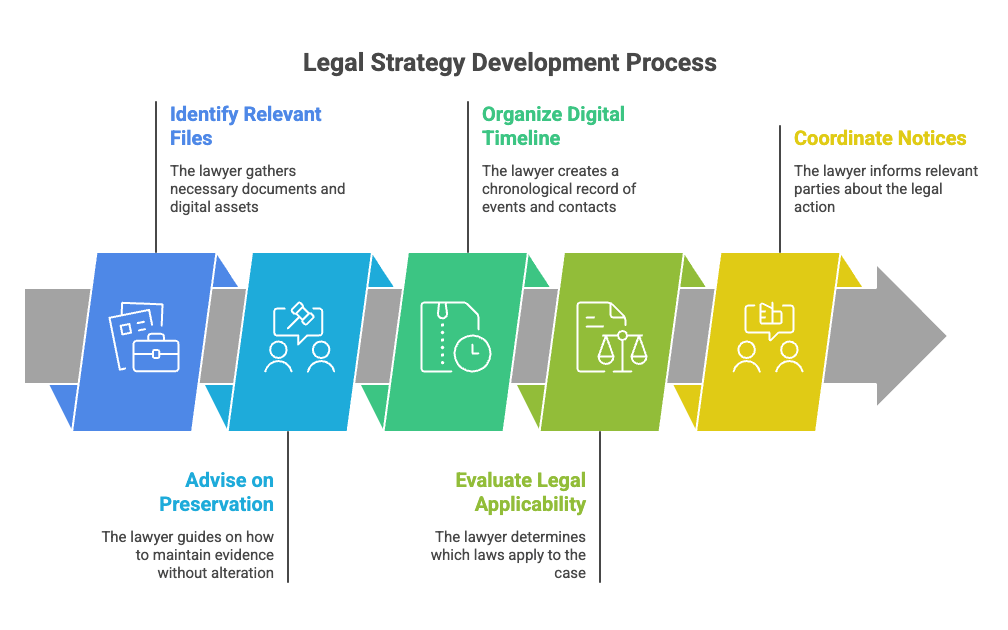
This early case work helps families, advocates, and community members respond in a careful, service-minded way that supports accountability, safety, and informed next steps.
Long-Term Effects of AI-Generated Sexual Image Abuse Trauma
AI-generated sexual image abuse can produce lasting emotional distress that continues well beyond the initial incident, often affecting a person’s sense of safety, trust, and personal dignity. It may also damage relationships, as fear, embarrassment, and reputational concerns can alter interactions with family members, intimate partners, and social circles. In addition, ongoing professional harm may arise when false sexual content affects workplace standing, future employment opportunities, and overall public perception.
Lasting Emotional Distress
Although the fabricated images may be created in moments, the emotional harm they cause can persist long after the initial disclosure or removal. Survivors often experience ongoing anxiety, shame, hypervigilance, and disrupted sleep, even when no further distribution occurs. Daily routines may become strained as ordinary settings, online platforms, or unexpected reminders function as trauma triggers.
Over time, lasting emotional distress can affect concentration, professional performance, and a person’s general sense of safety and dignity. Some individuals develop symptoms associated with depression, panic, or post-traumatic stress, which may intensify without timely support. Service-minded advocates and professionals should recognize that recovery is rarely linear. Effective care may include counseling, structured coping strategies, and practical assistance that restore stability, reinforce autonomy, and help survivors regain confidence in their lives and futures.
Damage To Relationships
Because trust is often undermined by fabricated sexual content, the long-term effects of AI-generated sexual image abuse frequently extend into intimate, familial, and professional relationships. Survivors may withdraw from partners, question others’ motives, and struggle to feel safe in ordinary interactions. This Loss of Trust can alter communication patterns, reduce emotional closeness, and create persistent tension within households.
The Impact on Families may be substantial. Loved ones often face confusion, anger, and helplessness while trying to offer support. Parents, spouses, siblings, and close friends may also experience secondary distress as they respond to reputational harm and social stigma. Over time, unresolved strain can weaken support systems vital to restoration. In service-oriented communities, recognizing these relational injuries may help caregivers, advocates, and legal professionals respond with greater care and consistency.
Ongoing Professional Harm
When fabricated sexual imagery becomes associated with a person’s name or online presence, the professional consequences may continue long after the initial discovery. Employers, clients, licensing boards, and colleagues may question judgment or credibility, even when the material is entirely false. Career advancement can slow as trust erodes, opportunities disappear, and reputational concerns influence decisions behind closed doors.
In service-oriented professions, this harm may affect the ability to lead, advocate, teach, or care for others with confidence. Some individuals also face workplace retaliation, subtle exclusion, or unjust discipline after disclosure. Careful evidence preservation can support internal reporting, legal review, and corrective action. A measured response may help limit further damage, but the lasting impact on income, advancement, and professional identity can remain significant for years after the abuse first appears online.
What to Expect During a Florida AI-Generated Sexual Image Abuse Claim Process
A Florida AI-generated sexual image abuse claim typically begins with filing the initial claim and identifying the legal basis for relief under applicable state and federal law. The process often requires gathering and preserving digital evidence, including screenshots, metadata, platform records, and communications that may establish creation, distribution, or harm. From there, the court process timeline and potential legal outcomes generally depend on the facts of the case, the available proof, and the remedies sought.
Filing The Initial Claim
Before any formal litigation begins, counsel typically evaluates the available evidence, identifies the parties involved, and determines which legal claims may apply under Florida law. This early review helps survivors understand possible remedies, court options, and the importance of Filing Deadlines. It also supports Evidence Preservation, which may affect the strength and timing of the claim.
Once the facts are assessed, counsel generally prepares the initial complaint, outlines the alleged misconduct, and states the relief requested. The filing must name the proper defendants and present sufficient detail to satisfy procedural rules. After submission, the court issues a case number and begins the formal process. Defendants are then served and given time to respond. Throughout this stage, counsel often emphasizes organized communication, prompt action, and careful compliance with Florida requirements and obligations.
Gathering Digital Evidence
In this stage, digital evidence becomes central to establishing how the AI-generated sexual image was created, distributed, stored, or viewed, and counsel typically works to secure that material as quickly as possible. Attorneys may help preserve screenshots, URLs, metadata, account records, device contents, cloud backups, and platform communications before they are deleted or altered. They often coordinate with forensic professionals to perform data provenance checks, identify upload sources, and trace dissemination patterns across services.
Careful chain-of-custody documentation helps ensure reliability and supports later authentication of files, messages, and logs. Counsel may also advise clients to avoid editing, forwarding, or publicly reposting the material, since preserving it in its original form often serves victims and communities more effectively. This evidence-gathering phase aims to build a clear, responsible factual record.
Court Process Timeline
Although each matter proceeds on its own schedule, a Florida AI-generated sexual image abuse claim commonly moves through a series of identifiable stages, beginning with case evaluation and emergency protective requests, followed by filing, service, evidence exchange, motion practice, and either negotiated resolution or trial. After filing, the court sets deadlines that guide disclosures, written discovery, and depositions.
Digital forensics may be used to trace image creation, dissemination, and platform activity, while preserving metadata and authentication. Attorneys may present motions addressing jurisdiction, privacy, admissibility, or injunctive relief. Throughout the process, counsel often prepares clear evidence summaries and victim impact materials to support informed advocacy. Many matters also include settlement negotiation, mediation, or case management conferences.
If no agreement is reached, the case proceeds toward pretrial preparation and courtroom presentation.
Potential Legal Outcomes
A Florida AI-generated sexual image abuse claim may conclude through several different outcomes, depending on the available evidence, the scope of the harm, and the defendant’s conduct during the case. Some matters are resolved through negotiated settlements that provide financial compensation, image removal, confidentiality terms, and commitments to stop further distribution.
In other cases, a court may issue injunctions, award damages, and determine Defamation liability when false sexual content harms reputation or relationships. If the evidence shows willful misconduct, the defendant may also face criminal exposure under applicable Florida laws. A claim can also end with dismissal if proof is limited, identification is uncertain, or procedural defenses succeed. Throughout the process, counsel often helps victims pursue outcomes that restore safety, protect dignity, and support accountability while reducing additional public harm and long-term personal disruption.

Compensation for Florida AI-Generated Sexual Image Abuse Damages
When AI-generated sexual images are created or distributed without consent, Florida law may permit recovery for a broad range of resulting harms. Courts and insurers often examine proof strength, duration of exposure, platform reach, and the defendant’s conduct when valuing a claim. Early Evidence preservation tips can support credibility, while a disciplined payout negotiation strategy may improve resolution and reduce avoidable delay.
| Factor | Why It Matters | Helpful Action |
|---|---|---|
| Screenshots | Confirms publication | Save metadata |
| URLs | Locates sources | Archive links |
| Witnesses | Corroborates impact | Record names |
| Takedowns | Shows mitigation | Keep requests |
| Communications | Reveals intent | Preserve messages |
Compensation discussions may also consider therapy needs, reputational repair efforts, digital forensic work, and costs tied to content removal. In service-oriented representation, counsel typically focuses on restoring safety, dignity, and stability while presenting organized documentation that supports a fair and lawful recovery.
Prompt, careful action often strengthens overall claim value.
Economic vs Non-Economic Damages in Florida AI-Generated Sexual Image Abuse Cases
Florida AI-generated sexual image abuse claims may involve both economic damages, such as therapy costs, lost wages, and reputation-related financial losses, and non-economic damages, including emotional distress, humiliation, and loss of enjoyment of life. Courts and litigants must also address how non-economic harm is valued, particularly where the injury is severe but not easily measured through objective records. In many cases, proving future losses requires credible documentation, expert opinion, and a clear connection between the abuse and the claimant’s anticipated financial and personal harm.
Economic Damage Categories
Although damages in AI-generated sexual image abuse cases often include profound personal harm, the law generally separates recovery into economic and non-economic categories to measure losses with greater precision. Economic damages focus on measurable financial consequences tied to the misconduct. In Florida, these may include Lost Wages when a person misses work, loses employment, or experiences reduced earning capacity after publication or threats involving fabricated sexual images.
They may also include Medical Expenses for counseling, psychiatric treatment, medication, and other necessary care directly related to the abuse. Additional categories can include costs for digital forensics, reputation repair, increased security measures, and expenses associated with removing unlawful content from online platforms. Careful documentation, including invoices, payroll records, and expert assessments, helps counsel present clear evidence and pursue recovery that supports stability, safety, and practical restoration.
Non-Economic Harm Valuation
Because non-economic losses rarely appear on invoices or payroll records, their valuation in AI-generated sexual image abuse cases requires a careful review of how the misconduct affected the person’s daily life, mental health, relationships, and sense of security. Courts and counsel often assess testimony from the harmed person, relatives, counselors, and other witnesses to measure shame, anxiety, humiliation, and disrupted trust.
Medical records may help, but Evidentiary challenges remain common because trauma does not always present in uniform or easily documented ways. A careful presentation connects specific symptoms and life changes to the abuse without exaggeration. In service-oriented representation, the goal is to honor dignity while credibly explaining the extent of suffering. This process also recognizes the importance of emotional recovery as a meaningful component of justice and accountability.
Proving Future Losses
A claim for future losses requires more than speculation, even when the harm from AI-generated sexual image abuse is ongoing and difficult to predict with exact precision. In Florida, credible proof often includes medical records, expert testimony, wage history, and vocational analysis.
These materials help show the likely Impact on employment, including reduced earning capacity, missed promotions, or forced career changes. They also support projected future medical costs, such as counseling, psychiatric care, medication, and other necessary treatment. When non-economic damages are claimed, testimony from mental health professionals, family members, and others may help explain lasting anxiety, humiliation, reputational injury, and social withdrawal.
Courts and insurers generally look for evidence linking the abuse to probable future consequences. Careful documentation allows a claim to reflect service-oriented advocacy and the injured person’s long-term needs.
When a Florida AI-Generated Sexual Image Abuse Case Goes to Trial vs Settlement
When a Florida AI-generated sexual image abuse case moves toward resolution, the choice between trial and settlement usually depends on the strength of the evidence, the extent of the harm, and the defendant’s willingness to accept responsibility. Counsel generally evaluates trial strategy early, weighing privacy concerns, public accountability, litigation costs, and the client’s need for timely relief and protection.
Settlement may become appropriate when disclosure of evidence strongly supports liability and gives the claimant meaningful leverage in settlement. In that setting, damages negotiation can address emotional distress, reputational harm, lost income, treatment expenses, and injunctive terms requiring removal, nonpublication, and monitoring. Trial may be necessary when the defendant denies creation, distribution, intent, or causation, or refuses fair compensation and meaningful safeguards.
A courtroom verdict can produce enforceable findings and broader deterrence, but it also brings uncertainty, delay, and additional exposure to invasive discovery. A service-oriented legal approach helps victims pursue the option that best protects dignity, safety, and long-term recovery.
The Statute of Limitations for Florida AI-Generated Sexual Image Abuse Cases
Timing often shapes the value of any claim just as much as evidence and damages. In Florida, the filing deadline for AI-generated sexual image abuse claims depends on the legal theory asserted, because privacy, defamation, intentional infliction, and related civil causes may carry different limitation periods. Missing the applicable deadline can weaken service to the harmed person and foreclose recovery entirely.
Courts may also examine when the injury was discovered, whether publication was repeated, and whether a minor was involved, all of which can affect timing analysis. Criminal statutes and civil deadlines are not always identical, so survivors and those assisting them should avoid assuming one controls the other. Careful record preservation, use of Digital privacy options, and prompt use of reporting agency routes can help document dissemination dates and platform responses.
These steps support accountability, protect community welfare, and preserve important facts, while the legal window under Florida law remains open for any future action.
When to Contact an AI-Generated Sexual Image Abuse Lawyer in Florida
Early legal guidance is often most effective once a person learns that an AI-generated sexual image has been created, shared, threatened, or used to coerce action, because delay can allow further dissemination and complicate evidence preservation. Contact should also be considered when impersonation, extortion, stalking, workplace harm, school disruption, or reputational injury begins to affect daily life, safety, or service to others.
A prompt consultation may help a person identify immediate protective steps, document digital evidence, and respond appropriately to platform policies, takedown procedures, and reporting options. It may also be appropriate to seek counsel when the creator is known, when anonymous accounts are involved, or when images appear on multiple sites or private messages.
If minors are depicted, if threats escalate, or if blackmail demands compliance, immediate action is especially important. Questions about Consent laws, privacy rights, deadlines, and available remedies often arise early, making timely contact a prudent and service-minded response for affected individuals.
Why You Need an Experienced Florida AI-Generated Sexual Image Abuse Lawyer
Because AI-generated sexual image abuse can involve rapidly changing evidence, anonymous actors, and overlapping civil and criminal issues, an experienced Florida lawyer provides guidance that extends well beyond basic legal advice. Counsel can coordinate the immediate preservation of evidence, identify responsible parties, and pursue timely remedies that protect dignity, privacy, and long-term well-being.
Experienced representation also helps survivors get through reporting options, platform removal requests, and court procedures without losing focus on personal recovery and service to family or community. A lawyer familiar with these cases can assess available claims, explain likely outcomes, and work to reduce further distribution of harmful content.
That experience is especially important when digital records must be documented correctly and when opposing parties deny involvement. Skilled counsel may also seek Victim compensation through civil actions or other lawful avenues, while coordinating with investigators and support professionals. In complex matters, informed legal advocacy provides structure, accountability, and practical protection for survivors during a deeply disruptive and evolving crisis.
How to Choose the Right AI-Generated Sexual Image Abuse Lawyer for Your Case in Florida
Selecting the right lawyer often shapes how effectively a survivor can respond to AI-generated sexual image abuse in Florida. A careful choice begins with reviewing whether counsel has handled privacy violations, digital evidence issues, and related civil or criminal proceedings with consistent professionalism and sound judgment.
A qualified attorney should explain the legal process clearly, outline realistic options, and prioritize protecting the victim’s privacy at every stage. Experience coordinating with platforms, investigators, and law enforcement may strengthen the case and reduce avoidable harm. Survivors and those assisting them should also consider responsiveness, courtroom experience, and the lawyer’s ability to address urgent takedown needs.
It is also important to ask how the attorney approaches case planning, including evidence preservation, damages evaluation, and any criminal defense strategy that may arise from the opposing side. Clear communication, ethical advocacy, and a service-centered commitment often indicate whether a lawyer can provide steady, effective representation when the matter is deeply personal.
About The Law Offices of Anidjar & Levine
The Law Offices of Anidjar & Levine provides legal representation to individuals confronting sensitive and fast-moving harm, including matters involving AI-generated sexual image abuse in Florida.
The firm approaches these cases with urgency, discretion, and a service-centered commitment to protecting clients from ongoing personal, reputational, and digital injury.
Its attorneys evaluate available legal strategies based on the facts, the source of the images, and the extent of distribution.
This may include pursuing injunctions, preservation of evidence, platform takedown efforts, and claims for damages under state law and federal civil claims.
The firm also helps clients understand related criminal defense options when allegations arise in connected investigations or disputes.
Frequently Asked Questions
Can AI-Generated Sexual Images Be Removed From Search Engines and Websites?
Yes, AI-generated sexual images can often be removed from search engines and websites through Search Removal Requests and Website Content Deletion procedures. Affected individuals are generally advised to document the content, report policy violations, and contact site operators promptly. Search engines may deindex qualifying material, while websites may delete content that breaches terms or applicable law. Legal guidance often helps protect dignity, safety, and the broader interests of those harmed.
Will Pursuing a Claim Keep My Identity Private in Florida?
Not always. In Florida, victim privacy may be protected through sealed filings, initials, or confidential proceedings, but court records are often presumed public unless a statute or court order provides protection. Each case depends on the claims asserted and the relief requested. Careful pleading and early motions can reduce public exposure. Counsel can help structure the matter to protect identity while still pursuing meaningful legal remedies when available.
Can Minors Be Victims of AI-Generated Sexual Image Abuse in Florida?
Yes. Minors can be victims of AI-generated sexual image abuse in Florida, and the law recognizes heightened risks to children in these cases. Florida minor protections may apply through criminal statutes, civil remedies, and school or family court interventions. Platform reporting obligations can also require prompt action when exploitative synthetic content appears online. Early reporting, evidence preservation, and coordinated support often help protect the child’s safety, privacy, and long-term well-being.
What Evidence Should I Preserve Before Content Is Deleted Online?
One should preserve evidence immediately by capturing screenshots, URLs, usernames, timestamps, platform names, and any comments or messages connected to the content. Helpful documentation steps also include saving web pages, downloading files when lawful, preserving metadata, recording witness information, and keeping a dated log of all discoveries and reports. If possible, that person should avoid altering files and should store copies securely, so others may be protected through accurate reporting.
Are Social Media Platforms Liable for Hosting AI-Generated Sexual Images?
Social media platforms are sometimes liable for hosting AI-generated sexual images, but liability often depends on platform immunity under federal law, state statutes, and specific facts. Courts frequently examine whether the platform merely hosted content or materially contributed to its creation or distribution. Strong content moderation practices may reduce harm and support public safety, yet failures to remove unlawful material after notice can still create legal exposure in certain circumstances.
—————————
Victims of AI-generated sexual image abuse in Florida may have important legal options, including civil remedies and protective measures.
Prompt action can help preserve evidence, limit further harm, and strengthen a potential claim.
An experienced lawyer can assess the facts, explain applicable Florida law, and pursue appropriate relief against responsible parties.
A Florida Sexual Assault Lawyer from Law Offices of Anidjar and Levine can provide informed guidance and focused representation for individuals seeking accountability, protection, and a path toward recovery after digital exploitation.