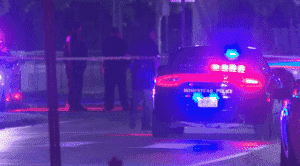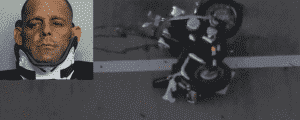
Law Offices of Anidjar and Levine helps protect evidence, coordinate with law enforcement, and pursue available insurance benefits after a driver leaves the scene.
Counsel can gather witness statements, surveillance footage, medical records, and evidence of vehicle damage to support liability and damages.
An attorney also manages insurer communications, evaluates uninsured motorist coverage, and seeks fair compensation for medical costs, lost income, and pain-related losses.
The sections below explain the process and available options. Learn more from a Miami Car Accident Attorney.
Main Takeaways
- Report the hit-and-run to Miami police immediately and preserve photos, witness contacts, dash cam footage, and any details about the fleeing vehicle.
- Seek medical care right away, even for minor symptoms, to protect your health and create records linking injuries to the crash.
- A Miami hit-and-run injury lawyer can investigate surveillance footage, debris, skid marks, and witness statements to identify the driver and prove liability.
- If the driver is not found, you may still pursue compensation through uninsured motorist coverage, medical documentation, and evidence of lost income.
- Prompt legal help can protect evidence, coordinate with investigators, and document long-term physical, emotional, and financial effects of your injuries.


How We Can Help With Your Miami Hit And Run Car Accident Injury Claim
Secure experienced legal guidance as early as possible because a Miami hit-and-run injury claim often involves urgent investigation, strict insurance requirements, and significant evidentiary challenges. Counsel can protect the client’s rights, coordinate immediate preservation of the case, and manage communications with insurers so the injured person can focus on recovery and on supporting loved ones.
A capable legal team helps by identifying available sources of proof, including witness statements, surveillance footage, vehicle debris, scene photographs, and electronic records. They can work with investigators, consult medical providers, document losses, and prepare a clear demand that reflects present and future harm. Attorneys also monitor deadlines, address policy conditions, and respond to attempts to minimize responsibility or undervalue damages.
When necessary, they can pursue litigation and present a persuasive case built on organized facts and credible analysis. Through steady guidance and disciplined advocacy, legal counsel serves both the injured individual and the broader interest of accountability and public safety for all.
OUR CONSULTATIONSARE FREE
START YOUR FREE CASE REVIEW

Understanding Miami Hit And Run Car Accident Injury Cases
In the context of Miami traffic collisions, a hit-and-run injury case presents distinct legal and factual issues because the at-fault driver leaves the scene before providing identification or rendering aid. This absence often complicates liability analysis, insurance coordination, and the prompt collection of reliable information.
A careful review typically focuses on police reports, surveillance footage, witness statements, vehicle debris, and medical records. Evidence preservation is especially important, since physical traces and digital recordings may disappear quickly. Attorneys and investigators may also examine roadway conditions, timing, and injury documentation to connect the crash to the fleeing vehicle.
For those committed to helping injured people, these cases require organized Victim support and informed guidance. Counsel often assists with reporting obligations, uninsured motorist claims, and communication with insurers and law enforcement. Clear documentation, timely action, and a service-centered approach can strengthen a claim while protecting the injured person’s rights, recovery, and long-term stability after a sudden traumatic event.
Common Causes of Miami Hit-and-Run Car Accidents
Several factors commonly contribute to Miami hit and run car accidents, including distracted driving incidents and impaired driver panic after a collision. In many cases, evasion by uninsured drivers also plays a significant role, as some motorists flee to avoid financial and legal consequences. Fear of arrest remains another frequent cause, particularly when a driver believes that remaining at the scene may lead to immediate criminal exposure.
Distracted Driving Incidents
Distracted driving remains a significant factor in many Miami hit-and-run accidents, often causing drivers to miss traffic signals, overlook nearby vehicles, or fail to react to sudden changes in road conditions. When attention shifts from the roadway, even briefly, the risk of striking another motorist, cyclist, or pedestrian increases substantially. Common sources include cellphone distraction, map navigation, in-vehicle screens, and conversations that pull focus from safe driving duties.
In many cases, a distracted driver leaves the scene because confusion follows the collision, and sound judgment is absent. This conduct can deepen harm for injured people who need prompt aid and accurate identification of those responsible. Understanding how distraction contributes to these crashes helps communities promote safer habits, strengthen accountability, and protect vulnerable road users throughout Miami neighborhoods every day.
Impaired Driver Panic
Reveal a common pattern in Miami hit and run crashes, impaired driver panic often follows a collision when a motorist fears arrest, license suspension, or other legal consequences tied to alcohol or drug use. In those moments, impaired judgment can overwhelm the basic duty to stop, render aid, and exchange information with others at the scene.
Instead of responding responsibly, some drivers react out of panic, leaving injured people without timely assistance and complicating emergency care. This conduct can also hinder investigators who are trying to identify what happened and protect the broader community from further harm. For those committed to serving injured neighbors and families, understanding this cause matters. It helps explain why certain drivers flee, while reinforcing the importance of accountability, prompt reporting, and careful legal guidance after a crash.
Uninsured Driver Evasion
In many Miami hit-and-run crashes, a lack of insurance becomes a direct motive for fleeing the scene. Drivers without valid coverage may believe departure offers the best chance to avoid financial responsibility for medical bills, property damage, and civil claims. That decision often leaves injured people without immediate assistance and places a heavier burden on families and community resources.
This form of evasion can also complicate investigations, especially when uninsured motorists use borrowed vehicles, false information, or tactics resembling insurance fraud. Even so, timely witness reports, traffic cameras, and modern vehicle tracking tools can help identify the fleeing driver. A careful legal response serves victims by preserving evidence, locating available coverage, and supporting recovery from losses caused by a driver who chose concealment over accountability and care.
Fear Of Arrest
Why do some drivers leave a crash scene even when the damage is obvious and injuries may be present? In many cases, fear of Immediate arrest drives that decision. A motorist may believe police will discover an outstanding warrant, intoxication, a suspended license, or another offense, and panic overrides judgment. That reaction, however, often creates greater harm for victims and deepens the driver’s legal exposure.
From a public safety perspective, leaving an injured person without aid reflects a serious disregard for community welfare. It also increases Criminal liability, because fleeing can transform a difficult situation into a far more severe legal matter. In Miami hit and run cases, this fear-based choice frequently complicates investigations, delays medical assistance, and undermines the duty every driver owes to others on the road.


Legal Rights of Miami Hit And Run Car Accident Injury Victims
Guiding through the aftermath of a hit-and-run accident requires a clear understanding of the legal protections available to injured victims in Miami. Florida law recognizes the right to seek compensation for medical costs, lost income, pain, and property damage, even when the fleeing driver remains unidentified. Victims may also benefit from witness rights that protect those who provide truthful information in service to justice and community safety.
Key legal rights often include:
- Access to insurance benefits, including uninsured motorist coverage when applicable.
- The ability to pursue civil claims against an identified at-fault driver.
- Consideration of restitution options through criminal proceedings if the offender is located.
- Protection from unfair insurer practices through enforceable policies and bad faith laws.
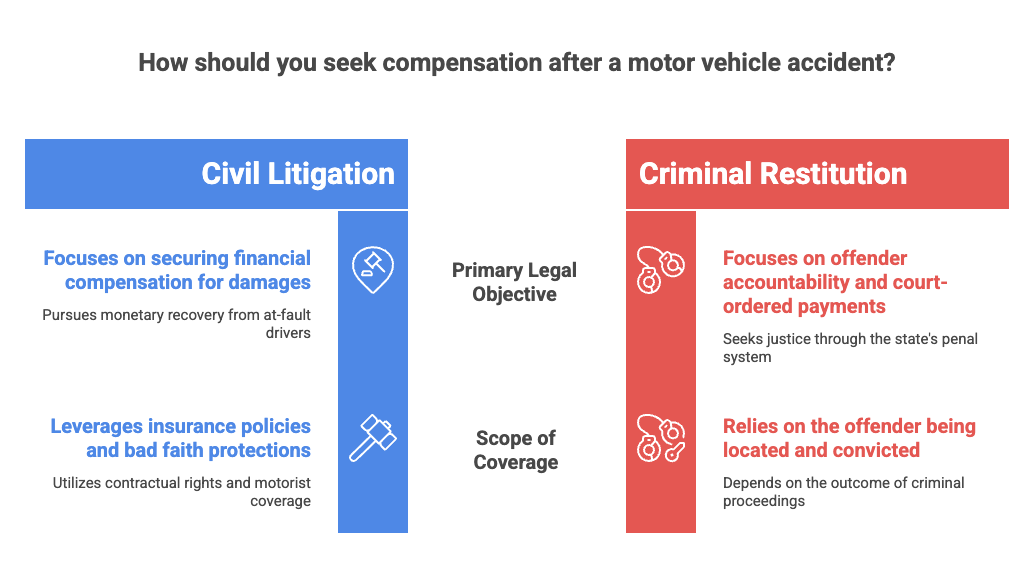
These rights exist to support recovery and accountability. A careful legal review can help injured persons understand available remedies, preserve lawful claims, and advance outcomes that serve both personal recovery and the broader public good.
Steps to Take After a Miami Hit-and-Run Car Accident Injury
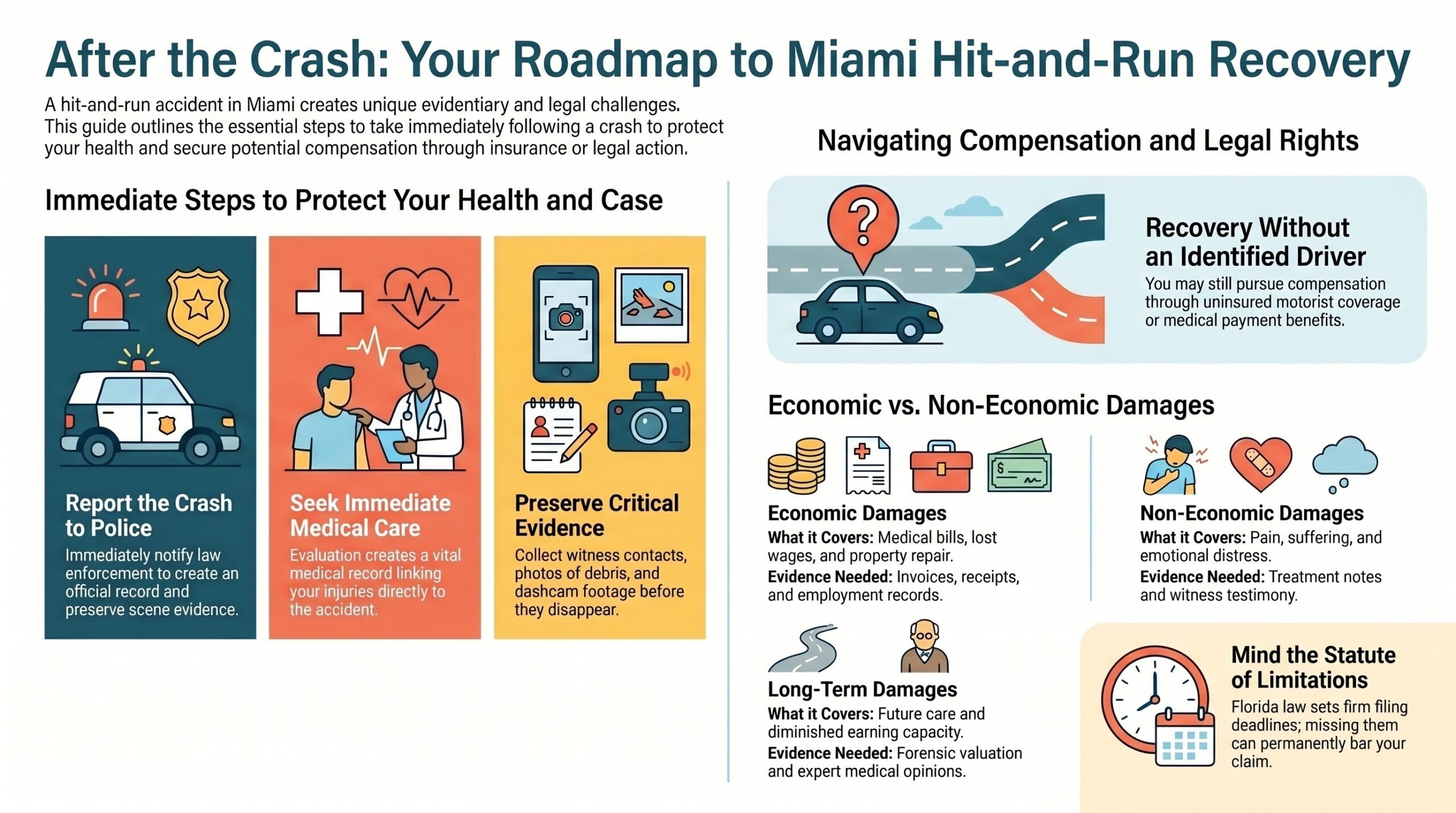
After a Miami hit-and-run car accident injury, several immediate steps can protect both health and any future legal claim. The matter should be reported to law enforcement without delay, medical attention obtained as soon as possible, and all available evidence preserved. These actions often play a vital role in identifying the fleeing driver, documenting injuries, and supporting a claim for compensation.
Report The Crash
In the immediate aftermath of a hit-and-run collision, the crash should be reported to law enforcement as soon as possible, because a prompt report helps preserve vital evidence and creates an official record of the incident. Officers may document vehicle debris, roadway markings, and damage patterns that could help identify the fleeing driver. Accurate details about time, location, direction of travel, and any remembered features of the other vehicle should be provided clearly.
A timely report also supports broader efforts to protect the community. Law enforcement may begin witness canvassing, review nearby businesses, and coordinate traffic camera to trace the vehicle’s route. When available, photographs, dash cam footage, and contact information for witnesses should be shared. Careful reporting can strengthen accountability and improve the chances of a successful investigation.
Seek Medical Attention
Even seemingly minor pain should be evaluated promptly by a qualified medical professional, because hit-and-run injuries may not be immediately apparent at the scene. A timely examination can identify internal injuries, concussions, soft tissue damage, or shock before conditions worsen and affect a person’s ability to care for others and fulfill daily responsibilities.
Medical attention also creates a clear treatment record, which supports health needs and underscores the importance after a crash. Emergency room visits, urgent care evaluations, and physician assessments may each play a necessary role depending on symptoms. Following discharge instructions, attending follow-up care appointments, and reporting new or changing symptoms can improve recovery and reduce complications.
In service-minded communities, seeking prompt care reflects responsible action, protects long-term wellbeing, and helps safeguard injured individuals from being unable to support loved ones effectively.
Preserve Key Evidence
Several forms of evidence can quickly determine whether a hit-and-run injury claim is supported or undermined, so preservation should begin as soon as safety and medical needs are addressed. Helpful steps include documenting the scene with photographs of vehicle damage, debris, skid marks, injuries, traffic signals, and nearby businesses that may have cameras. Witness names, phone numbers, and brief written observations should also be gathered, because memories often fade quickly.
A copy of the police report and any emergency response records can further strengthen the factual timeline. Damaged clothing, broken personal items, and repair estimates should be retained without alteration to support chain preservation. When possible, a victim or representative may note the fleeing vehicle’s color, direction, and partial plate information. Careful evidence handling allows advocates and legal counsel to serve injured people more effectively.
How a Miami Hit And Run Car Accident Injury Lawyer Can Help You
After a hit-and-run crash, a Miami car accident injury lawyer can provide immediate guidance by protecting the injured person’s legal rights, identifying available sources of compensation, and managing communication with insurers and investigators. Counsel also coordinates evidence collection, including witness cooperation, surveillance footage, vehicle inspections, and forensic reconstruction when liability is disputed or the fleeing driver remains unknown.
A lawyer’s assistance often includes:
- Evaluating uninsured motorist coverage, medical payment benefits, and other recovery options.
- Working with law enforcement to support the identification of the at-fault driver.
- Organizing records, deadlines, and notices required for a strong claim.
- Negotiating with insurers to pursue fair payment without unnecessary delay.
This support allows injured people and their families to focus on recovery and daily responsibilities while legal matters are handled carefully. In service to the community, effective representation also encourages accountability, careful documentation, and respectful treatment of every person affected by the crash and its aftermath.
Long-Term Effects of Miami Hit-and-Run Car Accident Injuries
Miami hit and run car accident injuries may produce consequences that extend well beyond the initial medical emergency. Victims often face chronic pain complications and emotional trauma effects that interfere with daily functioning, employment, and overall quality of life. In many cases, these ongoing hardships are compounded by lasting financial strain, as treatment costs, lost income, and future care needs continue to accumulate.
Chronic Pain Complications
Persistence often defines chronic pain following a hit-and-run collision, as symptoms can continue long after fractures, whiplash, soft tissue injuries, or nerve damage appear to have stabilized. In many Miami cases, injured people experience persistent back pain, joint stiffness, headaches, neuropathic flare-ups, and reduced mobility that limit work, caregiving, and daily service to others.
Ongoing pain may also contribute to muscle guarding, inflammation, diminished concentration, and sleep disruption, which can slow rehabilitation and complicate treatment planning. Some individuals require medication management, physical therapy, interventional procedures, or assistive devices for months or years. Medical documentation often becomes crucial because chronic symptoms may fluctuate, worsen with routine activity, and undermine long-term independence. Careful legal evaluation can help connect these complications to the collision and support recovery needs through fair compensation.
Emotional Trauma Effects
Trauma can extend well beyond visible injuries, affecting an individual’s emotional stability long after a hit-and-run collision has ended. Survivors may experience post-traumatic stress, marked by intrusive memories, heightened vigilance, sleep disruption, and persistent fear in everyday travel. These reactions can interfere with decision making, concentration, and the ability to remain present for family, coworkers, and community members who depend on their care.
Emotional harm may also involve depression, anxiety, irritability, and social withdrawal, particularly when trust in others has been shaken by the driver’s flight from responsibility. In some cases, Attachment disruption develops, making close relationships feel unsafe or emotionally distant. Recognizing these effects early can support compassionate intervention, promote recovery, and help injured individuals continue serving others with steadiness, dignity, and renewed confidence.
Lasting Financial Strain
Uncertainty often becomes a defining feature of life after a hit-and-run collision, especially when serious injuries disrupt a person’s ability to work and meet ordinary financial obligations. In many cases, the financial harm extends far beyond emergency treatment, affecting families, caregivers, and those who step forward to provide support.
Medical debt may accumulate quickly through surgeries, rehabilitation, medication, and follow-up care. Lost wages can intensify hardship when an injured person cannot return to work, accept reduced hours, or must leave employment entirely. Household savings may be depleted, credit may suffer, and future plans may be delayed or abandoned. For those committed to caring for others, these burdens often limit their ability to serve their families and communities. Over time, lasting financial strain can become one of the most damaging consequences of a hit-and-run.
Proving Liability in Miami Hit And Run Car Accident Injury Cases
Establishing liability in a Miami hit-and-run car accident injury case requires a careful analysis of the available evidence, even when the at-fault driver cannot be immediately identified. Investigators often begin with witness identification, traffic camera footage, debris patterns, and scene photographs to reconstruct how the collision occurred and determine whether negligence caused the harm.
Vehicle forensics can provide further support by linking paint transfer, broken parts, skid marks, and impact damage to a specific make or model. Medical records, emergency reports, and electronic data from nearby businesses may also help confirm the sequence of events. In many cases, attorneys work with accident reconstruction experts to connect these facts in a clear, persuasive manner.
A service-minded legal approach values truth, accountability, and the injured person’s dignity. By preserving evidence promptly and presenting it methodically, a lawyer can strengthen the case, identify responsible parties, and support a recovery process focused on justice, stability, and community well-being for all.
Dealing With Insurance Companies After a Miami Hit-and-Run Car Accident Injury
In the aftermath of a Miami hit-and-run car accident injury, communications with insurance companies require caution, precision, and a clear understanding of policy obligations. Injured individuals are often contacted quickly, yet early statements may be used to limit coverage or reduce the value of losses. Careful documentation, accurate reporting, and measured responses help protect both rights and community-minded responsibilities.
Insurance carriers may request recorded statements, medical authorizations, or broad access to personal records. Each request should be reviewed closely before any response is given. Insurance negotiation should focus on documented facts, treatment needs, and policy terms rather than speculation. Adjusters may question the severity of injuries or the circumstances of the collision, increasing the risk of Claim denial.
Consistent records, respectful communication, and legal guidance can strengthen a claimant’s position. A disciplined approach helps preserve financial recovery while allowing injured people to concentrate on mending, family stability, and service to others.
What to Expect During a Miami Hit-and-Run Car Accident Injury Claim Process
A Miami hit-and-run car accident injury claim typically begins with immediate post-accident steps, including reporting the incident, seeking medical care, and preserving available evidence. The process then moves into the insurance claim investigation, where insurers review statements, records, and other documentation to assess liability, injuries, and damages. From there, the claim may proceed through settlement negotiations or, when necessary, into litigation, with the overall timeline shaped by the strength of the evidence and the extent of the losses.
Immediate Post-Accident Steps
Following a Miami hit and run collision, the first priority is medical evaluation and scene safety, even when injuries seem minor, or the at-fault driver has already fled. Those present should call 911, move to a secure area if possible, and request police assistance. Prompt care protects recovery and creates an early record of harm.
Practical documentation should begin immediately. Individuals may photograph vehicle damage, roadway conditions, debris, traffic signals, and visible injuries. They should gather witness statements, note the fleeing vehicle’s direction, and preserve any details about make, model, color, or license information.
Nearby cameras, business surveillance systems, and vehicle-tracking technology may also help identify the driver. Calm, organized action supports community safety, strengthens accountability, and helps injured people receive timely medical and legal guidance after the incident.
Insurance Claim Investigation
Once a hit-and-run claim is reported, the insurance investigation typically centers on confirming how the collision occurred, documenting the injuries involved, and determining which available coverage may apply. Adjusters often collect the police report, scene photographs, witness statements, and any available vehicle data. In cases with limited direct evidence, carriers may rely on forensic reconstruction and surveillance analysis to clarify vehicle movements, timing, and points of impact.
They may also review traffic camera footage, footage from nearby businesses, and prior communications made after the event. Throughout this stage, careful organization and prompt cooperation can help preserve the claim’s accuracy and support a fair review process. A service-minded approach values truth, accountability, and the practical goal of responsibly securing the resources needed to assist injured individuals and their families.
Proving Injuries And Damages
Establishing injuries and damages is a central part of a Miami hit-and-run injury claim, because compensation generally depends on clear proof of both medical harm and resulting financial loss.
To meet applicable evidentiary standards, a claimant commonly presents medical documentation, diagnostic imaging, treatment notes, prescriptions, and physician opinions linking the collision to the injury. Records of therapy, rehabilitation, and future care needs may also support the claim. Financial damages are often shown through wage statements, employer verification, invoices, receipts, and repair estimates.
Consistent reporting is important because gaps in treatment or conflicting descriptions can weaken credibility. When evidence is carefully organized and presented accurately, it helps insurers or counsel evaluate the full impact of the event. This process supports accountability and protects resources needed for recovery and continued care.
Settlement And Litigation Timeline
In the early stages of a Miami hit-and-run injury claim, the timeline often begins with medical treatment, notice to applicable insurers, and a preliminary review of available evidence. Counsel then gathers records, evaluates losses, and identifies sources of coverage, while preserving facts that may later support a civil action.
The settlement timeline may include demand preparation, insurer investigation, negotiations, and possible mediation. If a fair resolution is delayed or denied, a lawsuit may follow. Important litigation milestones generally include filing the complaint, service of process, written discovery, depositions, expert review, motion practice, and trial preparation.
Throughout this process, disciplined documentation and timely responses can protect the injured person’s interests. A service-minded legal team often helps families understand expectations, meet deadlines, and pursue accountability with patience, care, and steady professional guidance.
Compensation for Miami Hit And Run Car Accident Injury Damages
After a Miami hit-and-run collision, an injured person may be entitled to pursue compensation for a range of accident-related damages, depending on the available insurance coverage, the severity of the injuries, and whether the fleeing driver is later identified.
Potential recovery may include payment for emergency treatment, hospitalization, rehabilitation, prescription costs, follow-up care, and future medical needs. In some cases, compensation may also address transportation to appointments, in-home assistance, emotional counseling, and other support services that help restore stability and dignity. When providers remain unpaid during a claim, medical liens may affect the final distribution of proceeds and should be reviewed carefully.
If the at-fault driver is found, additional insurance resources may become available. If not, uninsured motorist coverage may provide an important path to relief. A careful legal review can help make certain all available sources are identified, documentation is organized, and the injured person receives support that protects both recovery and long-term well-being.
Economic vs Non-Economic Damages in Miami Hit-and-Run Car Accident Cases
In Miami hit-and-run car accident cases, damages generally fall into two categories: economic losses and non-economic harm. Economic damages typically include measurable costs such as medical bills, lost income, and property damage, while non-economic losses address pain and suffering, emotional distress, and diminished quality of life. Establishing the value of either category often requires records, testimony, and other evidence that connects the collision to the claimant’s financial and personal losses.
Economic Damages Explained
Clarity is vital when evaluating damages in a Miami hit-and-run case, because the law separates losses into economic and non-economic categories. Economic damages refer to measurable financial harm supported by records, invoices, receipts, and employment documentation. They often include emergency care, hospital bills, rehabilitation expenses, medication costs, lost wages, and future medical treatment tied to the crash.
Property damage is also part of this category, covering vehicle repair or replacement, towing, storage, and other out-of-pocket losses caused by the collision. In serious cases, economic damages may include diminished earning capacity when injuries limit future work. Careful documentation serves injured people, families, insurers, and courts by providing a reliable account of the event’s costs. A thorough damage analysis promotes fair recovery and responsible legal decision-making for all.
Non-Economic Losses Overview
Economic losses show what a hit-and-run collision costs on paper, while non-economic losses address the human harm that cannot be measured by bills or wage records alone. These losses reflect suffering that affects daily living, relationships, and personal dignity after a traumatic event.
In Miami hit and run cases, non-economic damages may include physical pain, emotional distress, anxiety, inconvenience, and reduced enjoyment of life. They recognize that recovery involves more than financial reimbursement, especially when injuries cause lasting disruption to victims’ and families’ lives. Pain valuation concerns the seriousness and duration of suffering, but the broader focus remains on how the harm changes ordinary routines, independence, and peace of mind.
For people committed to helping others, understanding these losses supports a fuller view of justice and compassionate legal advocacy for injured community members.
Proving Damage Value
Establishing the value of damages requires more than listing losses, because a Miami hit-and-run claim must connect each category of harm to reliable evidence and a clear legal basis. Economic damages are commonly supported through medical bills, wage records, repair estimates, and future care projections. In more intricate matters, forensic valuation may be used to measure diminished earning capacity or long-term financial impact with disciplined accuracy. Non-economic damages, including pain, emotional distress, and loss of enjoyment, require a different showing.
These harms are often proven through treatment records, daily limitations, family observations, and expert testimony from medical or vocational professionals. A careful presentation helps insurers, judges, and juries understand the full human and financial cost, supporting compensation that can restore stability and protect the injured person’s future welfare.
When a Miami Hit And Run Car Accident Injury Case Goes to Trial vs Settlement
Determining whether a Miami hit-and-run car accident injury case will proceed to trial or be resolved through settlement depends on several practical and legal factors. Attorneys generally assess liability evidence, medical documentation, and insurance.
The Statute of Limitations for Miami Hit-and-Run Car Accident Injury Cases
In Florida, the statute of limitations places a firm deadline on filing a lawsuit after a Miami hit-and-run car accident injury. These filing deadlines matter because a delayed claim can be barred, even when injuries are serious, and the at-fault driver remains unidentified. Careful attention to timing helps protect the resources needed for medical care, family stability, and continued service to others.
For most negligence-based injury actions, Florida law sets a limited period to begin suit, though specific facts may alter the calculation. In some circumstances, discovery tolling may affect when the clock starts or pauses, especially if pivotal information could not reasonably be known earlier. However, tolling rules are narrow and should not be assumed.
Missing the applicable deadline can weaken accountability and prevent recovery for losses such as treatment costs, lost income, and pain. A timely, well-documented claim preserves evidence and supports a more orderly path toward financial relief and justice.
When to Contact a Miami Hit And Run Car Accident Injury Lawyer
After a hit-and-run collision, contacting a Miami hit-and-run car accident injury lawyer is often most important as soon as immediate medical needs are addressed and the accident is reported to law enforcement. Prompt action helps preserve facts, document injuries, and support compassionate service to injured people and their families during a difficult time.
A lawyer may be contacted when there is uncertainty about the insurance notice, missing driver information, or ongoing medical care. Early reporting can strengthen the record by tying statements, photographs, and treatment notes to the event without avoidable delay. Witness outreach is also time sensitive because memories fade and contact information can be lost.
If surveillance footage may exist, timely legal involvement can help identify locations and request preservation before it is deleted. Contact is also appropriate when an injured person cannot manage paperwork, communications, or deadlines alone and needs orderly guidance while focusing on recovery and responsibilities to others.
Why You Need an Experienced Miami Hit And Run Car Accident Injury Lawyer
Early contact with counsel is only part of the response, because the value of representation often depends on experience with the added complications that hit-and-run claims present. An experienced Miami hit-and-run car accident injury lawyer understands how to preserve evidence, coordinate with investigators, and address uninsured motorist issues before delays weaken the claim.
Experience also matters because these cases often involve frightened witnesses, incomplete police reports, and disputed medical timelines. Effective counsel can support Witness protection concerns by helping secure statements, limiting unnecessary exposure, and encouraging cooperation that serves justice. A seasoned attorney also develops a sound Legal strategy, connecting accident reconstruction, medical records, and insurance communications into a clear account of liability and loss.
For individuals motivated by service to family and community, skilled representation helps protect financial stability while reinforcing accountability. It gives injured people a structured advocate who can pursue fair compensation without losing sight of the broader public good.
How to Choose the Right Miami Hit And Run Car Accident Injury Lawyer for Your Case
Among the most important decisions following a hit-and-run collision is the selection of counsel with the right experience, resources, and judgment for the case. A careful review should focus on the lawyer’s background with injury litigation, uninsured motorist claims, and investigations involving unidentified drivers in Miami. Attorneys who communicate clearly and act promptly often protect both evidence and the injured person’s broader interests.
Client interviews can reveal whether a lawyer listens attentively, explains options plainly, and approaches representation with respect for the client’s recovery, family needs, and service to others. It is also wise to examine Fee structures, including contingency terms, case costs, and how expenses are handled if compensation is delayed or disputed.
Reputation, courtroom readiness, and access to investigators and medical experts also matter. By comparing qualifications, communication style, and practical support, an injured person can choose representation aligned with the demands of the case and the pursuit of fair accountability.
About The Law Offices of Anidjar & Levine
For individuals seeking representation in a Miami hit-and-run case, The Law Offices of Anidjar & Levine presents a practice focused on personal injury advocacy and client-centered legal service.
The firm assists injured people and families with clear communication, responsive guidance, and practical support during difficult periods.
Its approach reflects a commitment to helping clients pursue accountability and financial recovery while preserving dignity and stability.
The firm’s history reflects sustained work in Florida personal injury matters, including motor vehicle accident claims involving serious injuries and disputed liability.
Attorneys and staff emphasize accessibility, careful case preparation, and attention to each client’s circumstances.
This service model may appeal to readers who value helping loved ones secure dependable legal assistance after harmful events.
Client testimonials often highlight professionalism, compassion, and regular updates, which can be important when evaluating representation.
In a hit-and-run context, the firm’s stated priorities include investigating the crash, identifying available insurance coverage, and advocating for fair compensation.
Frequently Asked Questions
Can I Recover Damages if the Hit-And-Run Driver Is Never Identified?
Yes, damages may still be recovered if the hit-and-run driver is never identified. An injured person may pursue compensation through uninsured motorist coverage, medical payments coverage, or other applicable insurance benefits. Prompt police reports and thorough documentation often strengthen the claim and support community safety efforts. Recovery depends on policy terms, available evidence, and compliance with the statute of limitations. Early legal guidance can help protect rights and preserve available avenues.
Will My Uninsured Motorist Coverage Increase My Premiums After a Claim?
Yes, uninsured motorist coverage can lead to a premium increase after a claim, although the outcome depends on state law, insurer practices, and the policyholder’s driving history. Some insurers do not surcharge drivers who were not at fault, while others may adjust rates at renewal. Careful policy review is crucial because a claim denial or a disputed finding of fault can also affect costs and future coverage decisions for insured families.
Can a Dashcam Recording Help if There Were No Eyewitnesses?
Yes, a dashcam recording can materially help when there are no eyewitnesses. It may document vehicle movements, impact timing, road conditions, and identifying details that support a clear account and assist those seeking accountability. Its value depends on prompt dashcam preservation, a consistent chain of custody, and reliable footage authentication. If the recording is complete and unaltered, insurers, investigators, and courts often treat it as persuasive evidence in evaluating fault and damages.
Are Pedestrians Covered in a Miami Hit-And-Run Injury Claim?
Yes, pedestrians are often covered in a Miami hit-and-run injury claim, depending on available insurance, liability facts, and applicable pedestrian protections. Recovery may involve personal injury protection, uninsured motorist coverage, or claims against other responsible parties. Sidewalk liability can also matter when unsafe property conditions contributed to the harm. A careful legal review helps determine coverage sources and supports efforts to secure fair compensation for injured pedestrians and their families.
What happens if a rental car is involved in a hit-and-run?
If a rental car was involved in the hit-and-run, the claim typically expands to include the driver, the rental company, and available insurance carriers. A careful liability investigation reviews the rental agreement, vehicle records, and reporting timelines to determine responsibility. Service-oriented advocates often help injured parties preserve evidence, notify insurers, and identify sources of coverage. Prompt action is crucial because rental contracts, surveillance footage, and electronic data may materially affect recovery.
—————————
A Miami hit-and-run car accident can leave victims facing serious injuries, financial strain, and significant uncertainty.
By understanding their rights and acting promptly, injured parties can better protect both their wellbeing and their legal interests.
An experienced Miami Car Accident Attorney can investigate the collision, identify available insurance coverage, and pursue appropriate compensation.
Anidjar and Levine provide focused guidance for those seeking a clear, informed path forward after a Miami hit and run accident.